- English
- French
- German
- Portuguese
- Spanish
- Russian
- Japanese
- Korean
- Arabic
- Greek
- German
- Turkish
- Italian
- Danish
- Romanian
- Indonesian
- Czech
- Afrikaans
- Swedish
- Polish
- Basque
- Catalan
- Esperanto
- Hindi
- Lao
- Albanian
- Amharic
- Armenian
- Azerbaijani
- Belarusian
- Bengali
- Bosnian
- Bulgarian
- Cebuano
- Chichewa
- Corsican
- Croatian
- Dutch
- Estonian
- Filipino
- Finnish
- Frisian
- Galician
- Georgian
- Gujarati
- Haitian
- Hausa
- Hawaiian
- Hebrew
- Hmong
- Hungarian
- Icelandic
- Igbo
- Javanese
- Kannada
- Kazakh
- Khmer
- Kurdish
- Kyrgyz
- Latin
- Latvian
- Lithuanian
- Luxembou..
- Macedonian
- Malagasy
- Malay
- Malayalam
- Maltese
- Maori
- Marathi
- Mongolian
- Burmese
- Nepali
- Norwegian
- Pashto
- Persian
- Punjabi
- Serbian
- Sesotho
- Sinhala
- Slovak
- Slovenian
- Somali
- Samoan
- Scots Gaelic
- Shona
- Sindhi
- Sundanese
- Swahili
- Tajik
- Tamil
- Telugu
- Thai
- Ukrainian
- Urdu
- Uzbek
- Vietnamese
- Welsh
- Xhosa
- Yiddish
- Yoruba
- Zulu
What Components Are Included in a urea SCR system
A urea SCR system includes a diesel exhaust fluid (DEF) tank, a pump and dosing module, a filter, heated lines, an injector, an exhaust mixer, an SCR converter, an ammonia slip converter, sensors, an electronic control unit (ECU), and a wiring harness. Together, these parts store DEF, meter it, spray it into the exhaust, and convert nitrogen oxides (NOx) into nitrogen and water. Each part affects dosing accuracy and emission compliance. In this guide, I explain what every component does, how the parts work together, and what buyers should check before choosing a supplier.
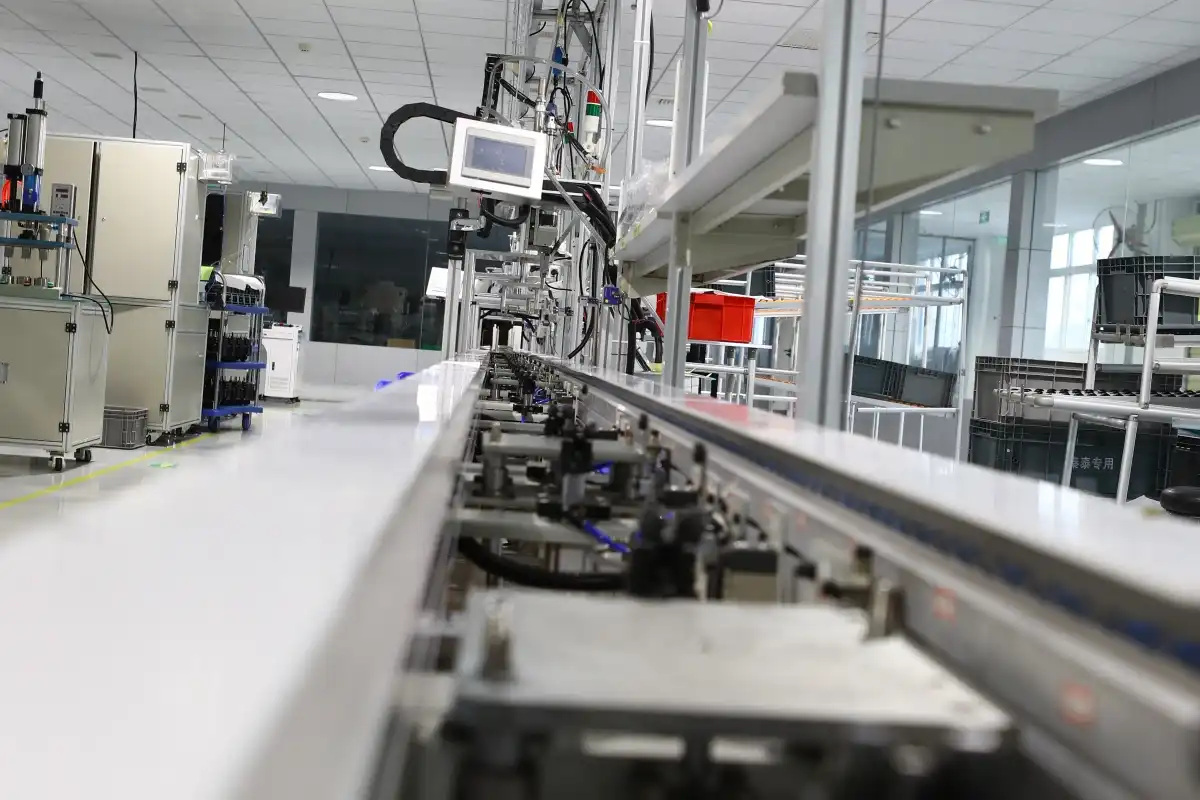
Urea SCR System Overview: What It Is and Why It Matters
How the Technology Cuts NOx
When diesel engines run lean, they use less fuel, but they make NOx. Something called a urea SCR system cleans up the gas after it has been burned. In line with ISO 22241-1, it shoots diesel exhaust fluid (DEF) into the hot exhaust. DEF is made up of 67.5% deionized water and 32.5% urea. When urea gets hot, it changes into ammonia. When ammonia and NOx mix in the SCR converter, nitrogen and water gas are made. Koebel and his coworkers thought this method looked like a good way to cut down on NOx from car diesel engines. The EPA 2010 limit of 0.2 g/bhp-hr was used by many U.S. heavy-duty truck manufacturers. Each link in this chain does a clear job.
SCR, DEF, and EGR: Clearing Up the Terms
People often mix up these terms. DEF, which is often sold as AdBlue, is just the fluid. You can store, measure, inject, and react with urea SCR fluid. It has all the hardware you need. EGR does things in a unique way. Because some of the exhaust is sent back into the engines to cool the fire, not as much NOx is made. After leaving the engine, NOx is taken away by SCR. EGR cuts down on NOx from the engine, and SCR does the rest. This is why a lot of diesel engines today have both. The DOC and DPF units can both deal with particles, carbon monoxide, and hydrocarbons, but they aren't as good as an SCR converter.
Where These Systems Run Today?
You can find them on big trucks, busses, construction equipment, farm tools, marine engines, and generator sets that stay in one place. For OEM platforms, the gear is built into the engine itself. For upgrade projects, systems are added that work with equipment that is already in use. Because of the 2010 on-road standard and the EPA Tier 4 non-road rules, most companies in the U.S. now use SCR. There are also rules in China and Europe that say heavy-duty engines need to have good NOx aftertreatment. Because each job has different needs for heat, space, and duty, a parts list can't help you choose what to buy. That's why the next part talks about what each part needs in terms of design.
Core Components Included in a Urea SCR System
Let me talk about the hardware in the same order that DEF does.
Storage and Delivery: Tank, Pump, Filter, and Heated Lines
For the most part, the DEF tank has a level sensor, a temperature sensor, and a quality monitor. The liquid is held in it. As the pump and dosing module take DEF from the tank, they build up a steady pressure. A filter stops the particles before they get to the injector. Heated lines keep DEF going in the winter, when it freezes at -11°C (12°F). It is important for makers to choose materials that don't rust when they come in contact with urea and that keep the pressure fixed. Even if everything else in the line is fine, the injector might not be getting enough fuel. That's why I always check the supply side first.
Injection and Treatment: Injector, Mixer, and Converters
The injector only sends a small amount of DEF into the exhaust. It is the mixer behind it that breaks up the droplets into smaller pieces. The mixer then spreads the ammonia evenly across the face of the converter. Urea and DEF stick together if you don't mix them well. The coating on the SCR converter is where the ammonia and NOx mix. An ammonia slip converter is often built into the outlet to break down any ammonia that is left over. For the engine to be shipped, each part must fit the exhaust flow, temperature range, and load room. It is just as important where the nozzle is mounted and how it sprays as it is the nozzle itself because crystallization is the main danger close to the injector.
Sensors, ECU, and Wiring Harness
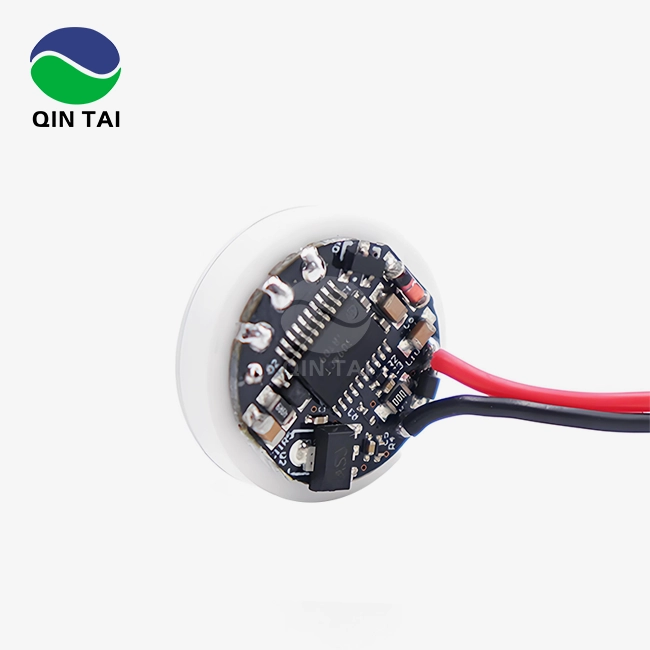
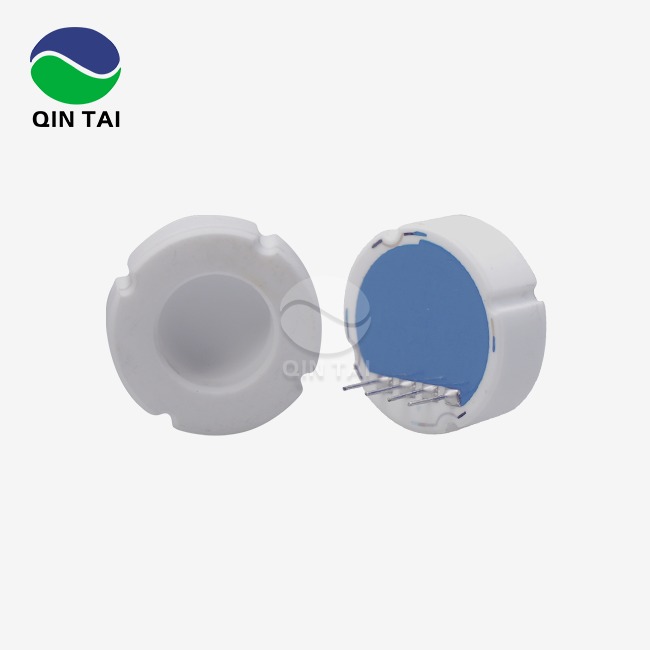
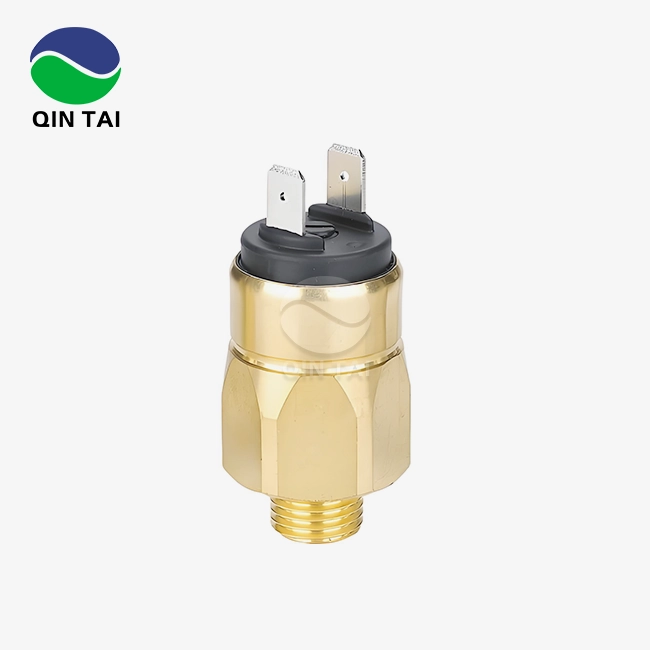
The system can notice things with the help of sensors. The gas going into and out of the converter is read by NOx monitors. There are temperature sensors that make sure parts don't get too hot and urea pressure sensors that watch the dose line. It lets you give the right amount of medicine and lets you know when pressure drops because of air, leaks, or blockages. The electronic control unit (ECU) reads all the signals and then changes the dose. To make sure the connectors are waterproof and can handle both 12V and 24V, the wiring harness and CAN links must be used. They do a lot of work on sensors, especially pressure sensors, and urea SCR system aftertreatment for diesel engines, which is why I pay extra attention to this zone.

How the Components Work Together and What Affects Performance
The Operating Sequence from Tank to Tailpipe
The process starts when the level and quality monitors check the fluid. The heated line from the pump brings the DEF to the injector. The filter cleans the DEF on its way to the injector. The ECU takes into account the dose, the temperature, the load on the engine, and the amount of NOx that has been measured. The injector sprays, the mixer spreads, and the change happens. What comes next is sent to a NOx sensor further down the line. If the number goes up, the ECU changes the dose. Along with making sure people follow the rules, this closed loop stops ammonia from slipping and building up. Without correct feedback, not even the best converter works well.
Temperature, Duty Cycle, and Dosing Accuracy
Changing the knobs for the temperature. A lot of systems start to dose when the temperature of the exhaust goes over 392°F (200°C). Below that level, layers of urea instead of ammonia tend to form. The converter can get broken if it gets too hot. The exhaust stays cool when the engine is not being used, on short trips, when starting from a cold position, and when the load is low. This means there is a greater chance of crystals and less chance of conversion.
The results depend on how well the dosing is done, the volume of the converter, the time that NOx stays in the exhaust, the mixer shape, the quality of the sensors, and the engine-out NOx. How much fuel is used changes because of the drop in pressure between the converter and the mixer. Heat management is different for a city bus that stops and starts and for a long-haul truck. It is better to match the design to the duty cycle than to give too many details, which could cost a lot.
SCR Compared with Other Diesel Technologies
It is said that EGR lowers the amount of NOx that is made and urea SCR system treats it afterward. Some NOx traps hold NOx and let it out when the engine is rich. This makes the engine use more fuel and be more sensitive to sulfur. The DPF gets dust and needs to be replaced every so often. DEF, which is usually about 2% to 3% of the diesel fuel, is used instead by SCR. The fact that it has sensors and ECU software also makes it harder to handle. The SAE guide by Majewski and Khair on diesel pollution talks in great depth about these trade-offs. Each technology helps with a different issue. If someone wants to buy something, they should pick a combined emissions design, since one part rarely meets the law's whole goal on its own.
Common Problems and Maintenance Requirements
DEF Quality, Freezing, and Empty Tanks
There are a lot of alerts sent when DEF is low or dirty. DEF freezes before it drops below -11°C (12°F). But most tanks have a heating element inside them. When the engine starts, the system gets warmer and the frozen fluid melts. If the tank runs out, the urea SCR system stops working properly, the engine may enter limp mode, and a light on the dashboard will let you know it's time to fill up again. The quality sensor helps make sure that the solution meets the standards. To make sure that the DEF is always properly refilled, I suggest that you check its quality often. Fleets can also find problems before they happen again by keeping service records.
Filters, Injectors, and Crystallization
Dirt and other things can get into the dose valve and nozzles if the urea filter is broken or clogged. Then the injection isn't done right, NOx reduction is hurt, and accidents can cost a lot to fix and get you in trouble for not following the rules. At certain times, change the filters. If the injector crystallizes, it can show up as a weak spray, rising pressure, or a lot of NOx faults. Technicians should not use rough tools to clean; instead, they should follow the manufacturer's instructions. It takes longer to analyze if the duty cycle is checked, but it is faster to do so when there are a lot of quick runs and cold exhaust. Most of the time, keeping pollution under control is cheaper than replacing an injector that is clogged.
Pressure Faults and Diagnostics
Before you change any important parts, look for trouble codes. It tells us a lot about the pressure. There is either too much pressure or something is wrong with the valve if the DEF is stuck. When the pressure drops, it means that the line has air, leaks, or is blocked. Pressure data can also tell you how well a pump is working and if an injector is broken. There are also times when the heated line, a NOx or temperature sensor, the wiring, the CAN connection, or an old converter breaks. These problems usually show up first and lead to warning lights and events that lower the grade. Regular checks and good service records help make sure that trucks and other industrial equipment don't break down when they're not supposed to.
How to Choose a Urea SCR System and Supplier?
Define Your Engine and Application Needs
Beginning with the engine's power, emission target, voltage, exhaust conditions, installation size, temperature range, operating hours, and whether the scope is OEM or retrofit, you can find out what you need to know. Then check that the layout does what it's supposed to do. Dosing tools for big trucks need to last a long time and hold a lot of DEF. Busses need small boxes that can quickly warm up when it gets cold. Building and farming machines need to be kept away from dust, shaking, and water. Generators that are used in mines or as backup power need to be stable and simple to check on. They also add price, versatility, stock availability, and how easy it is to install as things to consider. The urea SCR system sensor and interface should also connect and work well with each other. You won't have to think about these things again after writing them down.
Technical Metrics and Documents to Request
Find out about the NOx conversion, how accurate the dosage is, how stable the pressure is, how long the converter lasts, how much pressure drops, how well it works in cold weather, how to diagnose problems, and where to get extra parts. After that, you should ask suppliers for drawings, test results, CAN data, warranty terms, lead times, and a list of all the costs. You only have to deal with one person being in charge of everything when you buy what you need. If you buy parts separately, they will cost different amounts, but it will be up to your team to put them together. The pick is made by the technical staff, prices are compared by buying, and the seller is accepted by management. All three groups can make decisions faster when they have a clear package of documents. Don't just look at the price per unit; also look at the cost as a whole, which includes care and the rate of failure.
What a Qualified Supplier Brings?
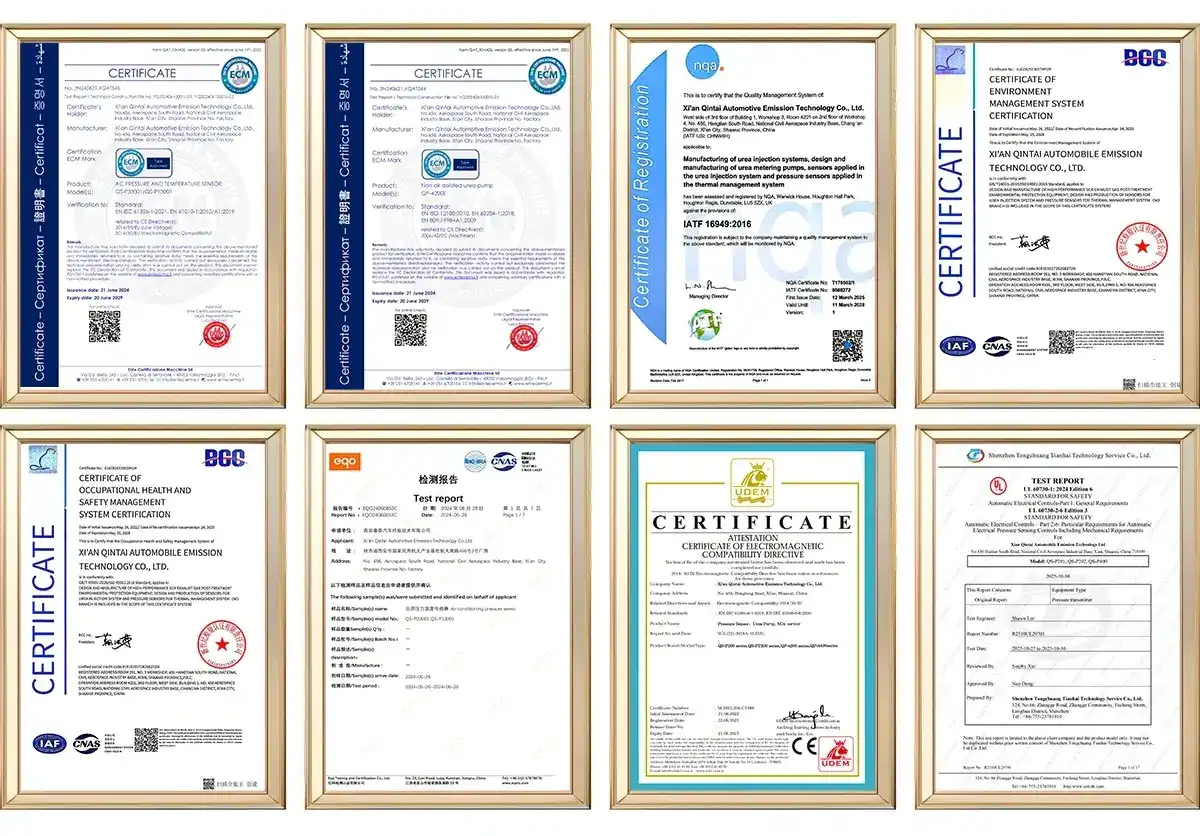
Qintai is a national high-tech company that has been around since 2001. We develop, manufacture, and sell urea SCR system products and sensors, with special strength in pressure sensors. We have certifications from ISO9001, IATF16949, CMC, Ex, UL, CE, REACH, and RoHS, among others. There are also 58 invention patents among us. In China, Weichai Power, Yuchai Power, and Quanchai Power all buy from us. We have the largest market share in the country. We have OEM and ODM services that let you make changes that are right for you. People from more than 60 countries and regions buy our goods. You should make sure that the seller you choose can test the product for pressure, temperature cycle, vibration, communication, dynamometers, and field trials before you put it into mass production.
Conclusion
A urea SCR system is made up of parts that connect and work together like a chain. Every part of the engine—the heated lines, injector, mixer, SCR converter, ammonia slip converter, sensors, ECU, and wiring harness—has its own job to do. For example, the sensors store fluid and make sure NOx levels are low. How well it works depends on how hot the exhaust is, how often it is mixed, how accurate the dosing is, and the duty cycle. It's not the same as EGR, DOC, DPF, or lean NOx traps, which are used to fix different problems. Filters, deposits on the injectors, bad DEF, or mistakes with the pressure or sensors are what cause most of the problems. If you check and read the codes often, you won't have to fix parts that aren't broken. It's not enough to just compare unit prices when picking a system. You also need to think about the engine, exhaust, electrical, and application needs, as well as test data and papers.
FAQ
How does the urea tank communicate with the SCR system?
The tank is linked to the urea SCR system dosing system by sensors and a pump. With the level sensor, you can tell how much AdBlue is in the solution. The temperature sensor helps keep the solution from freezing, and the quality sensor makes sure it stays within the limits that were set.
What does the urea pressure sensor do?
Closed-loop feedback makes sure that doses are correct. It finds drops in pressure that are caused by damage, air, or leaks. It can also find overpressure from frozen fluid or broken valves and help you figure out what's wrong with the pump and injectors.
Can AdBlue freeze in the tank?
It does freeze below -11°C (12°F). Most of the time, there is a heating element in the tank. When the engine starts, the system heats the tank up to the right level, which melts any fluid that is frozen.
Does skipping urea filter replacement risk damage?
Yes. The dose valve and nozzles can get dirty if the filter gets jammed or breaks. This makes shots less reliable and NOx control less effective. When a system breaks, it can cost a lot to fix and get fined for not following the rules.
What happens if the urea tank runs empty?
The SCR system stops working properly, and the engine may enter limp mode to lower pollution. There is also a light on the dashboard that lets you know the AdBlue needs to be filled up again.
Request a Urea SCR System Quote from Qintai
We can help you with your next urea SCR system project at Qintai, whether you need a source for an OEM system or sensors that are made just for an aftertreatment line. Qintai is certified by ISO9001 and IATF16949 and has 58 invention patents. We have also worked with OEM and ODM before. Email info@qt-sensor.com with your engine type, voltage, emission standard, and yearly amount to find out more about this product.
References
1. Catalysis Today, 2000 – Koebel, Elsener, and Kleemann, "Urea-SCR: a promising technique to reduce NOx emissions from automotive diesel engines"
2. International Journal of Engine Research, 2009 – Johnson, "Review of Diesel Emissions and Control"
3. ISO 22241-1, 2019 – Diesel engines: NOx reduction agent AUS 32, Part 1: Quality requirements
4. Federal Register, 2001 – U.S. Environmental Protection Agency, "Control of Air Pollution from New Motor Vehicles: Heavy-Duty Engine and Vehicle Standards and Highway Diesel Fuel Sulfur Control Requirements"
5. SAE International, 2006 – Majewski and Khair, "Diesel Emissions and Their Control"
6. McGraw-Hill Education, 2018 – Heywood, "Internal Combustion Engine Fundamentals," Second Edition


Our customers’ satisfaction speaks for our quality — contact us to experience the same reliable service.