- English
- French
- German
- Portuguese
- Spanish
- Russian
- Japanese
- Korean
- Arabic
- Greek
- German
- Turkish
- Italian
- Danish
- Romanian
- Indonesian
- Czech
- Afrikaans
- Swedish
- Polish
- Basque
- Catalan
- Esperanto
- Hindi
- Lao
- Albanian
- Amharic
- Armenian
- Azerbaijani
- Belarusian
- Bengali
- Bosnian
- Bulgarian
- Cebuano
- Chichewa
- Corsican
- Croatian
- Dutch
- Estonian
- Filipino
- Finnish
- Frisian
- Galician
- Georgian
- Gujarati
- Haitian
- Hausa
- Hawaiian
- Hebrew
- Hmong
- Hungarian
- Icelandic
- Igbo
- Javanese
- Kannada
- Kazakh
- Khmer
- Kurdish
- Kyrgyz
- Latin
- Latvian
- Lithuanian
- Luxembou..
- Macedonian
- Malagasy
- Malay
- Malayalam
- Maltese
- Maori
- Marathi
- Mongolian
- Burmese
- Nepali
- Norwegian
- Pashto
- Persian
- Punjabi
- Serbian
- Sesotho
- Sinhala
- Slovak
- Slovenian
- Somali
- Samoan
- Scots Gaelic
- Shona
- Sindhi
- Sundanese
- Swahili
- Tajik
- Tamil
- Telugu
- Thai
- Ukrainian
- Urdu
- Uzbek
- Vietnamese
- Welsh
- Xhosa
- Yiddish
- Yoruba
- Zulu
How Does an SCR Dosing System Improve Diesel Emissions Control Now?
Diesel emissions can be better controlled with an SCR dosing system that adds a controlled amount of diesel exhaust fluid (DEF, also known as AdBlue) to the hot exhaust stream. The fluid breaks down into ammonia, and the ammonia reacts with the SCR catalyst's nitrogen oxides (NOx) to make mostly nitrogen and water. The dose is changed by the control unit based on feedback from the pressure, temperature, and NOx. This keeps the conversion high even when the engine is not running and when the load changes. When urea-SCR is tuned right, it can cut NOx by up to 90%, which helps engine makers stick to strict rules.
This guide was written for folks who make generator sets, add aftertreatment to engines, buy aftermarket parts, and work on exhaust treatment. You'll learn how the system works, what makes it work well, how to buy with confidence, and how Qintai fits in.
What Is an SCR Dosing System and How Does It Work?
The Core Components
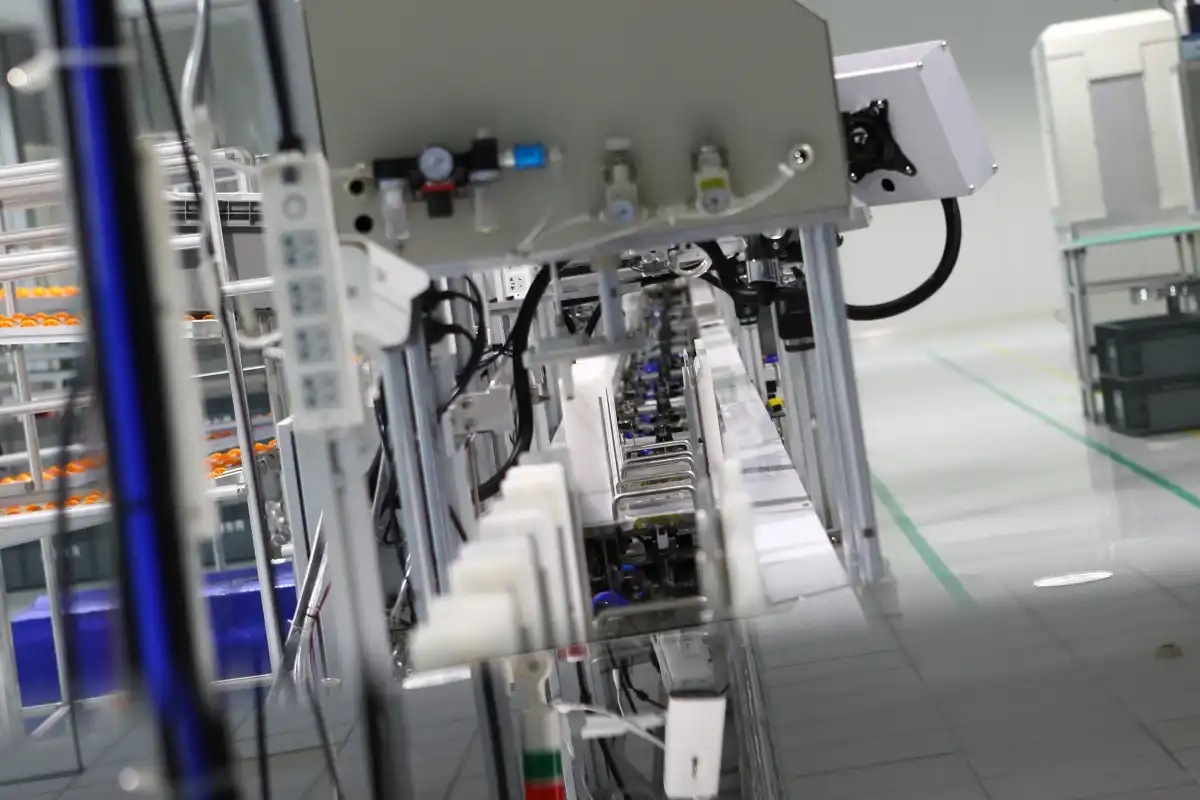
A SCR dosing system has more parts than most people think it will. The DEF is kept in a tank, put under pressure by a pump, and sprayed into the exhaust pipe by an injector. Sensors tell you about the fluid quality, pressure, temperature, and tank level. In cold weather, heated lines keep the fluid moving, and an interface like CAN connects the whole thing to a control unit. The dose that gets to the catalyst is changed by each part. A weak link, like a pressure reading that changes over time or a filter that gets clogged, can mess up the whole process. That's why I think you should judge the system as a whole, not as a bunch of separate parts.
From Urea Solution to Nitrogen and Water
Again, let me demonstrate fluid behaviour. ISO 22241 defines DEF as 32.5% urea in deionised water. It is split into small droplets by the injector. When exhaust temperatures exceed 200 °C, the heat evaporates water and turns urea into ammonia. Ammonia and NOx interact with oxygen on the SCR catalyst to form nitrogen and water vapour. Mixing matters. Droplets that don't evaporate may accumulate on chilly pipe walls. The catalyst receives less ammonia. The result depends on flow, pressure, spray pattern, and reaction time.
What Does the Urea Pressure Sensor Do?
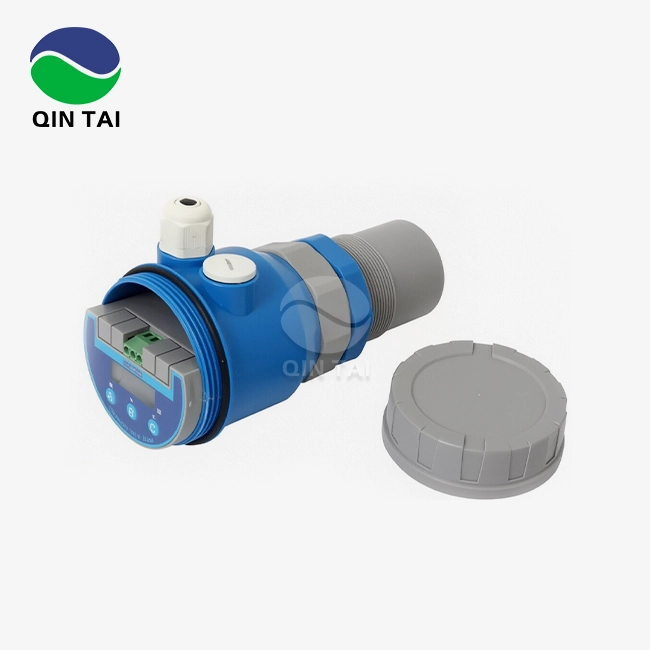
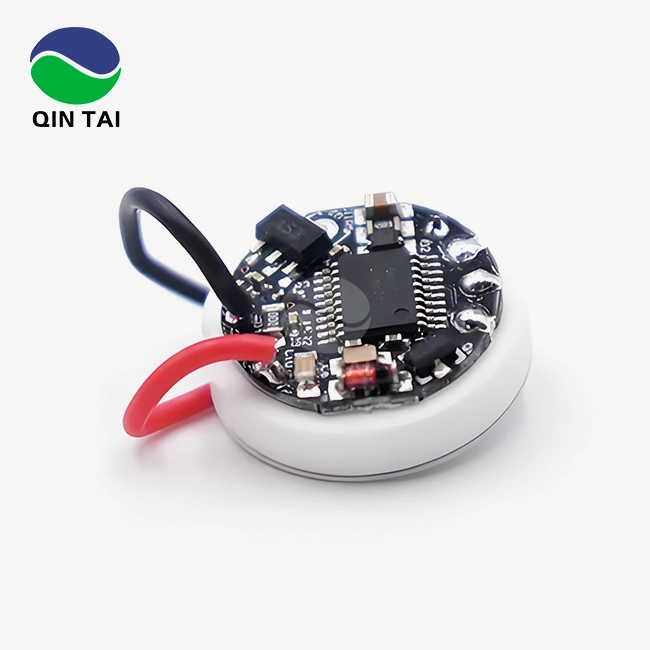
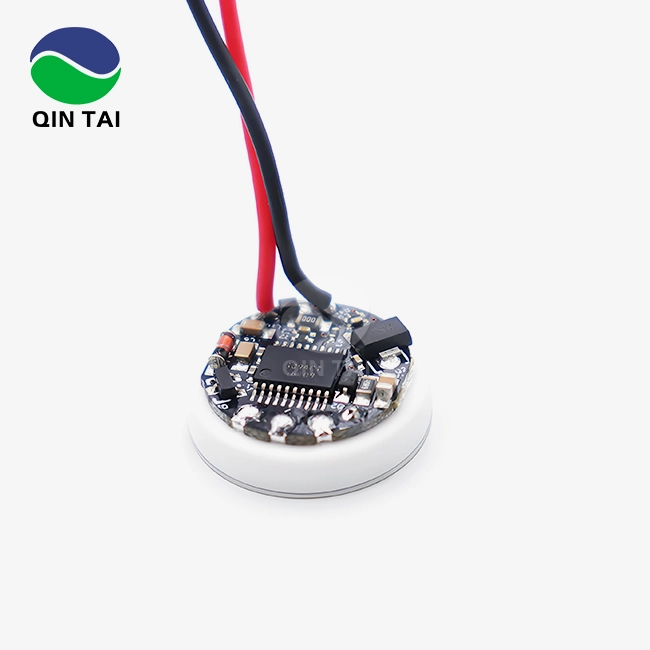
The urea pressure sensor shows the controller what's happening in the dosing line. Due to closed-loop feedback, the control unit may adjust dosage as pressure changes. Air in the line, a leak, or both may cause pressure decreases. If AdBlue freezes or a valve breaks, pressure may rise. Techs evaluate pump performance and injector issues using the same signal. Qintai specialises in pressure sensors for diesel SCR aftertreatment, hence this gadget is our focus. Our sensors' gold-plated terminals prevent signal drift when connection pins become dirty.
How Does an SCR Dosing System Improve Diesel Emissions Performance?
Closed-Loop Control Across Changing Loads
Diesel engines never maintain speed. In one day, a truck stands at a pier, climbs a hill, and travels on a highway. Engine, exhaust temperature, pressure, and NOx sensor data are read by the control unit. It immediately adjusts the dosage. The closed-loop technique maintains high conversion rates in each step. The 2010 US EPA regulation restricts heavy-duty NOx at 0.20 grams per brake horsepower-hour. The EPA's final regulation specifies 0.035 grams per brake horsepower-hour for 2027 engines. Tier 4 Non-road equipment has final restrictions, and Euro VI applies across Europe. You require precise dosing to fulfil these restrictions.
Preventing Under-Dosing, Ammonia Slip, and Deposits
NOx can get through the tailpipe if there isn't enough DEF. Slipping ammonia is caused by too much DEF. This wastes fluid and can lead to a different emissions problem. One more risk is caused by bad spray quality, as droplets that don't make it into the gas stream can build up into deposits. The SCR dosing system controls DEF injection to achieve proper atomization. Good atomization makes mixing better and can cut down on DEF use that isn't needed. All three goals depend on stable pressure, since the injector can only do its job well if the line pressure stays within the range it was made for. Off-spec DEF can clog the filter and the injector tip, so the quality of the fluid is also important.
Early Fault Detection and Fewer Downstream Failures
Plus, a good dosing system lets you know about problems before they get too big and cost a lot to fix. Pressure readings show where there are leaks, air in the line, and injectors that are blocked. Fault codes, like P204B for a range or performance issue with the urea pressure sensor, help technicians figure out what's wrong. The SCR catalyst and the rest of the aftertreatment system are kept safe from long periods of poor dosing when the problem is found early. It also keeps engines from going into limp mode when there are problems with the emissions. Clean fault records help fleets and OEM warranty teams find the root cause of problems more quickly.
SCR Dosing System Operating Conditions and Technology Choices
Temperature, Freezing, and Crystallization
Almost everything in a urea dosing system is controlled by temperature. The exhaust has to be hot enough to evaporate the fluid and break down the urea, but the parts have to be able to handle sudden increases in temperature. About 12 °F (-11 °C) is the freezing point of DEF. Frozen fluid expands, so heaters and designs for pumps, lines, and sensors must be able to handle this. Because of this, Qintai's urea dosing pressure sensor has a flexible internal buffering structure. There is also the threat of crystallization. Urea that doesn't move can solidify, so having little dead space and smooth flow paths inside the sensing chamber is helpful. People who live in cold U.S. states should ask for freeze-thaw test figures.
Air-Assisted vs. Airless Dosing
The next choice is architecture. Compressed air is used in air-assisted systems to break up the fluid into smaller droplets. This helps when there isn't a lot of room for exhaust mixing. Since airless systems don't need to be cooled, they usually need fewer extra parts and can be put together faster. Most of the time, electronic systems are more accurate and easier to diagnose than mechanical ones.
Separate pumps are better for custom layouts and big pieces of equipment, while integrated pump modules don't need any external connections and take up less room. Not a single design works well everyplace. A heavy truck that has compressed air on board might make a different choice than a generator set that doesn't have an air source. Depending on the dosing choice, the catalyst size, mixer design, and exhaust path must all be the same.
Electronic Control and Sensor Matching
Integrators commonly wonder whether two objects can cooperate. Many SCR systems employ M10x1 or M12x1.5 thread sizes, however the sensor output must match the ECU calibration. 0.5–4.5 V analogue and SENT digital outputs are typical. Something with the proper thread but wrong signal fails. ECU-based systems employ CAN connectivity, temperature sensors, NOx sensors, and fault logging. Make that the calibration works with varying loads, temps, voltages, and duty cycles. For integrators who require specific characteristics or interfaces, Qintai lets you customise its devices.
SCR Dosing System Selection Guide for B2B Buyers
Define the Application and Specifications
First, check the engine and power. List the required space, climate, NOx goal, exhaust flow, and displacement. Set pressure, temperature, flow range, DEF compatibility, heating, sealing, communication protocol, and part lifespan. A clean spec sheet lets technical teams choose, buying evaluate prices, and management approve the supplier. Don't forget tank sides. Pumps and sensors connect urea tanks to dosing units for the SCR dosing system. It generally has a level sensor to monitor AdBlue levels, a temperature sensor to prevent freezing, and a quality sensor to maintain solution parameters.
Verify Performance and Avoid Common Mistakes
Try it out before you decide. Bench tests can confirm the spray's repeatability, response time, flow rate, and leakage. Tests of vehicles or equipment should include cold starts, hot operation, changing loads, NOx conversion, and DEF use. Vibration, thermal cycling, freeze-thaw, corrosion, and dust are all added by durability programs. You should not choose based only on price, treat the pump or injector as a separate part, or think that every fault code means the injector is broken. A low price up front might mean more DEF use, early wear, and downtime that costs more than the savings.
Choose a Supplier With Proven Capability
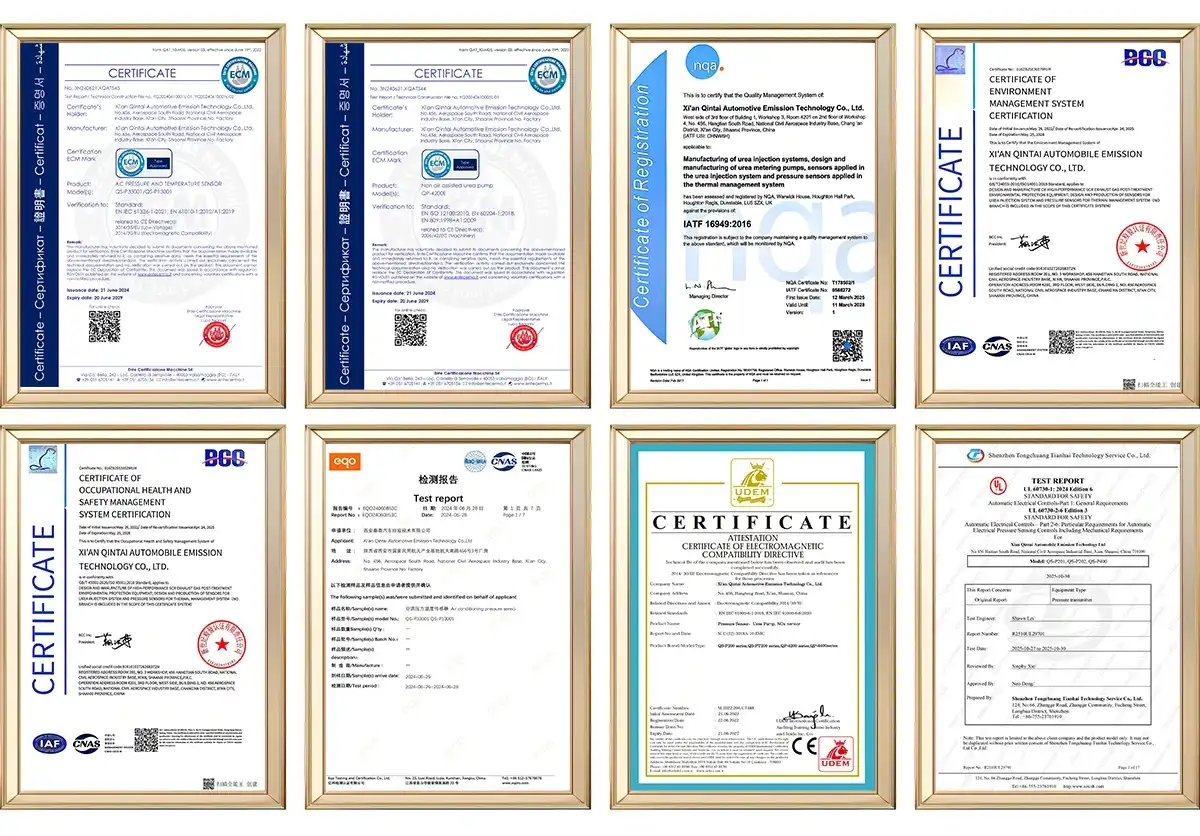
Suppliers should be evaluated for process control, testing resources, export experience, documentation, change control, lead times, and minimum order quantities. Since 2001, Qintai Automotive Emission Technology Co., Ltd. Ltd. has made diesel SCR aftertreatment devices and sensors, mainly pressure sensors. ISO 9001, IATF 16949, CMC, Ex, UL, CE, REACH, and RoHS are our certifications. We have 58 innovation patents. Weichai, Yuchai, and Quanchai Power purchase from us, and we have the largest market share in China. Shipping to over 60 countries and regions, we provide OEM and ODM services from planning to mass manufacturing.

SCR Dosing System Maintenance, Applications, and Future Trends
Troubleshooting and Maintenance Basics
Check the simple items first when an issue appears. Common issues include unstable pressure, failed priming, low-flow or high-flow codes, communication loss, injector obstruction, DEF crystallisation, and leaks. Check wiring, filters, fluid quality, pump condition, sensors, and software calibration before replacing the injector. Signal drift from an outdated sensor or filthy connecting pins causes P204B codes.
Preventative maintenance for the SCR dosing system includes checking hot lines, seals, connections, and injector tips and handling DEF cleanly. After repairs, check dose, spray pattern, pressure, leak tightness, and diagnostic communication. Maintain service records for fleets and warranties.
Where Urea Pressure Sensors Work Hardest
The sensor is stressed in certain areas. Highway vibration and heat changes are caused by long-haul vehicles. Mining and construction loaders and excavators face dust and stress. Big marine diesel SCR systems employ high-flow urea dosing in salty air for corrosion resistance. Qintai urea dosing pressure sensors survive 15,000–20,000 hours in commercial usage. Generator set builders for mines, power plants, and backup power must develop durable, reliable, and harsh-condition-resistant items. Any provider may provide suitable validation data.
Future Trends in Urea Dosing
I expect dosing hardware to shrink and integrate. One module holds pumps, controls, sensors, and heated parts, helping OEMs use limited space. Better diagnostics and remote monitoring may detect injector, pump, DEF usage, or sensor issues earlier. Variable-duty equipment like city buses and hybrid commercial vehicles must react quicker and fine-tune at low exhaust temperatures. Tougher restrictions, like the EPA's 2027 rule, make precise sensing increasingly critical. Buyers choose vendors with standard core platforms, application-specific alternatives, established quality, and a consistent supply of spare parts.
Conclusion
Diesel emissions can be better controlled with an SCR dosing system. This system adds the correct amount of DEF to the exhaust so that the SCR catalyst can change NOx into nitrogen and water. With closed-loop control based on pressure, temperature, and NOx feedback, conversion stays the same during idling, transient, and high-load operation. It also prevents under-dosing, ammonia slip, and deposits. The tank, pump, injector, sensors, heating, software, and catalyst are all parts of the chain that work together to make the engine work.
There are two types of layouts: air-assisted and airless. There are also two types of pumps: integrated and separate. Instead of price alone, sound selection is based on a clear specification, testing in the lab and the field, and a supplier with a history of quality. That performance will be kept up for as long as the equipment is in use by regular inspection and careful fault diagnosis.
FAQ
What is the function of the urea pressure sensor in an SCR system?
It gives closed-loop feedback to make sure the dose is right. It finds low pressure caused by leaks, blockages, or air. It also finds high pressure caused by frozen AdBlue or broken valves, and it helps figure out what's wrong with the pump and injectors.
Can one sensor fit different SCR brands?
Standard thread sizes include M10x1 and M12x1.5. The output signal, which can be 0.5–4.5 V or SENT, must match the ECU's calibration. Check both before you place your order.
How does the sensor handle urea crystallization?
Its sensing chamber has very little dead space and smooth flow paths, which means that urea that isn't moving has not much room to crystallize on the diaphragm.
What service life should I expect?
Qintai makes sure that its sensors can work for at least 15,000 to 20,000 hours in normal business situations.
Can the sensor be customized?
Yes. Qintai can be changed to fit your needs and applications.
Request an SCR Dosing System Quote from Qintai
As a supplier of SCR dosing systems, Qintai can help you with your next project. They offer OEM and ODM services, let you customize their products, and are ISO 9001 and IATF 16949 certified. Send your engine data, interface needs, and expected volume to info@qt-sensor.com, and our team will get back to you with a good solution. Go to qt-sensor.com for more information.
References
1. U.S. Environmental Protection Agency, Control of Air Pollution from New Motor Vehicles: Heavy-Duty Engine and Vehicle Standards and Highway Diesel Fuel Sulfur Control Requirements, Federal Register, 2001.
2. U.S. Environmental Protection Agency, Control of Emissions of Air Pollution from Nonroad Diesel Engines and Fuel, Federal Register, 2004.
3. U.S. Environmental Protection Agency, Control of Air Pollution from New Motor Vehicles: Heavy-Duty Engine and Vehicle Standards, Federal Register, 2023.
4. European Parliament and Council, Regulation (EC) No 595/2009 on type-approval of motor vehicles and engines with respect to emissions from heavy duty vehicles (Euro VI), 2009.
5. International Organization for Standardization, ISO 22241-1: Diesel engines — NOx reduction agent AUS 32 — Part 1: Quality requirements, 2019.
6. Koebel, M., Elsener, M., and Kleemann, M., Urea-SCR: a promising technique to reduce NOx emissions from automotive diesel engines, Catalysis Today, 2000.
 Sensor.webp)

Our customers’ satisfaction speaks for our quality — contact us to experience the same reliable service.