- English
- French
- German
- Portuguese
- Spanish
- Russian
- Japanese
- Korean
- Arabic
- Greek
- German
- Turkish
- Italian
- Danish
- Romanian
- Indonesian
- Czech
- Afrikaans
- Swedish
- Polish
- Basque
- Catalan
- Esperanto
- Hindi
- Lao
- Albanian
- Amharic
- Armenian
- Azerbaijani
- Belarusian
- Bengali
- Bosnian
- Bulgarian
- Cebuano
- Chichewa
- Corsican
- Croatian
- Dutch
- Estonian
- Filipino
- Finnish
- Frisian
- Galician
- Georgian
- Gujarati
- Haitian
- Hausa
- Hawaiian
- Hebrew
- Hmong
- Hungarian
- Icelandic
- Igbo
- Javanese
- Kannada
- Kazakh
- Khmer
- Kurdish
- Kyrgyz
- Latin
- Latvian
- Lithuanian
- Luxembou..
- Macedonian
- Malagasy
- Malay
- Malayalam
- Maltese
- Maori
- Marathi
- Mongolian
- Burmese
- Nepali
- Norwegian
- Pashto
- Persian
- Punjabi
- Serbian
- Sesotho
- Sinhala
- Slovak
- Slovenian
- Somali
- Samoan
- Scots Gaelic
- Shona
- Sindhi
- Sundanese
- Swahili
- Tajik
- Tamil
- Telugu
- Thai
- Ukrainian
- Urdu
- Uzbek
- Vietnamese
- Welsh
- Xhosa
- Yiddish
- Yoruba
- Zulu
What Industries Use Temperature Transmitters for Process Control?
Temperature transmitters are essential instruments across diverse industrial landscapes, serving as the critical link between raw sensor data and control systems. These devices capture temperature measurements from sensors—such as thermocouples or resistance temperature detectors (RTDs)—and convert them into standardized signals like 4-20mA current loops or digital protocols.
Industries ranging from diesel engine manufacturing to power generation rely on temperature transmitters to maintain precise thermal conditions, ensure regulatory compliance, and optimize operational efficiency. The ability to monitor and control temperature accurately prevents equipment failure, guarantees product consistency, and enhances worker safety across demanding applications.


Understanding Temperature Transmitters in Industrial Applications
What Distinguishes Temperature Transmitters from Basic Sensors
Temperature sensors, like thermocouples and RTDs, send out raw data, like millivolt readings or resistance values, that change as the temperature does. They aren't always strong enough or stable enough to be used directly in control systems. By conditioning, amplifying, and transforming sensor outputs into reliable, uniform forms, temperature transmitters close this gap.
This change makes it possible for programmable logic controllers (PLCs), distributed control systems (DCS), and supervisory control and data acquisition (SCADA) tools to work together without any problems. In contrast to sensors that work on their own, emitters add intelligence through signal processing, noise filtering, and linearization methods that make up for non-linear sensor behavior and give accurate readings even in places with a lot of electrical noise.
Core Signal Conditioning and Transmission Functions
Signal conditioning is the most important part of transmitter technology. In the transmitter circuits, raw sensor data are amplified, filtered, and temperature compensated. The device then sends out standard signals, usually 4-20mA current loops, where 4mA is the lowest temperature measured and 20mA is the highest.
This analog format doesn't pick up noise very well over long cable runs, which makes it perfect for use in factories. More and more modern transmitters support the HART (Highway Addressable Remote Transducer) system. This adds digital transmission to the 4-20mA signal, which lets setup and diagnostics be done from afar without stopping process control.
In the past few years, wireless communication methods have become more popular, especially for retrofit uses that have trouble with wiring. WirelessHART and ISA100 technologies let receivers send measurement data while using very little power. However, wired solutions are still chosen for safety-critical applications that need predictable reaction times.
Accuracy, Calibration, and Installation Considerations
Accuracy of measurements depends on many things, including the quality of the sensors, the technology in the transmitter, the surroundings, and how the measurements are installed. When paired with calibrated sensors, high-quality transmitters can get readings as accurate as ±0.1°C. To calibrate a transmitter, the output is changed to match known temperature references. This is usually done at the factory and checked on a regular basis while the transmitter is in use. Industries with strict rules, like making medicines, need to show that their calibrations are accurate and meet national standards.
Installation has a big effect on performance. Transmitters that are directly attached to sensor heads lower the amount of wiring that needs to be done and the loss of data. However, extreme temperatures at measurement places may require transmitters to be placed remotely in temperature-controlled enclosures. If you properly ground, block, and follow the ingress protection standards, your equipment will work reliably even in tough environments with wetness, dust, or corrosive atmospheres.
Top Industries Using Temperature Transmitters for Process Control
Diesel Engine Manufacturing and Emission Control Systems
To meet strict emission standards like Euro VI and China VI, the diesel engine industry needs precise thermal management. In selective catalytic reduction (SCR) systems, temperature transmitters check the temperatures of exhaust gases before the diesel oxidation catalyst, within the SCR catalyst bed, and after the diesel particulate filter (DPF). These data let you control the rate of urea injection and regeneration processes in real time, which has a direct effect on how well nitrogen oxide is converted and how much particulate matter is removed.
Engine makers put temperature transmitters in aftertreatment parts that have to work reliably with changing temperatures, vibrations, and exhaust gases that are very corrosive. Xi'an Qintai Automotive Emission Technology has made rugged transmitters that are designed to work with SCR systems in heavy trucks, construction equipment, and farm machinery. Our devices can handle exhaust temperatures above 600°C and still keep the purity of the signal.
This helps OEM partners like Weichai Power and Yuchai Power meet compliance standards without sacrificing reliability. The transmitters are made of stainless steel and have electronics and sensors that can handle high temperatures. This means that they will keep working well even after long periods of time between service, which is common for commercial vehicles.
Chemical and Petrochemical Process Industries
Exothermic reactions, distillation columns, and heat exchangers are used in chemical manufacturing. If the temperature changes, reactions could go off the rails, equipment could get damaged, or the product could become less useful. Temperature transmitters give automatic control loops the real-time input they need to manage heating, cooling, and phase changes. In hydrocarbon processing units, petrochemical plants use hundreds of receivers to keep an eye on reactor vessels, fractionation towers, and catalyst regeneration systems.
High temperatures, powerful atmospheres, and toxic media make these places very difficult to work in. For use in dangerous areas, transmitters must have certifications like ATEX or IECEx and be designed so that they can't explode. Wet parts are protected by materials that don't rust, like Hastelloy, or ceramic coatings. Industrial-grade receivers are different from regular instruments because they can handle process temperatures ranging from -200°C to +700°C, which includes handling cold liquefied gases and high-temperature catalytic cracking.
Food and Beverage Production
Regulations for food safety say that temperatures must be carefully controlled during pasteurization, sterilization, cooking, and cold storage. As needed by Hazard Analysis and Critical Control Points (HACCP) standards, temperature transmitter allow automated tracking of critical control points (CCPs). In dairy processing, brewing, and ready-meal production lines, receivers with clean tri-clamp fittings and smooth surface finishes keep bacteria from growing and make clean-in-place (CIP) processes easier.
Most sanitary transmitters use RTD sensors that are sealed inside thermowells made of stainless steel that meet 3-A Sanitary Standards or EHEDG guidelines. The devices have to be able to handle repeated heat shocks from cleaning cycles at high temperatures and harsh disinfectants without moving or losing their seals. Data logging lets you keep records for regulatory checks, showing that you followed food safety standards by following the temperature profiles across production runs.
HVAC and Building Automation
Temperature sensors help business buildings, hospitals, and data centers keep people comfortable while also using as little energy as possible for their heating, ventilation, and air conditioning systems. Transmitters keep an eye on the boiler outputs, supply air, return air, cold water loops, and outputs from the boiler. They send information to building management systems (BMS) that help the equipment work better. Smart emitters with digital outputs connect directly to BACnet or Modbus networks, which lets you use advanced control strategies like predictive maintenance and demand-controlled ventilation.
Energy codes are requiring sub-metering and commissioning verification more and more, which is pushing the use of calibrated transmitters that have been proven to be accurate. The working conditions aren't as bad as in heavy industry, so cost-effective devices can be used. However, stability over decades-long building lifespans is still very important.
Power Generation and Energy Production
Temperature transmitters are important for controlling boilers, keeping turbines safe, and making the most of condensers in all types of power plants, including those that use coal, natural gas combined cycles, nuclear power, or concentrated solar thermal. When steam temperatures go above 600°C, receivers with ceramic insulation and high-temperature cable systems are needed. Monitoring the temperature at the opening of the turbine keeps the blades from getting damaged by heat stress, and sensors are used in condenser vacuum systems to find problems with the cooling water.
Generator set makers who provide backup power for mines, hospitals, and telecom facilities put a high value on emitter steadiness and durability over the long term. Qintai's industrial-grade solutions work in this field, and their devices are approved for continuous operation in unattended installations, where it may be years before they need to be serviced again. The ability to adapt to different environments, from the heat of the desert to the cold of the arctic, ensures that power systems are protected reliably around the world.
Pharmaceutical and Biotechnology Manufacturing
Good Manufacturing Practice (GMP) rules say that instruments used in pharmaceutical production must be verified, have calibration records that can be tracked, and be in line with 21 CFR Part 11. Temperature transmitters that watch over fermentation reactors, lyophilization rooms, and autoclave processes need to be very accurate, usually within 0.1°C or less. The biologics industry, which deals with vaccines and proteins that are sensitive to temperature, needs even tighter control, with constant tracking during storage and shipping in the cold chain.
There are installation qualification (IQ), operational qualification (OQ), and performance qualification (PQ) protocols in the validation paperwork for pharmaceutical transmitters. Transmitters that communicate via HART or FOUNDATION Fieldbus make it possible to check the calibration from a distance without stopping the process. This makes validation easier during routine maintenance.

How to Choose the Right Temperature Transmitter for Your Industry
Matching Transmitter Specifications to Process Requirements
Before choosing the right temperature sensors, you need to decide on the measurement range, the level of accuracy you need, and the reaction time. For dynamic urea dosing control to work, diesel engine aftertreatment systems may need temperature ranges from room temperature to 700°C and response times of less than one second. Pharmaceutical autoclaves may need to be accurate to within 0.1°C between 100°C and 140°C, and slower dynamics are fine. By knowing these factors, you can avoid either over-specification, which raises prices, or under-specification, which lowers performance.
Process conditions and environmental factors both have a big impact on the choice of transmitter. For mobile tools like building equipment and power sets, vibration resistance is important. In areas where food is processed and cleaned, protecting against humidity ingress becomes very important. Electromagnetic compatibility (EMC) makes sure that equipment can work reliably near variable frequency drives and welding machines that are common in factories.
Signal Output and Communication Protocol Selection
The standard 4-20mA analog output is still the most popular choice because it is easy to use, has a history of stability, and works with all control systems. This two-wire current loop powers the emitter and sends the measurement signal. For such loops, a temperature transmitter is the core device that converts the sensor input into a reliable current output. This makes placement easier and lowers the cost of wiring. The HART protocol adds digital communication to analog signals so that configuration and diagnostics can be done without adding more wiring. This makes it a practical way to upgrade.
Fully digital protocols like FOUNDATION Fieldbus or Profibus PA support advanced features like sending multiple variables, talking to other devices in the network, and doing complex diagnostics. These bus systems make new setups with a lot of measurement points easier to wire, but they need network equipment and engineering know-how. Wireless emitters don't need any cables at all, which makes them appealing for repair projects and uses in dangerous areas where hot work permits are expensive. However, battery life and network stability need to be carefully looked at.
Certification Standards and Regulatory Compliance
Industry-specific certifications show that a transmitter is suitable for tough jobs. Hazardous area licenses, like ATEX, IECEx, FM, and CSA, let you use something in an explosive environment that is categorized by gas group and zone. Safety Integrity Level (SIL) ratings show if a system meets the functional safety standards of IEC 61508 for safety-instrumented systems. For automotive manufacturers, IATF 16949 quality control is needed, and for electrical parts sold in Europe, CE marking and RoHS compliance are required.
Qintai has many certificates, such as ISO9001, IATF16949, Ex, UL, CE, REACH, and RoHS, which helps OEM customers around the world deal with different legal environments. Our transmitters go through a lot of tests to make sure they work well in a wide range of temperatures, vibration conditions, and electromagnetic exposure levels that meet automotive and industrial standards.
Procurement Considerations: Cost, Delivery, and Support
In addition to the purchase price, the total cost of ownership includes the cost of installation labor, calibration services, spare parts inventory, and the cost of downtime due to failure. Having preferred supplier relationships with manufacturers that offer technical support, fast delivery, and the ability to make a lot of products lowers the risk of procurement. OEM customers get collaborative design, customized interfaces, and long-term supply deals that keep costs stable and make sure parts are always available throughout the lifespan of a product.
Qintai is the main supplier to China's top diesel engine makers. It has the largest share of the domestic market thanks to its reliable delivery, quick technical support, and ability to adapt to different needs. Based on customer feedback, our independent research and development team is always improving the performance of our products. At the same time, our well-established industrial methods allow us to meet the needs of mass production without sacrificing quality. Whether purchasing managers are looking for low prices or R&D engineers need changes that are specific to an application, we can change our solutions to fit your needs and your budget.
Installation and Maintenance Best Practices
Site Evaluation and Proper Transmitter Placement
Successful installations start with site studies that look at the environment, how easy it is to place the equipment, and how the cables will be routed. Temperature transmitters should be installed where sensor locations accurately reflect process conditions without causing dead spots or measurement lag. Head-mounted transmitters cut down on the length of the signal cable, but they also expose electronics to wide ranges of temperatures, which could mean they need designs that account for these conditions or sunshields. Mounting emitters remotely in controlled shelters keeps them safe, but the sensor leads get longer, so they need to be carefully shielded to stop electromagnetic interference.
For mobile and reciprocating tools, vibration separation is important. Sensor connections and electrical parts don't break down over time when they use vibration-damping mounts or flexible tube connections. Access for repair and calibration affects long-term running costs, so places that can be reached without scaffolds or shutting down the process are preferred when possible.
Initial Calibration and Commissioning Verification
Before the process starts, commissioning steps check the accuracy of the emitter against reference standards. Usually, this is done by using dry-block calibrators or temperature baths to apply known temperature triggers and making sure that the output signals match the predicted values within certain limits. The documentation includes readings from as-found, changes made, and accuracy checks from as-left, which sets a baseline for future comparisons.
By adjusting the zero and span values, you can even out the differences in accuracy between the sensor and transmitter across the whole operating range. Digital transmitters often have software that lets you set up your own linearization curves, units of measure, and damping constants that work best for your needs. Keeping accurate records of configuration parameters makes fixing problems easier and makes sure that the right parts are replaced when they break.
Routine Maintenance and Calibration Intervals
Calibration drift happens slowly over time as electronic parts age and sensors get worse from being exposed to heat and dirt. Recalibration is often required on a regular basis by regulations or quality standards—once a year for general industrial uses and three times a year or once a month for key points in medicine and food safety. Drift rates rely on how rough the operation is. Transmitters that are kept in a safe lab environment can stay calibrated for years, but devices that are exposed to extreme temperatures need to be checked often.
Systematic steps are used to fix common problems like signal noise, numbers that don't match up, or total failure. Signal dropout happens when links at the ports come and go. Electronics get damaged when water gets in through broken seals. Drift or slower reaction times are signs that a sensor is breaking down due to rust or contamination. Smart transmitters have diagnostic tools that show sensor resistance, loop current anomalies, and component temperatures to help find the problem faster.
Qintai provides full after-sales support, including help with fixing problems, advice on calibration, and the purchase of new parts. For any temperature transmitter installed in your system, our expert team offers specialized troubleshooting and performance verification to ensure accurate readings. Our expert team works with customers to quickly fix problems in the field so that production isn't interrupted and the system stays reliable.
Future Trends Impacting Temperature Transmitters in Process Control
Industry 4.0 Integration and Smart Manufacturing
Demand for intelligent transmitters that produce both measurement data and operational insights is driven by the coming together of industrial automation and information technology. Advanced diagnostics can tell when a part will fail before its accuracy drops. This allows condition-based upkeep, which cuts down on unnecessary downtime. Integration with cloud platforms allows for centralized monitoring of facilities that are spread out, and machine learning algorithms find small changes in the way things are done that could mean that equipment is breaking down or the quality of the products is changing.
Wireless mesh networks lower the cost of installation and let you choose where to put sensors in brownfield expansions. Energy harvesting technologies, like thermoelectric generators that are driven by differences in process heat, offer wireless transmitters that don't need batteries, so they won't need to be replaced as often. As receivers link to networks, cybersecurity issues come up. To keep industrial control systems safe from cyber dangers, communication must be encrypted and users must be authenticated securely.
Regulatory Pressures Driving Customization
Environmental and emission standards that are getting stricter force equipment makers to be more precise about how they manage heat. As diesel engine aftertreatment systems move toward Euro VII standards, they need exhaust temperature measurements to respond faster and be more accurate. Instead of common parts, competitive advantages come from custom transmitter solutions made to fit specific catalyst formulas, exhaust flow patterns, and packaging limitations.
Qintai's 58 invention patents show our dedication to coming up with new ways to meet customers' changing needs. Our research and development (R&D) efforts are mainly focused on adding more temperature measurement options, making things last longer in harsh environments, and adding advanced monitoring tools that help with planned upkeep. As rules change around the world, we work with our OEM partners to create solutions that are compliant before the dates for adoption. This helps them keep their competitive edge in tough markets.

Conclusion
Temperature transmitter are essential tools in many fields where controlling temperature is important for maintaining product quality, worker safety, and following rules. These devices turn sensor data into control signals that can be used. For example, diesel engine pollution systems have to meet strict environmental standards, and pharmaceutical manufacturing has to keep products working well. It is best to choose transmitters that are right for the job, taking into account things like measurement range, environmental conditions, communication protocols, and certification needs.
This will improve both performance and lifecycle costs. When installed correctly, calibrated regularly, and maintained proactively, measurements stay accurate for long periods of time. New technologies promise better intelligence and connectivity, but for mission-critical applications, proven reliability is still the most important thing. Partnering with experienced makers that offer technical know-how, open customization, and quick support guarantees successful temperature measurement solutions that are tailored to specific practical problems.
FAQ
What differentiates a temperature transmitter from a temperature sensor?
Temperature sensors, like thermocouples or RTDs, send out raw electrical signals, like changes in resistance or millivolts, that show how the temperature is changing. Usually, these messages are weak, don't follow a straight line, and can pick up electrical noise while being sent. Temperature transmitters connect to sensors and condition signals by amplifying, linearizing, and changing them into standard outputs such as 4-20mA current loops or digital protocols. This change makes long-distance transmission more dependable and allows direct connection with control systems. It also gives sensors intelligence by letting them calibrate, diagnose, and talk to each other, which basic sensors don't have.
How often should industrial temperature transmitters undergo calibration?
How often you need to calibrate depends on how important the application is, what the rules say, and how bad the operation is. To keep up with GMP or HACCP standards, pharmaceutical and food production often needs to be calibrated every three months or once a year. In general, industrial applications check for accuracy once a year, but in a stable lab, intervals may be pushed back to every two years. In harsh environments with temperature changes, vibrations, or contamination, checks should be done more often, like every six months or even three times a year. Smart transmitters that can diagnose themselves can extend the time between tests by constantly checking the health of the sensors and alerting operators to drift before accuracy drops too far.
Are wireless temperature transmitters suitable for hazardous industrial environments?
Wireless transmitters made for dangerous areas have approvals that say they are fundamentally safe or explosion-proof (ATEX, IECEx, FM), which means they can be used in restricted areas. Battery-powered designs limit the amount of energy that can be used to levels that can't set off exploding atmospheres. However, wireless systems bring up issues that wired setups don't: how radio waves travel through metal structures, how reliable the network is when there is electromagnetic interference, and how to change batteries in places that are hard to get to.
Wired solutions are often used for safety-critical tasks that need guaranteed response times. However, wireless solutions work great for monitoring non-critical areas, temporary installations, or retrofit situations where wiring isn't an option. Site surveys and network planning that are very detailed make sure that wireless deployments meet performance and safety standards.
Partner with Qintai for Precision Temperature Measurement Solutions
Accuracy in measuring temperature has a direct effect on how well your business runs, the quality of your products, and your ability to follow the rules. Qintai focuses on making tough, dependable instruments for tough jobs like diesel engine aftertreatment systems, industrial process control, and monitoring emissions. We are China's top seller of temperature transmitters to major OEMs like Weichai Power and Yuchai Power. Our production skills are tried and true, and we offer flexible customization backed by 58 idea patents and a wide range of certifications, such as IATF16949, Ex, and UL.
Our technical team works with buying managers and research and development engineers to come up with solutions that meet all of your needs. These can be anything from custom sensor interfaces and fast prototyping to deals for mass production. Qintai offers quality, responsiveness, and technical expertise backed by more than 20 years of serving global markets in more than 60 countries. They can provide cost-effective aftermarket parts or application-specific designs for next-generation products. Visit qt-sensor.com or email us at info@qt-sensor.com to talk about how our temperature measurement tools can help you be more successful in the long run and improve the reliability of your process control.
References
1. Liptak, B. G. (2018). Instrument Engineers' Handbook: Process Measurement and Analysis (5th ed.). CRC Press.
2. Webster, J. G., & Eren, H. (2014). Measurement, Instrumentation, and Sensors Handbook: Electromagnetic, Optical, Radiation, Chemical, and Biomedical Measurement (2nd ed.). CRC Press.
3. Bolton, W. (2015). Instrumentation and Control Systems (2nd ed.). Newnes.
4. International Society of Automation. (2020). Industrial Wireless Technology for the 21st Century. ISA Technical Report.
5. Hughes, T. A. (2016). Measurement and Control Basics (5th ed.). International Society of Automation.
6. Morris, A. S., & Langari, R. (2020). Measurement and Instrumentation: Theory and Application (3rd ed.). Academic Press.
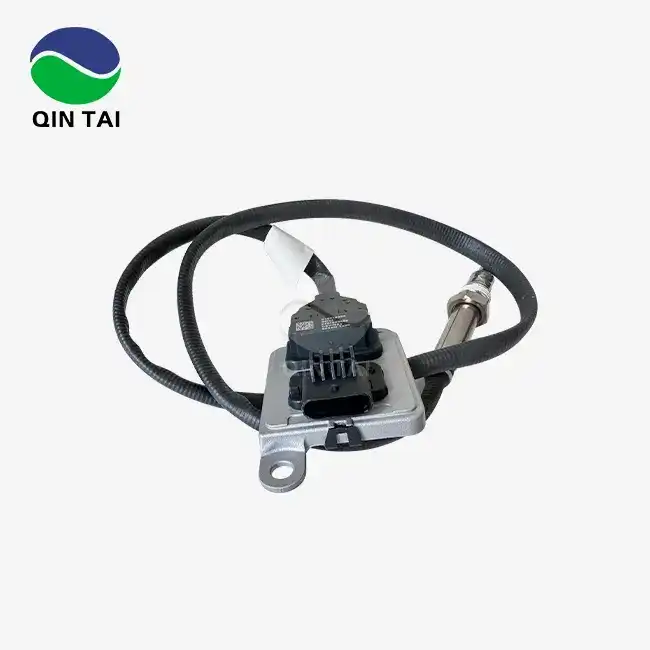
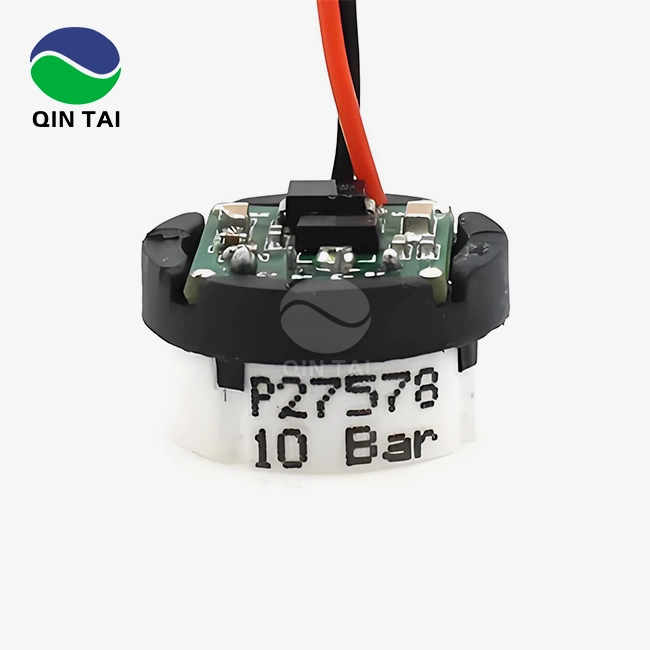
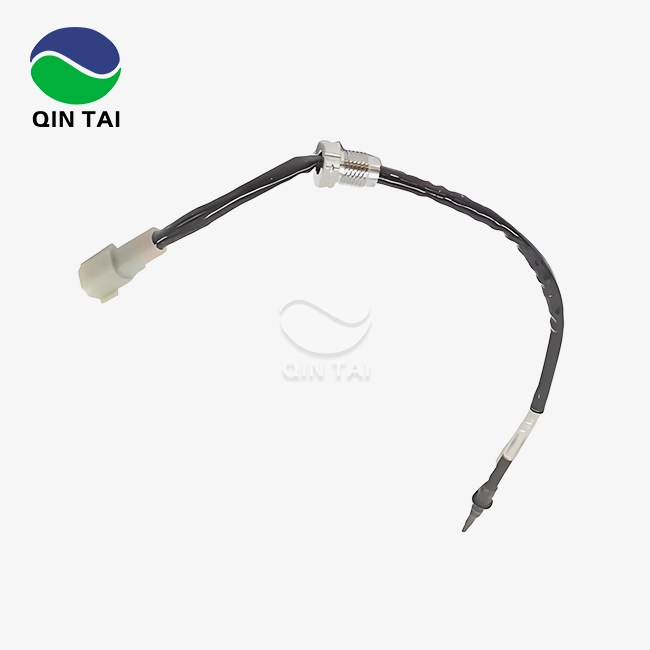
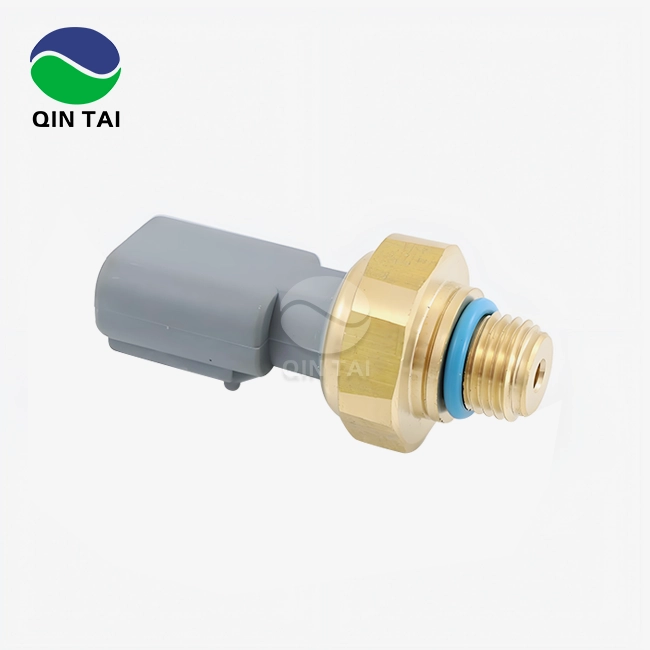

Our customers’ satisfaction speaks for our quality — contact us to experience the same reliable service.