- English
- French
- German
- Portuguese
- Spanish
- Russian
- Japanese
- Korean
- Arabic
- Greek
- German
- Turkish
- Italian
- Danish
- Romanian
- Indonesian
- Czech
- Afrikaans
- Swedish
- Polish
- Basque
- Catalan
- Esperanto
- Hindi
- Lao
- Albanian
- Amharic
- Armenian
- Azerbaijani
- Belarusian
- Bengali
- Bosnian
- Bulgarian
- Cebuano
- Chichewa
- Corsican
- Croatian
- Dutch
- Estonian
- Filipino
- Finnish
- Frisian
- Galician
- Georgian
- Gujarati
- Haitian
- Hausa
- Hawaiian
- Hebrew
- Hmong
- Hungarian
- Icelandic
- Igbo
- Javanese
- Kannada
- Kazakh
- Khmer
- Kurdish
- Kyrgyz
- Latin
- Latvian
- Lithuanian
- Luxembou..
- Macedonian
- Malagasy
- Malay
- Malayalam
- Maltese
- Maori
- Marathi
- Mongolian
- Burmese
- Nepali
- Norwegian
- Pashto
- Persian
- Punjabi
- Serbian
- Sesotho
- Sinhala
- Slovak
- Slovenian
- Somali
- Samoan
- Scots Gaelic
- Shona
- Sindhi
- Sundanese
- Swahili
- Tajik
- Tamil
- Telugu
- Thai
- Ukrainian
- Urdu
- Uzbek
- Vietnamese
- Welsh
- Xhosa
- Yiddish
- Yoruba
- Zulu
What Is the Difference Between Dynamic and Static Pressure Sensors?
Pressure sensors are critical components in numerous industrial and automotive applications, ensuring accurate monitoring and control of pressure-related processes. From diesel engine emission systems to SCR aftertreatment solutions, these devices form the backbone of modern equipment reliability. For B2B procurement professionals, distinguishing between dynamic and static pressure sensors is essential to optimize operational efficiency and reduce costs. Dynamic pressure sensor technology, in particular, is vital for capturing rapid pressure fluctuations in real-time, such as those found in combustion cylinders or hydraulic surges, whereas static sensors are better suited for steady-state measurements like tank level or filter clogging monitoring.
Purchasing managers and R&D engineers working with heavy trucks, construction machinery, agricultural equipment, and generator sets must understand which sensor type aligns with their specific operational demands. Sourcing from reputable manufacturers guarantees product quality, regulatory compliance, and robust technical support—forming the foundation for informed purchasing decisions that meet emission standards such as China VI and Euro VI while ensuring mass production capability.
Dynamic pressure sensors and static pressure sensors serve fundamentally different purposes. A dynamic pressure sensor measures rapidly changing pressure conditions, capturing transient events with exceptional speed and precision. Static pressure sensors, conversely, monitor steady or slowly varying pressure levels, delivering consistent readings over extended periods. Understanding this core distinction enables procurement teams to match sensor capabilities with application requirements, reducing equipment failures and improving system performance across diesel engine aftertreatment systems and other critical industrial applications.
Understanding the Basics of Dynamic and Static Pressure Sensors
How Dynamic Pressure Sensors Function
Dynamic pressure sensors use piezoelectric elements that make electrical charges when they are mechanically stressed to measure pressure that changes quickly. These sensors are great at picking up short-lived events like engine firing cycles, hydraulic shock waves, and quick valve actions. The piezoelectric technology has great frequency responsiveness, often going into the kilohertz range.
This makes these devices essential for uses that need to keep an eye on fast changes in pressure in real time. Dynamic sensors are very sensitive and have response times measured in microseconds. This makes it possible to precisely find pressure spikes that could mean that a system isn't working right or that there are problems with emission control.
How Static Pressure Sensors Operate
Using strain gauge or inductive reading, static pressure sensors keep an eye on pressure levels that stay the same or change slowly. A ceramic diaphragm in capacitive ceramic pressure sensors changes shape when pressure is applied. There is one electrode, which is the diaphragm, and one capacitor, which is the fixed electrode. The capacitance between the electrodes changes when the pressure changes because the diaphragm deforms. It measures the capacitance and turns it into an electrical signal that is related to the pressure that is being applied.
Diffused silicon pressure sensors have a lot of benefits, such as long-term steadiness that keeps their performance and accuracy for a long time. Silicon pressure transducers are 100% flexible, which means that the sensor can return to its original shape after being put under pressure. This makes sure that readings are always accurate and helps the device last longer.
Key Applications Across Industries
A lot of car engine control systems, fuel pressure monitoring systems, and tyre pressure monitoring systems use capacitive pressure monitors and silicon-based versions of them. Process control, hydraulic systems, and measuring fluid pressure are all industrial uses. HVAC systems use these sensors to keep an eye on the air pressure for heating, cooling, and ventilation.
In medical products, they are used to track blood pressure and make breathing tools. In aerospace, they are used to measure barometric pressure and power fuel systems. Dynamic pressure sensors are used in diesel engine development, emission testing labs, and high-speed combustion analysis, among other places, to record fast changes in pressure that are necessary to understand how a system works.
Core Differences Between Dynamic and Static Pressure Sensors
Measurement Principles and Technologies
Static sensors are better at measuring stable pressure levels accurately, while dynamic pressure sensors are better at picking up high-frequency pressure changes quickly. Different measurement methods are based on different physical effects: piezoelectric materials respond instantly to changes in mechanical stress, producing voltage that is proportional to the rate of change in pressure; capacitive and strain gauge technologies, on the other hand, measure absolute pressure by changing capacitance or deforming the material physically.
Most of the time, dynamic sensors can't measure real static pressure because piezoelectric materials only send signals when the pressure changes, which means they can't be used to track steady pressure. Static monitors, on the other hand, give constant readings of the absolute pressure and are very stable at zero. They also vary very little over time.
Response Time and Frequency Range
Response time is one of the most important ways to tell them apart. Pressure events that happen in milliseconds or less are captured by dynamic pressure sensors, which react in microseconds. This feature is very important for keeping an eye on diesel engine combustion cycles, SCR system pumping events, or DPF renewal dynamics. Response times for static sensors are slower, ranging from milliseconds to seconds.
This is enough time to check on tank levels, pipeline pressure, or the performance of an HVAC system. The difference in frequency range is very important. Dynamic sensors work well with frequencies from DC to several kilohertz, while static sensors work well with frequencies from DC to low frequency ranges, usually below 100 Hz.
Calibration and Temperature Compensation
Methods of calibration are different for each type of sensor. For dynamic sensors to work, they need charge amplifiers and special dynamic calibration tools that can mimic sudden changes in pressure. When placed at steady state, known reference pressures make the calibration process easier for static instruments. It's harder for dynamic sensors to adjust for changes in temperature because pyroelectric effects in piezoelectric materials can cause false signs when the temperature changes.
When it comes to temperature stability, static sensors, especially diffused silicon pressure sensors, are the best. They have built-in temperature compensation circuits that keep them accurate across a wide range of temperatures, which is important for generator set applications in mines, power plants, and backup power systems where conditions change a lot.
Real-World Application Examples
Dynamic sensors in car emission control systems watch pulses in the exhaust pressure to find the best times for SCR dosing and DPF regeneration, making sure the car meets China VI and Euro VI standards. Static sensors check the steady-state backpressure to see if the filter is clogged and send out maintenance alerts. Static differential pressure sensors in HVAC systems check the state of filters by picking up drops in air pressure that show when filters need to be replaced. This keeps the quality of the air inside the home high and stops energy waste from stale air. Static sensors are used to check the amount of fuel in tanks, and dynamic sensors are used to find problems with fuel pumps and supply lines.
Evaluating Advantages and Limitations for Procurement Decisions
Advantages of Dynamic Pressure Sensors
Dynamic pressure sensors are very accurate and sensitive in places where pressures change all the time. Because these devices are dynamic, they can react quickly and correctly to changes in pressure. This gives engineers and high-speed manufacturing processes the real-time data they need to make engines. Because they can work at a high frequency, they can find problems with combustion, valve timing, and the injection system that static sensors would miss completely.
Modern piezoelectric sensors are small and strong, so they can be installed in tight spaces near combustion chambers and exhaust systems where temperatures are above 200°C. This is very helpful for diesel engine R&D engineers who are working on the next generation of emission control systems.
Advantages of Static Pressure Sensors
Static monitors are stable, low-cost ways to keep an eye on the pressure all the time. They also work very well over time. Diffused silicon pressure sensors keep working well and accurately for a long time, so they don't need to be re-calibrated as often. This saves time and resources. Capacitive ceramic pressure sensors are great for harsh industrial environments because they can handle high overloads and have little hysteresis.
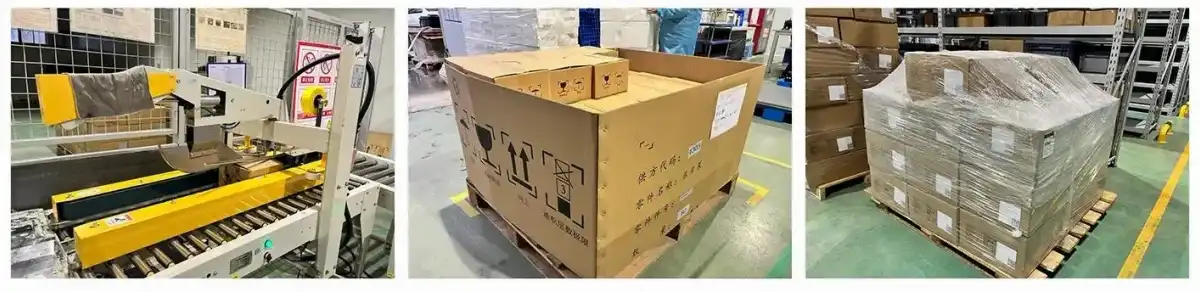
Because they are cheaper per unit than dynamic sensors, static sensors are great for commercial vehicle aftermarket uses where saving money and having a lot of stock are important factors in buying decisions. Integration difficulty is lowered by making installation easy and working with standard instruments. This speeds up the time it takes for aftertreatment system installers to get their products on the market.
Limitations and Considerations
Electrical noise, thermal drift, and wire capacitance effects can all hurt the output quality of dynamic sensors, among other problems. Because piezoelectric sensors can't measure real static pressure, they can't be used for everything. Because static devices respond more slowly, they can't be used to measure changing pressures. Because capacitive sensors can be affected by moisture and dirt, they need to be properly sealed and protected in dirty places.
Professionals in procurement have to weigh these limitations against the needs of the application, taking into account things like the sensor's ability to withstand harsh environments, its measurement range, its accuracy requirements, and its lifecycle costs. This way, they can choose the best sensor for each industry's needs while staying within their budget.
Market Insights and Brand Comparison for Dynamic and Static Pressure Sensors
When choosing the right sensor, you need to look at both the technical aspects and the reputation of the brand and the manufacturer's skills. Global leaders like Honeywell, Bosch, TE Connectivity, and STMicroelectronics all have unique sensor portfolios that meet strict standards in the industrial, aircraft, and car markets.
Honeywell has a wide range of pressure sensors that work well with a wide range of temperatures and have tough housings that are good for heavy-duty uses. Bosch is an expert in making monitors for cars that have been shown to work reliably in pollution control systems. Aftertreatment system integrators who need sensor compatibility with SCR and DPF solutions value TE Connectivity's flexible interface options and strong technical support.
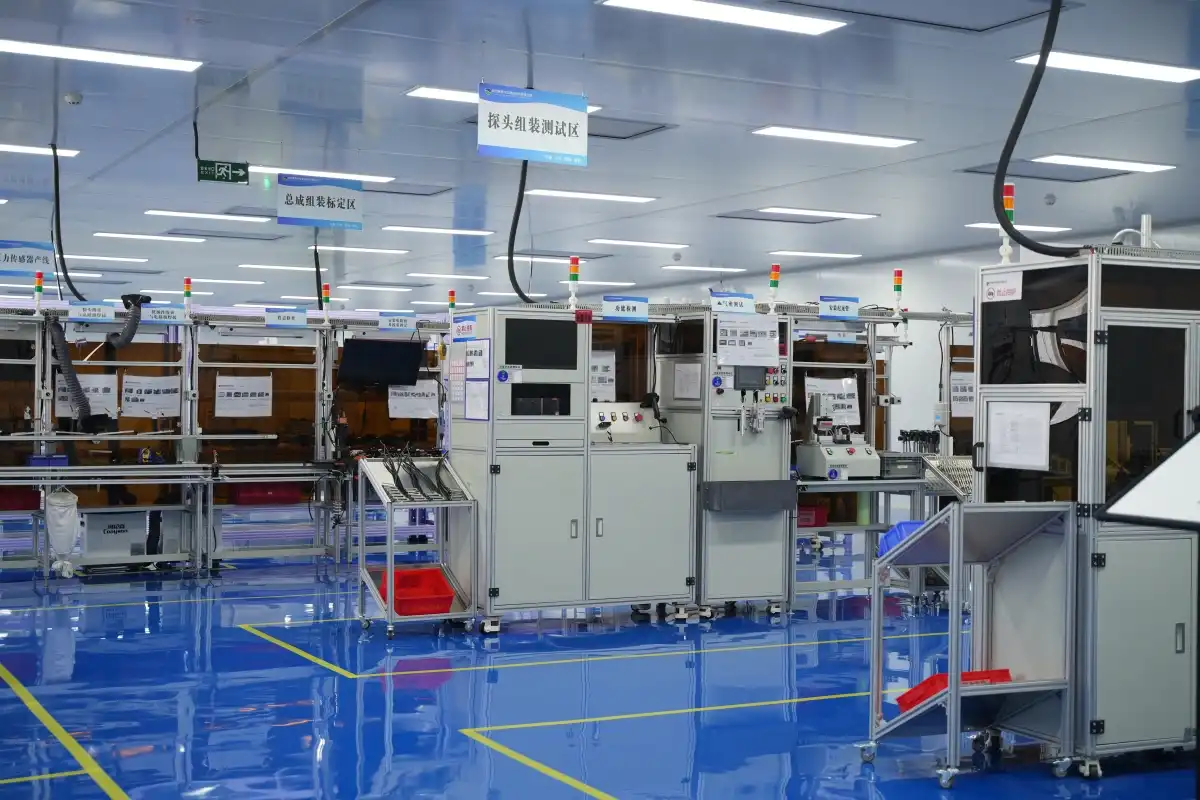
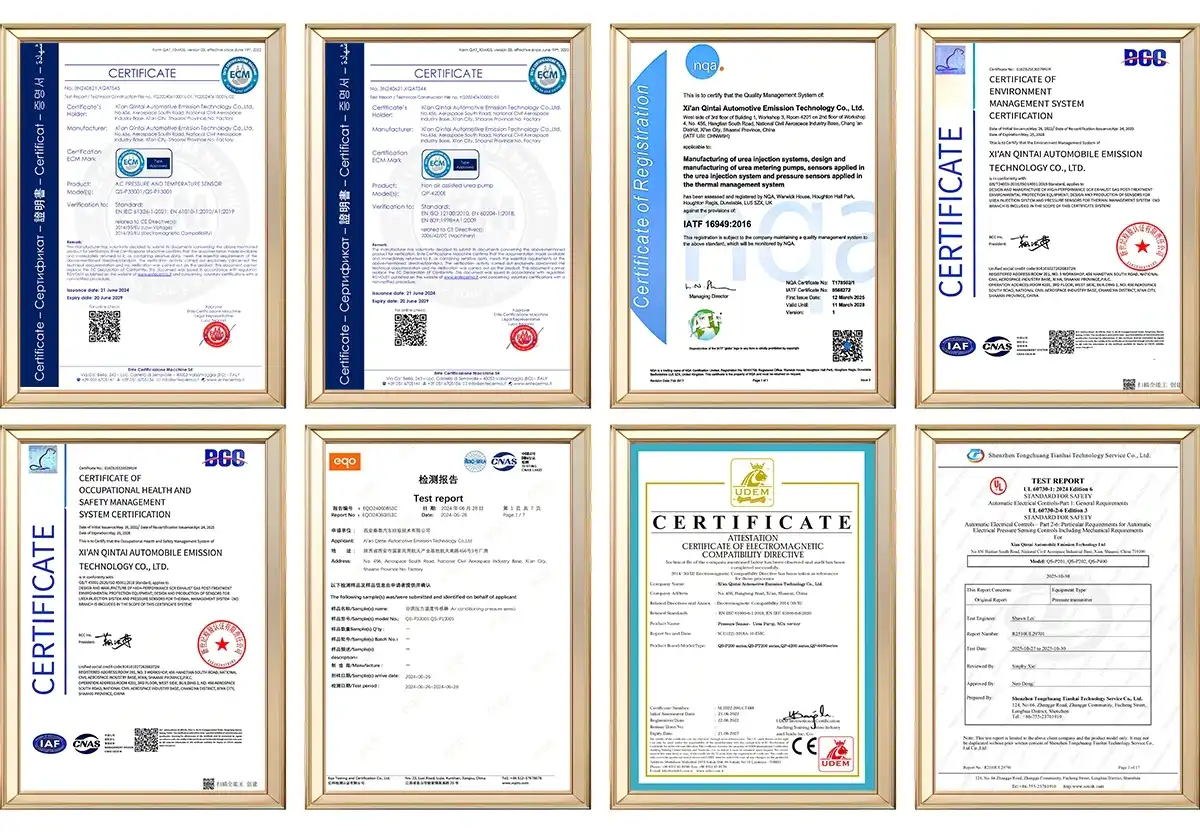
Chinese makers have come a long way. Many of their products are now national high-tech enterprises, and they have a lot of idea patents. Qintai, which was founded in 2001 and is an expert in diesel engine SCR aftertreatment and different kinds of sensors, is a good example of this growth. With ISO9001, IATF16949, CMC, Ex, UL, CE, REACH, and RoHS certifications,
Qintai is the main supplier to Weichai Power, Yuchai Power, and Quanchai Power, three of the biggest engine makers in China. It has the largest market share in China. The company's independent research and development team is always coming up with new ideas to make products work better and be more reliable. They also provide full OEM and ODM services, from designing products to mass production.
When choosing a brand, you should look at things like sensitivity standards, reaction time performance, certifications that show you follow the rules, after-sales support capabilities, and transportation factors for the seller, like shipping wait times and product availability. Technical managers working on integrated solutions can get a lot of help from manufacturers whose connections and settings can be changed. When supply chain managers try to balance the need for just-in-time production with the costs of keeping inventory, fast delivery becomes very important. Here, sourcing a reliable dynamic pressure sensor remains a priority for high-speed analysis.
Practical Guide to Purchasing Dynamic and Static Pressure Sensors
Identifying Specifications and Requirements
Accurately finding sensor specs that meet the desired temperature, frequency response, and pressure environment is key to a successful purchase. To start, purchasing managers should write down the range of pressures that need to be measured, whether they need to be gauge, absolute, or difference, and the rates at which the pressures are predicted to change. R&D engineers need to be clear about the accuracy needed, the temperature ranges, and the types of media that can be used.
This is especially important for dynamic pressure sensors that are exposed to fuel exhaust, which contains particles, water, and chemicals that corrode metals. To keep integration costs as low as possible, the electrical interface requirements, such as the type of output signal, supply voltage, and connector specifications, must match the architecture of the existing system.
Reviewing Datasheets and Calibration Requirements
Costly mistakes can be avoided by carefully going over the datasheets. Some important parameters are the pressure range, the overpressure rating, the accuracy requirements at different temperatures, the response time or frequency range, the zero offset and span drift requirements, and the electrical characteristics. It is very important to know what the calibration requirements are. For example, dynamic sensors may need special tools and methods that aren't available in most facilities, so they need to be calibrated by the manufacturer.
Most static sensors can be calibrated in the field using portable pressure standards, which cuts down on downtime. To make sure measurements are accurate and to meet audit standards for pollution compliance testing, purchasing managers should ask for calibration certificates that can be tracked back to NIST.
Procurement Channels and Pricing Considerations
Authorised distributors and direct contact with the manufacturer are both examples of trusted channels for buying things. Distributors make it easy to get a variety of names, offer technical help, and speed up delivery for small orders. Direct connections with manufacturers are helpful for large orders because they let you negotiate better prices, customisation choices, and specialised technical support.
When setting prices, you should think about the total cost of ownership, which includes the initial purchase price, the need for calibration, the expected lifespan, and the rate at which things break. Negotiating a bulk order can save you a lot of money. This is especially true for OEMs that need thousands of sensors every year to make a lot of engine systems and aftertreatment parts.
Post-Purchase Support and Long-Term Performance
Support after the sale, such as calibration services, expert help, and guarantee coverage, makes sure that sensors work well for a long time and cuts down on downtime. When resolving integration problems or looking into field failures, it's especially helpful to build relationships with providers that offer full after-sales support. When R&D engineers run into strange sensor behaviour or need help with an application, quick technical support becomes very important during the development of a new product. Manufacturers with a lot of project experience and documented technical solutions can solve problems faster. This lets B2B clients make investments that they know will pay off and provide accurate pressure measurements for decades.
Conclusion
In industrial and automotive applications, dynamic pressure sensors and static pressure sensors are used for different things. Each has its own benefits that make it better for measuring certain things. Dynamic sensors are great at picking up fast changes in pressure and can respond in microseconds. This makes them essential for engine development and high-speed process monitoring. Static sensors detect steady-state pressure accurately and consistently. They are very reliable over time and don't cost a lot of money.
This makes them perfect for process control and tracking emission systems. When purchasing sensors, people in charge have to think about how they will be used, how they will respond, how often they need to be calibrated, and how the surroundings will affect them. Partnering with certified manufacturers who offer strong technical support, the ability to customise solutions, and a track record of success is the best way to make sure that pressure sensing solutions meet emission standards, are reliable, and help businesses reach their long-term goals in diesel engine and aftertreatment system applications.
FAQ
Can dynamic pressure sensors measure static pressure?
Dynamic pressure sensors that use piezoelectric technology can't measure real static pressure correctly since they only send out signs when the pressure changes. The piezoelectric effect creates voltage that is proportional to the rate of change in pressure rather than the absolute level of pressure. This means that when pressure stays the same, output goes to zero, even though pressure is still being applied.
How often should pressure sensors be calibrated in harsh environments?
How often a sensor needs to be calibrated relies on its type, how it is used, and how accurate it needs to be. In harsh settings with high or low temperatures, shaking, or corrosive materials, static monitors usually need to be calibrated once a year. Because they are sensitive to changes in temperature and cable wear, dynamic sensors may need to be calibrated every six months. For important applications that need to test for emission compliance, measurements may need to be calibrated every three months to keep track of them.
What affects the time it takes for a dynamic sensor to respond?
Response time is affected by the type of sensor, how it is mounted, and how the information is processed. Because they have less mass, smaller sense elements act faster. Connecting tubes no longer have hydraulic lag when they are mounted directly flush. The electrical reaction speed is affected by the cable capacitance and charge amplifier properties. Changes in temperature can cause thermal lag that changes the way sensors respond, especially if they don't have enough temperature compensation.
Partner with Qintai for Reliable Pressure Sensor Solutions
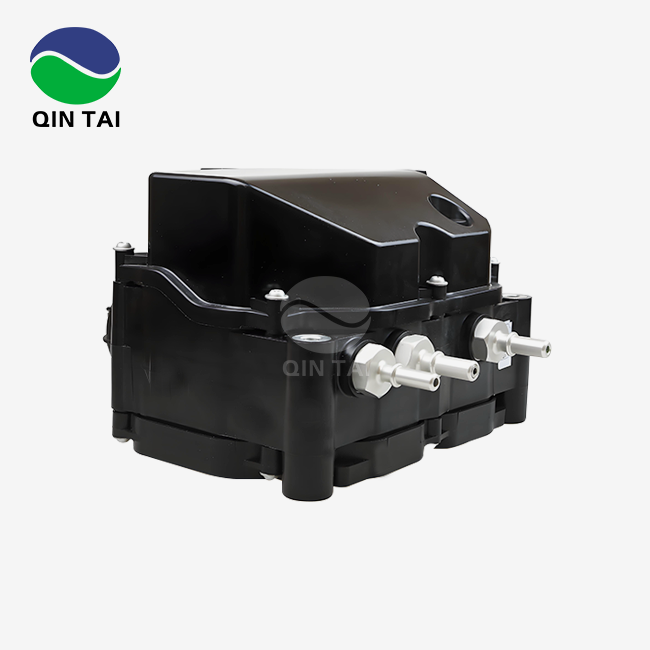
Picking the correct dynamic pressure sensor provider or capacitive pressure sensor maker has a direct effect on the quality of your product and your ability to follow the rules. Qintai can help you with your purchasing needs because they have over twenty years of experience in diesel engine aftertreatment systems and industrial-grade pressure sensors. Our factories are IATF16949-certified, which means they can make a lot of diesel engine parts quickly and consistently. This is what diesel engine OEMs and aftertreatment system integrators need. We offer thorough certifications and 58 invention patents, such as ISO9001, IATF16949, CMC, Ex, UL, CE, REACH, and RoHS.
Our customisable sensor solutions come with quick shipping and helpful technical support. Email our team at info@qt-sensor.com to talk about your unique application needs, get full technical datasheets, or set up an evaluation sample. Find out why top engine makers choose Qintai as their main source of pressure sensors for effective, emission-compliant performance in markets around the world.
References
1. Webster, J. G., & Eren, H. (2014). Measurement, Instrumentation, and Sensors Handbook: Spatial, Mechanical, Thermal, and Radiation Measurement. CRC Press.
2. Fraden, J. (2016). Handbook of Modern Sensors: Physics, Designs, and Applications (5th ed.). Springer International Publishing.
3. Wilson, J. S. (2005). Sensor Technology Handbook. Elsevier Inc.
4. Bao, M. H. (2000). Micro Mechanical Transducers: Pressure Sensors, Accelerometers and Gyroscopes. Elsevier Science.
5. Tian, B., Zhao, Y., Jiang, Z., & Hu, B. (2013). The Development and Application of Pressure Sensors in Automotive Engine Systems. Journal of Automotive Engineering and Technology, 2(3), 145-158.
6. Hydraulic Institute. (2017). Pressure Sensor Selection and Application Guide for Industrial Systems. Hydraulic Institute Standards.
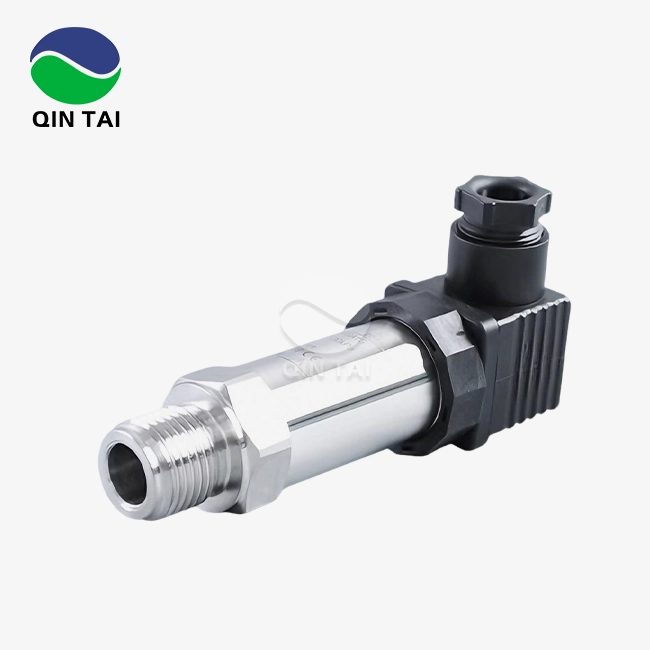
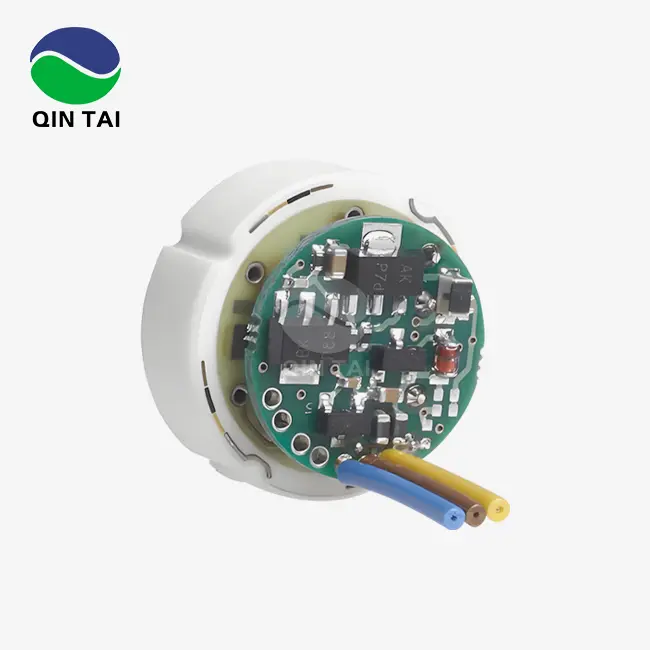
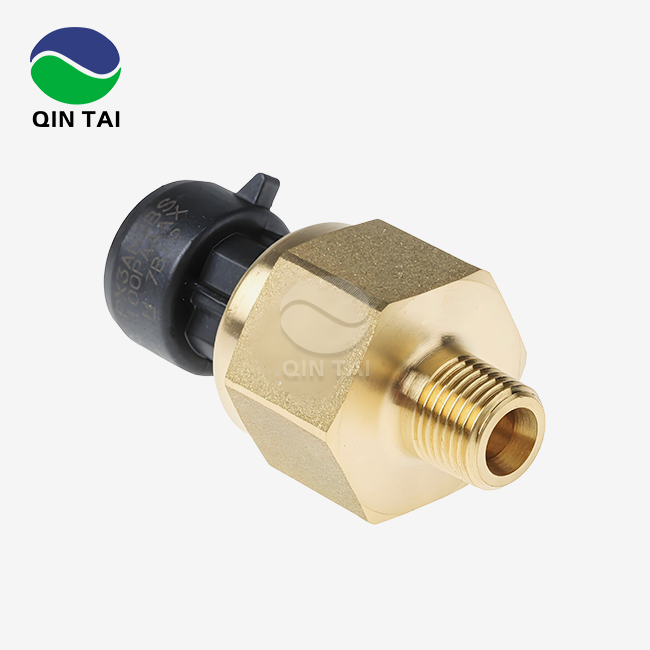

Our customers’ satisfaction speaks for our quality — contact us to experience the same reliable service.