- English
- French
- German
- Portuguese
- Spanish
- Russian
- Japanese
- Korean
- Arabic
- Greek
- German
- Turkish
- Italian
- Danish
- Romanian
- Indonesian
- Czech
- Afrikaans
- Swedish
- Polish
- Basque
- Catalan
- Esperanto
- Hindi
- Lao
- Albanian
- Amharic
- Armenian
- Azerbaijani
- Belarusian
- Bengali
- Bosnian
- Bulgarian
- Cebuano
- Chichewa
- Corsican
- Croatian
- Dutch
- Estonian
- Filipino
- Finnish
- Frisian
- Galician
- Georgian
- Gujarati
- Haitian
- Hausa
- Hawaiian
- Hebrew
- Hmong
- Hungarian
- Icelandic
- Igbo
- Javanese
- Kannada
- Kazakh
- Khmer
- Kurdish
- Kyrgyz
- Latin
- Latvian
- Lithuanian
- Luxembou..
- Macedonian
- Malagasy
- Malay
- Malayalam
- Maltese
- Maori
- Marathi
- Mongolian
- Burmese
- Nepali
- Norwegian
- Pashto
- Persian
- Punjabi
- Serbian
- Sesotho
- Sinhala
- Slovak
- Slovenian
- Somali
- Samoan
- Scots Gaelic
- Shona
- Sindhi
- Sundanese
- Swahili
- Tajik
- Tamil
- Telugu
- Thai
- Ukrainian
- Urdu
- Uzbek
- Vietnamese
- Welsh
- Xhosa
- Yiddish
- Yoruba
- Zulu
How Does a Ceramic Capacitive Pressure Sensor Compare with Others?
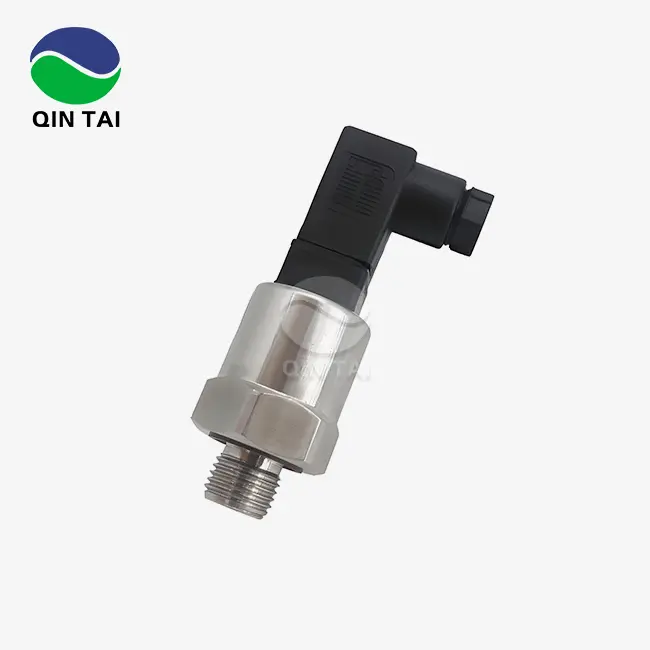
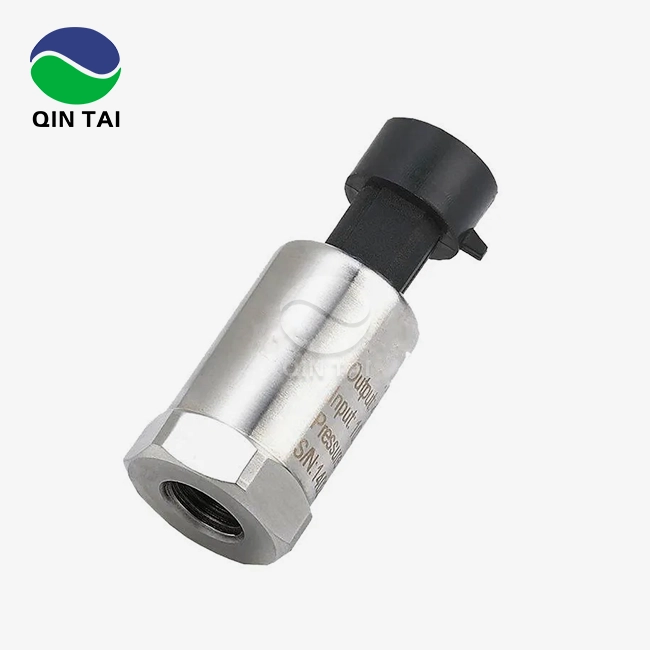
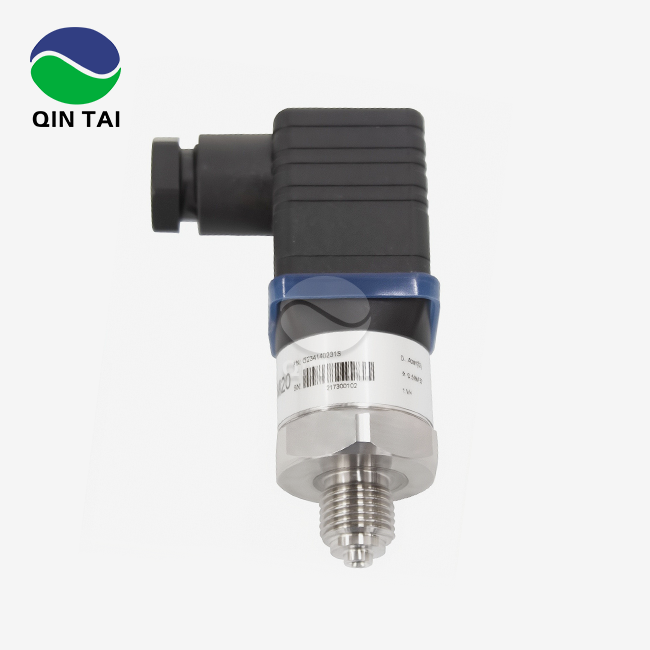
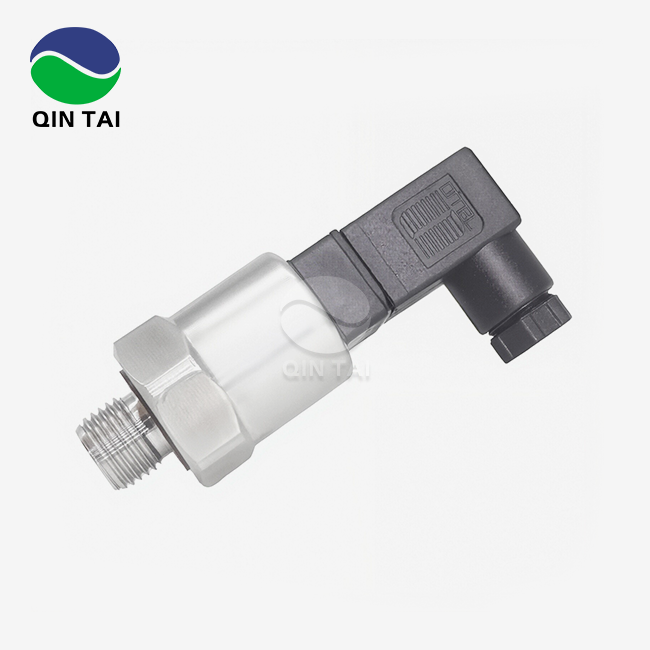
When evaluating pressure sensing technologies, the capacitive ceramic pressure sensor stands out as a compelling choice across multiple industrial applications. This advanced sensor type leverages ceramic materials—typically aluminum oxide (Al₂O₃)—to form a measuring diaphragm that delivers exceptional stability, chemical resistance, and long-term accuracy. Unlike silicon-based or metal diaphragm alternatives, ceramic capacitive sensors maintain consistent performance in extreme temperatures, corrosive media, and high-vibration environments.
The sensing mechanism relies on capacitance variation between a ceramic diaphragm and a fixed electrode, converting mechanical deflection into precise electrical signals. This fundamental advantage positions ceramic capacitive sensors as ideal solutions for diesel engine aftertreatment systems, industrial process control, and demanding automotive applications where reliability directly impacts regulatory compliance and operational efficiency.
Introduction
In the heavy equipment, automotive emissions control, and industrial production areas, pressure measurement technology is still changing very quickly. Capacitive ceramic pressure sensors have become well-known as reliable, accurate tools that can meet strict performance standards. They are one type of sensing architecture that is currently available. This piece talks about how capacitive ceramic pressure sensors are becoming more important in industrial settings and how they are better than other pressure sensing technologies. This comparison is mostly about how well they work, how long they last, and how well they work in tough environments where downtime costs a lot of money.
This guide focuses on procurement insights and addresses the specific concerns of B2B clients—engineers and purchasing managers—looking for reliable, low-cost sensor solutions. People who read this will have a good idea of how to choose, get, and use capacitive ceramic pressure sensors to get the best results from operations and provider partnerships. Whether you are in charge of integrating SCR aftertreatment, making diesel engines, or sourcing parts for generator sets, knowing these comparison advantages will help everyone in your supply chain make better decisions.
Understanding Capacitive Ceramic Pressure Sensors
Working Principle and Ceramic Advantages
Capacitive ceramic pressure sensors work by picking up changes in capacitance that happen when pressure is put on them. The core part is a ceramic diaphragm that changes shape when the pressure changes. It acts as an electrode, and a fixed electrode completes the structure of the capacitor. When the pressure changes, the diaphragm moves, which changes the gap distance. This changes the capacitance values that electronics use to measure and turn into standard electrical signals.
Ceramic materials are very important for improving accuracy and making sensors last longer. Ceramic has an elasticity modulus of about 310 GPa, which makes it mechanically rigid and reduces hysteresis while increasing repeatability. Operating temperature ranges usually cover -40°C to +131°C, which is wide enough to handle the high temperature changes that happen in engine rooms and industrial process areas. Ceramic doesn't react with acids, alkalis, or organic solvents, so it doesn't need safe separation diaphragms that can cause measurement mistakes or failure points.
Industrial Applications and OEM Integration
Chemical processing plants, pollution control systems for cars, and fuel management in the aerospace industry are all examples of places where stability under stress is very important. Diesel engine makers put these sensors in exhaust gas recirculation (EGR) systems and selective catalytic reduction (SCR) aftertreatment units. Accurate differential pressure measurement makes sure that pollution standards for China VI and Euro VI are met. The sensors keep an eye on how full the diesel particulate filter (DPF) is and find any backpressure problems that might affect the engine's performance or its ability to follow the rules.
Real-life examples of OEM integration show how capacitive ceramic pressure sensors help make performance reliable in tough circumstances. For hydraulic brake systems and air suspension control, heavy truck manufacturers use these devices. They can handle up to 40 times the rated pressure without permanent damage, thanks to their high overpressure resistance.
Agricultural machinery makers use ceramic capacitive transducers in hydraulic tools because other sensor technologies would quickly break down in places where soil and water are present. Manufacturers of generator sets used in mining and backup power systems like how stable they are over the long term. With drift rates below 0.1% full scale per year, they don't have to be calibrated as often and don't have to pay as much for maintenance.
Comparison of Capacitive Ceramic Sensors with Other Pressure Sensor Types
Performance Metrics Across Technologies
To understand the competition, we need to look at how capacitive ceramic pressure sensors stack up against resistive, silicon piezoresistive, polymer capacitive, and strain gauge sensors in a number of different performance areas. Depending on the needs of the product, the environment, and the budget, each technique has its own benefits.
Capacitive ceramic pressure sensors usually have levels of accuracy between 0.1% and 0.5% full scale. They can compete directly with high-end silicon piezoresistive devices and are better at measuring static pressure than piezoelectric sensors. Because of charge leakage, piezoelectric sensors can't measure steady pressure and aren't good for emission control uses that need to keep an eye on things all the time. Resistive devices, such as strain gauges, work well linearly but are sensitive to temperature changes and lose their accuracy over time, so they need to be re-calibrated often in places where temperatures change quickly.
Silicon piezoresistive sensors are very sensitive and can be made smaller, but they need oil-filled isolation diaphragms when they are exposed to media that is corrosive. This layer of protection adds possible failure modes—like a diaphragm bursting or oil getting inside—that capacitive ceramic pressure sensors naturally avoid. When the pressure is low, polymer capacitive options are cheaper, but they aren't strong enough or stable enough to be used in diesel engine aftertreatment systems that work at temperatures above 600°C.
Durability and Environmental Resilience
Capacitive ceramic pressure sensors are more stable over time and can handle harsh environments better than piezoelectric or polymer options. The ceramic structure doesn't break down when exposed to hydrogen, which is a big plus for new hydrogen fuel cell uses where stainless steel parts break down over time. This chemical resistance even works when ammonia is present in SCR systems, where urea solution gasses eat away at metal sensors within months.
When it comes to maintenance and calibration, the sensors often work better than strain gauges. Electromagnetic interference can mess up strain gauge bridges, and they need complicated temperature adjustment networks, which makes the system more complicated and increases the number of possible failure points.
Capacitive ceramic pressure sensors have digital temperature corrections built into application-specific integrated circuits (ASICs). This means that they stay accurate to 0.1% across the whole temperature range without any adjustments from outside the device. Because ceramic is so stiff, it has great vibration resistance. Testing to MIL-STD-810 vibration profiles confirms that it will last for more than 10 years in construction equipment and commercial vehicles.
This technical comparison helps business-to-business clients make smart choices that fit their specific needs and priorities. When purchasing managers compare the initial cost to the total cost of ownership, they find that capacitive ceramic pressure sensors have lower lifetime costs because they require less maintenance, can be calibrated more often, and are more reliable in harsh field conditions.

Selecting the Right Capacitive Ceramic Pressure Sensor for Industrial Use
Technical Evaluation Criteria
Procurement professionals and engineers should look at different capacitive ceramic pressure sensor choices based on important factors like how sensitive they are, how well they work in different temperatures, how accurate they are, and how long they are supposed to last. Specifications for sensitivity tell us the smallest change in pressure that can be detected. This is very important for diesel particulate filter renewal control, where small amounts of backpressure make signal filters more loaded. Temperature tolerance has a direct effect on how flexible installation is. For example, sensors rated to 135°C can be mounted close to exhaust manifolds, which makes installation easier and faster.
Different applications have different accuracy needs. Integrators of SCR aftertreatment systems usually demand a full scale accuracy of 0.5% for measuring differential pressure across catalytic converters. On the other hand, makers of generator sets demand a full scale accuracy of 0.1% for tracking fuel pressure in precision injection systems. When figuring out the expected operational lifetime, you should take into account changes in pressure, temperature, and the compatibility of the media. When manufacturers publish data on pressure cycle endurance, which for industrial-grade units is usually 100 million cycles, it gives customers confidence in the product's long-term dependability.
To find a good balance between technical needs and economic ones, you need to look at the pros and cons of both cheap and expensive products. Entry-level capacitive ceramic pressure sensors that can be used in commercial car aftermarket uses may be accurate to within 1% and have prices that are competitive. This meets the needs of repair shops that need to replace parts at a low cost. Premium industrial-grade sensors with 0.1% accuracy and wider temperature ranges cost more, but they are worth it because they have less downtime in important situations like mine power production.
Trusted Suppliers and Quality Assurance
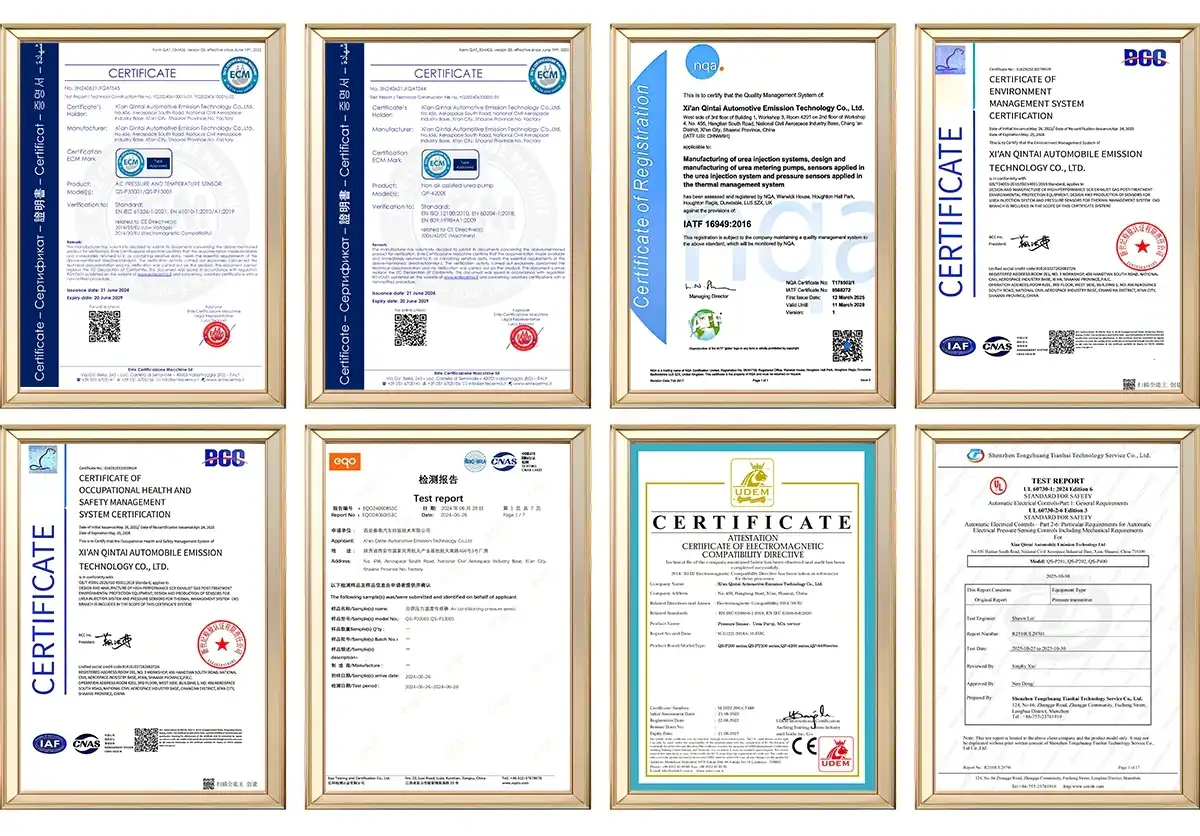
Well-known companies like Bosch and Honeywell keep a wide range of products available, along with full warranties, expert help, and a consistent supply chain. These big brands put a lot of money into quality management systems that are certified to ISO 9001 and IATF 16949 standards for the automotive industry. This makes sure that the manufacturing process is the same no matter how much they make. For legal compliance, European and North American buying managers look for CE and RoHS compliance. IP67/68 environmental sealing grades ensure performance in high-humidity and high-vibration environments.
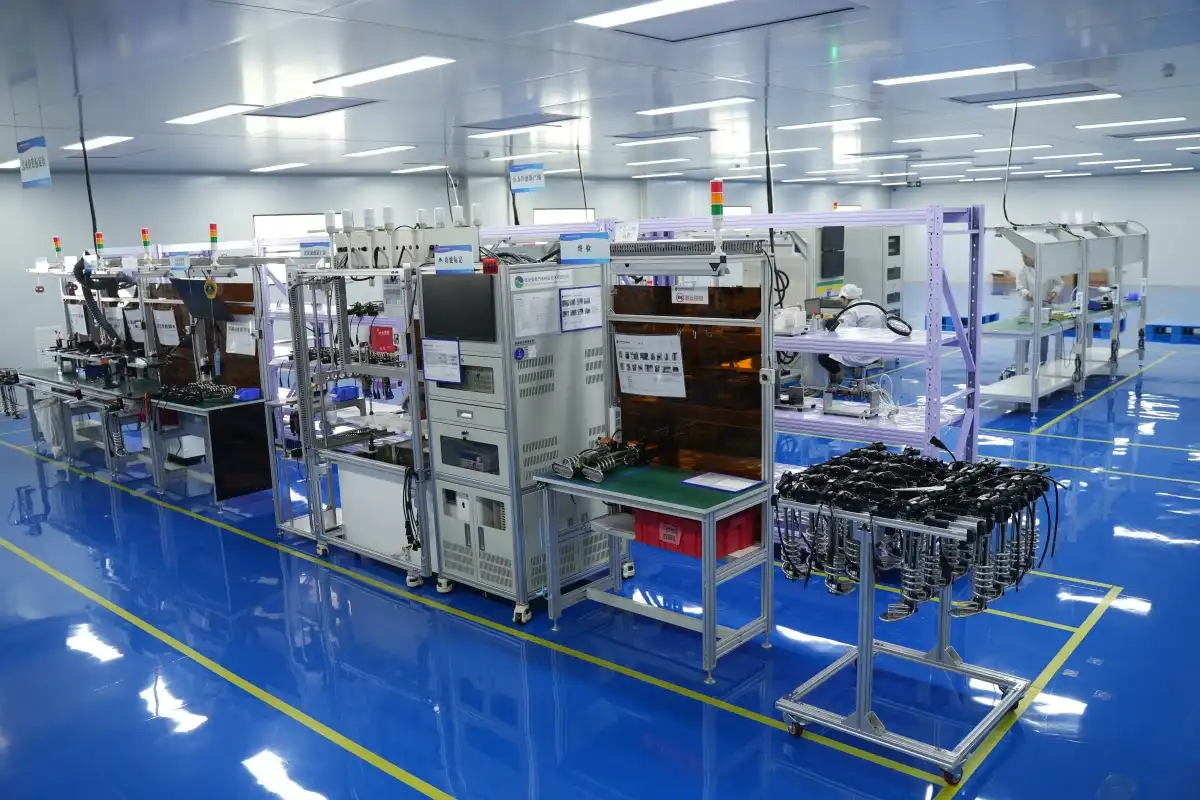
New suppliers from Asia's industrial clusters, such as specialized makers like Qintai, offer affordable options that combine cutting-edge technology with the ability to be customized in a variety of ways. Companies that have a lot of certifications (ISO9001, IATF16949, CMC, Ex, UL, CE, REACH, RoHS) and patents that are still active show that they are committed to quality and improvement. Looking at suppliers based on their ties with OEMs can help you figure out how well they can make things. Companies that work with Weichai Power, Yuchai Power, and other major diesel engine makers have shown they can meet strict quality standards and production volume needs.
This system helps with smarter buying and lowering risk by balancing the image of the brand with the new skills of suppliers. This lets procurement teams find the cheapest parts without sacrificing reliability.
Procurement Guide: How to Buy Capacitive Ceramic Pressure Sensors
Sourcing and Commercial Considerations
Getting capacitive ceramic pressure sensors means figuring out business and logistics issues that have a direct effect on project timelines and budget performance. When looking for reliable distributors and makers, you need to think about both short-term access and long-term supply stability, capacitive ceramic pressure sensor sourcing decisions often influence which partners you choose and how you structure your supply agreements.
Authorized wholesalers usually keep standard pressure ranges and electrical outputs in stock, which makes it possible to do small-batch production and fast development. When you need a lot of something or have specific needs, working directly with the manufacturer can be helpful because you can get better prices and more dedicated technical support.
Different levels of suppliers have very different minimum order quantities. Global name wholesalers may need to buy just one unit at a higher price, which is fine for testing or low-volume uses. Manufacturers of parts often set minimum orders of 100 or 500 pieces, with pricing that goes up as the volume commitment goes up. Diesel engine makers and companies that put together aftertreatment systems can benefit from talking about annual volume agreements that let them get better prices and faster service when supplies are low.
How complicated the manufacturing process is and how much modification is needed affect lead times. It usually takes two to four weeks to ship standard pressure ranges with common electrical outputs (0.5-4.5V ratiometric, 4-20mA current loop). Custom pressure ranges, specialized electrical connections, or unique environmental grades may make wait times eight to twelve weeks long. To avoid this, you need to plan your purchases ahead of time to make sure they fit with your product development schedules.
Customization and After-Sales Support
You can change more than just the pressure range and electrical output. You can also change the way the device is mounted, the process connections (NPT, G-thread, SAE flanges), and the built-in diagnostic features. When a supplier lets system integrators change parameters easily, they can get the best sensor response for certain SCR catalyst configurations or DPF substrate designs. Asking for samples of a product is an important part of technical proof because it lets engineering teams check the fit, electrical compatibility, and measurement accuracy before committing to large amounts.
It is emphasized how important strong after-sales service agreements and guarantee support are for keeping operations running smoothly, especially in complex industrial settings. Comprehensive warranties that cover production flaws for 24 to 36 months are the basic level of safety. Longer warranties are available for situations where the cost of replacing the part is higher than its value.
Suppliers who can form partnerships are different from transactional component sellers in that they offer technical support, such as application engineering help and fixing advice. Purchasing managers who work with aftermarket channels for commercial vehicles put a high priority on suppliers who keep regional inventory and quick replacement programs that keep customers from having to wait too long.
This advice makes it easier to buy things and build long-term relationships with suppliers that provide value beyond the unit price, which helps lower the total cost of ownership.
Future Trends and Innovations in Capacitive Ceramic Pressure Sensors
Emerging Technologies and Materials
The market for capacitive ceramic pressure sensors is still being shaped by new technologies that make them smaller, better at integrating, and made of new ceramic materials that make them more accurate and last longer. Modern manufacturing methods, such as co-fired ceramic multilayer construction, make it possible to put signal conditioning electronics right inside sensor housings. This cuts down on the amount of space needed for installation and the risk of electromagnetic interference. Miniaturized packages with a width of less than 20 mm can fit into tight engine compartment setups while still meeting industrial-grade performance standards.
New ceramic mixtures that include zirconia and silicon nitride have better resistance to thermal shock and can withstand temperatures close to 200°C. This means that they could be used in next-generation diesel engine designs that have higher output temperatures. Digital communication methods (CAN bus, LIN bus) make wiring connections easier to use and allow for more advanced diagnostic features, like self-testing and alerts for planned maintenance. These smart sensors work with Industry 4.0 projects because they give real-time data on condition monitoring that helps plan maintenance better and cuts down on unplanned downtime.
More and more, these sensors are being used in new industrial areas. This is because performance requirements are getting higher and regulatory standards are changing. Capacitive ceramic pressure sensors are used in electric car thermal management systems to check the pressure of the coolant. It is important that these sensors are chemically compatible with the new low-global-warming-potential coolants.
Capacitive ceramic pressure sensors are used in many parts of hydrogen fuel cell systems, from controlling the pressure in storage tanks to keeping the stacks dry. These sensors work well because they don't break down when exposed to hydrogen and last a long time.
Supply Chain Dynamics and Procurement Strategy
Geopolitical factors, the quantity of raw materials, and the cost of transportation all add volatility to the global supply chain, which affects buying strategies. Single-source risks are lessened by networks of suppliers that include precise manufacturers in Europe, well-established production centers in Asia, and new suppliers in the area. Purchasing managers who work with companies that make generator sets and building equipment are looking at how close suppliers are to factories more and more. They are matching the costs of shipping with the costs of keeping inventory.
Strategic partnerships with suppliers that focus on working together to develop products and plan capacity give businesses an edge in markets that are changing quickly. When suppliers spend money on automation and advanced quality control systems, they can keep the quality of their output consistent while also being able to adjust production to meet changing customer needs. These insights help people in the industry plan for change and make the most of new ideas, so they can make sure their product lines meet new government rules and customer standards.
Conclusion
Capacitive ceramic pressure sensors are very stable, don't react to chemicals, and work well for a long time. This makes them very useful in industrial, automotive, and heavy equipment settings. The comparison shown makes it clear that this sensing technology works better than others in harsh environments with high vibrations, extreme temperatures, and media that breaks down easily.
When buying parts for emission control systems, hydraulic circuits, and process tracking, procurement workers can make better choices if they know these technical differences. Strategic source selection that balances the dependability of well-known brands with the new ideas of up-and-coming manufacturers lowers the total cost of ownership while still meeting regulations and keeping operations running.
FAQ
Why are ceramic capacitive sensors preferred for chemical media measurement?
Ceramic construction is naturally chemically inert, so oil-filled stainless steel isolation diaphragms are not needed, which could lead to failure. Capacitive ceramic pressure sensors don't need protective walls like silicon sensors do; they can touch the media being tested directly and won't break down in acids, alkalis, or organic solvents. By getting rid of the compliance effects and thermal reaction delays that come with isolation systems, this direct touch makes measurements more accurate.
Can ceramic capacitive sensors handle vacuum measurement applications?
The hard ceramic structure works great for measuring absolute and gauge vacuums because it doesn't have the oil-pulling effect that common metal diaphragm sensors do, which makes them less accurate. High mechanical stiffness keeps the diaphragm from collapsing in a vacuum, so it stays linear when the absolute pressure drops below 10 mbar. Because of this, capacitive ceramic pressure sensors can be used to monitor engine intake manifolds and control industrial vacuum processes.
How does temperature affect ceramic capacitive sensor output accuracy?
Ceramics don't expand or contract much when heated or cooled, but high-precision sensors include temperature compensation in their digital signal conditioning circuits. Polynomial correction algorithms are used by advanced application-specific integrated circuits (ASICs) to keep 0.1% accuracy across the whole temperature range, from -40°C to +131°C. With this built-in compensation, you don't need any extra temperature sensors or the complicated networks needed for other technologies to work.
Partner with a Leading Capacitive Ceramic Pressure Sensor Manufacturer
As its main business, Qintai creates and produces high-performance capacitive ceramic pressure sensors for heavy-duty cars, diesel engine aftertreatment systems, and industrial uses. We are the top OEM provider in China to Weichai Power, Yuchai Power, and Quanchai Power. Our products are reliable because they meet strict quality standards like ISO9001 and IATF16949 and have a wide range of foreign approvals like CE, RoHS, REACH, UL, and Ex.
Our independent research and development team is always coming up with new ways to make sensors work better. They have 58 idea patents that show they are the best in ceramic capacitive pressure transducer technology. We provide OEM and ODM services that are flexible and allow customization from the initial design stage through mass production. These services meet the needs of aftertreatment system installers, engine makers, and equipment producers all over the world. With more than 20 years of experience making things and a presence in more than 60 countries around the world, Qintai offers low prices and high-quality reliability.
Talk to our technical team about your needs for the application, ask for evaluation samples, or look into prices for capacitive ceramic pressure sensor options in bulk. Visit qt-sensor.com or email us at info@qt-sensor.com to learn more about how our advanced sensing technologies can help your product work better and meet regulatory requirements.
References
1. Bao, M. H. (2015). "Analysis and Design Principles of MEMS Devices: Micro and Nano Technologies Series." Elsevier Science Publishing.
2. Fraden, J. (2016). "Handbook of Modern Sensors: Physics, Designs, and Applications (5th Edition)." Springer International Publishing.
3. Nawrocki, W. (2016). "Introduction to Quantum Metrology: Quantum Standards and Instrumentation." Springer Nature Switzerland.
4. Wilson, J. S. (2018). "Sensor Technology Handbook." Newnes Technical Books, Elsevier.
5. Zhang, T., Chen, J., and Li, X. (2020). "Advanced Ceramic Materials for High-Temperature Pressure Sensing Applications." Journal of Materials Science & Technology, Vol. 42, pp. 156-167.
6. International Organization for Standardization (2021). "ISO 9001:2015 Quality Management Systems - Requirements for Automotive and Industrial Sensor Manufacturing." ISO Technical Committee Publications.

Our customers’ satisfaction speaks for our quality — contact us to experience the same reliable service.