- English
- French
- German
- Portuguese
- Spanish
- Russian
- Japanese
- Korean
- Arabic
- Greek
- German
- Turkish
- Italian
- Danish
- Romanian
- Indonesian
- Czech
- Afrikaans
- Swedish
- Polish
- Basque
- Catalan
- Esperanto
- Hindi
- Lao
- Albanian
- Amharic
- Armenian
- Azerbaijani
- Belarusian
- Bengali
- Bosnian
- Bulgarian
- Cebuano
- Chichewa
- Corsican
- Croatian
- Dutch
- Estonian
- Filipino
- Finnish
- Frisian
- Galician
- Georgian
- Gujarati
- Haitian
- Hausa
- Hawaiian
- Hebrew
- Hmong
- Hungarian
- Icelandic
- Igbo
- Javanese
- Kannada
- Kazakh
- Khmer
- Kurdish
- Kyrgyz
- Latin
- Latvian
- Lithuanian
- Luxembou..
- Macedonian
- Malagasy
- Malay
- Malayalam
- Maltese
- Maori
- Marathi
- Mongolian
- Burmese
- Nepali
- Norwegian
- Pashto
- Persian
- Punjabi
- Serbian
- Sesotho
- Sinhala
- Slovak
- Slovenian
- Somali
- Samoan
- Scots Gaelic
- Shona
- Sindhi
- Sundanese
- Swahili
- Tajik
- Tamil
- Telugu
- Thai
- Ukrainian
- Urdu
- Uzbek
- Vietnamese
- Welsh
- Xhosa
- Yiddish
- Yoruba
- Zulu
What Is the Difference Between Capacitive and Piezoresistive Sensors?
When selecting pressure sensing technology for diesel engines, emission control systems, or industrial equipment, understanding the core differences between capacitive and piezoresistive sensors becomes critical. Capacitive pressure sensors measure pressure changes by detecting variations in capacitance between two conductive plates as a diaphragm deflects under applied force.
This design offers exceptional sensitivity, particularly in low-pressure ranges, and consumes minimal power—making them ideal for applications demanding long-term stability and precision. Piezoresistive sensors, by contrast, rely on resistance changes in semiconductor materials subjected to mechanical stress, delivering fast response times and robust performance under high-pressure, high-vibration conditions common in heavy-duty automotive and construction machinery environments.


Understanding Capacitive and Piezoresistive Sensors
How Capacitive Sensors Operate
The space between a bendable silicon or ceramic diaphragm and a set electrode is what capacitive pressure sensor technology does. When pressure is put on the diaphragm, the gap gets smaller or bigger, which changes the capacitance in the same way. Through integrated circuits, this change is turned into an electrical signal. The method has great temperature stability and very little drift over long periods of time, which is very important when high emission standards like Euro VI or China VI must be met.
Modern capacitive pressure sensor designs use ceramic diaphragms, which are usually made of 96% Al₂O₃ and can withstand chemical attacks from exhaust gases, water, and fluids that eat away at metals. Ceramics' dielectric properties stay the same over a wide range of temperatures, so readings will always be accurate, even in tough industrial settings. Temperature-related mistakes are fixed by advanced signal processing built into these devices. In some models, zero drift is cut down to less than 0.03% full scale per degree Celsius.
The Mechanics of Piezoresistive Sensors
In piezoresistive pressure sensor technology, resistors made of doped silicon or polysilicon are glued to a diaphragm that responds to pressure. Resistance values change in a way that can be predicted when mechanical stress bends the diaphragm. A Wheatstone bridge circuit turns these small changes in resistance into voltage outputs that can be measured. The design provides great uniformity (often within 0.3% of full scale) and fast response times (often in the microsecond range).
This responsiveness is very helpful for dynamic pressure monitoring, like measuring backpressure in real time in SCR aftertreatment systems or controlling hydraulic pressure in building equipment. Piezoresistive pressure sensors are good at dealing with overpressure, and their safety gaps can go up to 200% of their estimated capacity. This keeps them safe from short-term spikes that could damage less durable designs.
Core Technical Parameters
Sensor performance is based on its sensitivity, accuracy, and ability to adjust for temperature. Capacitive pressure sensor versions usually have weaker output signals that need complex amplification, but they have better precision at lower pressures. Piezoresistive units give off a higher voltage per unit of pressure change, usually between 2 and 4 mV/V. This makes it easier to integrate electronics further down the line.
When designing energy-efficient systems for battery-powered equipment or remote monitoring, it's important to keep in mind that bridge resistance in piezoresistive pressure sensors, which is usually around 11 kΩ with a ±30% tolerance, affects how much power they use and how they react to temperature—and this consideration becomes even more critical when comparing against alternative technologies such as the capacitive pressure sensor, which offers different power and thermal characteristics due to its fundamentally distinct operating principle.
Performance Comparison: Capacitive vs Piezoresistive Sensors
Sensitivity and Pressure Range Considerations
Capacitive pressure sensors are great at picking up on small changes in pressure, which makes them useful for measuring differential pressure in DPF regeneration monitoring or low-range gauge uses. Because of how they are made, they can measure down to fractions of a millibar with very little noise. Piezoresistive pressure sensor devices, on the other hand, work best in high-pressure situations—from 10 bar to 600 bar and beyond—which makes them great for fuel injection systems, hydraulic circuits in farm equipment, and high-pressure industrial engines.
Diesel engine manufacturers that want to meet pollution standards can avoid over-specification and rising costs by choosing the right pressure range. In a 5 bar EGR situation, a sensor rated for 600 bar doesn't help, but it does cost more and take up more space. When purchasing managers know these limits, they can make sure that standards are met without sacrificing dependability or certification compliance.
Environmental Robustness and Durability
Extreme temperatures test all senses, but their reactions are very different. Capacitive pressure sensor devices stay stable from -40°C to 135°C, and their ceramic structure makes them resistant to heat shock. Even though piezoresistive pressure sensors work the same way at the same range of temperatures, they need to be carefully temperature compensated to keep drift to a minimum. This is especially true for silicon-based designs where the piezoresistive coefficient changes with temperature.
When it comes to mobile equipment, vibration resistance is very important. Some types of capacitive pressure sensor devices don't have wire bonds that are easily broken, so they can handle mechanical shock better. Piezoresistive pressure sensor models also work very well, especially those with strong packing and strain isolation features. However, the accuracy over time is affected by the mounting position and mechanical coupling. In acidic settings, chemical compatibility is very important. Ceramic capacitive diaphragms are better at resisting acids, alkalis, and organic solvents than metal-bonded silicon piezoresistive elements, but many problems can be avoided by properly enclosing the elements.
Calibration, Drift, and Long-Term Stability
Long-term stability of capacitive pressure sensor technology is very good, with drift rates below 0.1% full scale per year in normal conditions. This feature lowers the number of times the vehicle needs to be calibrated, which is a strong case for fleet owners who are responsible for thousands of cars. Piezoresistive pressure sensors, especially cheaper ones, may drift more, so they need to be re-calibrated on a regular basis to keep their accuracy within the range that was specified. Newer models have temperature monitors and digital correction methods built in, which greatly reduces this performance gap.
Use Cases and Application Scenarios
Automotive and Diesel Engine Applications
Pressure monitors are used all over the powertrain and pollution control systems of diesel engines. For SCR and DPF systems to monitor exhaust backpressure, they need sensors that can handle chemicals, soot buildup, and changes in temperature. In this case, piezoresistive pressure sensors with media isolation diaphragms and parts made of stainless steel work well—however, when space or power constraints are tighter, a capacitive pressure sensor may offer advantages in sensitivity and drift performance, though the piezoresistive type remains preferred for its fast response, which is important for closed-loop control strategies that get the best NOx reduction and particulate filtration.
Modern engines work at pressures higher than 2000 bar, which is where ruggedized piezoresistive pressure sensor designs are most popular for measuring fuel rail pressure in common-rail injection systems. They can handle pressure spikes during injector activation without damage thanks to their high overpressure tolerance and shock resistance. Capacitive pressure sensors are used in lower-pressure circuits where accuracy and steadiness are more important than speed, like in charge air cooler tracking or crankcase ventilation systems.
Industrial and Generator Set Environments
Generator sets that power mines, power plants, and backup power sites run all the time, and they're often located in remote areas where they're hard to reach for upkeep. To avoid false warnings or unplanned downtime, sensors must be reliable enough for commercial use and have very little drift. Capacitive pressure sensor ceramic sensors can meet these needs, especially when tracking oil and coolant pressures, where higher initial costs are justified by better long-term accuracy and fewer upkeep tasks.
Extreme conditions like dust, water, temperature changes, and mechanical vibrations can affect construction and farming equipment. These problems can't be solved with piezoresistive pressure sensors that are rated IP67 or IP68 and have strong connector designs and conformal coatings. Customizable pressure ranges and output forms make it possible to integrate into a wide range of hydraulic control systems, from systems that move loader buckets to systems that drive combine harvesters. This meets the needs of OEMs for standard interfaces and lower costs.
Emerging Trends in Sensor Technology
By using both capacitive and piezoresistive elements together, hybrid sensor architectures try to get the best of both technologies. Digital output sensors with built-in microcontrollers send measured, temperature-adjusted signals over CANbus, LIN, or I²C interfaces. This makes it easier to integrate them into ECUs and lets condition tracking help with predictive maintenance. Miniaturization keeps going because current engine chambers don't have a lot of room and emission aftertreatment control needs multi-sensor arrays. These new developments make both technologies work together instead of against each other, and the best choice will depend on the needs of the application.

Procurement Considerations for B2B Buyers
Evaluating Technical Specifications
Purchasing managers and R&D engineers need to carefully look over datasheets to find metrics that match the needs of the application. Signal clarity and amplification needs are based on sensitivity, which can be given in mV/V or digital precision. Non-linearity below 0.5% full scale makes sure that readings are correct across the whole pressure range, which is very important for meeting emission standards in places where regulations are strict. Temperature factors, both zero and span, measure drift over working temperature ranges and help decide on a compensation approach.
Overpressure ratings protect against short-term spikes, but too much margin makes the sensor bigger and costs more. Qintai's QS-P105 model has a 200% safety overload capacity that strikes a good mix between safety and usefulness for most diesel engine and industry uses. Supply voltage ranges from 2 to 30 VDC, which works with a wide range of electrical architectures, from 12V automotive systems to 24V industrial controllers. This makes inventory simpler for OEMs that make more than one product.
Supplier Reliability and Certification
Qualifications for certification are used to choose a supplier. Compliance with ISO 9001 and IATF 16949 shows that processes are mature and quality management systems are in line with standards in the car business. Companies that make environmental safety tools can use their products in more places by getting ATEX or IECEx certifications. Conformity with RoHS and REACH rules helps products work with regulations in global markets, preventing the need for expensive redesigns or limits on imports.
Lead times affect project plans, especially when a new product is being introduced or when production ramps up during the holiday season. Supply chain risk is kept to a minimum by suppliers who offer inventory buffers, express sampling programs, and localized distribution networks in Europe or North America.
Customization options, such as changing the pressure range, the connectors, or the output signals, let you make solutions that fit your needs without having to buy new tools—and when evaluating different sensing technologies for these custom designs, a capacitive pressure sensor can be an attractive alternative to piezoresistive types, offering better long-term stability and lower drift, which further cuts down on costs and speeds up time to market.
Cost Factors and After-Sales Support
Volume pricing structures have a big effect on the total cost of procurement. Suppliers who offer tiered discounts encourage long-term relationships and ordering based on forecasts, which keeps prices and supplies stable. The quality of technical support, which includes help with application engineering during specification and help with troubleshooting during integration, is what sets strategic partners apart from commodity suppliers. After the sale, prompt service that includes managing warranties, figuring out what went wrong, and quick repair programs keeps production going and keeps customers happy.
How to Choose Between Capacitive and Piezoresistive Sensors
Application-Driven Decision Framework
Setting the pressure range, accuracy, and environmental factors is the first step in matching sensing technology to application needs. When the low-pressure difference is less than 10 bar, capacitive pressure sensor systems are more likely to work, especially when power costs are limited. In high-pressure situations above 50 bar, piezoresistive pressure sensor technology is often used because it is strong and cheap on a large scale. The choice is even more limited by the temperature range and whether the device will be exposed to vibrations, damp, or corrosive media. Ceramic sensitive options work best in chemically harsh environments.
In dynamic control loops, the selection is affected by the response time needed. The microsecond reaction time of piezoresistive pressure sensors makes them good for fast-acting hydraulic valves or watching combustion pressure. Capacitive pressure sensors, on the other hand, are better for slower tasks like measuring tank level or controlling HVAC pressure. It's important to choose the right electrical output. Analog voltage or current signals work well with older systems, while digital connections make modern, networked designs easier to use and allow for more advanced diagnostics.
Industry-Specific Recommendations
OEMs of diesel engines that care about meeting emission standards should look at sensors that have been certified to the right standards and have been shown to be stable and accurate when exposed to temperature changes. Capacitive pressure sensors with ceramic diaphragms can handle corrosive coolants and AdBlue, while piezoresistive pressure sensor units with stainless steel wetted parts work well with exhaust gas. Aftertreatment system integrators benefit when suppliers offer flexible mounting options and electrical interfaces that make it easier to connect to SCR and DPF modules.
Manufacturers of construction and farming equipment need sensors that can withstand mechanical shock and are sealed against the elements to IP68 standards. Cost-effectiveness drives demand in the aftermarket, where flexible piezoresistive pressure sensors that can detect a wide range of pressures cut down on inventory SKUs and make replacement easier. Manufacturers of generator sets that want their products to last a long time like capacitive pressure sensors because they don't move much, which means they don't need to be calibrated as often and can be used in faraway locations for longer periods of time.
Future-Proofing Your Sensor Investment
More and more, buying choices are affected by how well they work with Industry 4.0 ecosystems and IoT platforms. Sensors with digital outputs, internal diagnostics, and standard communication methods make predictive maintenance and fleet management analytics possible, which is more useful than just measuring pressure. Buyers will have an edge as digitalization speeds up in the heavy equipment and power generation sectors if suppliers spend in research and development and show that their roadmaps are aligned with new technologies like wireless connectivity or AI-driven anomaly detection.

Conclusion
Choosing between capacitive and piezoresistive detecting technologies depends on how well the technical performance meets the needs of the application. Capacitive pressure sensor designs are the most sensitive and stable in low-pressure, chemically difficult environments, while piezoresistive designs work best in high-pressure, high-vibration settings that need quick responses. Knowing these differences helps engineers and procurement managers choose sensors that are accurate, last a long time, and don't cost too much.
The QS-P105 piezoresistive pressure sensor from Qintai has the best performance in its class, with 0.3% non-linearity, 200% overpressure safety, and great temperature stability. It also meets strict emission compliance and industrial reliability standards. Thorough checks of certifications, customization options, and seller support make sure that long-term relationships that improve product quality and operating efficiency.
FAQ
Can capacitive sensors replace piezoresistive types in all applications?
Capacitive pressure sensors work well in low-power, low-pressure situations that need to be stable and resistant to chemicals. Examples include HVAC systems, medical devices, and devices that check the level of liquids. Because they are better at handling overpressure and stability, piezoresistive pressure sensors are the best choice for high-pressure, dynamic settings like fuel injection systems, hydraulic controls, and high-pressure industrial processes. Replacement is possible or not depending on the pressure range, response time needs, and exposure to the environment. Before making a change, you should always compare the basic requirements to what the application needs.
What calibration intervals maintain accuracy in industrial settings?
In stable environments, piezoresistive pressure sensors usually need to be re-calibrated every 12 to 24 months to keep their accuracy within the acceptable range. However, more advanced models with digital compensation can go longer between recalibrations. Capacitive pressure sensors have less drift—often less than 0.1% full scale per year—so they could be calibrated every 24 to 36 months. Conditions that are too harsh, like high temperatures, vibration, and corrosive media, speed up drift. Set a standard for performance during commissioning, keep an eye on trends with regular checks, and change plans based on how stable things are looking and how important it is to get accurate measurements.
What are typical lead times for bulk sensor orders?
Standard store items from well-known brands usually ship in two to six weeks for small orders. Customized specifications, such as pressure ranges, connectors, and output signals, take an extra four to eight weeks to validate in engineering and set up for production. If you buy more than 10,000 units, wait times may go up to 12 weeks or deliveries may have to be spread out over a longer period of time. Lead times are cut down by a lot when suppliers keep regional supplies or offer exchange programs. Keeping safety stock and planning purchases around production forecasts help just-in-time manufacturing tactics work and reduce problems in the supply chain.
Partner with Qintai for High-Precision Pressure Sensing Solutions
Qintai Automotive Emission Technology Co., Ltd. Ltd, a national high-tech company that was founded in 2001, makes the best pressure sensors for heavy-duty truck engines and other industrial uses. With its 96% Al₂O₃ ceramic diaphragms, 0.3% non-linearity, and 200% overpressure safety, our QS-P105 piezoresistive pressure sensor is built to meet the tough needs of SCR/DPF systems, heavy machinery, and power generation. We are China's top supplier and are certified by ISO 9001, IATF 16949, RoHS, and REACH. We work with global OEMs like Weichai, Yuchai, and Quanchai.
Our independent research and development, full OEM/ODM services, and customization help make sure that we can easily fit into your systems. Contact a reputable capacitive pressure sensor maker at info@qt-sensor.com or visit qt-sensor.com to get samples, detailed datasheets, or customized quotes. You'll get solid performance, reasonable prices, and quick expert support that will help your project succeed.
References
1. Bao, M. (2005). Analysis and Design Principles of MEMS Devices. Amsterdam: Elsevier Science.
2. Fraden, J. (2016). Handbook of Modern Sensors: Physics, Designs, and Applications (5th ed.). New York: Springer International Publishing.
3. Wilson, J. S. (Ed.). (2005). Sensor Technology Handbook. Burlington: Elsevier/Newnes.
4. Webster, J. G., & Eren, H. (Eds.). (2014). Measurement, Instrumentation, and Sensors Handbook: Spatial, Mechanical, Thermal, and Radiation Measurement (2nd ed.). Boca Raton: CRC Press.
5. Keil, S. (2017). Technology and Practical Use of Strain Gauges: With Particular Consideration of Stress Analysis Using Strain Gauges. Berlin: Wilhelm Ernst & Sohn Verlag.
6. Tian, B., Zhao, Y., Jiang, Z., & Hu, B. (2013). "The Design and Analysis of Piezoresistive Pressure Sensor for High Temperature Applications." Journal of Mechanical Science and Technology, 27(2), 393-397.
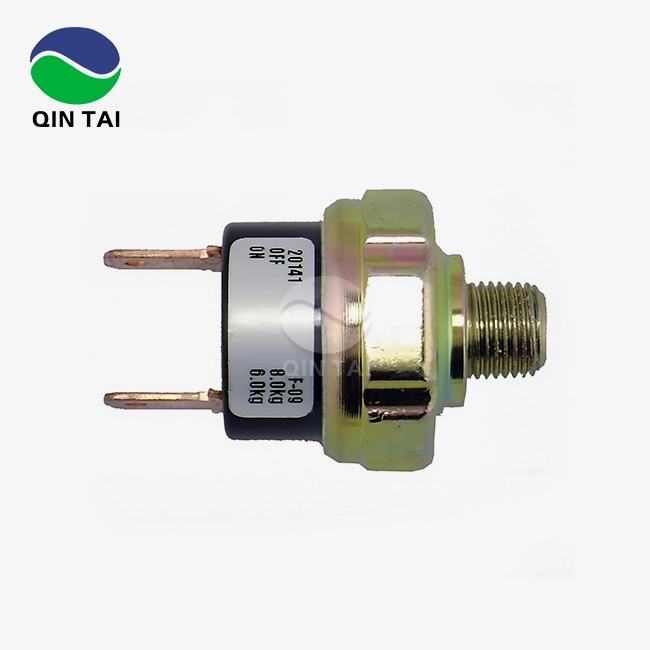
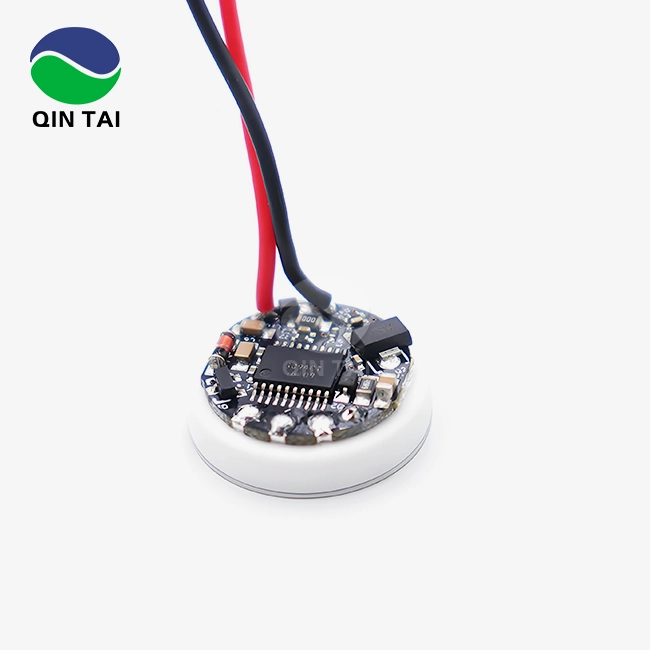
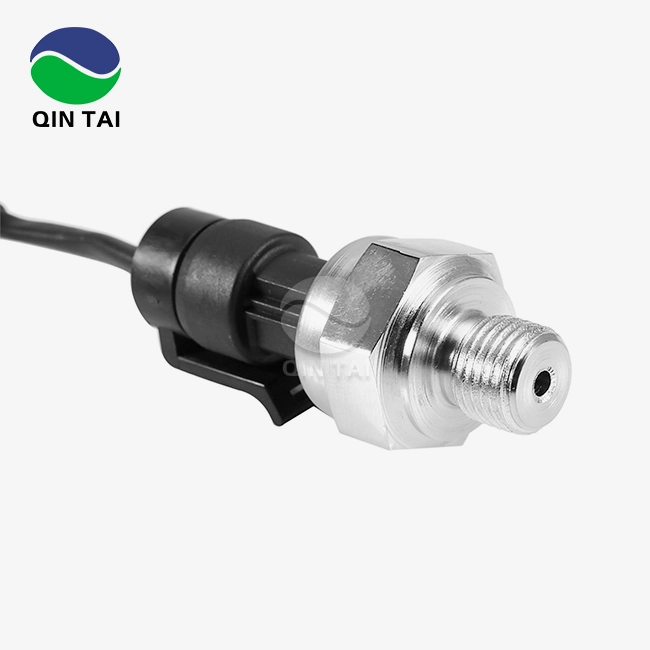
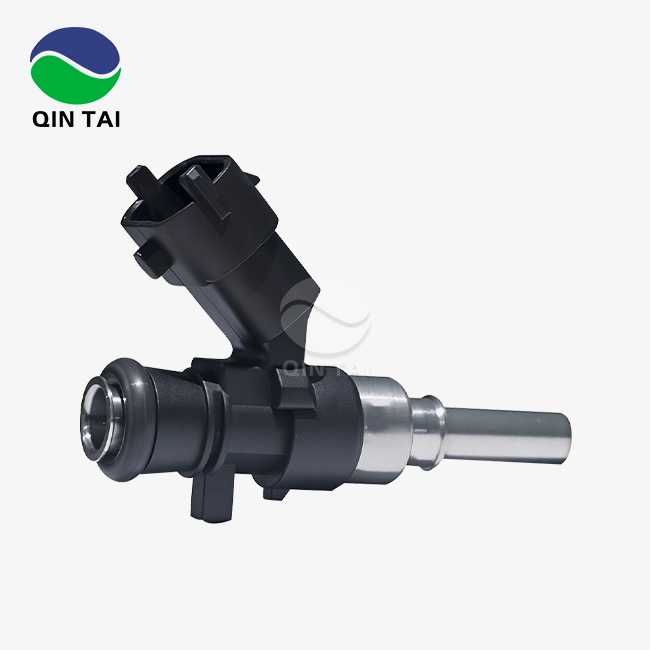

Our customers’ satisfaction speaks for our quality — contact us to experience the same reliable service.