- English
- French
- German
- Portuguese
- Spanish
- Russian
- Japanese
- Korean
- Arabic
- Greek
- German
- Turkish
- Italian
- Danish
- Romanian
- Indonesian
- Czech
- Afrikaans
- Swedish
- Polish
- Basque
- Catalan
- Esperanto
- Hindi
- Lao
- Albanian
- Amharic
- Armenian
- Azerbaijani
- Belarusian
- Bengali
- Bosnian
- Bulgarian
- Cebuano
- Chichewa
- Corsican
- Croatian
- Dutch
- Estonian
- Filipino
- Finnish
- Frisian
- Galician
- Georgian
- Gujarati
- Haitian
- Hausa
- Hawaiian
- Hebrew
- Hmong
- Hungarian
- Icelandic
- Igbo
- Javanese
- Kannada
- Kazakh
- Khmer
- Kurdish
- Kyrgyz
- Latin
- Latvian
- Lithuanian
- Luxembou..
- Macedonian
- Malagasy
- Malay
- Malayalam
- Maltese
- Maori
- Marathi
- Mongolian
- Burmese
- Nepali
- Norwegian
- Pashto
- Persian
- Punjabi
- Serbian
- Sesotho
- Sinhala
- Slovak
- Slovenian
- Somali
- Samoan
- Scots Gaelic
- Shona
- Sindhi
- Sundanese
- Swahili
- Tajik
- Tamil
- Telugu
- Thai
- Ukrainian
- Urdu
- Uzbek
- Vietnamese
- Welsh
- Xhosa
- Yiddish
- Yoruba
- Zulu
What Is a DEF Pressure Sensor and How It Works in SCR Systems
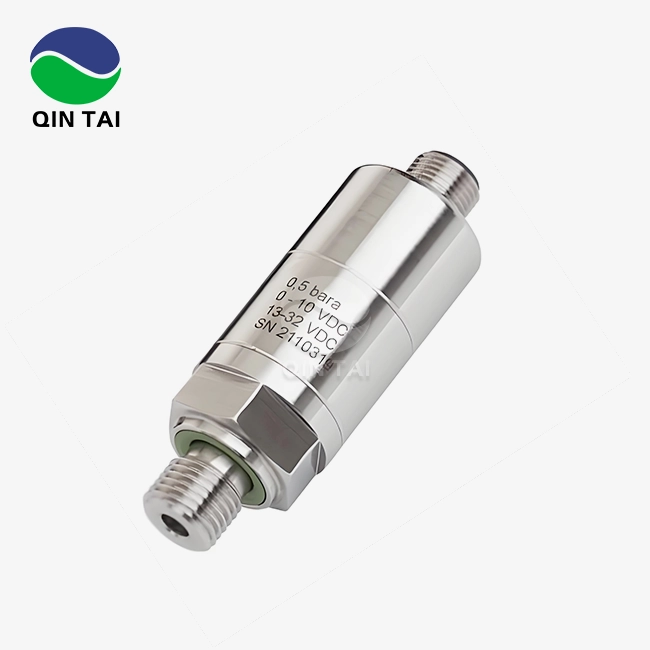
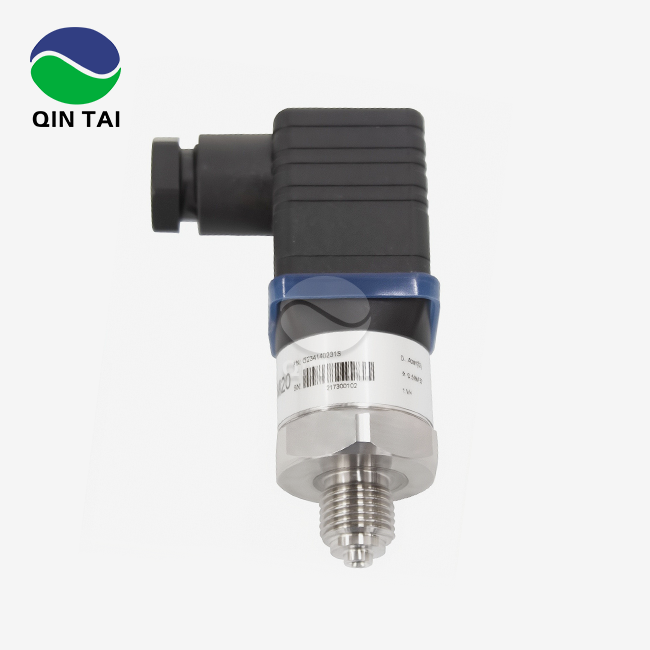
To follow strict environmental rules, modern diesel engines need high-tech pollution control systems. At the heart of these systems is a small but important part that makes sure they work right and follow the rules. A DEF pressure sensor is a special tool used in Selective Catalytic Reduction (SCR) systems to keep an eye on the pressure of Diesel Exhaust Fluid (DEF). This sensor constantly checks the pressure of the fluid and turns the results into electrical messages that the engine control unit (ECU) can use to fine-tune the rate of DEF injection. The sensor makes sure that the right amount of fluid gets to the catalytic converter by keeping the pressure at the right level. This lowers dangerous nitrogen oxide (NOx) emissions while keeping the engine's efficiency and performance.
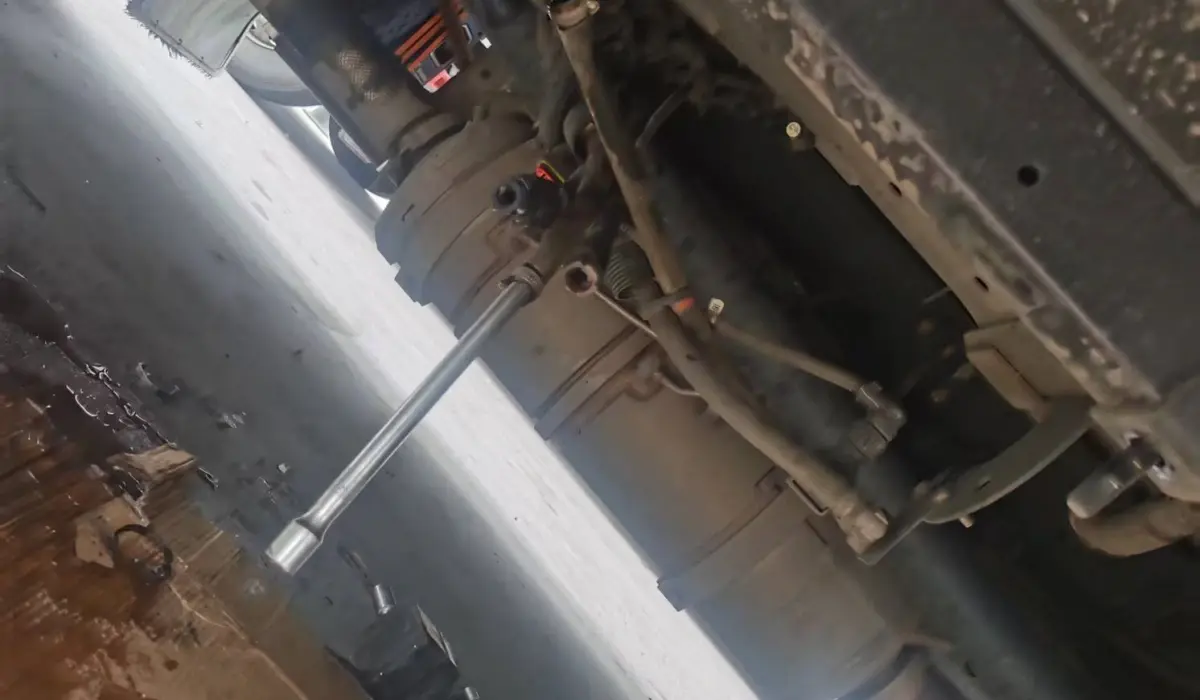
Understanding DEF Pressure Sensors in SCR Systems
What Components Make Up a DEF Pressure Sensor?
The way these DEF pressure sensors are made blends fine engineering with long-lasting materials. Most units are based on ceramic capacitive technology, which is very good at resisting the harmful effects of urea-based fluids. The sensor has a ceramic plate that changes shape slightly when it is exposed to different pressures. In a capacitor setup, this diaphragm acts as one of the electrodes, while a fixed electrode stays in place nearby. The capacitance changes when the pressure inside the DEF delivery system changes because the distance between these electrodes moves. This physical change is then recorded and turned into a voltage signal that the engine control unit (ECU) can understand.
How DEF Pressure Monitoring Ensures Proper Dosing?
Accurately measuring pressure is a key part of keeping emission controls working well. To get the best NOx reduction from the SCR system, precise DEF injection is needed. When the pressure sensor picks up values that are not in the allowed range, the ECU changes how the pump works to restore the delivery rates. It is possible for supply-line restrictions, pump wear, or low fluid levels to cause insufficient pressure, while excessive pressure could mean that there are blockages or component failures. This real-time monitoring capability allows the system to make adjustments automatically, making sure that the catalytic reaction always receives the correct fluid volume.
The Role of Pressure Sensors in Emission Compliance
Fleet owners are under significant pressure from regulators to keep pollution standards high throughout the lifecycles of their vehicles. The DEF pressure monitoring method is a critical safeguard to ensure that rules are followed. When sensors identify long-term changes in pressure, the system triggers warning lights on the dashboard and may reduce engine power to prevent excessive emissions. This safety feature helps fleet managers identify what maintenance is needed before violations occur. When procurement professionals know how these sensors work with other SCR diagnostics, they can judge the quality of a part based on measures of reliability that have a direct impact on operational uptime and regulatory standing.
Common Issues and Troubleshooting of DEF Pressure Sensors
Recognizing Symptoms of Sensor Malfunction
Several warning signs point to potential DEF pressure sensor problems that need to be fixed right away. Pressure values that are too low or too high often cause dashboard warning lights specific to the SCR system to show up. When drivers accelerate, they may notice that the engine has less power or behaves in an unusual way. Some vehicles display specific fault codes that pinpoint where the pressure sensor circuits are malfunctioning. Also, unexplained jumps in DEF use could mean that incorrect pressure readings are causing excessive injection rates. Fleet maintenance teams should track these symptoms in a structured way so that trends can be found that could mean problems with a batch of parts or environmental factors affecting sensor effectiveness.
Diagnostic Procedures Using Scan Tools and Multimeters
To make a correct diagnosis, you need both electronic scanning tools and simple electrical testing tools. First, connect a diagnostic scan tool made for your car so that it can read saved diagnostic trouble codes and live data streams from the pressure sensor. Compare the real pressure values to what the manufacturer says they should be at different engine speeds and loads.
If electronic tests show that the sensor circuit is not working right, use a digital multimeter to check the supply voltage, ground continuity, and signal output. Find the resistance between the sensor's terminals and match it up with the values given in technical service manuals. This mix of electronic and electrical testing helps distinguish between sensor failures, wiring issues, and control module problems, saving time and preventing unnecessary component replacement.
Preventative Maintenance Strategies to Extend Sensor Life
Unexpected sensor failures are much less likely to happen when proactive maintenance procedures are used. Crystallization growth that can damage sensor diaphragms can be stopped by testing the DEF quality on a regular basis. Check electrical connections for corrosion, especially in tough working conditions where water and road salt accelerate damage. Check that the DEF tank vents stay clear during regular service intervals; if the tank is not pressurized properly, sensors can be stressed beyond their design limits. Some upkeep plans include cleaning sensors on a regular basis with approved solutions that get rid of urea deposits without hurting sensitive parts. These preventative steps make sensors last longer and lower the total cost of owning an SCR system.
Choosing the Right DEF Pressure Sensor for Your Fleet
OEM Versus Aftermarket Sensor Comparison
Finding the best choice between OEM parts and aftermarket DEF pressure sensor options means weighing cost against performance guarantees. OEM sensors promise exact specifications matching the original design of the vehicle, which eliminates worries about software compatibility with the engine calibration. Manufacturers design these components to withstand specific operating environments and integrate seamlessly with existing diagnostic systems. Aftermarket choices usually have lower initial costs, making them appealing for replacing many units in a fleet.
However, quality varies significantly among aftermarket providers. Some produce sensors that meet or exceed OEM standards, while others use cheaper materials or less precise manufacturing. Evaluating aftermarket sensors requires a careful review of warranty terms, certification standards, and field performance data from similar fleet applications.
Evaluating Leading Industry Brands
Several companies have built strong reputations for making pressure sensors that work well. Bosch has been making automotive sensors for decades, and their units are known for being accurate across a wide range of temperatures. Denso focuses on compact designs with enhanced corrosion resistance, which is especially useful for use near the coast or in winter environments.
Cummins offers sensors specifically engineered for heavy-duty applications, with robust housings designed to handle the vibration and thermal cycling common in commercial trucking. Aside from these major brands, specialized providers focus on aftermarket options that balance performance with competitive pricing. When comparing brands, make sure the stated specifications for measurement accuracy, response time, and environmental ratings match the needs of your fleet.
Key Technical Parameters for Sensor Selection
To successfully buy sensors, you need to pay attention to a few important details. The operating temperature range determines if sensors can handle harsh weather or long periods of high temperatures. Most quality sensors function successfully between -40°C and 125°C, but some industrial uses require extended ranges.
For DEF applications, the pressure measurement range should typically span 0 to 10 bar to handle both normal working pressures and possible system spikes. Different car companies use different types of electrical connections, requiring exact terminal configurations and connector designs for the job. The voltage range and suitability of the output signals must match what the ECU expects so that data can be interpreted correctly and the system can work together.
DEF Pressure Sensor Procurement Guide for B2B Clients
Identifying Reliable Sourcing Channels
Building ties with trusted suppliers is the first step to getting the DEF pressure sensor parts you need. Direct relationships with manufacturers provide access to technical support tools and documentation that make integration easier. Authorized distributors guarantee quality and have consistent inventory, though they usually charge premium prices.
Specialized automotive sensor distributors consolidate different brands, enabling customers to compare prices and save money by buying in bulk. Online business-to-business (B2B) platforms have also become useful ways to connect fleet owners with manufacturers around the world. When looking at possible suppliers, make sure they have the right quality certifications, read their warranty policies carefully, and see how good their expert help is after the sale.
Understanding Pricing Factors and Budget Planning
In B2B procurement, price patterns for sensors are affected by a number of factors. Brand reputation often commands higher prices because of the research, quality control, and warranty support involved. Cost is also directly related to technical requirements, since sensors with wider temperature ranges, higher accuracy, or specialized materials need more complex production methods.
The volume of items bought is perhaps the most important price factor that fleet owners can use. Manufacturers and distributors typically use tiered pricing, which means bigger contracts save a lot of money per unit. Delivery times also have an effect on prices, as expedited shipping can add costs to the overall procurement budget. Smart buyers balance these factors by planning purchases around regular maintenance cycles instead of buying only when components break down suddenly.
Supplier Evaluation and Negotiation Approaches
Over time, procurement results are better when systematic factors are used to evaluate suppliers. Ask for specific product datasheets that list manufacturing tolerances, testing procedures, and compliance certifications. Before buying a lot of something, ask for sample units so your maintenance team can check for system compatibility and performance in real-world situations.
Negotiate warranty terms that go beyond standard coverage, especially for new product lines or providers that haven't been used before. Talking about payment terms could lead to volume rebates, extended payment windows, or consignment agreements that lower the cost of keeping goods on hand. Often, forming long-term agreements with suppliers is more valuable than searching for the lowest bid, as established relationships make it easier to solve problems quickly and provide priority treatment during supply shortages.

SENSOR+TEST, June 9 – 11, 2026
We look forward to your visit,warmly welcome to our booth 1-526!
Get your free ticket online now:
https://www.sensor-test.de/service/ticket/?52790
Installation, Wiring, and Calibration Essentials
Common Mounting Locations and Access Considerations
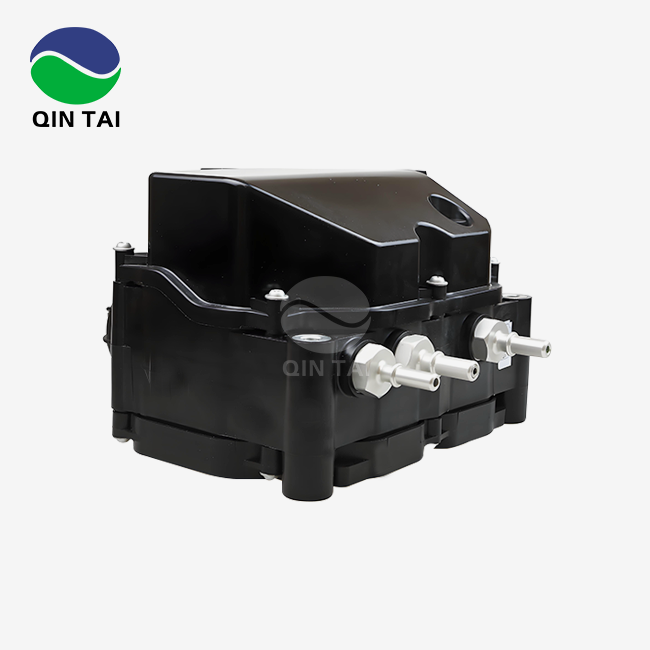
Automotive manufacturers put DEF pressure sensors in key spots within the SCR delivery system. Most setups place sensors along the supply line between the DEF tank and the dosing module, which allows for accurate measurement before the fluid gets to the injection point. Some systems put sensors right into the pump assembly, providing pressure monitoring and fluid delivery in a small package.
When planning installations, make sure there is enough space for regular checks and access to the electrical connectors. Mounting orientations also matter, as some sensors must be in specific positions to avoid air pockets that could distort the results. Consider environmental exposure when deciding where to put sensors, as those placed near exhaust components face more severe thermal stress than those in covered areas.
Wiring Configurations and Electrical Connection Best Practices
When electrical links are made correctly, sensors can talk to engine control systems reliably. Most modern sensors have three- or four-wire configurations, including a power source, a ground, a signal output, and sometimes a communication line for advanced diagnostics. The electrical load requirements must match the wire gauge standards, and the connector terminals must be securely crimped to prevent links from breaking.
Keep the sensor wires away from high-voltage ignition components and other sources of electromagnetic interference that could cause signal noise. In places that get hot, rough, or wet, use manufacturer-specified wire looms and protective conduits. Putting dielectric grease on connector terminals in corrosive environments creates a moisture barrier that makes the connection last longer.
Calibration Procedures and Maintenance Intervals
Many sensors are calibrated at the factory and stay that way for their entire service life, but some applications benefit from checking them every so often. Using special test tools, calibration methods usually involve comparing the output of a sensor to a known source of pressure. This method checks that measurements are correct and finds drift that could affect how well the system works before trouble codes are sent.
Manufacturers set calibration times based on the application; for example, heavy-duty commercial vehicles usually need to be checked more often than light-duty ones. Some more modern diagnostic systems have automated calibration processes that run during certain repair steps, making it easier to keep up with maintenance. As part of your vehicle's repair records, write down all calibration activities to help create performance baselines and spot trends of strange sensor behavior over time.
Conclusion
Fleet managers and procurement professionals can make decisions that directly affect emission compliance and working efficiency when they understand the DEF pressure sensor and how it works in SCR systems. These sensors are small investments that have big effects when they fail, changing everything from regulatory standing to fuel economy. The information here about sensor technology, typical failure modes, selection criteria, procurement strategies, and installation methods gives you a complete plan for taking care of these important parts throughout their entire lifetime. By following these rules, businesses can cut down on unnecessary downtime, get the most out of their repair funds, and make sure that their diesel fleets keep meeting environmental standards while still working well.
FAQ
How long do DEF pressure sensors typically last in commercial vehicles?
Sensor lifespan varies based on operating conditions, fluid quality, and component manufacturing standards. Quality DEF pressure sensors typically function reliably for 150,000 to 200,000 miles in well-maintained commercial vehicles. This may be reduced in harsh environments with extreme temperatures, frequent thermal cycling, or poor DEF quality. Regular system maintenance, including DEF quality verification and connector inspections, helps maximize sensor longevity and prevents premature failures that disrupt operations.
Can aftermarket sensors replace OEM units without causing compatibility issues?
Most of the time, high-quality aftermarket sensors designed to OEM specifications work well with current SCR systems. It is very important to check the exact wiring specs, pressure ranges, and connector configurations before installation. Some aftermarket options require software updates or adaptation procedures to ensure proper communication with engine control modules. Always confirm compatibility with your specific vehicle make, model, and year, and consider consulting with suppliers who provide technical support during the selection process.
What fault codes indicate DEF pressure sensor problems?
Common diagnostic trouble codes related to pressure sensor issues include P20E8, P20E9, P20EA, and P20EB, though specific codes vary by manufacturer. These codes typically indicate circuit malfunctions, implausible readings, or values outside expected ranges. P20E8 often points to low-pressure readings, while P20EA suggests high-pressure conditions. When these codes appear, systematic diagnosis using scan tools and multimeters helps determine whether the sensor itself requires replacement or if related components like wiring, pumps, or supply lines need attention.
Partner With Qintai for Your DEF Pressure Sensor Requirements
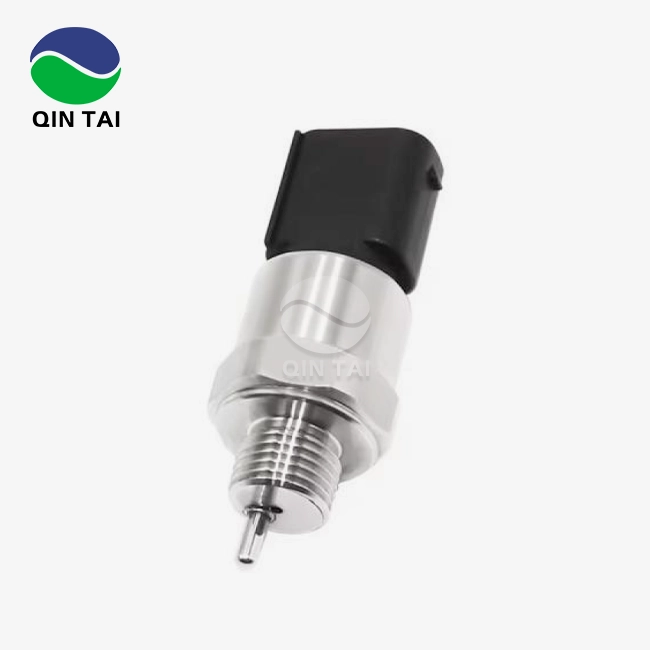
Qintai has high-quality DEF pressure sensors made for tough business uses that can help you control the emissions of your fleet. As a well-known manufacturer, we use our technical knowledge and strict quality control to make sure that the parts we send out meet international standards. Our product range includes both direct OEM parts and cost-effective alternatives suitable for diverse diesel platforms. When you email info@qt-sensor.com, our technical team gives you full specifications, makes sure they work with your system, and provides volume pricing that fits your operational requirements. Your investment in pollution control technology will pay off in the long run thanks to comprehensive warranty coverage and helpful customer service after the sale.
References
1. Johnson, R.L., and Martinez, S.P. (2021). Diesel Emission Control Systems: Technology and Maintenance. Automotive Engineering Press.
2. Environmental Protection Agency. (2020). Heavy-Duty Engine and Vehicle Standards: Compliance and Enforcement. EPA Technical Report Series.
3. International Council on Clean Transportation. (2019). Selective Catalytic Reduction Performance in Real-World Applications. ICCT Working Paper.
4. Anderson, K.T. (2022). Pressure Sensor Technology for Automotive Applications. Journal of Automotive Electronics, 34(2), 145-162.
5. Society of Automotive Engineers. (2021). SAE J1939 Standards for Heavy-Duty Vehicle Electronic Control Systems. SAE International Standards.
6. Williams, D.M., and Chen, Y. (2020). Fleet Maintenance Strategies for Emission Control Systems. Commercial Vehicle Technology Quarterly, 18(4), 78-94.

Our customers’ satisfaction speaks for our quality — contact us to experience the same reliable service.