- English
- French
- German
- Portuguese
- Spanish
- Russian
- Japanese
- Korean
- Arabic
- Greek
- German
- Turkish
- Italian
- Danish
- Romanian
- Indonesian
- Czech
- Afrikaans
- Swedish
- Polish
- Basque
- Catalan
- Esperanto
- Hindi
- Lao
- Albanian
- Amharic
- Armenian
- Azerbaijani
- Belarusian
- Bengali
- Bosnian
- Bulgarian
- Cebuano
- Chichewa
- Corsican
- Croatian
- Dutch
- Estonian
- Filipino
- Finnish
- Frisian
- Galician
- Georgian
- Gujarati
- Haitian
- Hausa
- Hawaiian
- Hebrew
- Hmong
- Hungarian
- Icelandic
- Igbo
- Javanese
- Kannada
- Kazakh
- Khmer
- Kurdish
- Kyrgyz
- Latin
- Latvian
- Lithuanian
- Luxembou..
- Macedonian
- Malagasy
- Malay
- Malayalam
- Maltese
- Maori
- Marathi
- Mongolian
- Burmese
- Nepali
- Norwegian
- Pashto
- Persian
- Punjabi
- Serbian
- Sesotho
- Sinhala
- Slovak
- Slovenian
- Somali
- Samoan
- Scots Gaelic
- Shona
- Sindhi
- Sundanese
- Swahili
- Tajik
- Tamil
- Telugu
- Thai
- Ukrainian
- Urdu
- Uzbek
- Vietnamese
- Welsh
- Xhosa
- Yiddish
- Yoruba
- Zulu
What Is SCR Dosing System and How Does It Work in Diesel Engines
An SCR dosing system stores, pressurizes, meters, and injects diesel exhaust fluid (DEF), also sold as AdBlue, into the exhaust stream of a diesel engine. The fluid is a urea solution. Heat turns it into ammonia, and the ammonia reacts with nitrogen oxides (NOx) inside the SCR converter, producing nitrogen and water. A control unit sets the injection quantity from engine load, exhaust temperature, and sensor feedback. Because the system keeps NOx within legal limits, it is common on modern heavy-duty trucks, buses, off-road machines, and generator sets.
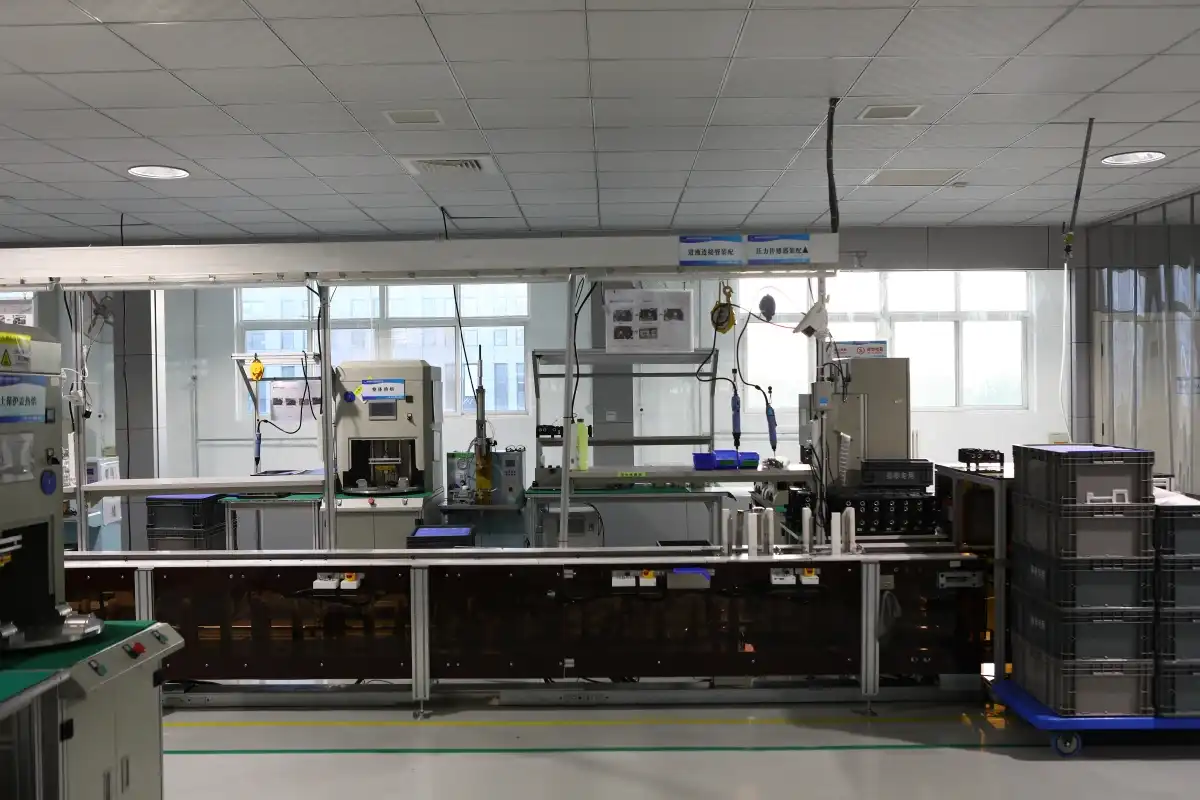
Understanding the SCR Dosing System
What an SCR Dosing System Does
An SCR dosing system handles the fluid side of selective catalytic reduction. It draws DEF from a tank, filters it, raises its pressure, and delivers a measured amount to an injector on the exhaust pipe. The SCR converter, mixer, exhaust piping, ECU, and sensors complete the full aftertreatment package, so buyers should separate the dosing hardware from the wider SCR assembly when they write a scope of supply. Once the urea spray meets hot exhaust, ammonia forms and reacts with NOx on the converter surface. Under suitable temperature and dosing conditions, SCR can cut NOx by up to about 90 percent. That is why it became a main route to meet strict heavy-duty limits.
DEF, AdBlue, and AUS 32: Same Fluid, Different Names
An AdBlue dosing system and a DEF dosing system do the same job under different regional labels. AdBlue is a registered trademark common in Europe, and DEF is the usual name in North America. Both refer to a solution of about 32.5 percent high-purity urea in deionized water, specified as AUS 32 under ISO 22241. Fluid quality matters because contamination can clog filters, foul injectors, and damage the SCR converter. DEF also freezes at about 12°F (minus 11°C), so tanks and lines in cold US states need heating. A DEF dosing system for the American market must therefore handle freezing, thawing, and purging, not only metering.
Where Diesel Engine SCR Dosing Systems Are Used?
I see demand for the diesel engine SCR dosing system in four main groups. On-highway trucks and buses follow EPA 2010 rules, which limit heavy-duty NOx to 0.20 g/bhp-hr, and Euro VI rules in Europe. Agricultural and construction machines meet EPA Tier 4 Final limits for nonroad engines. Marine engines use large SCR units to meet IMO Tier III in controlled areas. Diesel generator sets also use SCR where permits require low NOx. Each group differs in duty cycle, vibration, and exhaust temperature. A dosing module that works on a highway tractor may not suit a mining loader without testing.
How an SCR Dosing System Works in a Diesel Engine
The SCR Dosing System Working Principle, Step by Step
The SCR dosing system working principle follows a clear sequence. First, DEF waits in a dedicated tank with level and temperature sensors, and often a quality sensor. Second, a pump pulls the fluid through a filter and builds pressure in the supply line. Third, the control unit calculates how much DEF the engine needs and signals the injector. Fourth, the injector sprays fine droplets into the exhaust, where heat and water vapor convert urea into ammonia. Finally, ammonia and NOx react on the SCR converter and leave the tailpipe as nitrogen and water. Many systems purge the lines after shutdown, which protects parts from freezing damage and crystal buildup.
Control Strategy and Performance Factors
The control unit decides how much DEF to inject and when. It reads engine speed, load, exhaust flow, exhaust temperature, ambient conditions, and NOx sensor signals. Open-loop control relies mostly on engine and exhaust models. Closed-loop control adds sensor feedback, which corrects dosing errors and limits ammonia slip, meaning unreacted ammonia leaving the tailpipe. A urea pressure sensor supports this feedback by confirming that the pump delivers the pressure the controller expects. DEF concentration, injector response, mixer design, converter aging, backpressure, and cold-start behavior also shape results. Teams usually validate these items with flow, spray, NOx conversion, crystallization, vibration, and endurance tests before production.
SCR vs. EGR and DPF: Understanding the Differences
These three technologies solve different problems. Exhaust gas recirculation (EGR) lowers NOx formation inside the engine by sending cooled exhaust back to the intake. A diesel particulate filter (DPF) traps soot and burns it off during regeneration. SCR treats NOx after combustion by injecting DEF upstream of the converter. Many modern engines combine all three, and each one changes the load on the others. Some engine makers shift more NOx control to SCR and reduce EGR rates, which may lower fuel use. For purchasing teams, this means a dosing component should be judged against the whole aftertreatment layout, not in isolation.
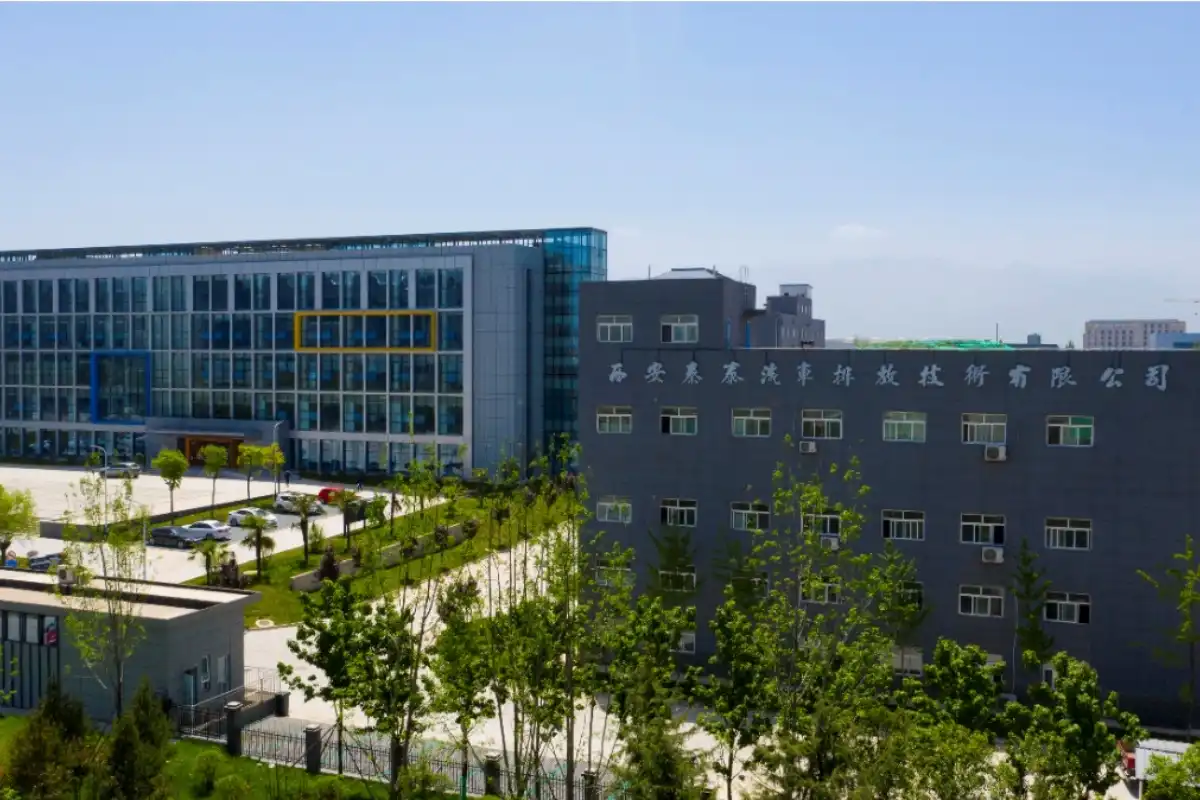
SCR Dosing System Components and Key Technologies
Core SCR Dosing System Components
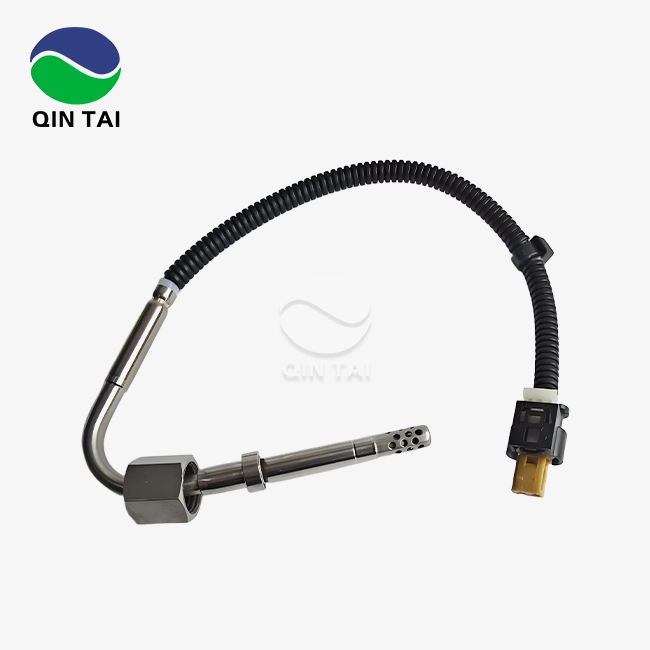
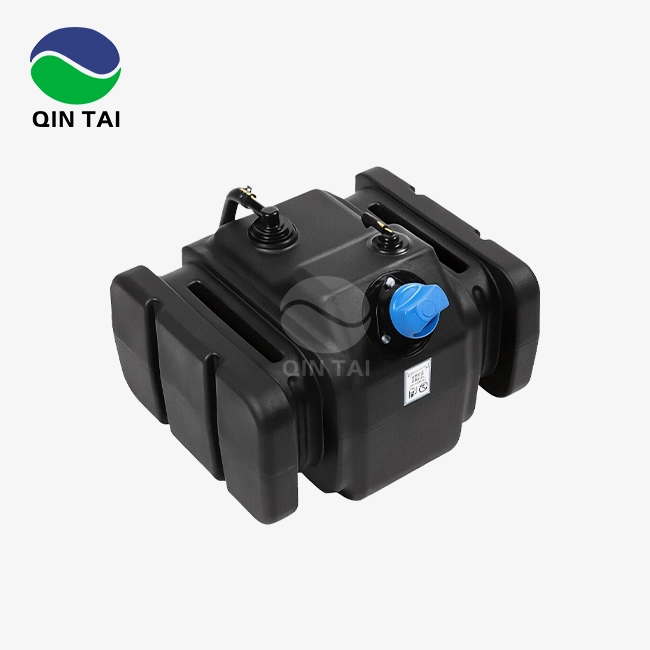
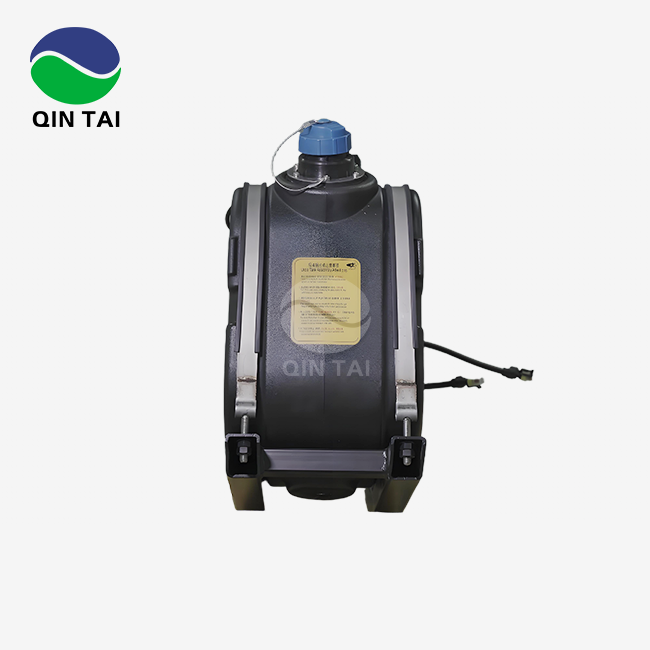
SCR dosing system components work as a team. The tank assembly stores DEF and carries level, temperature, and quality sensors, plus a heater for cold weather. The tank connects to the dosing module through fluid lines and electrical harnesses, and the sensors report to the ECU over CAN or another vehicle network. The pump and filter supply clean fluid at stable pressure. The injector controls spray quality and timing. Pressure, temperature, and NOx sensors give the controller its feedback. The mixer, exhaust pipe, and SCR converter finish the reaction. If one part fails or drifts, the controller may log a fault and limit engine power, so component matching matters as much as individual quality.
The Urea Dosing Pressure Sensor in the SCR System
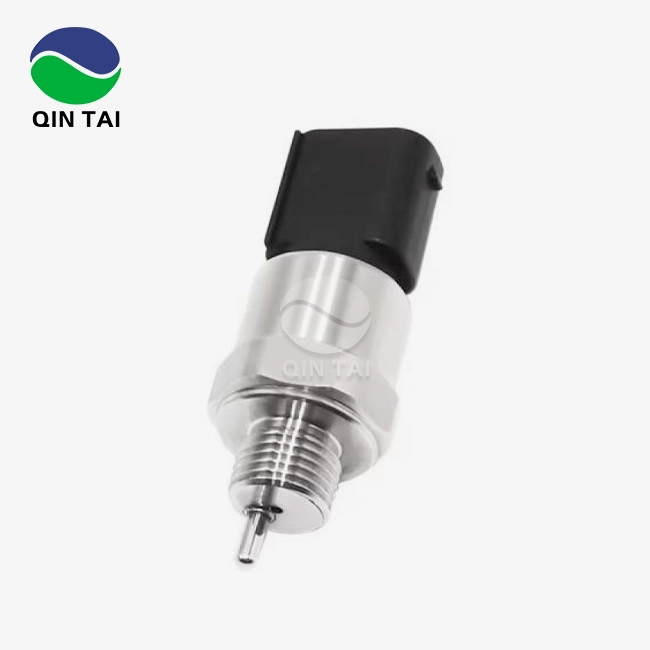
A urea dosing pressure sensor measures DEF pressure in the dosing module and reports it to the ECU or dosing control unit. This closed-loop feedback helps the system inject the correct volume. A pressure drop can point to leaks, blockages, or air in the line. Overpressure can point to frozen AdBlue or a faulty valve. The same signal helps technicians separate pump faults from injector faults. Qintai specializes in diesel aftertreatment sensors, especially pressure sensors. Our urea dosing pressure sensor uses minimized dead volume and smooth internal flow paths to reduce urea crystallization on the diaphragm. A flexible buffering structure handles freezing expansion, and gold-plated terminals help limit signal drift caused by connector contamination.
Air-Assisted vs. Airless SCR Dosing Systems
Air-assisted and airless designs atomize DEF in different ways. An air-assisted system uses compressed air to break the liquid into a fine spray. It can help mixing at lower exhaust temperatures, though it needs extra valves, controls, and an air supply. An airless system relies on fluid pressure and nozzle design, so the layout is simpler and installation is easier on many platforms. Neither wins in every case. Exhaust flow, temperature, available space, dosing rate, duty cycle, and service capability should drive the choice. I recommend application-specific testing, because purchase price alone cannot predict spray quality or resistance to crystals.
Applications, Common Problems, and Troubleshooting
Applications of the Urea Dosing Pressure Sensor
The pressure sensor appears in three demanding settings. Long-haul commercial trucks expose it to constant road vibration and thermal cycling. Excavators, loaders, and mining machines add dust and shock loads. Marine diesel engines use large SCR systems with high urea flow, and salty air makes corrosion resistance important for long-term compliance. Buyers should match the sensor housing, sealing, and connector to these conditions. They should also confirm the thread type, such as M10x1 or M12x1.5, and the output signal, such as 0.5 to 4.5 V or SENT, against the ECU calibration before ordering samples.
Common SCR Dosing System Problems
Typical problems include failed injection, low pressure, blocked filters, clogged injectors, leaks, sensor faults, and freezing-related faults. Crystals form when atomization is poor, exhaust temperature stays low, purge logic fails, or contaminated DEF enters the tank. Crystal buildup narrows the spray path and can disturb the pressure reading. Sensor drift also causes trouble. A signal that wanders from true pressure leads to wrong dosing, which can raise NOx output or trigger derate warnings. Cold weather adds another risk, because frozen DEF expands. Heated tanks, heated lines, and controlled thawing protect the hardware, and ISO 22241-compliant fluid removes a common source of failures.
A Practical Troubleshooting Sequence
A structured approach saves time. I suggest this order: check DEF level and quality, read the fault codes, inspect wiring and connectors, measure pump pressure and flow, test injector activation and spray pattern, and confirm the ECU commands. Corroded or contaminated connector pins can cause signal faults that look like sensor failure, so inspection and cleaning come early. If pressure stays low, check filters and lines for blockage or air before replacing the pump. If pressure runs high in cold weather, check whether the fluid is frozen. Regular maintenance and clean fluid cut downtime and repair cost for fleets and equipment owners.
How to Choose and Buy an SCR Dosing System?
Selecting a System for Your Diesel Equipment
Start with the operating profile, not a catalogue number for an SCR dosing system. An SCR urea injection system for a generator set differs from one for a city bus. Define engine power, exhaust flow, NOx output, temperature range, duty cycle, installation space, vibration, and expected service life. Then check the technical items: dosing range, operating pressure, injector response, spray pattern, heating, purge performance, sensor accuracy, and communication protocol. OEM, aftermarket, and custom units differ in integration effort, flexibility, cost, and lead time. A supplier with engineering resources, calibration support, test capability, and spare-parts availability lowers risk during validation. Total cost of ownership, including failures and downtime, deserves more weight than unit price.
RFQ Checklist for B2B Buyers
A detailed RFQ lets suppliers quote a comparable scope. Include the engine model, rated power, equipment type, exhaust conditions, target NOx conversion, DEF flow range, pressure, tank capacity, mounting dimensions, voltage, communication protocol, environmental needs, annual volume, and validation expectations. Ask each supplier about AUS 32 compatibility, freeze protection, purge logic, pressure control, calibration support, MOQ, lead time, warranty, and pilot-batch availability. Request datasheets, drawings, wiring diagrams, flow curves, spray data, endurance results, environmental test reports, quality certificates, and service documents before approval. OEM programs often require PPAP and APQP files, so confirm document support early.
Why Integration Matters More Than Component Price?
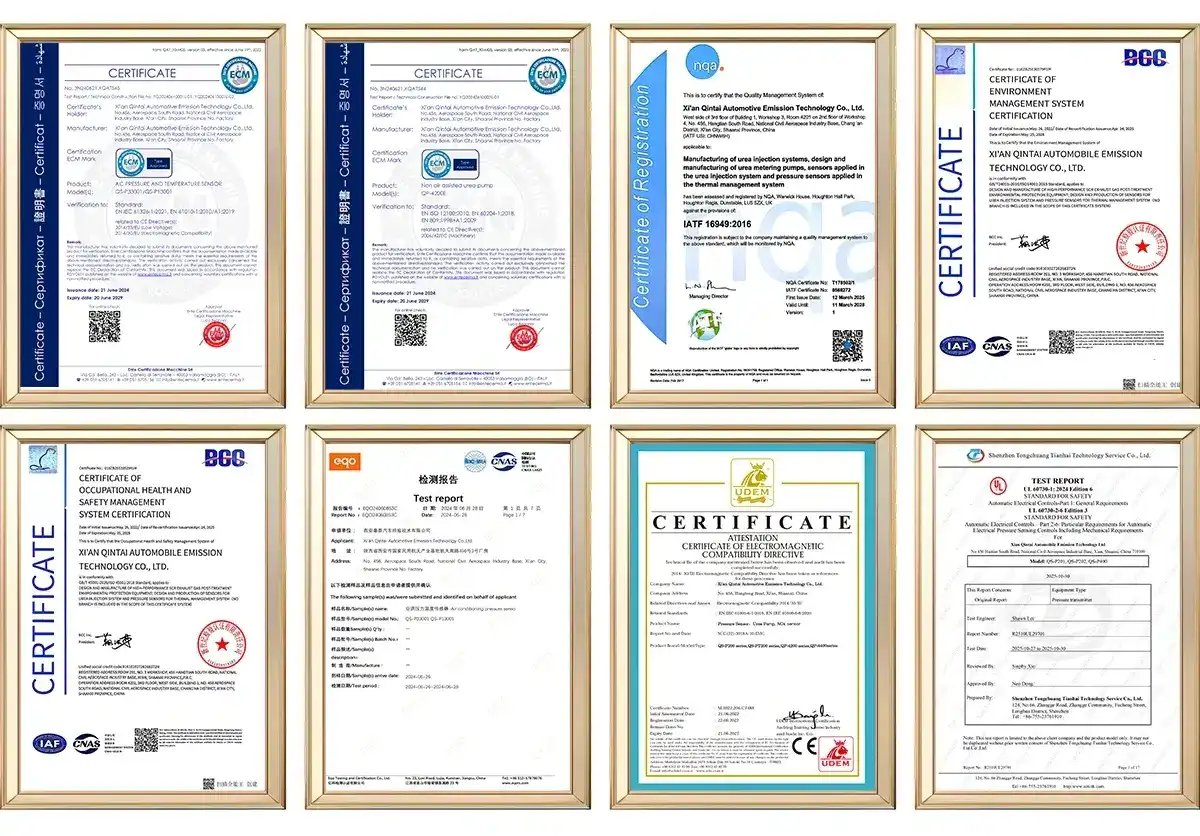
The cheapest pump, injector, or sensor can cost more over its life if it does not match the rest of the system. Poor integration can cause inaccurate dosing, unstable pressure, crystallization, cold-weather faults, repeated fault codes, and equipment derating. Qintai, a national high-tech enterprise founded in 2001, develops SCR aftertreatment products and sensors with an independent R&D team. We hold certificates including ISO9001, IATF16949, CMC, Ex, UL, CE, REACH, and RoHS, and we have applied for 58 invention patents. We act as a core supplier to Weichai Power, Yuchai Power, and Quanchai Power, and we sell in more than 60 countries and regions. We also offer OEM and ODM service and product customization.
Conclusion
An SCR dosing system delivers DEF or AdBlue to diesel exhaust in measured amounts so the SCR converter can turn NOx into nitrogen and water. Its working principle depends on a chain of parts: tank, pump, filter, injector, sensors, and ECU, with pressure feedback keeping dosing accurate. SCR differs from EGR and DPF, although modern engines often combine them. Air-assisted and airless designs suit different packaging and exhaust conditions. Common faults such as crystallization, leaks, sensor drift, and freezing trace back to fluid quality, atomization, temperature, and component matching. Selection should therefore start with the application and rest on validation data, supplier support, and total cost of ownership rather than unit price alone.
FAQ
What is an SCR dosing system?
It is the fluid-delivery part of an SCR system. It stores DEF, pressurizes it, and injects measured amounts into the exhaust so the SCR converter can reduce NOx.
What causes crystallization?
Poor atomization, low exhaust temperature, weak purge logic, or contaminated DEF usually cause it. Crystals can block the injector and disturb pressure readings.
How do systems handle freezing?
DEF freezes at about 12°F (minus 11°C). Heated tanks and lines thaw it, and purge functions clear the lines. Our pressure sensor includes a flexible buffering structure for freezing expansion.
Can one pressure sensor fit different SCR systems?
Threads such as M10x1 or M12x1.5 are often standard. The output signal, such as 0.5 to 4.5 V or SENT, must match the ECU calibration.
What is the typical sensor service life?
In standard commercial use, our sensors are designed for at least 15,000 to 20,000 operating hours.
Contact Qintai for Your SCR Dosing System Needs
Qintai, an IATF16949-certified SCR dosing system supplier and core supplier to Weichai, Yuchai, and Quanchai, supports OEM and ODM projects from design to mass production. Send your engine model, dosing range, operating temperature, and annual volume to info@qt-sensor.com, and our engineers will review fit and recommend a configuration.
References
1. ISO 22241-1: Diesel Engines – NOx Reduction Agent AUS 32 – Part 1: Quality Requirements, 2019
2. U.S. Environmental Protection Agency, Control of Air Pollution from New Motor Vehicles: Heavy-Duty Engine and Vehicle Standards and Highway Diesel Fuel Sulfur Control Requirements (Federal Register), 2001
3. U.S. Environmental Protection Agency, Control of Emissions of Air Pollution from Nonroad Diesel Engines and Fuel (Federal Register), 2004
4. Regulation (EC) No 595/2009 of the European Parliament and of the Council (Euro VI), 2009
5. Heywood, J. B., Internal Combustion Engine Fundamentals, 2018
6. Johnson, T. V., Vehicular Emissions in Review, SAE International Journal of Engines, 2016

Our customers’ satisfaction speaks for our quality — contact us to experience the same reliable service.