- English
- French
- German
- Portuguese
- Spanish
- Russian
- Japanese
- Korean
- Arabic
- Greek
- German
- Turkish
- Italian
- Danish
- Romanian
- Indonesian
- Czech
- Afrikaans
- Swedish
- Polish
- Basque
- Catalan
- Esperanto
- Hindi
- Lao
- Albanian
- Amharic
- Armenian
- Azerbaijani
- Belarusian
- Bengali
- Bosnian
- Bulgarian
- Cebuano
- Chichewa
- Corsican
- Croatian
- Dutch
- Estonian
- Filipino
- Finnish
- Frisian
- Galician
- Georgian
- Gujarati
- Haitian
- Hausa
- Hawaiian
- Hebrew
- Hmong
- Hungarian
- Icelandic
- Igbo
- Javanese
- Kannada
- Kazakh
- Khmer
- Kurdish
- Kyrgyz
- Latin
- Latvian
- Lithuanian
- Luxembou..
- Macedonian
- Malagasy
- Malay
- Malayalam
- Maltese
- Maori
- Marathi
- Mongolian
- Burmese
- Nepali
- Norwegian
- Pashto
- Persian
- Punjabi
- Serbian
- Sesotho
- Sinhala
- Slovak
- Slovenian
- Somali
- Samoan
- Scots Gaelic
- Shona
- Sindhi
- Sundanese
- Swahili
- Tajik
- Tamil
- Telugu
- Thai
- Ukrainian
- Urdu
- Uzbek
- Vietnamese
- Welsh
- Xhosa
- Yiddish
- Yoruba
- Zulu
Why Pressure Sensor Accuracy Matters: Benefits for Process Control
Pressure sensor accuracy matters since every control choice begins with a reading. When a pressure sensor detects a close-to-process pressure, the controller adjusts pumps, valves, and injectors. High product quality, energy savings, and equipment longevity result from this. When reading changes, controller operates on misleading picture. Small errors might cause scrap, downtime, or emissions failure. Accuracy, errors, sensor selection and setup, and seller questions are covered in this article.
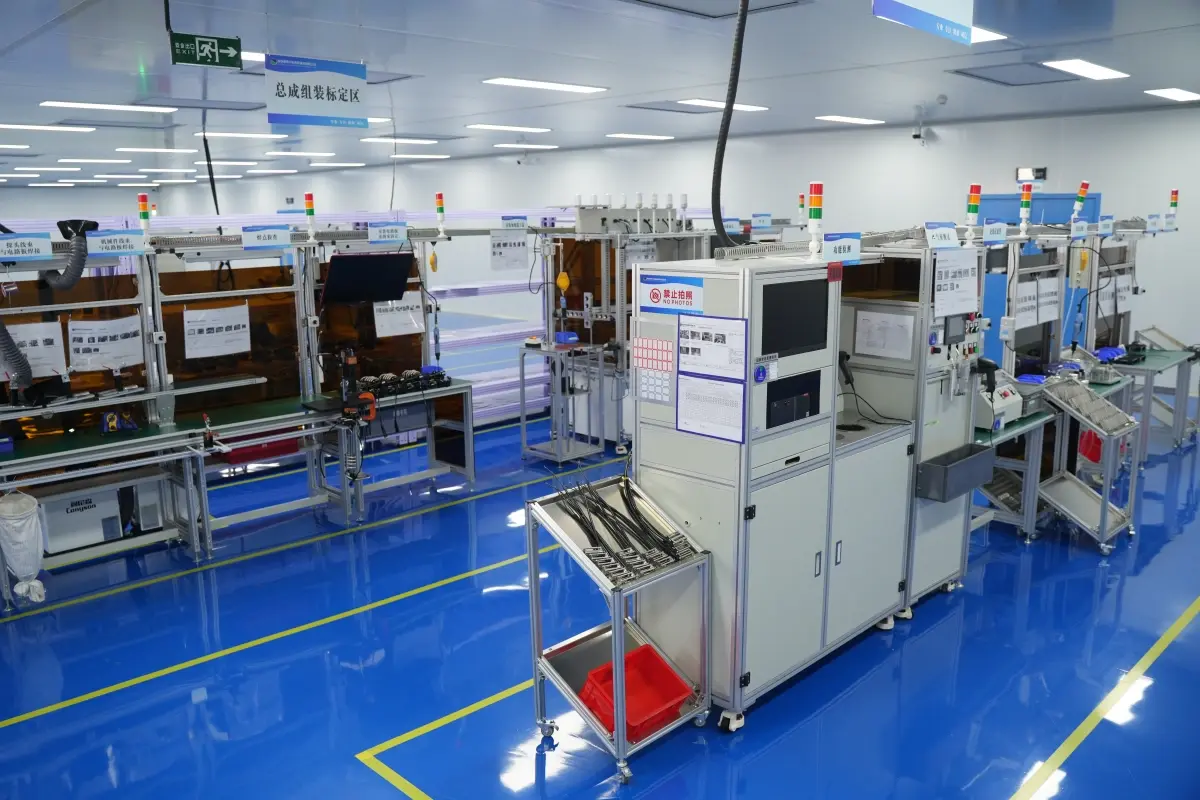
How Pressure Sensor Accuracy Shapes Process Control
From Measurement to Control Action
Control loops have three stages. The controller compares the pressure sensor's electrical output to a setpoint. An actuator like a pump, valve, or compressor fixes the discrepancy once the controller commands it. How exact the initial stage is determines its quality. If the signal shows 3 psi high, the controller will maintain the true pressure low without knowing. The controller may overcorrect a weak or sluggish signal and change the pressure about the setpoint. Engineers typically warn them that a well-tuned controller can't cure a faulty measurement. Tuning helps when input is trusted.
The Hidden Cost of Small Errors
Small errors seldom send off alarms, therefore they're buried. A compressor set at a higher temperature to allow for measurement inaccuracies uses more energy per hour. False pressure spikes may cause hydraulic systems to trip early and cease operations. In diesel engines, incorrect pressure feedback may make fuel regulation, urea dosing, and filter regeneration harder, increasing emissions. The U.S. EPA limits NOx in heavy-duty diesel engines built after 2010 to 0.20 g/bhp-hr, therefore the control unit requires accurate data. All of these circumstances waste money before failure.
Where Accuracy Ends and Safety Begins
Standard pressure sensors aid with alarms, leak detection, and overpressure alerts, but they are not safety-rated. Pressure switches change state at particular levels. Certification is generally included. Sensors give continuous signals for monitoring and control. Some systems require both. Design teams should determine early on which functions belong in the control loop and which in the protection layer. They avoided the usual error of utilising a general-purpose sensor for a safety-standard-required work by making that decision.
Pressure Sensor Working Principle and Accuracy Specifications
Working Principle and Common Sensing Technologies
The way a pressure sensor works is based on one chain. When pressure changes a diaphragm by a small amount, an electrical change is made by a sensing element. The electrical change is then processed by electronics to produce an output like 4–20 mA, voltage, or a digital message. Strain gages whose resistance changes as the diaphragm bends are used in piezoresistive designs. A flexible diaphragm is placed next to a fixed electrode in capacitive designs.
This describes how a capacitive pressure sensor works: This changes the gap when pressure is applied, and the capacitance is found by C = ε₀εᵣA/d. It is better for medical and battery-powered devices to use capacitive sensors because they are more sensitive, use less power, and are less affected by temperature than piezoresistive sensors. There are also trade-offs in terms of cost and media compatibility with ceramic and thin-film options.
Reading Accuracy Ratings Correctly
Format is the biggest distinction between datasheet "accuracy" definitions. A sensor with a range of ±0.25% of full scale is required for 0–1,000 psi. This is equivalent to ±2.5 psi over the range. The 100 psi operating pressure readout is 2.5% inaccurate. A sensor with a ±1.0% reading would be 1 psi off at 100 pressures. It may behave differently in other scenarios. Most vendors use full-scale ratings, so know theirs. At typical operating pressure, convert percentages to psi or bar. You won't purchase a sensor that seems correct on paper but doesn't operate in your process with this simple maths.
Total Error Band and Common Causes of Error
I look at the total error band instead of the headline figure to get a good idea of how accurate different pressure sensors are. Most of the time, the headline talks about nonlinearity, hysteresis, and repeatability at room temperature. The total error band, on the other hand, includes temperature effects, drift, and supply variation. Under the hood of an engine, a sensor that is rated at ±0.25% at 25 °C might show a bigger error at 85 °C.
The JCGM Guide to the Expression of Uncertainty in Measurement tells you how to add up different types of error into a single uncertainty value. When I'm out in the field, I keep seeing the same problems: a range that is too large for the process, vibration and pulsation, media that doesn't work well together, overpressure events, electrical noise, and wiring problems. A lot of them can be taken care of by dampers, correct range selection, and shielded cables.
Pressure Sensor Applications Where Accuracy Pays Off
Diesel Engines and SCR/DPF Aftertreatment
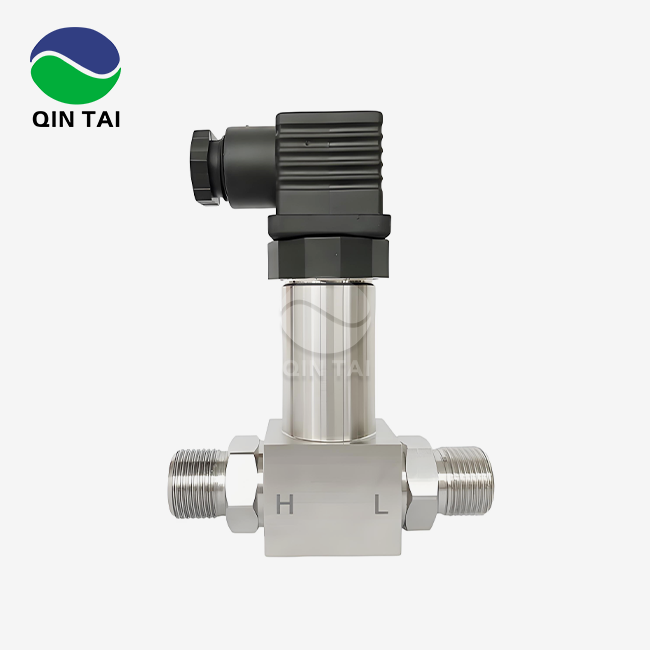
The aftertreatment of diesel is based on data about pressure. The pressure drop is measured by a differential pressure sensor placed across a diesel particulate filter. The engine control unit then uses this information to guess how much soot is present and choose when to begin regeneration. In SCR systems, measuring the pressure in the urea dosing circuit helps the controller send the right amount of reductant to change NOx.
If this is done wrong, it could lead to early regeneration, which wastes fuel, or late regeneration, which lets too much soot build up. We know this area well because Qintai is a national high-tech company that has been around since 2001 and specializes in diesel SCR aftertreatment and sensors, especially the pressure sensor. The work that Majewski and Khair did on controlling diesel emissions goes into a lot of detail about these systems.
HVAC and Filter Monitoring
Differential pressure is used by HVAC systems to keep an eye on how air moves through filters, ducts, and coils with the pressure sensor. The pressure drop goes up when a filter gets clogged, and the fan has to work harder to move the same amount of air. If you put a sensor near the filter, it can let building managers know when it needs to be replaced and help find leaks or blockages early. A correct reading also lets the system change the speed of the fan on its own when the pressure drops. This is not what a sensor that is not calibrated does. Too early service calls or running a clogged filter for months can make energy bills go up and comfort go down.
Automotive, Hydraulic, and Level Measurement
Pressure sensors are used in automobiles to measure oil pressure, fuel pressure, intake manifold pressure, and tire pressure. These sensors must be able to withstand heat, vibration, and chemical exposure. Submersible sensors find out how much water pressure is in wells and tanks. A difference of 0.25 psi equals about 7 inches of water level, since one foot of water adds about 0.43 psi. Machinery that moves around and uses hydraulics adds high pressure and shock loads. For all of these pressure sensor uses, the rule is the same: first make sure the construction works in the environment, and then check the accuracy at the working temperature.

How to Choose, Calibrate, and Maintain a Pressure Sensor
How to Choose a Pressure Sensor and Find the Best Fit
People ask me how to choose a pressure sensor for manufacturing. I keep orders brief since no one kind always wins. Choose gauge, absolute, or differential measurement for the work. Set the range so the typical pressure is comfortably inside it but may climb. Make sure the wet materials fit the medium, then check temperature, vibration, and ingress protection. Connect the output to the engine control unit or PLC. Last, check certificates, thread, and connection. Putting them on one specification sheet simplifies supplier comparison and prevents last-minute adjustments.
A Practical Pressure Sensor Calibration Procedure
A pressure sensor calibration procedure has defined phases. Connect the sensor to a calibrated deadweight tester or pressure controller with a trackable certificate. Allow the sensor to warm and settle. Press the range at 0%, 25%, 50%, 75%, and 100% by rising and falling. Watch output at every stage. Compare the zero error, span error, linearity, and hysteresis to the datasheet tolerance. Swap zero and span if the design allows. Repeat the check. The standard should be several times more accurate than the sensor being evaluated, with a 4:1 ratio ideal.
Maintenance and Verification
The optimum combination is regular maintenance and calibration. Before commissioning, I verify range, reference type, port, thread, power supply, and pinout. I inspect the port for blockage and cables and connections for damage during servicing. After overpressure, I compare measurements to a standard. Time between calibrations varies on purpose and drift history. Many plants start with 12 months and adjust depending on records. If a sensor's drift, damage, or intermittent output exceeds the process limit, replace it. If you monitor each inspection, you may see modest drift before it affects product quality or emissions.
Choosing an Industrial Pressure Sensor Supplier
What Procurement and Engineering Teams Should Ask
The technical staff picks the pressure sensor, purchasing looks at prices, and management approves the supplier. This means that the supplier has to please all three groups. For testing, engineers need datasheets with a temperature range and a total error band, as well as drawings and samples. Buyers want clear lead times, lots that are always the same, and a fair total cost that includes failures as well as the unit price.
Managers want quality systems and the ability to track things. Ask any company that sells industrial pressure sensors about their certifications, test methods, change control process, production capacity, and how they handle customer service after the sale. Giving written answers to these questions makes it easy to compare and lowers the risk before large orders are placed.
Qintai Certifications and OEM Experience
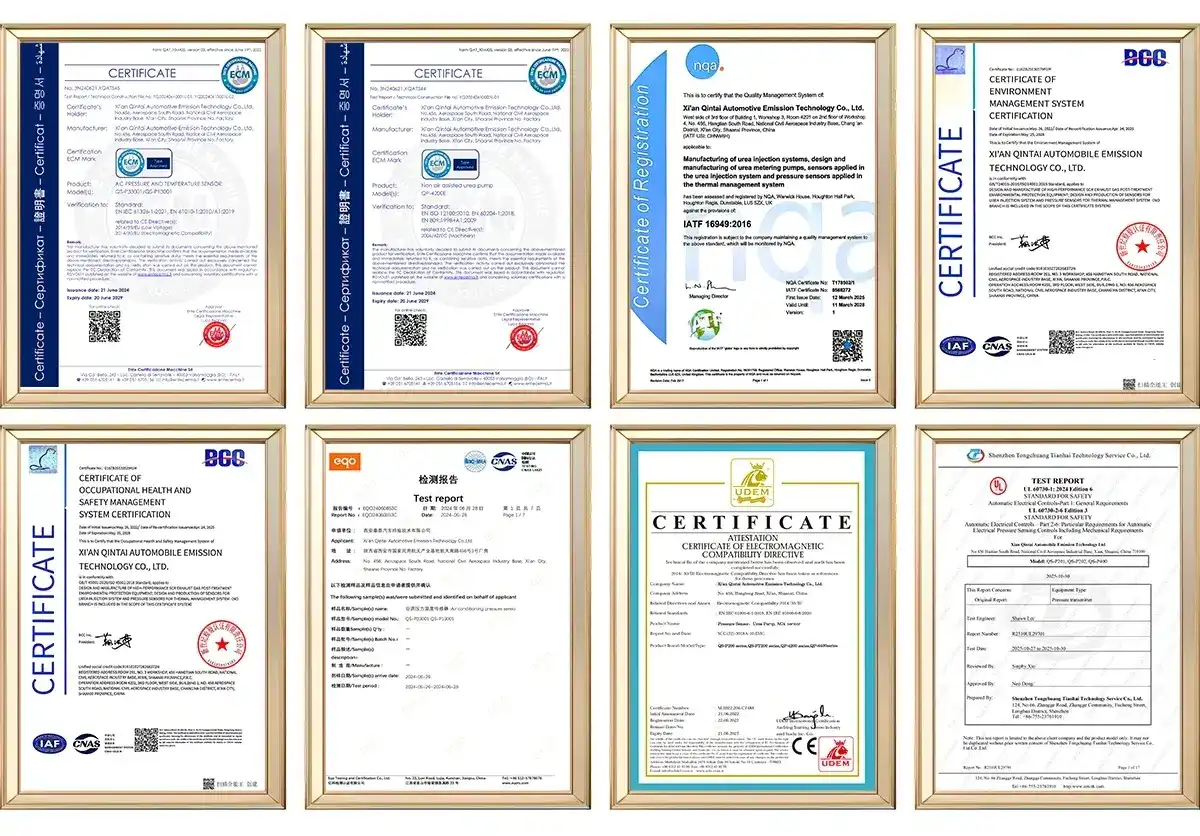
ISO9001, IATF16949, CMC, Ex, UL, CE, REACH, and RoHS certifications and 58 innovation patents apply to our firm. We provide most electricity to Weichai, Yuchai, and Quanchai electricity, and our market share makes us China's largest. Our distinct research and development staff improves our goods, which we offer in over 60 countries. OEMs care about IATF16949 since it's the auto industry quality management standard. Buyers of these credentials may verify documentation, not just statements.
OEM/ODM Service and Customization
Catalogue parts aren't adequate for many applications. We provide OEM and ODM services from product design to mass manufacturing. Customisation is available for individual usage and client needs. If you provide drawings, operating circumstances, and goal quantities, our engineers will suggest improvements. This technology should be used by engine, generator, aftertreatment, and environmental equipment manufacturers that require a custom pressure sensor. Early technical discussion reduces the time between sample testing and production approval.
Conclusion
How well a control system sees a process depends on how accurate the pressure sensors are. This has an impact on the quality of the product, the amount of energy used, the wear and tear on equipment, and the performance of the emissions system. The numbers on the datasheet need to be changed into the actual error at operating pressure. The total error band is a more accurate way to compare than a single headline percentage. The results are affected by the range, temperature, vibration, media, and wiring.
Different designs, like piezoresistive and capacitive, use diaphragm movement to send signals in different ways for the pressure sensor. The best design to use depends on the process conditions. The same pattern can be seen in applications ranging from clean diesel to HVAC and level measurement. Careful choice, a written calibration procedure, regular checks, and a supplier with quality systems that can be checked all help keep measurement errors low and control decisions sound.
FAQ
How accurate does a pressure sensor need to be?
It is based on the job. As long as the monitoring is only ±1% of full scale, it's fine. But for tight process control or engine management, it's usually ±0.5% or better. Before you decide, change the percentage to psi at the pressure you use.
How often should I calibrate a pressure sensor?
Start with the time frame given by the manufacturer, which is usually 12 months. Cut it down for rough service, high-stress situations, or important tasks. Only make it longer if your records show little drift.
Is a pressure sensor the same as a pressure transducer?
A lot of suppliers use the words in the same way. Instead of looking at the product name, compare the datasheet specs, like the type of output, how accurate it is, and the temperature range.
Can Qintai customize a pressure sensor for my application?
Yes. Customization and OEM/ODM service are available from Qintai. Send information about your operating pressure, medium, temperature, output signal, and connector to info@qt-sensor.com so that we can look it over.
Contact Qintai for Your Pressure Sensor Requirements
Qintai is a company that sells pressure sensors. They have ISO9001 and IATF16949 certifications, offer OEM and ODM services, and can make changes to their products to fit different needs. Send information about your pressure range, medium, output signal, and connector to info@qt-sensor.com. Our engineers will look over your needs with you. People from more than 60 countries and areas buy from us. Go to qt-sensor.com to learn more about the product and to start your inquiry right away.
References
1. Handbook of Modern Sensors: Physics, Designs, and Applications, Springer, 2016
2. Diesel Emissions and Their Control, SAE International, 2006
3. Guide to the Expression of Uncertainty in Measurement (JCGM 100), Joint Committee for Guides in Metrology, 2008
4. Principles of Measurement Systems, Pearson, 2005
5. Mechanical Measurements, Pearson, 2007
6. Sensor Technology Handbook, Newnes, 2005
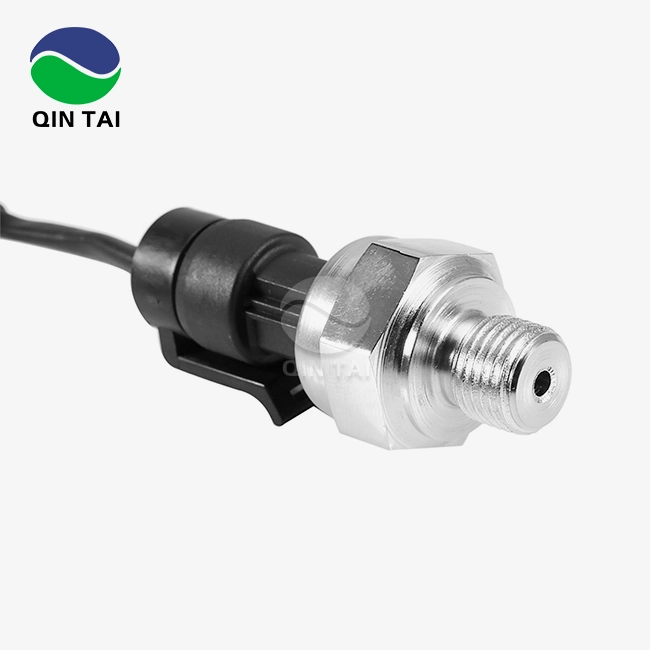
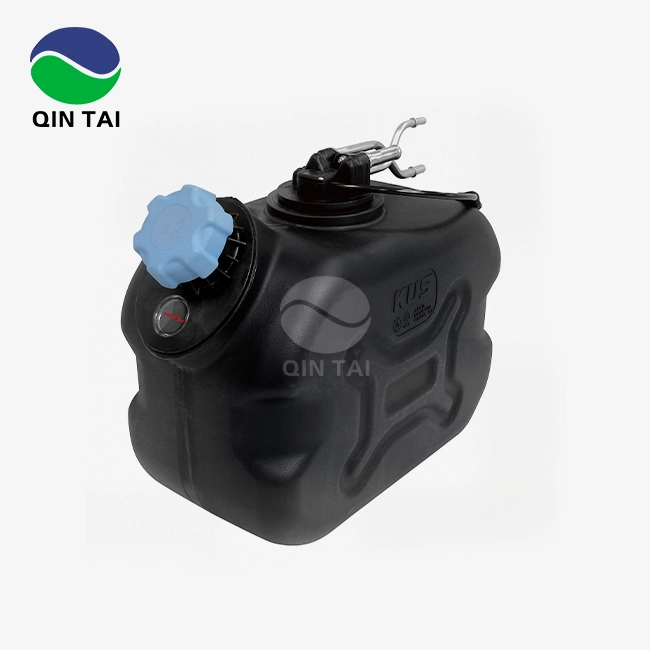

Our customers’ satisfaction speaks for our quality — contact us to experience the same reliable service.