- English
- French
- German
- Portuguese
- Spanish
- Russian
- Japanese
- Korean
- Arabic
- Greek
- German
- Turkish
- Italian
- Danish
- Romanian
- Indonesian
- Czech
- Afrikaans
- Swedish
- Polish
- Basque
- Catalan
- Esperanto
- Hindi
- Lao
- Albanian
- Amharic
- Armenian
- Azerbaijani
- Belarusian
- Bengali
- Bosnian
- Bulgarian
- Cebuano
- Chichewa
- Corsican
- Croatian
- Dutch
- Estonian
- Filipino
- Finnish
- Frisian
- Galician
- Georgian
- Gujarati
- Haitian
- Hausa
- Hawaiian
- Hebrew
- Hmong
- Hungarian
- Icelandic
- Igbo
- Javanese
- Kannada
- Kazakh
- Khmer
- Kurdish
- Kyrgyz
- Latin
- Latvian
- Lithuanian
- Luxembou..
- Macedonian
- Malagasy
- Malay
- Malayalam
- Maltese
- Maori
- Marathi
- Mongolian
- Burmese
- Nepali
- Norwegian
- Pashto
- Persian
- Punjabi
- Serbian
- Sesotho
- Sinhala
- Slovak
- Slovenian
- Somali
- Samoan
- Scots Gaelic
- Shona
- Sindhi
- Sundanese
- Swahili
- Tajik
- Tamil
- Telugu
- Thai
- Ukrainian
- Urdu
- Uzbek
- Vietnamese
- Welsh
- Xhosa
- Yiddish
- Yoruba
- Zulu
What Maintenance Does a Urea Dosing Pump Require in Service?
A urea dosing pump delivers DEF (Diesel Exhaust Fluid) from the storage tank to the SCR injector at controlled pressure and flow rates. To keep the system running accurately, the pump needs scheduled inspections, cleaning to prevent urea crystallization, calibration checks, seal and tubing replacements, and electrical system reviews. Skipping these steps leads to dosing errors, NOx non-compliance, and premature component failure. Whether you manage a heavy truck fleet, construction equipment, or a generator set, proper service of your urea dosing pump directly affects emission performance and total operating cost.

Understanding Urea Dosing Pump Maintenance Essentials
How the Pump Works Within an SCR System
The pump gets the AdBlue/DEF solution from the tank, raises the pressure to the needed level (5–9 bar), and sends it to the dosing injector. It talks to the Engine Control Unit (ECU) to change the amount of fuel injected based on NOx monitor input, exhaust flow, and engine load. The pollutants stay within the limits set by China VI and Euro VI thanks to this closed-loop control.
Why Maintenance Cannot Be Deferred
Urea solution is slightly acidic and turns into crystals when it comes in contact with air or heat above 35°C. A 2019 study in the SAE International Journal of Fuels and Lubricants found that over 40% of SCR system field failures in commercial vehicles were caused by urea crystal deposits. These problems led to trouble codes, less NOx conversion, and unexpected downtime, all of which could have been avoided with regular maintenance.
Consequences of Neglected Service
If you don't do upkeep, flow paths get smaller, dosing accuracy goes down, and mechanical wear speeds up. This means that warranty claims, emission certification risks, and a higher total cost of ownership for OEM engineers and fleet purchasing managers. The most cost-effective thing you can do is set a fixed service schedule from the first hour of operation.
Key Maintenance Tasks for Urea Dosing Pumps
Inspection, cleaning, calibration, and electricity checks are the four parts of routine repair. Each area focuses on a different type of failure, and all of them work together to keep the system within its limits.
Inspection of Seals, Tubing, and Filters
Every 500 hours or once a year, whichever comes first, check the diaphragm seals, inlet/outlet check valves, and flexible tubing of the urea dosing pump. Check for cracks, growth, or changes in color that could mean a chemical attack. Every 1,000 hours or when the pressure drop across it goes over the OEM limit, the inner strainer filter needs to be replaced. Using original replacement parts that are made of the same material as the pump stops it from breaking down too quickly.
Cleaning to Prevent Urea Crystallization
When the pump is turned off, it automatically goes through a clean cycle to get rid of any leftover DEF in the lines. Make sure the purge cycle is finished. If crystals are found, use free-floating water at room temperature to flush the pump and lines. Do not use chemical cleaners or hot water above 60°C because they damage the polymer's internal parts. Blocked needle tips on the dose injector are often the first thing that can be seen as a sign that the purge process isn't working.
Calibration and Flow Rate Verification
To make sure the dosing is correct, it should be compared to OEM-specified flow rates using a graduated cylinder and stopwatch or a flow meter that has been calibrated. If the departure from the goal rate is more than ±5%, the system needs to be re-calibrated. If your pump has a digital control interface, you can fix learned drift in the pressure-flow curve with software changes. Data on calibration should be recorded and kept for use in emission audits.

Troubleshooting Common Urea Dosing Pump Issues
Field problems happen even when service is planned. Knowing the cause of each symptom cuts down on the time it takes to figure out what's wrong and the number of parts that need to be replaced.
Flow Inconsistencies and Pressure Loss
Low pressure or flow that doesn't seem to be going anywhere can be caused by a clogged inlet strainer, worn check valves, or air getting in through a loose fitting. First, make sure the filter is in good shape and that all the connections are tight. If the pressure stays low after these checks, take out the diaphragm and look at it under a bright light to see if it has any wear cracks. Unreliable pressure readings are caused by air in the system, which should be bled out before any more diagnostics are done.
Corrosion and Material Fatigue
DEF has 32.5% urea by weight, and over time, it mixes with copper, zinc, and some aluminum metals. Brown spots in the DEF line or contaminated fluid in the tank are signs of internal corrosion of the urea dosing pump. This risk is greatly lowered by using pumps with wetted parts made of stainless steel and EPDM or PTFE covers. If corrosion is found, find out if non-compliant DEF (urea concentration or pH that isn't within specs) caused the failure before putting in new parts.
Electrical and Sensor Faults
Voltage spikes and water getting into the pump assembly can damage the digital control boards, speed sensors, and pressure transducers. A lot of problem codes mean that the wiring is open, the Hall-effect sensors are broken, or the software is damaged. First, make sure the connector's seal is good, and then use a tester to check the continuity of the wires. Maintaining the most up-to-date OEM-approved firmware is important to keep control logic errors that lead to over- or under-dosing at bay.
Best Practices to Maximize Urea Dosing Pump Lifespan
In terms of both cost and uptime, planned maintenance always beats spontaneous repair. Here are the main things that service engineers with a lot of experience do:
- Follow OEM-defined service intervals precisely. Generic schedules miss application-specific wear rates. For high-load applications such as mining generator sets or construction machinery, shorten inspection intervals by 20–30%.
- Stock critical spare parts on-site. Diaphragm kits, check valve assemblies, and inlet strainers have short lead times when ordered in advance. Waiting for parts during a breakdown multiplies downtime cost.
- Train technicians on pump-specific procedures. Incorrect torque on diaphragm housing bolts, for instance, causes immediate seal failure. Documented work instructions reduce technician-induced errors.
- Log every service action with date, mileage or hours, and parts used. This record supports warranty claims, emission audits, and trend analysis for predictive maintenance.
These steps cut down on unexpected breakdowns and increase the time between service visits over the pump's lifetime. Together, they cut the cost of maintenance per unit by a lot, which is good for both purchasing managers who are looking at total cost and R&D engineers who are looking at long-term system reliability.
Choosing Reliable Urea Dosing Pump Suppliers and Components
How easy it is to find parts, get expert help, and keep systems compatible over the lifecycle of the urea dosing pump depends on the provider you choose.
Evaluating Supplier Qualifications
Look for providers that have ISO 9001 and IATF 16949 certifications. These show that the production process is controlled. For products to be sold in all over the world, they need to have certifications like CE, RoHS, and REACH. Suppliers who have applied idea patents show that they are actively developing new products instead of just copying old ones. Before agreeing to a supply deal, make sure you have written ECU compatibility data, especially for Bosch ECU compatibility.
Material and Design Considerations
When it comes to corrosion resistance and pressure cycle toughness, stainless steel wetted parts are better than plastic ones. Integrated designs put the pump, filter, and heater all in one unit, which makes fitting easier and reduces the chance of leaks. For use in cold places or with seasonal generator sets, built-in freeze protection and an automatic clear function are very important. When using a generator set, low energy consumption is important because parasitic loads can lower fuel economy.
Assessing Long-Term Support Capability
As important as the initial unit price is how quickly a provider can deliver, how flexible their control interfaces are, and how quickly they can help with technology issues after the sale. Before you start negotiating, get references from OEM users, find out what the minimum order quantity is, and make sure you understand the terms of the guarantee.

Conclusion
To keep a urea dosing pump working well, it needs to be inspected, cleaned, calibrated, and the electrical system needs to be checked regularly. Each task directly helps the SCR system be accurate and meet emission standards. Long-term service is easy with the right supplier because they offer compatible parts, clear instructions, and quick expert help. A strict repair schedule is important whether you work with big trucks, farm equipment, or industrial generator sets. It saves your emission certification and lowers the cost of running the equipment over its lifetime.
FAQ
How often should a urea dosing pump be serviced?
Most manufacturers say that a full inspection should be done once a year or every 500 hours of use. Mining tools or continuous-duty generator sets may need to be checked more often because they are under a lot of stress. Always check the OEM repair manual for the pump type you have.
What are the signs that the pump needs immediate attention?
Keep an eye out for error codes that have to do with dose pressure or flow, DEF crystallization around fittings, strange pump noise, or a quick rise in NOx levels at the tailpipe. Any of these needs to be diagnosed right away before the operation can go on.
Can in-house technicians handle all maintenance tasks?
Filter changes, visual checks, and making sure the purge operation works can be done by trained in-house staff. For calibration, software updates, and diaphragm replacement, it's best to get training or direction from the provider to avoid making mistakes.
Does DEF fluid quality affect pump wear?
Yes. DEF that doesn't meet specifications and has too much mineral content or too little urea concentration speeds up internal rust and crystal formation. Always use DEF fluid that meets ISO 22241 standards and keep it in packages that are sealed and kept at the right temperature.

Partner With Qintai for Dependable Urea Dosing Pump Supply
Since 2001, Xi'an Qintai Automotive Emission Technology Co., Ltd. has been a leader in SCR aftertreatment for diesel engines. Qintai is a qualified urea dosing pump maker with 58 applied idea patents and ISO 9001, IATF 16949, CE, and REACH certifications. They are a main OEM provider to Weichai Power, Yuchai Power, and Quanchai Power. Our pumps have a design that combines the pump, filter, and heater into one unit. They also work with Bosch ECUs, have built-in freeze protection, and can accurately dose at all temperatures. You can talk to our technical team about your needs by emailing info@qt-sensor.com or going to qt-sensor.com.
References
1. SAE International Journal of Fuels and Lubricants — "Field Failure Analysis of SCR Aftertreatment Systems in Commercial Vehicles," 2019.
2. DieselNet Technology Guide — "Urea Dosing Systems for SCR Applications," 2021.
3. ISO 22241-1:2019 — "Diesel Engines — NOx Reduction Agent AUS 32 — Part 1: Quality Requirements."
4. Engine Technology International — "Maintaining SCR Systems in Heavy-Duty Diesel Applications," 2020.
5. Society of Automotive Engineers (SAE) Technical Paper — "Crystallization Behavior of Urea Solutions in SCR Dosing Systems," 2018.
6. European Automobile Manufacturers Association (ACEA) — "Euro VI Emission Standards and Aftertreatment System Compliance Guidelines," 2022.
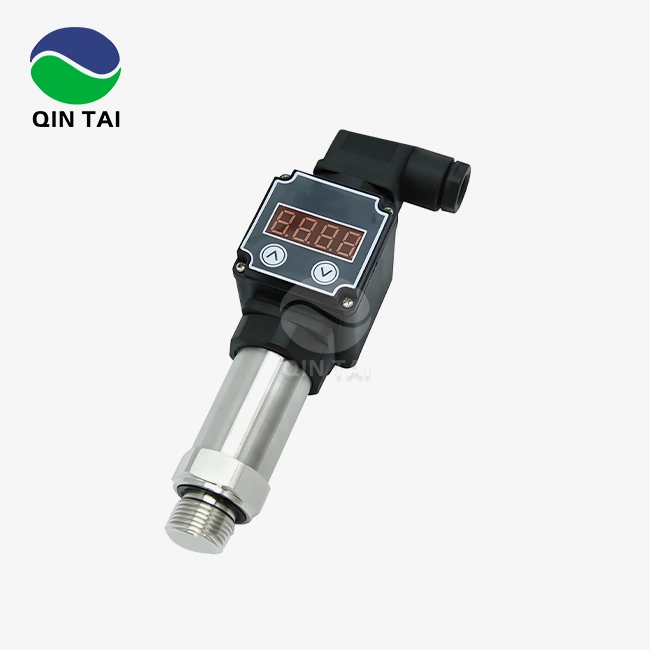
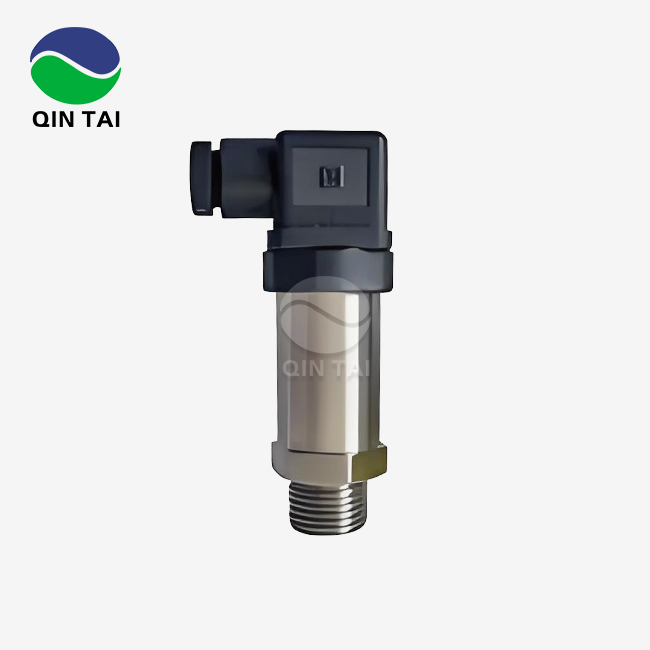
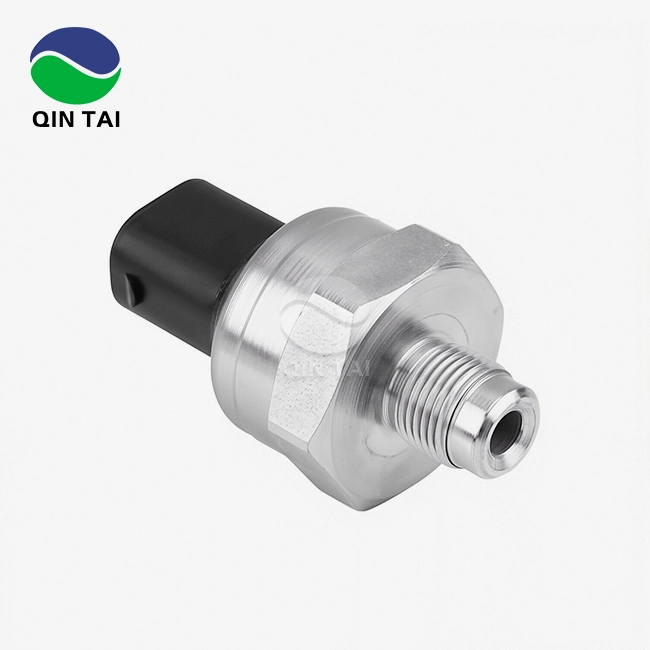
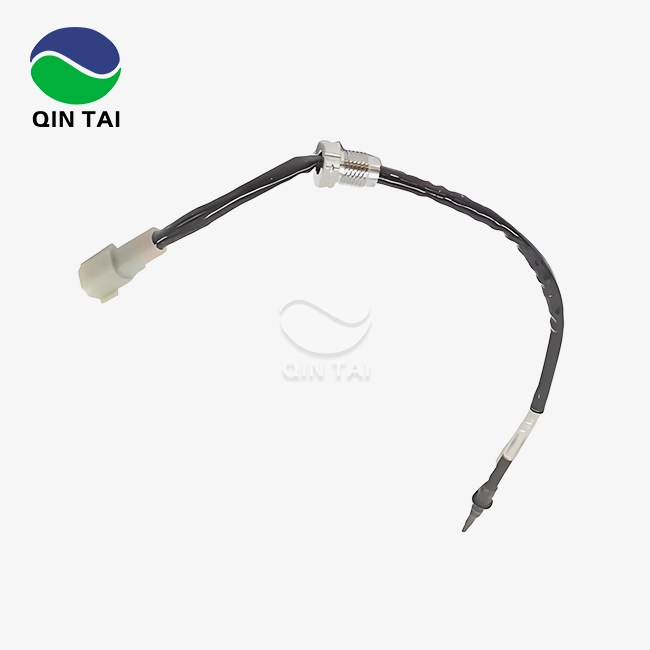

Our customers’ satisfaction speaks for our quality — contact us to experience the same reliable service.