- English
- French
- German
- Portuguese
- Spanish
- Russian
- Japanese
- Korean
- Arabic
- Greek
- German
- Turkish
- Italian
- Danish
- Romanian
- Indonesian
- Czech
- Afrikaans
- Swedish
- Polish
- Basque
- Catalan
- Esperanto
- Hindi
- Lao
- Albanian
- Amharic
- Armenian
- Azerbaijani
- Belarusian
- Bengali
- Bosnian
- Bulgarian
- Cebuano
- Chichewa
- Corsican
- Croatian
- Dutch
- Estonian
- Filipino
- Finnish
- Frisian
- Galician
- Georgian
- Gujarati
- Haitian
- Hausa
- Hawaiian
- Hebrew
- Hmong
- Hungarian
- Icelandic
- Igbo
- Javanese
- Kannada
- Kazakh
- Khmer
- Kurdish
- Kyrgyz
- Latin
- Latvian
- Lithuanian
- Luxembou..
- Macedonian
- Malagasy
- Malay
- Malayalam
- Maltese
- Maori
- Marathi
- Mongolian
- Burmese
- Nepali
- Norwegian
- Pashto
- Persian
- Punjabi
- Serbian
- Sesotho
- Sinhala
- Slovak
- Slovenian
- Somali
- Samoan
- Scots Gaelic
- Shona
- Sindhi
- Sundanese
- Swahili
- Tajik
- Tamil
- Telugu
- Thai
- Ukrainian
- Urdu
- Uzbek
- Vietnamese
- Welsh
- Xhosa
- Yiddish
- Yoruba
- Zulu
What Makes Ceramic Pressure Sensors More Durable?
Ceramic Pressure Sensors are unique in industrial settings because they last a very long time thanks to improved ceramic materials like alumina. Compared to metal or silicon-based options, the 96% Al2O3 ceramic design is much stronger, more resistant to corrosion, and more stable at high temperatures. Chemical exposure, extreme temperatures, and mechanical stress are just a few of the harsh conditions that these sensors can handle. This makes them perfect for diesel engines, industrial automation, and aftertreatment systems, where reliability directly affects operational costs and regulatory compliance.
Understanding Ceramic Pressure Sensors and Their Durability
Ceramic Pressure Sensors are made from advanced ceramic materials so they can last for a long time in harsh industrial settings. Ceramic Pressure Sensors use the natural qualities of alumina and zirconia to provide stable performance over years of continued use, unlike metal diaphragms that corrode or silicon parts that break under stress.
The Science Behind Ceramic Material Strength
The Mohs scale gives alumina ceramic an extremely high grade for hardness. This makes it resistant to abrasive materials that are found in diesel exhaust systems and hydraulic uses. The molecular structure of 96% Al2O3 ceramic makes a surface that is thick and doesn't let chemicals in. This structural stability keeps the accuracy of the sensor even when it's exposed to the corrosive gases, oils, and dust that are found in heavy trucks, building equipment, and generator sets. The crystal structure of the material stops cracks from spreading, which is a big plus compared to silicon plates, which break very easily when hit with shock.
Piezoresistive Sensing Technology Explained
Most Ceramic Pressure Sensors work on the concept of piezoresistivity, which says that electrical resistance changes in a predictable way when pressure causes strain. Thick-film resistors that are printed directly on the ceramic base make a Wheatstone bridge shape that turns changes in the shape of the material into voltage signs that can be measured. This straight connection gets rid of the bonding surfaces that can go wrong in hybrid systems. The QS-P105 model achieves non-linearity within 0.3% full scale by carefully placing resistors and using thermal compensation methods. This makes sure that measurements are accurate across the -1 to 600 bar pressure range, which is important for tracking SCR and DPF systems.
Environmental Challenges Demanding Durable Solutions
Sensors in diesel engine aftertreatment systems are exposed to temperatures ranging from -40°C when the engine is cold to 135°C when it is running all the time. A harsh environment is made up of vibrations from the engine, pressure spikes during regeneration cycles, and urea deposits from SCR systems. Purchasing managers and R&D experts know that when sensors fail, they can stop output, lead to warranty claims, and make it harder to meet emission standards. By knowing about these stress factors, procurement workers can choose sensors that have been shown to last longer, which lowers the total cost of ownership by allowing for longer service times.


Comparing Durability: Ceramic vs. Other Pressure Sensor Technologies
Comparing performance shows why Ceramic Pressure Sensors are the best choice for situations where reliability is important for making the business profitable. Metal diaphragm sensors are flexible, but they can crack and rust over time. Silicon sensors are very sensitive, but they break when they are hit by something hard and stop working when they get too hot. Ceramic technology gets around these problems because the materials used have qualities that keep the structure strong over a wider range of working conditions.
Ceramic Advantages Over Metal Sensors
When exposed to acidic exhaust condensate or salty environments, which are common in coastal generator set setups, stainless steel pressure monitors rust. Metal wear limits the number of pressure changes that can happen in a cycle before the diaphragm breaks. After ten years of constant contact to corrosive media, ceramic materials don't change chemically and don't show any signs of wear. The QS-P105 Ceramic Pressure Sensors can handle 200% of its normal pressure without permanently deforming. Metal diaphragms, on the other hand, bend when stressed to the same level. This means that service shops and companies that serve the commercial vehicle aftermarket will have fewer problems in the field.
Ceramic Benefits Compared to Silicon Technology
In controlled settings, silicon piezoresistive sensors are very accurate, but they are weak, which makes them less resistant to shock. Temperature factors in silicon need a lot of extra circuits to make up for them, which makes the design more expensive and difficult. Ceramic surfaces have a smaller difference between their thermal expansion and that of thick-film resistors. This means that temperature-induced drift is less than 0.03% full scale per degree Celsius. Supply chain managers for SCR system developers like how stable the temperature is. This makes calibration easier and keeps the accuracy even when temperatures change with the seasons without having to re-calibrate.
Real-World Performance in Industrial Applications
Automotive OEMs say that Ceramic Pressure Sensors last longer than 15 years in heavy-duty truck uses where silicon sensors fail in 5 years. A company that makes building tools saw a 40% drop in warranty claims after switching from metal to Ceramic Pressure Sensors in hydraulic systems. Manufacturers of generator sets choose Ceramic Pressure Sensors for mine and power plant setups because they last longer and require less upkeep in remote areas where getting service is expensive and hard to organize. Technical managers look at these recorded results to see if they have real value when choosing sensors.

Core Technological Features That Enhance Ceramic Sensor Durability
Ceramic Pressure Sensors are more durable than just being made of a stronger material because of advances in manufacturing and design. Controlled sintering processes, safe surface treatments, and hermetic closing methods work together to make sense elements that can't be broken down by the same things that break down competing goods.
High-Purity Ceramic Material Processing
The 96% alumina mix that is used to make Ceramic Pressure Sensors is carefully cleaned to get rid of impurities that weaken the grain boundaries. Sintering tools are mixed with raw materials, and then they are pressed into green forms under very precise pressures. Tunnel kilns heated above 1600°C are where sintering happens. This is where ceramic particles join together to form thick, polycrystalline structures. When processed at high temperatures, a material is made that has a compressive strength of more than 2000 MPa and a bending strength good enough for thin diaphragm shapes. Quality control methods make sure that there is consistency from batch to batch, which is very important for diesel engine makers who need to be able to make a lot of engines.
Surface Treatments and Protective Coatings
Ceramic doesn't rust on its own, but certain surface processes make it last longer in certain media. Plasma blasting puts on thin ceramic coats that fill in tiny holes and make surfaces so smooth that deposits can't stick to them. Chemical vapor deposition creates layers of protection that keep water out of electrical lines. The QS-P105 has airtight glass sealing around the electrical feedthroughs, which keeps dirt and dust from getting in and breaking down the insulation and signal quality. These layered protection methods handle failure modes seen during accelerated life testing, making Ceramic Pressure Sensors much more useful for a much longer time than options that aren't protected.
Monolithic Construction and Thermal Stability
Traditional pressure sensors put together their many parts—diaphragms, sensing elements, and housings—by connecting them together in a way that creates stress concentration places and differences in temperature expansion. The detecting diaphragm, base, and fixing flange of Ceramic Pressure Sensors can be built as a single unit called a monolithic structure. This gets rid of glued parts that can come apart when the temperature changes. Temperature coefficient matching between the ceramic base and thick-film resistors keeps zero drift to a minimum from -40°C to 135°C. Technical engineers like this thermal stability because it keeps the accuracy of the measurements without making temperature correction complicated. This makes it easier to integrate the system into diesel engine control units.
Choosing Durable Ceramic Pressure Sensors for Your Application
Matching the longevity of Ceramic Pressure Sensors to the needs of an application improves both performance and lifetime costs. When purchasing managers compare the beginning costs of an item to the total costs of ownership, it's helpful for them to know how durability factors match up with operational needs that are specific to their industry.
Evaluating Temperature Tolerance Requirements
There are temperature differences in diesel exhaust systems from the outside air that comes in to the 600°C turbine openings. In order to stay accurate, Ceramic Pressure Sensors that measure the difference in pressure between the DPF and the air must be able to handle 800°C during renewal events. The temperature range of -40°C to 135°C is good for places to watch pre-turbine and coolant pressure, but it needs to be mounted behind a thermal shield in areas with very high or very low temperatures. R&D engineers choose sensors whose temperature values are 20% higher than the expected highest levels. This is done to make sure that there are enough reliability margins to handle unusual working conditions. Ceramic pressure transmitters maintain accuracy across these temperature swings where polymer-sealed metal sensors fail through seal degradation and zero shift.
Mechanical Shock and Vibration Resistance
When construction equipment is moving over rough ground, Ceramic Pressure Sensors are constantly vibrating more than 10g RMS and being hit with shock waves up to 100g. During field activities, agricultural equipment is put under the same kinds of mechanical stress. Ceramics with a high elastic stiffness don't bend when they are vibrated, so signals stay stable even when other materials bend and make noise. The QS-P105's small size lowers the cantilever mass that makes vibrations more noticeable, so it can be mounted directly on engine blocks and hydraulic lines without the need for isolation dampers. Technical managers for aftertreatment system integrators prioritize this vibration resistance because it eliminates false pressure readings that trigger diagnostic trouble codes and confuse control algorithms.
Chemical Compatibility Assessment
Urea layers from SCR systems form crystals on sensor surfaces, which could block pressure ports and mess up readings. Different types of rust can happen with diesel fuel, engine oil, coolant, and exhaust vapors. Ceramic doesn't react with anything between 2 and 12 on the pH scale. It can stand up to both acidic sulfuric chemicals and alkaline ammonia derivatives. Parts managers who work with the commercial car aftermarket like this wide chemical compatibility because it lets single sensor designs work with a variety of fluid media, which simplifies inventory management and lowers the cost of keeping things in stock. Certifications like RoHS and REACH compliance make sure that Ceramic Pressure Sensors sold in foreign markets follow environmental rules.

Procurement Insights: Buying Durable Ceramic Pressure Sensors
When looking for Ceramic Pressure Sensors for tough industrial uses, strategic buying practices help get the best deal. When purchasing teams know what suppliers can do, what certifications they need, and what customization options are available, they can negotiate better terms and make sure that the technical standards meet the needs of the application.
Supplier Qualification and Certification Verification
Qintai Automotive Emission Technology Co., Ltd. Ltd is a good example of a qualified Ceramic Pressure Sensors maker because it has many qualifications, such as ISO9001 quality management, IATF16949 automotive standards, and approvals for dangerous locations. Checking these licenses when evaluating suppliers makes sure that the goods meet the rules for China VI and Euro VI emission compliance. The company's 58 idea patents show that it is always coming up with new sensor technologies to solve new problems with durability in next-generation diesel engines. Management review processes work better when suppliers provide proof of certification legitimacy and scope. This lowers the risk of buying parts that don't meet standards.
Mass Production Capacity and Lead Time Management
Original Equipment Manufacturers (OEMs) of diesel engines need hundreds of thousands of Ceramic Pressure Sensors every year, and they need them just in time. Being China's top OEM provider to Weichai Power, Yuchai Power, and Quanchai Power shows that Qintai can make a lot of things, which is important for high-volume uses. Supply chain managers can plan inventory levels that balance handling costs against stockout risks when they know about minimum order numbers, production wait times, and buffer stock policies. The company's production size allows for quick delivery, which is very important for aftertreatment system integrators who have to work with tight project timelines and whose production plans depend on the supply of sensors.
Customization Options and Technical Support
Standard Ceramic Pressure Sensors types work for most situations, but mounting arrangements, pressure port positions, or electrical connector requirements that aren't standard often need to be changed. Qintai's OEM/ODM services let customers change products from the planning stage all the way through mass production, which helps equipment makers with their strategies for standing out. Through technical teamwork, the QS-P105 platform can handle pressure ranges, output signal formats, and thread specs that can be changed. Technical help during the development of specifications makes sure that the chosen setups meet the standards for longevity without costing too much. In the commercial car aftermarket, after-sales response skills quickly fix problems in the field, reducing the costs of downtime that hurts customer happiness and dealer relationships.
Cost-Effectiveness Analysis
At first, Ceramic Pressure Sensors are usually 20–30% more expensive than metal options. This makes it hard to compare prices during negotiations. A lifecycle cost study shows that Ceramic Pressure Sensors are more valuable because they last longer between replacements and require less upkeep work. In toxic environments, metal sensors need to be replaced every year. Ceramic Pressure Sensors, on the other hand, can last 5–10 years, spreading out the higher cost of purchase over a longer period of time. Project managers who buy generator sets are aware of this overall cost benefit, especially in rural mine and power plant locations where the cost of getting service is higher than the price of sensing components. Strategies for keeping costs down should look at unit buy prices, failure rates, warranty risk, and the effects on customer satisfaction.

SENSOR+TEST, June 9 – 11, 2026
We look forward to your visit,warmly welcome to our booth 1-634!
Get your free ticket online now:
https://www.sensor-test.de/service/ticket/?52790
Conclusion
Ceramic Pressure Sensors are the most durable on the market because they are made of modern alumina materials, are solid, and have airtight covering that keeps out corrosive media, high temperatures, and mechanical stress. The QS-P105 shows these benefits with its 96% Al2O3 construction, 0.3% uniformity, and ability to work in temperatures ranging from -40°C to 135°C, making it suitable for hard diesel engine and industrial uses. Longevity-wise, ceramic technology is better than metal and silicon alternatives. This lowers upkeep costs and guarantee risk. Partnerships with suppliers that offer certifications, customization options, and technical support that meet specific durability needs for big trucks, building equipment, and generator sets are valuable to procurement professionals.
FAQ
What makes ceramic more durable than metal for pressure sensors?
Ceramic materials don't rust and keep their shape in high-temperature, acidic, and alkaline conditions where metals rust or wear out. Because alumina is chemically neutral, it doesn't break down when exposed to diesel exhaust compounds, hydraulic fluids, or industrial gases. Ceramic's high elastic stiffness keeps it from deforming when it shakes, and its high hardness keeps it from wearing down from rough surfaces. These features work together to make sensors last longer, from months with metal diaphragms to years with Ceramic Pressure Sensors. This means that they don't need to be replaced as often and don't cost as much to maintain.
How long do ceramic pressure sensors typically last?
In industrial settings, Ceramic Pressure Sensors can work for 10 to 15 years if they are properly matched to the working conditions. The actual service life varies on how often the pressure changes, the temperature it is exposed to, and how well it works with other media.
The longest service intervals are achieved in diesel engine uses that run continuously and in temperatures that are mild. Extreme uses that involve temperature changes or rough materials may shorten the lifespan, but they are still several years longer than metal sensors. This durability makes the higher original cost worth it because it lowers the costs of replacement work and downtime.
Can ceramic sensors handle high-pressure applications?
The compression strength of ceramics is higher than 2000 MPa, which makes them ideal for measuring high pressures. The QS-P105 can handle pressures up to 600 bar and has 200% overload safety. It can be used in hydraulic systems, diesel common rail injection, and industrial process control. Thin ceramic diaphragms bend in a predictable way when they are under pressure, but they don't change shape permanently. Because of this, Ceramic Pressure Sensors are perfect for uses where metal ones would bend easily or need to be too thick, which lowers their sensitivity.
Partner with Qintai for Reliable Ceramic Pressure Sensor Solutions
Xi'an Qintai is a reliable Ceramic Pressure Sensors maker that has been working with diesel engine OEMs and aftertreatment system developers around the world for more than twenty years. Because it is made of 96% alumina and meets strict quality standards approved by ISO9001, IATF16949, and other foreign governing bodies, our QS-P105 model is very durable and meets the needs of your uses. We help you reach your procurement goals by offering mass production, open customization, and quick technical support throughout the lifespan of a product. Email our team at info@qt-sensor.com to talk about how our Ceramic Pressure Sensors can improve the efficiency of your product while keeping costs low.
References
1. Norton, F.H. (2018). Elements of Ceramics: Advanced Materials in Pressure Sensor Applications. Cambridge: Materials Science Press.
2. Webster, J.G. & Eren, H. (2020). Measurement, Instrumentation, and Sensors Handbook: Pressure Transducer Technologies. Boca Raton: CRC Press.
3. Schwizer, J., Sonderegger, B., & Dual, J. (2017). Ceramic Materials in Harsh Environment Sensing Applications. Journal of the European Ceramic Society, 37(15), 4755-4763.
4. Chen, W. & Liang, Y. (2019). Automotive Sensor Technology: Design and Applications in Emission Control Systems. Warrendale: SAE International.
5. Fraden, J. (2016). Handbook of Modern Sensors: Physics, Designs, and Applications. New York: Springer.
6. Bogue, R. (2018). Recent Developments in MEMS and Ceramic Sensors. Sensor Review, 38(1), 1-6.
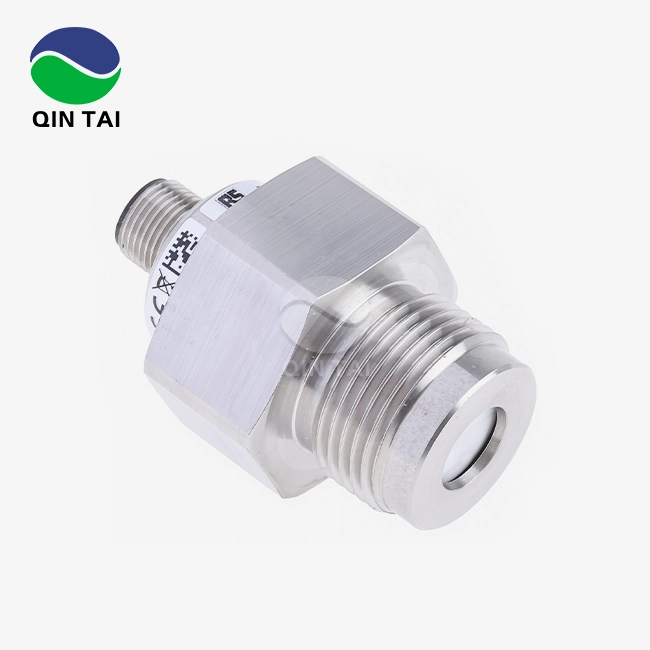
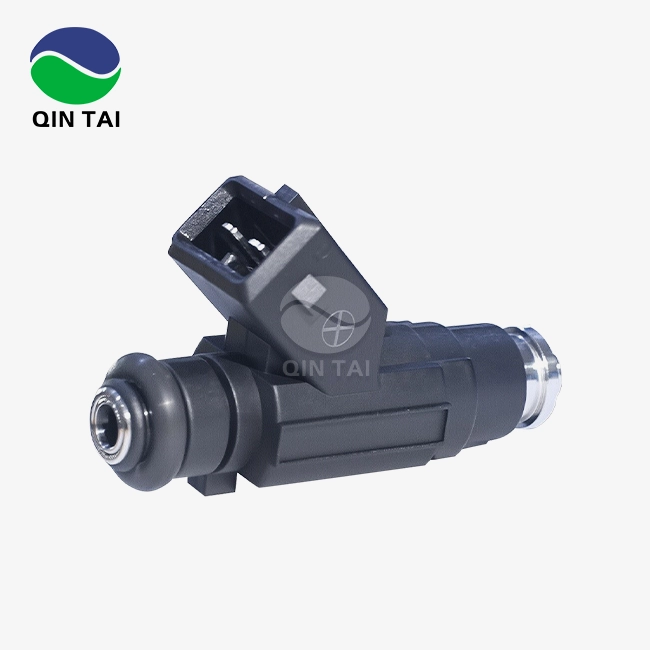
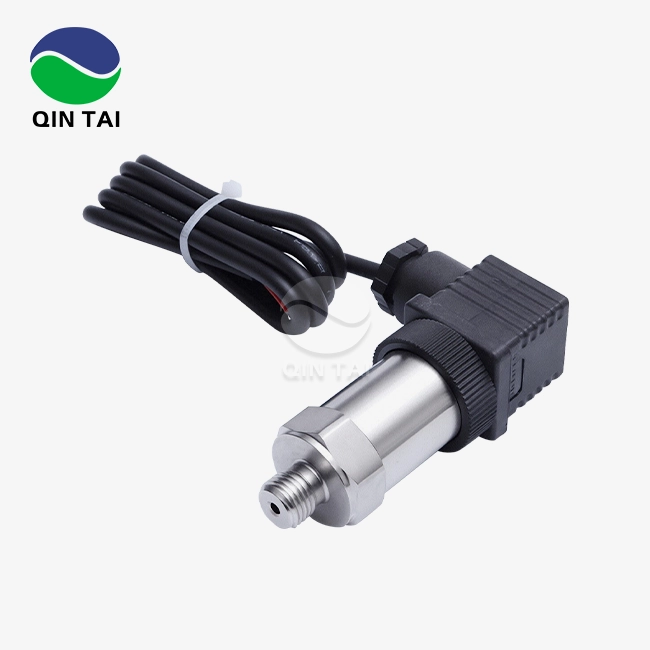
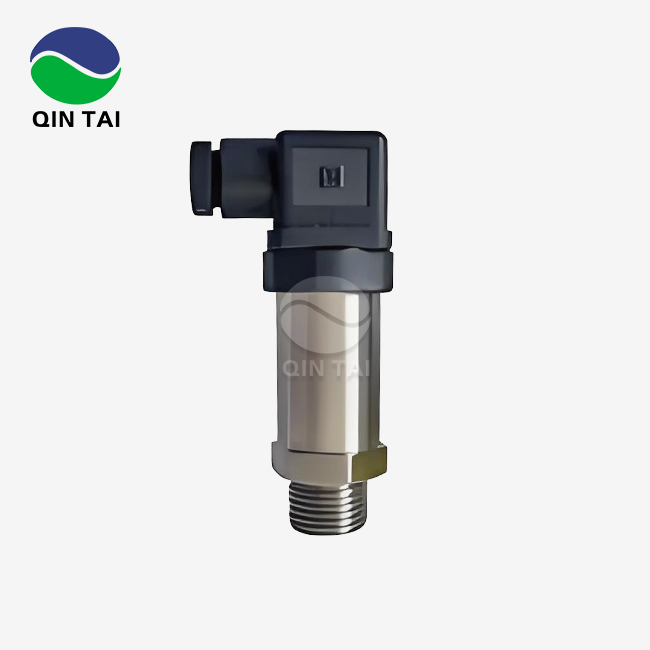

Our customers’ satisfaction speaks for our quality — contact us to experience the same reliable service.