- English
- French
- German
- Portuguese
- Spanish
- Russian
- Japanese
- Korean
- Arabic
- Greek
- German
- Turkish
- Italian
- Danish
- Romanian
- Indonesian
- Czech
- Afrikaans
- Swedish
- Polish
- Basque
- Catalan
- Esperanto
- Hindi
- Lao
- Albanian
- Amharic
- Armenian
- Azerbaijani
- Belarusian
- Bengali
- Bosnian
- Bulgarian
- Cebuano
- Chichewa
- Corsican
- Croatian
- Dutch
- Estonian
- Filipino
- Finnish
- Frisian
- Galician
- Georgian
- Gujarati
- Haitian
- Hausa
- Hawaiian
- Hebrew
- Hmong
- Hungarian
- Icelandic
- Igbo
- Javanese
- Kannada
- Kazakh
- Khmer
- Kurdish
- Kyrgyz
- Latin
- Latvian
- Lithuanian
- Luxembou..
- Macedonian
- Malagasy
- Malay
- Malayalam
- Maltese
- Maori
- Marathi
- Mongolian
- Burmese
- Nepali
- Norwegian
- Pashto
- Persian
- Punjabi
- Serbian
- Sesotho
- Sinhala
- Slovak
- Slovenian
- Somali
- Samoan
- Scots Gaelic
- Shona
- Sindhi
- Sundanese
- Swahili
- Tajik
- Tamil
- Telugu
- Thai
- Ukrainian
- Urdu
- Uzbek
- Vietnamese
- Welsh
- Xhosa
- Yiddish
- Yoruba
- Zulu
NOx Sensor vs Oxygen Sensor: Key Differences Explained
To follow the rules and run your business efficiently, you need to know the difference between NOx sensors and oxygen sensors when choosing emission control parts for diesel engines. A NOx sensor checks the amount of nitrogen oxide in exhaust gases, which are pollutants that China VI and Euro VI rules are after. Oxygen sensors check the amount of oxygen that is still in the air to make burning better. Both devices have different jobs to do in aftertreatment systems, and their technologies, roles, and upkeep needs are very different. Heavy-duty vehicle makers, system developers, and fleet operators need to be well-informed when making purchases.


Understanding the Basics: What Are NOx and Oxygen Sensors?
The Role of NOx Sensors in Emission Control
NOx sensors pick up nitrogen oxides (NO and NO₂), which are made when diesel engines burn fuel at high temperatures. These toxins cause smog and acid rain, which is why strict rules are in place all over the world. Selective catalytic reduction (SCR) systems are used in new diesel cars to turn nitrogen fumes into nitrogen and water, which are safe to be around. The monitor is usually placed in two places: first, ahead of the SCR catalyst to measure the raw emissions; and second, downstream to make sure the treatment is working. With these two sensors set up, the engine control unit can change the DEF injection rates on the fly, keeping the rules while getting the best gas mileage.
How Oxygen Sensors Support Combustion Efficiency?
Oxygen monitors measure how much oxygen is still in the exhaust gases. This lets the air-fuel mix be changed in real time. These parts go before and after catalytic converters and help engines reach stoichiometric burning, which is when the amount of fuel and air is just right. This improvement cuts down on carbon monoxide and unburned molecules while making the fuel use more efficient. Oxygen sensors made of zirconia send voltage signs when the amount of oxygen in the air changes, while sensors made of titania change resistance. Both types allow closed-loop control systems to keep fine-tuning engine settings to get the best performance.
Synergistic Operation in Modern Aftertreatment Systems
Both types of sensors can be used together in full pollution control systems. While NOx sensors deal with post-combustion pollutant control, oxygen sensors provide fundamental combustion data. Manufacturers can meet stricter environmental standards with this combined method, which doesn't hurt engine durability or power output. When purchasing teams look at aftertreatment parts, understanding this complementary link helps them make better system-level purchasing choices.
Key Technical Differences Between NOx Sensor and Oxygen Sensor
Measurement Technology and Detection Principles
NOx sensors use yttria-stabilized zirconia clay to make multi-chamber electrochemical cells. An oxygen pump cell controls the amount of oxygen in the first chamber, and a catalyst breaks down nitrogen fumes in the second chamber. The oxygen ions that are released create an electric current that is related to the NOx content, which is given in parts per million. Integrated heaters are needed to keep this complex process running at the best temperatures, which are between 100°C and 800°C. Oxygen monitors are easier and only have one chamber. Changes in voltage or resistance show how much oxygen is present, and the amounts are shown as percentages instead of parts per million (ppm).
System Placement and Installation Requirements
The places where the sensors are installed should match their specific tracking purpose. To work in harsh exhaust settings, NOx sensors need to be mounted directly into exhaust lines before and after SCR catalysts. To do this, they need M20x1.5 threaded bosses and sealed, waterproof connections. Extreme temperature changes and corrosive fumes can damage sensors when they are in these situations. When installing oxygen monitors near turbochargers and catalytic converters, different thread specs are usually used. The accuracy of the signal depends on where it is placed; even small mistakes in placement can lead to false readings that set off useless fault codes or make the wrong system changes.
Response Time and Calibration Requirements
Performance standards show differences in how things work. Response times for good NOx sensors are less than 1400ms, and light-off times are much shorter than the industry standard of 165 seconds. This lets the system start up faster after a cold start. Oxygen monitors usually react in milliseconds, but they can only work in a smaller range of temperatures. Different calibration methods are used for different sensors. NOx sensors need professional testing tools to check their accuracy at multiple points across their 0–2500ppm range, while oxygen sensors usually only need to pass or fail voltage checks. These changes in tuning affect how service is done and what kind of skills technicians need.

Operational and Maintenance Considerations for B2B Procurement
Service Life and Durability Factors
Total cost of ownership estimates are directly affected by how long the sensors are expected to last. When kept clean, advanced NOx sensors can now work reliably for up to 6000 hours, which is longer than past industry standards. This longer reliability means that they don't need to be replaced as often in high-use situations like long-haul trucks or continuous-duty generator sets. Oxygen monitors usually last between 100,000 and 150,000 miles in normal situations. However, they break down faster when they come into contact with oil or silicon poisoning from bad fuels. Procurement managers should compare what suppliers say about their products to how they will actually be used. They should look at things like the quality of the fuel, the job cycles, and the conditions in the room that make wear happen faster.
Common Failure Modes and Diagnostic Indicators
Costly downtime can be avoided by spotting early danger signs. When a NOx sensor fails, it usually shows up as a constant check engine light along with specific trouble codes that show circuit problems, strange readings, or heater failures. Some signs are low DEF use, less engine power from derating routines, or failing emissions tests. Oxygen sensor deterioration shows up as rough idling, less fuel economy, or slow throttle reaction. Before changing a sensor, technical teams should fix the root problems—clogged diesel particulate filters, broken exhaust gas recirculation valves, or issues with the SCR system—that cause sensors to fail too soon. This way of diagnosing keeps you from having to repair parts that aren't needed and finds widespread problems that affect many parts.
Installation and Replacement Best Practices
Following the right steps for placement guarantees that the sensor will work well and last a long time. To keep the delicate clay parts of NOx sensors safe from mechanical shock, they need to be handled with care. Connectors and cable lengths can be changed to fit different applications, but workers need to make sure that the new cables will work with the old ones. Sealed waterproof designs keep water out, but installation torque specs must be followed exactly—torquing them too tight breaks the sensor bodies, and torqueing them too loose causes exhaust leaks that mess up readings. Oxygen sensors need anti-seize substance on the threads (but not on the sensor tips) and certain limits on how fast they can turn. Because NOx sensors are more expensive and need to be calibrated in a more complicated way, they need to be installed by a professional.
Procurement Insights: Choosing the Right Sensor for Your Business Needs
OEM Versus Aftermarket Quality Considerations
When deciding between original equipment and aftermarket sensors, you have to weigh the cost and quality of each. OEM sensors are the best choice for warranty fixes and fleet standardization programs because they are guaranteed to work with other sensors and come with full maker warranties. Aftermarket options are cheaper—sometimes 30–50% less—but quality changes a lot from one supplier to the next. OEM-equivalent performance can now be reached by high-quality aftermarket makers through strict testing and certification methods such as ISO9001, IATF16949, and validations for emissions.
When judging aftermarket suppliers, you need to look at their list of certifications, their output skills, and their expert help systems. Companies that have their own research and development departments show that they are dedicated to always getting better. Companies that have design rights show that they can come up with new ideas that go beyond simple reverse engineering. Purchasing teams that are in charge of big fleets can make the supply chain more reliable and keep costs down by working with approved aftermarket providers who offer flexible interfaces, a number of communication protocols, and quick technical support.
Volume Purchasing and Supply Agreement Strategies
To negotiate good business terms, you need to know how the market works and what your seller can do. When you commit to buying a lot of something, you can get big price cuts—bulk orders often get 15–25% off of single-unit purchases. Long-term supply deals keep prices stable when commodity markets are unstable and make sure that products will be available when supplies are interrupted. When making arrangements, be clear about quality standards, shipping dates, and warranty terms. Include ways for technical support, like training for installation teams that can happen on-site or online diagnostic help for problems.
Diversifying the supplier base for NOx sensor procurement strikes a balance between cost reduction and risk management. Solely purchasing NOx sensor units from the lowest-cost manufacturers leaves operations vulnerable to quality issues or supply gaps. Qualified dual-source strategies for NOx sensor components maintain competitive pricing while ensuring supply continuity. To support just-in-time delivery models that avoid tying working capital to NOx sensor inventory, procurement teams should evaluate supplier logistics networks, inventory management systems, and production scalability for NOx sensor manufacturing. A reliable NOx sensor supply chain also requires suppliers to demonstrate consistent quality control across production batches, as even minor variations in NOx sensor calibration can trigger false readings and unnecessary vehicle downtime.

Enhancing Emission Control Efficiency with the Right Sensor Choices
Performance Features That Drive Compliance and Reliability
Advanced sensing technologies give businesses real benefits. Lightning-fast reaction times make sure that SCR systems respond quickly to changing air conditions. This keeps the efficiency of NOx conversion even when loads and speeds change. Longer service life of up to 6,000 hours means lower repair costs and less downtime for vehicles, which are very important for businesses where every hour of delay hurts profits. As a result of quick startup technology, aftertreatment systems can start working faster, lowering the pollution spike that happens when engines are first turned on.
Better response to poisoning is another important success factor. Lead, sulfur compounds, and other toxins in diesel fumes make sensors less accurate over time. Sensors that are specially made to be resistant to lead and sulfide poisoning keep their measurement accuracy for longer, so they don't lose it, which can lead to fake trouble codes or bad system changes. This longevity is especially useful in places where the quality of the fuel changes often or where the engine has to work for a long time between service intervals.
Unreliable and stable signal output stop the irregular behavior that makes diagnosis harder and lowers trust in emission control systems. When sensors send consistent, correct data, engine control units can exactly adjust how much DEF to use. This keeps the fluid from being under-injected, which can lead to emissions failures, or over-injected, which wastes fluid and raises running costs. For fleet managers, this predictability makes it easier to figure out what's wrong and speeds up repairs when they do happen.
Future-Proofing Against Evolving Regulations
More real-world emissions tests and tighter rules on nitrogen oxide are likely to happen in the future. As we move from lab certification to portable emissions measurement tools, we need sensors that can keep their accuracy in a wide range of working circumstances. Strategies for buying things should plan for these needs by choosing parts that work better than the present minimum standards. Sensors that work with common OEM connections make it easier to add them to new vehicles as platforms change.
New technologies include sensor systems that measure NOx, oxygen, and temperature all in one body, which makes installation easier and cheaper. Advanced troubleshooting tools allow for planned repair by keeping an eye on how sensors wear down and warning workers before they break. Keeping up with changes in technology helps buying teams make decisions that will extend the life of tools and put off major system redesigns.

SENSOR+TEST, June 9 – 11, 2026
We look forward to your visit,warmly welcome to our booth 1-634!
Get your free ticket online now:
https://www.sensor-test.de/service/ticket/?52790
Conclusion
By telling the difference between NOx sensors and oxygen sensors, you can see how they work together in current emission control systems. NOx sensors are used to measure nitrogen oxide, which is important for making sure that SCR systems work well and follow the rules, and oxygen sensors help with basic combustion tuning. Because they use different technologies and have different installation and upkeep needs, procurement experts have to look at suppliers' certifications, technical specs, and how reliable they are in the long term. Companies can meet current emission standards and get ready for future changes in regulations by making strategic buying choices that balance OEM quality with aftermarket value and forming partnerships with suppliers that offer customization and technical knowledge.
FAQ
Can NOx Sensors and Oxygen Sensors Be Used Interchangeably?
NOx sensors and oxygen sensors can they be used together? These sensors are used for very different kinds of measurements and can't be switched out for each other. NOx sensors use multi-chamber electrochemical methods to measure the amount of nitrogen oxide present, and oxygen sensors check the amount of oxygen that is still present to control the air-fuel ratio. Their electrical data, physical connections, and calibration factors are all very different. If you install the wrong type of sensor, you will get instant trouble codes that will stop the engine from working right.
What Are Typical Replacement Intervals for Commercial Fleets?
How often do commercial fleets usually need to replace their parts? Instead of being based on set distance intervals, replacement plans are based on how the vehicle is being used. NOx sensors may need to be replaced every 3000 to 4000 hours in heavy-duty situations like constant running, bad fuel quality, or places with a lot of contamination. Under regular conditions, oxygen monitors last between 100,000 and 150,000 miles. Condition-based replacement is possible with proactive tracking through diagnostic scans that find performance degradation. This keeps changes from happening too soon and stops unexpected breakdowns.
How Do You Identify Sensor Failure Symptoms?
How Can You Tell If A Sensor Is Faulty? NOx sensor issues show up as check engine lights, unusual DEF use, less engine power due to emissions-related derating, or failing inspection tests. Degradation of the oxygen sensor leads to rough running, bad gas mileage, stuttering when speeding up, or high emissions. Diagnostic trouble codes show exactly what's wrong, but technicians should check the real exhaust conditions and look at any connected parts before deciding that the sensor needs to be replaced.
Partner with Qintai for Reliable NOx Sensor Solutions
As China's top NOx sensor maker, Xi'an Qintai Automotive Emission Technology has been helping OEMs around the world with their pollution control needs for 20 years. Our monitors have response times of less than 1400ms and can work for up to 6000 hours, which is longer than the industry standard and lowers the total cost of ownership for your fleet. Weichai Power, Yuchai Power, and Quanchai Power all rely on us as their main provider. We bring them proven mass production capacity and strict quality systems that are approved to meet ISO9001, IATF16949, and international emissions standards.
Connectors, cable lengths, and transmission methods that can be changed make it easy to integrate with the aftertreatment systems you already have in place. Our sealed, waterproof designs and improved poison resistance can handle the roughest working conditions, from building sites to long-haul routes. Our engineering team helps you choose the right product, install it, and make sure it works for a long time, whether you need OEM specs or custom solutions for unique uses. You can email our team at info@qt-sensor.com to talk about your NOx sensor needs, get detailed specs, or get bulk prices for your purchases.
References
1. Zhang, Wei and Chen, Li. "Electrochemical NOx Sensing Technologies for Diesel Engine Emission Control." Journal of Automotive Engineering, vol. 234, no. 8, 2020, pp. 1842-1856.
2. Thompson, Richard A. "Comparative Analysis of Zirconia-Based Gas Sensors in Automotive Applications." SAE International Journal of Engines, vol. 12, no. 3, 2019, pp. 301-318.
3. European Commission Directorate-General for Environment. "Real Driving Emissions Regulation: Implementation and Sensor Requirements." Official Publications of the European Union, 2021.
4. Liu, Hongming et al. "Durability and Poisoning Resistance in High-Temperature Exhaust Gas Sensors." Sensors and Actuators B: Chemical, vol. 327, 2021, pp. 128-145.
5. International Organization for Standardization. "Road Vehicles—Exhaust Emissions Measurement—On-Board Diagnostic Systems." ISO 15031 Standards Series, 2018.
6. Martinez, Carlos and Patel, Surendra. "Oxygen and NOx Sensor Integration in Modern SCR Systems: Performance Optimization Strategies." Emission Control Science and Technology, vol. 7, no. 2, 2021, pp. 156-173.

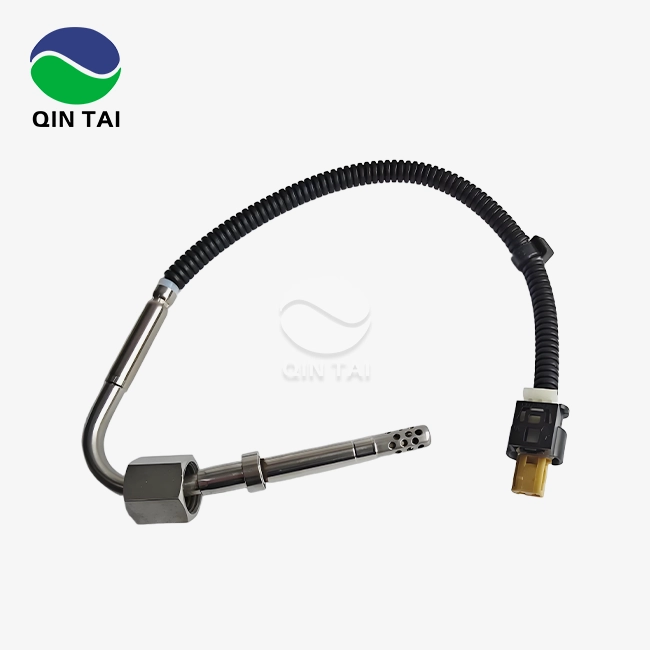
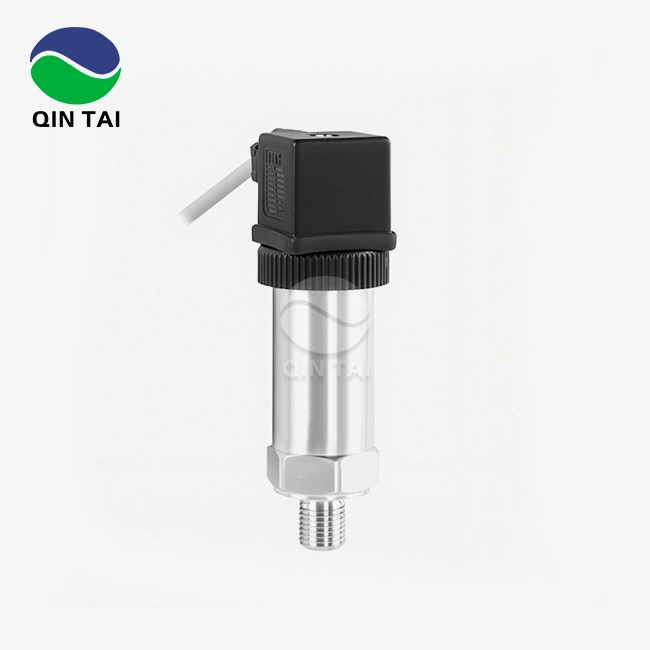
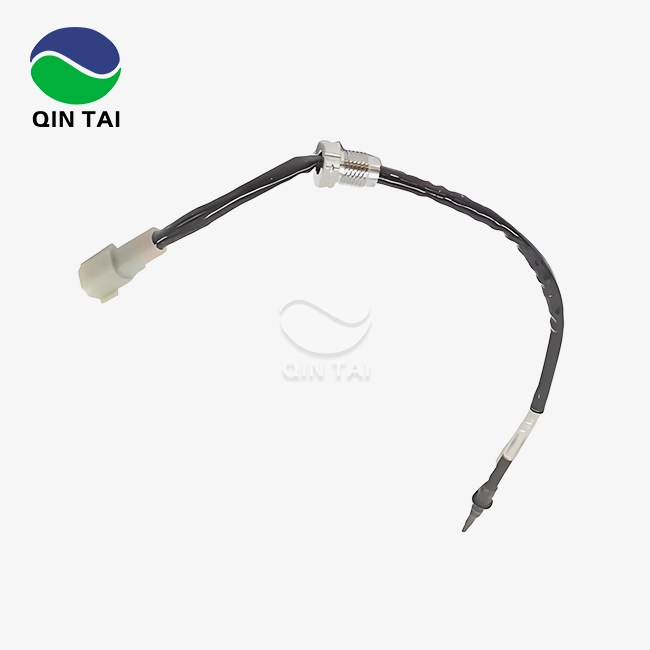

Our customers’ satisfaction speaks for our quality — contact us to experience the same reliable service.