- English
- French
- German
- Portuguese
- Spanish
- Russian
- Japanese
- Korean
- Arabic
- Greek
- German
- Turkish
- Italian
- Danish
- Romanian
- Indonesian
- Czech
- Afrikaans
- Swedish
- Polish
- Basque
- Catalan
- Esperanto
- Hindi
- Lao
- Albanian
- Amharic
- Armenian
- Azerbaijani
- Belarusian
- Bengali
- Bosnian
- Bulgarian
- Cebuano
- Chichewa
- Corsican
- Croatian
- Dutch
- Estonian
- Filipino
- Finnish
- Frisian
- Galician
- Georgian
- Gujarati
- Haitian
- Hausa
- Hawaiian
- Hebrew
- Hmong
- Hungarian
- Icelandic
- Igbo
- Javanese
- Kannada
- Kazakh
- Khmer
- Kurdish
- Kyrgyz
- Latin
- Latvian
- Lithuanian
- Luxembou..
- Macedonian
- Malagasy
- Malay
- Malayalam
- Maltese
- Maori
- Marathi
- Mongolian
- Burmese
- Nepali
- Norwegian
- Pashto
- Persian
- Punjabi
- Serbian
- Sesotho
- Sinhala
- Slovak
- Slovenian
- Somali
- Samoan
- Scots Gaelic
- Shona
- Sindhi
- Sundanese
- Swahili
- Tajik
- Tamil
- Telugu
- Thai
- Ukrainian
- Urdu
- Uzbek
- Vietnamese
- Welsh
- Xhosa
- Yiddish
- Yoruba
- Zulu
What Makes Temperature Sensors Reliable in Harsh Conditions?
Temperature sensors operating in challenging industrial environments must deliver consistent, accurate data under conditions that would compromise standard instrumentation. Reliability in harsh conditions stems from specialized construction, robust materials, sealed housings, and intelligent calibration methods that resist extreme temperatures, vibration, chemical exposure, and electromagnetic interference. For diesel engine manufacturers, aftertreatment system integrators, and industrial equipment producers, selecting sensors with proven durability and compliance certifications is essential for emission control accuracy, operational safety, and long-term cost efficiency.
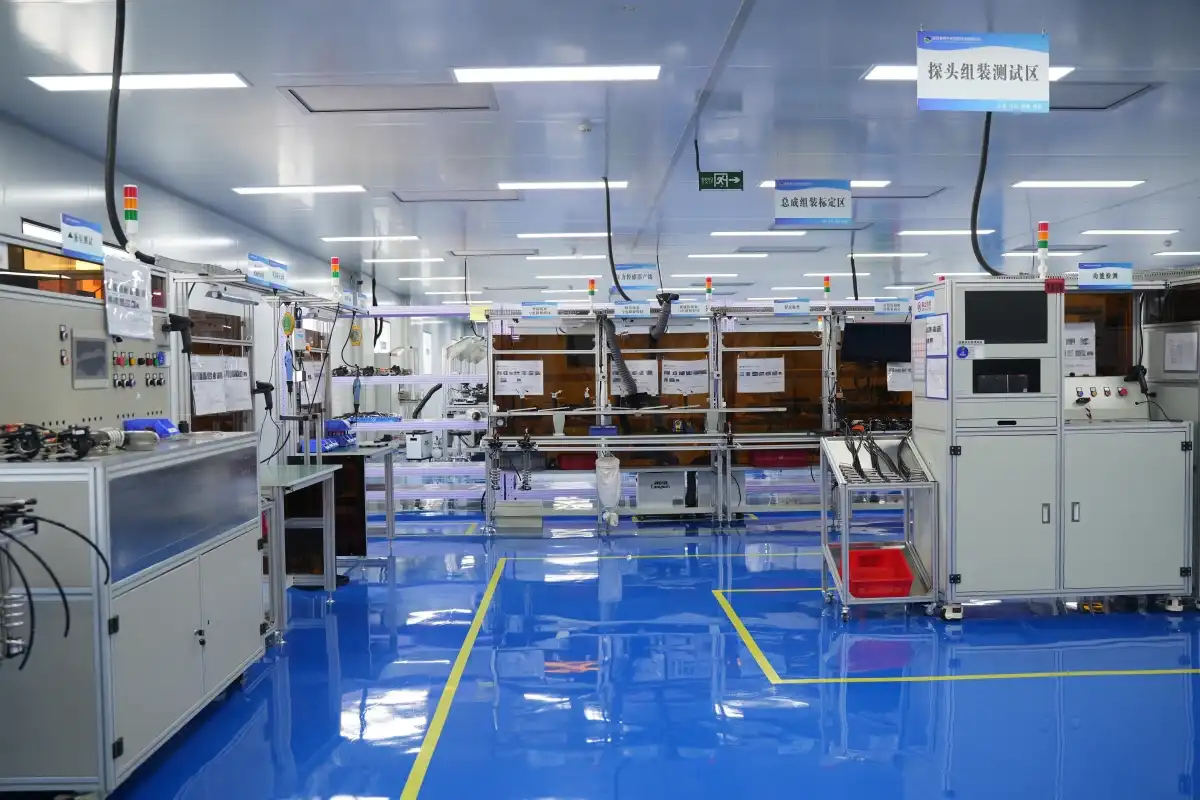
Understanding the Challenges of Harsh Environments for Temperature Sensors
Several external stresses affect the accuracy and service life of industrial Temperature Sensors. When technical managers and procurement experts need to choose measurement instruments for tough jobs, knowing about these problems helps them make better choices.
Extreme Temperature Ranges
During regeneration processes, diesel exhaust systems often subject Temperature Sensors to temperatures higher than 900°C. Extremes like these speed up material wear, cause temperature shock, and make detecting elements less stable. Temperature Sensors that don't have good temperature control experience shift, shorter life, and sudden failure.
Vibration and Mechanical Stress
Generator sets, heavy trucks, and building equipment are all always vibrating. The mechanical stress wears down the internal wiring, loosens connections, and damages the mineral-insulated wires inside the Temperature Sensor probe. Without strong mechanical design, failures caused by vibrations become a constant problem that needs to be fixed.
Chemical and Corrosive Exposure
The sulfur chemicals, phosphorus from oil additives, and moisture in exhaust gases can eat away at Temperature Sensor housings that aren't covered. Chemical resistance is necessary for aftertreatment systems that handle SCR and DPF tasks to avoid staining, sensor poisoning, and early degradation. Temperature Sensors used in generator sets in mines or power plants are exposed to similar toxic environments that need special coats to protect them.
Electromagnetic Interference
Electronic control units and high-current electrical systems that make electromagnetic fields are part of modern diesel engines. When shielding isn't done right, analog Temperature Sensors get signal noise, fake results, and communication problems. Digital Temperature Sensors with noise immunity features keep signals intact even in electrically harsh settings. This is an important thing for system designers to think about when they are making SCR and DPF solutions.

Core Principles Behind Reliable Temperature Sensors in Harsh Conditions
To choose Temperature Sensors that are made to last, you need to know how they are designed, what materials they are made of, and how to calibrate them. These things decide how accurate a monitor stays over the course of its useful life.
Sensor Technology Selection
In harsh settings, different sensing systems have clear benefits. Thermocouples can measure a wide range of temperatures and respond quickly. This makes them good for keeping an eye on the temperature of diesel waste, where temperatures change quickly during DPF recycling. RTDs are better at being accurate and stable, so they are used in situations where precise emission control is needed to meet China VI and Euro VI standards. NTC thermistors are very sensitive at low temperatures but lose accuracy at very high temperatures. This means they can't be used to measure the temperature of exhaust gases. Engineers can make better technology choices when they understand these trade-offs.
Robust Material Construction
The housings of high-quality Temperature Sensors are made of Inconel or stainless steel, which is resistant to chemical attack and changing temperatures. Ceramic protection keeps inside parts from getting wet and from experiencing sudden changes in temperature. Designs that are hermetically sealed and meet IP67 or IP69K grades keep contaminants out, which is important for building equipment that works in dusty or wet conditions. We've seen that Temperature Sensors made of high-quality materials have failure rates of less than 0.3% over 100,000 kilometers. This means that there are a lot fewer guarantee claims and costs for repairs after the sale.
Calibration and Compensation Features
Factory testing sets the standard level of accuracy, but hard conditions mean that it needs to be compensated for all the time. Advanced exhaust gas Temperature Sensors have built-in self-diagnostic features that can find shift and warn users before major problems happen. Some designs include reference parts that let the tuning be checked all the time without taking the Temperature Sensor out of service. When it's time to change a Temperature Sensor, diagnostic tools are used to reprogramme the ECU so that the new unit works perfectly with the emission control system.
Comparing Temperature Sensors for Industrial and Harsh Environment Applications
To choose the right Temperature Sensors, you have to compare their technical specs to the needs of the application. The analysis below helps buying managers and research and development experts match the features of Temperature Sensors to their operational needs.
Thermocouples Versus RTDs
Thermocouples are great for tracking high-temperature air because they can measure up to 1200°C and respond in less than a second. Their tough joint design can handle vibrations better than RTD elements that are more flimsy. RTDs, on the other hand, can achieve accuracy within ±0.3°C, while thermocouples exhibit an accuracy of ±1.5°C at 600°C. For emission compliance, where exact temperature control decides how well the SCR catalyst works, RTDs give you the accuracy you need to get the best NOx reduction while minimizing ammonia slip. To meet strict EPA pollution goals, diesel engine OEMs that sell in North America are increasingly asking for RTDs.
Digital Versus Analog Signal Output
Analog Temperature Sensors send voltage or current signals that can be affected by electromagnetic fields and voltage drop when the signals go through long wire runs. Digital Temperature Sensors that use systems like CAN bus or LIN bus to send temperature data have error-checking features that make sure the signal stays valid. Digital Temperature Sensors make wiring easier, cut down on installation mistakes, and allow for online diagnostics, which are all benefits for system designers working on aftertreatment solutions. Digital Temperature Sensors usually cost 15-20% more at first, but they are worth it because they are more reliable and take less time to fix problems.
Specialized Designs for Specific Applications
Generator sets used in coastal power plants, where salt spray speeds up rusting, can use waterproof Temperature Sensors with marine-grade connections. Wireless Temperature Sensors get rid of the need for wire in retrofit situations. This is helpful for business car aftermarket setups where running new lines through current harnesses is not an option. For turbocharged diesel engines, where the temperature of the exhaust gas changes quickly during load changes, fast-response Temperature Sensors with open joint designs are used. This allows precise control of the turbocharger wastegate.
These unique features help with certain environmental problems, leading buying choices toward setups that are most reliable in certain working conditions.
Best Practices for Selecting and Procuring Temperature Sensors for Harsh Conditions
There's more to good buying tactics for Temperature Sensors than just comparing specification sheets. Getting Temperature Sensors that will last for a long time requires different kinds of people: technical teams, buying managers, and executives who give their approval.
Defining Performance Specifications
Clear specifications get rid of confusion and make sure that providers quote on the right goods. The working temperature range, response time, accuracy class, housing material, IP grade, signal output type, and connection style are some of the most important factors. If you mention resistance to sulfur dioxide, phosphorus compounds, and thermal shock for diesel exhaust uses, providers won't be able to sell you commercial-grade Temperature Sensors that aren't up to par. Including the expected service life, like 150,000 kilometers without any calibration drift, makes sure that people are responsible and helps with guarantee talks.
Verifying Certifications and Compliance
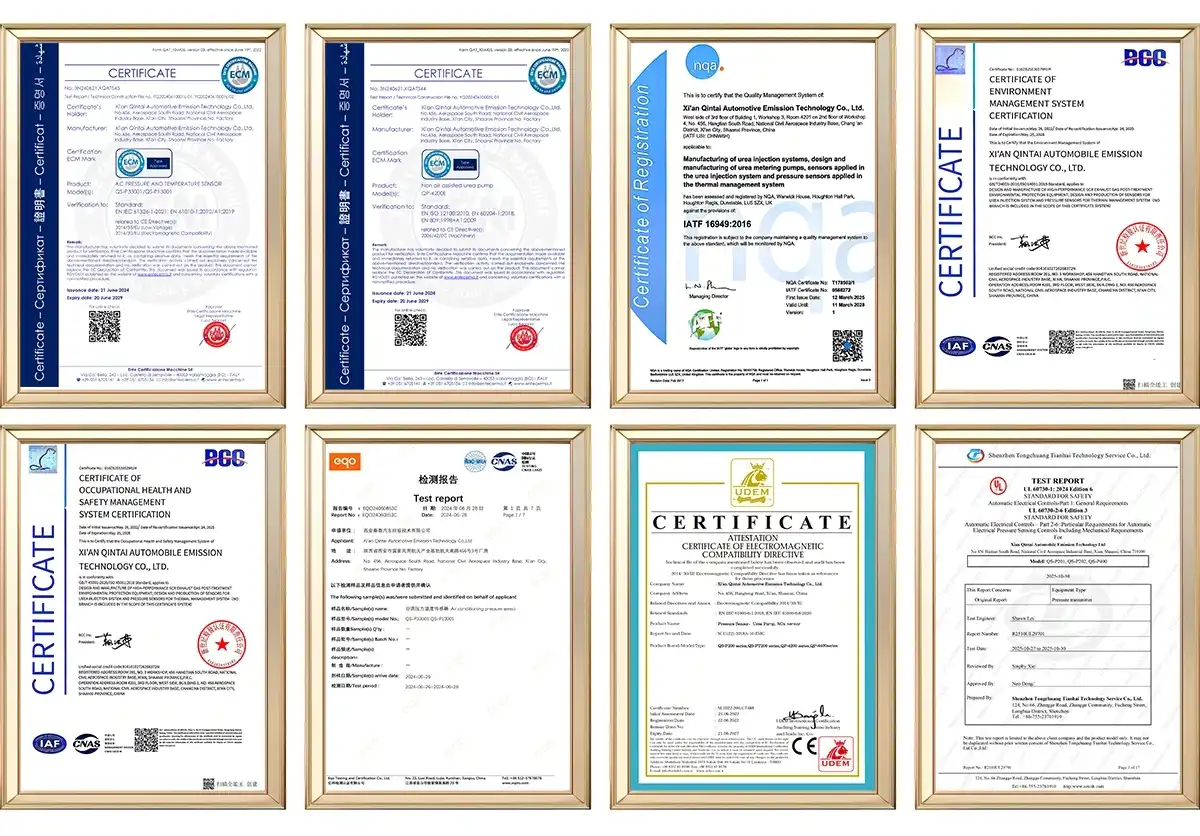
Certifications from the industry show that Temperature Sensors meet quality and safety standards that have already been set. ISO 9001 certification means that quality management is done in a planned way, while IATF 16949 certification is specific to the needs of the car business. For Temperature Sensors to work in explosive environments like those found in mine power sets, they need to be certified by ATEX and IECEx. RoHS and REACH compliance makes sure that Temperature Sensors don't have any restricted chemicals, which is important for OEMs that want to sell their products in Europe and North America. Asking for copies of certifications and test reports from a third party during the seller review process verifies claims and lowers the risk of not following the rules.
Evaluating Supplier Capabilities
Long-term relationships are affected by a supplier's image, production capacity, and expert support skills in a big way. Integrators of aftertreatment systems need to be able to change connections and settings to work with their own engine control systems. This is something that established suppliers with in-house R&D teams can do. OEMs that are putting out new heavy truck models can be sure of a steady supply thanks to mass production capacity. When installation problems happen, quick troubleshooting is made easier by responsive after-sales help, such as field application experts and technical hotlines.
Per-unit costs go down when you buy in bulk and get a discount for doing so. This is especially true for industrial car aftermarket dealers who stock replacement Temperature Sensors. Technical teams can check compatibility, response traits, and installation ease before committing to big orders by asking for sample units for validation testing. This staged method to buying things lowers risk and boosts trust in the performance of suppliers.
Maintaining and Troubleshooting Temperature Sensors in Harsh Conditions
To get the most out of Temperature Sensor uptime, you need to be careful about maintenance and use structured ways to fix problems. These processes give repair teams the tools they need to find problems quickly and take quick action to fix them.
Preventive Maintenance Routines
Temperature Sensor mounting, connectors, and wire leads should be checked regularly to find loose fittings, corroded connections, and broken cables before they cause problems. Cleaning the outside surfaces gets rid of the soot buildup that keeps the Temperature Sensor tip from responding quickly and accurately. Recalibration intervals rely on how hard the equipment is being used. For example, Temperature Sensors in building equipment that is constantly vibrating may need to be checked once a year, while stationary generator sets can go longer between checks.
Environmental management, like making sure that exhaust system seals keep water out and checking that there is proper electrical wiring, keeps Temperature Sensors from breaking down faster. Taking these preventative steps lowers the total cost of ownership by lowering unexpected downtime and increasing the service life of Temperature Sensors by 30-40%.
Common Failure Modes and Diagnostics
Signal drift is when the Temperature Sensor slowly reports temperatures that are different from what they really are. This can happen because of chemical poisoning or losing its calibration. Diagnostic trouble codes like P0544 show that a circuit isn't working right. Most of the time, open circuits are caused by broken internal wires. Changing signs could mean that the connectors are corroding or the connections are loose. Systematic repair starts with an eye check, then moves on to testing for electrical continuity, and ends with using reference tools to confirm the calibration.
Modern diagnostic tools read Temperature Sensor data streams in real time and compare the values they give to the ranges that should be predicted based on how the engine is running. This comparison study quickly separates Temperature Sensor faults from software problems in the ECU or hardware issues in other parts of the exhaust system. Repair shops and fleet repair operations that have the right monitoring tools can fix problems with Temperature Sensors more quickly, keeping vehicles on the road and keeping output high.

SENSOR+TEST, June 9 – 11, 2026
We look forward to your visit,warmly welcome to our booth 1-634!
Get your free ticket online now:
https://www.sensor-test.de/service/ticket/?52790
Conclusion
When measuring with Temperature Sensors in harsh industrial settings, it's important to make sure that the monitor technology, materials, and design are all right for the job. Thermocouples, RTDs, and digital Temperature Sensors are all useful for tracking diesel exhaust, integrating aftertreatment systems, and using heavy-duty tools, but they do so in different ways. Verified certifications, supplier skills, and the total cost of ownership are more important than the original price when it comes to effective buying. Regular upkeep and organized fixing help keep Temperature Sensors working so that emissions rules are followed, operations are safe, and the business makes money in the long run.
FAQ
How often should exhaust gas Temperature Sensors be recalibrated in extreme conditions?
Exhaust gas Temperature Sensors that are constantly exposed to high sulfur fuel or temperatures above 700°C usually need to be calibrated once a year. For stationary uses like generator sets that use better fuel, the time between changes may be 18 to 24 months. Regular diagnostic scans help figure out the best frequency for recalibration in different working situations by checking for drift.
What causes the P0544 diagnostic trouble code in diesel exhaust systems?
Code P0544 means that there is a problem with the circuitry in the exhaust gas Temperature Sensor. This problem is usually an open circuit caused by internal wiring that has become frayed from too much shaking or heat. This code can also be caused by corroded joints and broken Temperature Sensor wires. Replacing it right away keeps the DPF from getting clogged and the engine from getting damaged by uncontrolled renewal cycles.
Can NTC sensors replace PT200 sensors in high-temperature diesel exhaust applications?
Because their resistance slope is not linear, NTC sensors lose accuracy above 600°C. This means they can't be used for high exhaust temperatures during DPF regeneration. PT200 sensors stay straight and accurate across their entire working range, which makes sure that emissions are controlled correctly. If you change the types of sensors without making sure they work with the new temperature range, the system could break down or the emissions could not meet standards.
What advantages do digital exhaust temperature sensors offer over analog types?
Digital Temperature Sensors use encoded data transfer to block electromagnetic interference. They also keep their accuracy over long wire runs without signal degradation, and they let you do diagnostics from afar using car communication networks. These features make installation easier and fixing faster, which makes up for their higher original cost by making the system more reliable and cutting down on service costs.
Partner with Qintai for Industrial-Grade Temperature Sensor Solutions
Xi'an Qintai Automotive Emission Technology Co. Ltd specializes in manufacturing diesel exhaust Temperature Sensors engineered for harsh industrial environments. Since 2001, we have supplied OEM partners including Weichai Power, Yuchai Power, and Quanchai Power, earning the largest market share among domestic suppliers. Our sensors meet IATF 16949 quality standards and comply with ISO, CE, RoHS, and REACH certifications, ensuring regulatory compliance across global markets.
We maintain independent R&D capabilities that enable customization of Temperature Sensor interfaces, mounting configurations, and temperature ranges to match your emission control requirements. Our production facilities support mass manufacturing with consistent quality, while flexible OEM and ODM services accommodate both standard replacements and specialized designs. Technical support teams assist with sensor selection, installation guidance, and troubleshooting, reducing your engineering workload and accelerating product development timelines.
Whether you require high-precision sensors for Euro VI compliance, vibration-resistant designs for construction machinery, or cost-effective solutions for aftermarket distribution, our product portfolio addresses diverse application needs. We invite purchasing managers, technical engineers, and supply chain professionals to contact us at info@qt-sensor.com to discuss your Temperature Sensor requirements and explore partnership opportunities with a leading manufacturer.
References
1. Johnson, M. R., & Peterson, K. L. (2021). Thermocouple and RTD Performance in High-Temperature Automotive Exhaust Systems. Society of Automotive Engineers International.
2. Chen, H., Zhang, W., & Liu, X. (2020). Reliability Analysis of Temperature Sensors Under Vibration and Thermal Cycling. International Journal of Industrial Electronics.
3. Schmidt, T. A. (2019). Material Selection for Harsh Environment Sensor Applications. Materials Science and Engineering Quarterly.
4. European Commission Directorate-General for Environment. (2022). Emission Control Technology Requirements for Heavy-Duty Diesel Engines. Brussels: EU Publications Office.
5. National Institute of Standards and Technology. (2023). Calibration Methods for Industrial Temperature Sensors. NIST Technical Note 1840.
6. Williams, D. R., & Kumar, S. (2020). Digital Sensor Integration in Automotive Emission Control Systems. IEEE Transactions on Vehicular Technology.
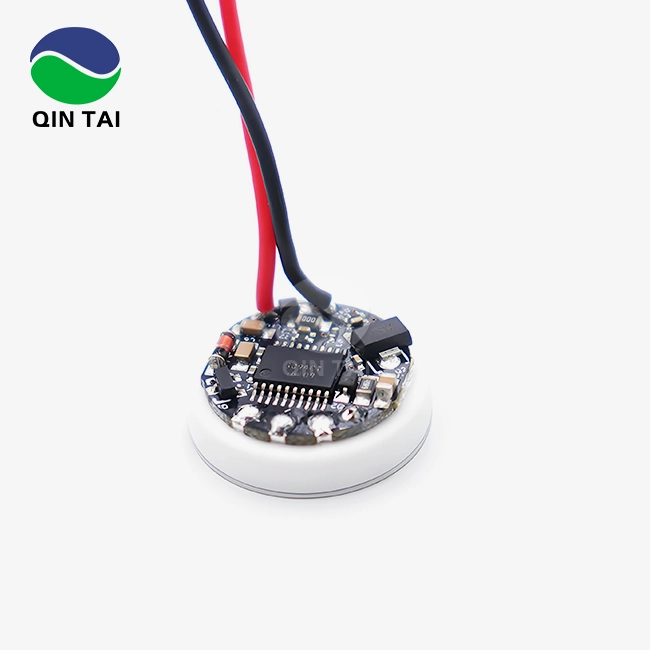
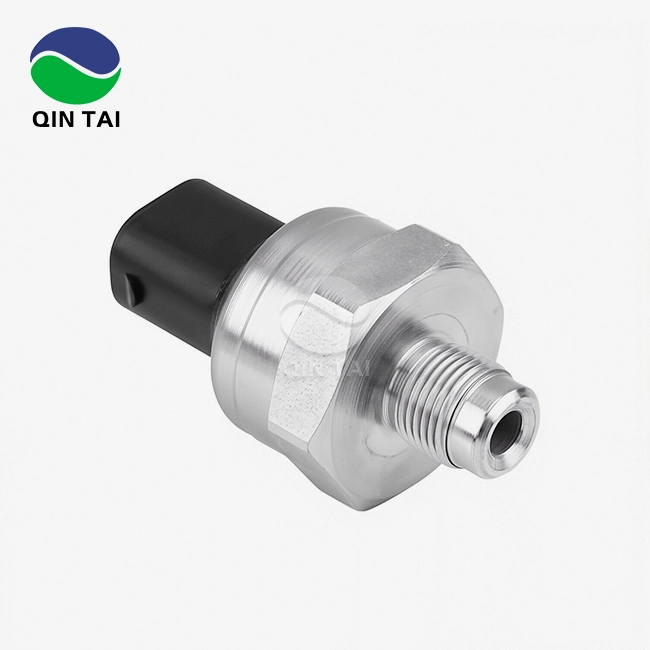

Our customers’ satisfaction speaks for our quality — contact us to experience the same reliable service.