- English
- French
- German
- Portuguese
- Spanish
- Russian
- Japanese
- Korean
- Arabic
- Greek
- German
- Turkish
- Italian
- Danish
- Romanian
- Indonesian
- Czech
- Afrikaans
- Swedish
- Polish
- Basque
- Catalan
- Esperanto
- Hindi
- Lao
- Albanian
- Amharic
- Armenian
- Azerbaijani
- Belarusian
- Bengali
- Bosnian
- Bulgarian
- Cebuano
- Chichewa
- Corsican
- Croatian
- Dutch
- Estonian
- Filipino
- Finnish
- Frisian
- Galician
- Georgian
- Gujarati
- Haitian
- Hausa
- Hawaiian
- Hebrew
- Hmong
- Hungarian
- Icelandic
- Igbo
- Javanese
- Kannada
- Kazakh
- Khmer
- Kurdish
- Kyrgyz
- Latin
- Latvian
- Lithuanian
- Luxembou..
- Macedonian
- Malagasy
- Malay
- Malayalam
- Maltese
- Maori
- Marathi
- Mongolian
- Burmese
- Nepali
- Norwegian
- Pashto
- Persian
- Punjabi
- Serbian
- Sesotho
- Sinhala
- Slovak
- Slovenian
- Somali
- Samoan
- Scots Gaelic
- Shona
- Sindhi
- Sundanese
- Swahili
- Tajik
- Tamil
- Telugu
- Thai
- Ukrainian
- Urdu
- Uzbek
- Vietnamese
- Welsh
- Xhosa
- Yiddish
- Yoruba
- Zulu
Industrial Pressure Sensor Guide for OEM Buyers
It is very important to choose the right pressure sensor for diesel engine systems, aftertreatment solutions, and industrial equipment to meet pollution standards, stay stable, and work reliably over time. This guide answers the most important questions that OEM buyers have, such as how to understand sensor technologies and performance standards, as well as how to deal with sourcing issues and build relationships with trusted suppliers. This complete guide will help you make choices that support regulatory compliance, mass production scalability, and long-term competitive advantage, whether you are an R&D engineer checking technical standards or a purchasing manager balancing cost and quality.
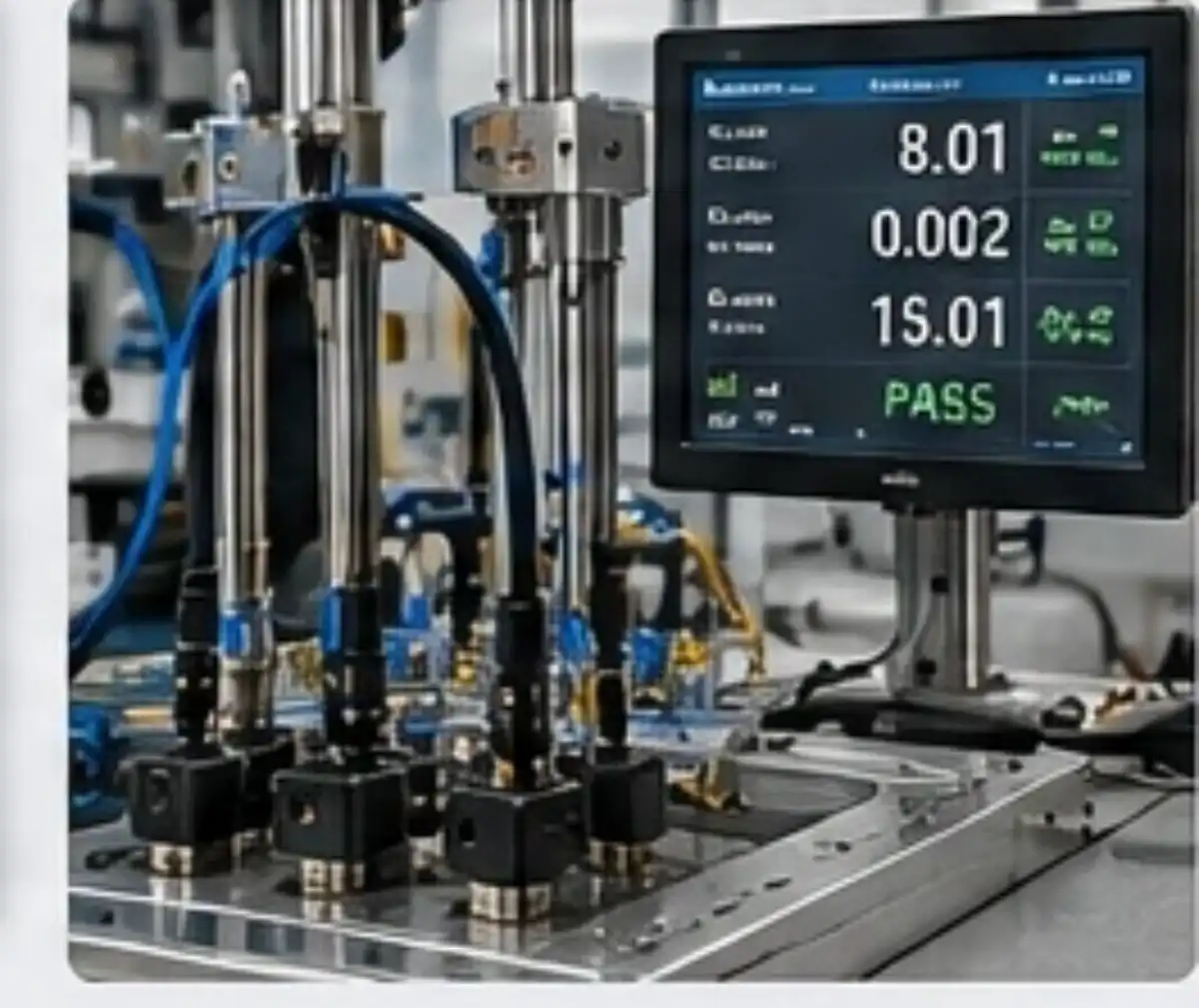
Understanding Industrial Pressure Sensors: Types, Principles, and Applications
Industrial pressure sensors turn mechanical pressure into electrical signs that can be read. This lets a wide range of uses keep accurate track of and control pressure. People sometimes use the words "sensor" and "transducer" to mean the same thing. However, sensors are used to find changes in the real world, while transducers turn these changes into standard output patterns that processing systems can use.
Core Sensor Technologies and Operating Principles
Different sensor systems meet the needs of different industries. When a flexible diaphragm bends under pressure, capacitive devices measure changes in the electrical capacitance between two metallic plates. Using the formula C = ε₀εᵣA/d, where d is the distance between the plates, we can see that even small changes in pressure can cause capacitance shifts that can be measured. These sensors are very accurate, don't change much with weather, and use very little power. This makes them perfect for medical respirators and IoT devices that run on batteries.
Piezoresistive sensors work well in high-pressure settings like those found in hydraulic systems and heavy-duty diesel engines because they use changes in resistance caused by strain in semiconductor materials. When mechanical force is put on piezoelectric devices, they produce electrical charges. This makes them great for measuring dynamic pressure in situations like combustion analysis. Strain gauge sensors attach resistive elements to diaphragms and measure pressure by changing the resistance. Optical sensors, on the other hand, use light interference patterns to measure pressure without touching anything electrical, which makes them better for places that are dangerous or have a lot of electromagnetic noise.
Analog vs. Digital Output Configurations
The output style has a big effect on how well the system works together. Analog sensors send out constant voltage or current readings that are related to pressure. This makes it easy to connect them to existing control systems. Digital sensors have signal processing built in, which makes them more resistant to noise. They also store calibration data and can communicate directly with current electronic control units (ECUs) for diesel engine aftertreatment systems using standards like I²C or CAN bus.
Critical Industrial Applications
Pressure sensors are important for safety and efficiency in many areas. They check the exhaust backpressure in diesel particulate filters (DPF) and selective catalytic reduction (SCR) systems in cars to make sure they meet China VI and Euro VI pollution guidelines. Differential pressure measurement is used in HVAC systems to keep energy economy high, improve airflow, and find clogged filters. Sensors keep an eye on chemical tanks, hydraulic circuits, and pneumatic systems in production and process control to make sure equipment doesn't break and that the quality of the products is maintained. Submersible pressure sensors are used by oil and gas companies to check the level of tanks in dangerous areas, where safety and resistance to electromagnetic interference are very important. To keep patients safe, medical devices like ventilators and CPAP machines need to measure low pressure very precisely.
Understanding these technologies and how they're used enables OEM buyers to match sensor capabilities with specific operational demands, laying the groundwork for effective procurement decisions.
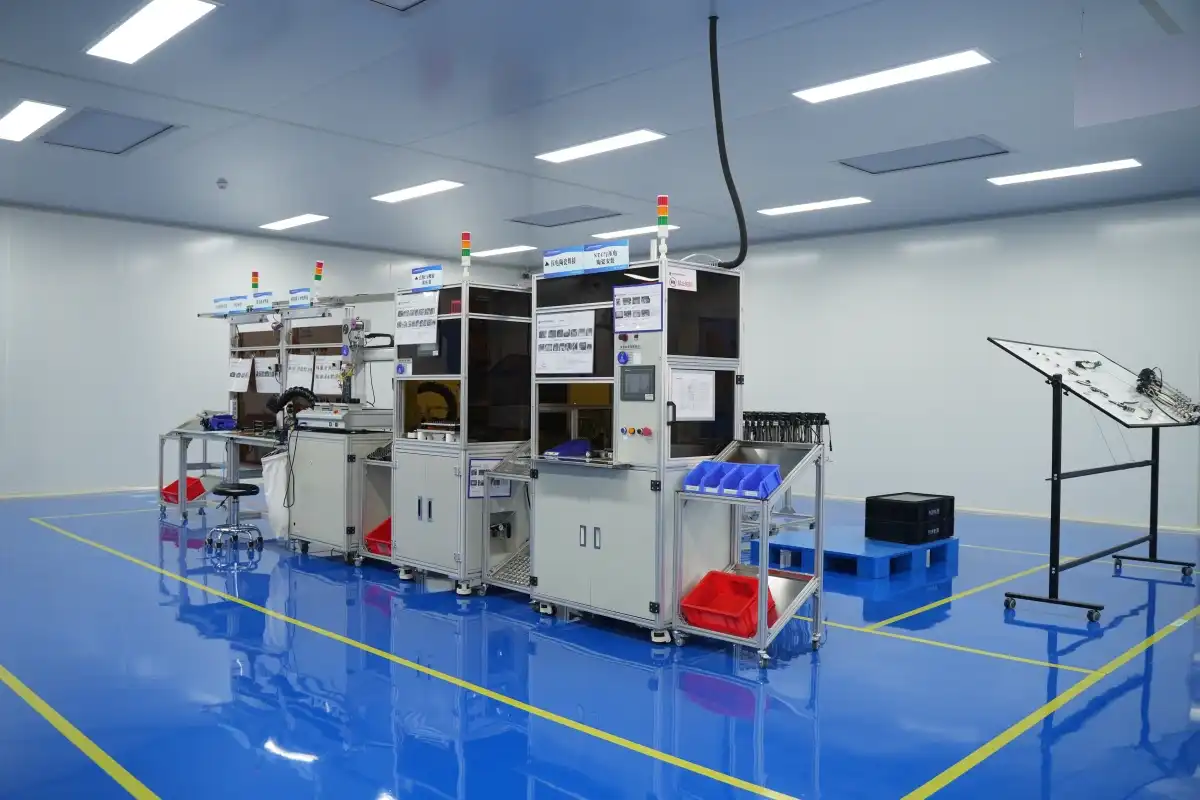
How to Choose the Best Pressure Sensor for Your Industrial Application?
To choose the best pressure sensor, you need to carefully look at the performance standards, environmental factors, and application needs. This organized method makes sure that everything works together technically and will last for a long time.
Analyzing Application Requirements and Environmental Conditions
First, figure out the exact range of pressures that your machine will be exposed to. For DPF differential pressure tracking, diesel engine aftertreatment systems usually work within 0–500 kPa. Hydraulic systems, on the other hand, may need sensors rated for 35 MPa or higher. Based on your reference point needs, figure out whether you need to measure gauge, absolute, or difference pressure.
Environmental factors have a big impact on the choice of sensors. Extreme temperatures can change the accuracy of sensors and the stability of materials. For example, sensors for generator sets that work in mines or power plants must be able to handle temperatures between -40°C and +125°C without losing their effectiveness. The right housing materials must be used for applications that are exposed to corrosive media, vibration, and wetness. For example, stainless steel is good for chemical protection, hermetic closing is needed for underwater uses, and ruggedized connectors are needed for mobile machinery that is constantly vibrating.
Key Performance Metrics for Precision Matching
Accuracy determines how reliable a number is. To make sure they follow the rules for emission compliance, sensors must keep their full-scale accuracy at ±1% or higher. In low-pressure HVAC systems or medical devices, sensitivity—the smallest change in pressure that can be felt—becomes very important. Response time affects the security of the control loop. For real-time combustion optimization, diesel engine control systems need devices with response times of less than 10 microseconds.
Longevity and durability have a direct effect on the total cost of ownership. Generator set makers look for sensors that can withstand more than 100,000 pressure cycles and have been shown to be stable over time. Temperature compensation methods, such as inactive material selection or active electronic correction, make sure that the device works the same way in all circumstances. Electrical compatibility with current ECU power levels (5V or 12V supply) and output types must match the way your control system is set up.
Comparative Insights and Custom Solutions
In retrofit applications or spread tracking systems, wireless pressure sensors get rid of the need for complicated wiring. However, battery life and signal reliability need to be carefully evaluated. For places that work with chemicals or oil and gas, hazardous site licenses (ATEX, IECEx) are now required.
When you work with makers that let you customize their products, you can get pressure ports, electrical connections, and calibration ranges that are exactly what you need. Established providers offer detailed technical paperwork, application engineering support, and validation testing data. This lowers the risk of integration and speeds up the time it takes to bring new diesel engine platforms or machinery designs to market.
Top Industrial Pressure Sensor Brands and Solutions in 2026
OEM buyers can find providers with proven track records, full certifications, and global support networks that are needed for mass production and long-term partnerships by evaluating top makers of the pressure sensor.
Global Market Leaders and Their Core Strengths
Honeywell has a wide range of sensors with strong automotive-grade certifications (AEC-Q100) and large pressure ranges that can be used in big trucks and building equipment. Their TruStability line is very accurate and stays stable at high temperatures. Bosch uses its knowledge of cars to make sensors that are designed to work in harsh engine conditions and come with built-in diagnosis and CAN bus communication. TE Connectivity makes sensors for tough environments that are better at handling vibrations and working with different types of media. These sensors are used in off-road equipment and industrial hydraulics. Siemens makes process-grade sensors that are certified for use in a wide range of industries and can be integrated into systems for power generation and environmental protection.
Certification and Validation Standards
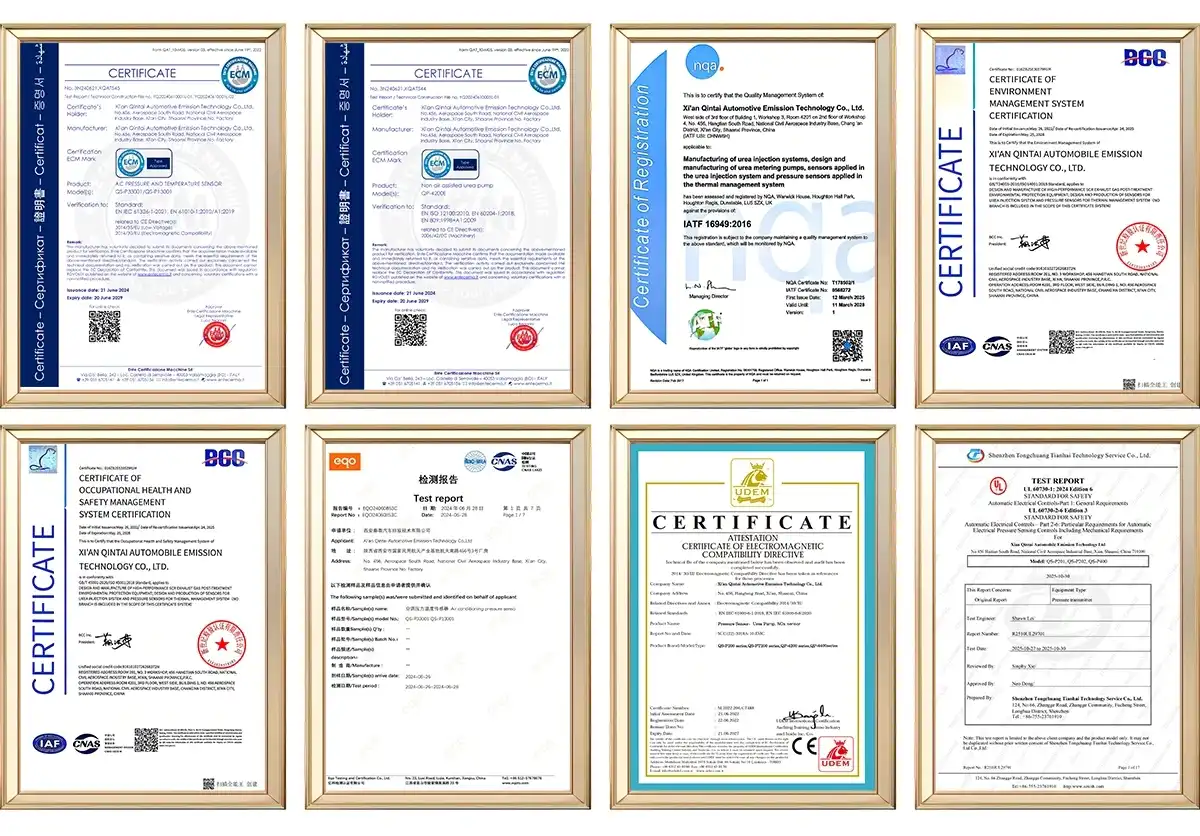
Reputable makers keep up with ISO 9001 quality systems and IATF 16949 standards for the car industry. This makes sure that production quality stays uniform, which is important for mass production scalability. ATEX and IECEx approvals prove that innate safety works in dangerous places. UL, CE, REACH, and RoHS approval show that a product meets international safety and environmental standards. This makes it easier for OEM goods to get into global markets. When manufacturers post dependability data like mean time between failures (MTBF), pressure cycle testing, and thermal shock performance, customers can be sure that their products will last for a long time.
Application Case Studies and Performance Validation
Leading providers keep records of good integrations in all of their target businesses. Case studies that show how well sensors work in China VI-compliant diesel engines, continuous-duty generator sets, or HVAC systems that work in harsh environments show that they are useful. Technical studies that describe how sensors work in high-vibration or corrosive air settings can help predict how well they will work in the field.
Choosing well-known providers lowers the risk in the supply chain, makes sure you have access to detailed technical help during integration, and gives you peace of mind about warranty fulfillment and replacement part availability, all of which are important for keeping production plans and keeping customers happy.
Procurement and Supply Chain: Buying Pressure Sensors Efficiently
Efficient buying strikes a balance between technical needs and business needs, making sure that deliveries happen on time and costs are kept low without lowering quality for getting pressure sensors quickly.
Sourcing Channels and Supplier Engagement
When OEM buyers place large orders, they usually deal directly with makers to get better prices, more customization choices, and faster technical support. Authorized wholesalers make it easier to get standard goods faster and offer local stock and technical support, which is helpful for prototypes or smaller orders. Online markets make prices clear, but you have to be very careful to make sure that the products are real and that the sellers are legitimate.
When you work directly with a maker, you can negotiate framework deals that cover things like price, minimum order amounts, wait times, and quality assurance processes. By being clear about production capacity and scalability from the start, supply problems can be avoided during the ramp-up phases of making new engine models or machinery platforms.
Pricing Dynamics and Volume Considerations
Sensor technology, materials, and the level of tailoring all affect the price. Custom capacitive sensors that can compensate for temperature and have digital interfaces built in are much more expensive than basic piezoresistive sensors that can measure standard pressure ranges. Volume savings usually start at orders of 1,000 units and go down even more at 10,000 units or more. Long-term supply deals usually get you better prices and a promise of how the capacity will be used.
Lead times range from two weeks for normal catalog items to twelve to sixteen weeks for fully personalized sensors that need to have new tools made. Project delays can be avoided by planning buying timelines around the stages of product development.
Essential Documentation for Technical Validation
Full datasheets with information on pressure range, accuracy class, temperature coefficients, electrical specs, and mechanical dimensions make it possible to build a system that works perfectly. Quality control is done with calibration certificates that link measurement standards to national metrology centers. Certifications like ISO, IATF, ATEX, and UL show that the product meets safety standards. Application notes and integration guides speed up engineering work, and results from stability tests back up claims of long-term use.
By asking for samples to try as prototypes, you can make sure that the sensor works well in real-world situations before committing to large orders. When technical needs, environmental conditions, and quality goals are clearly communicated, everyone can understand each other better and integration problems are less likely to happen.
Maintaining and Calibrating Pressure Sensors for Long-Term Accuracy and Reliability
Regular calibration and preventative maintenance keep measurements accurate, stop system breakdowns, and increase pressure sensor lifetimes, all of which have a direct effect on production quality and costs.
The Critical Role of Calibration
Calibration checks that the output of a sensor stays within certain accuracy limits, even if it's been exposed to the environment, aged, or worn down mechanically. Measurement drift can lead to wrong pressure readings, which can break down emission control systems, make HVAC systems less effective, or cause changes in industry processes. Calibration against tracked pressure standards on a regular basis fixes drift and keeps quality management systems (ISO 9001, IATF 16949) in line.
Calibration Procedures and Frequency
During calibration, known reference pressures are applied using deadweight testers or precise pressure controllers. The output of the sensor is then compared to standard values, and if needed, offset or gain settings are changed. Digital sensors with built-in memory can save correction factors, which makes recalibration easier.
How often you calibrate depends on how important the program is and how it is being used. Diesel engine sensors that are important for emissions should be calibrated once a year, while HVAC sensors that work in safe settings may only need to be calibrated every two years. Sensors that are exposed to high or low temperatures, shaking, or media that eats away at metal need to be checked more often.
Practical Maintenance and Troubleshooting
Physical harm, connection corrosion, and pressure port blockages should all be checked for on a regular basis. Cleaning the pressure ports with the right chemicals gets rid of the dirt and dust that can mess up readings. Intermittent faults can be avoided by checking the quality of electrical links and cables. By keeping an eye on the trends of sensor output, you can spot small changes in accuracy before they get too bad.
Putting in writing repair plans, teaching technicians the right way to handle things, and keeping calibration records all help with quality checks and following the rules. These practices cut down on unplanned downtime, lower the number of warranty claims, and raise customer satisfaction, all of which improve a company's place in the market.
Conclusion
It's important to know a lot about sensor technologies, performance requirements, and the skills of the seller in order to choose the right industrial pressure sensor. When making diesel engines, heavy machinery, or integrating aftertreatment systems, OEM buyers must put pollution compliance, measurement accuracy, and long-term stability at the top of their list of priorities. Structured buying processes that focus on technical proof, certification verification, and the quality of the supplier relationship are what make sure that integration goes smoothly and operating excellence lasts. Regular care and tuning of sensors extends their useful life and keeps measurements accurate. OEM buyers can easily manage the industrial pressure sensor market, find the best solutions, and gain a competitive edge through better component selection and supplier collaboration by using the insights and decision frameworks described in this guide.
FAQ
What is the difference between a pressure sensor and a pressure transducer?
A pressure sensor picks up changes in pressure and sends out a "raw" signal, while a transducer has electronics that changes the raw signal into a standard signal (voltage, current, or digital) that can be used by control systems. The terms are often used simultaneously, but they have different meanings.
How do I evaluate sensor accuracy for my application?
The level of accuracy is given as a proportion of the full-scale output or as exact pressure units. ±1% or better is usually needed for emission control uses. When figuring out your system's overall error budget, you should also look at things like its temperature coefficient, long-term stability, and ability to be repeated.
What challenges should I expect with bulk purchases?
Lead times may be longer for bulk orders, especially for customized sensors that need tooling or software development. To make sure you have a steady supply during production ramps, be clear about the minimum order numbers early on and come to an agreement on price, shipping dates, and quality standards.
Partner with Qintai for Reliable Pressure Sensor Solutions
Qintai Automotive Emission Technology Co., Ltd. Ltd., which specializes in diesel engine aftertreatment systems and industrial sensors, has been China's top OEM provider since 2001. Our pressure sensors are certified by ISO 9001, IATF 16949, ATEX, UL, CE, REACH, and RoHS, and they meet strict emission standards like China VI and Euro VI. Weichai Power, Yuchai Power, and Quanchai Power depend on us as their main source for proven mass production capacity, strict quality control, and full expert support.
Our independent research and development team has 58 idea patents, which means that we can make OEM and ODM changes to fit your exact needs. We know what diesel engine makers, aftertreatment specialists, and heavy machinery makers need in terms of technical requirements. Our technical know-how and global supply chain make sure that you get reliable, low-cost solutions whether you need sensors for emission compliance, HVAC optimization, or industrial process control.
Get in touch with us at info@qt-sensor.com to talk about your pressure sensor needs. We offer thorough datasheets, help with application planning, and low prices for large orders. Find out why OEM buyers around the world choose Qintai as their pressure sensor maker for tough industrial uses.
References
1. Smith, J. R., & Anderson, P. L. (2023). Industrial Pressure Measurement: Technologies and Applications for Modern Manufacturing. Technical Press International.
2. European Automotive Standards Committee. (2023). Emission Control Sensor Requirements for Euro VI Compliance. EASC Technical Report 2023-07.
3. Chen, W., & Kumar, A. (2024). Capacitive Pressure Sensors in Harsh Environments: Performance Analysis and Design Optimization. Journal of Industrial Instrumentation, 45(3), 178-195.
4. International Society for Measurement and Control. (2023). Calibration Best Practices for Industrial Pressure Sensors. ISMC Guidelines Publication.
5. Martinez, S. D. (2024). OEM Procurement Strategies for Automotive Emission Control Systems. Supply Chain Management Quarterly, 12(1), 34-52.
6. Global Sensor Technology Consortium. (2024). Industrial Pressure Sensor Market Analysis and Technology Trends 2024. GSTC Industry Report.
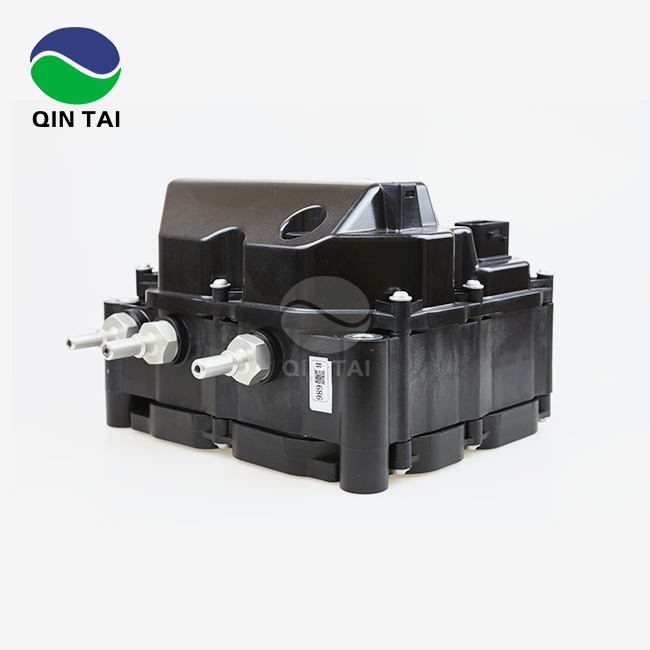
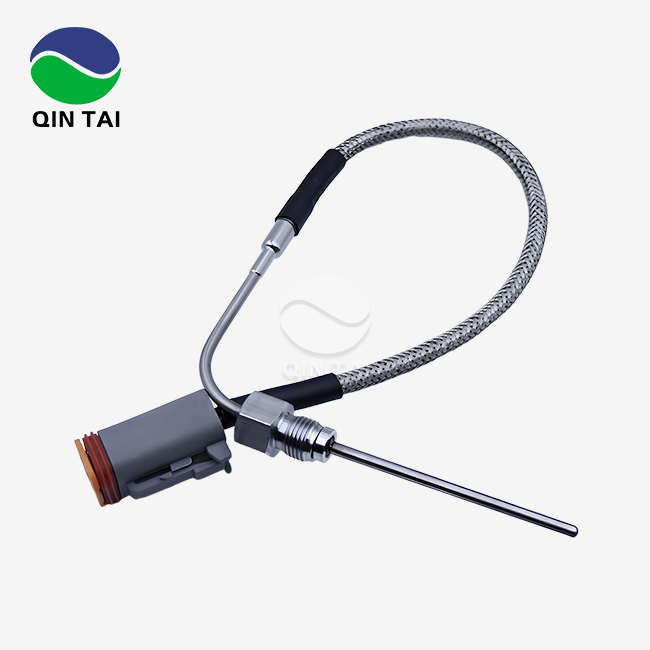
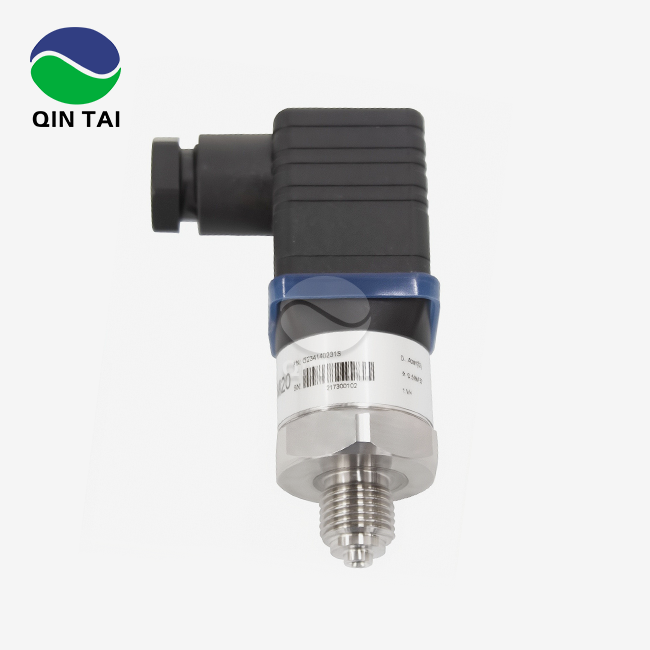
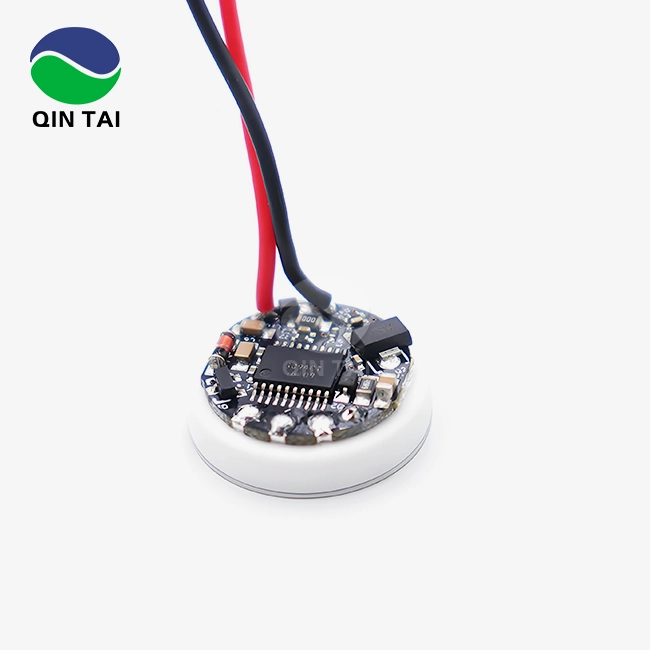

Our customers’ satisfaction speaks for our quality — contact us to experience the same reliable service.