- English
- French
- German
- Portuguese
- Spanish
- Russian
- Japanese
- Korean
- Arabic
- Greek
- German
- Turkish
- Italian
- Danish
- Romanian
- Indonesian
- Czech
- Afrikaans
- Swedish
- Polish
- Basque
- Catalan
- Esperanto
- Hindi
- Lao
- Albanian
- Amharic
- Armenian
- Azerbaijani
- Belarusian
- Bengali
- Bosnian
- Bulgarian
- Cebuano
- Chichewa
- Corsican
- Croatian
- Dutch
- Estonian
- Filipino
- Finnish
- Frisian
- Galician
- Georgian
- Gujarati
- Haitian
- Hausa
- Hawaiian
- Hebrew
- Hmong
- Hungarian
- Icelandic
- Igbo
- Javanese
- Kannada
- Kazakh
- Khmer
- Kurdish
- Kyrgyz
- Latin
- Latvian
- Lithuanian
- Luxembou..
- Macedonian
- Malagasy
- Malay
- Malayalam
- Maltese
- Maori
- Marathi
- Mongolian
- Burmese
- Nepali
- Norwegian
- Pashto
- Persian
- Punjabi
- Serbian
- Sesotho
- Sinhala
- Slovak
- Slovenian
- Somali
- Samoan
- Scots Gaelic
- Shona
- Sindhi
- Sundanese
- Swahili
- Tajik
- Tamil
- Telugu
- Thai
- Ukrainian
- Urdu
- Uzbek
- Vietnamese
- Welsh
- Xhosa
- Yiddish
- Yoruba
- Zulu
What Should You Look for in a Smart Pressure Monitoring Device?
When selecting a smart pressure monitoring device for industrial applications, you need to prioritize several critical factors: measurement accuracy within ±0.5% for regulatory compliance, robust connectivity protocols (CAN, Modbus, or wireless IoT), operating temperature ranges suitable for your environment, IP67-rated durability for harsh conditions, and comprehensive certification credentials including ISO, IATF16949, and emission standards like China VI or Euro VI. The device should also offer customizable interfaces, rapid response times, and compatibility with existing SCR or DPF aftertreatment systems while providing reliable technical support and mass production capacity from certified manufacturers.
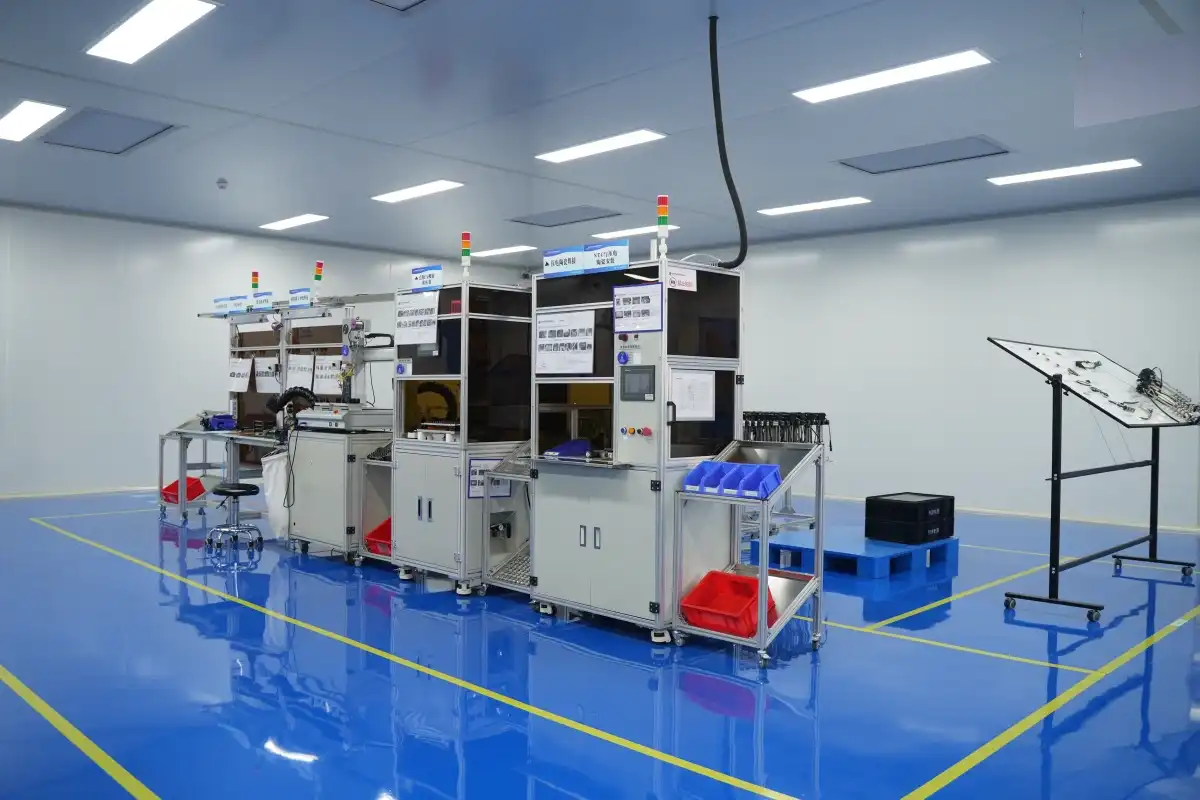
Understanding Smart Pressure Monitoring Devices
The way we manage industrial processes and diesel engine aftertreatment systems has changed thanks to modern Smart Pressure Monitoring Devices. These advanced instruments are different from older ones that only send out raw voltage signals. They have sensing elements, intelligent transmitters, onboard processing units, and communication modules that work together to send real-time data that can be used.
Core Technology Behind Smart Monitoring Systems
An important part of the system that turns mechanical force into electrical signals is a pressure-sensitive element, which is usually a piezoresistive silicon chip or a ceramic capacitive sensor. The built-in microprocessor that filters noise, fixes temperature changes, does self-diagnostics, and formats data according to standard industrial protocols is what makes smart devices different. These monitors constantly check for changes in pressure in the exhaust system, the lines that inject DEF, or the circuits that power the turbocharger. They send important data to the engine control units or central tracking platforms.
Real-Time Data Transmission and Analysis
Smart tracking solutions let devices talk to each other wirelessly over CAN bus networks. This means that fleet managers or R&D engineers can check pressure profiles from afar. The processed data shows up on screens as visual widgets, sends out automatic alerts when parameters go over certain limits, and keeps past logs for planning preventative maintenance. This feature is very helpful for diesel engine makers who need to meet strict emission rules while keeping the best performance in big trucks, building equipment, and generator sets.
Advantages Over Conventional Pressure Sensors
Traditional sensors need separate signal processing tools and can't be used for diagnosis. These features are built into smart devices, which makes installation easier and lowers system costs. They offer temperature compensation algorithms that keep accuracy even when operating at temperatures ranging from -40°C to 150°C, which is very important for farm equipment that has to work in harsh conditions. The built-in health tracking finds sensor degradation before it leads to total failure. This avoids costly downtime, which is a big problem for aftertreatment system installers who have to meet tight production schedules.
Key Features to Evaluate Before Purchasing
To choose the right pressure monitoring technology, you need to carefully look at the technical specs that match your operational needs. Diesel engine OEMs and aftertreatment integrators have to deal with special problems that need devices that work exactly as expected.
Measurement Accuracy and Stability
In industrial settings, a Smart Pressure Monitoring Device needs to give accurate readings that don't change much over time. Look for devices that say their accuracy is within ±0.5% of full scale and that they can keep this level of accuracy for more than 100,000 pressure cycles. High stability makes sure that pollution rules for China VI and Euro VI are followed. In these rules, even small changes in the DEF dose pressure can cause fault codes or too many NOx emissions. In this case, temperature compensation is very important—devices must stay accurate across the whole operating temperature range without having to be re-calibrated all the time.
Connectivity and System Integration
Check to see if the gadget works with the equipment you already have. The CAN 2.0 protocol is still the standard for use in cars, while Modbus RTU/TCP is used for industrial equipment. More advanced models can output more than one type of signal at the same time, such as analogue voltage (0-5V), current loops (4-20mA), and digital protocols. Wireless features like Bluetooth Low Energy or LoRaWAN let generator sets at mines or backup power installations be monitored from afar. Before you buy, make sure that it will work with your SCADA systems, PLC controls, or IoT platforms. Not being compatible can cause project delays and integration costs that eat away at budget saves.
Durability and Environmental Protection
Harsh working conditions require strong building. Ratings of IP67 or IP69K protect against high-pressure washing, dust getting in, and short-term immersion. These are common conditions in construction and farming equipment. The materials used for the housing should not rust when exposed to DEF, vibrations from the engine, or electromagnetic interference. Shock-resistant designs that can handle rough handling during installation are good for devices that serve the business car aftermarket. Quality manufacturers say that the MTBF (Mean Time Between Failures) is more than 50,000 hours. This means that the product will last for a long time, which lowers the number of warranty claims and raises customer satisfaction.
User Interface and Data Analytics
These days' gadgets give us more than just numbers. Pressure trends, high values, and alarm conditions can all be seen at a glance on graphical screens. Smart sensors come with software systems that log data, let you set your own alert levels, and use predictive analytics to find repair needs before they happen. These features give technical managers the tools they need to make smart decisions instead of reactive fixing that improves system performance and lowers running costs. Knowing these evaluation criteria helps procurement teams avoid making mistakes that cost a lot of money. The next thing to think about is how to match different types of devices to different uses in your business.
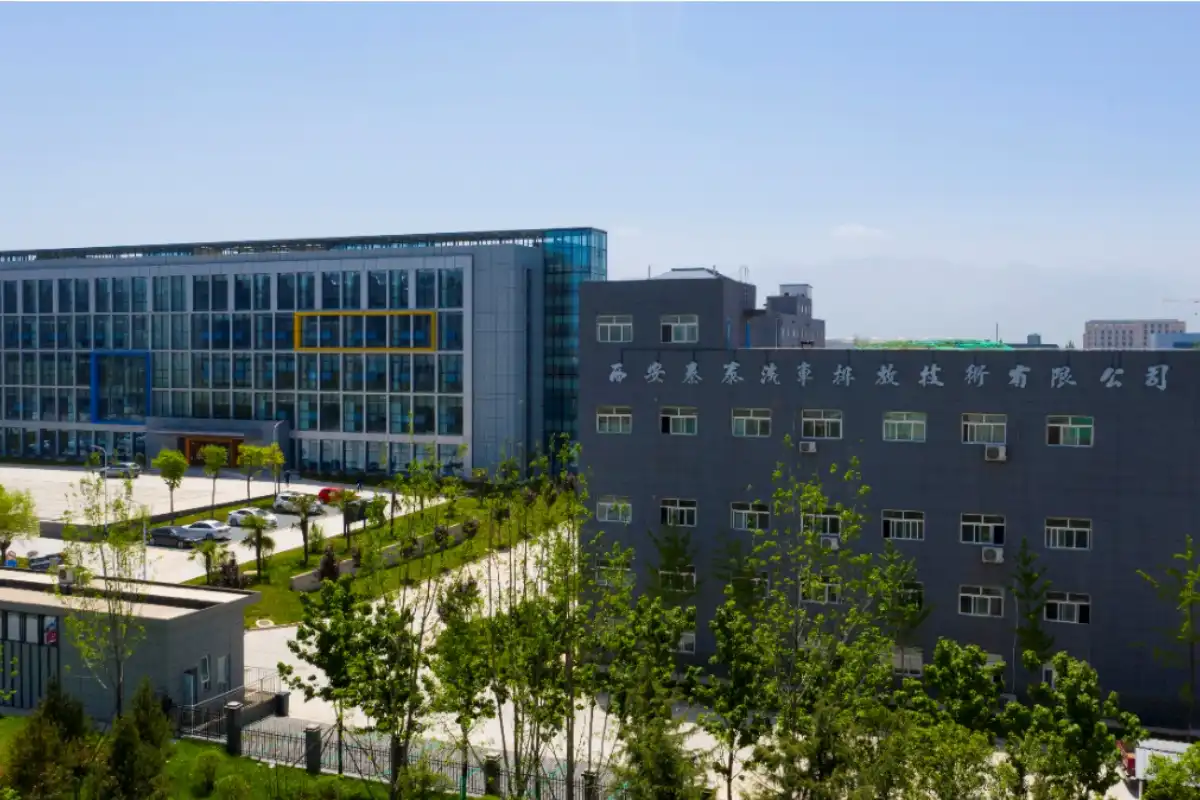
Types and Applications of Smart Pressure Monitoring Devices
Pressure tracking technology includes different types of sensors, each of which is best for a certain type of measurement and industrial setting.
Absolute Pressure Transmitters
Absolute pressure devices like a Smart Pressure Monitoring Device measure in relation to a perfect vacuum, which makes them perfect for applications that need to account for barometric pressure or elevation. Manufacturers of generator sets use these sensors to change the ratios of fuel to air at different elevations. This way, sites can keep putting out the same amount of power whether they are serving facilities at sea level or mine operations at high elevations. The sealed reference room keeps out air effects, so readings are stable, which is important for industrial-grade dependability.
Gauge and Differential Pressure Sensors
For example, gauge sensors can be used to check the boost pressure of a turbocharger, the pressure in the fuel rail, or the hydraulic systems in construction equipment. Differential sensors look at two pressure points at the same time. This is very important for keeping an eye on DPF filters because the pressure drop across the filter shows how much soot is in it. Differential measurements are used by SCR system integrators to make sure that the DEF injector is working correctly and that the catalyst substrate is healthy. This keeps emission compliance failures from happening, which can lead to expensive warranty claims.
Application-Specific Implementations
Multiple pressure monitors are built into the exhaust aftertreatment systems of heavy trucks. Upstream sensors check the backpressure of the exhaust before the Diesel Oxidation Catalyst (DOC), and downstream sensors check the conditions as the exhaust enters the SCR catalyst. DEF supply systems need to have dedicated pressure monitoring to make sure that dosing is always done correctly. Agricultural equipment has to deal with special problems, like changing seasons and dusty environments. This means that sensors need to be better at protecting themselves from these conditions and have a wide working range. Construction equipment can benefit from wireless options that make installation easier in retrofit situations where wires lines are not an option.
Companies that make environmental protection devices and industrial exhaust gas treatment systems use sensor groups to give full control over the whole process. Multiple measurement points allow for accurate flow characterisation, which helps solution engineers find the best catalyst amounts and reagent usage while still meeting emission goals. These different uses show how flexible pressure monitoring technology is for meeting different business needs. To choose the right sensor types, you need to know about both the technical details and the actual implementation issues that affect how well they work in the long run and how much they cost.
Comparing Smart Pressure Monitoring Devices and Market Options
Figuring out how to compete in the pressure sensor market means knowing the differences in what old technologies and new smart devices can do while looking at what different suppliers have to offer.
Smart Versus Traditional Sensor Technologies
Normal analogue sensors send out simple voltage or current signals that are related to pressure, but a Smart Pressure Monitoring Device offers advanced capabilities. These signals need to be processed by external modules, calibrated, and interpreted by hand. These functions are built into smart devices, which lowers the cost of the bill of materials and makes fixing easier.
Users can be warned about sensor faults, wiring problems, or conditions that are out of range by the self-diagnostic features before they affect production. Remote setup through digital methods gets rid of the need for physical access, which is helpful when sensors are mounted in dangerous or hard-to-reach places. Predictive maintenance algorithms look at signal patterns to find signs of wear and tear that should lead to replacement before they break down completely during important operations.
Smart monitors, on the other hand, cost more per unit and are more complicated. If their gadgets aren't properly protected, they are more likely to be affected by electromagnetic interference in places with a lot of electrical noise. Passive analogue sensors use more power than they should, which makes things difficult in battery-powered applications. When optimising cost structures, procurement managers have to weigh these trade-offs against the benefits to operations.
Evaluating Manufacturer Capabilities
Well-known international names like Honeywell, Siemens, and ABB have wide ranges of products backed by lots of detailed information and well-established support networks. Their products usually cost more, but they are reliable for OEMs who don't want to take risks and need to show that they meet international standards. These companies keep a lot of stock on hand so they can deliver quickly. This is important for service shops and parts sellers that serve the aftermarket, where the cost of downtime goes up quickly.
Specialised providers focus on small groups of people and offer flexible options at reasonable prices. Companies that are approved to IATF16949 standards show that they can handle quality in a way that works for car uses. In the oil and gas businesses, people with Ex licenses work in dangerous places. UL and CE markings on manufacturers make it easier for regulators to approve tools for sale in North America and Europe.
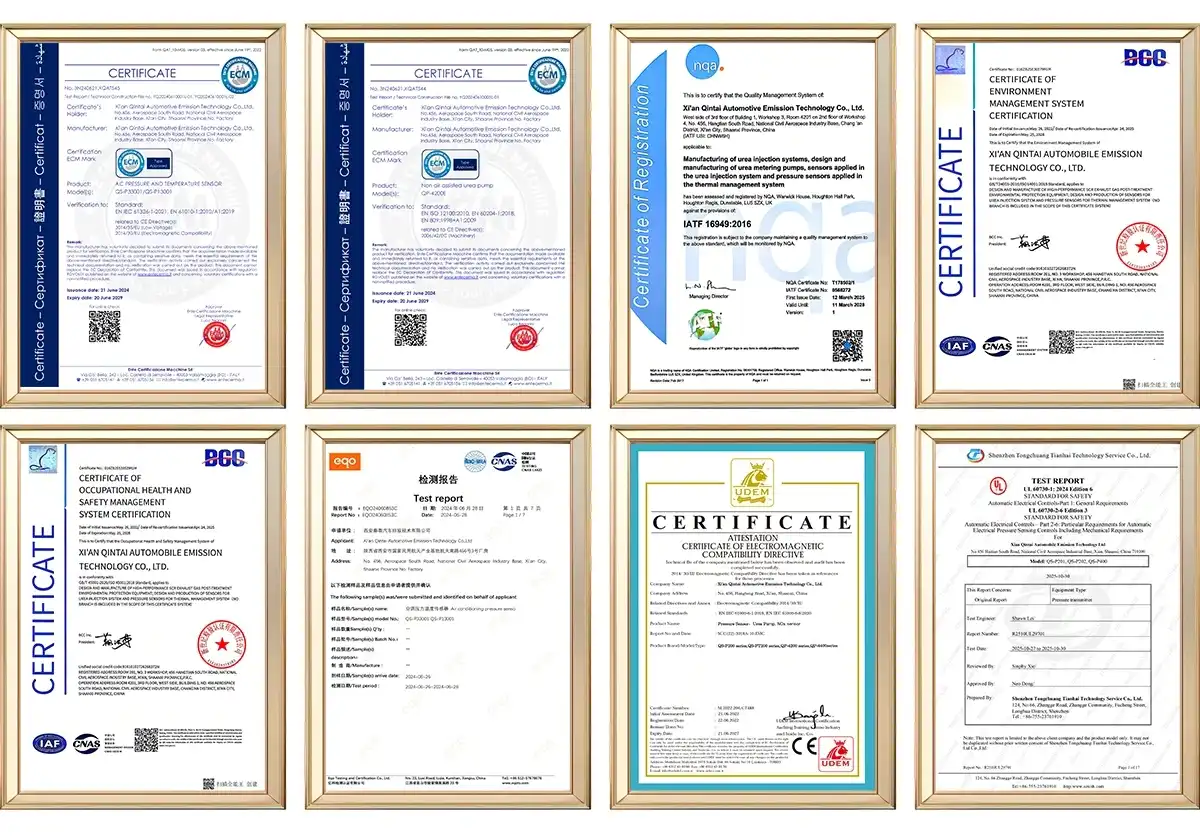
Qintai is a good example of this specialised method because it has over 20 years of experience with aftertreatment for diesel engines and is fully certified to meet ISO9001, IATF16949, CMC, Ex, UL, CE, REACH, and RoHS standards. The company has 58 invention patents and is the main original equipment maker (OEM) seller to China's top three power companies (Weichai, Yuchai, and Quanchai). It has a history of producing large amounts of products and being technically reliable. Because of this, Qintai is able to help with both large OEM programs and custom integration projects that need flexible engineering support.
Cost Considerations and Value Analysis
Prices vary a lot depending on the measurement range, accuracy class, output options, and certification needs. In bulk, basic gauge sensors start at about $50 to $100 per unit, while advanced transmitters with multiple protocols and explosion-proof housings cost $500 to $1,000 each. Tiered discounts are usually unlocked by making a volume promise. This is important for diesel engine makers who are adding sensors to their whole product lines. Customisation services raise the cost of engineering, but they don't let you skimp on interface specifications or mechanical packaging.
The manufacturer's trust is shown by the warranty covering. Standard products come with protection for 12 to 24 months, but luxury products come with protection for five years. The quality of after-sales support varies a lot. Well-known suppliers keep technical hotlines open, offer replacement units while problems are being fixed, and keep spare parts in stock in the area. Even though these services cost more, they lower the total cost of ownership. This is especially true for generator sets where quick action cuts down on costly downtime. Knowing these market dynamics helps you choose a supplier wisely. The final choice should take into account technical needs, budget limitations, and partnership issues that go beyond the initial deals.
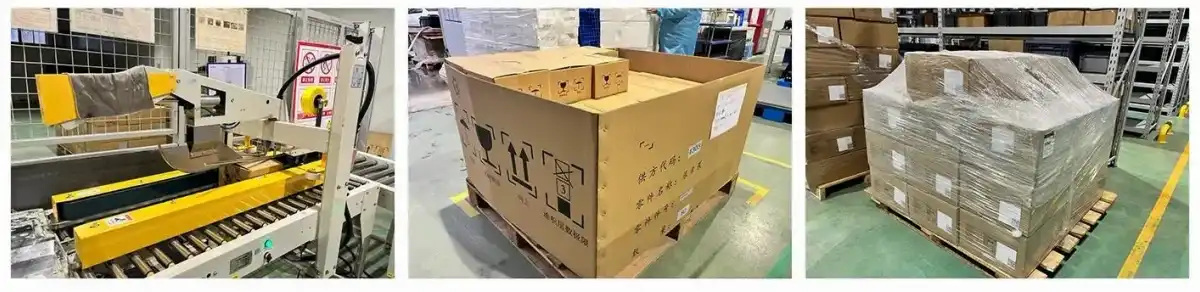
How to Choose the Best Smart Pressure Monitoring Device for Your Business?
A structured strategy that balances technical performance, economic terms, and source trustworthiness factors is needed for procurement to go well.
Define Your Application Requirements
Start by writing down the working factors for a Smart Pressure Monitoring Device. What ranges of pressure need to be measured? Diesel exhaust systems usually have a range of 0 to 500 kPa for DPF monitoring, while fuel systems have a range of 2000 kPa or more. Temperature affects how well a sensor element works with other elements. For example, silicon devices stop working above 150°C, so ceramic options are needed. Response time requirements are important for measurements that change quickly, like compressor transients, but not so much for measures that change slowly. Vibration levels, chemical exposure, and electromagnetic interference are some of the environmental dangers that affect how housings are made and how much security they get.
Compliance standards limit the choices that are allowed. Specific accuracy classes and diagnostic coverage must be met by emission-critical sensors in order to comply with Euro VI and China VI regulations. Generator sets that provide backup power must be approved by UL or FM before they can be installed in North American buildings. Knowing these limitations ahead of time keeps you from finding incompatibilities after the fact.
Evaluate Performance Specifications
Ask for detailed datasheets that show how accurate the product is in real-world working settings, not just in the lab. Make sure that the temperature compensation ranges work with the extremes of your application. Look at long-term stability data—reliable manufacturers give drift specifications over thousands of hours of use. If you need to record high values to measure pulsating pressures, compare the reaction times. Check the output signal choices to make sure they work with your control systems without the need for extra interface units that cost more and have more failure points.
The paperwork for certification should be carefully looked over. Check that the certificates cover the exact model of the product and not just the company's abilities. Check that the measuring standards are linked to national metrology institutes to make sure that the measurements are accurate. For emission applications, make sure the sensors meet the communication standards set by engine control modules, which are SAE J1939 or ISO 11898.
Assess Supplier Capabilities
Quality of technical support often has a bigger impact on the success of a project than just product specifications. Check to see if the providers offer application engineering help to help you choose the best sensors and put them correctly. Getting answers to technology questions quickly keeps development from being held up. With customisation options, devices can be made to fit specific packaging or interface needs that standard products can't meet.
Production plans are affected by how much can be made and how quickly it can be delivered. Suppliers who keep a lot of standard products in stock can ship them within days, but manufacturers who make products to order take weeks or months. Know exactly how long the wait time will be, especially when planning the start of a new product or the busiest time of the year for production. Quality standards like IATF16949 show that process controls keep defect rates low. This is very important for OEM programs that make a lot of products, since even a 0.1% failure rate can lead to thousands of guarantee claims.
Stable finances and a presence in the market are signs of a partnership that will last. Startups or providers that only work with one customer pose more of a risk to the supply chain than firms that have been around for decades and have a wide range of customers. Being close to factories cuts down on logistics costs and makes it easier to do quality checks or solve problems that need on-site collaboration.
Request Samples and Conduct Testing
Specification sheets are not a replacement for testing something in real life. Ask for sample units to be tested for validity in real-world working situations. Set up test procedures that measure accuracy across a range of temperatures, endurance for spinning, tolerance for vibrations, and electromagnetic protection that matches exposure in the real world. Compare products from different suppliers at the same time to find differences in performance that aren't clear from datasheets. This investment keeps design changes from being too expensive after production tools or field setups have been bought and set up.
Before a full-scale rollout, pilot programs give useful feedback. Put monitors in typical situations and collect data on their performance over long periods of time. Keep an eye on the failure modes, the stability of the calibration, and the maintenance needs. Ask techs what users think about how easy it is to install, how clear it is to fix, and how good the documentation is. These insights help you choose a final supplier with trust that comes from real-world proof, not just marketing claims. By following these organised steps, you can be sure that your pressure tracking option will work well and stay within your budget and time frame. The right partnership goes beyond business deals and includes working together to solve problems, which leads to continuous improvement.
Conclusion
To choose the right Smart Pressure Monitoring Devices, you need to find a balance between technical specs, the supplier's skills, and the total cost of ownership that meets your needs. OEMs of diesel engines need sensors that meet emission standards and have been tested and proven to work in large quantities. Aftertreatment integrators, on the other hand, value customisation options and quick technical support. Aftermarket suppliers focus on making products that are cheap and work with a lot of different systems. Generator manufacturers, on the other hand, focus on making products that last a long time and don't need much maintenance. To be successful at procurement, you need to be clear about the application conditions, carefully look at the performance data, and work with makers who can show they have the right knowledge, all the necessary certifications, and a commitment to long-term support. When used correctly in industrial settings, the accuracy of measurements, resistance to harsh environments, ability to integrate with other systems, and diagnostic intelligence built into modern devices make them very useful.
FAQ
Q1: How often should smart pressure sensors be calibrated?
A: How often you calibrate depends on how important the application is and how it is being used. Emission-critical sensors in diesel engines usually need to be checked once a year to stay in line with regulations. However, stable devices may be able to go 18–24 months between checks as long as performance tracking shows that the sensors are still accurate. In industrial process uses, 12 months is usually enough time, unless hard conditions speed up drift. Smart sensors that can diagnose themselves will let users know when readings don't match what should be expected. This lets condition-based tuning happen instead of set plans that waste time and money keeping sensors accurate.
Q2: What advantages do wireless pressure monitoring devices offer?
A: Wireless devices get rid of the need to install cables and figure out complicated routes. This is especially helpful for retrofitting or rotating equipment where slip rings cause maintenance problems. Battery-powered wireless sensors let you keep an eye on things while they're being set up or fixing problems without having to permanently put them. The adaptability makes it easy to move people around quickly when needs change. But wireless solutions have problems, like the need to replace batteries often, signal interference in places with a lot of electrical noise, and security holes that mean secure communication protocols are needed for private uses.
Q3: Can smart pressure sensors integrate with existing IoT platforms?
A: More and more modern sensors support standard IoT protocols, such as MQTT, OPC-UA, and RESTful APIs, which let them connect to the cloud. For sensors and platforms to be able to work together, their communication methods and data types must be compatible. A lot of companies make gateway devices that convert private sensor protocols into forms that can be used with the Internet of Things. For integration to work, the IT and engineering teams need to work together to deal with issues like network security, data management, and system design that go beyond the basic functions of the sensors.
Partner with Qintai for Advanced Smart Pressure Monitoring Solutions
With more than 20 years of experience in diesel engine aftertreatment systems and industrial sensing technology, Qintai is a reliable company that sells Smart Pressure Monitoring Devices. Our compliance with ISO9001, IATF16949, and multiple certifications shows that we meet the high quality standards needed for OEM relationships with China's top power makers. The independent research and development team has been working on making pressure sensors that meet China VI and Euro VI emission standards and are very stable and accurate. They have also been granted 58 invention patents. Qintai is the market leader and supplies Weichai, Yuchai, and Quanchai. It offers proven mass production capacity, flexible OEM/ODM services, and full technical support from the design phase through after-sales service. In over 60 countries, our products are used in a wide range of situations, such as heavy trucks, building equipment, farm machinery, power sets, and environmental protection systems.
Qintai provides reliable performance backed by full certification paperwork and quick engineering support, whether you need standard goods delivered quickly or customised solutions that solve specific integration problems. Contact our team at info@qt-sensor.com to talk about your unique pressure monitoring needs, get technical specs, or set up a review of a sample.
References
1. Anderson, M. (2021). Precision Pressure Measurement in Automotive Emission Systems. SAE International Journal of Engines, 14(3), 345-362.
2. Automotive Electronics Council. (2022). AEC-Q100 Stress Test Qualification for Integrated Circuits in Automotive Applications.
3. Diesel Technology Forum. (2023). Heavy-Duty Diesel Technology: Emission Control Systems and Components.
4. Omega Engineering. (2022). Pressure Sensor Technology Handbook.
5. Smith, J., & Johnson, R. (2022). Smart Sensor Integration in Industrial Automation Systems. IEEE Transactions on Industrial Electronics, 69(8), 8234-8245.
6. U.S. Environmental Protection Agency. (2023). Heavy-Duty Highway Compression-Ignition Engines and Urban Buses—Exhaust Emission Standards.
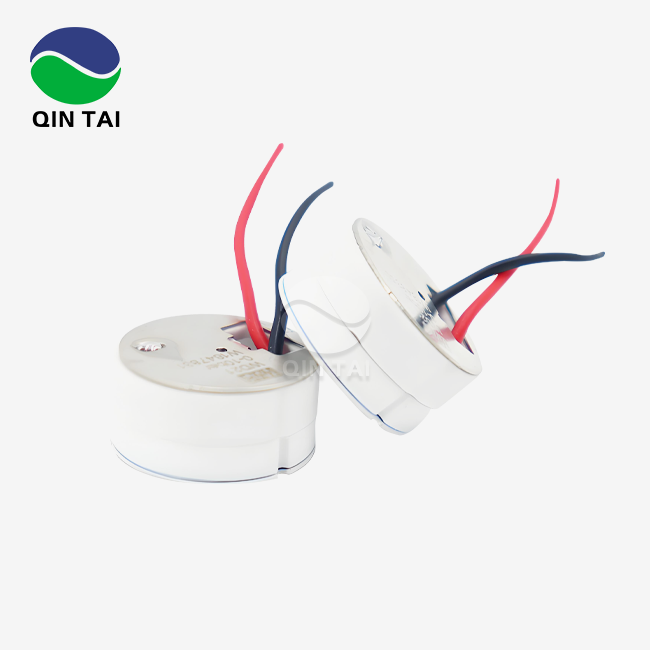
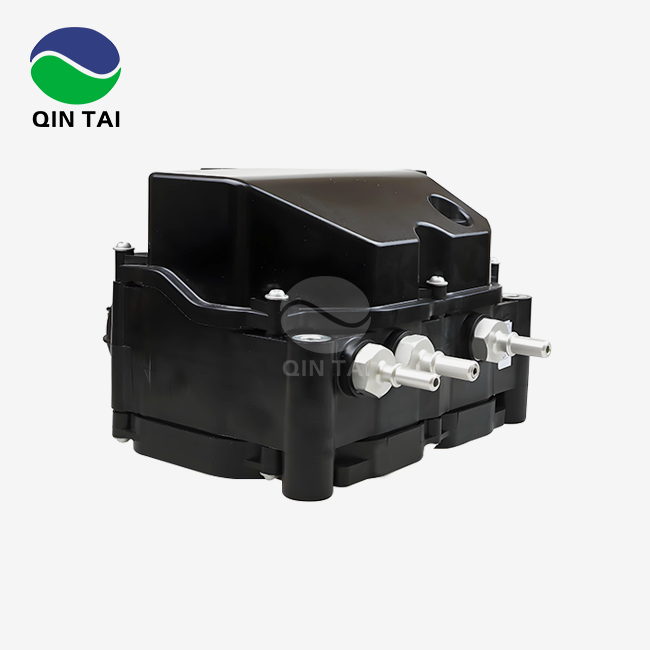
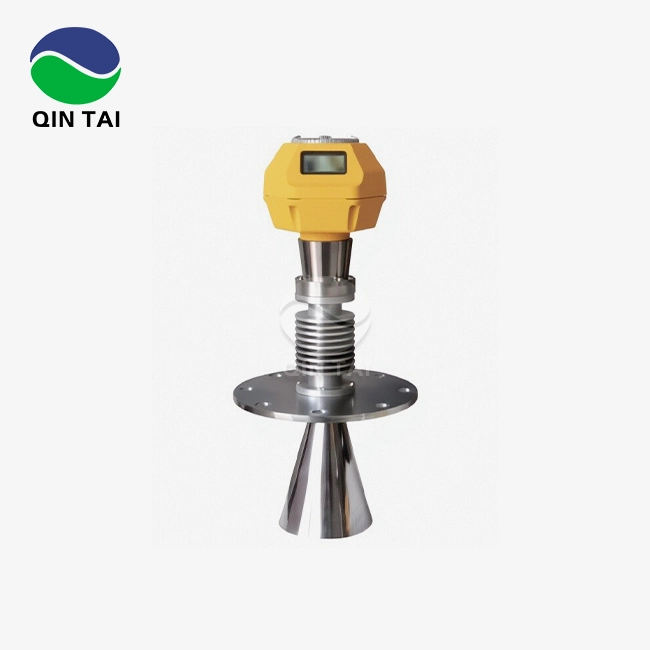
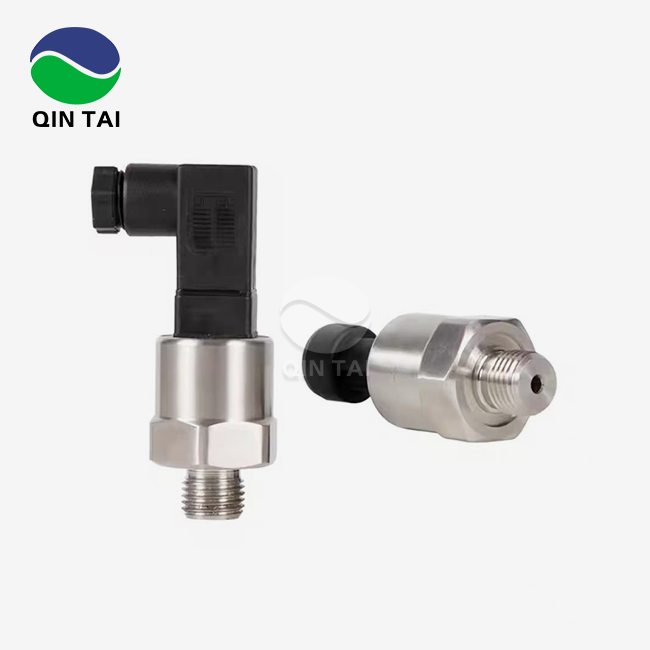

Our customers’ satisfaction speaks for our quality — contact us to experience the same reliable service.