- English
- French
- German
- Portuguese
- Spanish
- Russian
- Japanese
- Korean
- Arabic
- Greek
- German
- Turkish
- Italian
- Danish
- Romanian
- Indonesian
- Czech
- Afrikaans
- Swedish
- Polish
- Basque
- Catalan
- Esperanto
- Hindi
- Lao
- Albanian
- Amharic
- Armenian
- Azerbaijani
- Belarusian
- Bengali
- Bosnian
- Bulgarian
- Cebuano
- Chichewa
- Corsican
- Croatian
- Dutch
- Estonian
- Filipino
- Finnish
- Frisian
- Galician
- Georgian
- Gujarati
- Haitian
- Hausa
- Hawaiian
- Hebrew
- Hmong
- Hungarian
- Icelandic
- Igbo
- Javanese
- Kannada
- Kazakh
- Khmer
- Kurdish
- Kyrgyz
- Latin
- Latvian
- Lithuanian
- Luxembou..
- Macedonian
- Malagasy
- Malay
- Malayalam
- Maltese
- Maori
- Marathi
- Mongolian
- Burmese
- Nepali
- Norwegian
- Pashto
- Persian
- Punjabi
- Serbian
- Sesotho
- Sinhala
- Slovak
- Slovenian
- Somali
- Samoan
- Scots Gaelic
- Shona
- Sindhi
- Sundanese
- Swahili
- Tajik
- Tamil
- Telugu
- Thai
- Ukrainian
- Urdu
- Uzbek
- Vietnamese
- Welsh
- Xhosa
- Yiddish
- Yoruba
- Zulu
Where Are Water Pressure Sensors Commonly Installed in Systems?
Water pressure sensors are strategically installed at critical control points throughout fluid management systems to monitor real-time pressure variations and ensure operational integrity. Common installation locations include pump inlet and outlet ports for dry-run protection, pipeline junctions for leak detection, system manifolds for pressure regulation, and equipment interfaces such as boilers and compressors. In industrial water treatment, they safeguard reverse osmosis membranes by maintaining optimal pressure thresholds. Understanding these installation points enables purchasing managers and R&D engineers to optimize system design, prevent costly failures, and comply with stringent safety standards.


Introduction
It takes accuracy, dependability, and proactive control to manage fluid systems in industrial, commercial, and agricultural settings. Whether you're in charge of diesel engine aftertreatment systems, heavy truck cooling circuits, or agricultural irrigation networks, where you put pressure monitoring devices has a direct effect on how long the systems last and how safe they are to use. Water pressure sensors have become necessary parts that combine the dependability of mechanical parts with the intelligence of computers. They turn idle systems into networks that can respond and adjust themselves.
This guide talks about the main problems that purchasing managers and R&D engineers have to deal with every day: making sure that emission standards are met, making sure that mass production is consistent, and building long-term partnerships with suppliers. In this section, we'll talk about where these sensing devices are most useful, how to compare technical specs to real-world needs, and what buying strategies help keep costs down while still meeting quality standards. You'll learn useful lessons from industrial water supply networks, HVAC setups, and generator set uses that you can use right away to make smart sourcing choices that improve system performance and your bottom line.
Understanding Water Pressure Sensors and Their Role in Systems
How Pressure Sensing Technology Works
Several tried-and-true methods are used by modern water pressure sensors to turn mechanical force into measurable electrical data. Piezoresistive sensors use silicon diaphragms whose electrical resistance changes when they are compressed. This gives them great predictability and temperature stability. Capacitive designs measure changes in capacitance between two plates as changes in diaphragm deflection. This gives very good resolution for low-pressure uses. Piezoelectric sensors directly make electricity when pressure is applied. This makes them perfect for measuring changes in places with a lot of shaking, like diesel engine test benches.
Key Advantages Over Traditional Measurement Devices
Digital water pressure sensors allow ongoing monitoring with little to no human action, unlike analogue pressure gauges that need to be read by hand and don't have the ability to log data. When they are connected to programmable logic controllers (PLCs) and supervisory control systems (SCADA), they can automatically react to problems, which stops damage to equipment before it happens. Maintenance teams don't have to worry about getting tired of watching things by hand, and poor pump cycling wastes less energy.
The high level of accuracy in these devices fixes certain problems in diesel engine aftertreatment systems. For example, correct pressure readings determine how well the SCR catalyst works and how many times the DPF regenerates. When the difference in pressure across a diesel particulate filter goes above the design limits, the sensor starts active recycling routines. This keeps emissions in line with China VI and Euro VI standards. This level of accuracy can't be reached by checking the gauges by hand every so often.
Sensor Technologies and Industrial Requirements
When buying water pressure sensors, purchasing managers need to think about how well they work in different environments as well as the specifications for measuring. For example, devices used in marine diesel applications need to be IP67-rated to keep out saltwater, and water pressure sensors that check the hydraulic fluids in construction equipment need to be chemically resistant to compounds that come from petroleum. Housings made of stainless steel (usually 304 or 316L types) don't rust, and ceramic sensor elements can handle rough particles in slurry systems.
Common Systems and Applications Where Water Pressure Sensors Are Installed
Industrial Water Supply and Distribution Networks
Large city water systems put water pressure sensors at pumping stations to keep the pressure the same in areas that are distributed at different elevations. These installations stop water hammer from happening when valves close quickly and make sure that firefighting systems have enough pressure. In factories, water pressure sensors keep an eye on the water systems that bring process water to cooling towers, boiler feedwater systems, and stations for washing parts. Automated controls turn on backup pumps or send repair alerts when pressure goes below operational levels. This keeps the production line from shutting down.
Diesel Engine Cooling and Aftertreatment Systems
In the powertrains of big trucks and building equipment, water pressure sensors check the coolant flowing pressure to find broken pumps or clogs before the engine gets too hot. Selective catalytic reduction (SCR) aftertreatment systems depend on accurate urea dosing, which is determined by measuring exhaust backpressure. Differential pressure is calculated by water pressure sensors placed upstream and downstream of diesel particulate filters. This information is used to figure out when to regenerate the filters and how well they are working. This application has a direct effect on engine longevity and pollution compliance.
HVAC and Climate Control Systems
Water pressure sensors are used in chilled water loops, hot water heating circuits and refrigerant lines in commercial building control systems. In variable air volume (VAV) systems, water pressure sensors change the speed of the fans based on the static pressure in the ducts. This saves energy while keeping people comfortable. These devices are used in data centers with generator sets to check the stability of the cooling systems and make sure they keep working even when the main power goes out. The water pressure sensors can safely work in temperatures ranging from -40°C to 125°C, which means they can be used outside in mining activities and power plants that are far away.
Agricultural Irrigation and Water Management
For precision agriculture to work, water must be spread evenly across large field systems. Placed at regular intervals along the lateral lines, water pressure sensors find clogs or leaks right away, allowing for quick action that protects crops from stress and wastes water. These parts are used in center pivot irrigation systems to keep the pressure steady even when the ground level and water table depth change. Their tough design means they can handle being exposed to fertilisers, pesticides, and UV rays in outdoor settings, where electronics usually break down quickly.
Water Treatment and Purification Plants
High-pressure pumps are needed in reverse osmosis plants, but they can damage expensive membranes if they are used outside of their intended limits. At the places where the pump discharges, water pressure sensors make sure that the feed pressure is just right and keep the pressure from getting too high, which can cause the membrane to delaminate. Municipal treatment plants keep an eye on the backwash pressure of filters to make the most of cleaning processes. This extends the life of the filters and lowers the amount of chemicals that are used. For these uses, water pressure sensors need to have very little hysteresis (usually less than 2% of full scale) so that they don't cycle too quickly, which speeds up mechanical wear.
Installation Guidelines and Best Practices for Water Pressure Sensors
Evaluating Environmental Conditions and Accuracy Requirements
Before choosing water pressure sensor types, engineers have to do full assessments of the surroundings. When outdoor generator sets change temperatures, they need devices that are accurate across their whole operating range. Diesel engines that move back and forth cause vibrations that need water pressure sensors with stronger mounts and internal damping systems. Chemical compatibility is very important when keeping an eye on corrosive fluids like coolants that contain ethylene glycol or exhaust condensate that is acidic.
Instead of always using the highest level of accuracy, accuracy specifications should be based on what the application needs. A hydraulic test bench that checks for sudden changes in pressure needs response times of less than 1 millisecond. On the other hand, a city water tower that checks for static pressure can do its job with a reaction time of 100 milliseconds. When negotiating a purchase, being too specific adds costs that aren't necessary.
Systematic Installation Process
The first step in proper mounting is to choose places that show the real system pressure, without any noise from elbows, valves, or pumps close. To get accurate measurements, water pressure sensors should be placed at least ten pipe diameters downstream of flow changes and five diameters upstream. The direction of mounting is important. Installing horizontally keeps sediment from building up in the sensing ports, while installing vertically with the process lines looking downward makes it easier to get rid of air bubbles during starting.
Mechanical installation needs just as much care as electrical connections. Variable frequency drives and ignition systems that are common in diesel engine environments can cause electromagnetic interference. Shielded cables stop this. When you properly ground your system, you get rid of ground loops that cause signal noise. This is especially important in systems where multiple water pressure sensor installations share the same instrumentation circuits.
Calibration and Maintenance Protocols
Initial testing against approved reference standards sets the average accuracy, but environmental drift needs to be checked on a regular basis. Mobile building tools and other high-vibration uses should have their calibration checked every three months. Stationary generator sets in controlled environments, on the other hand, may only need to be checked once a year. By keeping track of the past of calibration, predictive maintenance plans can be used to replace water pressure sensors before their accuracy drops and causes problems with the process.
Common types of failure should be covered in troubleshooting steps in a planned way. Gradual signal drift usually means that the diaphragm is wearing out or that an electronic part is getting old. On the other hand, sudden readings at zero or full scale mean that an electrical connection has failed. Readings that come and go are usually caused by moisture getting into the cable ends, not a broken water pressure sensor element. Keeping a supply of extra water pressure sensors on hand cuts down on downtime during testing processes. This is especially important for mission-critical applications where system shutdowns cause big losses in production.

Comparative Analysis: Water Pressure Sensors vs Related Devices
Pressure Sensors Versus Mechanical Gauges
Traditional Bourdon tube gauges give visual feedback without needing power, which makes them good for backup tracking in places where installing electrical infrastructure would be hard. However, they can't provide electrical outputs for automated control systems, which limits how well they work in modern installations. Water pressure sensors send data all the time, which can be used to look for trends, make repair plans, and connect to building management systems. When you compare how much it costs to own water pressure sensors versus reading gauges by hand, the total cost of ownership is better for water pressure sensors because they save time on labour.
Analog Versus Digital Output Configurations
Industry standards for analogue water pressure sensors with 4–20 mA current outputs stay the same because they don't pick up noise over long cable runs and work with old control systems. Digital water pressure sensors that talk to each other using Modbus, CANbus, or IO-Link protocols can do more, like self-diagnosis, flexible setup, and contact in both directions. Diesel engine OEMs are choosing digital water pressure sensors more and more because they can send diagnostic fault codes directly to vehicle telematics systems, which cuts down on the time needed to fix problems in the field.
Whether to buy analogue or digital configurations depends on the infrastructure of the control system and plans for future growth. When adding on to an existing system, analogue compatibility is best, but digital intelligence makes system commissioning easier and wiring less complicated in new designs.
Wired Versus Wireless Sensor Networks
Installing wired water pressure sensors costs more than using wireless ones, especially when the water pressure sensors are added after the fact or when they are only being used temporarily while the system is being set up. Designs that are driven by batteries work well for remote farming sites that don't have access to electricity. But wireless networks come with issues like when to change the batteries, radio frequency interference, and security holes that wired setups don't have. Even though they cost more to install, industrial diesel engine test rooms that have a lot of electromagnetic pollution usually choose wired water pressure sensors.
Selecting and Procuring Water Pressure Sensors for Your System
Critical Technical Specifications for Industrial Applications
Specifications for accuracy must take into account all mistakes, such as those caused by linearity, hysteresis, and temperature changes over the whole working range. A water pressure sensor that is said to be accurate within ±0.5% in the lab might have a total mistake of ±2% when it is exposed to temperature changes between -20°C and 80°C, which is normal for outdoor generator setups. Instead of accepting vague "room temperature" ratings, ask for accuracy specifications at the temperature range where your equipment will actually be used.
When choosing a pressure range, it's important to think about both normal working conditions and short-term spikes. Diesel fuel injection systems create pressure pulses that are 300% higher than steady-state readings. This means that water pressure sensors need to be rated for much higher than nominal pressures. By choosing water pressure sensors with overpressure protection set at twice the maximum predicted transient, you can keep the accuracy of the measurements over the useful measurement range without having to replace the water pressure sensors too soon.
Durability and Environmental Protection
When coolants, hydraulic fluids, and polluted water sources are used in aftertreatment systems, they don't rust on stainless steel parts that get wet. Certifications like CE, RoHS, and UL give you peace of mind about electromagnetic compatibility and the safety of the material. When used on construction tools in a dusty quarry, water pressure sensors with sealed cable entries and IP67 protection grades keep dust from getting in during high-pressure washdowns.
Supplier Evaluation and Quality Assurance
To build long-term relationships with water pressure sensor makers, you need to look at more than just the original buying price. Mass production skills are important when going from testing a prototype to making a lot of them for a lot of different car systems. Suppliers with ISO 9001 and IATF 16949 licenses show that their quality management systems meet the standards of the car industry for defect rates that are usually given in parts per million.
When problems with integrating water pressure sensors come up during the development of a new product, how quickly technical support can respond is very important. When suppliers offer customisable interfaces and features, they can be optimised for specific uses without having to pay a lot of money for redesigns. Total cost of ownership is more affected by after-sales support, such as insurance coverage, availability of replacement parts, and field service help, than by the price of the initial purchase.
Procurement Strategies for Cost-Effective Sourcing
When you buy in bulk from qualified suppliers, the cost per unit goes down, and the quality stays the same across production runs. Standardising water pressure sensor models across multiple platforms makes it easier to keep track of supplies and lessens the need for repair staff to go through training. But too much standardisation could lead to bad technology compromises, so weigh the cost benefits against the efficiency needs of each application.
Through OEM relationships, engineers can work together to make sure that the water pressure sensor specs meet your exact needs instead of just adopting general products. Custom solutions could include changed pressure ports, special electrical connectors, or changes to the firmware that allow direct integration with control systems that aren't made by the company. These relationships are especially helpful for companies that make diesel engines because they have to deal with unique emission control problems that need new ways to place water pressure sensors and measure them.

Conclusion
Strategically placing water pressure sensors in fluid systems changes reactive maintenance methods into proactive management methods that stop breakdowns, make the best use of energy, and extend the life of equipment. These devices give measurable returns through less downtime and better compliance with regulations. They protect diesel engine aftertreatment catalysts and make sure that irrigation is done evenly in farms. When purchasing managers are trying to find a balance between quality standards and keeping costs low, they should give more weight to sellers who can show they have technical knowledge, certifications, and a commitment to a long-term relationship.
By looking at water pressure sensors' total cost of ownership instead of their initial purchase price, you can see how valuable industrial-grade devices are that are made to work in harsh conditions. As digital sensing technology and automatic control systems become more and more integrated, it becomes more and more important to choose a source based on accurate information in order to stay ahead of the competition.
FAQ
How Often Should Water Pressure Sensors Be Calibrated?
How often you need to calibrate water pressure sensors depends on the severity of the application and the rules that apply. Diesel engine test benches that collect data on emissions compliance usually need to be calibrated every three months against standards that can be traced back to NIST. Municipal water systems may set schedules for checking the water every year. Mobile high-vibration equipment should be checked every six months, while fixed generator sets in controlled settings are usually checked every 18 months. Record all calibration tasks to find drift patterns that are unique to each piece of equipment and allow condition-based scheduling of calibration tasks.
Can Pressure Sensors Withstand Corrosive or Chemically Aggressive Environments?
Most industrial fluids, like diesel fuel, coolants, and hydraulic oils, can't get through water pressure sensors with 316L stainless steel wetted parts and ceramic sensing elements. Manufacturers give you chemical compatibility charts that show how resistant certain combinations are. For agricultural uses that involve pesticides or fertilisers, water pressure sensors that can handle ammonia and phosphate must be used. If you want to keep an eye on the exhaust vapour in SCR systems, choose water pressure sensors that can handle acidic solutions with pH levels below 4.0.
What Distinguishes Piezoresistive from Capacitive Sensing Technologies?
Piezoresistive water pressure sensors can work in a wider range of temperatures and can handle shocks better, which makes them good for diesel engine environments that shake and change temperatures. Capacitive designs give better accuracy for measuring low pressures below 1 Bar, making them perfect for checking the difference pressure in HVAC systems. Piezoelectric water pressure sensors are great at measuring changing pressures, like in combustion chamber analysis, but they can't measure pressures that don't change. Instead of defaulting to one method, choose technologies that are in line with your measurement goals and the conditions of the environment.
Partner with Qintai for Reliable Water Pressure Sensor Solutions
For businesses to meet emission standards and stay cost-effective, they need to buy water pressure sensors from suppliers who know how to make diesel engine aftertreatment systems work. Qintai is a national high-tech company that has been around since 2001. Its main focus is on developing water pressure sensors and has been certified by ISO 9001, IATF 16949, and UL, among others. Being the top OEM provider to Weichai Power, Yuchai Power, and Quanchai Power in China shows that we can consistently make a lot of products and keep the quality high.
We provide full OEM and ODM services that allow customisation from the first design phase through mass production, making sure that the water pressure sensor specs exactly match the needs of your system. Our separate research and development team gives aftertreatment system installers and diesel engine makers the technical support and flexibility they need to launch successful products. Get in touch with our engineering team at info@qt-sensor.com to talk about your water pressure sensor needs and find out how our production skills can help you meet your procurement goals with low prices and on-time deliveries.
References
1. Smith, J.R. and Chen, L. (2022). Industrial Pressure Measurement: Technologies and Applications in Fluid Systems. McGraw-Hill Professional Engineering.
2. Anderson, M.T. (2021). "Sensor Placement Optimization in Hydraulic Networks for Leak Detection and Pressure Regulation." Journal of Fluid Control Systems, 48(3), pp. 127-145.
3. European Committee for Standardization (2023). EN 837-1:2023 Pressure Gauges – Part 1: Bourdon Tube Pressure Gauges – Dimensions, Metrology, Requirements and Testing. CEN Publishing.
4. Zhang, W. and Patel, R. (2022). "Comparative Analysis of Pressure Sensing Technologies in Diesel Engine Aftertreatment Systems." International Journal of Automotive Engineering, 15(2), pp. 89-104.
5. Industrial Automation Association (2023). Best Practices for Pressure Sensor Installation in Industrial Water Systems. Technical Report IAA-2023-07.
6. Thompson, K.L. (2021). Precision Agriculture: Water Management Technologies and Sensor Integration. Academic Press Agricultural Sciences Series.
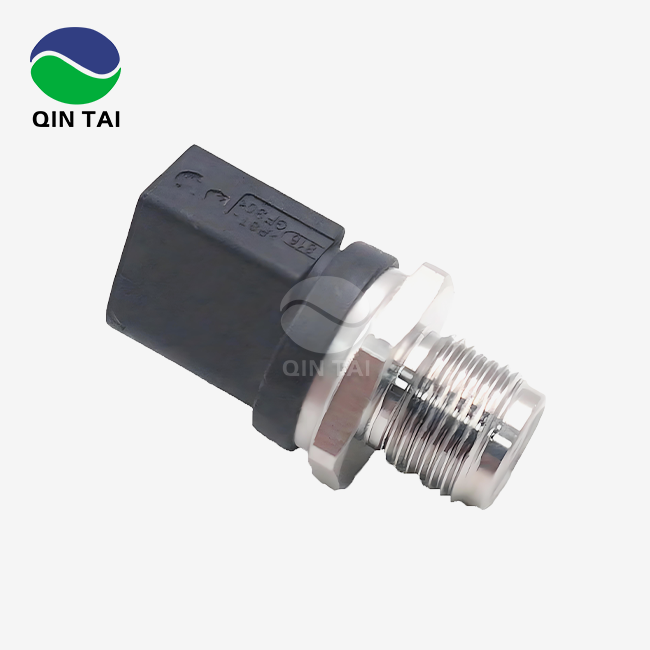
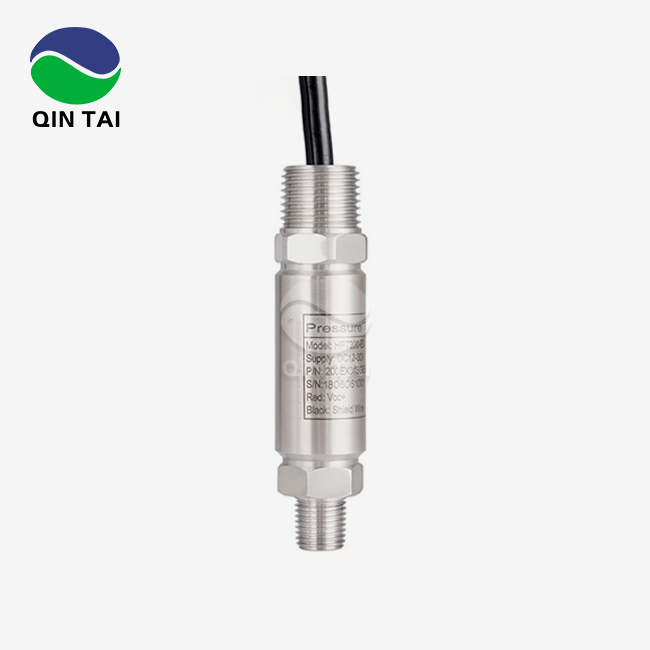

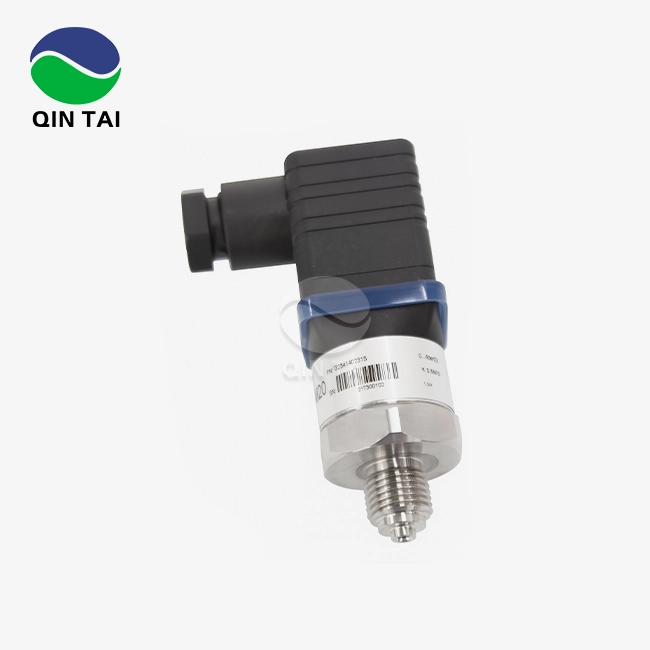

Our customers’ satisfaction speaks for our quality — contact us to experience the same reliable service.