- English
- French
- German
- Portuguese
- Spanish
- Russian
- Japanese
- Korean
- Arabic
- Greek
- German
- Turkish
- Italian
- Danish
- Romanian
- Indonesian
- Czech
- Afrikaans
- Swedish
- Polish
- Basque
- Catalan
- Esperanto
- Hindi
- Lao
- Albanian
- Amharic
- Armenian
- Azerbaijani
- Belarusian
- Bengali
- Bosnian
- Bulgarian
- Cebuano
- Chichewa
- Corsican
- Croatian
- Dutch
- Estonian
- Filipino
- Finnish
- Frisian
- Galician
- Georgian
- Gujarati
- Haitian
- Hausa
- Hawaiian
- Hebrew
- Hmong
- Hungarian
- Icelandic
- Igbo
- Javanese
- Kannada
- Kazakh
- Khmer
- Kurdish
- Kyrgyz
- Latin
- Latvian
- Lithuanian
- Luxembou..
- Macedonian
- Malagasy
- Malay
- Malayalam
- Maltese
- Maori
- Marathi
- Mongolian
- Burmese
- Nepali
- Norwegian
- Pashto
- Persian
- Punjabi
- Serbian
- Sesotho
- Sinhala
- Slovak
- Slovenian
- Somali
- Samoan
- Scots Gaelic
- Shona
- Sindhi
- Sundanese
- Swahili
- Tajik
- Tamil
- Telugu
- Thai
- Ukrainian
- Urdu
- Uzbek
- Vietnamese
- Welsh
- Xhosa
- Yiddish
- Yoruba
- Zulu
Where to Buy an SCR Dosing System: A Complete B2B Procurement Guide
If you're sourcing an SCR dosing system for diesel engines in heavy trucks, construction machinery, generator sets, or industrial exhaust treatment, this guide is built for you. A urea dosing system — also called a DEF dosing module — precisely injects AdBlue into the exhaust stream to convert harmful nitrogen oxides into nitrogen and water. Getting procurement right means understanding supplier qualifications, technical parameters, certification standards, and total cost of ownership. This guide walks through every stage of that process.

Understanding SCR Dosing Systems and Their Procurement Needs
What an SCR Dosing System Actually Does
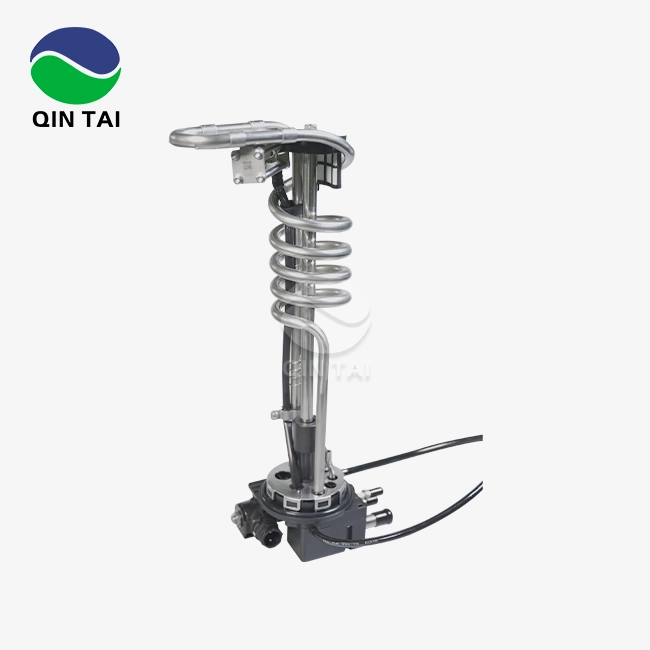
A selective catalytic reduction system works by adding a known amount of Diesel Exhaust Fluid (DEF/AdBlue) before a catalyst. NOx pollutants are broken down by the chemical process to meet Euro VI and EPA Tier 4 Final codes. Any part of the dosing module, like the pump, control unit, injector, and pressure monitor, needs to work exactly the same way over thousands of production runs for OEMs and system developers.
Key Components That Determine System Quality
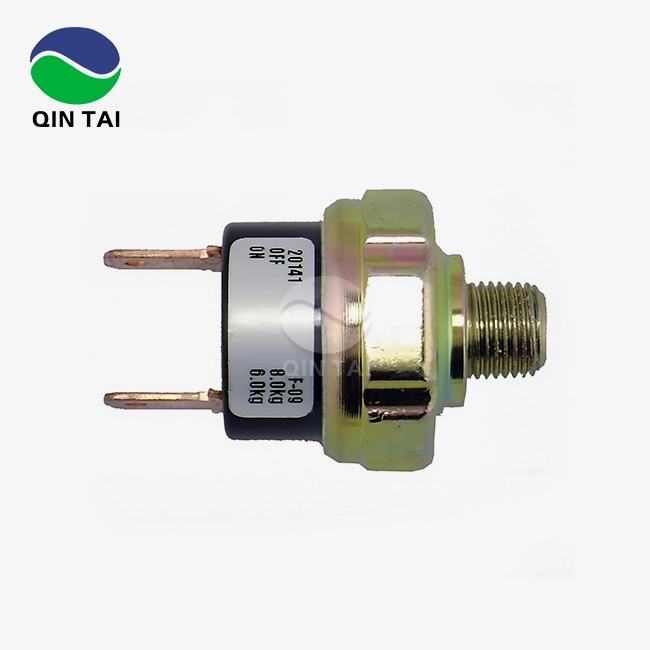
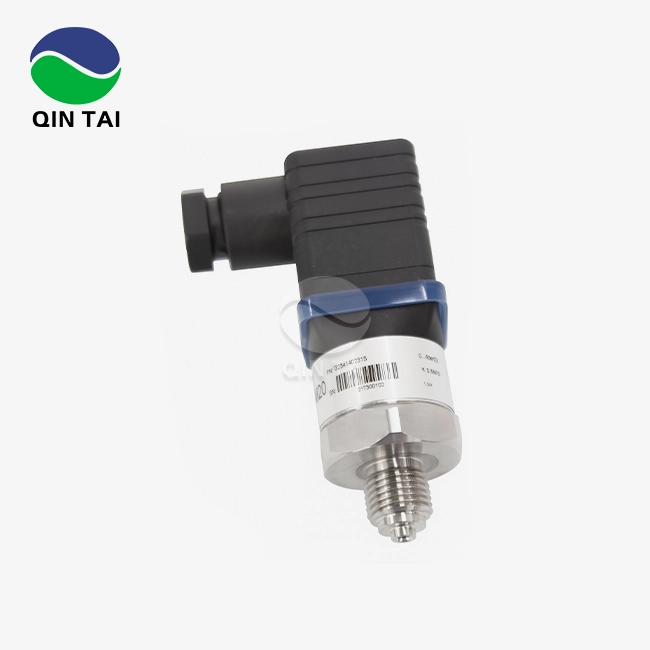
One of the most technically important parts of the system is the urea dosing pressure sensor. It tells the dose Control Unit (DCU) about the hydraulic pressure in real time, which allows closed-loop dose accuracy. It can also find blockages, leaks, frozen AdBlue expansion, and problems with the injectors. A well-designed pressure sensor can stop problem codes, like the P204B circuit range/performance code, which usually happens because of signal drift or connection contamination.
Why Procurement Professionals Need Technical Clarity
Purchasing managers who treat the SCR aftertreatment module like any other product run the risk of major compliance problems. If you don't dose correctly, NOx won't be controlled, and the limp mode might start up. Before choosing a provider, R&D engineers should make sure that the sensor output signal works with the ECU calibration (0.5V–4.5V or SENT protocol).
Criteria for Choosing the Right SCR Dosing System for Your Business
Match the System to Your Application
The context of the application directly affects the selection criteria you use. Long-haul trucks need sensors that can handle more than a million kilometers of temperature changes and road vibrations. Parts for construction and mining tools need to have been tested in places with a lot of dust and noise. Generator sets for mines or power plants need to be very durable and work reliably for a long time. They can last up to 15,000 to 20,000 hours of constant use.
OEM vs. Aftermarket: What the Data Shows
OEM-grade parts for the SCR dosing system are made with tighter tolerances and have been tested on certain engine platforms. Aftermarket parts can lower the initial cost, but they are more likely to break if the source is not carefully checked. For repair shops and parts sellers, being flexible is important. A pressure sensor that works with both M10×1 and M12×1.5 thread standards keeps inventory simple and lowers the number of SKUs that need to be ordered.
Supplier Certification Is Non-Negotiable
Before you sign a supply agreement, make sure you get proof of ISO 9001, IATF 16949, and any other emission-related certifications that are needed. Diesel OEM supply lines usually don't work with suppliers who don't have IATF 16949 approval. Marks like CE, RoHS, and REACH are important for exporting to European markets and most projects that make environmental safety tools need them.
Where to Buy SCR Dosing Systems: Supplier and Distributor Landscape
Established Global Manufacturers
In the aftertreatment space for industrial vehicles, Bosch, Delphi, and Continental are often used as examples. They have strong OEM relationships and a wide range of products. But procurement managers who work with supply chains in the Asia-Pacific region or who want to find cheaper options that come with full approval should also look at Chinese OEM providers. With key partners like Weichai Power, Yuchai Power, and Quanchai Power, Xi'an Qintai Automotive Emission Technology Co., Ltd. has had the largest share of the urea dose pressure sensor market in China since 2001.
How to Evaluate Distributors and Wholesale Channels
When buying from distributors, make sure they have original parts with lot numbers that can be tracked, offer warranty pass-through from the maker, and can confirm wait times in writing. Before making large orders through B2B e-commerce platforms, ask for product datasheets and test reports from a third party. In this category, price alone is not a good indicator of quality.
B2B Platforms and Direct Manufacturer Sourcing
Sourcing components for the SCR dosing system directly from the manufacturer lowers the risk of going through a middleman and often allows OEM/ODM customization. If procurement managers need to change interface parameters or make custom housings for sensors, they can work directly with a manufacturer like Qintai, which has 58 filed invention patents and can work with them on technical issues in a way that distributor channels can't. You can look at product details at qt-sensor.com.

Installation, Calibration, and Maintenance Insights for Procurement Managers
What to Expect During Installation
For a professional to install a DEF dosing module, the sensor fittings must be torqued correctly, the fluid line must be checked for integrity, and the dosing pump must be primed correctly. When mistakes happen at this time, they often lead to changes in the pressure that set off trouble codes within the first few hours of operation. Contracts for buying things should say if they include expert instructions or help with installation.
Calibration Affects Emission Compliance Directly
The dosing control unit needs to be calibrated to the engine's exhaust profile after it has been installed. Miscalibration can lead to either too much or too little dosing, which both lead to compliance fails. As part of the technical package, procurement managers should make sure that providers include calibration instructions or help with setting up the DCU.
Maintenance Contracts and Parts Availability
These upkeep factors are the most important to the total cost of ownership:
- Scheduled sensor inspection intervals: Pressure sensor performance degrades over time due to diaphragm fatigue or connector corrosion. Intervals should follow the manufacturer's service life rating.
- Replacement part lead times: For critical fleet operations, stockpiling key wear components reduces downtime risk during supply disruptions.
- Supplier diagnostic support: Access to fault code libraries and technical hotlines significantly reduces repair cycle times.
These things have a direct effect on operational uptime and should be used to judge suppliers before the contract is signed.
Pricing, Warranty, and Procurement Best Practices for SCR Dosing Systems
Understanding the True Cost Structure
The price of a dosing module for the SCR dosing system per unit is not the only thing that matters. The real cost of ownership includes things like installation work, calibration services, spare parts supply, and ongoing service fees. When purchasing managers only look at the unit price, they often end up paying more in the long run because of things breaking down early or insurance issues.
Warranty Terms Worth Negotiating
OEM-grade urea dosing parts usually come with a guarantee that lasts between 12 and 24 months or a certain number of working hours. For heavy-duty uses like mine-site generator sets or commercial vehicles that are always on, try to get a longer warranty that is based on operating hours instead of calendar time. Make sure that guarantee claims don't require sending broken parts across foreign borders, which can add weeks to the time it takes to solve the problem.
Supply Chain Risk and Lead Time Management
Real lead time uncertainty comes from global sourcing. To deal with that risk, here are some practical steps:
- Dual-source critical components: Qualify at least two suppliers for pressure sensors and dosing pumps to prevent single-source dependency.
- Negotiate consignment stock for volume programs: High-volume OEM buyers can often arrange supplier-managed inventory to maintain production continuity.
- Align lead times with production schedules: Confirm supplier manufacturing capacity for mass production before entering a long-term agreement.
By following these steps, you can make a buying program that keeps production stable even when demand changes and supplies are interrupted.

Conclusion
It takes more than checking unit prices to find an effective SCR dosing system. Every buying choice has an impact on compliance, uptime, and cost, from making sure suppliers have the right certifications and knowing the specs of pressure sensors to negotiating warranty terms and handling supply chain wait times.
If procurement managers and R&D engineers take this process very seriously, they will avoid the problems with compliance and lost work that come from sellers who aren't qualified. This guide will help you make a short list of suppliers, ask the right technical questions, and build long-term supply partnerships that will help your emission compliance program.
FAQ
How long does installation of a urea dosing module typically take?
The process takes two to four hours for a trained technician to finish on a standard commercial vehicle with a pre-wired harness. Depending on how complicated the system is, integrating an industrial generator set can take longer.
Can one pressure sensor work across different SCR system brands?
A lot of the time, thread sizes like M10×1 or M12×1.5 are common. But the type of output signal—analog (0.5V–4.5V) or SENT digital protocol—must match the target ECU. Always check with the system integrator to make sure the signals will work before placing an order.
What is the difference between OEM and aftermarket dosing components?
OEM parts are made according to the engine platform's approved specs. The quality of aftermarket parts varies a lot.
How does a urea pressure sensor handle AdBlue freezing?
A well-made sensor has a flexible holding structure inside that can handle the 9% volume increase that happens when AdBlue freezes at -11°C, keeping the diaphragm from getting damaged.
What certifications should I require from a supplier?
At the very least, ISO 9001, IATF 16949, and any regional emission approvals that are needed. For exports to the EU, products must meet CE, RoHS, and REACH standards.
Partner With Qintai — A Trusted SCR Dosing System Manufacturer
Since 2001, Qintai has sold parts for SCR dosing systems to major diesel OEMs in more than 60 countries. Qintai is China's top OEM provider in this field. It has ISO 9001, IATF 16949, CE, RoHS, and REACH standards, and it offers OEM/ODM services and can customize products for different uses. If you want to get technical specs and a price quote, email the team at info@qt-sensor.com or go to qt-sensor.com.
References
1. Khair, M. K., & Majewski, W. A. Diesel Emissions and Their Control. SAE International, 2006.
2. Johnson, T. V. "Diesel Emissions in Review." SAE International Journal of Engines, 2010.
3. European Commission. Regulation (EC) No 595/2009 on Type-Approval of Motor Vehicles with Respect to Emissions from Heavy Duty Vehicles (Euro VI). Official Journal of the European Union, 2009.
4. U.S. Environmental Protection Agency. Regulatory Impact Analysis: Control of Air Pollution from New Motor Vehicles — Heavy-Duty Engine and Vehicle Standards. EPA, 2000.
5. Tronconi, E., Nova, I., & Buzzi-Ferraris, G. "SCR Technology for NOx Abatement: From Lab to Market." Chemical Engineering Science, 2012.
6. DieselNet Technology Guide. "Urea SCR Systems for Mobile Applications." Ecopoint Inc., 2018.


Our customers’ satisfaction speaks for our quality — contact us to experience the same reliable service.