- English
- French
- German
- Portuguese
- Spanish
- Russian
- Japanese
- Korean
- Arabic
- Greek
- German
- Turkish
- Italian
- Danish
- Romanian
- Indonesian
- Czech
- Afrikaans
- Swedish
- Polish
- Basque
- Catalan
- Esperanto
- Hindi
- Lao
- Albanian
- Amharic
- Armenian
- Azerbaijani
- Belarusian
- Bengali
- Bosnian
- Bulgarian
- Cebuano
- Chichewa
- Corsican
- Croatian
- Dutch
- Estonian
- Filipino
- Finnish
- Frisian
- Galician
- Georgian
- Gujarati
- Haitian
- Hausa
- Hawaiian
- Hebrew
- Hmong
- Hungarian
- Icelandic
- Igbo
- Javanese
- Kannada
- Kazakh
- Khmer
- Kurdish
- Kyrgyz
- Latin
- Latvian
- Lithuanian
- Luxembou..
- Macedonian
- Malagasy
- Malay
- Malayalam
- Maltese
- Maori
- Marathi
- Mongolian
- Burmese
- Nepali
- Norwegian
- Pashto
- Persian
- Punjabi
- Serbian
- Sesotho
- Sinhala
- Slovak
- Slovenian
- Somali
- Samoan
- Scots Gaelic
- Shona
- Sindhi
- Sundanese
- Swahili
- Tajik
- Tamil
- Telugu
- Thai
- Ukrainian
- Urdu
- Uzbek
- Vietnamese
- Welsh
- Xhosa
- Yiddish
- Yoruba
- Zulu
Where to Buy Sputtered Thin Film Pressure Sensors: Supplier Tips
If you need a sputtered thin film pressure sensor for diesel engines, SCR aftertreatment systems, or industrial generator sets, sourcing from the right supplier matters more than most buyers expect. These sensors use vacuum deposition technology to bond sensing layers at the atomic level, producing accuracy and durability that traditional piezoresistive types simply cannot match. This guide walks through where to buy them, what to check before placing an order, and which supplier traits separate reliable partners from risky ones.
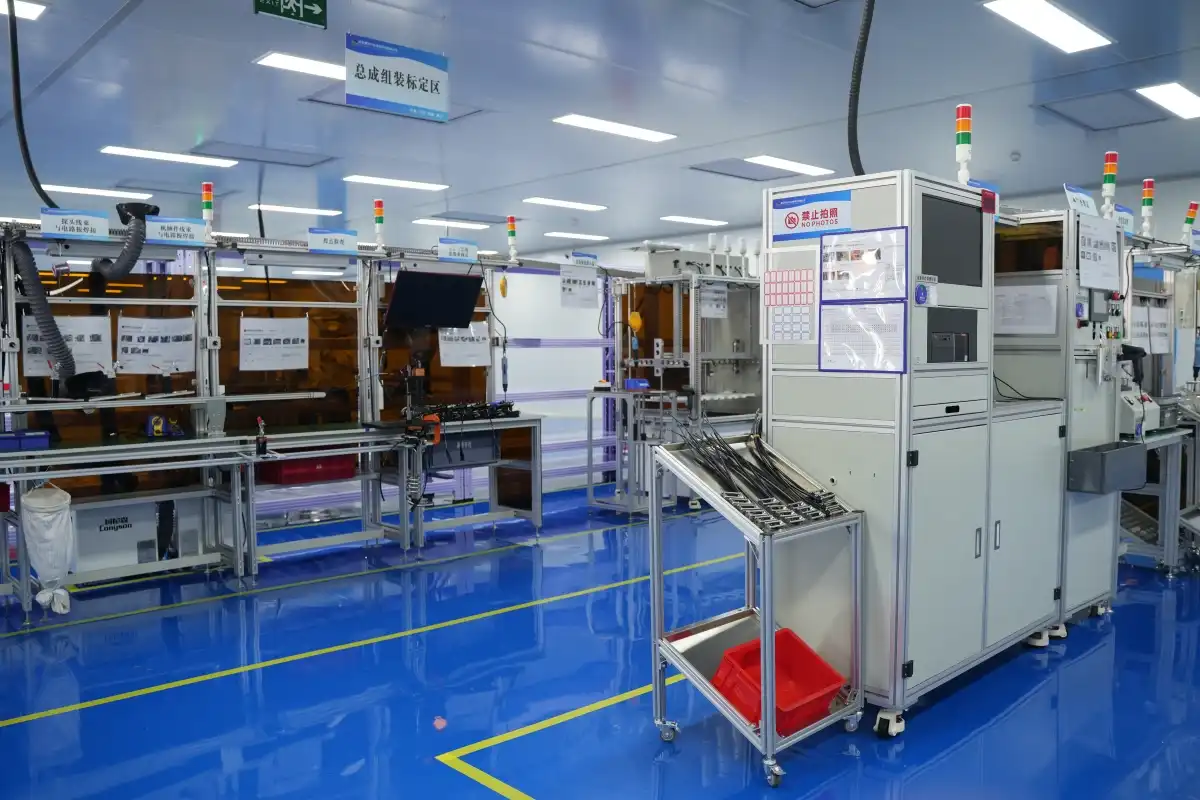
Understanding Sputtered Thin Film Pressure Sensors
In order to compare suppliers, it is helpful to know why this sensor technology is important in the first place. In a high-vacuum room, the production process puts alloy film resistors directly on a stainless steel base. Since layers don't use glue to stick together, there is no creep, no silicone oil fill, and no rubber O-ring seal that breaks down over time.
What the Technology Delivers
The pressure medium comes into direct contact with the core made of corrosion-resistant stainless steel. This gets rid of the need for an older-style diaphragm-and-fill-fluid assembly. This makes a response with a high frequency and a really fast response to changes in pressure. Using laser resistance trimming during production makes things even more precise.
Performance Specifications That Matter
The standard operating temperature range is -40 °C to +125 °C. However, some designs can go up to +150 °C or higher. You can choose from 4–20 mA current loops, 0–5 V / 0–10 V analog inputs, and digital standards like CAN, CANopen, J1939, I²C, and SPI. These outputs work well for both OEM integration and aftermarket replacement.
Where These Sensors Are Used
This type of sensor is used in heavy truck engines, hydraulics for farm equipment, mine power sets, DPF/SCR aftertreatment systems, and industry exhaust gas treatment equipment. Because they are small, they can fit into tight spaces on mobile equipment without affecting the accuracy of the measurements.
Key Considerations When Selecting a Supplier
When you choose the wrong source, problems in the supply chain happen that take months to fix. Before signing a buy deal with a seller of the sputtered thin film pressure sensor, you need to look at a number of factors.
These are the main things that every procurement team should look at:
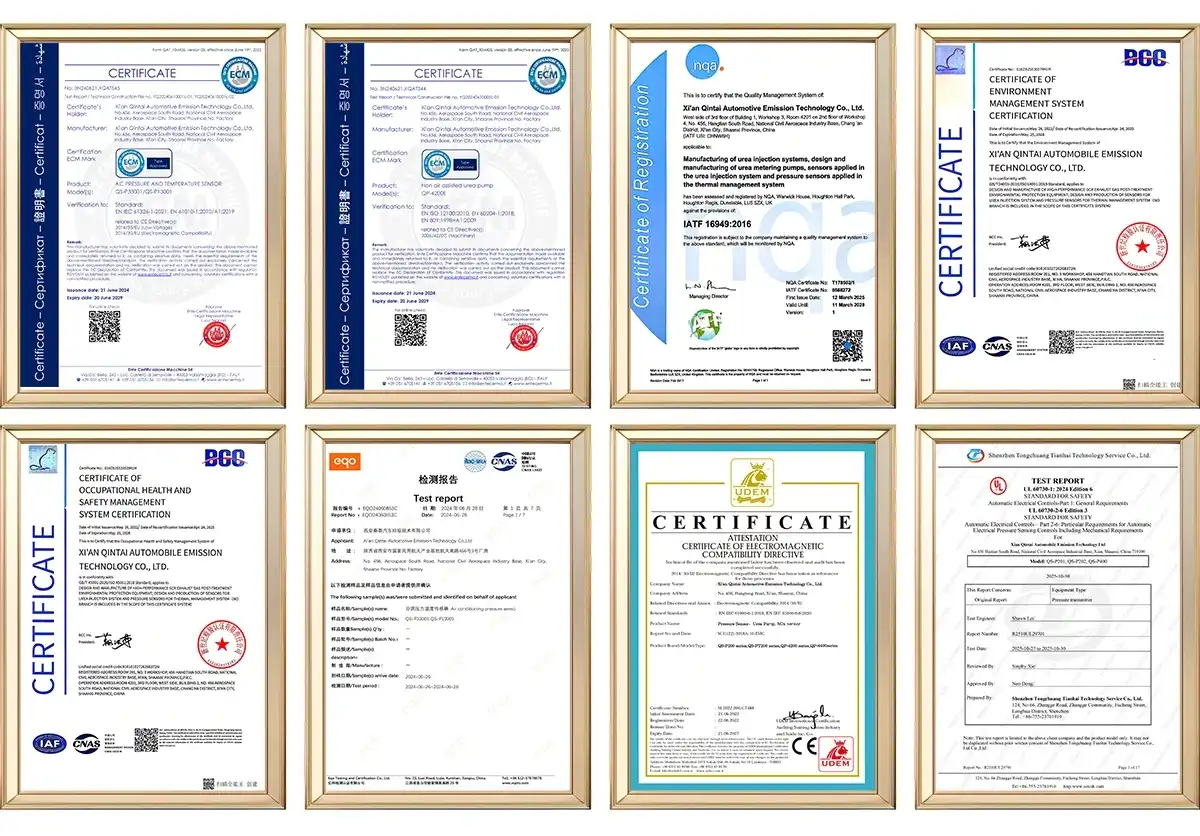
- Certification portfolio: In the list of approvals, look for ISO 9001, IATF 16949, CE, RoHS, REACH, and explosion-proof (Ex) logos. These papers prove that the products and production methods follow internationally recognized standards, which is a must for meeting the requirements of the China VI and Euro VI emission systems.
- Customization depth: OEM buyers often need to change the pressure ranges, connector types, or J1939 address settings. It takes longer for a trading company to get validated samples from a supplier that does its own research and development (R&D).
- MOQ and lead time: When it comes to aftermarket repair shops and parts wholesalers, low MOQ and in-stock inventory free up cash that would have been used to buy safety stock. For large OEM sales, proven production schedules and delivery records are more important than just the price in the catalog.
- After-sales technical support: Aftertreatment system integrators often need help changing firmware parameters or mapping protocols. Integration projects take a lot less time when the supplier answers technical questions quickly.
These factors have a direct effect on both the unit price and the total cost of ownership. If a sensor breaks soon after being installed, it costs a lot more in insurance claims, downtime, and damage to the brand's reputation than it saved at first.
Comparing Market Options: Choosing the Right Thin-Film Pressure Sensor
There are three main types of sensors on the market: global brand names, specialized regional makers, and generic goods made by trading houses. Each level is good for a different kind of buying situation.
Global Brand Suppliers
Pressure sensors made by companies like Honeywell and Bosch, including the sputtered thin film pressure sensor, can be used in a lot of different situations and are distributed through extensive networks. Their catalog items have a well-known brand name and a lot of information about them. A well-known brand lowers the risk of internal approval for procurement teams that don't need to do much qualification work. The cost per unit is usually higher, and you can't change the special protocols or mechanical connections as much.
Specialized OEM Manufacturers
Manufacturers that focus on diesel engines and emissions aftertreatment systems can often offer better fit for your needs at lower prices. They have certifications that are in line with automobile and industrial standards, and their technical teams know how to use J1939, DPF delta-pressure measurement, and SCR system integration in real life. This tier normally offers the best mix of technical compliance and cost control for OEM contracts with a lot of orders.
Generic or Unverified Sources
B2B marketplaces show a lot of cheap options that don't have consistent quality control or certification that can be tracked. For uses where a broken sensor can lead to emission violations or engine protection issues, the risk of getting parts from channels that haven't been checked out is higher than any cost savings. Before you approve a new vendor in this area, you should always ask for calibration certificates and test results from a third party.
How to Efficiently Purchase Thin-Film Pressure Sensors Online
When people buy pressure sensors online, they should follow a strict process and not just treat it like any other catalog purchase.
Verify Supplier Credentials First
Ask the seller for their ISO and IATF certificates directly, not through a third-party offering. When you can, cross-check license numbers with the groups that issued them. A real company that makes sputtered thin film pressure sensors will gladly give you these papers.
Request Samples and Datasheets Before Committing
The pressure range, temperature exposure, output protocol, and connector spec for the target application should be sent to the supplier. A good source sends back a datasheet with test data that can be tracked and engineering samples that can be used for bench validation. This step stops expensive redesigns from happening after a lot of units have been made.
Structure Your Inquiry Clearly
When you ask a clear question about the sputtered thin film pressure sensor, including its pressure range, accuracy class, output signal, operating temperature, target volume, and delivery time frame, you get faster and more useful answers. Quotes are vague when you ask vague questions. Adding part number cross-references makes it much faster for people who are buying extra parts to find what they need.

Future Trends in Pressure Sensor Procurement
Thin-film sensors are becoming more and more digitally integrated. In new OEM engine programs, analog-only devices are being replaced by J1939 and CANopen output variants. This is in line with the move toward data-driven fleet diagnostics. Connectivity to the internet of things (IoT) and designs for predictive maintenance are increasing the need for monitors that record past pressure values as well as current ones.
Sustainability Requirements Are Growing
As a minimum, major OEMs now check suppliers to see if they follow REACH and RoHS rules when they buy things, and some even ask for data on how long parts last. When suppliers prepare environmental paperwork ahead of time, the process of getting approved as a supplier goes faster.
Long-Term Partnership Over Spot Buying
Over the next five years, the most cost-effective way to buy things is to have fewer suppliers with stronger relationships, not a longer list of vendors. When suppliers work together to make designs that are specific to an application and offer written engineering change processes, it lowers the costs of qualifying new product generations.
Conclusion
It takes more than just finding a cheap catalog price to get a thin-film pressure sensor for a diesel engine that has to follow pollution rules. When you look at the whole production process, technical fit, approval traceability, customization options, and customer service responsiveness all have real financial weight.
When it comes to long-term relationships, suppliers who treat engineering questions about the sputtered thin film pressure sensor as part of their service rather than a bother are the ones you should work with. By checking these things out before the first sale, you can keep the program on schedule and make sure the quality of the product is high.
FAQ
What accuracy class should I specify for SCR system pressure sensors?
For most uses of SCR differential pressure, it needs to be accurate to within 0.5% of full scale or better. With the help of laser trimming during production, sputtered thin film technology frequently meets this requirement.
Can these sensors handle vibration from heavy truck or off-road machinery?
The sensing element is welded directly to the stainless steel body, so there is no rubber seal or fill oil. This means that the unit can handle high-intensity shaking and shock that would damage other designs that use liquid.
What output protocol should I request for diesel engine OEM integration?
J1939 is the standard CAN-based protocol for heavy trucks in North America. CANopen is a standard for European platforms. It is still common to use analog 4–20 mA in generator sets and other industrial settings that don't have digital busses.
How long does custom sensor qualification typically take?
A skilled maker can usually finish engineering samples in four to six weeks and production validation in eight to twelve weeks if they have a clear application specification and quick sample approval.
Is IATF 16949 certification mandatory for OEM diesel engine suppliers?
Most of the big diesel OEMs need it as a basic guideline for qualifying suppliers. It shows that the company has a set of written rules for managing quality that meets car standards.
Source Your Sputtered Thin Film Pressure Sensors from Qintai
From 2001 to now, Qintai has provided diesel engine OEMs, SCR aftertreatment installers, and generator set manufacturers with goods. It has 58 idea patents and is the No. 1 seller of sputtered thin film pressure sensors to China's top diesel OEMs, such as Weichai Power, Yuchai Power, and Quanchai Power. It is certified by ISO 9001, IATF 16949, CE, RoHS, REACH, and Ex. More than 60 countries get the goods. To get samples, datasheets, or a custom quote, email the Qintai team at info@qt-sensor.com or go to qt-sensor.com.
References
1. Fraden, J. Handbook of Modern Sensors: Physics, Designs, and Applications. Springer, 2016.
2. Gardner, J. W., Varadan, V. K., & Awadelkarim, O. O. Microsensors, MEMS, and Smart Devices. Wiley, 2001.
3. SAE International Journal of Commercial Vehicles — "J1939 Protocol Implementation in Heavy-Duty Diesel Aftertreatment Systems." SAE International, 2020.
4. Sensors and Actuators A: Physical — "Thin Film Strain Gauge Technology for High-Temperature Pressure Measurement." Elsevier, 2019.
5. IEEE Transactions on Industrial Electronics — "Performance Evaluation of Sputtered Thin-Film Sensors in Harsh Industrial Environments." IEEE, 2021.
6. ISO 9001:2015 Quality Management Systems — Requirements. International Organization for Standardization, 2015.
 Sensor.webp)

Our customers’ satisfaction speaks for our quality — contact us to experience the same reliable service.