- English
- French
- German
- Portuguese
- Spanish
- Russian
- Japanese
- Korean
- Arabic
- Greek
- German
- Turkish
- Italian
- Danish
- Romanian
- Indonesian
- Czech
- Afrikaans
- Swedish
- Polish
- Basque
- Catalan
- Esperanto
- Hindi
- Lao
- Albanian
- Amharic
- Armenian
- Azerbaijani
- Belarusian
- Bengali
- Bosnian
- Bulgarian
- Cebuano
- Chichewa
- Corsican
- Croatian
- Dutch
- Estonian
- Filipino
- Finnish
- Frisian
- Galician
- Georgian
- Gujarati
- Haitian
- Hausa
- Hawaiian
- Hebrew
- Hmong
- Hungarian
- Icelandic
- Igbo
- Javanese
- Kannada
- Kazakh
- Khmer
- Kurdish
- Kyrgyz
- Latin
- Latvian
- Lithuanian
- Luxembou..
- Macedonian
- Malagasy
- Malay
- Malayalam
- Maltese
- Maori
- Marathi
- Mongolian
- Burmese
- Nepali
- Norwegian
- Pashto
- Persian
- Punjabi
- Serbian
- Sesotho
- Sinhala
- Slovak
- Slovenian
- Somali
- Samoan
- Scots Gaelic
- Shona
- Sindhi
- Sundanese
- Swahili
- Tajik
- Tamil
- Telugu
- Thai
- Ukrainian
- Urdu
- Uzbek
- Vietnamese
- Welsh
- Xhosa
- Yiddish
- Yoruba
- Zulu
What AdBlue Dosing System Components Require Regular Maintenance?
The adblue dosing system is a precision-engineered assembly responsible for injecting the correct volume of Diesel Exhaust Fluid (DEF) into a diesel engine's exhaust stream, converting harmful NOx gases into nitrogen and water. Regular maintenance of this system directly determines whether a heavy truck, construction machine, or generator set stays compliant with Euro VI and EPA Tier 4 emission standards. Neglecting routine upkeep leads to injector clogging, pump failure, sensor drift, and ultimately, costly engine derating or limp mode. This guide identifies each component that demands scheduled attention and explains why.
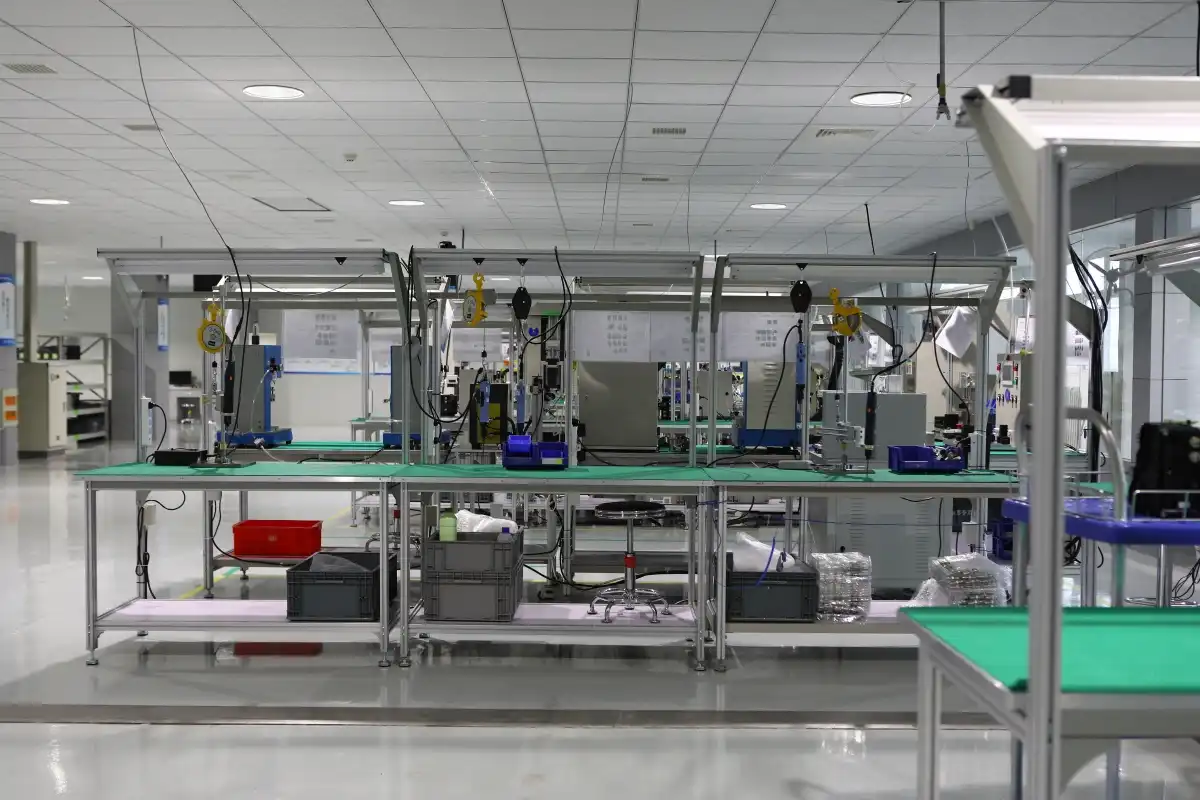
Understanding Key Components of the AdBlue Dosing System
It's helpful to know what each part does and how they work together before talking about repair plans.
The Dosing Injector (Dosing Valve)
DEF is turned into tiny droplets by the dosing injector, which then sprays them into the exhaust stream before the SCR catalyst. It works with very specific pressure ranges, usually between 5 and 9 bar, and its spray pattern needs to stay the same for NOx conversion to work well. Any partial blockage from urea crystallization changes the distribution of droplet sizes, which makes the catalyst less effective.
The DEF Pump and Pressure Regulator
The pump takes DEF from the holding tank, puts pressure on it, and sends it to the injector when it's needed. When the pump is turned off, most OEM-grade pumps have a reverse-flush cycle that clears any fluid that is still in the lines. If the pump doesn't consistently produce pressure, the engine control unit records dosing mistakes and lights up to let you know.
Sensors: NOx, Temperature, and Level
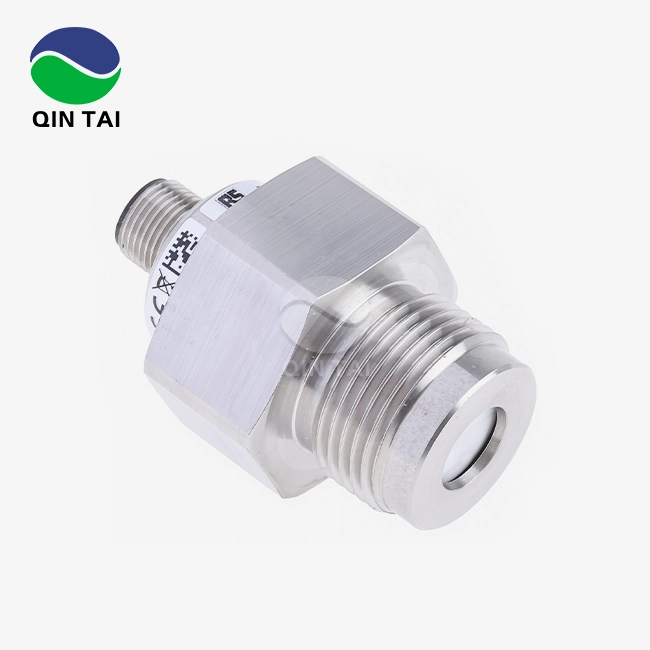
The health of the sensor can't be negotiated. The NOx sensors upstream and downstream provide closed-loop feedback to confirm the efficiency of the SCR catalyst conversion. A DEF level sensor measures the amount of fluid in the engine, and temperature sensors check the temperature of both the fluid and the exhaust gas to keep the damage from freezing. Any sensor that loses its calibration will give wrong dose instructions.
Heating Elements and Supply Lines
AdBlue freezes at -11°C (12°F). The fluid stays liquid in cold places because the tank, pump, and lines all have built-in heaters. If the heating circuit breaks in the winter, the lines freeze and the system shuts down completely.
The SCR Control Unit (DCU)
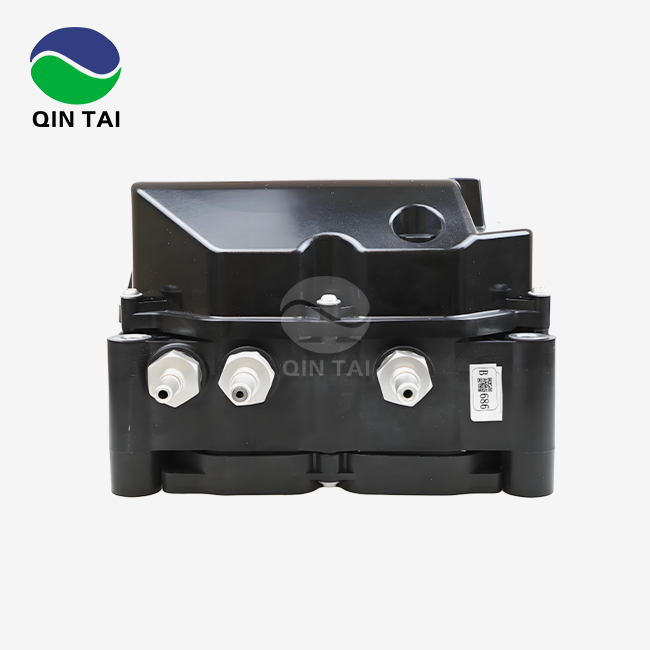
The Dosing Control Unit of the adblue dosing system takes data from sensors and tells the injector when and how much to inject. Integrity of the firmware and the condition of the connectors have a direct effect on the accuracy of the system in all working situations.
Components That Require Regular Maintenance and Why
Each part has its own failure pattern that is linked to a certain kind of neglect. Here are the most important maintenance tasks:
- Urea Filter (DEF Filter): The urea filter adblue protects the dosing pump and injector from microscopic contaminants and crystalline debris. Replacement is typically required every 120,000–200,000 km, or at major service intervals. In high-dust environments such as mining or agricultural fields, shorter cycles are necessary to prevent pump strain. The filter media is melt-blown synthetic fiber rated between 5 and 10 microns, fully compliant with ISO 22241. Attempting to clean and reuse a used filter damages the fiber structure and risks injector failure.
- Dosing Injector: Urea crystallization around the nozzle tip is the most common failure mode. The injector should be removed, inspected, and cleaned with warm distilled water every 60,000 km or annually. Any injector showing irregular spray patterns under bench test should be replaced, not refurbished.
- DEF Pump: Inspection of pump seals, pressure output, and reverse-flush function should occur during each major service. A pump delivering pressure below the rated window causes underdosing, leading to NOx non-compliance.
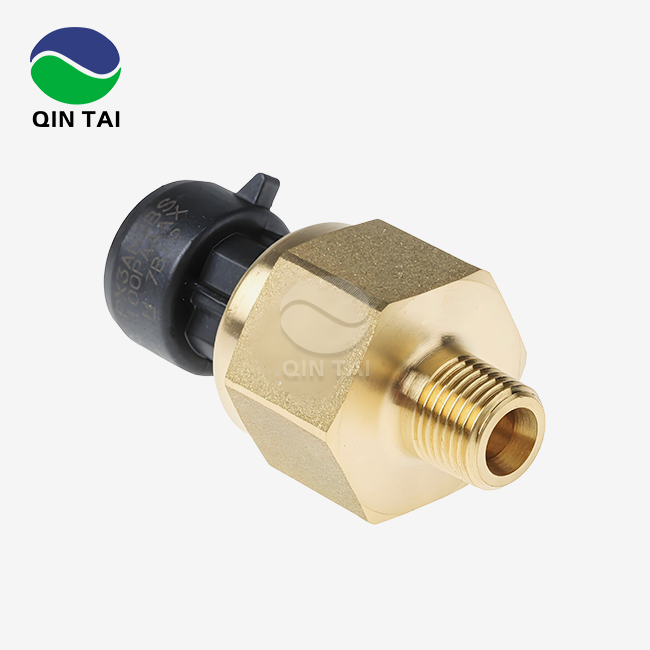
- NOx and Temperature Sensors: Sensor calibration drift occurs gradually. Periodic diagnostic scanning with OBD tools confirms whether sensor output aligns with known reference values. Sensors showing persistent deviation beyond manufacturer tolerance should be replaced. Qintai produces NOx and pressure sensors certified to IATF 16949, offering stable long-term output in demanding thermal environments.
- Heating Elements and Wiring Harness: Visual inspection for cracked insulation, corroded connectors, and broken heating wires should be part of every pre-winter service. A single broken heating circuit in an arctic environment grounds a vehicle instantly.
These parts of the adblue dosing system work together as a machine. One part's weakness puts stress on the others, which is why a structured service schedule that covers all of them at once is cheaper than fixing each failure one at a time.

Common Problems and Troubleshooting During Maintenance
Most problems with the adblue system have clear warning signs. When you know the chain from symptoms to causes, it takes a lot less time to make a diagnosis.
Dosing Errors and Warning Lights
If the DCU finds a difference between what was ordered and what actually happened with NOx reduction, it records a dose mistake. A blocked urea filter is the most common reason because it makes the pump work against high backpressure. The first step in diagnosing is to check and change the filter. Next is a test of the pump's pressure.
Urea Crystallization in Lines
Crystallization happens when DEF that is still in the supply lines evaporates and leaves behind solid urea deposits. This happens most often in cars where the pump's reverse-flush cycle doesn't work. Use warm distilled water to flush the lines that are broken. Compressed air by itself will spread crystal dust further into the injector, so you should never use it by itself.
Sensor Faults and Engine Derating
If a car goes into limp mode after a cold start, it's probably because the DEF line is frozen because the heating element has broken or because the temperature sensor isn't working right and reporting incorrect exhaust conditions. First look for trouble codes. Then, use a multimeter to make sure the heating circuit is still open before changing the sensors.
Best Practices for Maintaining AdBlue Dosing System Components
Failures that happen in a chain can be avoided with an organized repair program. The following rules are directly for fleet operators and OEM service teams to follow.
Making plans is just as important as doing the work. Getting the DEF filter changed at the same time as the engine oil service cuts down on car downtime by combining repair events. Here is a useful framework:
- Every 60,000 km or annually: Inspect and clean the dosing injector; scan all sensor outputs; check wiring harness condition.
- Every 120,000–200,000 km: Replace the urea filter adblue; perform pump pressure test; verify heating element continuity.
- Pre-winter inspection: Confirm all heating circuits are functional; check DEF concentration with a refractometer (target: 32.5% ± 0.7%).
Always get replacement parts for the adblue dosing system from companies that are certified by IATF 16949 and ISO 9001. Bad filters might have adhesives that break down in DEF solution, letting in contaminants that hurt the SCR catalyst. When compared to replacing the SCR catalyst, there isn't much difference in price between an expensive filter and a common one.
Not just unit price should be used to choose a supplier; expert help should also be taken into account. The most reliable way to protect fleet availability is not to choose the cheapest option, but to choose a supplier who offers application engineering support and fast delivery.
Enhancing System Longevity and Cost-Effectiveness Through Maintenance
Fleet operators in North America have reported that proactive SCR maintenance cuts down on unplanned downtime by up to 40% compared to reactive repair strategies. For a fleet of Class 8 trucks that travel an average of 150,000 km per year, not having to change the SCR catalyst once saves about $3,000 to $5,000 per unit. That saves a lot of money every year for a fleet of 50 cars.
Not following EPA or Euro VI standards can lead to fines and even being banned from operating in controlled areas, in addition to the direct costs of repairs. Following the rules is not only a basic requirement, but also a way to protect your money. When suppliers are audited or when an OEM repair claim is made, procurement managers who can show written records of upkeep records also help their company's case.
Conclusion
Taking care of the adblue dosing system is not a one-time thing, but a planned process that includes the urea filter, dosing injector, DEF pump, sensors, and heating elements. Each part breaks down in known ways that are directly addressed by preventive maintenance. Using approved replacement parts from qualified sources lowers the cost of repairs, increases the life of systems, and makes sure that cars stay in line with emission rules. It's easy for OEMs, fleet owners, and aftermarket workers to see how planned maintenance can save them money and time.
FAQ
How often should the DEF filter be replaced?
Typically every 120,000–200,000 km, or during major service intervals. High-dust applications such as construction and agriculture require shorter intervals to protect the dosing pump from elevated particulate loads.
Can a urea filter be cleaned and reused?
No. The synthetic fiber media captures particles deep within its structure. Cleaning attempts damage the fibers and reduce filtration efficiency, which risks injector and pump failure.
What are early warning signs of dosing system trouble?
Watch for increased DEF consumption, NOx sensor error codes on the dashboard, and engine derating or limp mode activation. These symptoms collectively point to a filter, sensor, or injector issue requiring immediate inspection.
Does the DEF filter prevent crystallization?
The filter removes existing crystal debris from the fluid stream, but it does not prevent crystallization from forming in the tank or lines. Heating elements and proper shutdown procedures address crystallization at its source.
Is there a quality difference between DEF filter brands?
Yes. Filters meeting ISO 22241 standards use chemically inert media and housings. Lower-grade alternatives may use adhesives that dissolve in urea solution, releasing contaminants that damage the SCR catalyst.
Partner with Qintai for Dependable AdBlue Dosing System Solutions
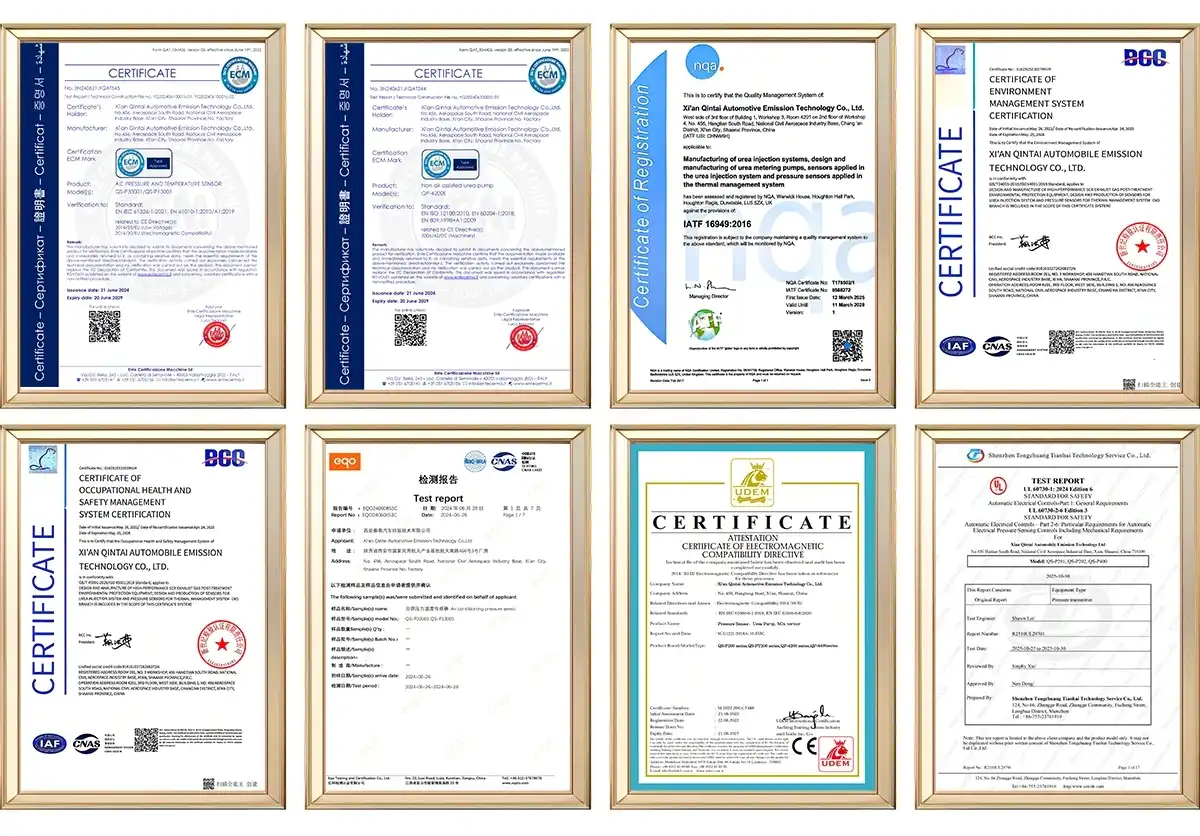
Since 2001, Qintai has sold SCR aftertreatment parts to more than 60 countries. They are certified by IATF 16949, ISO 9001, and CE. Weichai Power and Yuchai Power trust Qintai as a supplier of adblue dosing systems. They offer OEM/ODM customization, fast delivery, and direct engineering support. Get in touch with our team right away to talk about the needs of your fleet. To get a product evaluation, go to qt-sensor.com or email info@qt-sensor.com.
References
1. SAE International Journal of Engines — "Selective Catalytic Reduction System Durability and Urea Deposit Formation in Heavy-Duty Diesel Engines," SAE International, 2019.
2. ISO 22241-1:2019 — "Diesel Engines — NOx Reduction Agent AUS 32 — Part 1: Quality Requirements," International Organization for Standardization, 2019.
3. Emissions Analytics — "Real-World NOx Emissions from Heavy-Duty Trucks: SCR System Performance and Maintenance Correlation," Emissions Analytics, 2021.
4. FleetOwner Magazine — "The True Cost of SCR System Failures in North American Class 8 Fleets," Endeavor Business Media, 2022.
5. Transport & Environment — "Euro VI Compliance and Aftertreatment System Reliability in Long-Haul Freight," Transport & Environment Report, 2020.
6. CARB (California Air Resources Board) — "Heavy-Duty Diesel In-Use Compliance Testing: SCR and DEF System Performance Standards," California Air Resources Board, 2023.

Our customers’ satisfaction speaks for our quality — contact us to experience the same reliable service.