- English
- French
- German
- Portuguese
- Spanish
- Russian
- Japanese
- Korean
- Arabic
- Greek
- German
- Turkish
- Italian
- Danish
- Romanian
- Indonesian
- Czech
- Afrikaans
- Swedish
- Polish
- Basque
- Catalan
- Esperanto
- Hindi
- Lao
- Albanian
- Amharic
- Armenian
- Azerbaijani
- Belarusian
- Bengali
- Bosnian
- Bulgarian
- Cebuano
- Chichewa
- Corsican
- Croatian
- Dutch
- Estonian
- Filipino
- Finnish
- Frisian
- Galician
- Georgian
- Gujarati
- Haitian
- Hausa
- Hawaiian
- Hebrew
- Hmong
- Hungarian
- Icelandic
- Igbo
- Javanese
- Kannada
- Kazakh
- Khmer
- Kurdish
- Kyrgyz
- Latin
- Latvian
- Lithuanian
- Luxembou..
- Macedonian
- Malagasy
- Malay
- Malayalam
- Maltese
- Maori
- Marathi
- Mongolian
- Burmese
- Nepali
- Norwegian
- Pashto
- Persian
- Punjabi
- Serbian
- Sesotho
- Sinhala
- Slovak
- Slovenian
- Somali
- Samoan
- Scots Gaelic
- Shona
- Sindhi
- Sundanese
- Swahili
- Tajik
- Tamil
- Telugu
- Thai
- Ukrainian
- Urdu
- Uzbek
- Vietnamese
- Welsh
- Xhosa
- Yiddish
- Yoruba
- Zulu
Where to Source Ceramic Pressure Sensors in Bulk
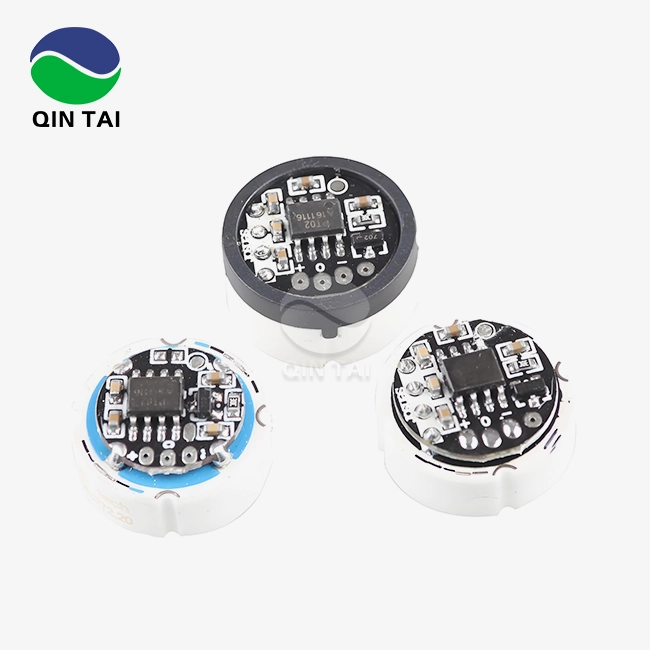
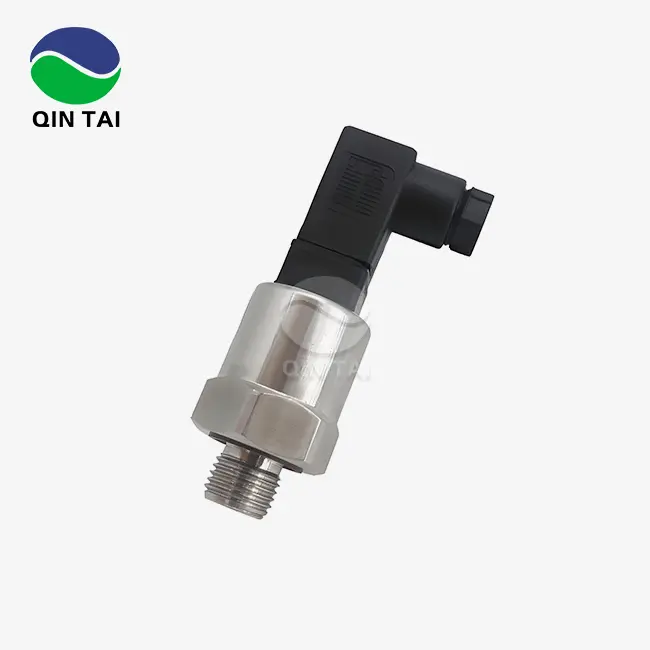
Sourcing ceramic pressure sensors in bulk requires identifying suppliers who combine technical excellence with scalable manufacturing capacity. The U.S. market increasingly relies on specialized manufacturers capable of delivering high-volume orders while maintaining strict quality standards. Xi'an Qintai Automotive Emission Technology Co. Ltd stands out as a proven supplier, offering ISO9001 and IATF16949-certified pressure sensors designed for diesel engine applications, SCR aftertreatment systems, and industrial automation. Their Model QS-P105 ceramic pressure sensor demonstrates advanced engineering with a pressure range from -1 bar to 600 bar, making it suitable for demanding OEM environments where precision and durability matter most.
Understanding Ceramic Pressure Sensors and Their Market Demand
How Ceramic Pressure Sensors Convert Pressure into Electrical Signals
Ceramic Pressure Sensors work by putting mechanical stress on a ceramic diaphragm, which causes changes in the electrical resistance that can be measured. The 96% alumina ceramic material that is used to make high-quality sensors is very strong mechanically and doesn't react chemically with corrosive media. This technology very accurately turns changes in pressure into voltage outputs, which helps handle important parts of engine management systems and hydraulic equipment.
Key Performance Parameters That Drive Industrial Adoption
When measuring pressure, accuracy is still very important. Modern Ceramic Pressure Sensors meet non-linearity requirements that are less than 0.3% of full scale. This makes sure that data for emission control systems and process automation is accurate. As temperature stability increases, it becomes just as important. Good devices keep zero drift below 0.05% FS/°C from -40°C to 135°C. Specifications for sensitivity between 2 and 4 mV/V let common instruments be used, which lowers the cost and complexity of the system.
Why Ceramic Outperforms Metal and Silicon Alternatives
In harsh environments, traditional metal diaphragm sensors break down due to wear and tear and corrosion. Silicon-based devices are very sensitive, but they break easily when they are hit by hard objects or mechanical shocks. Ceramic structure gets around these problems by providing better resistance to wear and keeping measurement accuracy over long service intervals. This longevity directly leads to lower upkeep costs and more uptime for the system.
Current Market Trends Driving Bulk Procurement Needs
Enforcement of emission rules across North America is continuing to raise the need for diesel exhaust aftertreatment systems that can reliably monitor pressure. Generator set makers who make backup power and mining equipment need their products to work reliably for a long time. This is what drives demand for industrial-grade sensors. Because of the move toward combined sensor systems that can also do diagnostics, original equipment makers (OEMs) have had to find reliable suppliers that can support product lifecycles of ten years or more.
Key Considerations When Sourcing Ceramic Pressure Sensors in Bulk
Defining Precise Procurement Requirements
To do bulk buying right, you need to be clear about the amount of goods you need, when you need them, and how well they should work. OEM buyers usually want pressure levels that work with certain engine platforms, interfaces that work with other control systems, and the ability to change how the connectors are set up. By setting these factors early on, you can avoid costly specification errors and output delays.
Evaluating Supplier Credentials and Certifications
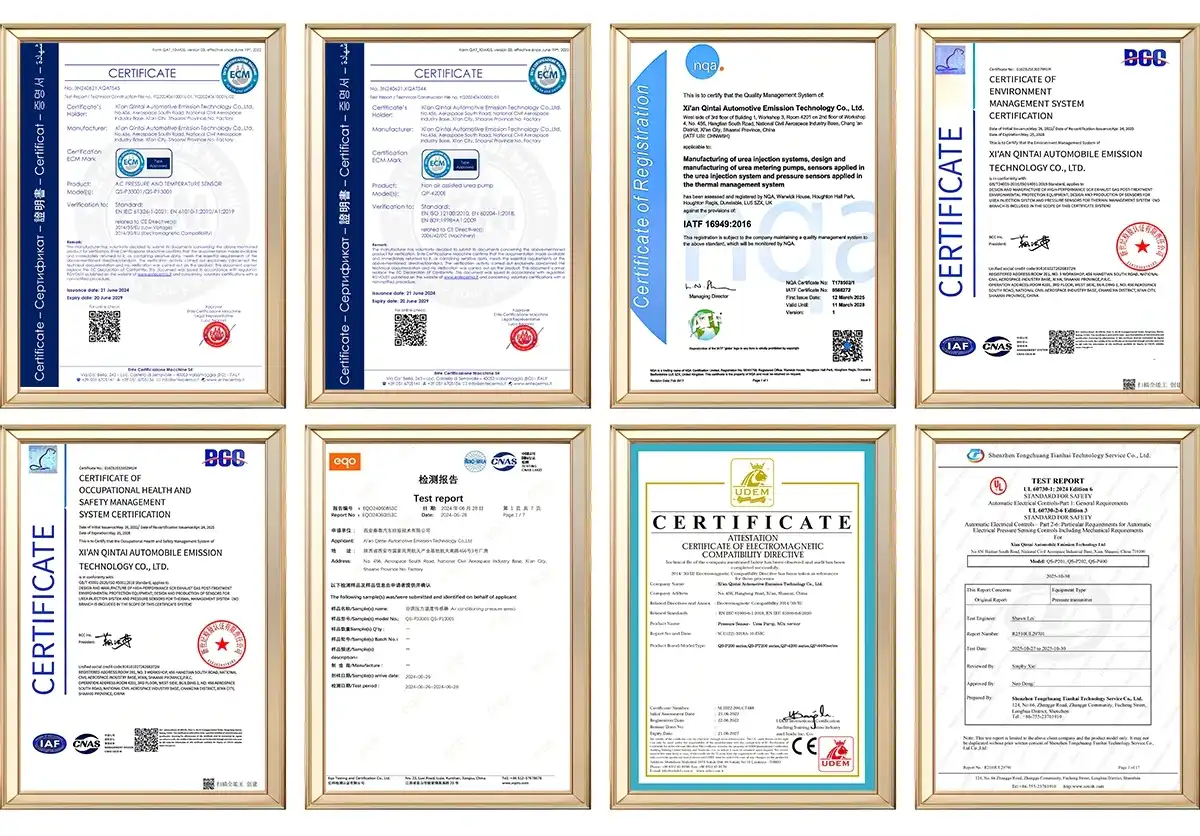
Manufacturing quality certifications are an important way to prove that you can control the process. IATF16949 certification proves quality systems are good enough for cars, while ISO9001 approval shows a wider range of quality management skills. For foreign markets, extra certificates like CE, RoHS, and REACH compliance make sure that the product meets all the rules. Qintai has put a lot of money into product development and manufacturing excellence, as shown by its extensive portfolio of certifications, which includes 58 invention patents.
Assessing Production Capacity and Lead Time Reliability
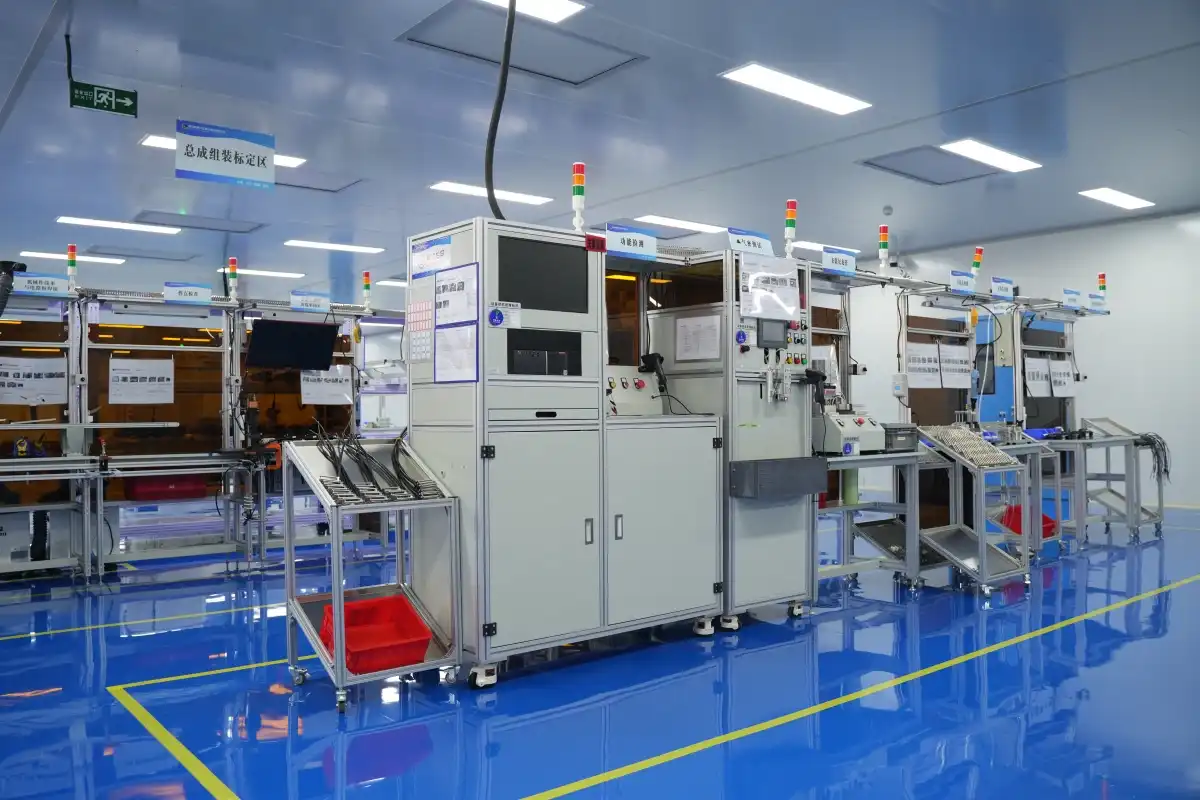
The ability to produce large amounts of goods sets real industrial partners apart from hobbyist suppliers. Looking at yearly production levels, inventory management methods, and transportation infrastructure can help you figure out how reliable delivery will be for large orders. Suppliers that have long-term partnerships with OEMs, like Qintai's ties with Weichai Power and Yuchai Power, have shown they can meet tight production plans.
Balancing Cost Structures with Long-Term Value
When making a purchase decision, the total cost of ownership is taken into account, not just the unit price. There may be secret costs to cheaper Ceramic Pressure Sensors, like a higher chance of breaking down, less expert help, or the risk of becoming obsolete. Comparing costs based on expected service life, guarantee terms, and after-sales support is a more realistic way to figure out what something is worth than just looking at the purchase price.

Comparing Leading Ceramic Pressure Sensor Suppliers for Bulk Purchases
Global Supplier Landscape and Positioning
On the foreign market, there are many suppliers to choose from, from high-volume Asian makers to precision manufacturers in Europe. Established Western brands charge higher prices because of their history and expertise in specific uses. Chinese makers are quickly improving their technical skills while keeping costs low by using integrated production lines and buying materials from within China.
Qintai's Competitive Advantages for OEM Customers
International procurement managers can benefit a lot from working with Qintai because it is China's biggest original equipment manufacturer (OEM) provider and the biggest market share among Chinese diesel engine makers. Their own research and development team is always improving the performance of their products, and their full OEM/ODM services allow for customisation from the initial planning stage through mass production. The Model QS-P105 is a good example of this because it has a small design that makes it easy to install in tight spaces, full accuracy within ±0.5% FS, and a safety overload capacity of 200% of full scale rating.
The technical specs show that the reliability is at an industrial level, which is important for commercial car uses. The Ceramic Pressure Sensors work with a wide range of input voltages, from 2 VDC to 30 VDC, which makes it easier to connect to a variety of electrical systems. The output is stable with a bridge resistance of 11 kΩ ±30%, and the zero output tolerance of ±0.2 mV/V at 23°C makes testing possible. These performance parameters answer the main worries of R&D engineers who are choosing sensors for powertrains that meet emission standards.
Customization Capabilities and Technical Support
When standard designs are used in unique situations, the ability to change how sensors are set up is very important. To meet the specific needs of each location, leading providers offer interfaces that can be changed, pressure levels that can be adjusted, and different packaging choices. OEM customers working on next-generation equipment platforms can get their products to market faster because Qintai lets them customise their products to fit specific needs.
How well suppliers can solve integration and output problems depends on their technical support system. Manufacturers whose engineering teams are quick, whose paperwork is thorough, and whose products have been used in a wide range of industries are much more valuable than those who only sell products.
Best Practices for Bulk Ordering Ceramic Pressure Sensors
Implementing Sample Validation and Pilot Testing
Before committing to large orders, procurement professionals should ask for representative samples that can be tested thoroughly to make sure they are correct. When you look at the actual performance under the conditions you want to use it, you can find compatibility issues that datasheets can't predict. Pilot production runs let you test how consistent batches are with each other and how well quality control works in manufacturing.
Establishing Comprehensive Contract Terms
Strong procurement deals spell out the standards for quality that must be met, as well as return policies, guarantee coverage, and ways to fix problems with faulty goods. Making inspection procedures, calibration standards, and paperwork outputs clear protects everyone and sets expectations for who is responsible for what. Including plans for talking about technology roadmaps and managing failure helps partnerships grow over time.
Verifying Calibration and Performance Consistency
Before being shipped, batch verification procedures make sure that Ceramic Pressure Sensors meet certain accuracy standards. Asking for calibration papers that can be traced back to national standards is a written way to show that measurements are accurate. Having receiving facilities follow incoming inspection protocols finds any problems with quality before the sensors are used in production assembly.
Building Strategic Supplier Relationships
A good negotiator strikes a mix between short-term cost goals and building relationships that help both sides grow. Sharing information about application needs and expected volume helps suppliers plan their capacity and find the best prices. Partnerships that give competitive benefits beyond simple buying deals are strengthened by regular contact about changes in technology, market trends, and performance feedback.
Navigating Challenges in Bulk Sourcing Ceramic Pressure Sensors
Avoiding Common Specification Mismatches
Mistakes in the technical specifications cause big problems with buying. When people get gauge pressure, absolute pressure, and differential pressure readings mixed up, they choose the wrong Ceramic Pressure Sensors. Misunderstandings about temperature range cause sensors to fail early when they are exposed to conditions that are higher than their rated specifications. One way to avoid these expensive mistakes is to carefully compare the application requirements with detailed datasheets.
Ensuring Regulatory Compliance and Certification Validity
In industrial markets, there are strict rules that vary by application and location. IATF quality methods and component validation requirements are needed for automotive uses. Installations in dangerous places need to be certified as explosion-proof. Making sure that sellers keep up-to-date, valid certifications for relevant standards is a good way to avoid legal risks that could stop production or lead to product recalls.
Planning for Technological Evolution and Product Lifecycles
Sensor technology keeps getting better with new materials, built-in electronics, and better troubleshooting tools. When products are used for a long time, the risk of obsolescence is lower when suppliers have active research and development programs and the ability to come up with new ideas. Talking about technology roadmaps when choosing a supplier helps find partners who can meet future needs as equipment platforms change.
Managing Supply Chain Continuity Risks
When sensor production is concentrated in one area, it makes the area vulnerable to disruptions in other areas. Supply outage risks can be reduced by looking at providers' business continuity plans, how they handle their stockpiles, and their other buying options. When you work with makers that are financially stable, you lower the risk of sudden supplier failures that could throw off your production plans.
Conclusion
When buying Ceramic Pressure Sensors in bulk, you need to carefully consider the supplier's technical skills, the quality of their work, and how reliable they are. The choice has an effect on how well the product works, how well it follows the rules, and the total cost of ownership over the whole duration of the equipment. Ceramic technology has strong advantages over other types of sensors because it lasts longer, is less affected by chemicals, and keeps measurements stable in harsh industrial settings.
For procurement to go well, clear standards must be set, seller credentials must be checked, and partnerships must be formed that go beyond simple transactions. Because Qintai has a history of being China's top OEM supplier and can offer a wide range of certifications and customisation options, they are an ideal partner for North American diesel engine manufacturers, aftertreatment integrators, and industrial equipment manufacturers who need a reliable, high-volume supply.
FAQ
How Do I Choose Between Ceramic and Metal Pressure Sensors?
The choice is mostly based on the operating system and the types of media that can be used. Metal diaphragms break down quickly in harsh environments, but ceramic diaphragms work well in these situations. Because they don't react with chemicals, they work great in hydraulic fluids, exhaust systems, and harsh industrial processes. Metal sensors may work well in safe areas and need less money, but ceramic construction is more reliable over time and lowers total ownership costs by allowing for longer repair intervals.
What Lead Times Should I Expect for Bulk Orders?
Standard production wait times for standard product setups are between 4 and 8 weeks, but this can change based on the number of orders and the supplier's capacity. Custom specifications that need tooling changes or specialised calibration may make the lead time 10 to 12 weeks. Keeping smart inventory buffers and giving suppliers rolling forecasts are two ways to keep production plans from being slowed down by wait times.
Can Ceramic Pressure Sensors Be Customized for Specific Applications?
Reliable manufacturers give you a lot of ways to customise their products, such as changing the pressure range, choosing an electrical connector, changing the way the device is mounted, and conditioning the output signal. Qintai offers full OEM and ODM services to help products be changed from the first ideas for designs to mass production. Customisation options allow for better integration while keeping the performance benefits of Ceramic Pressure Sensors technology that has been used for a long time.
Partner with Qintai for Reliable Ceramic Pressure Sensor Supply
Qintai Automotive Emission Technology Co., Ltd. Ltd has been making Ceramic Pressure Sensors for over 20 years and works with diesel engine OEMs and aftertreatment system integrators around the world. Our Model QS-P105 has the excellent rust resistance, measurement accuracy, and dependability that tough industrial uses need. We offer the quality assurance and technical help that procurement workers need with a wide range of certifications, such as ISO9001, IATF16949, and foreign regulatory compliance.
Our status as the main provider to China's major power system makers shows that we can meet the needs for high volumes of production while keeping quality standards high. Our engineering team is ready to talk about your needs, whether you need basic setups or solutions that are made just for you. Email us at info@qt-sensor.com to get samples, get full technical specs, or find out how our products can improve the performance and dependability of your equipment.
References
1. Smith, J. and Anderson, R. (2022). Industrial Pressure Sensor Technologies: Materials and Performance Comparison. Journal of Instrumentation Engineering, Vol. 45, pp. 234-251.
2. National Institute of Standards and Technology (2021). Guidelines for Pressure Sensor Calibration and Verification in Industrial Applications. NIST Technical Publication Series.
3. Thompson, M. (2023). Ceramic Materials in Harsh Environment Sensing Applications. Advanced Materials for Industrial Instrumentation, pp. 156-178.
4. International Organization for Standardization (2020). Quality Management Systems Requirements for Automotive Production and Relevant Service Parts Organizations. ISO/TS 16949 Standard Documentation.
5. Williams, K. and Chen, L. (2022). Supply Chain Risk Management in Electronic Component Procurement. International Journal of Operations Management, Vol. 38, pp. 445-467.
6. European Commission Joint Research Centre (2021). Performance Requirements for Pressure Sensors in Emission Control Systems. Technical Research Report on Automotive Environmental Compliance.

Our customers’ satisfaction speaks for our quality — contact us to experience the same reliable service.