- English
- French
- German
- Portuguese
- Spanish
- Russian
- Japanese
- Korean
- Arabic
- Greek
- German
- Turkish
- Italian
- Danish
- Romanian
- Indonesian
- Czech
- Afrikaans
- Swedish
- Polish
- Basque
- Catalan
- Esperanto
- Hindi
- Lao
- Albanian
- Amharic
- Armenian
- Azerbaijani
- Belarusian
- Bengali
- Bosnian
- Bulgarian
- Cebuano
- Chichewa
- Corsican
- Croatian
- Dutch
- Estonian
- Filipino
- Finnish
- Frisian
- Galician
- Georgian
- Gujarati
- Haitian
- Hausa
- Hawaiian
- Hebrew
- Hmong
- Hungarian
- Icelandic
- Igbo
- Javanese
- Kannada
- Kazakh
- Khmer
- Kurdish
- Kyrgyz
- Latin
- Latvian
- Lithuanian
- Luxembou..
- Macedonian
- Malagasy
- Malay
- Malayalam
- Maltese
- Maori
- Marathi
- Mongolian
- Burmese
- Nepali
- Norwegian
- Pashto
- Persian
- Punjabi
- Serbian
- Sesotho
- Sinhala
- Slovak
- Slovenian
- Somali
- Samoan
- Scots Gaelic
- Shona
- Sindhi
- Sundanese
- Swahili
- Tajik
- Tamil
- Telugu
- Thai
- Ukrainian
- Urdu
- Uzbek
- Vietnamese
- Welsh
- Xhosa
- Yiddish
- Yoruba
- Zulu
Which Aftertreatment Dosing Unit Is Best for Your Diesel Engines?
Selecting the optimal Aftertreatment Dosing Unit for your diesel engines depends on a precise balance between regulatory compliance, operational reliability, and lifecycle costs. These sophisticated devices inject Diesel Exhaust Fluid (DEF or AdBlue) into Selective Catalytic Reduction (SCR) systems to neutralize harmful nitrogen oxide emissions, meeting stringent Euro VI and EPA standards. The "best" dosing unit integrates seamlessly with your engine platform, offers proven durability in harsh conditions, and comes backed by responsive technical support—whether you're running heavy-haul trucks, agricultural fleets, or stationary generator sets.
Understanding Aftertreatment Dosing Units and Their Role in Diesel Engines
Aftertreatment Dosing Units are like the command point for current plans to cut down on emissions. These parts control the exact amount and timing of urea-based reductant that is injected into exhaust streams. Through catalytic reactions, they turn harmful NOx compounds into harmless nitrogen and water vapor.
What Components Make Up an Aftertreatment Dosing Unit?
These systems are made up of three main parts that work together. The dosing pump creates a controlled fluid pressure, usually between 4 and 12 bar, which keeps the spray atomization constant even when the engine is under different loads. When the Engine Control Unit (ECU) sends electrical signals, high-precision injector valves open and close in milliseconds to give micro-doses of DEF at just the right time for catalytic efficiency to peak. Integrated sensors constantly check the temperature, pressure, and flow rate of the fluid and send real-time information back to the control system so that dose accuracy stays within ±1.5% of what it should be.
How Dosing Units Integrate With SCR Systems
The dosing module is placed right in front of the SCR catalyst substrate, and its spray tip is set up to make a fine mist that mixes completely with the hot exhaust gasses before it reaches the catalyst surface. This carefully planned process needs to be coordinated in a split second. If there isn't enough DEF, emission tests will fail, and if there is too much fluid, crystalline deposits will form and block exhaust pathways. Modern units have self-diagnostic features that can find problems like jammed pumps or frozen DEF lines and let workers know about them before they cause compliance issues.
Benefits Beyond Regulatory Compliance
The main benefit of meeting pollution guidelines is that it saves money. Independent fleet studies show that properly functioning Aftertreatment Dosing Units can increase the time between service intervals for diesel particulate filters (DPF) by lowering the number of times that soot needs to be regenerated.
This can cut maintenance costs by up to 20% per year. Engine makers can adjust for better fuel combustion when SCR efficiency is optimized. This leads to 3-5% better fuel economy without losing power output. These effects work together to lower the total cost of ownership by a large amount. They also help companies keep their green promises, which are becoming more and more important in B2B purchasing decisions.
Key Factors to Consider When Choosing an Aftertreatment Dosing Unit
When purchasing managers look at Aftertreatment Dosing Units, they need to make sure that the technical specs match the needs of the real world. It is very important that the dosing module works with your engine's displacement, exhaust temperature profile, and duty cycle, whether it's powering long-haul tractors or stationary mining equipment.
Dosing Accuracy and Environmental Resilience
When controlling emissions, accuracy is very important. Units that stay accurate within ±2% in temperatures ranging from -40°C to +125°C make sure that compliance is maintained no matter where they are deployed. Aftertreatment Dosing Unit plays a critical role in this system by precisely injecting the reductant, and its performance directly impacts the overall accuracy. Look for IP69K ratings that guarantee sealed operation against high-pressure washdowns, road salt exposure, and vibration stresses greater than 30G acceleration. These are all conditions that are common in farming and building settings.
Choice of material has a direct effect on longevity. Wetted parts made of 316L stainless steel and special polymer housings that are resistant to urea's corrosive properties are used by good suppliers. The internal flow paths should have anti-crystallization features that keep dead zones to a minimum so that fluid doesn't get stuck and harden into deposits that slow things down.
Total Cost Analysis and Supplier Credibility
The price alone doesn't tell the whole story. Figure out the costs over the product's lifetime, such as when to replace parts, how often they should be serviced, and the terms of the guarantee. A unit that costs 15% less at first might end up costing 40% more after five years if it needs to be fixed a lot or doesn't have enough extra parts on hand. When choosing a supplier, you should look at how quickly they respond to technical support requests, how well their documentation is written, and how well their field service networks can handle problems across all of your operational areas.
Because emission devices need to be proven reliable, a brand's image is important. Well-known companies put a lot of money into validation testing that mimics millions of operational cycles in harsh conditions. Their goods come with detailed calibration data and interface guides that cut down on the time needed for starting and solving compatibility issues.

Aftertreatment Dosing Unit vs. Alternative Solutions: Making an Informed Decision
Figuring out how Aftertreatment Dosing Units fit into the bigger picture of emission control helps you decide when they are the best option compared to other technologies that work with them.
Dosing Units and DEF Pumps: Functional Relationship
DEF pumps and Aftertreatment Dosing Units don't work against each other; instead, they work as a single system. The pump module moves fluids from storage tanks, keeps the system pressure steady, and adjusts the temperature of the DEF for the best atomization. When this ready-made fluid is sent to the dosing unit, it follows precise injection commands. Standalone DEF pump upgrades make the supply more stable, and new Aftertreatment Dosing Units improve the quality of the spray pattern and the speed of the response. Both of these things improve the overall performance of the SCR.
When Dosing Units Deliver Maximum Value
High-performance dosing technology is especially useful for some uses. Heavy-duty business groups that travel across continents need units that can last 1.5 million kilometers without major repairs. Generator set makers who work with remote mining operations need dosing systems that stay accurate even when technicians don't come for weeks at a time and there is a lot of dust in the air. Marine diesel uses need systems that don't rust and work reliably in saltwater settings where broken parts cause expensive port delays.
Aftertreatment Dosing Units with advanced diagnostics cut down on downtime by figuring out when parts will break before they do. If you're in charge of a fleet of hundreds of cars, this proactive maintenance method is especially helpful because unplanned repairs can make operational losses worse.
Maintenance, Troubleshooting, and Longevity of Aftertreatment Dosing Units
To get the most out of an Aftertreatment Dosing Unit's lifespan, it needs to be cared for regularly and be able to diagnose problems quickly when they happen. As part of regular maintenance, electrical connectors should be checked for corrosion every month, DEF quality should be tested every three months to look for contamination, and pressure calibration should be checked once a year using certified diagnostic tools.
Common Issues and Diagnostic Approaches
Crystallization is still the most common way that things fail. When operators see fault codes that say the system pressure is low or dosing spray patterns that aren't as strong, it's usually because urea deposits are blocking injector orifices or return lines. To get rid of crystallization, you need to follow special cleaning steps and only use approved chemicals. You should never use normal water flushing methods, which spread contamination further into the system.
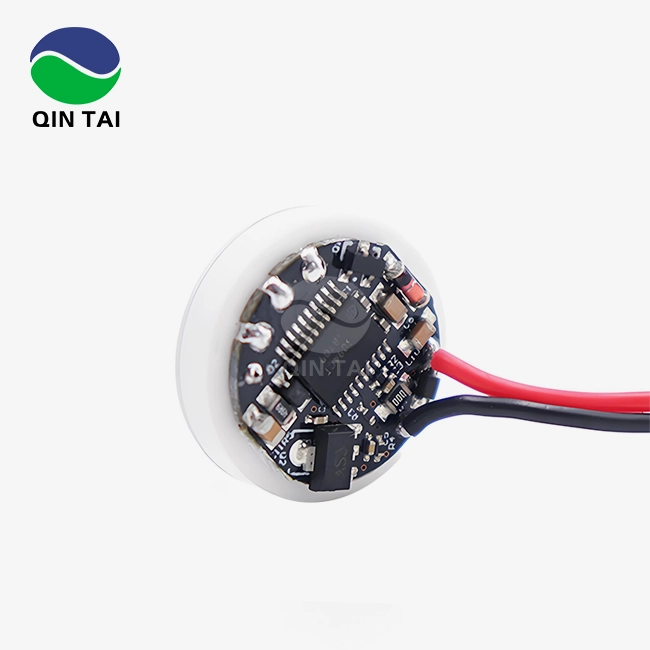
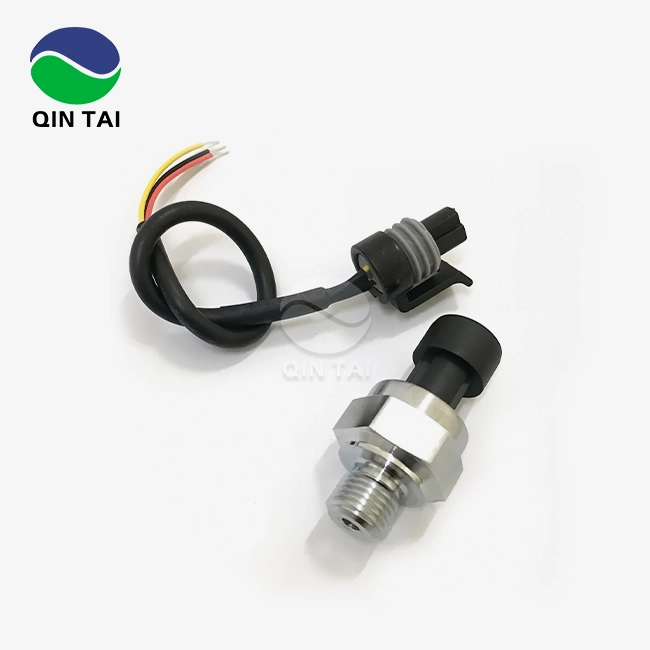
Another type of problems is caused by sensor drift. Temperature changes and chemical contact make urea pressure monitors less accurate over time. If the ECU fault logs show errors in the pressure range that happen from time to time but no leaks or blockages are found, replacing the sensor usually fixes the problem. High-quality sensors with gold-plated terminals and ceramic sensing elements resist drift much better than cheaper alternatives. This makes their higher purchase costs worthwhile because they last longer before they need to be replaced.
Component Quality and System Durability
The "brain" that coordinates dosing processes is the electrical control module. Modules made to automotive standards can handle electromagnetic interference from alternators and starter motors and still work when the voltage changes that happen in business cars. Poor controllers sometimes make communication mistakes that cause annoying fault codes, which lowers operator confidence and wastes time on diagnosis.
During their useful life, valve actuator systems are put through millions of rounds of operation. Solenoid valves with corrosion-resistant stainless steel armatures and wear-compensating spring designs can keep response times close to 100 milliseconds even after being exposed to urea vapor for a long time. This consistency directly means that the emission control system will keep working well between big repair intervals.
Procurement Guide: How to Source the Best Aftertreatment Dosing Units for Your Fleet or OEM Needs
To strategically source emission control parts, you need to do more than just compare prices. You need to carefully evaluate each supplier. Aftertreatment Dosing Unit is a key component in this evaluation, as its precision and durability directly affect long-term maintenance costs and system reliability. Authorized OEM distributors sell original parts that come with full traceability documentation and warranties, which is necessary to keep your regulatory compliance certification. Their technical staff knows how to meet the integration needs of specific applications and can suggest the best configurations for your engine platforms.
Volume Purchasing and Customization Options
Consolidated procurement gives fleet owners who are in charge of hundreds of cars more negotiating power. Annual supply deals usually give savings of 12 to 18% on large orders and guarantee first choice when supplies are low. This kind of setup also lets you change the specs—many companies have private-label programs that let you change the connectors, mounting brackets, and electrical interfaces to exactly what you need without having to pay a lot of money for changes in the field.
Lead time management
Lead time management is what sets great providers apart from average ones. Quality makers keep regional distribution centers stocked with essential parts that can be sent to major markets within 48 hours. This commitment to keeping spare parts on hand keeps your working capital from getting stuck on spare parts and makes sure that replacements are available quickly, so most Aftertreatment Dosing Unit failures don't cause more than four hours of fleet downtime.
After-Sales Support and Technical Partnerships
Long-term relationships with suppliers are very valuable because they allow for ongoing technical collaboration. Field application experts from reputable makers can help you with integration problems that are hard to solve, making dosing maps work better, and training your support staff. This knowledge is especially helpful when expanding into new areas where the fuel quality is different, which can affect how well the SCR system works.
Performance guarantees should be added to warranty programs in addition to basic defect coverage. More forward-thinking suppliers offer emission compliance insurance that shields them from fines from regulators if their Aftertreatment Dosing Units don't keep up the required NOx conversion efficiency within certain operating parameters. This is a strong sign of product confidence that greatly lowers your procurement risk.
Conclusion
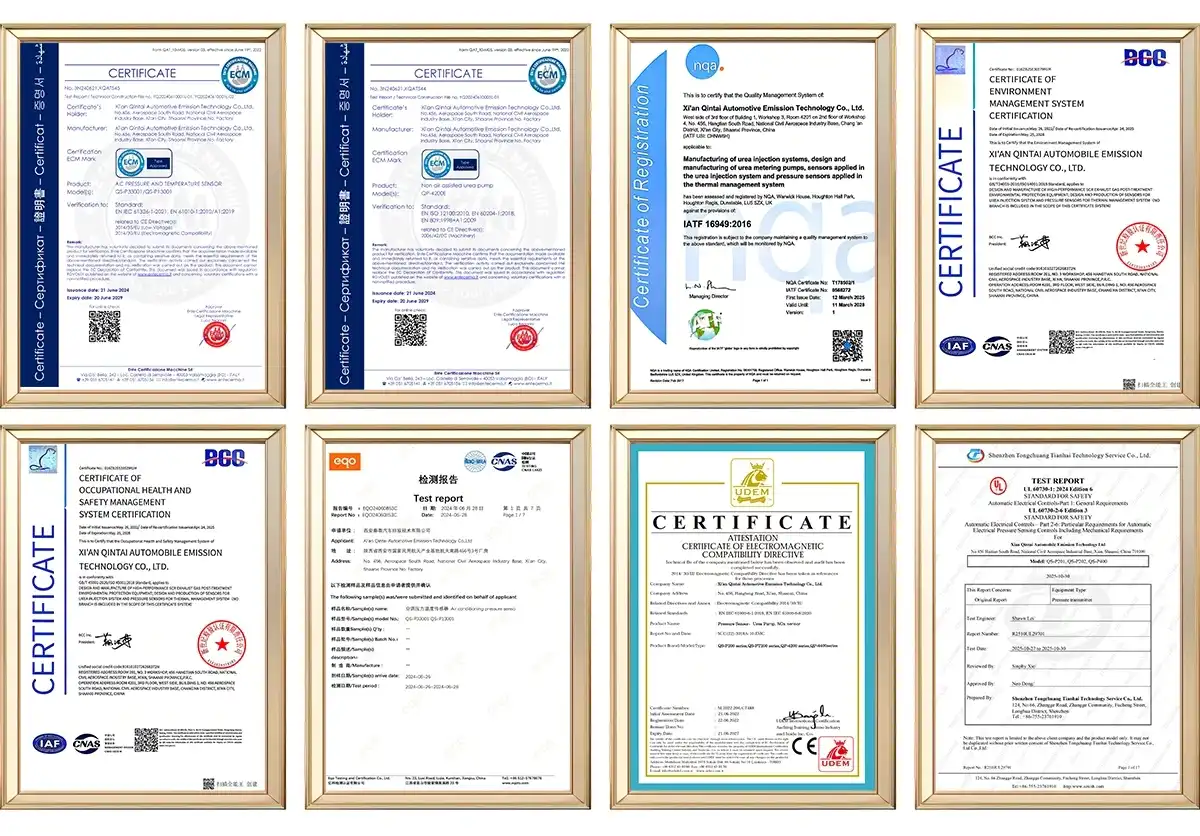
To choose the best Aftertreatment Dosing Unit for your diesel engines, you need to carefully look at the technical specs, the work setting, and the supplier's skills. The lowest total cost of ownership is achieved by units that have been proven to work accurately in harsh conditions and come with responsive technical support and full warranty coverage. Give more weight to suppliers who have manufacturing certifications, a lot of documentation from validation tests, and well-established service networks for after-sales support.
The best dosing unit strikes a mix between being sure to follow the rules and lasting long enough for your specific job cycles, such as cross-country logistics, power generation in rural areas, or heavy-duty construction equipment uses. If you make smart choices about procurement today, you can avoid costly compliance failures and unplanned downtime tomorrow.
FAQ
How Often Should Dosing Units Be Serviced?
Maintenance is usually done every 1,000 hours of use or once a year, whichever comes first. Shorter intervals of 500 to 750 hours are better for heavy-duty uses in dusty or corrosive environments. As part of service processes, the injector nozzle, connection, pressure calibration, and DEF filter must be inspected and cleaned. Units with advanced diagnostic features show maintenance countdowns and performance trend data that allow servicing based on conditions instead of set schedules.
Are Dosing Units Compatible Across Different SCR Brands?
Most makers use standard fitting sizes and thread types, such as M12x1.5 pressure ports, so mechanical fitment often works the same way both times. To make electronics work together, they need to be carefully matched. For example, output signal protocols can be analog voltage (0.5V–4.5V), SENT digital, or CAN bus communication standards. Before cross-brand installations, always make sure that the ECU signal type and calibration parameters match. This will keep you from using the wrong amount of fluid, which could damage the catalyst or cause emission failures.
What Warning Signs Indicate Dosing Unit Malfunction?
White smoke coming from the exhaust while driving on the highway means that the DEF input is too high because of stuck-open valves or broken sensors. When the dashboard shows continuous NOx sensor failures or SCR efficiency codes, it's usually because the dosing isn't enough because of clogged nozzles or broken pumps. Crystalline deposits on the tips of injectors show that the seals are leaking and need to be replaced right away to avoid blockages. When the Aftertreatment Dosing Unit makes strange clicking sounds, it means that the valve actuator is wearing out or there are electrical connection issues that need to be looked at by a professional right away.
Partner With Qintai for Reliable Aftertreatment Dosing Unit Solutions
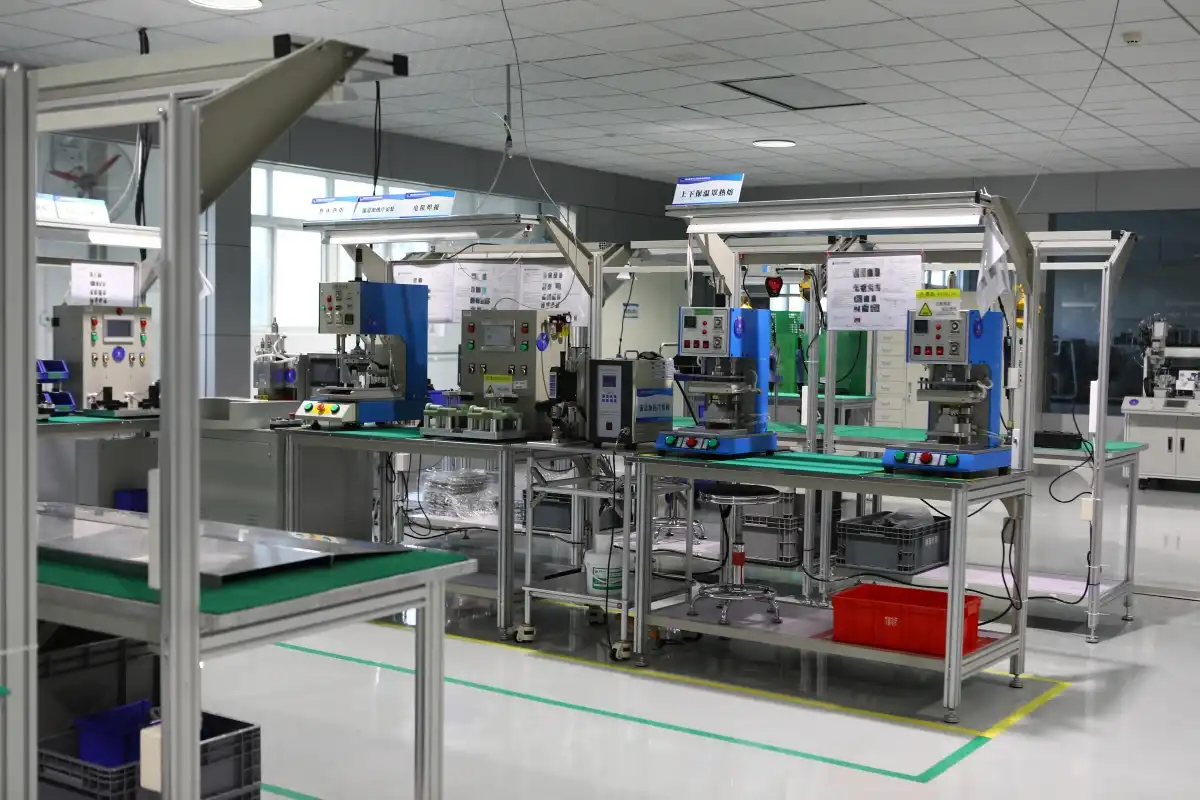
Xi'an Qintai Automotive Emission Technology Co. Ltd is the biggest company in China that makes Aftertreatment Dosing Units. Since 2001, major diesel engine OEMs have trusted their precision-engineered emission control parts. Because our factories are ISO9001 and IATF16949 approved, Weichai Power, Yuchai Power, and Quanchai Power all use us as their main source.
This has helped us become the market leader in China for commercial vehicles. We are experts at making full SCR systems that have high-performance dosing units, urea pressure monitors, and built-in control electronics that are made to meet the needs of Euro VI and EPA compliance.Our separate research and development team has been granted 58 invention patents. These cover designs for anti-crystallization injectors, improvements to cold-start functionality, and diagnostic algorithms that cut down on false fault codes by 70% compared to standard systems.
Qintai offers a range of flexible configuration options, and prototype validation can be done in as little as three weeks. This is true whether you need standard catalog products or custom OEM/ODM solutions that are matched to specific engine platforms. Global B2B users in more than 60 countries can use our expert help network and full after-sales service to make sure their fleets always follow the rules.
Find out how Qintai's proven expertise in emission control can help your diesel engine run better and cost less to run. Email our application engineering team at info@qt-sensor.com to talk about your specific needs and get full technical specifications. Visit qt-sensor.com to see all of our products and download integration guides that will help you speed up the development process and make sure that your emission control works well.
References
1. Johnson, M., & Williams, R. (2021). Advanced Diesel Emission Control Systems: Technology and Applications. SAE International Publications.
2. European Commission Directorate-General for Climate Action. (2022). Euro VI Heavy-Duty Vehicle Emission Standards: Technical Requirements and Compliance Testing Protocols.
3. Zhang, L., & Peterson, K. (2020). "Selective Catalytic Reduction System Optimization for Commercial Vehicles." Journal of Automotive Engineering and Technology, 14(3), 245-267.
4. U.S. Environmental Protection Agency. (2023). Diesel Engine Emission Control Technologies: Performance Evaluation and Best Practices for Fleet Operators.
5. Schmidt, H., & Tanaka, Y. (2022). "Lifecycle Cost Analysis of SCR Dosing Systems in Heavy-Duty Applications." International Journal of Sustainable Transportation Engineering, 8(2), 112-134.
6. Anderson, P., & Liu, C. (2021). Troubleshooting and Maintenance Guide for Diesel Aftertreatment Systems. Automotive Technical Institute Press.

Our customers’ satisfaction speaks for our quality — contact us to experience the same reliable service.