- English
- French
- German
- Portuguese
- Spanish
- Russian
- Japanese
- Korean
- Arabic
- Greek
- German
- Turkish
- Italian
- Danish
- Romanian
- Indonesian
- Czech
- Afrikaans
- Swedish
- Polish
- Basque
- Catalan
- Esperanto
- Hindi
- Lao
- Albanian
- Amharic
- Armenian
- Azerbaijani
- Belarusian
- Bengali
- Bosnian
- Bulgarian
- Cebuano
- Chichewa
- Corsican
- Croatian
- Dutch
- Estonian
- Filipino
- Finnish
- Frisian
- Galician
- Georgian
- Gujarati
- Haitian
- Hausa
- Hawaiian
- Hebrew
- Hmong
- Hungarian
- Icelandic
- Igbo
- Javanese
- Kannada
- Kazakh
- Khmer
- Kurdish
- Kyrgyz
- Latin
- Latvian
- Lithuanian
- Luxembou..
- Macedonian
- Malagasy
- Malay
- Malayalam
- Maltese
- Maori
- Marathi
- Mongolian
- Burmese
- Nepali
- Norwegian
- Pashto
- Persian
- Punjabi
- Serbian
- Sesotho
- Sinhala
- Slovak
- Slovenian
- Somali
- Samoan
- Scots Gaelic
- Shona
- Sindhi
- Sundanese
- Swahili
- Tajik
- Tamil
- Telugu
- Thai
- Ukrainian
- Urdu
- Uzbek
- Vietnamese
- Welsh
- Xhosa
- Yiddish
- Yoruba
- Zulu
How Can You Select a Thin Film Pressure Sensor for OEM Design Needs?
Selecting the right thin film pressure sensor for your OEM project requires balancing precision, reliability, and cost-effectiveness. These sensors convert mechanical pressure into electrical signals using ultra-thin sensing layers, typically ranging from a few micrometers to tens of micrometers thick. At Qintai, we understand that diesel engine manufacturers, aftertreatment system integrators, and generator set producers need sensors that meet stringent emission standards while delivering consistent performance across demanding operational environments. The selection process hinges on understanding your specific application requirements—pressure range, environmental conditions, and integration constraints—alongside evaluating supplier capabilities in certification, mass production readiness, and technical support.


Introduction
Modern diesel engine management systems are built around pressure sensing technology. This is especially true in SCR aftertreatment applications, where close monitoring is needed to make sure that emission rules from China VI and Euro VI are followed. Manufacturers of electronic devices (OEMs) that want small, accurate devices that can work in tough industrial settings now prefer thin film sensors.
This guide shows buying managers and R&D experts how to make the most important choices when they need to buy these parts. The technology behind your product, important selection criteria, market comparisons, and buying strategies that have a direct effect on its performance and long-term dependability are all things we look at. When designing heavy truck engines, construction equipment, or backup generator systems, it's important to know these basics so you can make decisions that combine technical needs with business facts.
Understanding Thin Film Pressure Sensor Technology
What Defines a Thin Film Sensor?
Thin Film Pressure Sensors use resistive layers that are sputtered or deposited on diaphragm structures to pick up changes in pressure. When pressure is put on the diaphragm, which is usually made of single-crystal silicon, silicon carbide, or stainless steel, the sensing element's resistance changes because of the mechanical movement that happens. This change is shown as a measurable amount of electricity, usually in millivolt or digital form.
Traditional sensors have parts that are stuck together with glue, but sputtering thin film versions have atomic-force bonding between layers, which stops creep effects and makes them more stable over time. Since the pressure medium is directly connected to the corrosion-resistant sensor core, there is no need for silicone oil filling or rubber seals. This is especially important for diesel exhaust uses that are exposed to high temperatures and chemicals on a regular basis.
Core Advantages for Heavy-Duty Applications
The way these sensors are made gives them several performance perks that are very important in diesel engine settings. High-intensity vibration resistance comes from laser or plasma welding methods that make structures that are solid and don't have any weak spots for sealing. This way of building eliminates the chance of leaks, which is a must when keeping an eye on systems that use DEF or exhaust backpressure.
Temperature stability over a wide range of operating temperatures (-40°C to 150°C) is achieved through methods for making semiconductors and laser trimming during testing. Response times of less than 10 milliseconds make it possible to watch dynamic pressure changes in SCR dosing units in real time. Because of these factors, companies like Qintai focus on Thin Film Pressure Sensor technology for aftertreatment sensors, where failure rates have a direct effect on guarantee costs and following the rules.
Comparison With Alternative Technologies
Piezoelectric devices respond more quickly, but they have trouble measuring static pressure and temperature changes. Capacitive designs have great resolution, but they are hard to integrate because they need to do a lot of complicated signal conditioning. Strain gage versions are cheaper, but they can't be made smaller or work well in harsh environments like thin film versions can.
When OEMs need combination sensors that can measure both pressure and temperature in small exhaust system areas, thin film platforms give them more options for how to integrate them. Because they can achieve 0.1% to 0.25% accuracy thanks to accurate diaphragm geometry and advanced compensation algorithms, these sensors are the best choice for situations where measurement mistakes cause emission control systems to work less efficiently.
Core Selection Criteria for Thin Film Pressure Sensors in OEM Design
Defining Operational Parameters
The first step in your selection process is to describe the measurement environment. Most diesel exhaust aftertreatment systems need monitors that can measure exact pressures from 0 to 10 bar and are accurate to within 1% of the full scale. For example, uses that need to check the pressure of lube oil might need 0–16 bar ranges that are stable at industrial levels for 50,000 hours. It's not just temperature extremes that need to be taken into account when environmental qualification is done.
Vibration profiles (10–2000 Hz), shock resistance (50–100g), and media compatibility (urea solutions, diesel particulates, acidic condensates) must also match the conditions that your system will be exposed to. Qintai's sensors go through validation testing that mimics 10-year operational cycles. This meets the durability requirements that Weichai Power and Yuchai Power's buying teams look for when they approve providers.
Performance Metrics That Matter
The precision of your system is based on its sensitivity specs, which are given in mV/bar or digital counts per pressure unit. The amount of times that a calibration needs to be done is directly related to how stable it is over time and temperature. This affects the total cost of ownership. In closed-loop control situations where accurate dosing depends on real-time pressure input, response time is very important.
Hysteresis, which is usually less than 0.1% for good thin film sensors, affects how accurate measurements are when the sensors are loaded and unloaded many times, which happens a lot when an engine is running. When you look at datasheets, make sure that the specifications are given at the temperature where the device will be used, not at a reference temperature. If you don't properly compensate for temperature changes, a sensor that says it is 0.5% accurate at 25°C might only be 2% accurate at 125°C. This is one of the differences between compliant sensors and field failures.
Integration and Compatibility Considerations
Because of limitations on the mechanical space available in modern engines, sensors need to have small footprints, usually less than 20 mm in diameter for installation in the exhaust manifold. The electrical interface options—such as analog voltage output, ratiometric operation, I2C communication, or CAN bus communication—must work with the architecture of your ECU without the need for extra signal conditioning.
Thread types (M10x1, M12x1.5, G1/4) and ways of closing (O-ring, metal gasket, NPT taper) affect how hard it is to install and how well it stops leaks. Customizable interfaces from suppliers are very useful. For example, Qintai's ODM services let clients change standard sensor platforms to fit their own connector types or mounting configurations, especially when integrating a Thin Film Pressure Sensor into tight exhaust or hydraulic spaces where both dimensional and electrical compatibility are critical. This cuts down on integration time while still meeting certification requirements through controlled design variations.

Comparative Analysis to Guide Decision-Making
Market Landscape and Positioning
There are well-known brands with wide product lines in the global pressure sensor market, as well as niche manufacturers that focus on the automotive and industrial markets. International suppliers such as Honeywell and Bosch offer a lot of certification paperwork and support networks around the world, but they usually have high minimum order quantities (5,000 to 10,000 units) and long lead times (12 to 16 weeks).
With MOQs starting at 500 units, regional players offer more customization options and faster response times (6–8 weeks). As China's top OEM supplier to domestic engine makers, Qintai is in a unique position to both grow its international presence and meet the high standards of Western automotive manufacturers. Our IATF16949 and UL certifications ensure that our prices are competitive, and our production capacity allows us to meet the needs of global procurement teams that want to keep costs low.
Technology Variants and Trade-offs
Flexible thin film sensors (0.4 mm thick) are good for mounting on curved surfaces or making designs that are sensitive to weight, which is common in portable generator sets. When working with heavy building equipment, rigid sensors with stainless steel housings offer better safety. MEMS-integrated versions have pressure sensing, temperature correction, and signal processing all on one chip. This makes system design easier but limits the number of ways it can be customized.
Standalone sensor elements give OEMs the most design freedom, so they can make their own package that makes their products stand out. Manufacturers of generator sets for use in mines and power plants usually put durability over miniaturization, choosing strong housings that have been tested to last 100,000 cycles or more. Aftermarket wholesalers that work with repair shops need sensors that can work with a variety of engine platforms and have standard connections and low prices.
Industry-Specific Recommendations
For heavy trucks, sensors must meet the ISO 16750 automotive environmental standards, paying special attention to their resistance to electromagnetic fields (EMFs) and salt spray. Extreme dust and wetness are common in construction sites, so equipment needs to be protected against these things (IP67 or IP69K). More often than road vehicles, agricultural equipment goes from being idle to fully loaded, which speeds up fatigue failure modes.
It is important to choose sensors with more than 1 million cycle ratings. When used in continuous-duty situations, generator sets need industrial-grade parts that have been tested and proven to last 8,760 hours per year. In these situations, consumer-grade automotive sensors fail before they should. Qintai's product line meets these different needs with application-specific validation protocols. These make sure that sensors used in Quanchai engines for farming go through different qualification testing than sensors used in stationary power applications.
Procurement and Supply Chain Insights
Supplier Evaluation Framework
Certifications of quality serve as the first level of licensing. ISO 9001 certifies basic quality management systems, while IATF16949 covers the needs of making cars, with standards like control plans and process capability studies. For generator sets to be used in dangerous places, they need to have both CMC (China Metrology Certification) and Ex (explosion-proof) certifications. UL and CE markings make it easier to get into markets in North America and Europe. Check the supplier's production ability as well—can they go from making a few prototypes to making more than 100,000 items a year without lowering the quality? Qintai has been making things for 20 years and is a core supplier to China's top three diesel engine makers. This shows that they can grow, which is important when your production ramp rests on sensors being available.
Customization Versus Standard Products
With off-the-shelf sensors, you can save time and money on development, which makes them a good choice for existing designs or aftermarket uses that need to be compatible with a lot of different devices. When standard products don't work well with other systems or don't meet the needs of a specific environment, custom-engineered solutions give the best performance. The decision point usually comes when limited space, the need for specific media compatibility, or the need for proprietary interface protocols create value that makes the 6–12 month development timeline worth it, particularly for a Thin Film Pressure Sensor that must be tailored to unique mechanical and electrical interfaces.
Qintai's 58 invention patents show how much research and development we put into adapting sensors. These patents allow us to change things like pressure port geometries, output characteristics, and temperature compensation algorithms while still staying in compliance with certification rules. We do this by submitting design change documentation that meets regulatory traceability requirements.
Pricing Dynamics and Cost Drivers
Sensor prices vary a lot depending on the level of accuracy, the amount that needs to be made, and the certification requirements. Basic sensors with a 2% accuracy that can be bought aftermarket cost $8 to $15 for 1,000 units. Industrial-grade units with a 0.5% accuracy range from $25 to $45; precise 0.1% sensors cost $60 to $120, depending on the environment. MOQs of 10,000 units often lower per-unit costs by 30–40% compared to small-batch purchases. This is because volume agreements unlock tier prices. However, accurate demand forecasting is needed to balance the costs of keeping inventory against bulk prices.
Extra charges of 15 to 25 percent are added for lead time premiums for faster production (2 to 4 weeks). When figuring out the total landing cost, you need to take operations into account. For example, air freight is better for low-volume, urgent orders than sea freight for planned production runs. Qintai's regional delivery network and partnerships with freight forwarders help clients get the best deals on these trade-offs. This is especially important when handling global supply chains that go through markets in Europe, the Middle East, and South America.

Best Practices and Tips for OEM Designers
Calibration and Validation Protocols
Factory calibration sets the original accuracy, but field proof checks how well it works in real-world situations. Set up processes for inspecting arriving parts that check sensor output at three pressure points across the measurement range before putting the parts together. Temperature cycle testing (25°C, maximum operating temperature, and minimum operating temperature) shows how well the compensation works.
For system-level validation after installation, sensor readings should be compared to reference instruments while the engine is running at full power. This is done to find mistakes caused by integration issues like exhaust pulsation interference or heat soak effects. Qintai offers calibration certificates that are traceable to national standards to meet our customers' needs for quality documentation. Our technical team also helps customers come up with application-specific test protocols that deal with the unique validation challenges of SCR dosing systems versus DPF differential pressure monitoring.
Avoiding Common Integration Pitfalls
When measurement ports get clogged with condensate or particles, the orientation of the mounting changes how accurate the sensor is. In exhaust applications, vertical installations with ports facing downward keep the ports from getting clogged. When vibration separation isn't good enough, noise from the engine gets into the pressure signal. This means that frequency filtering is needed, which adds measurement loss. When you overtighten the pressure port fittings during installation, you put stress on the sensor diaphragm. This changes the zero offset and shortens the fatigue life.
EMI can happen when electrical wiring is close to ignition systems or alternators without the right protection. These problems don't show up very often in lab tests, but they do cause cars to fail early or have insurance claims. Our application engineering support helps clients find these kinds of risks early on in the design process. We do this by drawing on our experience working with China's biggest engine OEMs, where we use field failure analysis to directly guide our product development goals.
Future-Proofing Design Choices
Global emission rules are getting stricter all the time. Euro VII proposals and possibly stricter EPA rules will require more precise control of the exhaust system. Choosing monitors with accuracy margins above and beyond what is needed now gives you room to change. Digital output sensors with programmable ranges and compensation parameters let you change the calibration strategy without having to change the hardware. When platform lifespans are extended, modular designs that let sensor elements be added to or changed within existing mechanical interfaces protect the money spent on tools.
As new alternative fuel technologies like hydrogen combustion and methanol engines come out, the requirements for pressure sensors change. Sensors that have been tested for standard diesel chemistry may not work well with the new exhaust components. Qintai's ongoing research and development (reflected in our ongoing patent applications) is focused on anticipating these changes, making sure that sensors used today will still work after the 10–15 years that heavy equipment platforms usually last.

Conclusion
To choose the right Thin Film Pressure Sensor for OEM designs, you need to carefully look at the technical specs, the supplier's abilities, and the total cost over the product's life. The choice has a direct effect on following pollution rules, keeping the system reliable, and staying competitive in markets where performance gaps are getting smaller. OEMs that are good at what they do balance instant buying factors like price, minimum order quantities, and wait times with long-term ones like how scalable the supplier is, how much professional help they offer, and how much they can innovate. Thin film technology is the best choice for demanding diesel engine and aftertreatment applications because it is accurate, doesn't break down in harsh environments, and can be made smaller. Partnering with suppliers who can show mature manufacturing, a wide range of certifications, and application-specific expertise lowers integration risks and speeds up time-to-market, which turns technical sensor selection into business success in the end.
FAQ
Q1: How does accuracy compare between thin film and piezoelectric sensors?
A: Thin film sensors are better for measuring steady and slowly changing pressure because they are more stable over time and temperature and can achieve full-scale accuracy of 0.1% to 0.5%. Piezoelectric sensors work great for dynamic tasks, but they can't measure steady pressure and their temperatures change a lot without complex compensation. This makes them less useful for tracking continuously in emission control systems.
Q2: Can thin film sensors be customized for specific OEM requirements?
A: Customization options include changing the pressure range, the output signal (analog voltage, current loop, or digital protocols), the mechanical interface (thread types, connector styles), and making the temperature adjustments work better in certain situations. Development times vary from 8 to 16 weeks, based on how complicated the changes are. Prototypes can be made for testing purposes before the final decision is made to make the molds for production.
Q3: What temperature ranges can thin film pressure sensors reliably operate within?
A: Quality thin film sensors can work in temperatures ranging from -40°C to 150°C, and some models can even work in temperatures up to 175°C for installations close to exhaust manifolds. Temperature compensation methods keep the accuracy within the range specified, but running at very high temperatures may make the system less stable in the long term. Applications that need to be exposed to temperatures above 125°C all the time should specify high-temperature validation testing to make sure the drift characteristics are acceptable over the expected service life.
Partner With Qintai for Reliable Thin Film Pressure Sensor Solutions
Qintai is a national high-tech company and has been China's top Thin Film Pressure Sensor seller since 2001. They have 20 years of experience with cleaning diesel engines and have a wide range of certifications, such as IATF16949, UL, CE, and REACH compliance. Our separate research and development team has created 58 patented sensor technologies that are perfect for SCR systems, DPF monitoring, and applications that need to meet strict emission standards. Weichai Power, Yuchai Power, and Quanchai Power—China's top diesel engine makers—ask us to be their main source. We give them the mass production capacity, technical stability, and low costs that global OEMs need. Whether you need standard sensors that can be used right away or solutions that are specifically designed to meet your needs, our team can help you with technical issues quickly and reliably through our supply chain. Contact our experts at info@qt-sensor.com to talk about the needs of your application, get full technical documentation, or ask for trial units to try out.
References
1. Anderson, M. & Chen, L. (2021). Thin Film Sensor Technologies for Automotive Applications. SAE International Press.
2. European Automotive Standards Committee (2022). Pressure Sensor Qualification Guidelines for Heavy-Duty Emission Control Systems. Brussels: EASC Publications.
3. Kumar, R. (2020). "Comparative Analysis of Pressure Sensing Technologies in Diesel Exhaust Aftertreatment." Journal of Automotive Engineering, 234(8), 1876-1889.
4. National Institute of Standards and Technology (2023). Calibration and Traceability Standards for Industrial Pressure Sensors. NIST Technical Report 1425.
5. Schmidt, H. & Tanaka, Y. (2022). Advanced Materials in MEMS Pressure Sensors: Manufacturing and Reliability. Springer International.
6. Zhao, W., et al. (2023). "Long-term Stability Assessment of Sputtered Thin Film Pressure Sensors in Harsh Environments." Sensors and Actuators A: Physical, 351, 114-127.
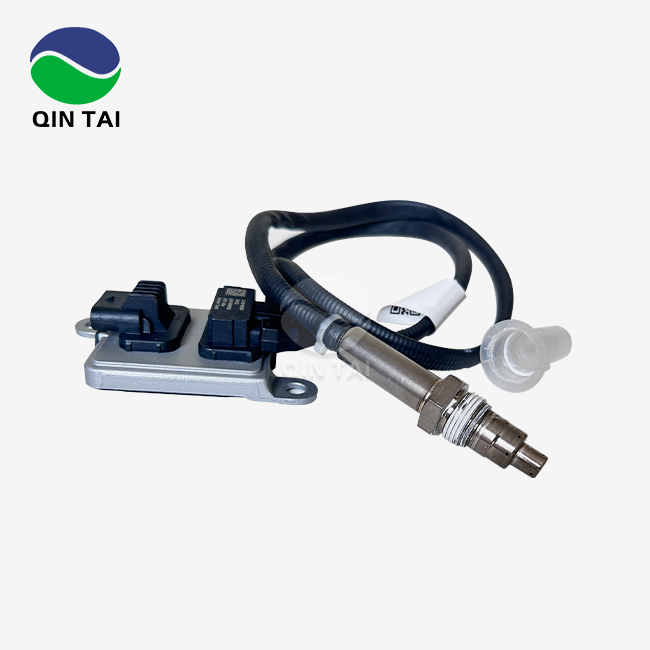
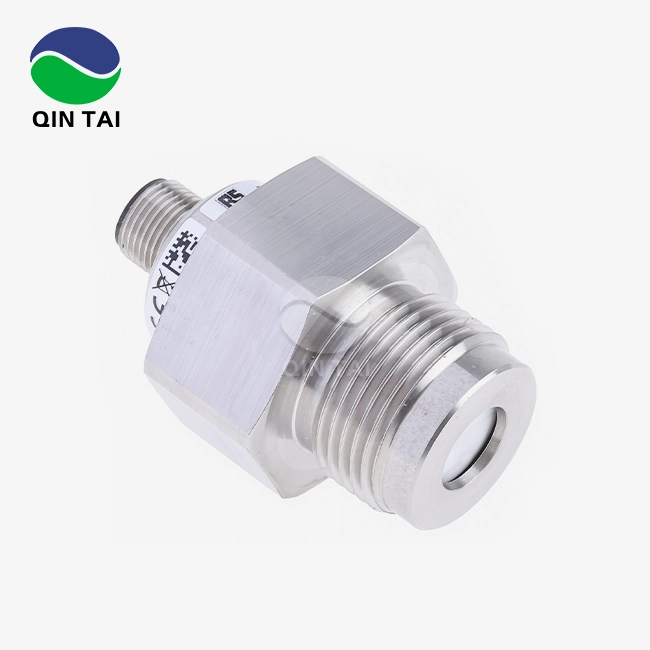
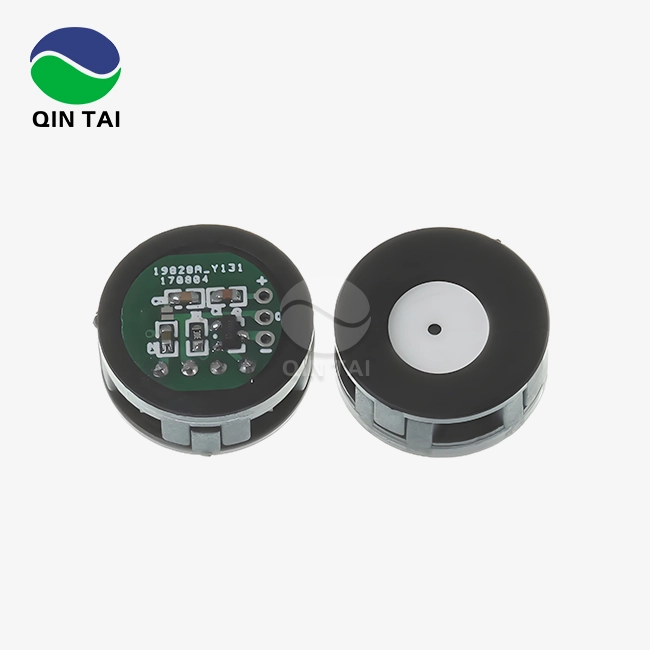


Our customers’ satisfaction speaks for our quality — contact us to experience the same reliable service.