- English
- French
- German
- Portuguese
- Spanish
- Russian
- Japanese
- Korean
- Arabic
- Greek
- German
- Turkish
- Italian
- Danish
- Romanian
- Indonesian
- Czech
- Afrikaans
- Swedish
- Polish
- Basque
- Catalan
- Esperanto
- Hindi
- Lao
- Albanian
- Amharic
- Armenian
- Azerbaijani
- Belarusian
- Bengali
- Bosnian
- Bulgarian
- Cebuano
- Chichewa
- Corsican
- Croatian
- Dutch
- Estonian
- Filipino
- Finnish
- Frisian
- Galician
- Georgian
- Gujarati
- Haitian
- Hausa
- Hawaiian
- Hebrew
- Hmong
- Hungarian
- Icelandic
- Igbo
- Javanese
- Kannada
- Kazakh
- Khmer
- Kurdish
- Kyrgyz
- Latin
- Latvian
- Lithuanian
- Luxembou..
- Macedonian
- Malagasy
- Malay
- Malayalam
- Maltese
- Maori
- Marathi
- Mongolian
- Burmese
- Nepali
- Norwegian
- Pashto
- Persian
- Punjabi
- Serbian
- Sesotho
- Sinhala
- Slovak
- Slovenian
- Somali
- Samoan
- Scots Gaelic
- Shona
- Sindhi
- Sundanese
- Swahili
- Tajik
- Tamil
- Telugu
- Thai
- Ukrainian
- Urdu
- Uzbek
- Vietnamese
- Welsh
- Xhosa
- Yiddish
- Yoruba
- Zulu
Aftertreatment Dosing Unit vs Injector: Key Differences Explained
When selecting components for diesel emission control systems, understanding the distinction between an aftertreatment dosing unit and a fuel injector becomes essential. An Aftertreatment Dosing Unit manages the precise delivery of Diesel Exhaust Fluid (DEF) or AdBlue into the exhaust stream to reduce nitrogen oxide (NOx) emissions through Selective Catalytic Reduction (SCR) technology. Fuel injectors, on the other hand, deliver diesel fuel directly into the combustion chamber to power the engine. While both involve precision fluid delivery, their operational environments, design requirements, and compliance roles differ significantly, making informed selection critical for OEMs and aftermarket suppliers aiming to meet stringent EPA and Euro VI standards.


Understanding Aftertreatment Dosing Units and Injectors
What Is an Aftertreatment Dosing Unit?
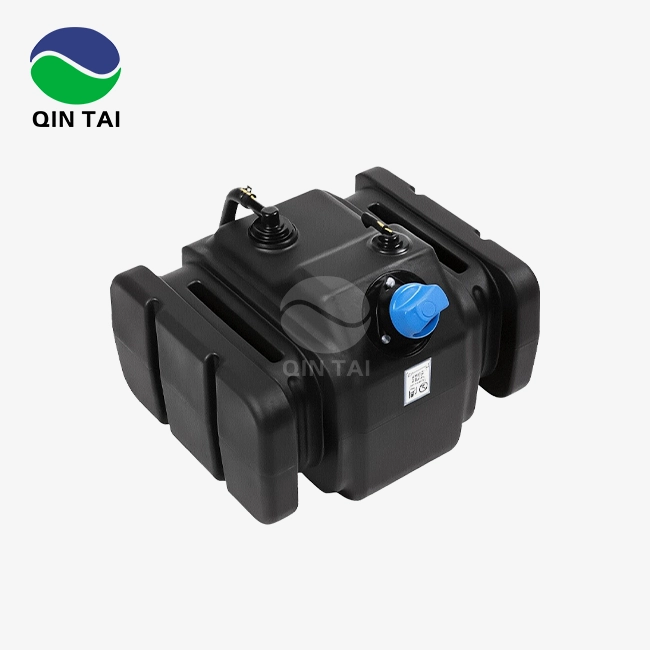
The Aftertreatment Dosing Unit is the most important part of modern SCR systems. It adds urea solution to the hot exhaust gasses before they reach the catalytic converter. This unit has a dosage module, control electronics, and a pressure sensor built in that checks the safety of the hydraulics in the DEF supply line. These units are made of corrosion-resistant materials like 316L stainless steel and Polyphenylene Sulfide (PPS), so they can handle the harsh chemicals that aqueous urea creates. The dosing control unit (DCU) gets information from the engine control unit (ECU) in real time and changes the amount of fuel injected based on the temperature, flow rate, and percentage of NOx in the exhaust to meet regulations without losing reductant.
What Is a Fuel Injector?
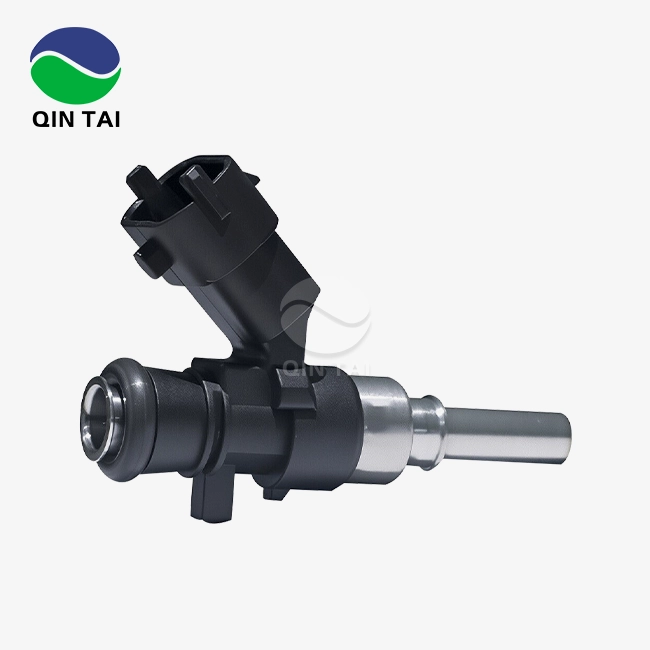
Under high pressure—often more than 2,000 bar in common rail systems—fuel injectors send tiny particles of diesel fuel straight into the combustion chamber. These precise parts control the speed, pattern, and amount of fuel spray to improve power output, make burning more efficient, and lower particulate matter. Fuel injectors are made of hardened steel and have nozzles with multiple holes. They have to withstand extreme thermal cycling and mechanical stress over millions of injection cycles. Modern electronic injectors have piezoelectric or solenoid motors that allow them to respond quickly (in microseconds), which means that they can do more than one shot per combustion cycle.
Core Component Comparison
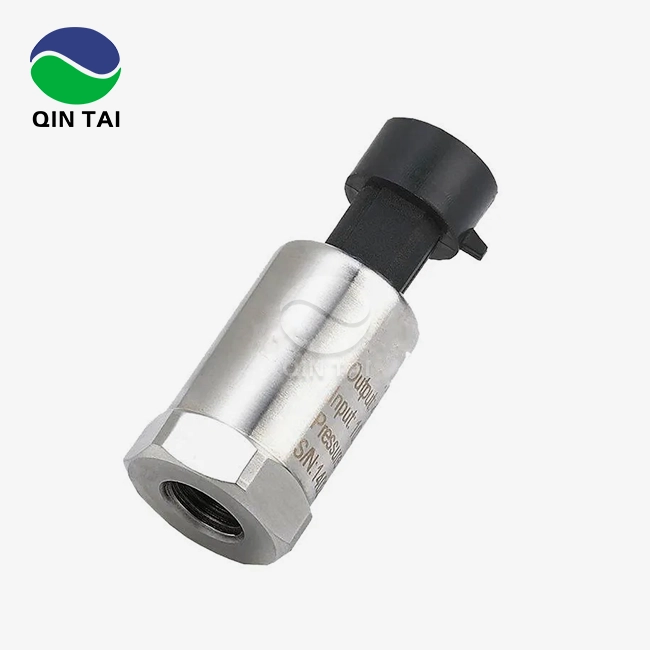
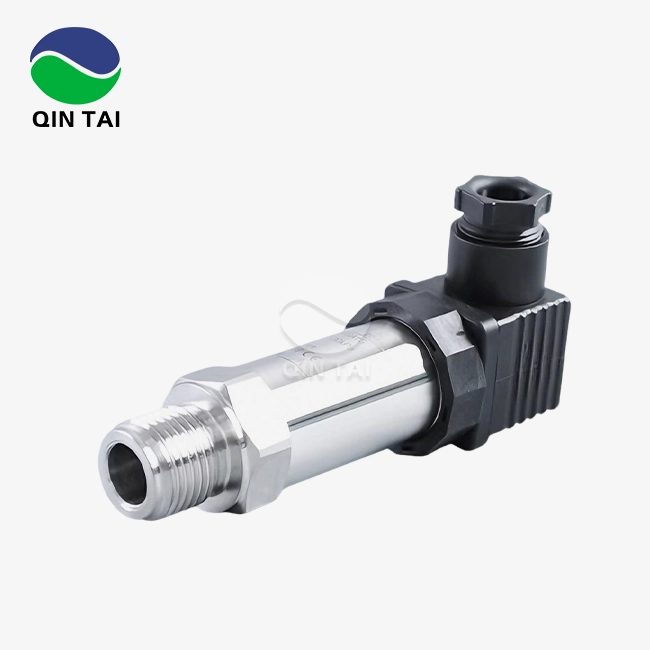
Advanced sensors and control technology are used in both systems, but their design objectives are different. To keep urea from crystallizing, dosing units focus on chemical resistance and low dead volume design, while fuel injectors focus on thermal durability and ultra-precise metering under high pressure. The Aftertreatment Dosing Unit has a urea dosing pressure sensor built in to keep the spray atomization at its best and avoid blockages caused by crystallization. Sensors for temperature and rail pressure are built into fuel injectors so that the injection parameters can be changed dynamically to match changing load conditions.
Core Functional Differences Between Aftertreatment Dosing Units and Injectors
Primary Functional Objectives
Aftertreatment Dosing Units are only used to lower NOx pollution after combustion. They do this by using a catalytic process to turn dangerous nitrogen oxides into safe nitrogen and water vapor. This tool for controlling emissions directly handles meeting the rules for China VI, Euro VI, and EPA Tier 4 Final guidelines. On the other hand, fuel injectors control the quality of combustion, fuel economy, and power output to make the engine work better. How well they work decides how fast the engine is, how much fuel it uses, and the particulate emissions it makes during combustion.
Design and Material Considerations
The working setting of each part affects the choice of materials. Dosing units are made of urea-compatible plastics, stainless steel alloys, and special coatings that can withstand the corrosive effects of 32.5% liquid urea for 15,000 to 20,000 hours of use. These units can work in pressures from 0 to 12 bar and temperatures from -40°C to +125°C. They can also handle the 9% volume increase that happens when urea freezes. Fuel injectors are made of hardened steel and ceramics that can handle temperatures of up to 800°C and pressures in the combustion chamber that are higher than 200 bar. The IP69K sealing on the dosing unit protects it from high-pressure washdown environments that are common in business car repair. The injector sealing, on the other hand, keeps combustion gasses inside the engine.
Control Systems and Signal Types
The ECU sends control signals to the Aftertreatment Dosing Unit over CAN bus protocols. This unit changes the flow of DEF depending on the current conditions of the exhaust. Integrated pressure sensors send out analog voltage readings (usually between 0.5V and 4.5V) or use the SENT system for digital communication. The ECU sends high-speed switching signals to the fuel pumps, and piezoelectric types can work in less than 100 microseconds. This speed lets you use pilot injection, main injection, and post-injection strategies that improve the timing of combustion and lower emissions where they start.
Maintenance Requirements
The maintenance needs of these systems are very different. Dosing units need to be checked for urea crystallization on a regular basis, especially around the tip and in the flow paths inside the unit. The amount of time between cleanings depends on the job cycle and the quality of the DEF. Operators should use troubleshooting tools to check the accuracy of the pressure monitor and look for signal shift that causes fault codes like P204B. Pay attention to the quality and filtration of the fuel going into fuel injectors because particulate contamination wears down precision sealing surfaces too quickly. Depending on the fuel quality and how the engine is running, injectors need to be replaced every 150,000 to 300,000 kilometers. Dosing units, on the other hand, usually last the same amount of time or longer if they are well taken care of.
Comparing Market Solutions and Brands
Leading Global Suppliers
There are both well-known car tier-one sellers and specialized emission control companies in the global market for SCR dosing technology and fuel injection systems. Bosch is the leader in both fuel injection and dose technologies. Its DENOXTRONIC urea dosing systems are used in a lot of heavy-duty vehicles in Europe and North America. Continental has SCR systems that are fully integrated and have advanced sensor fusion features for accurate dose control. Cummins offers vertically integrated emission systems that are made to work with their engine platforms. This makes sure that the calibration is perfect and that the warranty covers everything, particularly when the Aftertreatment Dosing Unit is part of a closely matched engine-aftertreatment package that requires seamless communication between control modules.
Delphi Technologies, which is now part of BorgWarner, makes high-pressure common rail injectors and dosing modules that have been used in construction equipment for a long time and worked well. Denso mainly makes small dosing units that can be used in light business cars and farm machinery. Plastic Omnium and Valeo both offer cost-effective solutions for replacement parts in the aftermarket and new markets. Getting to know each supplier's list of certifications, output capacity, and technical support infrastructure helps buying teams match the skills of vendors with the needs of specific applications.
Electronic vs Mechanical Variants
Electronic dosing units are more accurate because they use closed-loop control to keep adjusting the injection based on sensor feedback to keep the right amount of ammonia in the SCR catalyst. These systems stop ammonia slip, which is when extra ammonia that hasn't been handled escapes through the tailpipe, and they keep NOx conversion rate above 95%. Different types of mechanical dosing use fixed orifice sizes and pressure-controlled flow, which makes them good for steady uses like generator sets where exhaust conditions stay mostly the same. Electronic fuel injectors also work better than their mechanical counterparts because they can change the timing of the injection and send out more than one pulse. However, mechanical injectors are still used in old equipment and some industrial uses because they are easier to repair in the field.
Technology Compatibility Considerations
It's important to pay attention to the mounting interface measurements, electrical connector types, and pressure sensor output protocols when matching dosing unit specs to SCR system design. When it comes to catalyst housings, dosing units with M10x1 or M12x1.5 threaded ports are more universal, while proprietary flange designs force customers to stick with a single brand. To avoid calibration mistakes, signal output voltage ranges must match the input specifications of the ECU. In the same way, the choice of fuel injectors is based on the design of the engine's rail pressure, the layout of the electrical harness, and how well it works with the ECU. For some systems, matching sets are needed to keep the injection balance across all cylinders.

Procurement Considerations for Aftertreatment Dosing Units and Injectors
Pricing Structures and Volume Benefits
Aftertreatment Dosing Units usually cost between $150 and $600 each, but this depends on the flow rate, the integration of sensors, and the positioning of the brand. For orders over 500 units per year, volume pricing cuts costs by 15 to 30 percent. Depending on the pressure rating and actuation technology, fuel injectors cost between $80 and $400 each. If you buy a lot of them, you can get discounts of the same amount through annual contracts. Aside from the unit price, procurement managers should look at the total cost of ownership, which includes things like warranty coverage, failure rates, and the availability of technical support that lowers the costs of unplanned downtime.
For OEM uses that need special mounting arrangements, electrical connections, or flow characteristics, custom engineering services are useful. When a supplier offers ODM, they can change standard platforms to fit specific needs, weighing the benefits of customization against the costs of tools and the minimum order quantities that must be met. Volume agreements allow for better prices and ensure production capacity during problems in the supply chain.
Supplier Selection Criteria
Reliability is the most important factor in choosing a product. It can be seen in the number of failures in the field, the number of insurance claims, and certifications that show the product meets ISO 9001 and IATF 16949 quality management standards. Suppliers of dosing systems with EPA and CARB certifications offer legal security for entering the U.S. market. Documentation for REACH and RoHS compliance shows that chemical and electrical safety rules are being followed in global markets.
When problems happen, the ability to keep operations going depends on the infrastructure for after-sales support. Check how responsive the supplier's technical hotline is, how available their field service is, and how many spare parts they have in stock. When compared to direct purchase for every order, suppliers with regional distribution centers cut down on wait times and freight costs. When defects happen, quality assurance programs like incoming inspection protocols, traceability systems, and failure analysis support help find the root causes quickly.
Logistics and Lead Time Management
Standard catalog items from reputable sources usually ship within two to four weeks. For custom designs, wait times can be as long as eight to twelve weeks, based on how complicated the engineering is and how busy the production schedule is. Purchasing teams should set safety stock levels based on how quickly items are used up, how reliable a supplier has been in the past, and how important the items are to meeting production schedules. Holding costs are passed on to suppliers through consignment inventory arrangements, which also make sure that items are available right away for high-volume assembly operations.
When choosing a shipping method, you have to weigh cost against urgency. For example, air freight cuts down on travel time for emergency replacements, while sea freight gets the best price for planned resupply. For dosing units, long-lasting packaging is important because shock and pressure during shipping can damage precise parts. Latent failures from electrostatic discharge during handling can be avoided by making sure that electronic circuits have the right ESD protection.
Practical Applications and Case Studies
Heavy-Duty Commercial Vehicles
Both dosing units and fuel injectors need to be very durable for long-haul trucking applications. Parts should work reliably for over a million kilometers. During this service life, advanced dosing systems keep NOx conversion efficiency above 90%, which stops expensive rises in DEF use that show worsening performance, making the Aftertreatment Dosing Unit a critical component for maintaining both emissions compliance and operating cost stability. When fleet managers upgrade to the newest common rail injectors with optimized spray patterns, they report 5-8% better fuel economy. This has a direct effect on running margins in competitive freight markets.
Construction and Mining Equipment
Off-road vehicles work in places with a lot of dust and shaking, and the uptime of their parts depends on how well they can handle these conditions. Dosing units that are sealed to IP69K standards can handle water and pressure washing that happen when equipment is being cleaned. Manufacturers of construction tools are asking for more and more integrated dosing units with built-in diagnostics that tell telematics systems about fault conditions. This lets repair be planned ahead of time. Compared to reactive repair strategies, this proactive method cuts unplanned downtime by 20–35%, which is a big deal in situations where rental rates depend on guaranties of availability.
Generator Set Applications
For stationary power generation, dosing systems must be designed to work all the time, instead of having intermittent duty cycles like those used in mobile applications. Industrial-grade dosing units made for hospitals and data centers with backup power systems have double-checked pressures and fail-safe valves that keep doses going even when the units are running for a long time. Long-term stability and low upkeep are important for these systems, and service intervals can go up to 10,000 working hours. When used in generators, stable load conditions and clean fuel supplies are good for fuel injectors, which can last for more than 30,000 hours before they need to be replaced if they are properly maintained.
Emissions Reduction Results
Field data from SCR retrofits on transit busses shows that NOx levels drop by 92 to 96% when dosing systems are properly calibrated and work with good DEF and working sensors. A study of a city's fleet found that average NOx emissions dropped from 4.2 g/kWh to 0.18 g/kWh after the retrofit. This met EPA guidelines and increased the service life of the vehicles. The economic case included a $28,000 per vehicle retrofit cost that was balanced by not having to buy a new vehicle, which saved 84% of the cost while maintaining the same level of emissions performance.

Conclusion
It's easier to understand how Aftertreatment Dosing Units and fuel pumps work in current diesel powertrains when you know the difference between them. Dosing units control pollution after combustion by precisely delivering DEF, and fuel injectors improve the efficiency of burning and the performance of the engine. When making decisions about what to buy, it helps to know about each technology's design priorities, maintenance needs, and supplier landscape. When procurement teams find the right balance between certification needs, reliability metrics, and total cost of ownership, they can get parts that meet regulatory requirements, last a long time, and have competitive lifecycle costs across a wide range of applications, from commercial transportation to industrial power generation.
FAQ
Q1: How often should aftertreatment dosing units undergo maintenance?
A: Maintenance times depend on the duty cycle of the application and the quality of the DEF. Every 100,000 kilometers, heavy-duty business cars need to be inspected to look for nozzle crystals and make sure the pressure sensor is working correctly. For stationary applications, the time between operations can be increased to 10,000 hours. Common failure modes can be avoided by replacing DEF filters and visually inspecting electrical connections on a regular basis.
Q2: Can dosing units from different brands be interchanged?
A: Physical compatibility depends on the type of electrical connector and the mounting thread. Signal output methods and pressure ranges must match ECU calibration settings even if the parts are physically compatible. Using non-OEM parts could cancel your guarantee and needs validation testing to make sure the system works right and meets emissions standards.
Q3: What indicates early dosing unit failure?
A: Some warning signs are higher DEF use without a corresponding drop in NOx, fault codes (P204B) related to the performance of the pressure sensor circuit, urea crystallization visible around the injection nozzles, and "check engine" messages when the engine is cold. Diagnostic tools that read the output of a pressure sensor in real time can find signal drift before it leads to a complete failure.
Partner With a Trusted Aftertreatment Dosing Unit Manufacturer
Qintai Automotive Emission Technology Co., Ltd. has been helping OEM manufacturers and system integrators around the world for more than 20 years with their SCR aftertreatment systems and precision pressure sensors. Our manufacturing processes are IATF 16949-certified, which means that the quality stays the same even when we make a lot of them. Also, our independent R&D team is always improving product performance to meet new emission standards. Weichai, Yuchai, and Quanchai are some of China's biggest diesel engine makers, and we're their main OEM supplier. Our products are reliable, and we have 58 invention patents and a long list of certifications, such as ISO 9001, CMC, Ex, UL, CE, REACH, and RoHS.
Our engineers can make Aftertreatment Dosing Unit setups that are completely unique by changing standard platforms to fit your system's mounting interfaces, pressure ranges, and sensor protocols. With the ability to produce in large quantities, both OEM assembly operations and aftermarket distribution networks can be supported. Competitive pricing structures reward partners who stick with the partnership. Contact our procurement experts at info@qt-sensor.com to talk about the needs of your application, ask for technical paperwork, and get custom quotes.
References
1. Johnson, M.R. & Singh, R. (2021). Selective Catalytic Reduction Systems: Design, Performance, and Optimization. SAE International Publishing.
2. European Automobile Manufacturers Association (ACEA). (2022). Heavy-Duty Vehicle Emissions Standards: Technical Implementation Guide for Euro VI Compliance.
3. U.S. Environmental Protection Agency. (2020). Diesel Emission Control Technology: Aftertreatment Systems and Sensor Integration. EPA Technical Report Series.
4. Zhang, L., Chen, H., & Liu, Y. (2023). "Durability Analysis of Urea Dosing Components in SCR Systems." International Journal of Automotive Engineering, 14(3), 287-304.
5. Bosch Automotive Technologies. (2022). DENOXTRONIC Dosing Systems: Technical Specifications and Service Guidelines. Robert Bosch GmbH Technical Documentation.
6. Kim, S.W. & Park, J.H. (2021). "Comparative Performance Study of Electronic vs. Mechanical Dosing Units in Heavy-Duty Applications." Journal of Emission Control Science and Technology, 9(2), 156-173.

Our customers’ satisfaction speaks for our quality — contact us to experience the same reliable service.