- English
- French
- German
- Portuguese
- Spanish
- Russian
- Japanese
- Korean
- Arabic
- Greek
- German
- Turkish
- Italian
- Danish
- Romanian
- Indonesian
- Czech
- Afrikaans
- Swedish
- Polish
- Basque
- Catalan
- Esperanto
- Hindi
- Lao
- Albanian
- Amharic
- Armenian
- Azerbaijani
- Belarusian
- Bengali
- Bosnian
- Bulgarian
- Cebuano
- Chichewa
- Corsican
- Croatian
- Dutch
- Estonian
- Filipino
- Finnish
- Frisian
- Galician
- Georgian
- Gujarati
- Haitian
- Hausa
- Hawaiian
- Hebrew
- Hmong
- Hungarian
- Icelandic
- Igbo
- Javanese
- Kannada
- Kazakh
- Khmer
- Kurdish
- Kyrgyz
- Latin
- Latvian
- Lithuanian
- Luxembou..
- Macedonian
- Malagasy
- Malay
- Malayalam
- Maltese
- Maori
- Marathi
- Mongolian
- Burmese
- Nepali
- Norwegian
- Pashto
- Persian
- Punjabi
- Serbian
- Sesotho
- Sinhala
- Slovak
- Slovenian
- Somali
- Samoan
- Scots Gaelic
- Shona
- Sindhi
- Sundanese
- Swahili
- Tajik
- Tamil
- Telugu
- Thai
- Ukrainian
- Urdu
- Uzbek
- Vietnamese
- Welsh
- Xhosa
- Yiddish
- Yoruba
- Zulu
Why Aftertreatment Dosing Unit Uses and Benefits Matter for Fleets
If you manage a diesel fleet in the United States, you already know how tight emission regulations have become. The aftertreatment dosing unit sits at the center of your compliance strategy. This device precisely injects Diesel Exhaust Fluid (DEF) into the exhaust stream, enabling the SCR system to convert harmful NOx emissions into harmless nitrogen and water. Without accurate dosing, your fleet risks regulatory penalties, reduced engine performance, and costly downtime. Understanding how this component works—and why it matters—can directly affect your bottom line.
Understanding Aftertreatment Dosing Units: Function and Technology Overview
What Does a Dosing Unit Actually Do?
The amount and time of DEF input into the exhaust system are controlled by a dosing machine. Together with the Engine Control Unit (ECU) or Dosing Control Unit (DCU), it responds to sensor feedback in real time, such as exhaust temperature, NOx concentration, and system pressure. The normal working pressure is between 0 and 9 bar, and the flow rate changes based on how much the engine is being used.
Key Components Inside the System
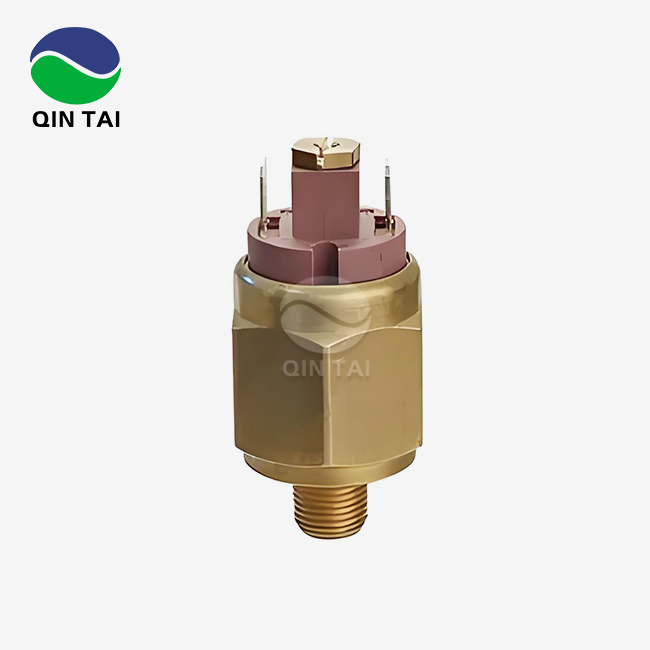
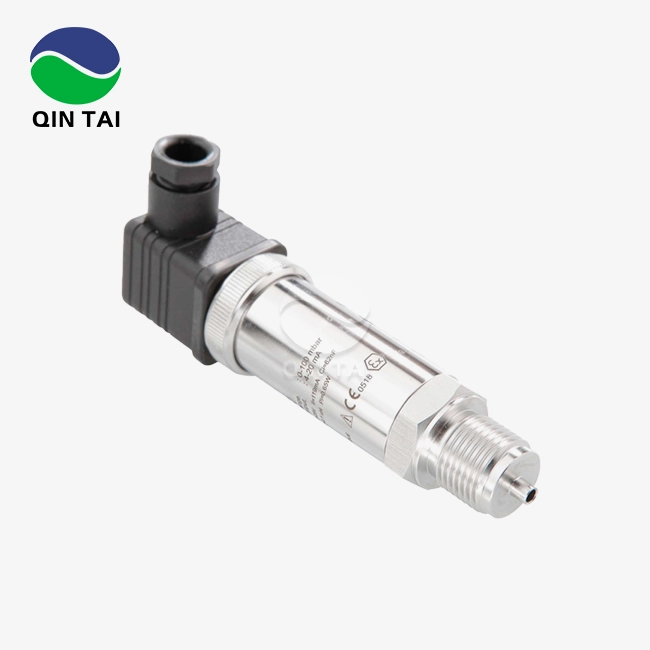
The unit has a pressure sensor, an injector nozzle, a dosing pump, and a return line. The urea pressure sensor, which usually uses piezoresistive MEMS technology or ceramic thick-film strain gages, keeps an eye on the hydraulic pressure and can be accurate to within 1.5% of the full scale. Most of the time, the internal diaphragm is made of 316L stainless steel or PPS (Polyphenylene Sulfide) to protect it from DEF corrosion at a concentration of 32.5% liquid urea.
Calibration and Installation Requirements
If the system delivers the right amount of DEF in all operating conditions, it has been properly calibrated. Even a small mistake in calibration can cause fault codes like P204B, which is a signal range or performance error that is often caused by an old sensor or dirty connections. High-quality sensors with gold-plated connections make this risk a lot lower. It's also necessary to make sure that the threads are compatible (usually M10x1 or M12x1.5) and that the signal output (0.5V–4.5V or SENT protocol) matches the ECU calibration map before installation.
Why Aftertreatment Dosing Units Are Critical for Fleet Emission Control
Regulatory Compliance Is Non-Negotiable
Diesel engines can't meet the NOx limits set by EPA Tier 4 Final and Euro VI standards without SCR aftertreatment. The U.S. Environmental Protection Agency says that heavy-duty diesel cars are responsible for about 23% of NOx emissions from traffic. The way those numbers stay within the law is through accurate doses aftertreatment dosing unit. If a fleet fails a compliance check, they could be fined, have to limit their idle, or even lose a contract.
Fuel Efficiency and Operating Cost Reduction
Precise DEF injection stops over-dosing, which wastes fluid and can lead to ammonia slip, which is when too much ammonia goes through the catalyst without being changed. On the other hand, NOx is not treated when the dose is too low. Both of these things raise long-term running costs. Transport industry study groups have found that properly operating SCR systems can cut fuel use by 3–5% compared to systems that don't work right. This can save a lot of money over a large fleet.
Fleet Reliability and Reduced Downtime
When the dose system doesn't work right, most modern engines go into a "limp mode," which lowers power output to make sure they follow the rules. When a business fleet has more than one vehicle stuck in limp mode, they lose hours of work time. The system will keep running without stopping as long as the dosing module and pressure sensor are well taken care of. This will protect your schedule and your reputation.
Comparing Aftertreatment Dosing Units for Fleet Procurement Decisions
Dosing Unit Types: What's the Difference?
There are different ways to dose. Integrated SCR systems have the dosing module, catalyst substrate, and control electronics all in one piece. Standalone urea dosing units only do the DEF input function. When a fleet has both Class 7 trucks and Class 8 long-haul vehicles, standalone units often give more options for how to install and replace them.
How Major Brands Compare
Some of the best known brands for high-volume OEM production and long service lives in highway trucking are Bosch and Denso. Dosing gear from Continental works well with ECUs, which is why system engineers like it. Delphi Technologies makes flexible solutions that can be easily added on to existing systems. There are different warranty terms for each brand, but for OEM supply chains, they are usually between 12 and 24 months.
Procurement teams should look at more than just unit price when they evaluate suppliers. For long-term worth, the following things are important:
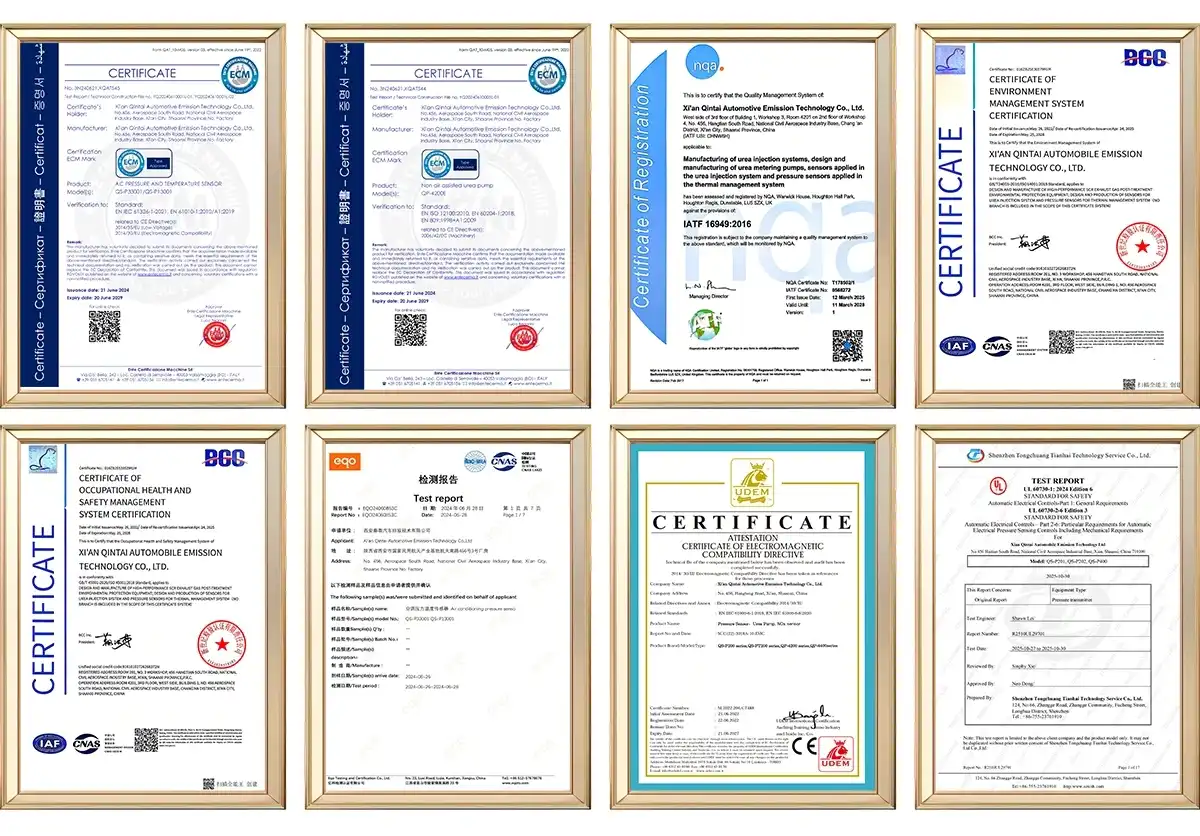
- Certification coverage: ISO 9001, IATF 16949, and product-specific approvals like CE or UL confirm manufacturing discipline and product safety.
- Pressure sensor accuracy: ≤ ±1.5% full scale across the full temperature range of -40°C to +125°C ensures consistent dosing under all weather conditions.
- IP protection rating: IP67 or IP69K-rated sensors withstand high-pressure washdowns and dust ingress common in construction and agricultural environments.
- Freeze-cycle durability: DEF freezes at -11°C, expanding approximately 9% in volume. Sensors and dosing components must accommodate this expansion without structural failure.
These features have a direct effect on the total cost of ownership, not just the price of the car. Aftertreatment dosing unit is one such feature, and when procurement teams only look at unit cost, they often end up with higher maintenance bills after the first service cycle.
Maintenance, Troubleshooting, and Technical Best Practices for Fleets
Recommended Service Intervals
Most OEM standards say that the dosing pump and nozzle should be checked every 100,000 miles or once a year, whichever comes first. During each planned service, numbers from the pressure sensors should be written down and compared to the starting point. Drift of more than 2% from the measured result is a good early sign that the sensor is failing.
Common Faults and How to Address Them
Crystallization of urea is one of the most common problems with dose devices. It happens when leftover DEF dries out in the valve or return line and forms hard layers that stop flow. Crystallization risk is greatly reduced in dosing units with internal chamber designs that have as little dead space as possible. Signal circuit problems are generally what cause fault code P204B. To fix it, clean or replace the connection with gold-plated terminals.
Sourcing Genuine Parts Protects Your Investment
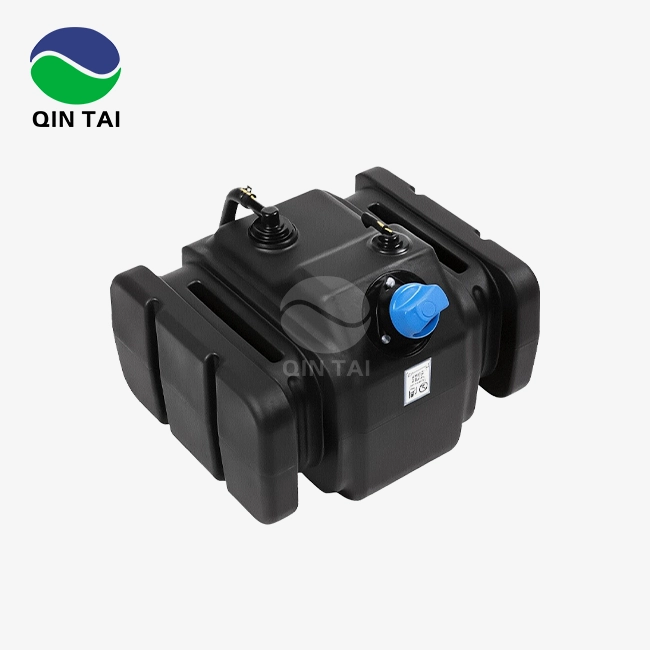
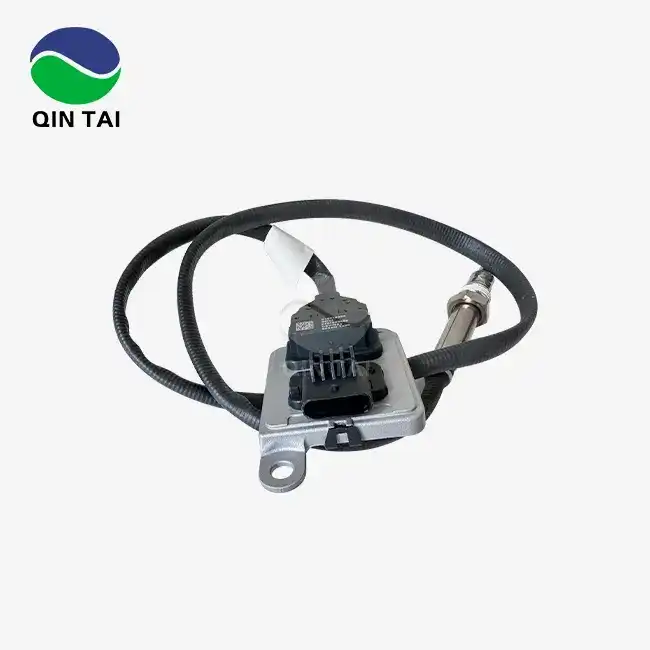
Using replacement parts that aren't certified can void the warranty and cause calibration problems. If you need to find pressure sensors, pump parts, or nozzle kits, work with approved wholesalers or OEM-certified makers. Having a verified parts supplier with in-stock inventory cuts repair times by a large amount for fleets that operate in more than one state.
How to Procure Aftertreatment Dosing Units: Smart Buying Guide for Fleets
Define Your Fleet's Specific Needs First
Before you call suppliers, make a list of your fleet's types of vehicles, engine brands, SCR system configurations, and yearly mileage. This information helps you figure out what kind of aftertreatment dosing unit you need and how many of them you need to negotiate bulk price for.
Evaluate OEM Partnerships and After-Sales Support
An OEM-certified provider gives you more than just tools. They provide checked compatibility data, technical documentation, and direct contact with engineering support in case of problems in the field. Look for suppliers that have a track record in your field, whether it's long-haul trucking, construction tools, or generator sets for commercial use. They should also have a supply chain that can handle large amounts of production.
Total Cost of Ownership vs. Purchase Price
Comparing quotes from multiple dosing unit suppliers should account for warranty length, failure rate data, and availability of replacement parts. A unit priced 15% lower but with a 30% higher field return rate is not a better deal. Request documented failure rate statistics and service life specifications—reputable manufacturers typically design their sensors for 15,000 to 20,000 operating hours in commercial applications.
Conclusion
Modern diesel trucks must have a dosing system that works properly; it's what keeps the cars on the road, in compliance, and using fuel efficiently. Every procurement choice has an impact on the success of the fleet, from choosing the right pressure sensor specs to building a long-term relationship with a supplier.
The information in this article about the components—their operating pressure, how long they last in freeze-cycles, their IP ratings, and how accurate their calibration is—will help your technical and purchasing teams make smart choices. Good aftertreatment dosing unit parts pay for themselves by cutting down on downtime and keeping you from getting fined for not following the rules.
FAQ
What is the difference between an aftertreatment dosing unit and a urea dosing unit?
In the field, the names are often used to refer to the same thing. In technical terms, a "urea dosing unit" is the DEF injection hardware, and a "aftertreatment dosing unit" is the larger group that includes the control electronics and instruments in the SCR system.
How often should I service the dosing system?
Most makers say that you should get your car inspected every 12 months or 100,000 miles. More frequent checks, every 50,000 miles, are recommended in harsh environments like mining or farming.
Can I retrofit a dosing unit onto an older diesel engine?
Yes, older Tier 2 and Tier 3 engines can get SCR kits that can be installed after the fact. But the ECU calibration has to work with the signal protocol of the dose system, and there has to be room in the fitting for the pump and sensor assembly.
What causes DEF crystallization in the dosing nozzle?
If you leave urea solution in the injector after the engine has stopped, it can dry out and harden. This problem isn't as common with good dose units because they have return-flow purge processes that clear DEF from the nozzle before they shut down.
How do I confirm a sensor is compatible with my SCR system?
Check the type of output signal (analog 0.5V–4.5V or SENT digital), the thread size (M10×1 or M12×1.5), and the pressure range. These settings must be exactly the same as the ones in your DCU or ECU.
Partner with Qintai for Your Dosing System Needs
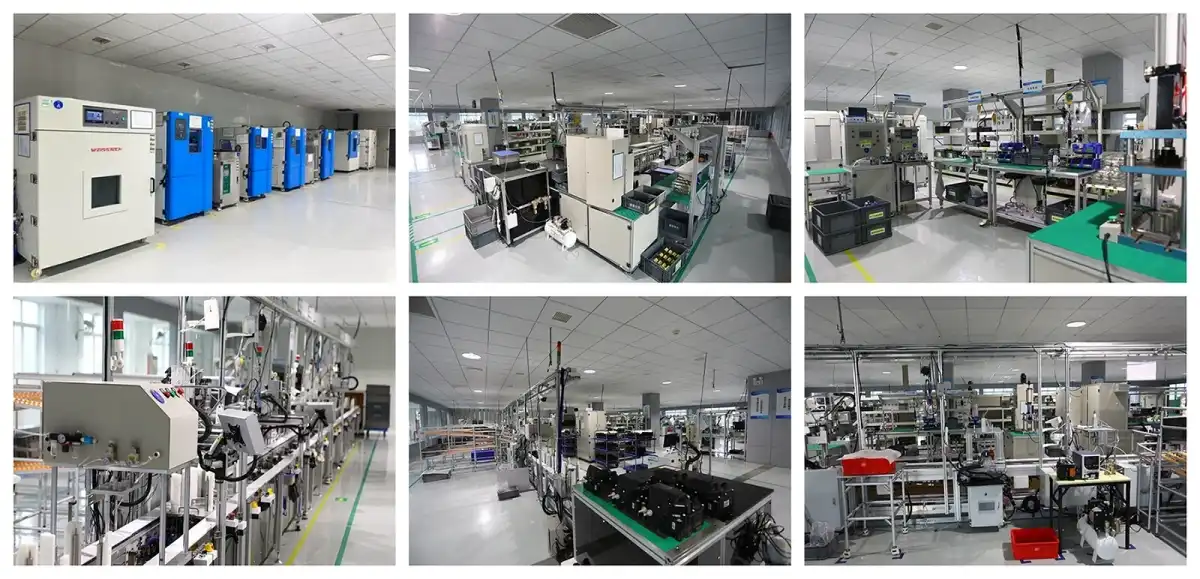
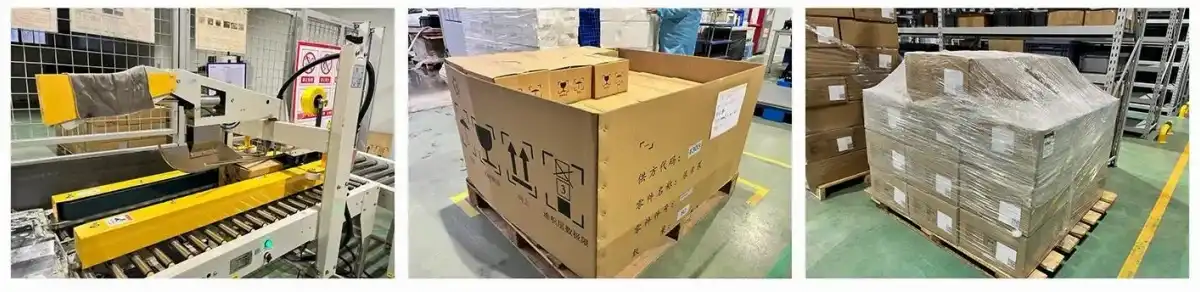
The company Qintai has been making approved aftertreatment dosing units since 2001. They have ISO 9001, IATF 16949, CE, UL, and REACH certifications. Weichai Power, Yuchai Power, and Quanchai Power are some of the OEM suppliers we work with, and we offer OEM/ODM production with full customization support. Get in touch with our technical team to get product details, bulk order pricing, or to ask for samples. You can contact us at info@qt-sensor.com or go to qt-sensor.com.
References
1. U.S. Environmental Protection Agency. Exhaust Emission Standards for Heavy-Duty On-Highway Engines. EPA, 2023.
2. Transport & Environment. Euro VI Heavy-Duty Vehicles: Real-World Emissions Performance. T&E, 2022.
3. SAE International. SCR System Design and DEF Dosing Control for Heavy-Duty Diesel Engines. SAE Technical Paper Series, 2021.
4. Diesel Technology Forum. Diesel Emission Control Technologies: SCR System Performance Review. DTF, 2022.
5. American Trucking Associations. Technology and Maintenance Council Recommended Practice RP1108: Aftertreatment System Maintenance. ATA/TMC, 2021.
6. International Council on Clean Transportation. NOx Emission Control in Heavy-Duty Vehicles: Global Standards and Technology Compliance. ICCT, 2023.

Our customers’ satisfaction speaks for our quality — contact us to experience the same reliable service.