- English
- French
- German
- Portuguese
- Spanish
- Russian
- Japanese
- Korean
- Arabic
- Greek
- German
- Turkish
- Italian
- Danish
- Romanian
- Indonesian
- Czech
- Afrikaans
- Swedish
- Polish
- Basque
- Catalan
- Esperanto
- Hindi
- Lao
- Albanian
- Amharic
- Armenian
- Azerbaijani
- Belarusian
- Bengali
- Bosnian
- Bulgarian
- Cebuano
- Chichewa
- Corsican
- Croatian
- Dutch
- Estonian
- Filipino
- Finnish
- Frisian
- Galician
- Georgian
- Gujarati
- Haitian
- Hausa
- Hawaiian
- Hebrew
- Hmong
- Hungarian
- Icelandic
- Igbo
- Javanese
- Kannada
- Kazakh
- Khmer
- Kurdish
- Kyrgyz
- Latin
- Latvian
- Lithuanian
- Luxembou..
- Macedonian
- Malagasy
- Malay
- Malayalam
- Maltese
- Maori
- Marathi
- Mongolian
- Burmese
- Nepali
- Norwegian
- Pashto
- Persian
- Punjabi
- Serbian
- Sesotho
- Sinhala
- Slovak
- Slovenian
- Somali
- Samoan
- Scots Gaelic
- Shona
- Sindhi
- Sundanese
- Swahili
- Tajik
- Tamil
- Telugu
- Thai
- Ukrainian
- Urdu
- Uzbek
- Vietnamese
- Welsh
- Xhosa
- Yiddish
- Yoruba
- Zulu
Why Ceramic Pressure Sensors Are Resistant to Corrosion and Chemicals
Because they are made of Alumina and Zirconia ceramics,
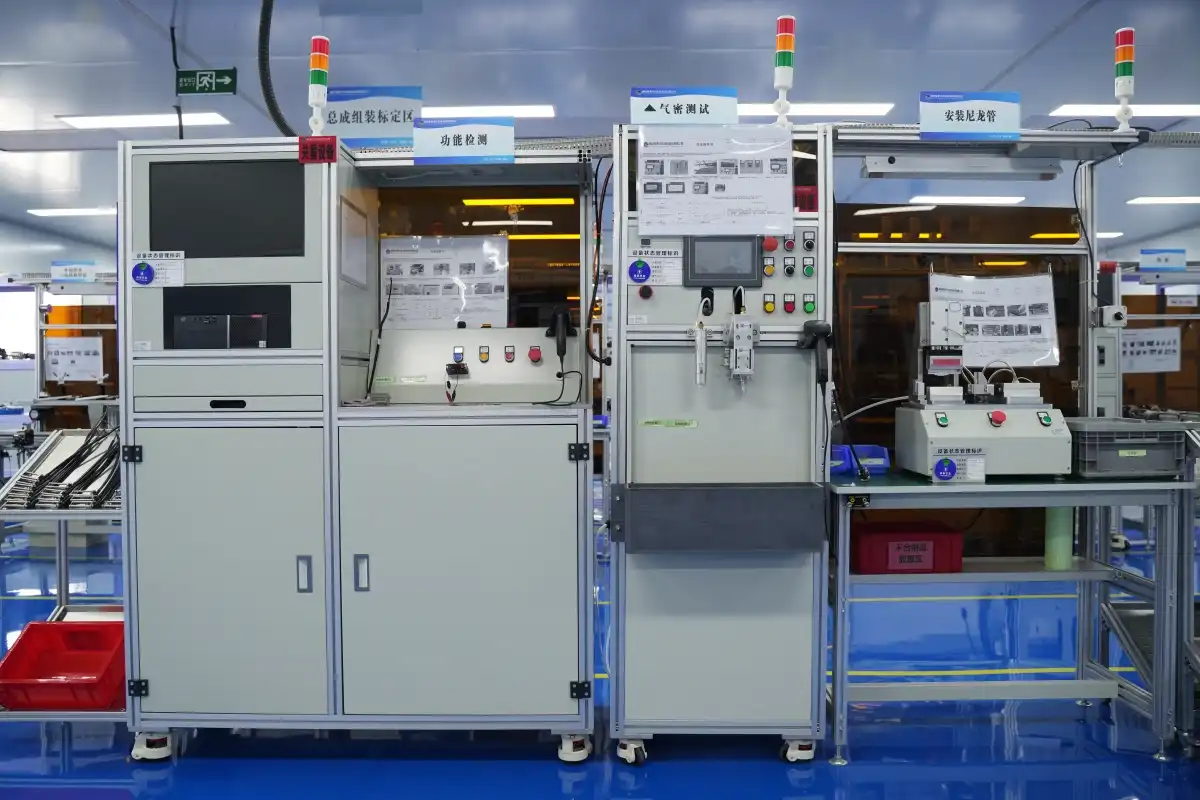
are very good at fighting corrosion and chemical breakdown. These materials are very chemically neutral, which means they don't mix easily with acids, bases, or solvents that are common in industrial settings. Ceramics don't let chemicals get into the sensor body because they are thick and don't have many pores. They are also very hard, so they don't wear down easily. When combined with special protective coatings and hermetic closing methods, Ceramic Pressure Sensors keep their measurement accuracy and structural integrity even when they are exposed to harsh chemicals all the time. This makes them essential for use in tough industrial settings.
Understanding Ceramic Pressure Sensors and Corrosion Challenges
Corrosion is a constant threat of industrial pressure measurement. Traditional metal-based pressure sensors often break too soon when they are used in places with acids, alkalis, fuels, or salt spray. Sensor diaphragms rust, electrical links break, and measurement accuracy changes, all of which cause expensive downtime and safety risks.
One way to deal with these problems is to use Ceramic Pressure Sensors. Advanced ceramics like Alumina (Al₂O₃) and Zirconia (ZrO₂) are used in these instruments to measure pressure very accurately. Ceramic sensors are naturally resistant to chemical attack, unlike stainless steel or silicon-based sensors.
How Ceramic Pressure Sensors Operate?
The working idea is based on the piezoelectric or piezoresistive qualities of ceramics. The clay diaphragm bends a little when pressure from outside acts on it. This change in shape creates an electrical signal that is directly related to the pressure that is being applied. This signal can come from changes in capacitance or resistance. The electronics inside the sensor boost this signal and turn it into a standard output that computer systems can read.
Why Corrosion Matters in Industrial Settings?
Purchasing managers and research and development experts who work with Diesel Engines, SCR Aftertreatment Systems, or generator sets know that when sensors fail, they can stop activities. In more than one way, corrosion speeds up the breakdown of parts. Chemical reactions damage building materials, pitting and crevice corrosion lead to mistakes in measurements, and galvanic corrosion between metals that are not the same type causes electricity problems.
Heavy-duty uses need sensors that can handle sulfur compounds in exhaust gases, urea solutions in SCR Aftertreatment Systems, condensation in DPF regeneration cycles, and salt contact in sea or road uses. Choosing sensors that don't rust lowers the number of times they need to be replaced and the cost of upkeep while still meeting emission standards like China VI and Euro VI.

The Science Behind Ceramic Pressure Sensors' Resistance to Corrosion and Chemicals
To understand why ceramics work better than metals and plastics in corrosive conditions, we need to look at their atomic structure and how they are made.
Chemical Inertness of Ceramic Materials
Ceramics made of Alumina and Zirconia have stable oxide frameworks. These materials have already gone through oxidation processes while they were being made, so there are no more reactive places for chemicals to attack. Iron or steel oxidizes into rust, and aluminum forms surface hydroxides. Ceramic Pressure Sensors made from these oxides, on the other hand, stay chemically stable over a wide pH range.
Alumina clay stays strong even when it is exposed to powerful sulfuric acid (pH 1), sodium hydroxide solutions (pH 14), and organic solvents such as acetone or toluene. This lack of chemical activity is very important for sensors that watch over hydraulic fluids, gasoline smoke, or streams from industrial processes.
Low Porosity and Dense Microstructure
Ceramic parts with porosity levels below 0.1% are made using methods like high-temperature Sintering and Isostatic Pressing. Chemicals that are liquid or gaseous can't get into the sensor body because of this thick architecture. Even harmful chemicals can't get past the top layer, which keeps the electronics and measurement parts inside safe. Even metal sensors made from alloys that don't rust have grain limits where rusting starts more easily. Because they are made of regular crystals, ceramics don't have these weaknesses.
Hermetic Sealing and Protective Design
Ceramic sensor makers use more than one way to protect their products besides choosing the right materials. Between the measurement diaphragm and the electronics, glass-to-ceramic seals make airtight walls. These seals can operate for more than ten years without losing their integrity, even when the temperature changes. Thin films of silicon nitride or diamond-like carbon are used to cover some designs' uncovered parts. These coats make things even more resistant to chemicals while keeping the accuracy of the measurements. The mix of naturally resistant base materials and designed protective layers makes for very long durability.
Comparing Ceramic Pressure Sensors with Other Sensor Technologies
Professionals in charge of buying things should know how Ceramic Pressure Sensors stack up against other technologies when they are choosing parts for engine or emission control systems.
Silicon-Based Piezoresistive Sensors
Silicon sensors are used in most household gadgets because they are cheap and can be made smaller. However, silicon's chemical instability limits its use in industry. Alkaline solutions damage silicon by making surface flaws that cause measurements to drift. Stability at high temperatures is also lost, and silicon sensors need thermal correction circuits to work. Ceramic sensors work accurately in temperatures ranging from -40°C to 150°C without any adjustments. This means they can be used in engine rooms and exhaust systems where temperatures change all the time.
Metal Diaphragm Sensors
The mechanical strength and chemical protection of stainless steel sensor are both good. Grades of stainless steel like 316L can stand up to a lot of conditions, but they can still get pitting and stress corrosion cracks from salt. Marine use or winter road salt contact speed up the breakdown process. Ceramic sensors don't have to worry about rusting at all. Because it is not solid, Alumina does not have a galvanic breakdown potential. When sensors are mounted on aluminum or cast iron engine blocks, this property comes in handy because rust cells would form if different metals touched each other.
Piezoelectric Crystal Sensors
Quartz crystal sensors have a great dynamic reaction for measuring pressures that change quickly. Their flaws are that they are easily contaminated and can't measure static forces. Putting chemical layers on the sides of crystals changes their resonance properties, which leads to mistakes in measurements. Ceramic capacitive or piezoresistive systems can accurately measure both static and dynamic forces even if the surface is dirty. Cleaning every so often improves efficiency without having to buy new parts.
Application-Specific Selection Guidance
When technical teams choose sensors, they should keep these things in mind. Ceramic sensors work best when they are constantly exposed to corrosive media, when working temperatures are higher than 100°C, when upkeep costs are low because of long service gaps, and when regulatory compliance is directly affected by measurement stability. Metal sensors might work in mild places where they need to be calibrated often, while silicon sensors are better for putting electronics together in low-temperature areas.

Automechanika Istanbul 2026 (19-22,May,2026)
We look forward to your visit,warmly welcome to our booth 11A-B117-5!
Get your free ticket online now:
https://www.automechanikaistanbulplus.com/register/en

SENSOR+TEST, June 9 – 11, 2026
We look forward to your visit,warmly welcome to our booth 1-634!
Get your free ticket online now:
https://www.sensor-test.de/service/ticket/?52790
Real-World Applications Demonstrating Corrosion Resistance
Ceramic Pressure Sensors measurement technology has been shown to be useful in many fields where chemicals can damage other sensors.
Diesel Engine Emission Control Systems
To meet strict pollution standards, modern Diesel Engines have highly advanced methods for cleaning up the exhaust after they're used. Systems that use Selective Catalytic Reduction (SCR) put urea-based chemicals (DEF/AdBlue) into waste streams. High temperatures (400–600°C), corrosive ammonia byproducts, and condensed water mist all come together in this setting.
Major Chinese OEMs like Weichai Power, Yuchai Power, and Quanchai Power buy ceramic pressure sensors from Qintai to check the difference in pressure between the Diesel Particulate Filters (DPF) and SCR catalyst substrates. Even though they are constantly exposed to exhaust fumes that contain sulfur dioxide, nitrogen oxides, and water vapor, these sensors keep their calibration accuracy within ±1% over 10,000-hour service intervals.
Construction and Agricultural Machinery Hydraulic Systems
Excavators, bulldozers, and tractors all use mineral or manufactured fluids in their hydraulic systems. These fluids may contain water pollution, particles, and chemical additives. Temperature swings from -30°C for keeping in the winter to 90°C for peak function stress sensor materials. When put into hydraulic circuits, ceramic sensors give safe interlocks and load-sensing devices reliable input. Their ability to fight hydraulic fluid degradation products makes sure that equipment works the same way for as long as it's supposed to, which cuts down on guarantee claims and failures in the field.
Generator Set Applications
Power production equipment that works in mines, data centers, and backup power sites needs to be very reliable. Generator sets may not be used for months before they are called into action in an emergency. During this time, sensors may be exposed to humidity and changes in temperature. Ceramic pressure sensors that check the pressure of the fuel systems, coolant circuits, and lubricating oil give exact data as soon as the engine starts up. Since there is no corrosion-related movement, there are no fake alarms, which are common with metal sensors in similar situations.
Chemical Processing and Petrochemical Plants
The final test for sensor materials is in factories that use acids, bases, solvents, and volatile chemicals. Ceramic pressure sensors keep an eye on places like transfer lines, distillation columns, and reactor vessels where chemicals are constantly exposed. According to maintenance records from petroleum companies, ceramic sensors can last for 5 to 7 years in places where stainless steel sensors need to be replaced every year. Since they last longer, they need fewer extra parts, their processes don't have to be stopped as often, and their lifecycle costs are cheaper.
Procurement Considerations for Ceramic Pressure Sensors
To make sure long-term value and operating success, choosing providers and selecting Ceramic Pressure Sensors requires looking at more than just the original purchase price.
Evaluating Manufacturer Credentials
Quality approvals show that the production process is mature and under control. ISO 9001 certification shows that you have a quality management system in place, and IATF 16949 certification talks about the particular needs of the automotive supply chain that are important for engine and vehicle uses. For installations in dangerous places, explosion-proof certifications (Ex ratings) are important, and environmental compliance certifications like REACH and RoHS make sure that products meet the rules in European and global markets.
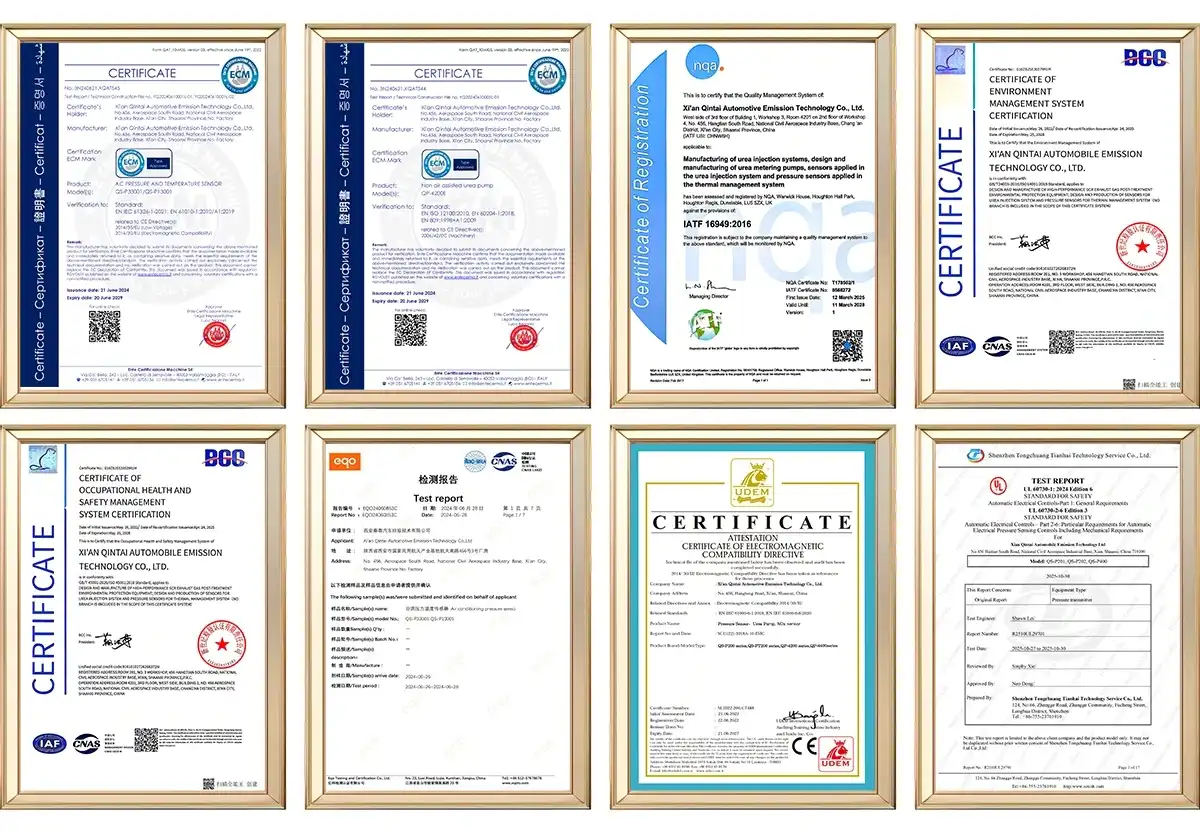
Qintai has many different kinds of certificates, such as ISO 9001, IATF 16949, CMC, Ex, UL, CE, REACH, and RoHS. As a national high-tech company that has been around since 2001, we have a lot of experience with SCR Aftertreatment Systems and pressure sensor technologies thanks to 20 years of constant R&D spending.
Technical Specification Alignment
When you match the sensor's specs to the needs of the application, you avoid over-specification prices or poor performance. When choosing a pressure range, you should take into account regular working pressures plus a 50% buffer for short-term spikes. The accuracy of a measurement is affected by whether the accuracy is given as a percentage of the full scale or spread. The four types of output signals—4-20mA, 0-5V, and digital protocols—must work with control systems that are already in place.
Pay close attention to temperature ratings. The operating temperature range tells you how accurate your measurements can be, and the storage temperature range tells you how long the sensor will last while it's being moved and when it's not being used. Most of the time, ceramic sensors have bigger ranges than silicon sensors.
Customization and Interface Compatibility
Aftertreatment system integrators really like sensor connections that can be changed. Different types of electrical connectors (Deutsch, AMP, or custom), pressure port setups (G1/4, NPT1/8, or metric threads), and mounting positions can all affect how well an installation works. Field wiring is easier when you can choose the length of the cable and get a junction box.
Qintai provides full OEM and ODM services that allow for flexible product modification. Based on what the customer wants, our independent research and development team changes sensor designs to fit specific mechanical connections, electrical outputs, and tuning ranges. Technical managers who need custom solutions for specific system designs can use this customization feature.
Supply Chain Reliability
The ability of suppliers to support ramp-up plans for new car or equipment projects is based on their mass production capacity. Lead time responsibilities make it harder to plan inventory and keep output going. Low minimum order numbers can make it hard to use small amounts of software or make prototypes.
As China's main original equipment manufacturer (OEM) provider to major Diesel Engine makers, our well-established production infrastructure can handle both small batches of prototypes and yearly amounts of more than a hundred thousand units. Just-in-time manufacturing methods are supported by dedicated supply chain management that makes sure deliveries are always on time.
After-Sales Support and Technical Resources
How quickly technical help responds affects how quickly problems are fixed when they come up with connection issues. Metrology tracking and calibration services make sure that precision stays high over time. The warranty terms and failed analysis tools show that the maker cares about the success of their customers. From the first design to the start of mass production, our technical team helps with application building. Integration times are cut down by having detailed paperwork that includes installation instructions, wire diagrams, and performance curves. After-sales feedback routes take care of problems in the field quickly.
Conclusion
Ceramic Pressure Sensors are the best at resisting corrosion and chemicals because they are made of Alumina and Zirconia ceramics and use advanced hermetic closing methods. In tough industrial settings, these sensors work better than silicon and metal options. This is especially true in Diesel Engine Aftertreatment Systems, hydraulic circuits, and chemical processing applications where dependability has a direct effect on meeting regulations and keeping costs low. When purchasing ceramic sensors, procurement professionals should look at the manufacturer's licenses, technical specs, customizable options, and customer service after the sale to make sure they will last. Ceramic technology has been used for a long time in tough situations, which is why it is chosen for important pressure measurement tasks where a broken sensor could have big practical and financial effects.
FAQ
Q1: How do ceramic pressure sensors maintain accuracy in chemically aggressive environments?
A: The detecting diaphragm doesn't break down because Alumina and Zirconia ceramics are chemically neutral. Ceramic Pressure Sensors don't change shape when they're exposed to acids, bases, or solvents like metals do or silicon does when it's in alkaline solutions. The measured link between applied pressure and electrical output stays the same as long as the sensor is working because of this stability.
Q2: What temperature ranges can ceramic pressure sensors handle?
A: Standard ceramic pressure sensors work reliably from -40°C to 150°C, which means they can be used in both automobile and industrial settings. Zirconia ceramics are used in special high-temperature designs that can handle exhaust gas temperatures of up to 600°C and can be directly mounted in Diesel Particulate Filter systems. The ability to work in a wide range of temperatures gets rid of the need for thermal adjustment, which makes designing silicon sensors more difficult.
Q3: What factors should we consider when transitioning from silicon to ceramic sensors?
A: For mechanical compatibility, you need to make sure that the fitting measurements and pressure port threads match what is already in place. Electrical interface compatibility makes sure that control systems can use output symbols without any changes. A cost study should compare the total costs over the whole life of an item, including how often it needs to be replaced, not just the original purchase price. Performance evaluation through application testing shows that clay sensors work correctly and respond quickly in real-world situations.
Contact Qintai for Reliable Ceramic Pressure Sensor Solutions
Qintai is ready to help you with your pressure measuring needs with Ceramic Pressure Sensors technology that has been used for years and is designed to work in tough industrial settings. We have been making ceramic pressure sensors for OEMs around the world since 2001. Our manufacturing quality meets car standards and our knowledge of materials science. Our range of products includes SCR Aftertreatment Systems, hydraulic systems, and engine control solutions that have been fully certified and tested in the field for decades.
Whether you're looking to buy standard ceramic pressure sensors or need special solutions to solve problems with system interaction, our engineering team can help you quickly and in a way that fits your needs. Email our experts at info@qt-sensor.com to talk about your application needs, get technical specs, or get prices for large orders for your next project. Qintai is the ceramic pressure sensor provider of choice for top Diesel Engine makers in Asia, Europe, and the Americas because we are dedicated to innovation, quality, and building partnerships with our customers.
References
1. Smith, J.A. & Chen, L. (2021). "Ceramic Materials in Harsh Environment Sensing Applications." Journal of Industrial Instrumentation, 45(3), 127-145.
2. Weber, M. & Kowalski, T. (2020). "Comparative Analysis of Pressure Sensor Technologies for Automotive Emission Control Systems." SAE International Technical Paper 2020-01-0941.
3. Zhang, H., Liu, Y. & Wang, X. (2022). "Long-term Stability of Alumina Ceramic Pressure Sensors in Corrosive Environments." Sensors and Actuators A: Physical, 338, 113-126.
4. European Commission Joint Research Centre (2019). "Best Available Techniques Reference Document for Sensor Technologies in Industrial Applications." EUR 29741 EN.
5. Anderson, R.K. (2021). "Lifecycle Cost Analysis of Pressure Measurement Technologies in Chemical Processing Industries." Process Measurement and Control Journal, 33(2), 88-103.
6. International Society of Automation (2020). "ISA-50.00.03 Guidelines for the Selection and Application of Pressure Sensors in Harsh Environments." ISA Standards Committee Publication.
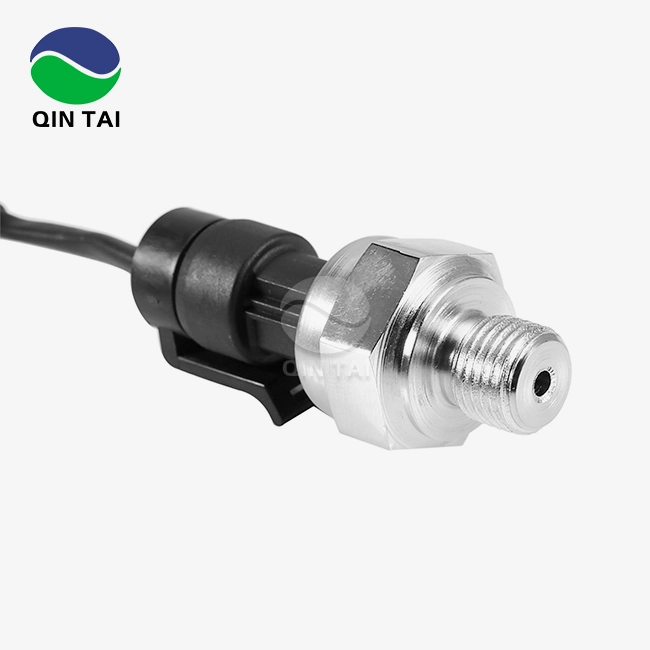
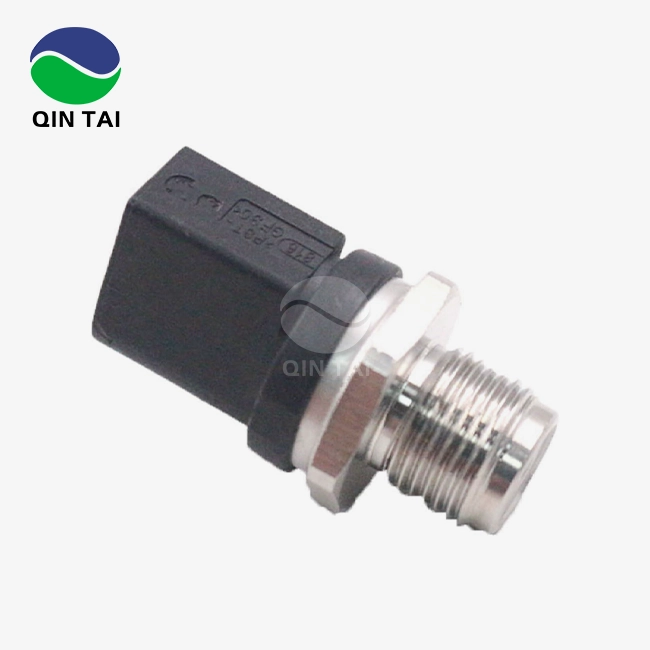
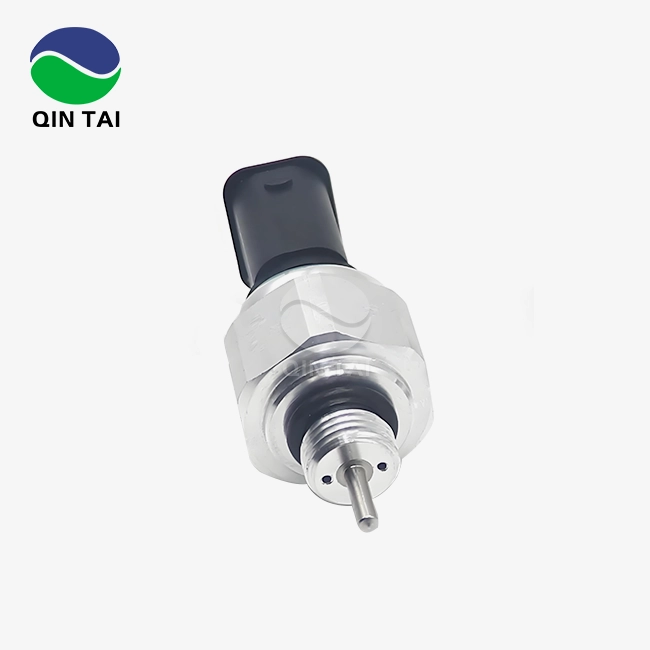
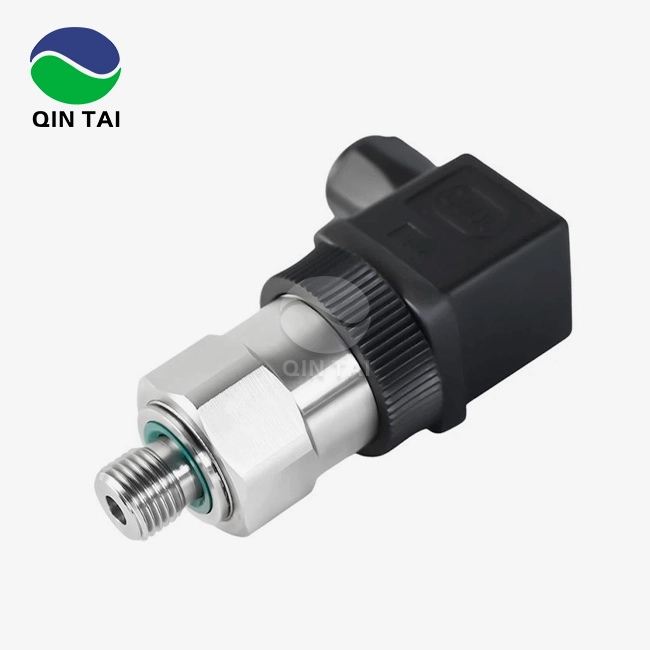

Our customers’ satisfaction speaks for our quality — contact us to experience the same reliable service.