- English
- French
- German
- Portuguese
- Spanish
- Russian
- Japanese
- Korean
- Arabic
- Greek
- German
- Turkish
- Italian
- Danish
- Romanian
- Indonesian
- Czech
- Afrikaans
- Swedish
- Polish
- Basque
- Catalan
- Esperanto
- Hindi
- Lao
- Albanian
- Amharic
- Armenian
- Azerbaijani
- Belarusian
- Bengali
- Bosnian
- Bulgarian
- Cebuano
- Chichewa
- Corsican
- Croatian
- Dutch
- Estonian
- Filipino
- Finnish
- Frisian
- Galician
- Georgian
- Gujarati
- Haitian
- Hausa
- Hawaiian
- Hebrew
- Hmong
- Hungarian
- Icelandic
- Igbo
- Javanese
- Kannada
- Kazakh
- Khmer
- Kurdish
- Kyrgyz
- Latin
- Latvian
- Lithuanian
- Luxembou..
- Macedonian
- Malagasy
- Malay
- Malayalam
- Maltese
- Maori
- Marathi
- Mongolian
- Burmese
- Nepali
- Norwegian
- Pashto
- Persian
- Punjabi
- Serbian
- Sesotho
- Sinhala
- Slovak
- Slovenian
- Somali
- Samoan
- Scots Gaelic
- Shona
- Sindhi
- Sundanese
- Swahili
- Tajik
- Tamil
- Telugu
- Thai
- Ukrainian
- Urdu
- Uzbek
- Vietnamese
- Welsh
- Xhosa
- Yiddish
- Yoruba
- Zulu
Selection and Design Considerations for Pressure Sensors
Choosing the right pressure sensor can take your diesel engine system from just meeting the requirements to one that can really compete. It doesn't matter if you're an OEM procurement manager trying to balance China VI emission standards with cost controls or an R&D engineer trying to make SCR aftertreatment systems work better. Knowing how these devices measure force per unit area and turn that mechanical deformation into usable electrical signals directly affects the reliability of your equipment, your ability to follow regulations, and the total cost of ownership. Diesel companies have cut warranty claims by 30% by simply picking sensors that can handle high temperatures better and last longer in industrial settings.
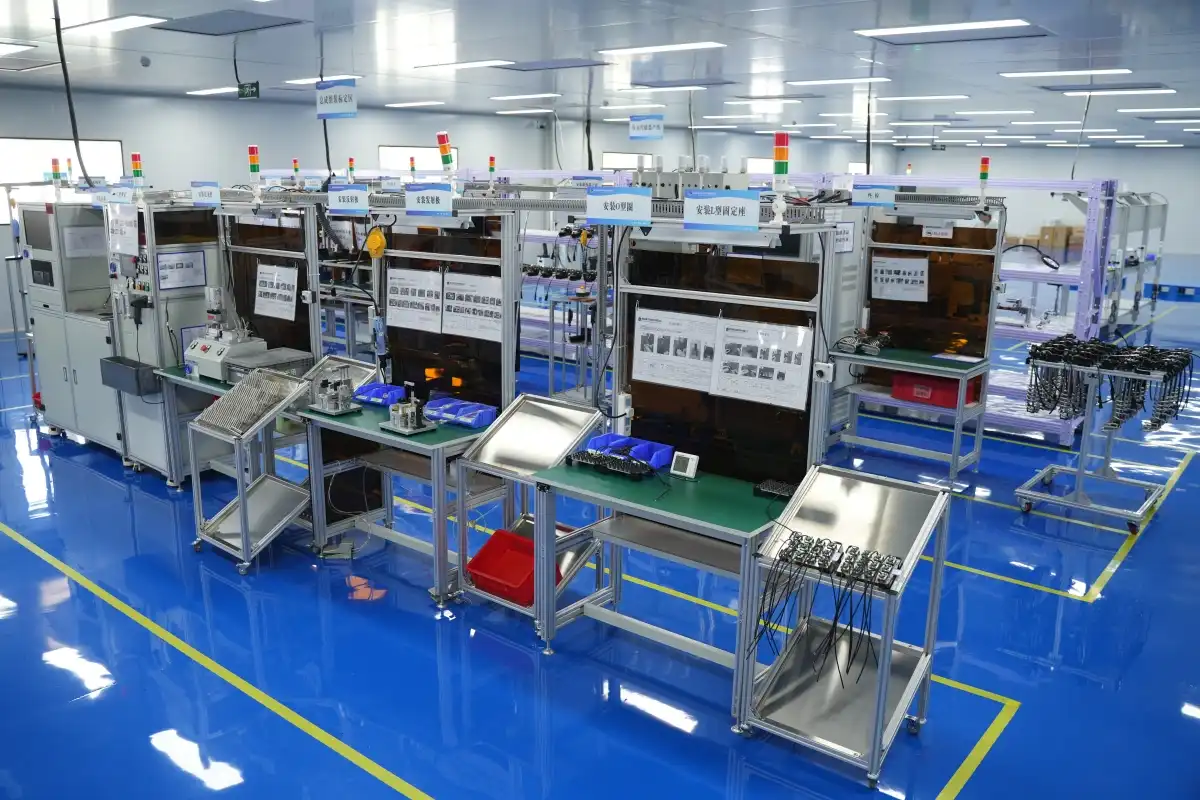
Understanding Pressure Sensor Fundamentals
Operating Principles Behind Pressure Measurement
At the heart of every pressure sensor is a measuring element that responds to force that is applied over a certain area. Piezoresistive sensors have strain gauges attached to a diaphragm. When pressure changes the diaphragm's shape, the electrical resistance of the gauge changes in the same way. A clay or metal diaphragm is placed opposite a set electrode in capacitor designs.
This makes a capacitor whose capacitance changes as the diaphragm bends. Piezoelectric sensors directly make electricity when they are put under mechanical stress. This makes them perfect for high-speed diesel injection systems with dynamic pressure spikes. Each principle has trade-offs between accuracy, reaction time, and environmental tolerance. Procurement teams have to look at what the application needs and weigh those trade-offs.
Absolute Versus Gauge Pressure: Choosing the Right Reference
Absolute sensors give data in terms like psi absolute or kPa absolute that show how much pressure there is in relation to a perfect vacuum. This is very important for uses that need to know the pressure at a certain height, like turbocharged engines or generator sets that work in mountainous mines. In systems like DPF regeneration tracking, gauge sensors show overpressure or underpressure based on the pressure in the air. Knowing this difference can help you avoid making mistakes that cost a lot of money. For example, putting a gauge sensor in a place where changes in altitude are important can mess up the emission control logic and cause false trouble codes.
Key Performance Metrics That Define Sensor Quality
How well the electrical signal matches the real pressure is measured by its accuracy, which is usually given as a percentage of full-scale output. Sensitivity tells us how much the output changes when the pressure changes, which affects signal-to-noise ratios in diesel settings with a lot of noise. Heavy trucks and building equipment with engine bays that are exposed to -40°F winters and 120°F engine bays must have temperature compensation. Sensors that are not compensated move outside of calibration windows, which can cause engine derates or aftertreatment failures. When there are a lot of changes happening quickly, like in common-rail fuel injection, response time is important because microsecond delays can throw off the timing of burning.
Core Criteria for Selecting Pressure Sensors in Industrial Procurement
Defining Industry-Specific Requirements
Heavy truck OEMs need sensors that can handle 5,000 to 10,000 psi to keep an eye on the fuel rail pressure. For safety reasons, the burst pressure limits must be more than 150%. To stay within Euro VI limits, SCR system designers focus on lower ranges (15 to 150 psi absolute) to keep an eye on DEF flow and NOx sensor back-pressure with ±1% accuracy. Agricultural equipment has to deal with dust, so it needs IP67 or IP69K grades. Generator set makers need sensors that have been tested and shown to last 20,000 hours of constant shaking. Setting these factors up front makes it easier to choose between vendors and speeds up the expert evaluations of the pressure sensor.
Critical Evaluation Metrics for Decision-Making
In addition to basic specifications, you should also look at long-term drift specifications. An annual drift below 0.25% full scale makes sure that calibration times match up with maintenance plans. Response time less than 5 milliseconds is good for controlling an engine in real time, while slower sensors are better for checking the level of a tank over time. When checking for durability, the temperature should be changed from -40°C to +125°C, the product should be able to withstand vibrations according to ISO 16750, and it should be able to work with diesel fuel, urea, and hydraulic fluids. Suppliers who offer statistical process control data and PPAP documents show that they are ready for mass production, which is important for OEM partnerships.
Balancing Supplier Capabilities with Total Cost of Ownership
Just-in-time production works best with lead times of less than eight weeks, and 24-month guarantees show that you trust the product's reliability in the field. The overall cost of ownership is higher than the price of a single unit. For example, sensors with built-in tools cut down on the time needed to fix problems, and providers that offer calibration services lower the overall cost of ownership. Failure-mode-and-effects analysis reports should be asked for by procurement managers, along with how quickly suppliers can help with technical issues that come up during integration. For example, aftertreatment system designers value engineers who reply within four hours during prototype builds.
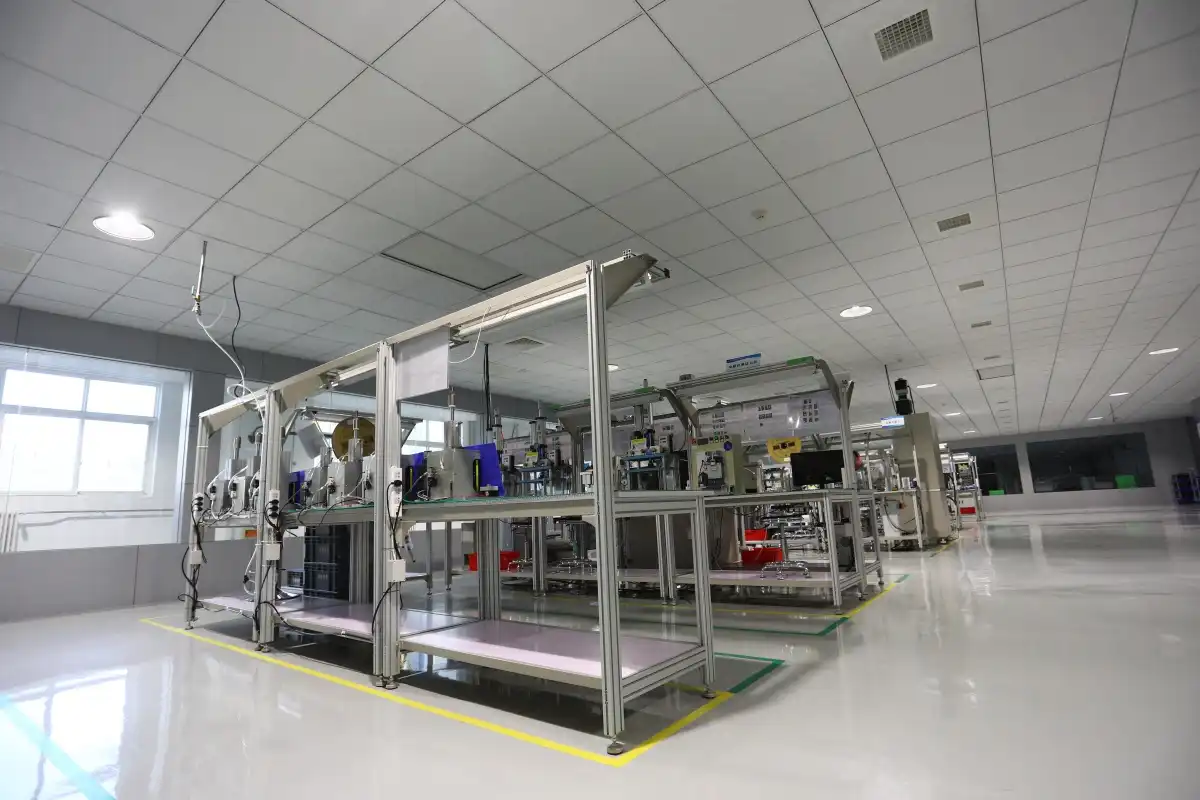
Design and Installation Considerations to Optimize Performance
Mounting and Environmental Protection Best Practices
Isolating vibrations is the first step in a proper installation. If you connect a pressure sensor directly to engine blocks without using dampening screws, noise will get in and make the accuracy worse. We suggest using stainless steel adapters with O-ring seals that are rated for the fluid—Viton for diesel and EPDM for water-glycol cooling. To stand up to salt spray and pressure washing, electrical connections need to meet car standards like Deutsch DT or AMP Superseal. In places with high temperatures, like near turbochargers, heat shields or remote-mount setups stop thermal soak, which speeds up the breakdown of electronics.
Wiring methods have a big effect on the security of signals. Electromagnetic interference from alternators and ignition systems is kept to a minimum with twisted-pair protected wires. Grounding shields at one end only stop ground loops. Short runs of less than three meters work best with analog outputs (0.5–4.5 VDC), while digital standards like CAN bus or I²C allow for longer runs with built-in error checks. Aftermarket providers for commercial vehicles like sensors whose outputs can be used with a variety of ECU types. This makes inventory management easier.
Calibration Protocols and Maintenance Schedules
Accuracy is kept within specifications by calibrating the device once a year against NIST-traceable reference standards. Known forces are applied across the working range, and the zero and span offsets are changed as part of the process. Automated calibration benches make it easier for fleet workers who are in charge of hundreds of repair shop inventory units to recalibrate many units at once. Companies that make environmental protection gear should keep track of calibration certificates for ISO 9001 audit trails. This will show that measurements can be tracked in reports about emissions compliance.
Some common ways that things fail are diaphragm wear from changing pressures, water getting in through broken cable ports, and voltage spikes from electrical transients. TVS diodes absorb overvoltage, conformal layers stop condensation, and mechanical stops keep the diaphragm from moving too far. When buying managers look at aftermarket sensors, they should make sure that these safety features come as standard and aren't just extras that can be bought.
Supplier and Brand Insights for Pressure Sensor Procurement
Evaluating Manufacturers for Industrial Applications
Global names like Honeywell and TE Connectivity are popular with OEMs that want to sell their products in international markets because they are reliable and have a lot of certifications. Their pressure sensor often has approvals from more than one body, like UL, CE, and ATEX. This makes it easier to keep track of compliance paperwork. Bosch and Siemens make sensors and electronic control units (ECUs) for cars together, which makes sure that they work with each other in closed-loop control systems. But these tier-one suppliers often have minimum order amounts of 5,000 units and wait times of twelve weeks, which makes things hard for smaller integrators.
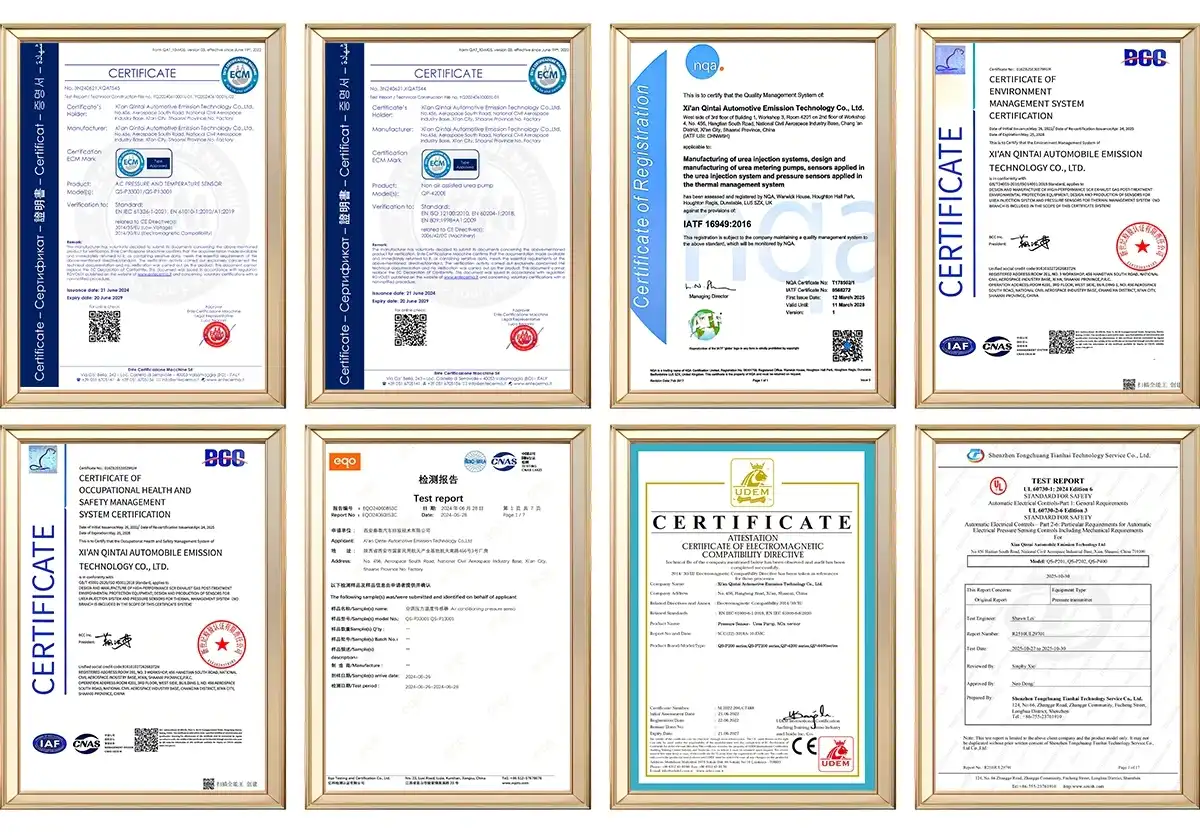
Regional experts, like Qintai, offer flexibility that big companies can't match. Qintai is the biggest OEM provider in China. They work with Weichai, Yuchai, and Quanchai, and they know how to do high-volume production while still letting customers make changes. With 58 invention patents and ISO9001 and IATF16949 certifications, we have the scientific strength to compete with companies around the world. Using what we've learned from 20 years of field data, we've designed capacitive ceramic sensors and piezoresistive actuators to work well in harsh diesel conditions.
Key Supplier Evaluation Criteria
Bulk order handling shows which providers are skilled and which ones are overworked. Ask for proof of their production capacity—can they go from making 10,000 to 100,000 units a year without losing quality? Variable pressure levels, connectors made just for each customer, and private-label packaging are all customization choices that add value for wholesalers. The warranty should cover problems found within 24 months of installation, not just the date of shipping. This will protect against problems that haven't been noticed yet. Technical hotlines, on-site setup help, and the availability of replacement parts are all important parts of after-sales support for generator set makers that serve rural mine sites.
Before committing to a buy order, tech teams can test the performance of sample programs. The best providers give you between five and ten test units with datasheets, dimensional drawings, and specs for the interfaces. If you start your inquiry with a full account of the application, you can get a proposal faster. Be sure to include the working pressure range, temperature ranges, output type, and yearly volume so that you get specific suggestions instead of general catalog samples.

Automechanika Istanbul 2026 (19-22,May,2026)
We look forward to your visit,warmly welcome to our booth 11A-B117-5!
Get your free ticket online now:
https://www.automechanikaistanbulplus.com/register/en

SENSOR+TEST, June 9 – 11, 2026
We look forward to your visit,warmly welcome to our booth 1-634!
Get your free ticket online now:
https://www.sensor-test.de/service/ticket/?52790
Practical Guide: Choosing the Best Pressure Sensor for Your Industrial ApplicationFive Decision Factors for Confident Selection
Accuracy alignment with regulatory margins: China VI and Euro VI allow a 5% error in measuring NOx; plan for 2% error for the pressure sensor, 2% error for the ECU, and 1% gap.
- Environmental durability validation: For proof of environmental longevity, ask for test results showing IP67 ingress protection, operation from -40°C to +125°C, and 50g shock resistance according to SAE J1455 standards.
- System compatibility check: Make sure that the output voltage and current match the input impedance of the ECU. Mismatches lead to signal clipping and diagnostic trouble codes.
- Supplier reliability assessment: To figure out how reliable a supplier is, look at their Dun & Bradstreet scores, ask for customer references from people in the same field as you, and make sure their quality certifications are up to date.
- Budget optimization across lifecycles: A $25 sensor that fails five times a year costs more than a $40 unit that fails only five times a year over five years, when insurance work and downtime are taken into account.
Top Three Sensor Technologies for 2026 Industrial Use
Capacitive ceramic sensors are the most common type of diesel aftertreatment because their all-steel design doesn't let urea crystallize or change temperature. Heavy-duty truck OEMs put them in DEF dose units so that they can go 100,000 miles without needing to be serviced. Piezoresistive silicon sensors have the quickest reaction times—less than 1 millisecond. This makes them perfect for tracking fuel injection pressure, where precise timing of combustion is needed down to the microsecond level.
From vacuum to 15,000 psi, thin-film strain gauge sensors can detect the biggest range of pressures. They are ideal for hydraulic systems in building equipment, where having only one type of sensor makes inventory easier. Real-world use shows how useful they are: a North American generator maker moved to capacitive sensors for tracking exhaust backpressure. This cut down on false DPF regeneration triggers by 40% and increased service intervals from 500 to 750 hours.
Avoiding Common Pitfalls in Sensor Selection
Not checking if the media works with the sensors will quickly kill them; fuels mixed with ethanol can damage some elastomers, making them swell and leak. Always check the manufacturer's suitability charts against the makeup of the fluid. Ignoring vibration standards can cause components to wear out faster than they should. For example, agricultural equipment causes 10–20g of constant vibration that breaks solder joints in consumer-grade sensors.
When you don't think about how susceptible EMI is, readings can become erratic near high-current starter motors. Make sure that the sensors you buy have built-in filters and protected housings. Shortcuts in compliance during sourcing can cause project delays. For example, China VI needs CCC certification for sensors sold in China, while EPA Tier 4 requires a lot of paperwork about how long the sensors will last. Working with providers who know how to handle legal processes can help you avoid expensive re-engineering.
Conclusion
To choose the best pressure transducer, you have to balance scientific requirements with the facts of buying one. We've talked about how working principles, accuracy standards, environmental protection, and the abilities of the provider all come together to make sensor integration work. Engineers at OEM companies get emission compliance and longevity; purchasing managers get fair prices without sacrificing quality; and aftermarket providers get access to reliable inventory that lowers the number of returns.
As the diesel industry moves toward electric vehicles and hydrogen, the choices we make today about pressure sensors become even more important. Tested measurement technology is what makes future powertrains diverse. By using these models for selection and working with responsive makers, your company will be ready to confidently meet both current rules and new standards.
FAQ
Q1: What distinguishes absolute pressure sensors from gauge pressure sensors in diesel applications?
A: Absolute sensors measure pressure in relation to a perfect vacuum, so values are not affected by changes in altitude. This is very important for turbocharged diesel engines, since barometric adjustment is used to control boost pressure. Gauge sensors measure the pressure in the air around you. They are great for keeping an eye on overpressure in DPF recovery systems or underpressure in engine ventilation.
Q2: How often should industrial pressure sensors undergo recalibration?
A: Critical pollution control sensors need to be recalibrated once a year to keep their accuracy. Generator sets that are fixed and in a stable environment may go up to 18 months between recalibrations. Checks every six months are good for high-vibration uses like construction tools. When you change the fluid media, experience overpressure, or find measurement drift during regular tests, you should always recalibrate.
Q3: Can low-cost sensors meet heavy-duty diesel reliability requirements?
A: When you buy cheap sensors from unreliable sources, they often don't have temperature compensation, enough vibration protection, or consistent manufacturing standards. Even though the unit cost seems good, 5–10% of products fail in the field every year, which means that savings are lost in the form of guarantee work and unhappy customers. Established suppliers like Qintai put money into process controls and validation tests that keep failure rates below 0.5%.
Partner with Qintai for Precision Pressure Sensor Solutions
As the top original equipment manufacturer (OEM) provider to China's top engine makers for 23 years, Qintai brings 23 years of experience in diesel aftertreatment to every pressure sensor we make. Our factories are IATF16949-certified and make capacitive ceramic and piezoresistive sensors that are designed to work with China VI and Euro VI. These sensors are backed by 58 idea patents and have been approved in 60 countries.
Our expert team can give you personalized advice within 24 hours, whether you need bulk orders with eight-week lead times, customizable interfaces for SCR system integration, or aftermarket-ready sensors that can work with cross-references. Contacting info@qt-sensor.com will get you free samples and thorough datasheets. Find out why procurement managers choose Qintai as their pressure sensor provider for long-term dependability and quick support. You can look at our full line of products and list of certifications at qt-sensor.com.
References
1. Johnson, M. & Williams, R. (2022). Industrial Pressure Measurement: Principles and Applications. McGraw-Hill Education.
2. Society of Automotive Engineers. (2023). SAE J1455: Recommended Environmental Practices for Electronic Equipment Design in Heavy-Duty Vehicle Applications. SAE International Standards.
3. Chen, L., Patel, S., & Hoffmann, K. (2021). Strain Gauge Technology in Automotive Pressure Sensing: A Comprehensive Review. Journal of Automotive Engineering, 235(8), 2145–2163.
4. European Commission. (2024). Regulation (EU) 2019/1242: CO₂ Emission Performance Standards for Heavy-Duty Vehicles. Official Journal of the European Union.
5. Martinez, T. & O'Connor, P. (2023). Reliability Engineering in Diesel Engine Systems. Springer International Publishing.
6. American National Standards Institute. (2022). ANSI/ISA-37.6.01: Performance Requirements for Pressure Transmitters. International Society of Automation.
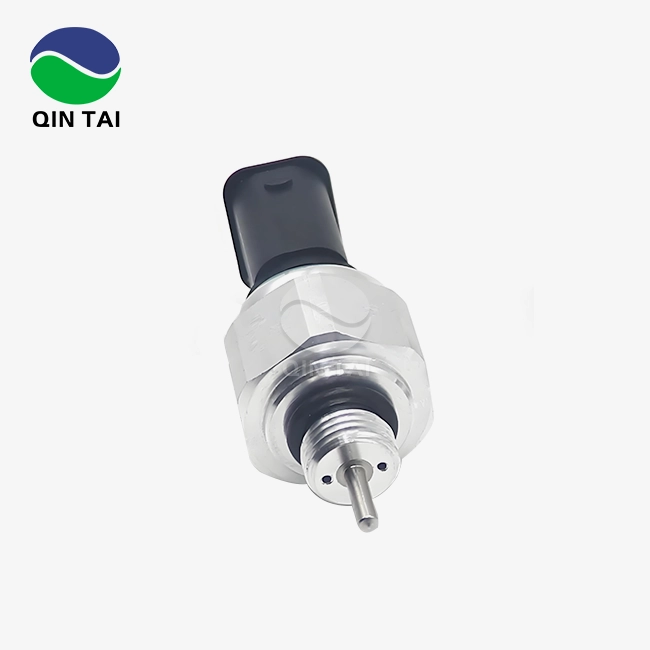
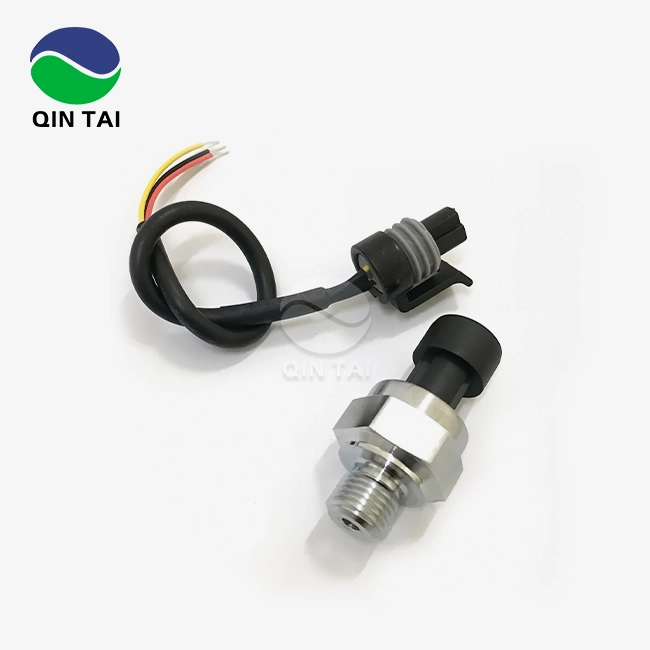
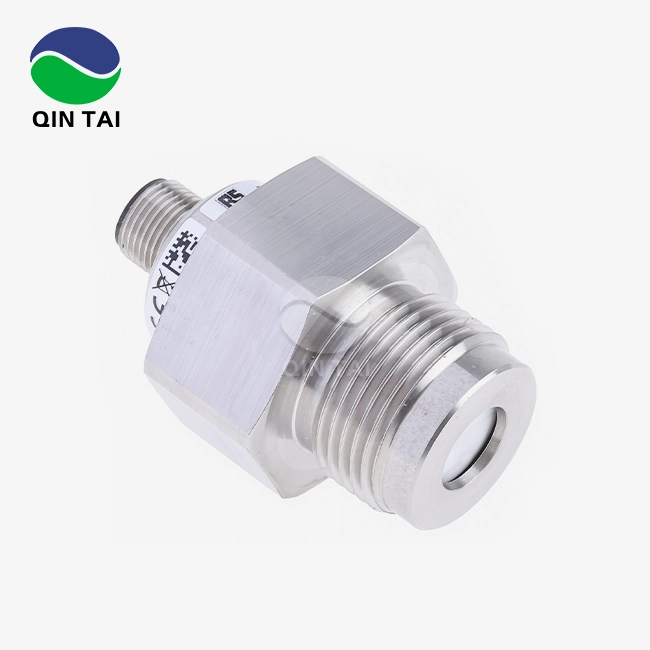
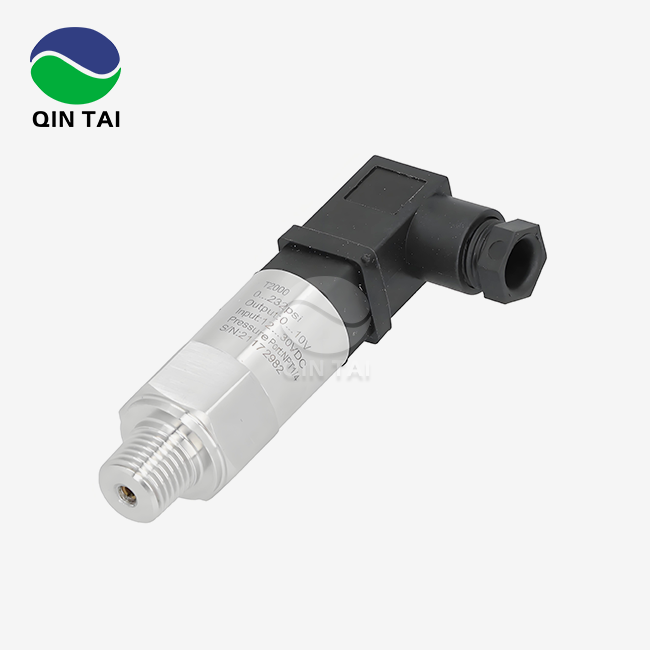

Our customers’ satisfaction speaks for our quality — contact us to experience the same reliable service.