- English
- French
- German
- Portuguese
- Spanish
- Russian
- Japanese
- Korean
- Arabic
- Greek
- German
- Turkish
- Italian
- Danish
- Romanian
- Indonesian
- Czech
- Afrikaans
- Swedish
- Polish
- Basque
- Catalan
- Esperanto
- Hindi
- Lao
- Albanian
- Amharic
- Armenian
- Azerbaijani
- Belarusian
- Bengali
- Bosnian
- Bulgarian
- Cebuano
- Chichewa
- Corsican
- Croatian
- Dutch
- Estonian
- Filipino
- Finnish
- Frisian
- Galician
- Georgian
- Gujarati
- Haitian
- Hausa
- Hawaiian
- Hebrew
- Hmong
- Hungarian
- Icelandic
- Igbo
- Javanese
- Kannada
- Kazakh
- Khmer
- Kurdish
- Kyrgyz
- Latin
- Latvian
- Lithuanian
- Luxembou..
- Macedonian
- Malagasy
- Malay
- Malayalam
- Maltese
- Maori
- Marathi
- Mongolian
- Burmese
- Nepali
- Norwegian
- Pashto
- Persian
- Punjabi
- Serbian
- Sesotho
- Sinhala
- Slovak
- Slovenian
- Somali
- Samoan
- Scots Gaelic
- Shona
- Sindhi
- Sundanese
- Swahili
- Tajik
- Tamil
- Telugu
- Thai
- Ukrainian
- Urdu
- Uzbek
- Vietnamese
- Welsh
- Xhosa
- Yiddish
- Yoruba
- Zulu
Why Ceramic Pressure Sensors Are the Ideal Choice for Industrial Applications
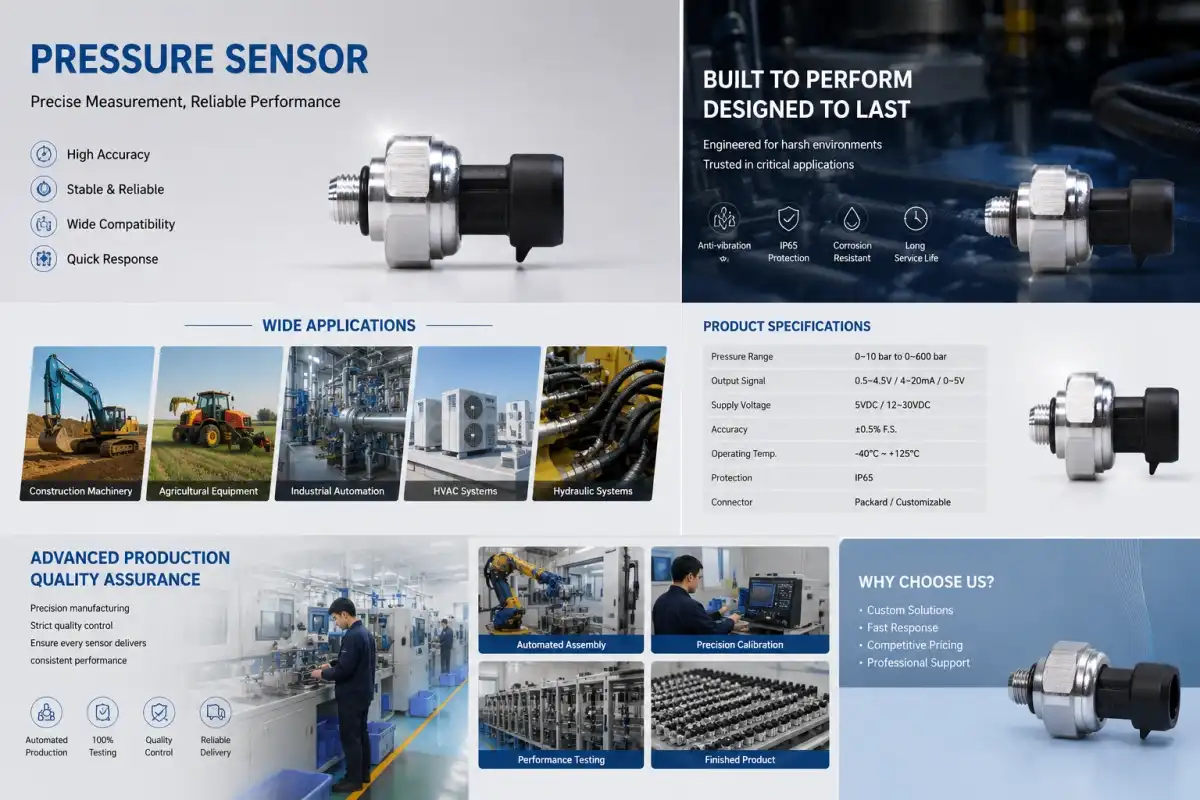
Ceramic Pressure Sensors are a big step forward in industrial measurement technology, especially for tough jobs in diesel engine systems, controlling emissions, and hard working conditions. These sensors are made from high-tech ceramics like alumina and are very reliable. They do this by using piezoelectric or capacitive systems to turn mechanical pressure into precise electrical signals. Their strong ceramic diaphragms are much better at withstanding high temperatures, chemicals, and dynamic stress than metal or silicon ones. Ceramic-based pressure measuring tools are essential for diesel engine makers, aftertreatment system integrators, and generator set makers who need reliable performance while following strict emission rules like China VI and Euro VI standards because they are long-lasting and accurate.
Understanding Ceramic Pressure Sensors: Technology and BenefitsCore Material Properties
Ceramic materials, especially alumina oxide mixtures, are what these high-tech sensors are made of. Because the ceramic diaphragm is piezoelectric, when pressure from the outside acts on it, it deforms on a tiny level, creating a voltage difference that can be measured. This basic idea makes it possible to accurately measure pressure over a wide range of levels, from 0 to 1 bar for low-pressure tracking to over 1,000 bar for high-pressure uses. Because ceramic structures are naturally stable, measurements stay the same even when temperatures change from -40°C to 150°C. This is very important for big truck diesel engines and building equipment that works in a variety of conditions.
Conversion Mechanism and Signal Processing
At first, the voltage signal made by deforming ceramic is quite small, so it needs to be amplified before it can be used. Modern Ceramic Pressure Sensors have built-in signal processing circuits that boost and change unprocessed signals into standard outputs like 0-5V voltage ranges or 4-20mA current loops. This signal processing feature makes sure that it works with current engine control units and aftertreatment system drivers, which makes it easier for SCR and DPF solution providers to integrate. Ceramic sensors usually have a measurement accuracy of ±0.5% full scale, which is accurate enough for pollution tracking and troubleshooting devices that need to be legal.
Superior Temperature Tolerance
Ceramic sensors are different from silicon-based ones in the temperature range they can work in. While piezoresistive silicon sensors usually work well up to 125°C, ceramic versions stay accurate at temperatures above 150°C, which is important for checking the pressure of exhaust gases in diesel aftertreatment systems. This ability to handle higher temperatures gets rid of the need for extra cooling systems, making the system simpler and cheaper. This feature is especially helpful for heavy-duty diesel engines in mining equipment and power sets, since exhaust gas temps often go above normal sensor limits during high load situations.
Extended Operational Lifespan
It is amazing how long Ceramic Pressure Sensors last in industrial settings; they can often work for more than 10 years without stopping. Ceramic materials are long-lasting because they don't wear down easily or react with chemicals. Ceramic elements stay structurally sound throughout their service life, while metal diaphragms gradually thin and crack under stress. This longer lifespan directly leads to lower upkeep costs and less downtime for the equipment, both of which are important factors for buying managers looking at the total cost of ownership in groups of business vehicles and fixed power generation sites.
Comparing Ceramic Pressure Sensors with Other Sensor Technologies
Performance in Corrosive Environments
When comparing Ceramic Pressure Sensors to metal-based ones, chemical protection is by far the most important factor. Diesel exhaust vapor has acidic chemicals in it, like sulfuric acid derivatives, nitric acid, and different kinds of hydrocarbons that break down stainless steel diaphragms very quickly. Ceramic materials are very resistant to these harsh chemicals, so they can be used for measurements without protection layers that wear off over time. Integrators of aftertreatment systems that work with urea injection systems really like this feature because Ceramic Pressure Sensors can reliably measure pressure in DEF delivery systems, where metal sensors break down early from rust.
Measurement Stability Advantages
Silicon piezoresistive sensors have problems called drift, which is caused by changes in resistance that depend on temperature and the release of mechanical stress in the silicon crystal structure. Ceramic Pressure Sensors don't have these shift systems because the material is fixed and the mechanical design is strong. Long-term stability standards for good ceramic sensors show drift rates below 0.1% per year, while silicon devices usually have drift rates between 0.5 and 1%. This better stability lowers the number of times that testing needs to be done and raises the diagnostic reliability for emission control systems, where measurement accuracy has a direct effect on meeting regulation requirements.
Responsiveness and Dynamic Performance
Response time is another important thing to look at when comparing. Ceramic diaphragms, being thicker and more rigid than silicon membranes, exhibit slightly slower response characteristics, typically in the 1-5 millisecond range compared to sub-millisecond silicon sensor response. However, this reaction speed is still more than fast enough for watching diesel engine pressure in situations where changes in pressure happen over tens of milliseconds. In industrial settings, like building and farming tools, where vibrations are common, the extra mechanical strength that comes from using stronger ceramics far outweighs the small difference in reaction time.
Why Ceramic Pressure Sensors Excel in Harsh Industrial Environments?
Abrasion and Mechanical Shock Resistance
Pressure monitors are constantly vibrating, getting mechanical shocks, and being hit by big cars and construction equipment. Ceramic Pressure Sensors can handle shock loads of more than 100g and shaking speeds of up to 2000 Hz without losing their accuracy or breaking down. Ceramic materials are naturally harder than metal diaphragms—usually 9 on the Mohs scale for alumina—so they can resist wear better. This longevity is very important for excavators, bulldozers, and mine trucks, where sensors are put under constant mechanical stress for years at a time.
Moisture Resistance and Sealing Integrity
Engine rooms are exposed to huge changes in humidity, cycles of mist, and direct water when vehicles are washed or equipment is used when it's wet. Ceramic materials are very good at keeping electricity away and measuring accurately, which is why ceramic devices stay electrically isolated. Hermetic sealing methods are used in high-quality Ceramic Pressure Sensor designs to keep water out of electrical links and signal conditioning circuits. In farm machinery that works in dirty, wet fields with morning dew and rare rain, this safety makes sure that the machinery works reliably.
Performance Under Pressure Overload
Diesel fuel injection systems, hydraulic circuits, and air brake systems all experience sudden pressure spikes all the time. These spikes can damage sensors that are only meant to work in standard pressure levels. Most Ceramic Pressure Sensors can handle pressures that are two to three times their rated range without breaking or losing their setting. This over-stress tolerance comes from the fact that ceramics can distort elastically under a lot of stress without breaking. This is a feature that generator set makers really like because it means that pressure changes can happen during engine starting and load acceptance, and for short periods of time, they can be much higher than usual working pressures.
Validated Performance Data
Automotive research institutes have done independent tests that show ceramic sensors are reliable in rapid life testing methods. Studies that looked at the average amount of time between failures found that ceramic sensors could work for more than 50,000 hours in heavy-duty diesel engine simulations, while regular metal diaphragm sensors could only work for 20,000 to 30,000 hours. These tested performance standards give R&D engineers faith when choosing parts for new diesel engine platforms that need to meet lifetime goals of 15,000 hours or 1,000,000 kilometers. The dependability record of ceramic sensors has been backed up by the fact that millions of them are used in production cars around the world.
Procurement Guide: How to Buy the Right Ceramic Pressure Sensors?
Evaluating Supplier Capabilities
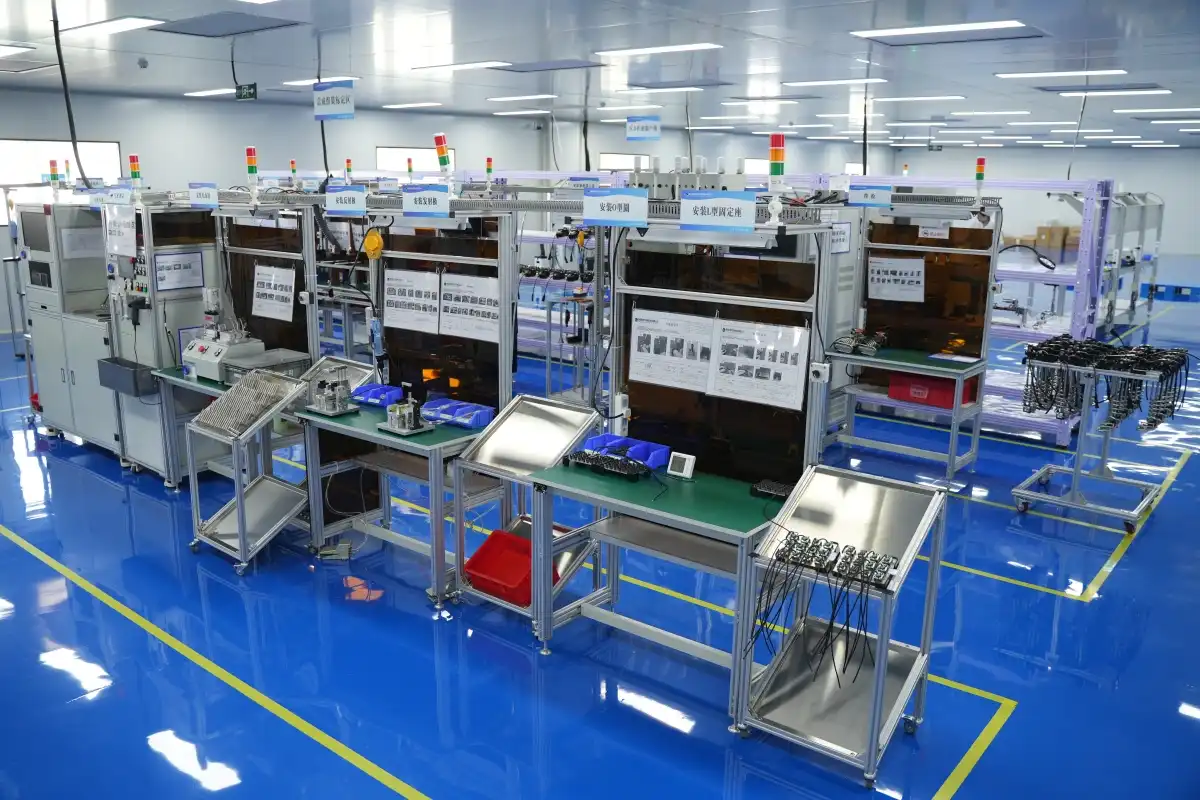
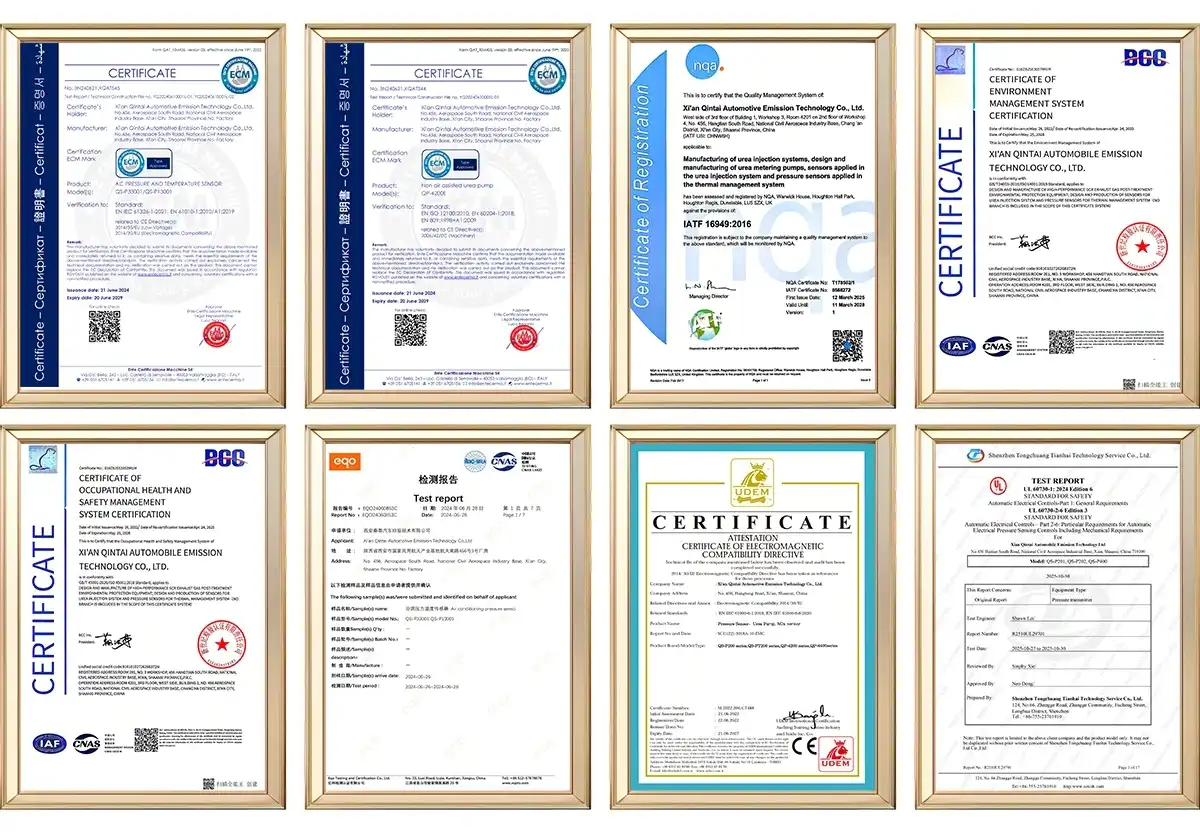
To find the best Ceramic Pressure Sensor provider, you need to carefully look at their quality processes and production skills. Reliable providers keep their ISO9001 quality management certification and IATF16949 car quality standards up to date. This makes sure that production methods are always the same and that products can be tracked. OEMs of diesel engines should make sure that potential sellers have the right product approvals, such as CE, UL, and REACH compliance for parts that will be sold in other countries. When looking for monitors for generator sets that are put in dangerous places like chemical plants and oil tanks, supply chain managers should work with companies that have explosion-proof certifications.
Customization and Interface Options
Standard stock sensors don't always meet all the needs of a program without being changed. The best Ceramic Pressure Sensor makers offer a wide range of customization options, such as different types of electrical connectors, fixing thread specs, pressure port designs, and output signal forms. Integrators of aftertreatment systems value suppliers who can set pressure ranges and electrical properties that are exactly what an SCR or DPF processor needs. Customizing sensor settings during product development speeds up the time it takes to market for new emission control solutions and makes sure that the system works well and integrates properly.
Bulk Ordering and Pricing Structures
Diesel engine makers who make tens of thousands of units a year have to think about volume prices when they're figuring out costs. Established Ceramic Pressure Sensor providers offer tiered price based on yearly volume promises. When production numbers go over 10,000 pieces, the cost per unit goes down by a large amount. Purchasing managers should work out framework deals that lock in prices for several years, protection against changes in the cost of materials and the value of the dollar. Most of the time, these deals include plans for planned orders that work with the production dates for engines. This keeps inventory costs low while still making sure that parts are available.
Lead Times and Inventory Management
Standard Ceramic Pressure Sensors usually ship within 4 to 6 weeks for first orders, and then in 2 to 3 weeks for repeat orders once production patterns are set. Custom-designed sensors need 8–12 weeks for the first prototype and testing, and then 6–8 weeks for mass production. Parts sellers that work with the aftermarket for business vehicles should team up with makers who keep popular sensor types in stock. This way, pressing replacements can be shipped the same day or the next day. This store supply cuts down on car downtime and improves customer happiness for repair shops that need parts right away.

SENSOR+TEST, June 9 – 11, 2026
We look forward to your visit,warmly welcome to our booth 1-634!
Get your free ticket online now:
https://www.sensor-test.de/service/ticket/?52790
Making the Right Choice: Why Ceramic Pressure Sensors Are the Preferred Industrial Solution?
Decision Framework for Technical Evaluation
When researching different pressure sensor choices, R&D workers should carefully look at a number of important factors. Whether ceramic building is needed depends on the temperature range. For example, uses that go over 125°C need ceramic technology. Specifications for measurement accuracy decide which sensor grade to use. For example, ±0.25% full scale accuracy is needed for precision uses, while ±1% is fine for less important tracking tasks. Total cost estimates are affected by expected service life and upkeep times. For example, ceramic sensors often justify higher starting costs by lower replacement costs over the equipment's lifetime.
Certification and Compliance Verification
Compliance with emission regulations relies on sensors that have been tested and proven to work properly under normal circumstances. Diesel engine makers should make sure that pressure monitors have the right type approvals from certification groups that their target markets trust. For China VI compliance, products must have CCC approval, while for European markets, they must have CE marking that meets the appropriate standardized standards. In North America, UL certification makes sure that generator set uses follow electricity safety rules. These approvals make sure that sensors meet basic performance standards and are regularly checked during production to make sure that the quality is always the same.
Integration and Technical Support
To successfully install sensors, you need to do more than just choose the right parts. You also need help integrating the system and fixing problems. Suppliers who are good at what they do give you a lot of technical information, like measurement models, wiring specs, and suggestions for how to put the product. Help from applications engineers with mounting setups, reducing electrical interference, and software testing processes can help solve integration problems. This technical relationship is very helpful for companies that put together aftertreatment systems and are working on complicated emission control solutions. The performance of the sensors has a direct effect on how well the system works and how well it meets regulation requirements.
Partnership for Long-Term Success
Building ties with dependable Ceramic Pressure Sensor sources gives you a competitive edge by letting you work together on product development and get better terms on supplies. Companies that make both standard goods and special engineering services are better able to adapt to changing application needs as emission rules get stricter and engine technologies get better. Suppliers with factories around the world and technical support centers in different regions offer consistent service in all foreign markets. This makes transportation easier for companies that make tools for customers all over the world. These aspects of partnerships are very important for making operations more efficient and responding quickly to market changes.
Conclusion
Ceramic Pressure Sensors are the most reliable, accurate, and long-lasting sensors available for industrial use, especially in diesel engines and pollution control systems that have to work hard. Because they are better at withstanding high and low temperatures, chemicals, and mechanical stress, producers who want long-term performance and legal compliance should choose them. Ceramic sensor technology has been used for millions of hours in a wide range of uses, which proves that they work well in difficult conditions.
When engineers and procurement workers look at different pressure measurement options, they should not only think about how much the parts cost at first, but also how much it will cost to build, maintain, and repair the equipment over its lifetime. Ceramic technology has clear benefits that make it a better choice for uses where accurate measurements are important for operations to go smoothly.
FAQ
What factors most significantly affect ceramic pressure sensor accuracy in diesel engine applications?
The main factors that affect precision are the quality of the temperature correction and the stress on the fitting fixing. Good sensors have temperature adjustment systems that keep their accuracy within ±0.5% over their whole working range. When you put it correctly and use the right force values, you keep the ceramic diaphragm from being stressed mechanically, which could lead to measurement mistakes.
How do ceramic sensors perform in chemically aggressive exhaust gas environments?
Alumina ceramics are very strong and don't react badly with acidic exhaust condensates or DEF, which is typical in SCR systems. Unlike stainless steel, which rusts over time, ceramic keeps working well without any protective coats for as long as it is used. Because they are resistant to chemicals, ceramic sensors are the best choice for uses like tracking exhaust pressure and urea injection systems, where other sensor technologies often fail due to rust.
What are typical lead times for bulk custom ceramic pressure sensor orders?
For custom sensor creation, making a sample and checking it for accuracy takes 8 to 12 weeks. Once the plan has been approved, 5,000 to 10,000 units are usually shipped within 6 to 8 weeks. For return sales, wait times are cut down to 3–4 weeks because of established production ties with predicted demand. For important projects that need to be delivered quickly, rush production services may be offered at an extra cost.
Partner with Qintai for Reliable Ceramic Pressure Sensor Solutions
Qintai is ready to help you with your pressure sensing needs with Ceramic Pressure Sensor technology that has been used successfully for many years and diesel emission control knowledge that goes back twenty years. As China's top original equipment manufacturer (OEM) seller to major engine makers like Weichai Power and Yuchai Power, we have unique experience making sensors that meet strict emission standards and tough operating needs. Our long list of certifications, which includes IATF16949, ISO9001, and many other foreign approvals, shows that we are dedicated to quality and dependability.
We offer open customization services that can be adjusted to the needs of your application, from making prototypes to mass production. Throughout the lifetime of a product, our technology team offers fast engineering help to make sure that it works well and is integrated properly. Get in touch with our experts at info@qt-sensor.com to talk about your Ceramic Pressure Sensor needs and find out how working with a reputable Ceramic Pressure Sensor maker can help your business compete by providing more reliable parts and full technical support.
References
1. Chen, W., Zhang, L., & Wang, Y. (2019). Advanced Ceramic Materials for Pressure Sensing Applications in Automotive Systems. Journal of Materials Engineering and Performance, 28(4), 2156-2168.
2. Mueller, H., & Schmidt, K. (2020). Pressure Sensor Technologies for Heavy-Duty Diesel Engine Emission Control Systems. SAE International Journal of Engines, 13(2), 245-262.
3. Patel, R., & Kumar, S. (2021). Comparative Analysis of Pressure Sensor Technologies for Industrial Applications. IEEE Transactions on Industrial Electronics, 68(7), 6382-6394.
4. Thompson, D. (2018). Ceramic Pressure Transducers: Design, Manufacturing, and Application Guidelines. Instrument Society of America Technical Report, ISA-TR37.25.
5. Yamamoto, T., Suzuki, H., & Tanaka, M. (2020). Long-Term Reliability Studies of Ceramic Pressure Sensors in Harsh Automotive Environments. Sensors and Actuators A: Physical, 304, 111876.
6. Zhou, X., Li, J., & Wu, F. (2022). Emission Control System Sensor Technologies: Performance Requirements and Selection Criteria. International Journal of Automotive Technology, 23(1), 187-201.
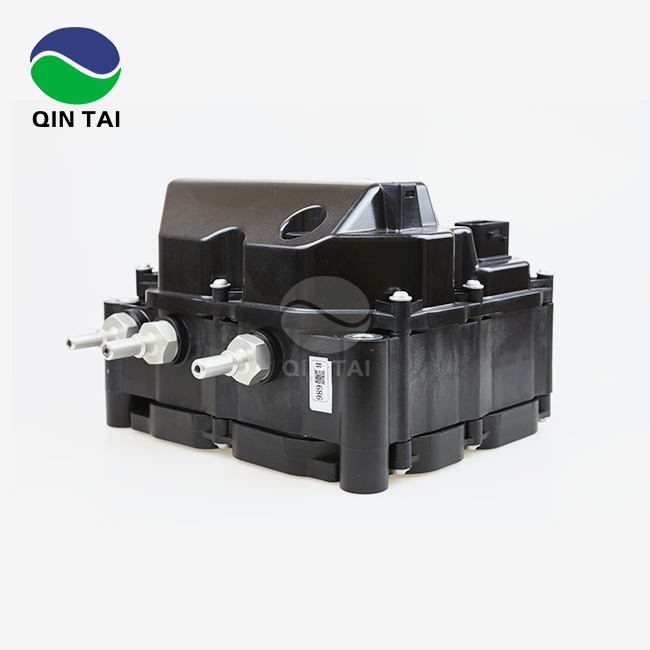
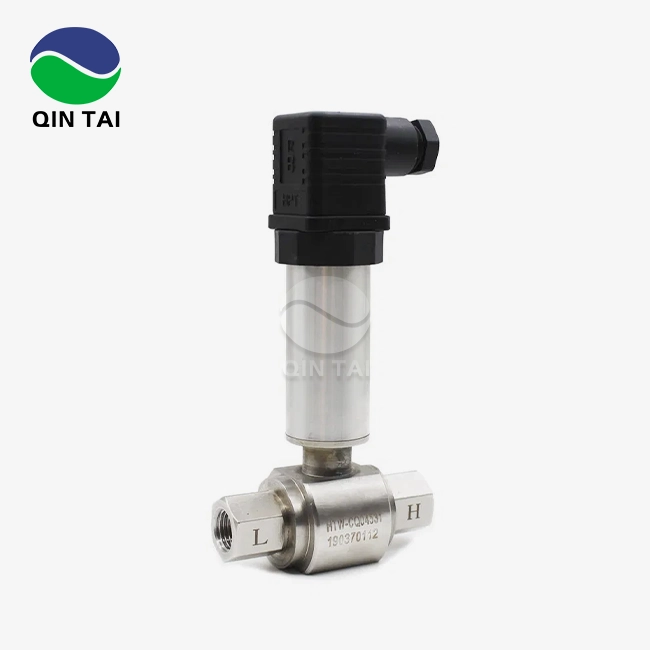
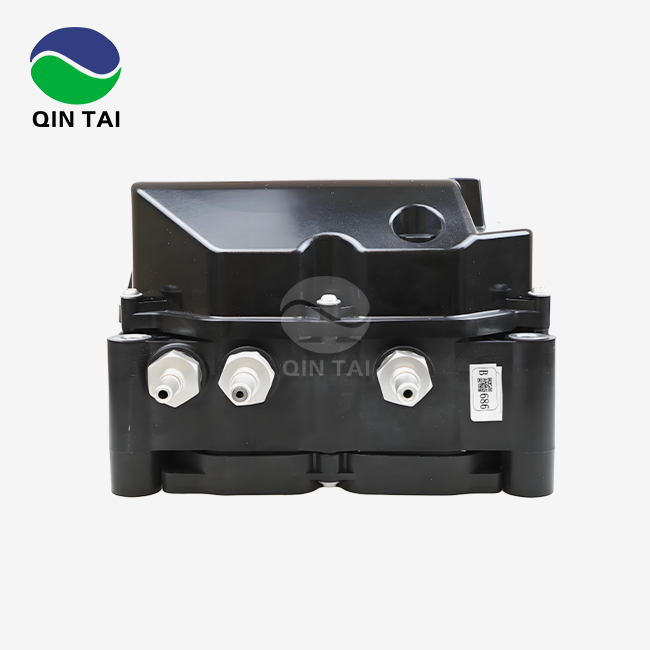
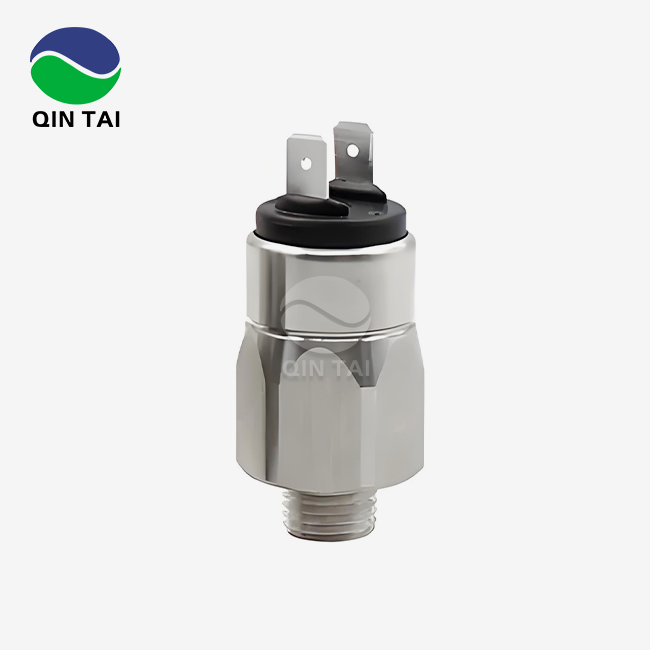

Our customers’ satisfaction speaks for our quality — contact us to experience the same reliable service.