- English
- French
- German
- Portuguese
- Spanish
- Russian
- Japanese
- Korean
- Arabic
- Greek
- German
- Turkish
- Italian
- Danish
- Romanian
- Indonesian
- Czech
- Afrikaans
- Swedish
- Polish
- Basque
- Catalan
- Esperanto
- Hindi
- Lao
- Albanian
- Amharic
- Armenian
- Azerbaijani
- Belarusian
- Bengali
- Bosnian
- Bulgarian
- Cebuano
- Chichewa
- Corsican
- Croatian
- Dutch
- Estonian
- Filipino
- Finnish
- Frisian
- Galician
- Georgian
- Gujarati
- Haitian
- Hausa
- Hawaiian
- Hebrew
- Hmong
- Hungarian
- Icelandic
- Igbo
- Javanese
- Kannada
- Kazakh
- Khmer
- Kurdish
- Kyrgyz
- Latin
- Latvian
- Lithuanian
- Luxembou..
- Macedonian
- Malagasy
- Malay
- Malayalam
- Maltese
- Maori
- Marathi
- Mongolian
- Burmese
- Nepali
- Norwegian
- Pashto
- Persian
- Punjabi
- Serbian
- Sesotho
- Sinhala
- Slovak
- Slovenian
- Somali
- Samoan
- Scots Gaelic
- Shona
- Sindhi
- Sundanese
- Swahili
- Tajik
- Tamil
- Telugu
- Thai
- Ukrainian
- Urdu
- Uzbek
- Vietnamese
- Welsh
- Xhosa
- Yiddish
- Yoruba
- Zulu
Pressure sensors in high temperature extreme environments
When industrial equipment works in very hot places, like diesel engine exhaust systems, industrial boilers, or generator sets, the pressure sensor is very important for keeping things safe, working well, and following the rules. These special tools can measure changes in pressure even at temperatures that would kill regular sensors. They do this by turning mechanical force into reliable electrical signals, even at temperatures above 600°C. Choosing the right high-temperature pressure sensing option has a direct effect on how long equipment lasts, how well it controls emissions, and how reliably it works in heavy-duty situations.
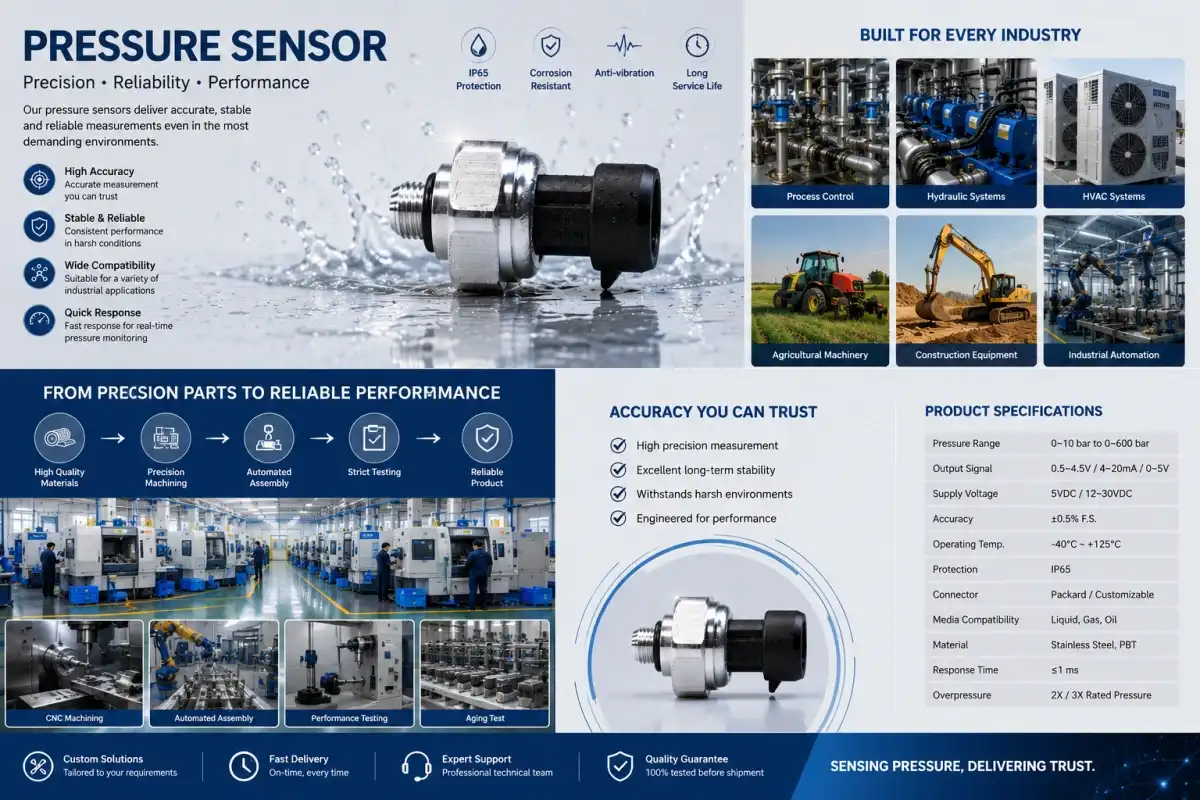
Understanding Pressure Sensors for High Temperature Environments
Technology for measuring high-temperature pressure has changed a lot to meet the needs of current industrial uses. These gadgets work by picking up changes in the pressure of gases or liquids and turning that physical force into a measured electrical output that control systems can understand and act on.
Core Sensor Technologies for Thermal Extremes
When dealing with high temperatures, different sensing concepts offer different benefits. When put under mechanical stress, piezoelectric devices make electrical charges. This makes them sensitive and long-lasting in places with changing pressures, like combustion tanks. Capacitive sensors work with a ceramic cushion that changes shape when pressure is applied. This changes the capacitance between the electrodes, which gives accurate readings and great heat stability. When paired with the right materials, strain gauge monitors can work in a wide range of temperatures and measure changes in resistance that show how much something has changed shape.
Procurement teams often get confused about the difference between sensors and actuators. A sensor picks up on the physical event, and a transducer turns that pick-up into a standard electrical signal that can be sent to tracking systems. In real-world industrial settings, these terms are often used to refer to the same thing, but knowing the difference between them can help you define interface standards.
Critical Design Variations for Extreme Conditions
Choices made during design have a big effect on heat performance and fit for use. Oil-filled sensors have insulating fluid that protects the detecting element from direct heat contact. This makes the operating temperature ranges bigger and keeps sensitive parts safe. Dry sensors don't need this fluid, which makes upkeep easier but means they can only work in smaller temperature ranges. Digital sensors send processed data through communication protocols, which makes it easier to connect them to modern control systems. Analog output sensors send constant voltage or current signs that are related to pressure. High-precision versions use clever correction systems and high-quality materials to keep their accuracy even when they are heated up.
Real-World Industrial Applications
Automobile engine tracking is a tough job because exhaust gas pressure sensors have to work consistently at temperatures close to 650°C while still being accurate enough for SCR system optimization and China VI or Euro VI emission compliance. Monitoring pressure is needed in places like industrial boilers and heat treatment operations where temperatures change quickly and stay high for a long time. High-temperature sensors are used in downhole readings and refinery process control for oil and gas production.
If these sensors fail, they can cause costly shutdowns. Aerospace power systems need sensors that can withstand very high temperatures when going from room temperature to working temperature very quickly. These uses all need things that are very stable at high temperatures, don't break down easily, and stay accurate even when temperatures change by hundreds of degrees during normal operation cycles.
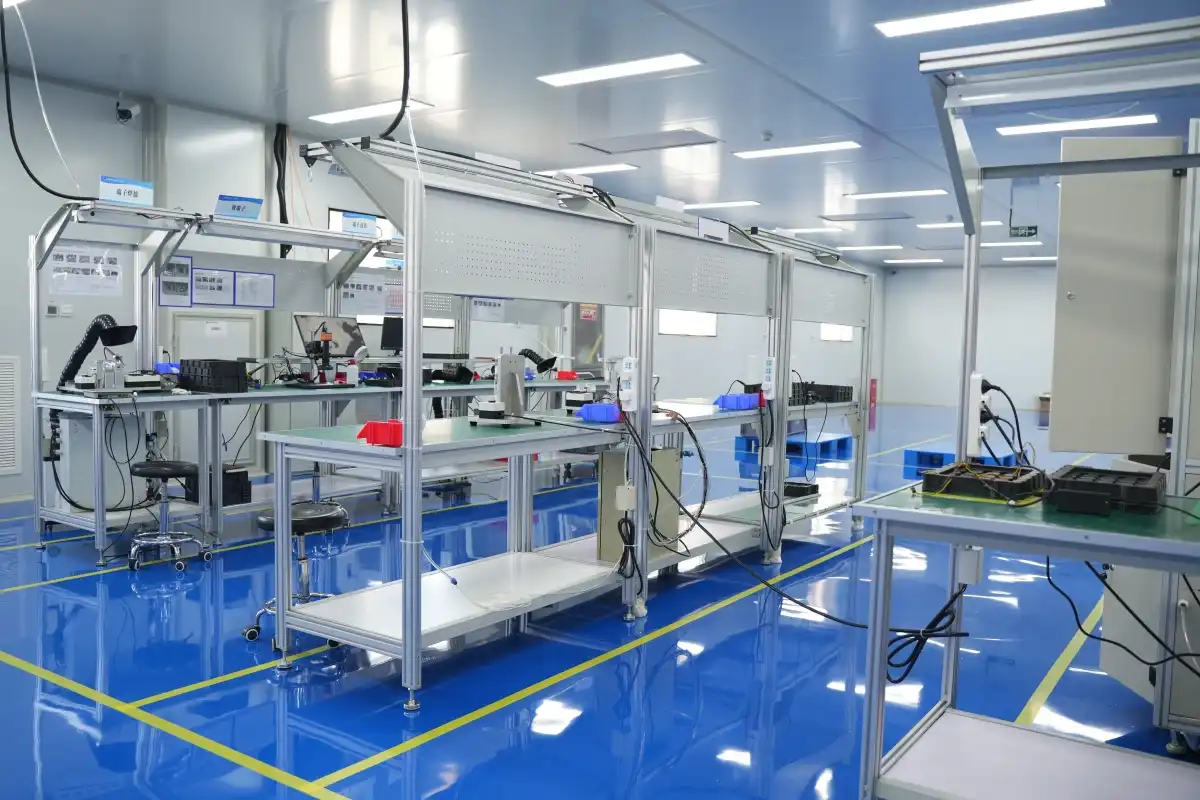
Challenges and Solutions in High Temperature Pressure Sensing
When you use pressure measuring tools in places with very high or very low temperatures, they run into technical problems that normal industrial devices can't solve. Procurement workers can choose the right tools and plan for lifetime issues if they know about these problems and how to solve them.
Primary Technical Obstacles
When sensors are exposed to high temperatures for a long time, material breakdown is still the main problem. Adhesives and elastomeric covers break down, and normal metals experience creep or rust that weakens their structure. When temperature changes, it changes the actual connections between sensor elements and reference points. This changes the signal drift, which leads to measurement mistakes that build up over time. It gets harder to calibrate because sensors have to stay accurate over a wide range of temperatures, which means they have to account for the effects of temperature on many parts at the same time.
Advanced Engineering Solutions
To solve these problems, we need advanced materials science and new ways of designing things. Ceramics with special qualities, like alumina and zirconia, are very stable at high temperatures and keep their shape and electrical properties at temperatures where metals would break. In modern sensor systems, these materials are used as diaphragms, housings, and insulation parts.
Oil-filled sensor designs protect sensitive electronics from tough conditions by absorbing heat. This lets the detecting element work at high temperatures while keeping signal shaping circuits in cooler areas safe. Wireless sensor technologies get rid of the need for constant wire links through hot zones. This makes installation easier and reduces the number of failure points while allowing placement in places that weren't possible before.
Proven Implementation Case Studies
Monitoring of automotive turbochargers shows how high-temperature pressure sensors can work in production settings. Modern turbocharged diesel engines need to measure pressure at several locations where temperatures are higher than 550°C. This means that the sensors need to be able to handle constant heat stress and respond in milliseconds so that real-time boost control can happen. We have supplied core parts to Weichai Power and Yuchai Power, and our experience shows that ceramic capacitive designs work really well in these situations. They provide the longevity and accuracy that diesel engine makers need to meet emission standards and improve performance.
Different problems come up when controlling steam pressure in industrial power creation. In these uses, sensors are put in settings with a lot of condensed steam, where both the high temperature and the acidic condensate can damage them. In these tough conditions, oil-filled sensors with special coats and strong housing designs have been shown to last longer than five years, which cuts down on the need for upkeep and makes the plant more reliable.
How to Choose the Best Pressure Sensor for High Temperature Applications?
To choose the right high-temperature pressure sensor measuring options, you need to carefully compare the technical needs with the technologies that are offered and the skills of the suppliers. Modern diesel engines and industrial systems are very complicated, so it's important to pay close attention to the details that affect performance and the total cost of ownership.
Defining Core Requirements
Temperature range is what determines which monitor to use. Applications need to say not only the highest temperature that can be used, but also how the temperature will change over time. This is because frequent expansion and contraction is often worse for electronics than long-term heat exposure. The level of accuracy needed depends on how important the application is.
For example, emission control systems need accuracy of at least 1% on the full scale, while tracking that isn't as important may be able to handle accuracy of up to 3%. When thinking about connectivity, you should think about the type of output signal (voltage, current, or digital protocol), the response time you need, and whether the electrical link works with other control systems. The design framework is finished by physical limits such as mounting layout, pressure port size, and external closing requirements.
Critical Selection Metrics
Thermal stability is a measure of how well a sensor stays calibrated over its entire working temperature range. Better devices use stable materials and multi-point temperature correction to reduce error. Response time is very important in dynamic situations like engine control, where changes in pressure need to be picked up within milliseconds so that the system can be set up correctly. Durability includes things like mechanical strength, resistance to shaking, and defense against rust.
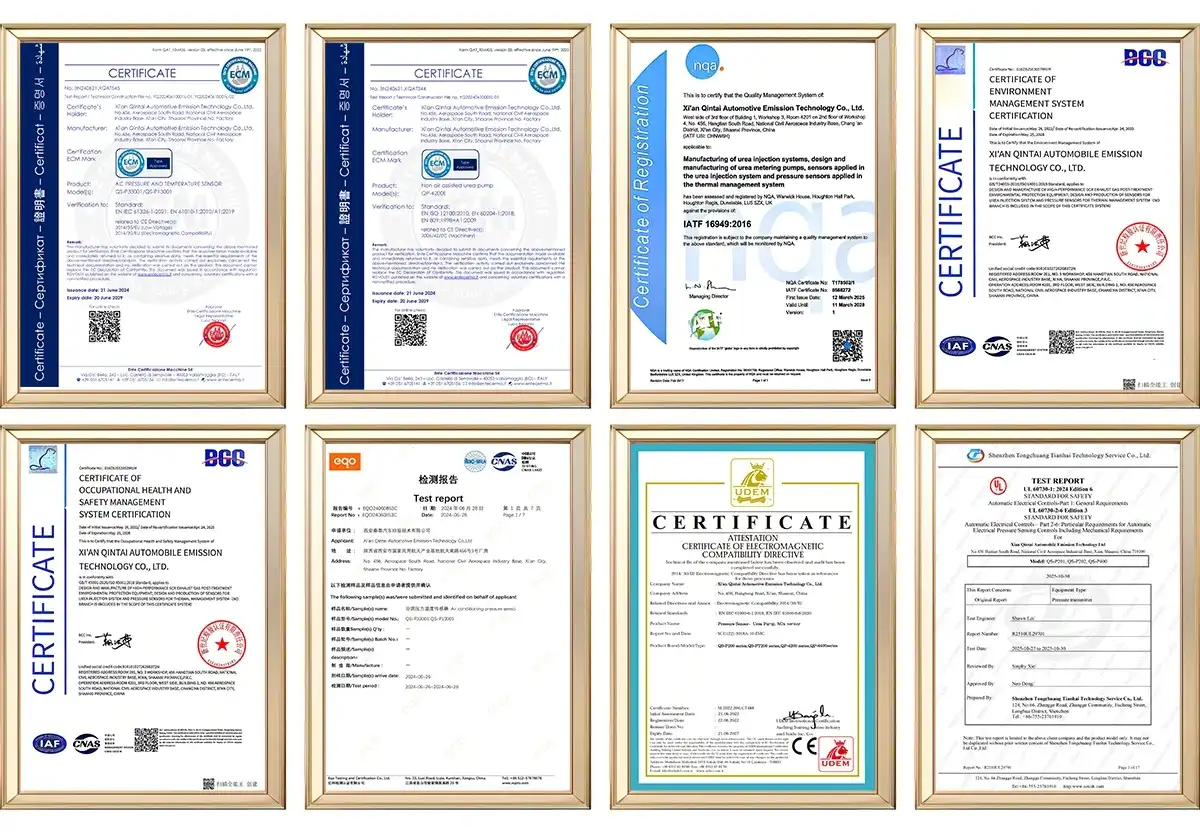
These are the things that decide whether sensors last the intended service time or need to be replaced early. Industry certifications show that performance and safety have been checked by a third party. For example, ATEX and IECEx certifications are needed for uses that need to work in dangerous atmospheres, and IATF 16949 certification shows that quality management meets car standards.
Comparative Market Analysis
Leading international brands like Honeywell, Bosch, and Siemens have wide ranges of sensors, lots of paperwork, and global support networks. This makes them appealing for uses that need expert help and easy access to new parts. These sellers usually charge more, but they are reliable and have decades of experience in the field.
Specialized OEM makers like Qintai offer great options for buying teams that want to get the best value for their money. We have been making diesel engine aftertreatment sensors for more than 20 years and have been certified by ISO 9001, IATF 16949, and many other international safety standards. Our products are very reliable and our prices are low enough for mass production. As China's top original equipment maker (OEM) provider to major power manufacturers, we can meet the high standards for quality and stability that big trucks, building equipment, and generator sets need.
The choice process should weigh the initial costs of the sensors against their total lifetime costs, which should include costs for installation, calibration, upkeep, and repair. When buying in bulk, it's often better to go with sellers who can customize products and offer quick technical help than ones who only have catalogs.
Installation, Calibration, and Troubleshooting in High Temperature Conditions
If you follow the right steps for execution, high-temperature pressure sensors will either work as well as they should or break down early because of mistakes in installation or upkeep that could have been avoided.
Installation Best Practices
Where you mount the sensor has a direct effect on how long it lasts and how accurate it is. Using the right thermal insulation or offset devices on positioning sensors lowers their direct exposure to heat while keeping the accuracy of the pressure reading. Threaded connections need the right amount of torque. Not tightening enough leads to leaking and damage from shaking, while too much force breaks ceramic elements or bends housings. When cables have to go through areas with high temperatures, they need to be made of heat-resistant wires and have safe strain relief that keeps mechanical stress from going to the sensor connections. In engine and compressor settings, where mechanical noise can wear out sensor structures or break connections over time, vibration separation is a must.
Calibration Procedures
For high-temperature testing, you need special tools that can apply known pressures and controlled temperatures at the same time to make sure the sensor is accurate across its working range. To make thermal reaction curves, the first test should set a standard for performance at room temperature, high and low temperatures, and several places in between.
Keeping track of calibration factors allows for reliable readings in the field and gives us a way to find drift during later proof steps. The amount of time between calibrations varies on how important the application is. For example, emission-critical sensors in diesel engines need to be checked every year, while less demanding applications may be able to go up to 18–24 months between checks based on their operating history.
Common Issues and Preventative Maintenance
Signal drift shows up as a slow loss of accuracy. It's usually caused by materials wearing out, dirt building up on sensor elements, or too much temperature stress. By checking regularly against reference standards, early drift can be found before measurement mistakes affect how well the system works. As part of preventative maintenance, electrical lines should be checked for rust or physical harm on a regular basis, and sensors should be replaced before they hit known failure rate turning points. Planning to replace or improve sensors during regular equipment overhauls cuts down on unexpected downtime and maintenance costs compared to responding to failures after they happen.
Future Trends and Innovations in High Temperature Pressure Sensing
As technology keeps getting better, high-temperature pressure sensor sensing capabilities keep growing. This means that buying teams that are looking to the future should keep an eye on these new and improved performance chances.
Emerging Sensor Technologies
Advanced piezoelectric ceramic materials keep working well at temperatures above the current limit. This could allow direct measurement in areas of burning that were thought to be too hot for accurate sense before. Miniaturizing MEMS (Micro-Electro-Mechanical Systems) makes devices smaller with faster response times and less power use. However, MEMS can't be used in the hottest or coldest places just yet because of temperature limits. New materials and protected wrapping are being used in ongoing research to make MEMS temperature features bigger.
Wireless and Internet of Things (IoT)-enabled pressure sensors get rid of the need for infrastructure cables and allow for advanced distant tracking and planned repair. These gadgets have processing power built in that looks at pressure patterns, spots new problems, and sends useful information to systems that handle maintenance. In high-temperature settings, battery-powered portable sensors have problems because heat speeds up the degradation of power sources. However, new technologies that collect energy and better thermal management solutions are slowly fixing these problems.
Impact on Industrial Operations
When pressure sensors are connected to industrial automation platforms, they go from being simple measuring tools to smart system parts that help improve operations. Real-time data analytics find ways to make things more efficient, strange things that are happening in the process, and repair needs before they get worse and cause problems. Predictive maintenance programs look at patterns of pressure, temperature, shaking, and other factors to predict when parts will break down and plan maintenance work for times when the system is supposed to be down. This sensor-generated intelligence is used by smart manufacturing projects to improve quality control, cut down on energy use, and make tools last longer.
Strategic Procurement Considerations
By predicting how market needs will change, buying teams can choose tools that will work well in the future. When choosing a communication strategy, open standards that make merging easier as control systems change should be given the most weight. Supplier relationships with companies that spend in research and development (R&D) and show they can adapt to new technologies lower the risk of products becoming obsolete too soon. Our independent research and development team is always coming up with new ideas to make products work better and be more reliable. This puts Qintai in a position to help customers as their applications get better. Customization features let sensor specifications change to meet changing practical needs without having to switch suppliers completely.

SENSOR+TEST, June 9 – 11, 2026
We look forward to your visit,warmly welcome to our booth 1-634!
Get your free ticket online now:
https://www.sensor-test.de/service/ticket/?52790
Conclusion
High-temperature pressure reading is a specialized area of technology where the choice of pressure sensor has a direct effect on how well equipment works, how well it meets regulations, and how reliable it is in the field. Professionals in procurement can come up with solutions that meet both performance needs and price limits by learning about basic sensor technologies, spotting execution challenges, and using structured selection criteria. The total worth of sensors is maximized by installing, calibrating, and maintaining them correctly.
Staying up to date on new technologies helps with strategy planning. By working with seasoned makers who can show they have the right technical knowledge, quality standards, and quick customer service, you can get solutions that are made to work in the harsh heat conditions of modern diesel engines, industrial processes, and power generation systems.
FAQ
What distinguishes pressure sensors from pressure transducers in high-temperature applications?
Technically, pressure sensors pick up changes in pressure, and actuators turn those readings into standard electrical signs. Manufacturers often use these terms equally when they are talking about industrial buying. When choosing high-temperature devices, it's more important to focus on the type of output signal, the temperature number, and the accuracy requirements than on the differences in terms.
Can standard pressure sensors operate in extreme heat conditions?
Standard industrial sensors usually stop working above 125 to 150°C because of limits in the material, broken glue, and high temperatures putting stress on electronic parts. Extreme settings above 300°C need special high-temperature designs that use ceramic materials, thermal isolation, and strong construction that is designed to withstand high temperatures.
How frequently should high-temperature pressure sensors be calibrated?
Calibration intervals rely on how important the application is and how bad the operation is. Emissions-critical diesel engine monitors usually need to be checked once a year to stay in line with regulations. For uses that aren't as demanding, testing may be extended to 18 to 24 months. Based on recorded drift trends, harsh temperature cycling or acidic conditions may need to be checked more often.
What certifications should procurement teams prioritize when selecting high-temperature pressure sensors?
IATF 16949 approval means that quality control at the automobile level is necessary for use in vehicles. The ISO 9001 standard shows basic quality methods. For uses involving dangerous atmospheres, you need to have either an ATEX or an IECEx license. Markings like UL, CE, and RoHS make sure that electricity safety and environmental standards are met for foreign markets.
Partner with Qintai for Reliable High-Temperature Pressure Sensor Solutions
Qintai makes industrial-grade pressure sensors that are designed to work with the high and low temperatures found in diesel engine aftertreatment systems, heavy machinery, and power generation. As China's top OEM supplier with more than 20 years of experience and strong partnerships with Weichai Power, Yuchai Power, and Quanchai Power, we know what performance, consistency, and certification requirements procurement managers and R&D engineers put most importance on when looking for pressure sensor solutions.
Our wide range of services includes independent research and development, mass production of more than one million units per year, and open OEM/ODM services that allow for customization ranging from interface standards to full system integration. We have 58 idea patents, IATF 16949, ISO 9001, and other foreign certifications that prove our technical trustworthiness and quality. This is what pollution compliance and operating reliability require.
Whether you're a diesel engine manufacturer looking for sensing solutions that are compliant with China VI/Euro VI, an aftertreatment system integrator looking for compatible parts with quick technical support, or a procurement professional looking for long-term partnerships with pressure sensor suppliers, our team is ready to talk about your needs and suggest the best solutions. Contact our engineering team at info@qt-sensor.com to access detailed technical specifications, request quotations, or schedule consultations. We're committed to supporting your success through precision sensing technology designed for extreme conditions.
References
1. Webster, J.G., & Eren, H. (2014). Measurement, Instrumentation, and Sensors Handbook: Spatial, Mechanical, Thermal, and Radiation Measurement (2nd ed.). CRC Press.
2. Barlian, A.A., Park, W.T., Mallon, J.R., Rastegar, A.J., & Pruitt, B.L. (2009). Review: Semiconductor Piezoresistance for Microsystems. Proceedings of the IEEE, 97(3), 513-552.
3. Tian, B., Zhao, Y., Jiang, Z., Zhang, L., Liao, N., Liu, Y., & Meng, C. (2017). Fabrication and Structural Design of Micro Pressure Sensors for Tire Pressure Measurement Systems. Sensors, 17(2), 422.
4. Kimura, M., & Toshiyoshi, H. (2007). MEMS Capacitive Sensors for High-Temperature Applications. Journal of Micromechanics and Microengineering, 17(7), S193.
5. Chiou, J.A., & Chen, S. (2008). Thermal Hysteresis Analysis of MEMS Pressure Sensors. Journal of Microelectromechanical Systems, 17(3), 658-664.
6. Kumar, S.S., & Pant, B.D. (2014). Design Principles and Considerations for the 'Ideal' Silicon Piezoresistive Pressure Sensor: A Focused Review. Microsystem Technologies, 20(7), 1213-1247.
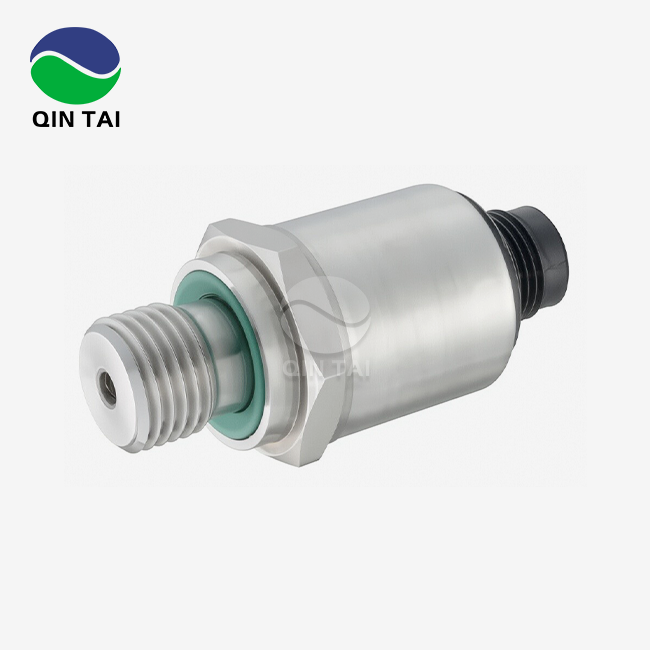
 Sensor.webp)
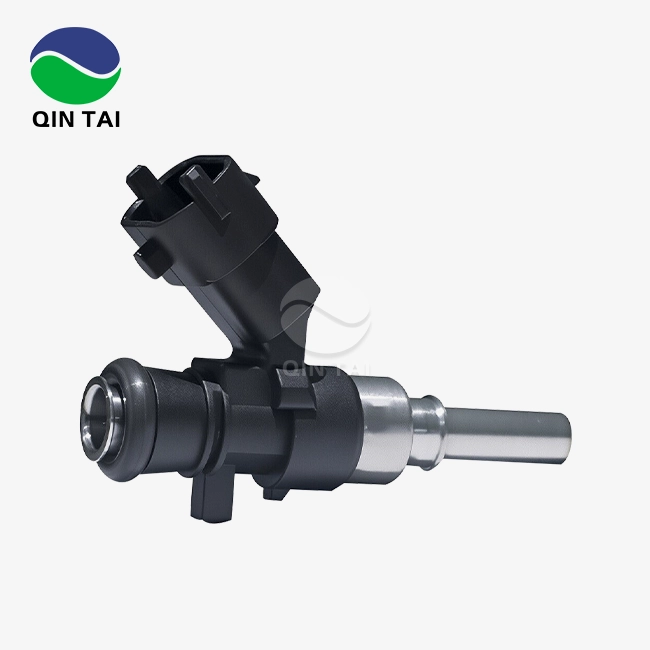

Our customers’ satisfaction speaks for our quality — contact us to experience the same reliable service.