- English
- French
- German
- Portuguese
- Spanish
- Russian
- Japanese
- Korean
- Arabic
- Greek
- German
- Turkish
- Italian
- Danish
- Romanian
- Indonesian
- Czech
- Afrikaans
- Swedish
- Polish
- Basque
- Catalan
- Esperanto
- Hindi
- Lao
- Albanian
- Amharic
- Armenian
- Azerbaijani
- Belarusian
- Bengali
- Bosnian
- Bulgarian
- Cebuano
- Chichewa
- Corsican
- Croatian
- Dutch
- Estonian
- Filipino
- Finnish
- Frisian
- Galician
- Georgian
- Gujarati
- Haitian
- Hausa
- Hawaiian
- Hebrew
- Hmong
- Hungarian
- Icelandic
- Igbo
- Javanese
- Kannada
- Kazakh
- Khmer
- Kurdish
- Kyrgyz
- Latin
- Latvian
- Lithuanian
- Luxembou..
- Macedonian
- Malagasy
- Malay
- Malayalam
- Maltese
- Maori
- Marathi
- Mongolian
- Burmese
- Nepali
- Norwegian
- Pashto
- Persian
- Punjabi
- Serbian
- Sesotho
- Sinhala
- Slovak
- Slovenian
- Somali
- Samoan
- Scots Gaelic
- Shona
- Sindhi
- Sundanese
- Swahili
- Tajik
- Tamil
- Telugu
- Thai
- Ukrainian
- Urdu
- Uzbek
- Vietnamese
- Welsh
- Xhosa
- Yiddish
- Yoruba
- Zulu
What materials are best for capacitive sensor diaphragms?
You have to make a choice about the materials used for capacitive pressure sensor diaphragms that will affect the durability and cost of the whole system. The best option strikes a balance between mechanical response and long-term longevity. This will make sure that your sensors give you accurate data even in harsh industrial settings. Modern designs are mostly made of silicon-based ceramics and advanced plastics. Metal alloys are still used in harsh settings where temperature and rust could damage the sensor. Each material has pros and cons that affect your pollution control systems and the cost of doing business.
Understanding Capacitive Pressure Sensor Diaphragms
Capacitive pressure sensor diaphragms are what make aftertreatment systems so accurate when it comes to measurements. When the pressure changes, these thin membranes change the space between the electrodes. This changes capacitance, which can be written as C = ε₀εၣA/d. The material of the diaphragm determines how sensitively and regularly this change happens in settings with high and low temperatures and chemicals that are common in diesel exhaust.
How Diaphragm Materials Influence Sensor Operation?
The way a material bends under load is determined by its features. A bendable membrane reacts to small changes in pressure, which makes it more sensitive but could make it less stable. On the other hand, hard materials keep their dimensions the same, but they may lose detail in low-pressure situations. When purchasing teams look at sensors for SCR systems, they need to think about how the flexibility of the diaphragm affects the loss of accuracy over thousands of hours of use. Baseline capacitance is also affected by the dielectric constant of materials around it, so it's important to choose the right materials to get the measurement ranges you want without using too many signal processing circuits.
Critical Material Requirements for Industrial Applications
When choosing materials for diaphragms that will be used in harsh conditions, it is important to keep in mind their thermal expansion coefficients, chemical compatibility with exhaust condensates, and mechanical wear limits. Sensors in diesel aftertreatment systems are subjected to temperatures above 600°C, acidic condensation, and stress cycles brought on by shaking.
Materials need to be able to withstand damage from urea buildup in SCR systems and stay the same size across a range of operating temperatures. As part of the procurement requirements, you should make sure that the material certifications meet the chemical exposure profiles of your application. This is especially important when adding sensors to DPF regeneration tracking, where temperature spikes happen often.
Key Materials Used in Capacitive Sensor Diaphragms
New discoveries in material science have made diaphragms available in materials other than stainless steel. This lets engineers make sensors that work best for certain tasks. Knowing the pros and cons of each type of material helps research and development teams choose parts that balance original cost with performance over time.
Silicon and Ceramic Diaphragms
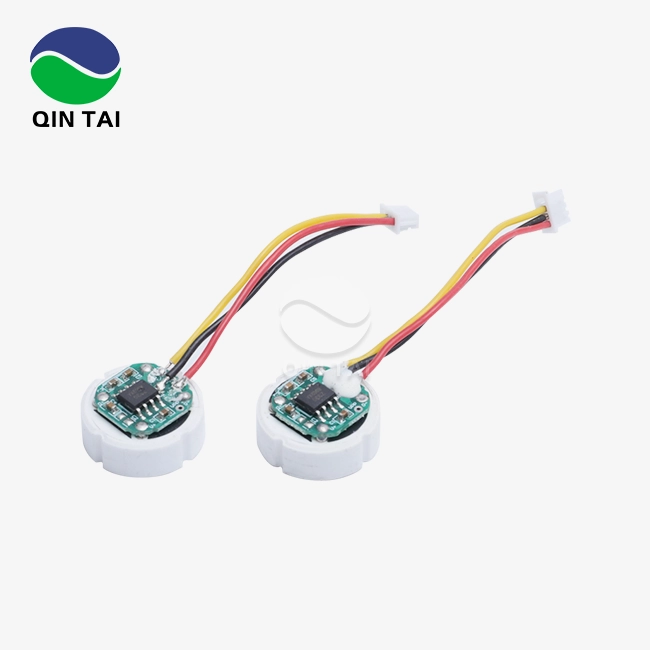
Silicon carbide and alumina ceramics are very stable at high temperatures and don't react with chemicals, which makes them perfect for measuring the pressure of exhaust gases in emission control systems. At temperatures where metals would grow or oxidize, these materials keep their tensile qualities. Microfabrication methods that make thickness consistency below the micron level make silicon-based MEMS diaphragms the most precise on the market. Capacitive pressure sensors using these ceramics benefit from this stability and precision.
Ceramics are fragile, so they need to be handled carefully during installation. This can make field service for aftermarket uses more difficult. Ceramic diaphragms have higher unit costs, but they have lower total ownership costs in situations where upkeep funds are based on how often sensors need to be replaced.
Polymer and Elastomer Solutions
Polyimide films and silicone elastomers are flexible enough to handle mounting stress and vibration without letting mechanical noise get into the pressure readings. These materials work great in low-pressure situations where big deflections make the system more sensitive. PDMS (polydimethylsiloxane) membranes are biocompatible and chemically resistant to solvents and cleaning agents.
However, because they can only handle a certain temperature, they are usually only used in cooler parts of aftertreatment systems. Polymer diaphragms are easier to put into small sensor packages because they don't take up as much room as ceramic diaphragms do. Because the material has a lower modulus, makers can get the sensitivity they want with bigger membranes that don't get damaged when they are put together.
Metal Alloy Diaphragms
Grades 316L and 17-4PH of stainless steel have been shown to be resistant to rust and strong enough to be used in high-pressure situations like mobile hydraulic systems and power plants. Beryllium copper metals have better flexibility and less hysteresis, which makes it easier to repeat measurements across pressure cycles. Titanium diaphragms are useful in harsh settings where both high strength and low density help system design. However, the high cost of the material means that they can only be used in certain situations.
Welded sealing methods can be used on metal diaphragms to make hermetic sensor packages that don't let water in. This solves reliability issues in outdoor sites that are subject to changing temperatures and humidity. Because metal membranes are electrically conductive, they need to be carefully insulated to avoid parasitic capacitances that make measurements less accurate.
Composite and Hybrid Structures
New diaphragm designs combine different kinds of materials to get the best of each one. A ceramic core attached to polymer outer layers provides chemical protection and mechanical flexibility, making the material less brittle while still allowing it to withstand high temperatures. Metal-reinforced polymer diaphragms have thin metal inserts that make them more stable in their dimensions without making them much stiffer.
These mixed methods allow for customization that solves specific application problems, but the time needed for development is longer because of the complexity of production and proof testing. Suppliers that offer OEM services can make sure that the composite structures they provide work best for your specific pressure ranges and weather conditions. This creates unique sensor performance that helps you stand out in the market when it comes to integrating aftertreatment systems.

How Diaphragm Material Choice Impacts Capacitive Pressure Sensor Performance?
The choice of material affects all performance factors that system designers and equipment makers care about. If your pressure measurement system meets the standards for emission certification or adds variability that makes calibration harder, it depends on how the diaphragm's qualities affect how the sensor works.
Sensitivity and Measurement Resolution
How much capacitance changes because of a given pressure difference is directly controlled by the diaphragm's compliance. Thin, bendable fabrics bend more, which boosts the signal strength and makes it easier to see small changes in pressure. This increased awareness helps with EGR flow control and DPF differential pressure tracking, where finding small changes lets you find the best time to regenerate the engine.
The hardness of the material also affects the sensor's bandwidth. For example, diaphragms that are softer may respond more slowly to changes in pressure, meaning that they might miss quick changes in engine load. For capacitive pressure sensors, choosing the right diaphragm material is crucial to find the balance between sensitivity and reaction speed, ensuring it works with the control loop of your system and the frequencies of the pressure data you're measuring.
Temperature Stability and Drift Characteristics
When the diaphragm and sensor case materials don't expand and contract at the same rate, mechanical stress is introduced that changes the zero-point calibration and spread. Silicon carbide's low expansion rate keeps accuracy even when temperatures run from -40°C to 650°C, which is common in diesel exhaust systems. Polymer diaphragms expand more when they get hot, so they need special methods to make up for it. These make the signal conditioning circuits more expensive and difficult to understand.
Changing temperatures can cause changes in the dielectric properties that affect capacitance even when the structure doesn't change. This adds to the sources of mistake that procurement teams should look at through rapid lifecycle testing. Sensors used in generator sets and mining equipment have to work in high temperatures for long periods of time. The amount of total drift affects how often they need to be calibrated and how long they can be used.
Chemical Resistance and Environmental Durability
In SCR systems, the exhaust vapor has sulfuric acid, nitric acid, and urea in it, which break down many elements. Some elastomers grow or harden when they come in contact with acidic water, but ceramic diaphragms don't react to this mix of chemicals. Stainless steel types have different levels of resistance to rust based on the alloy they are made of and how they are finished on the outside.
Passivation processes can help them last longer in slightly corrosive environments. Knowing the exact chemical risks your sensors will face lets you choose the right materials and coverings to protect them. Field failure analysis from aftermarket channels shows that chemical degradation usually shows up as a slow loss of sensitivity rather than a catastrophic failure. This makes fixing harder if there isn't any baseline performance data to use as a reference.
Comparing Capacitive Sensor Diaphragm Materials for Industrial Applications
Different working conditions have different material needs, which affects which diaphragm technology offers the best mix between cost and performance. Aligning the powers of the material with the needs of the application stops over-engineering, which raises costs, and under-specification, which leads to early mistakes.
Heavy-Duty Diesel Engine Applications
SCR aftertreatment systems on heavy trucks and building equipment need sensors that can last a million miles before they need to be serviced again and still measure emissions accurately. Ceramic diaphragm sensors meet these needs because they are better at withstanding high temperatures and chemicals, but they cost more at first. The longer calibration intervals and lower failure rates more than make up for the higher purchase prices, especially when you look at the total cost of ownership, which includes field service and guarantee costs.
Ceramic sensors are becoming more and more important to R&D engineers working on next-generation powertrains because they see them as vital to meeting Euro VI and China VI emission goals. To lower the risks in the supply chain for these important parts, procurement managers discuss big discounts and make sure there are two sources of supply.
Generator Set and Stationary Power Systems
Generators at mine sites and backup power stations run at steady loads for long periods of time, causing thermal cycling patterns that are different from those seen in mobile equipment. Metal diaphragm sensors work best in this situation because they are reliable at normal temperatures and are easy to install because they have screw fixing holes. Capacitive pressure sensors can also be considered, but metals remain preferred for steady, long-term operations.
Because the working conditions are always the same, metals can do their job reliably without the need for special alloys or coats. For these uses, the requirements for buying things stress long-term steadiness and resistance to vibration over quick transient reaction. Technical managers look for sensors that have been used in similar setups before. When evaluating vendors, they give more weight to seller references and test data from a third party.
Aftermarket Replacement and Retrofit Applications
Repair shops and parts sellers need sensors that work with a wide range of car platforms and model years. They also like designs that can be installed in different ways without the need for special tools. Polymer diaphragm sensors allow for flexible installation by having compliant fitting that can handle misalignment, which lowers the number of comebacks caused by bad fits.
When people are looking for new parts, they choose tried-and-true technologies with well-established supply lines over more expensive options that make managing inventory harder because they are more cost-effective. Parts managers weigh the number of failures against the cost of buying new parts, knowing that a reasonably priced sensor that works well makes more money than expensive parts that sit on boxes ready to be used.

SENSOR+TEST, June 9 – 11, 2026
We look forward to your visit,warmly welcome to our booth 1-634!
Get your free ticket online now:
https://www.sensor-test.de/service/ticket/?52790
Best Practices for Procuring Capacitive Pressure Sensors with Optimal Diaphragm Materials
The first step in strategic sourcing of sensors is to turn application needs into material specs that providers can check by looking at tests and certification records. To make sure performance and availability, good procurement combines expert review with supply chain risk management.
Evaluating Technical Specifications and Material Properties
When you look at datasheet factors through the lens of your operational world, they show you important possibilities. In addition to the pressure range and accuracy requirements, you should also look at the temperature factors, long-term stable data, and chemical compatibility statements. Ask for material certificates that prove the purity of the ceramic phase or the makeup of the alloy, especially when testing sensors for uses that need to be able to track emissions.
By knowing how different companies test the diaphragm fatigue life, you can compare them using standard measures instead of marketing claims. Samples that are tried in real-world settings give you validation data that lowers the risk of deployment. However, the costs of testing must be weighed against the money you could lose if a lot of sensors fail after they are put into production.
Supplier Capabilities and Quality Systems
Manufacturing uniformity tells us if sensors work the same across production lots or if they vary from batch to batch, which makes testing more difficult. Suppliers with ISO 9001 and IATF 16949 certifications show that they have mature quality management, but approval doesn't mean that they can make complicated sensors. Check out source sites to see how diaphragms are formed and learn how they manage the uniformity of material thickness and surface finish.
Check that processes for inspecting arriving materials catch diaphragm stock that isn't up to par before it goes into production. Suppliers who offer customization services need engineering staff who can model how changes in material affect the performance of sensors, along with rapid prototyping tools to shorten the time it takes to develop new products.
Managing Lead Times and Minimum Order Quantities
Because of the steps needed to make the material, such as sintering and precise machining, ceramic diaphragm sensors often have longer wait times. Planning when to buy things based on these facts keeps production from stopping when demand for sensors goes up during busy manufacturing times. The minimum order amounts show how much it costs to process and set up a batch, especially for custom diaphragm combinations.
Talk about framework deals that balance the number of items you want to buy with the cost of keeping them in stock. You might be able to get better prices by combining purchases from different product families. Setting up vendor-managed inventory programs for high-volume applications gives sellers control over buffer stock, which helps them better handle replenishment for multiple customers.
Conclusion
To choose the right diaphragm material for capacitive pressure sensors, you need to make sure that the qualities of the material match the needs of your application. For uses that need to be very stable at high temperatures and with chemicals, ceramic and silicon-based diaphragms are the best. Metal alloys, on the other hand, work well in harsh industrial settings with a lot of pressure. Polymer materials are flexible and cheaper when they can be used in the right circumstances. Technical needs, seller skills, and overall ownership costs must all be balanced for procurement to work well. As emission standards get stricter and people expect equipment to last longer, choosing the material for the diaphragm becomes a smart choice that affects how well the system works and how competitive it is.
FAQ
Q1: What is the most durable diaphragm material for diesel exhaust pressure sensors?
A: When used in diesel exhaust settings, ceramic diaphragms, especially those made from alumina or silicon carbide, last longer. These materials don't react chemically with acidic condensates, and they stay the same size at temperatures above 600°C. Metal diaphragms are also very durable, but they may rust if they are exposed to sulfur-containing exhaust gases for a long time. The procurement team should give priority to ceramic sensors for uses where the cost of repair or difficulty of entry makes field service pricey.
Q2: How do I verify diaphragm material compatibility with my application?
A: Ask sensor providers for chemical compatibility charts that show how resistant materials are to certain compounds in your process stream. To make sure the stability will last, test samples of your real exhaust gases or fluids under rapid exposure conditions at high temperatures. Check out test results and certifications from a third party that show how well the material worked in similar situations. This is especially important when choosing sensors for emission compliance, as regulatory approval needs proven measurement accuracy.
Q3: Can diaphragm materials be customized for specific pressure ranges?
A: Reputable sensor makers offer customization services that help you find the best diaphragm thickness, width, and material mix for the pressure range you want to target. For low-pressure uses, thinner diaphragms make the system more sensitive. For higher pressures, bigger membranes can handle them without getting too stressed. Talk about your needs with the engineering teams at providers like Qintai. These companies do their own research and development and can model how changes in materials affect how sensors work.
Partner with Qintai for Advanced Capacitive Pressure Sensor Solutions
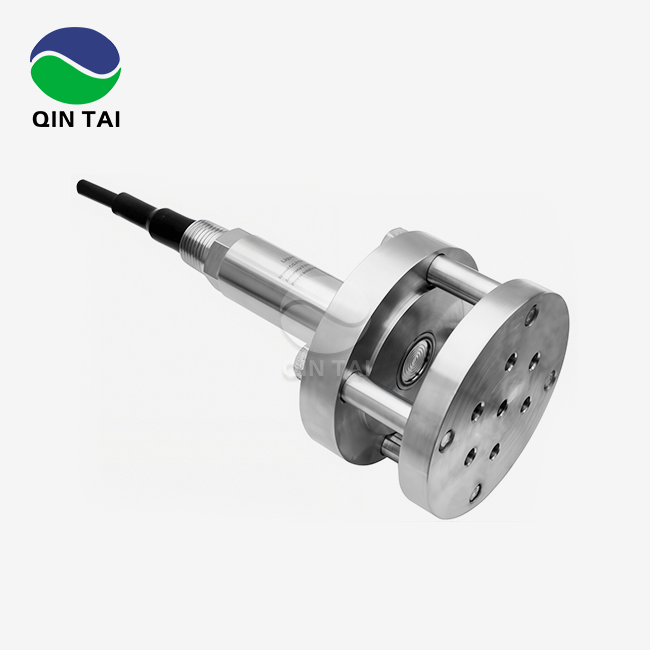
Qintai makes high-performance capacitive pressure sensors that work best in diesel engine aftertreatment systems and other industry emission control uses. Our sensors are made with advanced ceramic diaphragm materials that are very stable even when exposed to high temperatures and chemicals, which is common in current SCR and DPF systems. We bring proven engineering skills to every customization job thanks to our IATF 16949 approval and 58 invention patents.
We understand the technical needs and cost pressures that OEM buying teams are under because we are the main seller of capacitive pressure sensors to China's top diesel engine makers, such as Weichai and Yuchai. Our helpful technical support team works directly with your R&D team to find the best diaphragm materials and sensor setups for your needs. Email us at info@qt-sensor.com to talk about how you need to measure pressure and get detailed information about our industrial-grade sensor products.
References
1. Chen, W., & Liu, M. (2019). Advanced Materials for MEMS Pressure Sensors: Performance and Reliability. Springer International Publishing.
2. Doebelin, E. O., & Manik, D. N. (2020). Measurement Systems: Application and Design (7th ed.). McGraw-Hill Education.
3. Fraden, J. (2021). Handbook of Modern Sensors: Physics, Designs, and Applications (5th ed.). Springer.
4. Kumar, S., & Pant, B. D. (2018). Material selection for pressure sensor applications in automotive exhaust systems. Journal of Materials Science and Surface Engineering, 6(4), 842-851.
5. Wilson, J. S. (2017). Sensor Technology Handbook. Elsevier Science & Technology.
6. Zhang, Y., Wang, L., & Chen, X. (2020). Comparative analysis of diaphragm materials for high-temperature capacitive pressure sensors. Sensors and Actuators A: Physical, 315, 112-124.

Our customers’ satisfaction speaks for our quality — contact us to experience the same reliable service.