- English
- French
- German
- Portuguese
- Spanish
- Russian
- Japanese
- Korean
- Arabic
- Greek
- German
- Turkish
- Italian
- Danish
- Romanian
- Indonesian
- Czech
- Afrikaans
- Swedish
- Polish
- Basque
- Catalan
- Esperanto
- Hindi
- Lao
- Albanian
- Amharic
- Armenian
- Azerbaijani
- Belarusian
- Bengali
- Bosnian
- Bulgarian
- Cebuano
- Chichewa
- Corsican
- Croatian
- Dutch
- Estonian
- Filipino
- Finnish
- Frisian
- Galician
- Georgian
- Gujarati
- Haitian
- Hausa
- Hawaiian
- Hebrew
- Hmong
- Hungarian
- Icelandic
- Igbo
- Javanese
- Kannada
- Kazakh
- Khmer
- Kurdish
- Kyrgyz
- Latin
- Latvian
- Lithuanian
- Luxembou..
- Macedonian
- Malagasy
- Malay
- Malayalam
- Maltese
- Maori
- Marathi
- Mongolian
- Burmese
- Nepali
- Norwegian
- Pashto
- Persian
- Punjabi
- Serbian
- Sesotho
- Sinhala
- Slovak
- Slovenian
- Somali
- Samoan
- Scots Gaelic
- Shona
- Sindhi
- Sundanese
- Swahili
- Tajik
- Tamil
- Telugu
- Thai
- Ukrainian
- Urdu
- Uzbek
- Vietnamese
- Welsh
- Xhosa
- Yiddish
- Yoruba
- Zulu
How does a ceramic pressure sensor work?
These days, diesel engine management, emission control systems, and industrial robotics would not work without Ceramic Pressure Sensors. These tough gadgets measure pressure with amazing accuracy in places where regular sensors often fail. Knowing how Ceramic Pressure Sensors work and the technical benefits they offer helps procurement managers and research and development engineers choose parts that meet strict pollution standards like China VI and Euro VI while also being reliable over time. This guide looks at the most important things to think about when looking for pressure measuring options for heavy-duty uses, including how they work, what they need to be able to do, and how they should be used.
What Are Ceramic Pressure Sensors and How Do They Work?
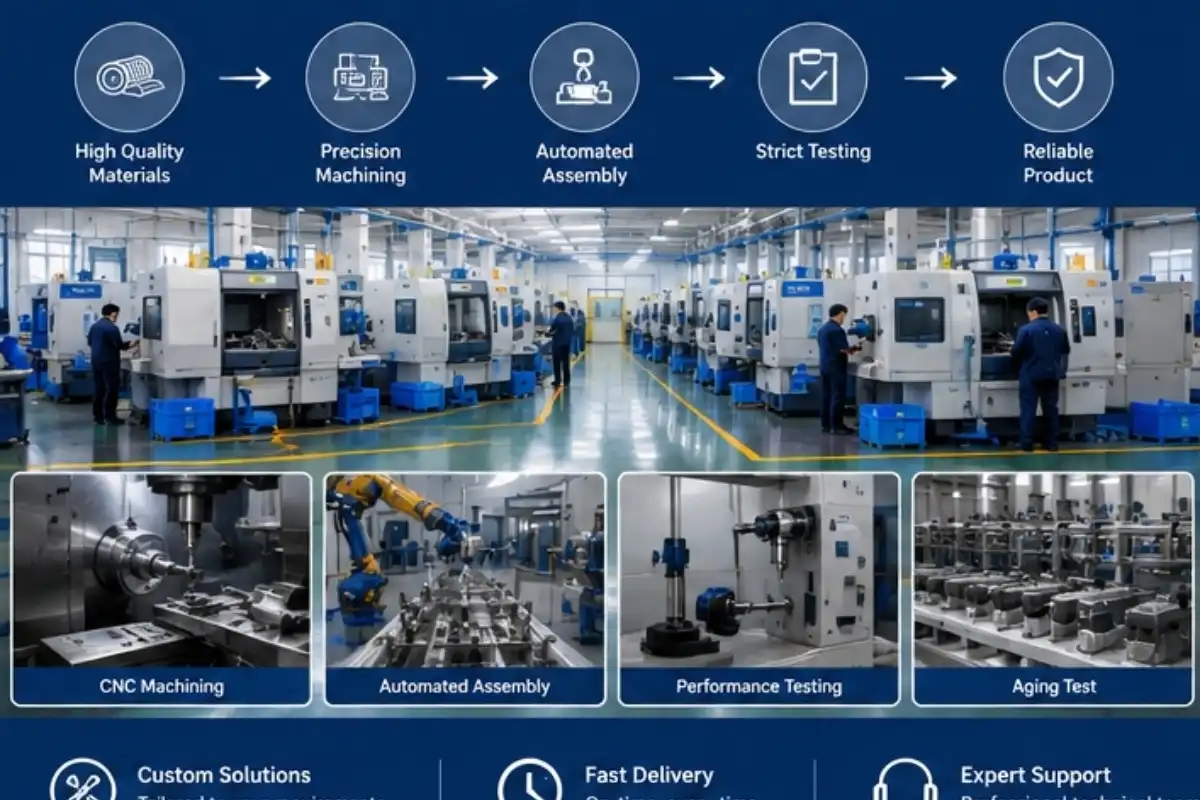
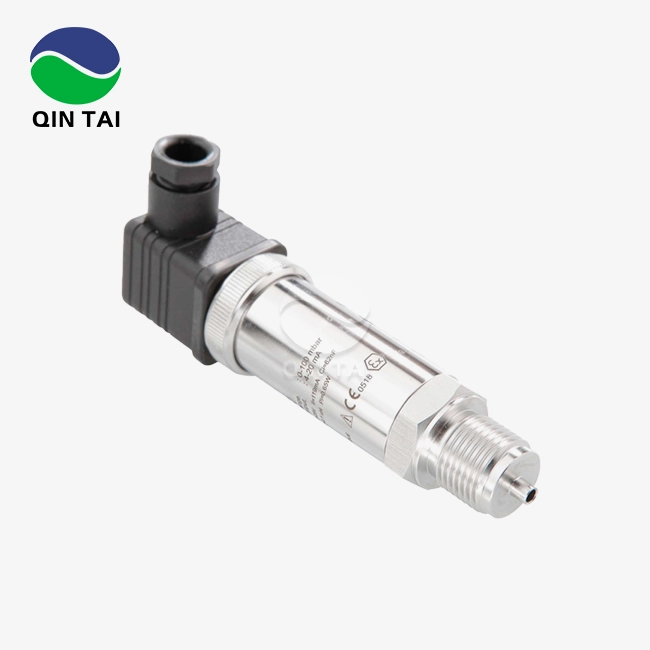
Precision tools made for difficult measurement jobs are Ceramic Pressure Sensors. Unlike traditional sensors made of metal, these ones use the special physical qualities of clay materials to work better. The technology is now widely used in industry process control, SCR systems for cars, and tracking DPFs.
The Core Sensing Element
A thin ceramic plate made from high-purity alumina or zirconia makes up the detecting part. It is this cushion that separates the pressure medium from the electrical parts. When there is uneven pressure across this layer, the ceramic material's structure changes on a tiny level. When this mechanical stress is put on thick-film resistors that are screen-printed directly onto the ceramic base, they change how much resistance they have to electricity. This piezoresistive effect is what makes Ceramic Pressure Sensors different from capacitive or piezoelectric sensors in terms of how they sense.
Signal Conversion and Processing
A raw electrical output in the millivolt range is made when the resistance in the ceramic part changes. This output is amplified to normal industry values like 0-5V or 4-20mA by built-in signal conditioning circuits. Modern Ceramic Pressure Sensors have temperature correction circuitry that even out the effects of temperature changes. This means that the sensors can keep measuring accurately from -40°C to +150°C. This built-in compensation gets rid of the drift problems that come up with sensors that aren't adjusted. It gives stable readings, which are important for emission control systems that need to keep an eye on pressure to make sure the catalyst works right.
Structural Design and Protection
A housing made of stainless steel or aluminum holds the ceramic diaphragm and offers mechanical support and standard process connections. The electrical parts are kept dry and clean by a hermetic seal, but the sensing surface can be directly exposed to the medium being monitored. This design lets you measure strong liquids and gases without damaging the sensor. The wet parts are made of completely chemically neutral clay and metals that don't rust, which lets them work in exhaust streams that contain soot, sulfur compounds, and condensation.
Key Advantages and Technical Specifications of Ceramic Pressure Sensors
Ceramic technology has specific performance benefits that help solve important problems in managing diesel engines and automating factories. These benefits have a direct effect on lowering operating costs and making sure that rules are followed. Ceramic Pressure Sensors provide superior durability and resistance to overloading.
Superior Durability and Overload Resistance
Pressure spikes up to 10 times the rated range don't damage or change the tuning of the ceramic diaphragm. In turbocharged diesel engines, where pressure bursts happen when the throttle is quickly opened and closed, this extra capacity is very useful. In the same situation, metal diaphragm sensors usually bend permanently and need to be replaced. The strength of the ceramic material also protects against wear from particles in exhaust gases, which means that the sensor can work for more than 10,000 hours in DPF uses. Compared to systems that use sensing technologies that don't last as long, maintenance costs go down by a lot.
Chemical and Thermal Stability
Diesel exhaust parts like NOx, unburned hydrocarbons, and acidic condensates don't change the chemical makeup of alumina clay. In pH ranges from 1 to 14, the material does not rust, corrode, or combine with measuring tools. This chemical inertness makes sure that the accuracy of the measurements stays the same over the life of the sensor, without any drift or degradation. Cycling the temperature between room temperature and working temperature does not cause hysteresis or calibration change. The sensors stay accurate within ±0.5% of full scale over their entire temperature range. This meets the precise needs of closed-loop emission control systems.
Fast Response and High Sensitivity
Ceramic Pressure Sensors can respond in less than 10 milliseconds, so they can pick up on quick changes in pressure during engine operation and combustion cycles. This quick dynamic reaction lets real-time control systems find the best timing for injections and the position of the EGR valve. The thin ceramic diaphragm can react to changes in pressure as little as 0.01 bar, which is fine enough for tracking differential pressure across DPF surfaces. Being sensitive to small changes in pressure lets you know when the filter is getting full, which starts the recycling process before too much backpressure hurts engine performance.
Ceramic Pressure Sensors vs. Alternative Technologies: A Comparative Analysis
In order to choose the right pressure sensor technology, you need to know how the different methods work in different settings. In a number of important ways, Ceramic Pressure Sensors are clearly better than other technologies.
Ceramic vs. Metal Diaphragm Sensors
Metal diaphragm sensors with sensing elements made of stainless steel are cheaper at first, but they are less stable in the long run. When pressure is applied and removed many times, stainless steel wears down. This leads to calibration drift, which means that the metal needs to be replaced or recalibrated on a regular basis. Ceramic materials don't show any signs of wear and tear, so they stay calibrated from the factory throughout their useful life. Metal sensors are also not very resistant to chemicals; they corrode when they come into contact with acidic exhaust condensates. The ceramic option gets rid of these maintenance problems and provides constant accuracy in SCR and DPF uses, where measurement accuracy has a direct effect on how well emission control works.
Ceramic vs. Capacitive Sensors
Changes in capacitance between parallel plates are used by capacitive pressure sensors to measure how much the diaphragm bends. This method has a high sharpness, but it is sensitive to temperature changes and is affected by humidity. When moisture gets into the dielectric, it changes its qualities, which leads to measurement mistakes. Because the detecting element directly changes mechanical stress to electrical resistance, Ceramic Pressure Sensors can automatically adjust to changes in temperature and don't get affected by humidity. Because of this basic difference, ceramic technology works better in places like factories and cars where temperature and humidity change a lot.
Application-Specific Performance
Sensors used in diesel exhaust aftertreatment systems must be able to survive temperatures above 600°C when they are close to the diesel particulate filter. Standard Ceramic Pressure Sensors can work steadily in temperatures up to 150°C, and some types are even rated for 200°C. Some metal diaphragm technologies and capacitive technologies stop working at these high temperatures. Because it can work effectively in harsh thermal conditions, the ceramic sensor is the best choice for tracking important emissions. When purchasing parts for systems that comply with China VI or Euro VI, procurement experts should put ceramic technology at the top of their list to make sure that the car stays in compliance with the rules for its entire life.
How to Choose the Right Ceramic Pressure Sensor for Your Procurement Needs?
The right choice of sensor relies on matching technical specs to application needs and checking out the supplier's skills. This organized method lowers the risks of buying and makes sure that all the parts work together. Selecting Ceramic Pressure Sensors requires a detailed evaluation of operating parameters.
Define Application Parameters
Start by writing down the whole working range, which should include the lowest and highest pressures, the temperature range, the type of media, and the time it takes for the system to respond. Diesel SCR systems usually need sensors that can measure exact pressures between 0 and 10 bars with an accuracy of ±0.5%. For accurate filter loading detection, DPF differential pressure monitoring needs sensors that can measure between 0 and 1000 mbar and have a precision of less than 1 mbar. For generator set uses, sensors need to be able to work continuously at high temperatures and have industrial-grade connections that can handle vibration and moisture. Mismatches that cause early breakdowns or performance problems can be avoided by writing detailed specs.
Evaluate Supplier Qualifications
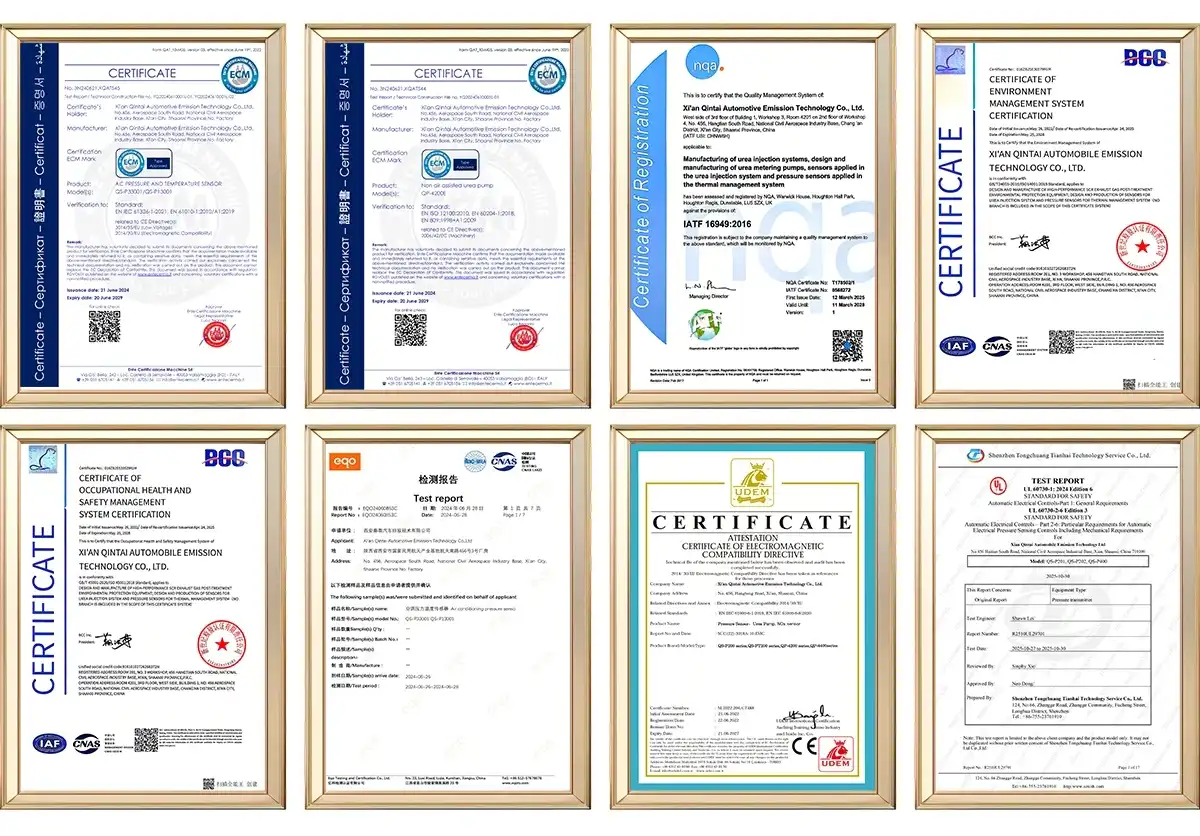
Ceramic pressure sensor makers with a good reputation have certifications that show they handle quality and make sure their products meet standards. The supplier's ISO 9001 and IATF 16949 certifications show that they have strong quality systems in place during the planning, production, and testing phases. Products that have been certified by organizations like ATEX or UL meet safety standards for use in dangerous settings. Suppliers with large patent files show that they are continuously investing in research and development to make technology better. We have 58 creation patents that cover designs for Ceramic Pressure Sensors and ways to make them. This shows that we are committed to new ideas and high technical standards.
Consider Customization and Support
Catalog sensors are good for most uses, but custom configurations are often needed for specific devices. Check to see if providers can change the electrical outputs, pressure ranges, process links, and calibration ranges to meet your needs. Rapid prototyping cuts down on the time it takes to build something, so it can be tested before it goes into mass production. When adding sensors to complicated emission control systems, how quickly technical help responds is very important. Application engineering help from suppliers can help solve interface problems and improve system performance. OEM manufacturers working on the next wave of diesel engines have a competitive edge when they can customize their engines and get strong technical help.
Assess Supply Chain Reliability
The ability to make a lot of things at once and deliver them on time every time keep production from stopping. As long as suppliers keep enough standard parts in stock, new parts and resale demand can be met quickly. Lead time commitments and the ability to increase output rate help programs grow without running out of supplies. Look at the supplier's list of customers and the amount of work they do as signs of how mature their manufacturing is. We have the biggest market share in China and are the main supplier to Weichai Power, Yuchai Power, and Quanchai Power. This means we can meet their high output needs while keeping quality levels consistent.
Real-World Applications and Case Studies of Ceramic Pressure Sensors
Ceramic Pressure Sensors are used in many industrial and vehicle settings to solve important measurement problems. These cases show how engineering teams have used ceramic tracking technology to solve real-world problems.
Diesel Engine Exhaust Aftertreatment
Ceramic Pressure Sensors are used in many places on heavy-duty diesel engines that meet China VI emission guidelines. Differential pressure sensors placed before and after the DPF substrate measure how full the filter is. When backpressure goes above certain levels, regeneration processes begin. Absolute pressure sensors in SCR systems figure out the density of exhaust gases. This lets them precisely dose DEF, which increases the efficiency of NOx conversion. Manufacturers of agricultural equipment say that the new sensors have a 30% longer service life than the old metal diaphragm sensors. This lowers the cost of warranties and makes customers happier. Because ceramic sensors are chemically resistant, sulfur compounds and acidic condensates found in gasoline fumes can't break them down.
Generator Set and Stationary Power Applications
Generator sets with Ceramic Pressure Sensors that track oil pressure, fuel pressure, and turbocharger boost are used in mining activities and rural power plants. The high overload resistance of the sensors keeps them from getting damaged during starting pressure changes. One company that makes mining tools said that none of the 200 generator sets in their fleet had any sensor problems during 18 months of use in dusty, high-vibration environments. This dependability got rid of unexpected repair and lowered the cost of keeping spare parts on hand. The industrial-grade building can handle the high temperatures and mechanical stress that come with power production in oilfields and mines.
Construction and Agricultural Machinery
Excavators and tractors use hydraulic systems that depend on accurate pressure tracking to sense load and keep everyone safe. Ceramic Pressure Sensors that measure the pressure in the hydraulic circuit allow precise control of where the implements are placed while avoiding system overpressure that can damage expensive parts. The sensors don't get messed up by breakdown products and particles in hydraulic fluid, so they stay accurate even when the oil needs to be changed. OEMs of construction equipment choose ceramic sensors because they have been shown to last in settings with a lot of shaking and not break down when exposed to hydraulic fluid.

SENSOR+TEST, June 9 – 11, 2026
We look forward to your visit,warmly welcome to our booth 1-634!
Get your free ticket online now:
https://www.sensor-test.de/service/ticket/?52790
Conclusion
Ceramic Pressure Sensors are reliable, accurate, and long-lasting, which are all things that are needed for current diesel engine emission control systems and industry uses. The problems that come up in difficult working conditions can be solved by their special mix of chemical resistance, thermal stability, and mechanical strength. Understanding how piezoresistives work, their technical benefits, and how they can be used helps people make smart purchasing choices that improve system performance and lower costs over its lifetime. Careful evaluation of suppliers focused on certifications, ability to customize, and production capacity guarantees long-term partnerships that support operating excellence and emission compliance.
FAQ
Q1: What makes ceramic sensors superior to metal sensors in exhaust applications?
A: Chemicals that eat away at metal diaphragms, like acidic exhaust condensates and sulfur compounds, can't hurt Ceramic Pressure Sensors. The clay element stays calibrated without drifting over the course of its useful life, so it never needs to be re-calibrated. When temperatures and pressures change, metal sensors get worn out. This leads to measurement mistakes that hurt the performance of emission control.
Q2: Can ceramic pressure sensors operate at extreme temperatures?
A: Normal Ceramic Pressure Sensors work well in temperatures ranging from -40°C to +150°C. Specialized high-temperature versions can work continuously at 200°C and can be mounted near diesel particulate screens during regeneration processes. Temperature correction circuits make sure that measurements are accurate across the whole range of operations.
Q3: How do I request samples or custom sensor configurations?
A: Please email our expert team at info@qt-sensor.com with the details of your application, such as the pressure range, temperature range, output signal type, and process connection choices. We give you sample units to try and evaluate, which helps the process of validating your idea. During development, our tech team works together to make sure that the sensor specs are perfect for your individual needs.
Partner with Qintai for Reliable Ceramic Pressure Sensors
Xi'an Qintai Automotive Emission Technology Co., Ltd. has been making Ceramic Pressure Sensors for more than twenty years and can help you with your emission control and industry tracking needs. Our ISO 9001, IATF 16949, and industry standards show that we are committed to quality, and our 58 idea patents show that we are always coming up with new ways to improve sensing technology. We are China's main supplier of Ceramic Pressure Sensors for diesel engines, sending millions of pieces every year for heavy trucks, building equipment, and generator sets.
Our full range of OEM and ODM services help you build your product from the first idea to mass production. Customization options let you meet the specific needs of your application, such as particular pressure ranges, electricity outputs, and mounting arrangements. As a well-known company that makes Ceramic Pressure Sensors, we keep up production capacity and stocking levels that make sure you always have enough for your volume needs.
Technical support includes more than just providing parts; it also includes application engineering help that makes it easier to combine sensors into your emission control systems. Contact us at info@qt-sensor.com to talk about your Ceramic Pressure Sensor needs and find out how our experience can help you meet your efficiency and emission goals.
References
1. Webster, J. G., & Eren, H. (2018). Measurement, Instrumentation, and Sensors Handbook: Spatial, Mechanical, Thermal, and Radiation Measurement. CRC Press.
2. Fraden, J. (2016). Handbook of Modern Sensors: Physics, Designs, and Applications (5th ed.). Springer International Publishing.
3. Barlian, A. A., Park, W. T., Mallon, J. R., Rastegar, A. J., & Pruitt, B. L. (2009). Review: Semiconductor Piezoresistance for Microsystems. Proceedings of the IEEE, 97(3), 513-552.
4. Tian, B., Zhao, Y., Jiang, Z., Zhang, L., Liao, N., Liu, Y., & Meng, C. (2012). Fabrication and Structural Design of Micro Pressure Sensors for Tire Pressure Measurement Systems. Sensors, 12(11), 15836-15849.
5. Kumar, S. S., & Pant, B. D. (2014). Design Principles and Considerations for the 'Ideal' Silicon Piezoresistive Pressure Sensor: A Focused Review. Microsystem Technologies, 20(7), 1213-1247.
6. Wilson, J. S. (2005). Sensor Technology Handbook. Elsevier/Newnes.

Our customers’ satisfaction speaks for our quality — contact us to experience the same reliable service.