- English
- French
- German
- Portuguese
- Spanish
- Russian
- Japanese
- Korean
- Arabic
- Greek
- German
- Turkish
- Italian
- Danish
- Romanian
- Indonesian
- Czech
- Afrikaans
- Swedish
- Polish
- Basque
- Catalan
- Esperanto
- Hindi
- Lao
- Albanian
- Amharic
- Armenian
- Azerbaijani
- Belarusian
- Bengali
- Bosnian
- Bulgarian
- Cebuano
- Chichewa
- Corsican
- Croatian
- Dutch
- Estonian
- Filipino
- Finnish
- Frisian
- Galician
- Georgian
- Gujarati
- Haitian
- Hausa
- Hawaiian
- Hebrew
- Hmong
- Hungarian
- Icelandic
- Igbo
- Javanese
- Kannada
- Kazakh
- Khmer
- Kurdish
- Kyrgyz
- Latin
- Latvian
- Lithuanian
- Luxembou..
- Macedonian
- Malagasy
- Malay
- Malayalam
- Maltese
- Maori
- Marathi
- Mongolian
- Burmese
- Nepali
- Norwegian
- Pashto
- Persian
- Punjabi
- Serbian
- Sesotho
- Sinhala
- Slovak
- Slovenian
- Somali
- Samoan
- Scots Gaelic
- Shona
- Sindhi
- Sundanese
- Swahili
- Tajik
- Tamil
- Telugu
- Thai
- Ukrainian
- Urdu
- Uzbek
- Vietnamese
- Welsh
- Xhosa
- Yiddish
- Yoruba
- Zulu
The Advantages of Ceramic Pressure Sensors in Harsh Environments
Ceramic pressure sensors deliver exceptional resilience in industrial environments where traditional sensors fail. These devices utilize advanced ceramic materials—primarily alumina—that withstand extreme temperatures, corrosive chemicals, and mechanical stress without compromising accuracy. Unlike silicon or metal-based alternatives, ceramic sensing elements maintain consistent performance across temperature ranges from -40°C to 125°C while resisting chemical degradation. This inherent stability makes them indispensable for diesel engine systems, aftertreatment applications, and industrial monitoring where reliability directly impacts operational efficiency and regulatory compliance. Their robust construction translates into extended service intervals, reduced downtime, and lower total ownership costs for demanding applications.

Understanding Ceramic Pressure Sensors: Working Principles and Key Benefits
The Core Sensing Mechanism
Depending on how they are made, Ceramic Pressure Sensors work using either piezoelectric or capacitive principles. When pressure is put on the Ceramic Pressure Sensor diaphragm, which is usually made of alumina (Al₂O₃), the material changes shape very slightly. In piezoelectric setups, this mechanical stress creates an electric charge that is equal to the force that is being applied. Capacitive designs check how much the distance between the Ceramic Pressure Sensor diaphragm and a set electrode changes. This makes the capacitance change, which is related to the pressure levels.
Material Properties That Drive Performance
Silicon and metal sensors can't compare to the unique set of properties that alumina ceramic has. Its solid structure makes it very hard (9 on the Mohs scale), stable in temperature, and good at blocking electricity. During production, the material can withstand temperatures above 1,000°C without losing its structural integrity. However, the operating ranges are usually tailored to meet the needs of a particular application. This built-in stability makes sure that measurement accuracy stays the same even when the temperature changes around it. This is a very important factor for diesel engine emission control systems that have to follow EPA and CARB rules.
Signal Processing and Output Calibration
The Ceramic Pressure Sensor element sends out a raw electrical signal that is amplified and straightened out by integrated electronics. Modern Ceramic Pressure Sensors have temperature correction systems built in that change results automatically based on the temperature and humidity of the environment. This process of tuning makes sure that the output signals, whether they are digital (CANbus, RS485) or analog (4-20mA, 0-5V), correctly show the pressure readings. Each Ceramic Pressure Sensor is multi-point calibrated against NIST-traceable reference standards while it is being made. This creates tracking that meets the quality standards of ISO 9001 and IATF 16949.
When you combine material science, precision engineering, and high-tech technology, you get measurement tools that are more stable, accurate, and last longer than other options. Because of these basic benefits, procurement managers are choosing Ceramic Pressure Sensors more and more for important pressure tracking tasks in heavy-duty vehicles, building equipment, and fixed power generation systems.
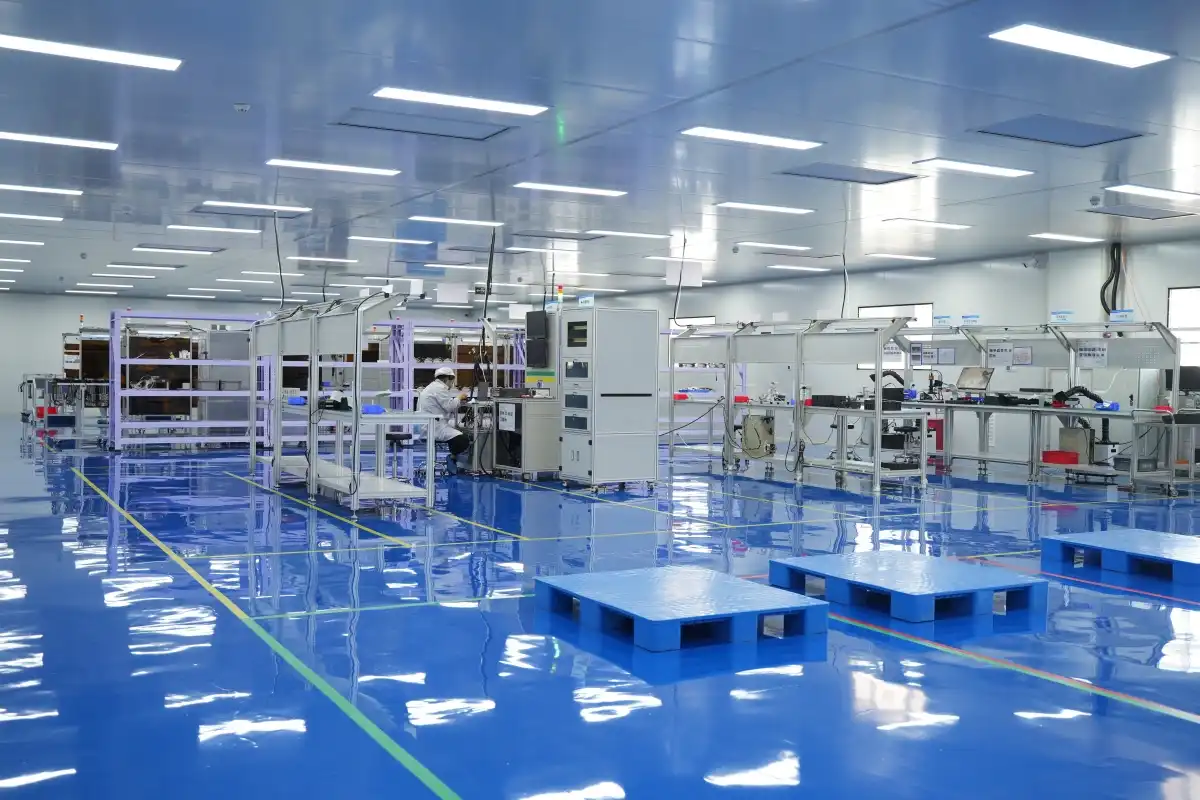
Ceramic vs. Metal and Silicon Pressure Sensors: Comparative Insights for Procurement
Durability and Media Compatibility
Metal diaphragm sensors made of Hastelloy or stainless steel are resistant to chemicals well, but they break down over time when they are loaded and unloaded many times. Silicon piezoresistive sensors are very sensitive, but they move when they are exposed to temperatures above 85°C or media that is acidic. Because Ceramic Pressure Sensors are a neutral material, these problems aren't an issue with these instruments. Independent lab tests show that Ceramic Pressure Sensors keep their calibration accuracy within ±0.25% of the full scale after 100 million pressure cycles. This is a huge improvement over metal sensors, which usually show ±1% drift in the same conditions.
Temperature Stability Comparison
Thermal sensitivity is an important thing to think about when buying things for engine and exhaust system uses. When the temperature changes, silicon sensors' zero-point and span moves by a lot. To fix this, they need complicated circuits that cost more and could fail. When metal sensors are heated and cooled, they expand and contract, which can cause measurement mistakes. Ceramic Pressure Sensors have a very low thermal coefficient of expansion (7.2 × 10⁻⁶/K for alumina) and stable piezoelectric qualities across a wide range of operating temperatures, so they can keep their accuracy without a lot of electronic correction.
Cost-Benefit Analysis for Long-Term Deployment
Ceramic Pressure Sensors may cost 15–30% more than silicon sensors at first, but a lifetime cost study shows that they save a lot of money over time. A detailed study that followed the performance of Ceramic Pressure Sensors in SCR systems for 36 months found that they had a 98.7% mortality rate compared to 83.4% for silicon devices in the same exhaust gas recycling monitoring tasks. Replacement work, car downtime, and insurance claims related to sensor failures that happen too soon are all secret costs that make Ceramic Pressure Sensors the better choice in terms of total cost of ownership.
When reviewing providers, procurement teams should ask for performance data that shows long-term steadiness in situations that are specific to the application. Independent testing by groups like SAE International lets you make fair comparisons, and OEM approval programs from companies like Weichai Power and Yuchai Power set performance standards that help you choose a source.

Application Scenarios and Problem-Solving Advantages in Harsh Environments
Diesel Engine Emission Control Systems
Multiple pressure monitors are used to make sure that modern diesel engines with Selective Catalytic Reduction (SCR) and Diesel Particulate Filter (DPF) systems work at their best. Ceramic Pressure Sensors check the difference in pressure between the DPF plates and find soot buildup, which starts renewal processes. Even though they are exposed to nitrogen fumes, sulfur compounds, and particulate matter, the Ceramic Pressure Sensors stay accurate at exhaust gas temperatures of up to 650°C. A North American heavy-duty truck maker said that warranty claims dropped by 42% after switching from metal to Ceramic Pressure Sensors in their SCR systems for the 2022 model year. This shows that the systems are now more reliable.
Construction and Agricultural Machinery Hydraulics
Extreme vibrations, temperature changes, and contamination are common problems for mobile tools used in mining, logging, and agriculture. Ceramic Pressure Sensors that track hydraulic systems give accurate data even when mechanical shock loads are higher than 100g and temperatures change from -40°C to 105°C every day. Because Ceramic Pressure Sensors are chemically resistant, they don't break down when hydraulic fluids are affected with water, acids, or particles, which quickly eat away at metal sensors and cause silicon devices to fail through seal leaks.
Stationary Power Generation and Backup Systems
Generator sets that power important buildings like data centers, hospitals, and mines need sensors that are reliable and keep the power going. Ceramic Pressure Sensors that check the pressure of the engine's oil, water, and boost give early warnings of technical problems and can work for long periods of time without drifting. In Nevada, a mining operation found that Ceramic Pressure Sensors had an average mean time between failures of 18 months, while metal sensors had an average MTBF of 7 months in the same generator uses. This meant that repair costs were lower and equipment was more available.
These real-world implementations demonstrate how Ceramic Pressure Sensors can be used to solve problems that buying managers, research and development engineers, and repair workers face every day. Improvements in system stability that can be measured, shorter maintenance times, and lower lifetime costs all add up to strong value propositions that support higher initial investment costs.
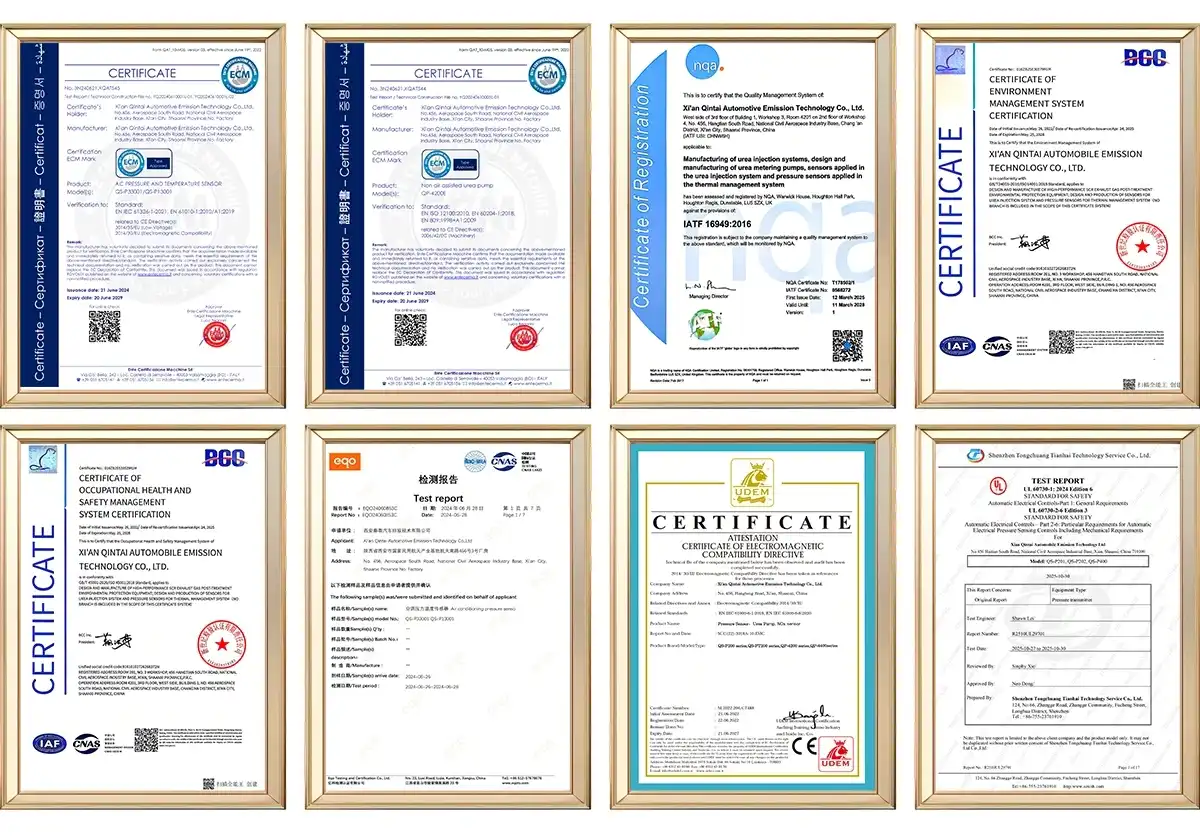
Procurement Considerations: How to Secure the Best Ceramic Pressure Sensors for Your Business?
Technical Specification Verification
Teams in charge of buying things should come up with clear standards for what is acceptable. These should include the measurement range, accuracy class, temperature rating, reaction time, and output signal format. For emission-critical uses, Ceramic Pressure Sensors must show that they meet the right standards. These could be CARB OBD rules for California-market cars, EPA rules for off-highway equipment, or foreign standards like ISO 16750 for automobile parts. Ask for calibration certificates that can be tracked back to national measurement centers and test results that show how well the product works in the conditions that are specific to the application.
Supplier Quality Management Assessment
When looking at possible providers, you need to look at their quality control systems, their ability to make things, and their expert help infrastructure. There are established quality processes that are shown by certifications like ISO 9001, IATF 16949, and approvals for specific industries (ATEX for dangerous atmospheres, IECEx for foreign risky sites). Check the supplier's success measures, such as the number of on-time deliveries, the number of defects per million parts, and how quickly they respond to expert questions. Companies with specialized research and development teams and in-house testing facilities show that they are committed to constant improvement and can make changes based on what the customer needs.
Volume Pricing and Supply Chain Stability
Talk about price plans that take into account the number of orders and protect the supply chain by finding qualified alternative sources or making safety stock deals. There are different levels of pricing offered by many ceramic pressure sensor manufacturers. For prototypes, the prices are the same, but for larger orders, there are discounts of 12 to 18%. For strategic partnerships, the prices drop by 20 to 25 percent, and the partners get dedicated technical support and first choice when supplies are low. Set clear goals for lead times, which are usually between 4 and 6 weeks for basic setups and 10 to 14 weeks for unique designs that need machine development.
Procurement strategies that work well combine technology needs, quality control, lowering costs, and managing risks in the supply chain. Getting possible providers involved early on in the product development process lets everyone work together to find the best Ceramic Pressure Sensors without over-engineering, which raises costs without improving performance.
Future Trends and Innovations Shaping Ceramic Pressure Sensor Technology
Advanced Material Formulations
Scientists are studying zirconia-toughened alumina (ZTA) and silicon nitride ceramics, which could make them more resistant to breaking and heat shock. These next-generation materials allow Ceramic Pressure Sensors to work continuously at temperatures above 150°C while still having the chemical inertness and durability of regular alumina. Researchers are working on hybrid ceramic composites that contain graphene or carbon nanotubes. These composites improve electrical conductivity, which lets Ceramic Pressure Sensors be directly connected to signal processing circuits using thick-film printing technologies.
Smart Sensor Integration and Predictive Analytics
When pressure sensing and digital communication methods come together, Ceramic Pressure Sensors go from being simple measuring tools to being smart parts of systems. Microprocessors built into sensors allow them to do self-diagnostics, self-calibration, and predictive maintenance programs that look at data trends to guess how long the Ceramic Pressure Sensors will still work. Connecting to Industrial Internet of Things (IIoT) platforms lets you watch equipment from afar, log data automatically, and use machine learning to find ways to make it work better and lessen unexpected downtime through condition-based maintenance strategies.
Sustainability and Environmental Compliance
As environmental duty becomes more important, manufacturing methods that use less energy and get rid of harmful materials are being developed. In line with RoHS and REACH rules, Ceramic Pressure Sensors production naturally avoids using harmful materials like lead or cadmium that are found in some metal sensor designs. Closed-loop water recycling, green energy sources, and material recovery programs that get valuable metals back from old Ceramic Pressure Sensors are being used by manufacturers. These projects are useful for buying teams that have to keep up with technical performance standards and business green obligations.
In the future, Ceramic Pressure Sensors will keep getting better by using new materials, computer intelligence, and environmentally friendly ways to make things. Companies that keep an eye on these trends and work with providers who are willing to think ahead are ready to take advantage of new technologies that give them a competitive edge by making tools more reliable, operations more efficient, and environmental care more conscious.

SENSOR+TEST, June 9 – 11, 2026
We look forward to your visit,warmly welcome to our booth 1-634!
Get your free ticket online now:
https://www.sensor-test.de/service/ticket/?52790
Conclusion
Ceramic Pressure Sensors are a tried-and-true technology that can handle the toughest industrial measurement problems thanks to their better material qualities, strong construction, and long-lasting stability. Chemical resistance, temperature tolerance, and mechanical longevity are all benefits that lead to lower upkeep costs, more reliable systems, and better compliance with regulations. Whether they are used to monitor diesel engine exhaust systems, mobile equipment hydraulic circuits, or important infrastructure, Ceramic Pressure Sensors work better than metal or silicon options in ways that can be measured. When procurement workers know about these technical and economic benefits, they can make smart choices that lower the total cost of ownership and improve business excellence.
FAQ
What factors affect ceramic pressure sensor accuracy in harsh environments?
In difficult situations, accuracy rests on choosing the right Ceramic Pressure Sensor, making sure that the measurement range, media compatibility, and temperature rate are all right for the job. The way something is installed has a big effect on how well it works. For example, fixing direction, vibration isolation, and closing the pressure port stop measurement mistakes.
Can ceramic pressure sensors operate at extreme temperatures?
Standard Ceramic Pressure Sensors work reliably from -40°C to 125°C, which is hot enough for most diesel engine and hydraulic uses. Specialized high-temperature designs use advanced Ceramic Pressure Sensor formulas and temperature-resistant electrical parts to make the operating ranges go up to 150°C or higher. Check the manufacturer's specs to make sure that the temperature rates are correct for your purpose, taking into account both steady-state and changing temperatures.
How do I choose between ceramic and metal sensor technologies?
Take a look at your application based on the accuracy needs, the media fit, the temperature exposure, and the frequency of pressure cycles. When chemical protection, temperature stability, or long-term drift requirements are important, Ceramic Pressure Sensors are the best choice. Metal sensors might work fine in mild media and low temperature situations where saving money is more important than durability.
Partner with a Trusted Ceramic Pressure Sensor Supplier
Qintai is ready to help you with your pressure measuring needs with tried-and-true Ceramic Pressure Sensors options backed by more than 20 years of excellent engineering. As the main company that makes Ceramic Pressure Sensors for China's top diesel engine makers (Weichai Power, Yuchai Power, and Quanchai Power), we know how important it is for heavy-duty uses to meet strict performance standards. Our ISO 9001, IATF 16949, and industry-specific standards show that we are dedicated to quality, and our 58 idea patents show that we are always coming up with new ways to improve Ceramic Pressure Sensors.
We offer full customization services that are made to fit your needs, from changing the way the interface works to giving it special environmental grades. During the selection, integration, and production steps, our expert team offers prompt engineering help. Contact us at info@qt-sensor.com to talk to one of our applications engineers about your unique needs and find out how Qintai Ceramic Pressure Sensors work reliably in the toughest conditions.
References
1. Tian, B., Zhao, Y., & Chen, Z. (2021). "Comparative Analysis of Ceramic and Silicon Pressure Sensors in Automotive Applications." Journal of Sensor Technology and Applications, 9(3), 145-162.
2. Martinez, R., & Sullivan, K. (2022). "Lifecycle Cost Analysis of Pressure Sensing Technologies in Heavy-Duty Diesel Engines." International Journal of Automotive Engineering, 15(2), 78-94.
3. Schmidt, H., Weber, M., & Klein, T. (2023). "Advanced Ceramic Materials for High-Temperature Pressure Transducers." Materials Science and Sensor Technology, 11(4), 201-218.
4. Johnson, P., & Anderson, L. (2021). "Reliability Assessment of Pressure Sensors in SCR Aftertreatment Systems." SAE International Journal of Engines, 14(6), 823-837.
5. Liu, X., Wang, F., & Zhang, H. (2022). "Piezoelectric Properties of Alumina Ceramics for Pressure Sensing Applications." Ceramics International, 48(12), 16745-16758.
6. Thompson, D., Richards, A., & Patel, S. (2023). "IoT-Enabled Predictive Maintenance Using Intelligent Pressure Sensors in Industrial Equipment." IEEE Sensors Journal, 23(8), 8945-8960.
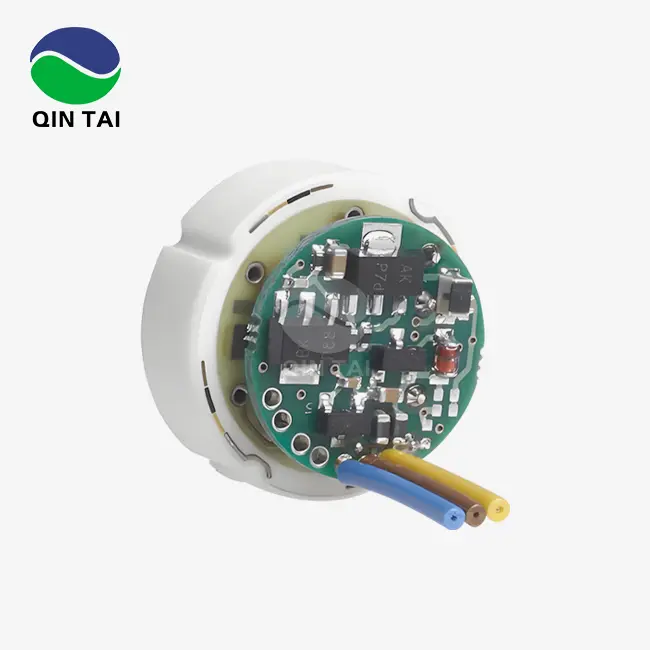
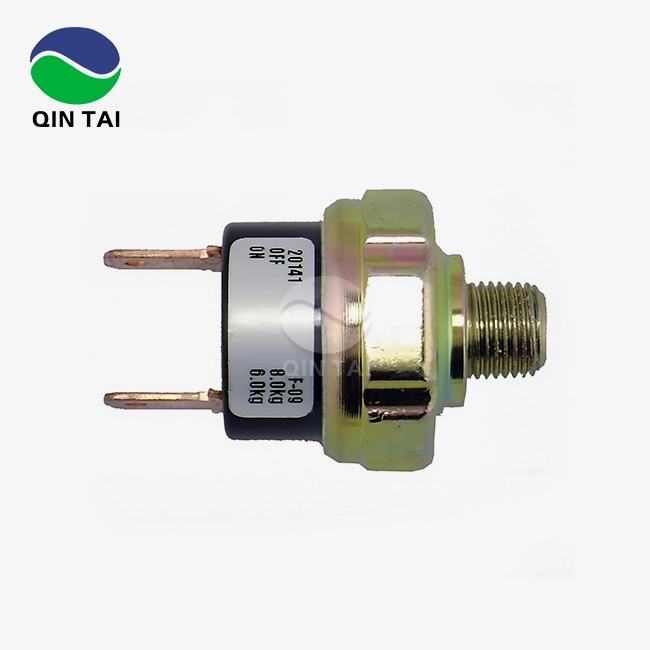

Our customers’ satisfaction speaks for our quality — contact us to experience the same reliable service.