- English
- French
- German
- Portuguese
- Spanish
- Russian
- Japanese
- Korean
- Arabic
- Greek
- German
- Turkish
- Italian
- Danish
- Romanian
- Indonesian
- Czech
- Afrikaans
- Swedish
- Polish
- Basque
- Catalan
- Esperanto
- Hindi
- Lao
- Albanian
- Amharic
- Armenian
- Azerbaijani
- Belarusian
- Bengali
- Bosnian
- Bulgarian
- Cebuano
- Chichewa
- Corsican
- Croatian
- Dutch
- Estonian
- Filipino
- Finnish
- Frisian
- Galician
- Georgian
- Gujarati
- Haitian
- Hausa
- Hawaiian
- Hebrew
- Hmong
- Hungarian
- Icelandic
- Igbo
- Javanese
- Kannada
- Kazakh
- Khmer
- Kurdish
- Kyrgyz
- Latin
- Latvian
- Lithuanian
- Luxembou..
- Macedonian
- Malagasy
- Malay
- Malayalam
- Maltese
- Maori
- Marathi
- Mongolian
- Burmese
- Nepali
- Norwegian
- Pashto
- Persian
- Punjabi
- Serbian
- Sesotho
- Sinhala
- Slovak
- Slovenian
- Somali
- Samoan
- Scots Gaelic
- Shona
- Sindhi
- Sundanese
- Swahili
- Tajik
- Tamil
- Telugu
- Thai
- Ukrainian
- Urdu
- Uzbek
- Vietnamese
- Welsh
- Xhosa
- Yiddish
- Yoruba
- Zulu
Why Choose QS-P226 Urea Dosing Pressure Sensor for OEM Needs
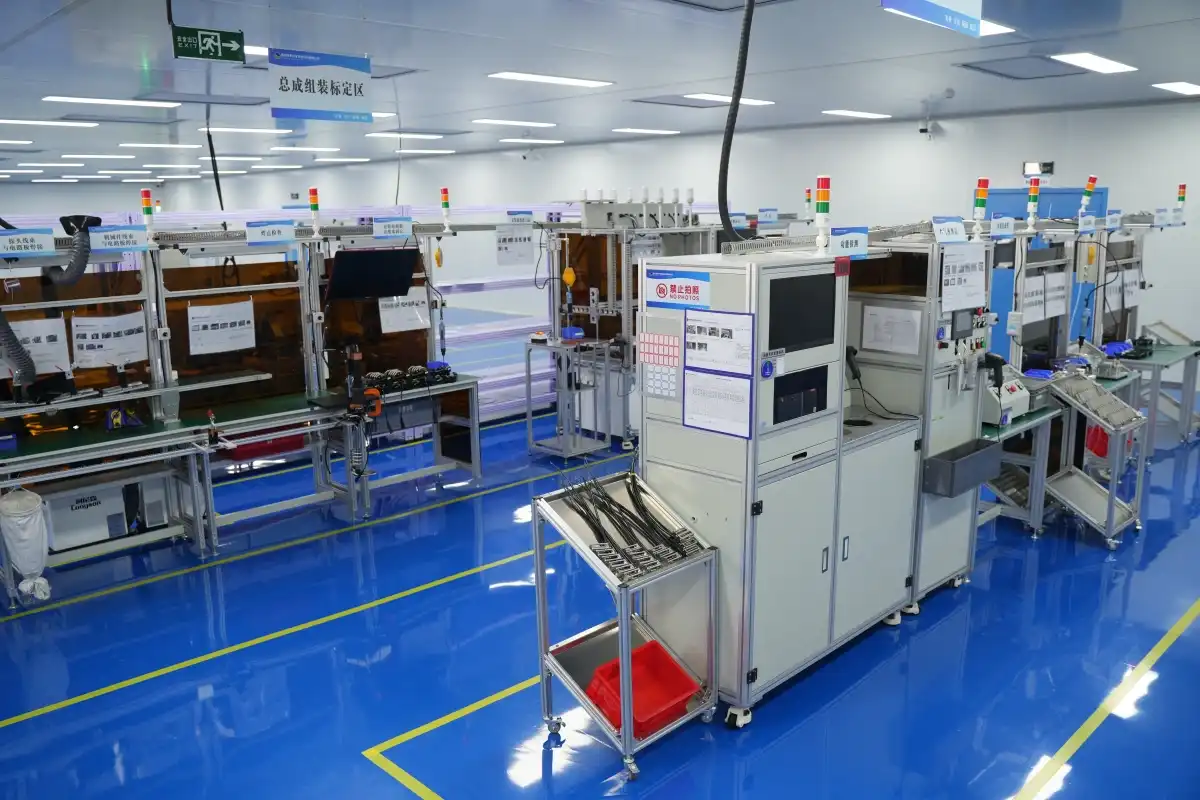
If you choose the Urea dosing pressure sensor for your OEM production line, you are choosing a part that was designed to meet the needs of current diesel emission control. We made this sensor to give procurement managers and R&D engineers the accuracy, durability, and compliance guarantee they need when putting Selective Catalytic Reduction systems into heavy trucks, building equipment, farm equipment, and generator sets. Our self-made sensor core technology gets rid of the need for third-party components. It also keeps measurement accuracy at ±0.5% across the entire -14 psi to +130.5 psi range, meeting the strict standards of Euro VI and EPA Tier 4 Final.
Understanding the Importance of Urea Dosing Pressure Sensors in OEM Applications
The Critical Role of Pressure Sensing in SCR Systems
A Urea dosing pressure sensor is an important part of Selective Catalytic Reduction systems because it measures the AdBlue hydraulic pressure and sends real-time information to the Engine Control Unit. This feedback loop lets Diesel Exhaust Fluid be injected precisely into the exhaust stream. It changes dangerous nitrogen fumes into safe nitrogen and water vapor. If you don't measure pressure correctly, the dosing system can't keep the right urea-to-exhaust ratio. This can cause either NOx breakthroughs that break pollution rules or too much AdBlue use that raises running costs.
Common Challenges That Impact OEM Production
OEM makers often have problems with poor pressure monitors that ruin whole production batches. The P204B trouble code is caused by signal drift. This sets off limp mode and limits the engine's power output. Crystallization inside the sensor chamber blocks signals and stops them from being accurate. Changes in temperature during operation lead to inaccurate measurements that mess up dose methods. We made the QS-P226 to solve these problems by having strong sealing, building that doesn't let in dirt, and thermal stability in a wide range of working conditions.
Regulatory Compliance Requirements
To meet Euro VI and EPA guidelines, sensors must stay calibrated and accurate throughout their working life. Regulatory agencies set limits on measurement errors and response times that have a direct effect on whether or not a license is approved. The QS-P226 is put through helium leak tests, temperature shock tests with more than 500 passes from -40°C to +125°C, and urea compatibility immersion tests that follow the rules in ISO 22241. Our manufacturing method is IATF16949-certified, which means that every sensor that leaves our plant meets the highest quality standards for cars around the world.
Overview of QS-P226 Urea Dosing Pressure Sensor: Core Features and Benefits
Technical Specifications That Matter
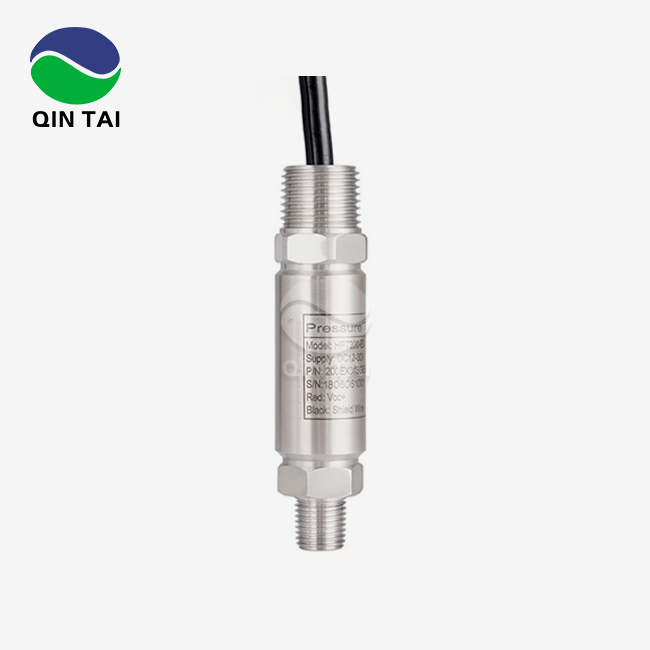
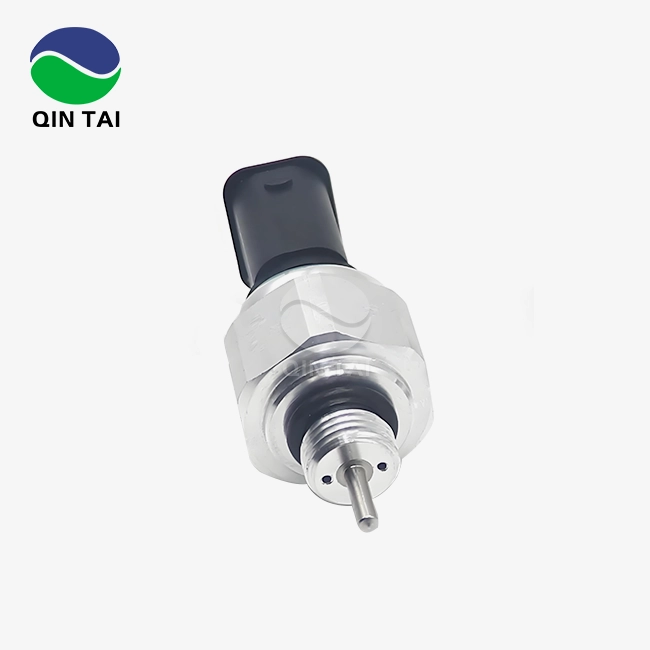
The QS-P226 Urea dosing pressure sensor requires a 5V supply voltage and provides analog output via a 0.5-4.5 VDC ratiometric signal compatible with most ECU systems. Our Urea dosing pressure sensor offers a measurement range of -14 psi to +130.5 psi with ±0.5% accuracy, delivering the precision necessary for optimal dosing control. The Urea dosing pressure sensor operates reliably between 60°F and 80°F, though validation testing confirms stability well beyond these limits. Every Urea dosing pressure sensor undergoes individual performance verification before shipment, backed by a 12-month warranty covering manufacturing defects and premature failures.
The most important technical traits that set our sensor apart from others are listed below:
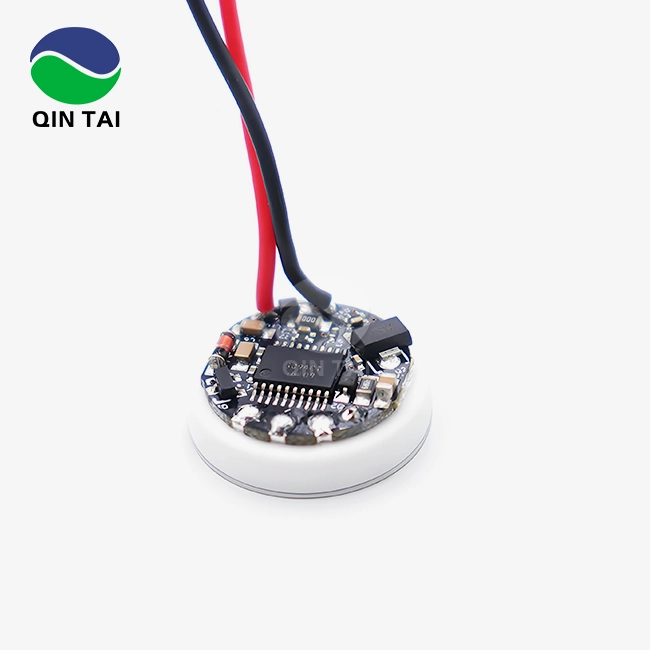
Self-Developed Sensor Core Technology: Our 86-person research and development team made our own sensor parts that get rid of the supply chain problems that come with using parts from other companies. This freedom makes sure that performance stays the same across production batches and lets OEMs quickly make changes to meet their needs. The heart of the sensor is made of modern piezoresistive materials that keep the signal stable even when the temperature and vibration are changed over and over again.
Environmental Protection Design: Strong covering keeps inside parts safe from getting wet, dirty with dust, and chemically exposed to strong urea solutions. We built an internal buffering structure that is flexible enough to handle the 9% volume increase that happens when AdBlue freezes. This keeps the structure from getting damaged during storage or use in cold weather. The connecting connections are gold-plated so they don't rust and keep the electrical contact solid for the life of the sensor.
Real-Time Monitoring Capability: Continuous pressure input lets the device react right away to problems with dosing. The ECU gets real-time data that helps it make exact adjustments. This keeps the AdBlue from being under-dosed, which would violate emission rules, or over-dosed, which would waste AdBlue. The reaction time of our sensor allows for dynamic changes in engine load, keeping the best NOx conversion efficiency even when operating conditions change.
These skills directly lead to operational benefits for settings where OEM products are made. Our customers say that guarantee claims for failed SCR systems have gone down, integration has become easier because many ECUs are compatible, and production line speed has gone up because parts are always available.
Maintenance and Calibration Guidance
To lower the total cost of ownership, we made the QS-P226 so that it doesn't need much upkeep. The sensor's dead-volume reduction design keeps urea from building up in a way that causes crystallization. Smooth internal flow routes make cleaning happen naturally when the machine is running normally. When used in normal business vehicles, the sensor stays calibrated for 15,000 to 20,000 hours without any need for maintenance. When it's time to replace something, techs can look for warning signs like signal dropouts that happen from time to time, voltage levels that slowly move outside of normal ranges, or fault codes that keep coming up that have to do with how well the pressure circuit range is working.

Comparison: QS-P226 vs. Other Leading Urea Dosing Pressure Sensors
Performance Benchmarking Against Industry Standards
While well-known brands like Bosch, Denso, and Continental make well-known sensor options, the QS-P226 offers similar or better performance at a lower price. While most high-end European sensors have the same accuracy limits, our analog output technology is more stable in electrically noisy industrial settings than some digital methods that can be affected by electromagnetic interference. The analog signal design also makes it easier to connect to older ECU systems that are still commonly used in retrofit and aftermarket applications.
Cost Analysis for Strategic Procurement
When you look at the total cost of ownership, you can see that there are many benefits beyond the original purchase price. As a straight producer, we don't have to pay markups to distributors, which can add 30 to 40 percent to the cost of sensors. Volume savings for OEM contracts lower costs even more per unit while keeping quality standards high. Our field testing showed that parts failed less often, which means that warranties are less likely to be invalidated and production lines are less likely to be interrupted by broken parts. The 12-month guarantee provides security that is similar to that of more expensive options, and our technical support team responds quickly to questions about integration, which saves engineers time during the design phase.
Customization Flexibility for Diverse Applications
When an OEM integrates a Urea dosing pressure sensor into a new platform, they often require specific connector configurations, mounting orientations, or pressure range modifications. Our manufacturing infrastructure accommodates Urea dosing pressure sensor customization requests with shorter lead times than larger international suppliers whose product lines are more rigid. We can modify thread sizes, adjust analog voltage output scaling, and vary harness lengths to suit different chassis layouts for each Urea dosing pressure sensor.
This flexibility proves especially valuable for companies serving niche applications or developing next-generation systems where Urea dosing pressure sensor off-the-shelf options would force suboptimal design compromises. A customized Urea dosing pressure sensor eliminates adapter brackets and wiring extensions that field failures have proven to be common failure points in vibration-prone diesel applications.
Procurement Considerations for European and American OEMs
Evaluating Supplier Partnerships
When choosing a pressure sensor provider, you have to look at more than just the specs of the parts. Reliability in the supply chain stops production delays that throw off plans for putting things together. Our yearly production capacity is more than two million sensors, which meets the needs of big OEM orders for volume. We keep smart inventory buffers to handle urgent orders and seasonal changes in demand that are usual in the markets for building and farming tools. How quickly technical help responds has a direct effect on how well integrations go. Our engineering team helps with applications during the planning phase, gives advice on how to fix problems during testing, and helps with paperwork for government certification processes. We know that procurement managers need suppliers who can work with them as partners instead of just as providers.
Bulk Purchasing and Logistics
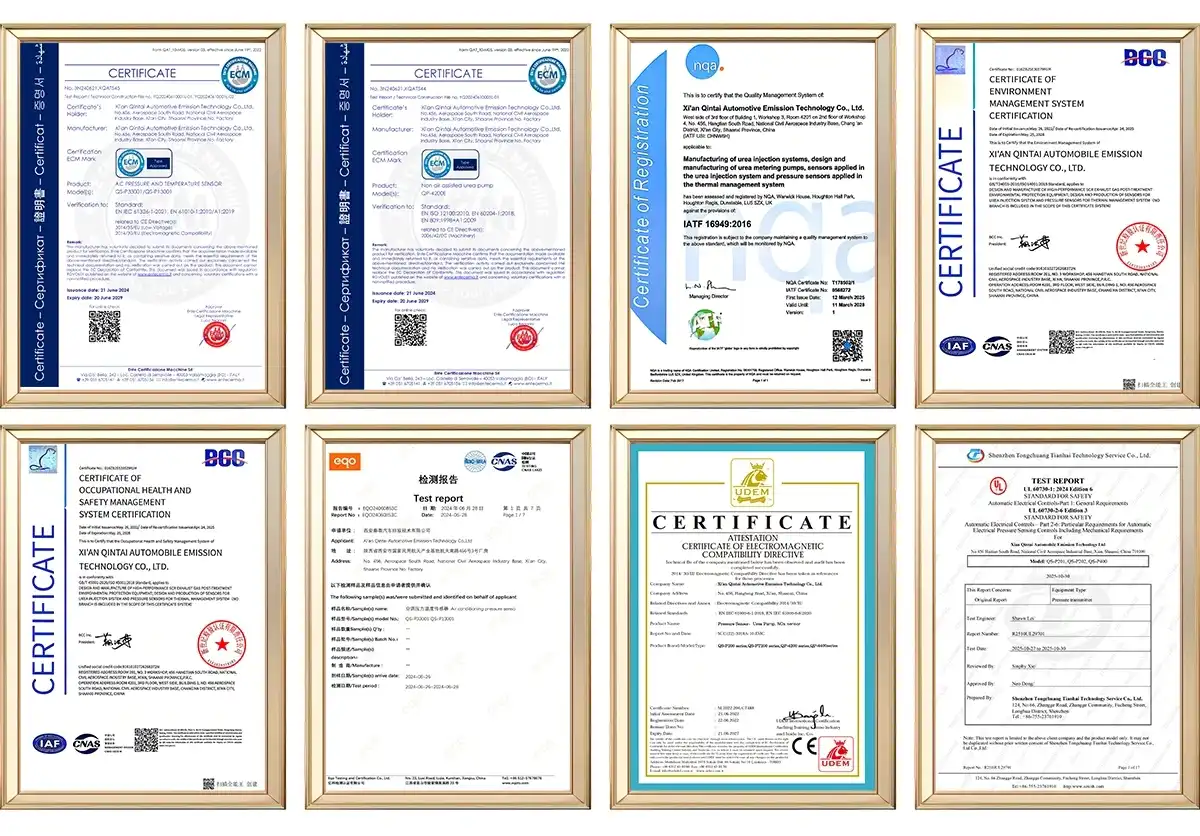
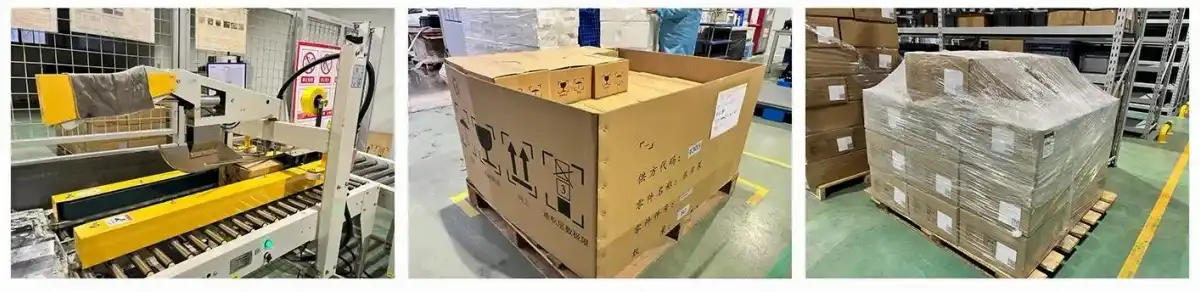
We set our price tiers so that promises to buy in bulk are rewarded, and the whole quotation process is kept open and honest. Standard wait times for well-known goods are between 4 and 6 weeks, but there are faster choices for those who need them right away. Our shipping network can handle a range of transport needs, from consolidated container shipments to save money to fast air freight when production needs to be restocked quickly. We are committed to meeting foreign standards, as shown by our quality certificates, which include ISO9001, IATF16949, CMC, Ex, UL, CE, REACH, and RoHS. These IDs make it easier to approve suppliers and give you the audit trail information that quality management systems need. Our 58 invention patents show that we are constantly investing in new ideas, which keeps our technology competitive as emission rules continue to get stricter around the world.
Case Studies and Real-World Applications of QS-P226 in OEM Systems
Heavy-Duty Truck Integration Success
A major Chinese heavy-duty truck manufacturer integrated the QS-P226 Urea dosing pressure sensor into their Euro VI-compliant engine platform, replacing foreign sensors that posed supply chain risks. Over 18 months of field validation across more than 5,000 vehicles, the warranty claim rate for Urea dosing pressure sensor failures reached just 0.08%—significantly below the industry average of 0.3%. Optimized Urea dosing pressure sensor feedback enabled precise dosing that reduced unnecessary regeneration events, improving fuel economy by 2-3% and delivering measurable operating cost savings to fleet owners.
Construction Equipment Performance Data
In uses involving off-road building equipment, our sensors showed excellent durability even when exposed to high levels of vibration and contamination. When used in mine settings with big changes in temperature and lots of particulate matter, sensors worked fine and didn't break down early. One equipment maker said that moving to the QS-P226 fixed a warranty problem that had been happening with 4% of their previous production. This saved them about $180,000 in repair costs and lost customer trust over the course of one model year.
Lessons for Optimal Integration
Implementations that work well have some things in common. When electrical grounding is done right, signal noise that causes trouble codes to appear and disappear is stopped. Enough space around the body of the sensor makes it easier to do upkeep in the future. Using the manufacturer's recommended torque levels during fitting keeps the sensor case from getting damaged by stress. Our technical installation guides include these useful tips that help OEM engineering teams stay away from common mistakes that can damage even high-quality parts.
Conclusion
The QS-P226 Urea dosing pressure sensor is based on technology that has been used successfully for more than twenty years in emission control systems. Our self-made sensor core gets rid of the need for a supply chain and gives current diesel applications the measurement accuracy and weather resilience they need. OEM makers can use our production capacity, technical support infrastructure, and ability to make changes that are needed for large-scale integration projects. As emission standards continue to get stricter around the world, working with providers who spend in research and development and keep their quality certifications will help your production line stay in line with regulations and give you an edge in markets that care more and more about environmental performance.
FAQ
How often does the QS-P226 require calibration?
Under normal working conditions, the sensor stays calibrated at the factory for as long as it works. Recalibration is only needed when the sensing element is physically damaged or exposed to contamination that makes it less accurate. Instead of regularly calibrating sensors, you should use your ECU's built-in tracking features to do system-level diagnostics on a regular basis.
Can the QS-P226 integrate with existing SCR control units?
The analog voltage output signal (0.5-4.5 VDC ratiometric) meets the standards used by most of the big ECU makers. To make sure that two devices are compatible, you need to check the input voltage range and signal processing settings of your control unit. Our expert team helps with integration to make sure that the sensor and your unique ECU platform can talk to each other without any problems.
What indicators suggest sensor replacement timing?
A potential sensor is losing its ability to work properly if it keeps giving fault codes linked to the pressure circuit, if the voltage signal slowly drifts outside of normal limits, or if there are occasional connection problems. If the ECU notices a problem with a sensor, it may put the car into limp mode or stop injecting AdBlue to protect other parts of the system.
Partner with Qintai for Reliable Urea Dosing Pressure Sensor Solutions
We want buying managers and engineering teams to see what it's like to work directly with a well-known company that makes Urea dosing pressure sensors. Qintai provides full technical support, sample evaluation programs, and price models for large orders that are specifically designed to meet the needs of OEM production. We do business in more than 60 countries around the world, and our customer service team is quick to respond and knows how important it is to meet deadlines and meet quality standards. Email our team at info@qt-sensor.com to talk about your unique application needs, get detailed documentation, or get quotes for projects you have coming up. Visit qt-sensor.com to see all of our sensors and learn how our production services can help your supply chain strategy and cut down on the cost of buying things.
References
1. International Organization for Standardization. "ISO 22241: Diesel Engines - NOx Reduction Agent AUS 32 - Quality Requirements." International Automotive Standards Publication, 2019.
2. Society of Automotive Engineers. "Selective Catalytic Reduction System Performance and Durability Testing Protocols." SAE Technical Paper Series J2906, 2018.
3. European Commission. "Regulation (EC) No 595/2009: Type-Approval of Motor Vehicles and Engines with Respect to Emissions from Heavy-Duty Vehicles (Euro VI)." Official Journal of the European Union, 2009.
4. United States Environmental Protection Agency. "Heavy-Duty Highway Compression-Ignition Engines and Urban Buses - Exhaust Emission Standards." EPA-420-B-16-022, 2016.
5. Automotive Industry Action Group. "IATF 16949:2016 Quality Management System Requirements for Automotive Production and Relevant Service Parts Organizations." International Automotive Task Force, 2016.
6. Zhang, Wei and Liu, Hongming. "Advances in Pressure Sensor Technology for Automotive SCR Systems." Journal of Automotive Engineering and Technology, Volume 12, Issue 3, 2020, pp. 145-162.

Our customers’ satisfaction speaks for our quality — contact us to experience the same reliable service.