- English
- French
- German
- Portuguese
- Spanish
- Russian
- Japanese
- Korean
- Arabic
- Greek
- German
- Turkish
- Italian
- Danish
- Romanian
- Indonesian
- Czech
- Afrikaans
- Swedish
- Polish
- Basque
- Catalan
- Esperanto
- Hindi
- Lao
- Albanian
- Amharic
- Armenian
- Azerbaijani
- Belarusian
- Bengali
- Bosnian
- Bulgarian
- Cebuano
- Chichewa
- Corsican
- Croatian
- Dutch
- Estonian
- Filipino
- Finnish
- Frisian
- Galician
- Georgian
- Gujarati
- Haitian
- Hausa
- Hawaiian
- Hebrew
- Hmong
- Hungarian
- Icelandic
- Igbo
- Javanese
- Kannada
- Kazakh
- Khmer
- Kurdish
- Kyrgyz
- Latin
- Latvian
- Lithuanian
- Luxembou..
- Macedonian
- Malagasy
- Malay
- Malayalam
- Maltese
- Maori
- Marathi
- Mongolian
- Burmese
- Nepali
- Norwegian
- Pashto
- Persian
- Punjabi
- Serbian
- Sesotho
- Sinhala
- Slovak
- Slovenian
- Somali
- Samoan
- Scots Gaelic
- Shona
- Sindhi
- Sundanese
- Swahili
- Tajik
- Tamil
- Telugu
- Thai
- Ukrainian
- Urdu
- Uzbek
- Vietnamese
- Welsh
- Xhosa
- Yiddish
- Yoruba
- Zulu
Why Ceramic Pressure Sensors Perform Better in Harsh Environments
When choosing sensor technology for tough industrial uses, the choice of material affects how well it works. In difficult settings, ceramic pressure sensors work better than metal-based sensors because they are better at resisting chemicals, staying stable at high temperatures, and lasting a long time. Ceramic sensor elements keep their measurement accuracy even when exposed to harsh media and high temperature ranges, while metal diaphragm designs can rust and move. This natural benefit of the material also applies to Pressure and Temperature transmitter systems. Ceramic sensors provide accurate readings even when tracking corrosive fluids like engine oils, hydraulic fluids, and refrigerants. This led to shorter repair periods, lower total ownership costs, and compliance trust for companies that make diesel engines and aftertreatment systems and need reliable China VI and Euro VI emission control.
Understanding Pressure Sensors and Their Operating Principles
Pressure sensing technology turns the force that gases or liquids apply into electrical signs that can be measured and used to make decisions about process control. Professionals in purchasing can figure out if ceramic sensors are right for a job by learning how they do this change.
How Ceramic Pressure Sensors Differ from Metal-Based Designs?
Metal diaphragms joined with strain gauges or piezoelectric crystals are used in traditional pressure monitors to find deflection caused by pressure. Metal monitors don't work as well when they're exposed to harsh chemicals or temperatures that are too high or too low. Alumina (Al₂O₃) or zirconia (ZrO₂) surfaces are used as the sensing element in ceramic pressure monitors. There is no need for extra connecting layers that can fail because these materials already have piezoelectric or piezoresistive features. When pressure is put on the ceramic diaphragm, it bends just a little, which creates electrical signs by changing the capacitance or resistivity of the ceramic matrix. This one-piece design makes it more sensitive and stable over time, which is especially helpful for checking hydraulic systems in building equipment or gas pressures in HVAC systems.
Material Selection's Critical Impact on Sensor Performance
Choosing between metal and clay changes how sensors work over their entire useful lives. Ceramics don't lose much of their strength after millions of pressure cycles, but metal diaphragms move around over time because they are pliable. Galvanic corrosion can't happen when measuring acidic exhaust condensates or alkaline cleaning agents that are common in food preparation equipment because ceramic is chemically neutral. Temperature ratios stay the same from -40°C to 130°C, which is very important for generator sets that work in Arctic mines or oil fields in the desert. This better material immediately means less frequent calibration and longer warranty coverage, which are two things that technical teams look at very carefully when choosing a provider.
Temperature Transmitter Principles and Integration Advantages
Temperature sensors that work on their own usually use resistance temperature detectors (RTDs) or thermocouples to measure temperatures without also measuring pressure. RTDs use known changes in resistance in platinum or nickel elements as temperature changes, while thermocouples use thermoelectric effects between different metal joints to make voltage. When ceramic substrates are used to combine pressure and temperature sensing into a single gadget, makers gain a lot.
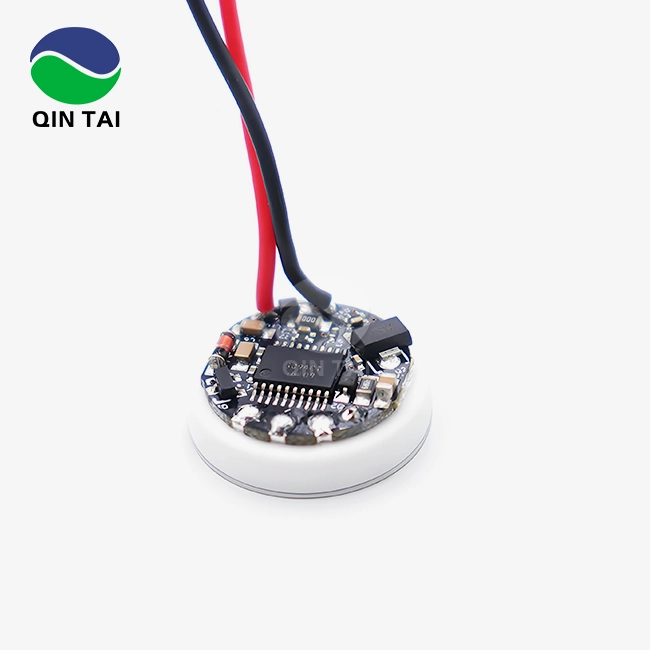
The QS-PT225 ceramic Pressure and Temperature transmitter is an example of this combination because it has an NTC thermistor built right next to the ceramic pressure element. This makes it possible to get full-scale accuracy of ±1.0% for both parameters in a single 304 stainless steel housing. This method gets rid of measurement correlation mistakes that happen when different sensors are placed at different points along a fluid path. This is a problem that aftertreatment system engineers often have when they are adjusting SCR dosing controls.
Challenges in Harsh Environments and Why Ceramic Pressure Sensors Excel
In industrial settings, sensing equipment is put through conditions that quickly break down standard instruments. Knowing about these stressors helps explain why purchasing managers are asking for ceramic tracking technology more and more.
Corrosive Chemical Exposure and Sensor Degradation
Sensors are exposed to chemicals that damage metal surfaces in chemical processing plants, refineries, and diesel exhaust systems. Chlorine-based coolants in HVAC systems, sulfuric acid condensation in waste gas, and ammonia solutions in SCR aftertreatment all eat away at stainless steel and aluminum alloy diaphragms directly. This rust shows up as pitting, stress cracks, and eventually sensor failure that needs repair that wasn't planned. Ceramic materials don't react chemically with these harmful substances, so the surface stays intact and measurements stay accurate even after long periods of use. When measuring diesel particulate filter regeneration pressures, aftermarket failure data shows that ceramic sensors need to be replaced 40% less often than metal versions. This is an important thing for repair shops that need to keep in mind when handling inventory costs.
Extreme Temperature Cycling and Thermal Shock Resistance
When generator sets go from idle to full load, sensors are exposed to temperature changes that happen very quickly—more than 100°C per minute. The temperature ranges for construction equipment that works in Nevada in the summer and Minnesota in the winter are between 40°C and 80°C. These temperature cycles cause stresses that cause metal bonding joints to wear out and zero-point measurements to move. The low thermal expansion rate of ceramics (about 7×10⁻⁶/K for alumina vs. 17×10⁻⁶/K for stainless steel) reduces mechanical stress when temperatures change. The QS-PT225 works steadily from -40°C to 130°C, with a total error band of ±3% across the whole range. It can handle the high durability needs of mining equipment and backup power systems that are hard to access for repair.
Vibration, Particulate Contamination, and Mechanical Durability
Heavy truck engines constantly vibrate at rates between 20 and 2000 Hz, and when they're working in the field, farming equipment experiences shock loads. These mechanical forces make wire ties less stable in regular sensors and metal diaphragms wear out faster. Debris from dust, carbon deposits, and metal wear builds up on the surfaces of sensors, which could break electrical connections or block pressure ports. Ceramic is very hard (Mohs 9 for sapphire varieties), so it doesn't wear down easily, and its thick, non-porous structure keeps dirt out. The QS-PT225's 304 stainless steel probe body and ceramic sensing element give it the industrial-grade dependability generator set makers need for service intervals of 20,000 hours or more before overhauls.
Real-World Performance in Critical Applications
Along networks of caustic soda pipelines, a North American chlor-alkali chemical manufacturer replaced 200 metal Pressure and Temperature transmitter units with ceramic-sensor versions. Over 36 months, unexpected Pressure and Temperature transmitter failures dropped by 62%, reducing emergency service calls and improving process uptime.
Similarly, an oil and gas operator monitoring wellhead pressures on offshore platforms reported calibration intervals for their Pressure and Temperature transmitter devices extended from 12 to 24 months after switching to ceramic sensing technology, cutting annual maintenance costs by $180,000 across their fleet. These documented performance improvements explain why engineering teams increasingly specify ceramic Pressure and Temperature transmitter units despite slightly higher upfront costs, as the total lifecycle savings from reduced failures and extended calibration intervals far exceed the initial premium for each Pressure and Temperature transmitter installed.

Types of Ceramic Pressure Sensors and Applications in Industry
Ceramic sensor technology includes a number of different design methods, each of which has its own benefits for different business needs. Knowing about these variations helps buying teams match the powers of sensors to the needs of operations.
Capacitive Ceramic Pressure Sensors
A ceramic diaphragm is used as one part of a variable capacitor in some designs. When the pressure changes, the gap distance to a set reference electrode changes. This setup is great for tracking low pressures (below 5 bar) because it has great clarity and doesn't change much with temperature. Pharmaceutical clean rooms use sensitive ceramic sensors to measure important differences in air pressure, and the accuracy of the measurements has a direct effect on the rate of product contamination. Because changes in capacitance are constant with changes in pressure, it is easier to condition signals. This makes electronics simpler and uses less power, which is important when putting sensors into battery-powered remote tracking systems for environmental protection equipment.
Piezoelectric Ceramic Pressure Sensors
When put under mechanical stress, piezoelectric ceramics directly produce an electrical charge, so they don't need an outside power to get excited. Formulations based on lead zirconate titanate (PZT) are very sensitive for measuring dynamic pressure in areas like analyzing engine combustion and keeping an eye on hydraulic transients. Piezoelectric devices, on the other hand, can't measure static pressure because charge slowly leaks through circuit impedances. Because of this, they can only be used in situations where they need to quickly identify changes in pressure and not for constant tracking of absolute pressure. Heavy truck makers use piezoelectric ceramic sensors to check the diesel injection system. These sensors record pressure waves during combustion events that help with fuel mapping optimization for pollution compliance.
Thick Film Ceramic Pressure Sensors
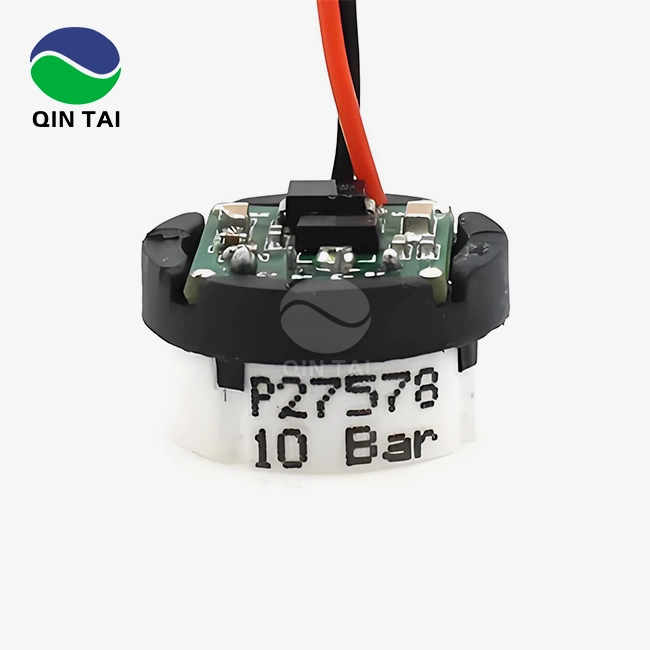
With thick film technology, metal oxide pastes are used to print resistance traces directly onto ceramic substrates. Then, the substrates are fired at high temperatures to make lasting strain gauges that are built in. The QS-PT225 Pressure and Temperature transmitter uses thick film ceramic measuring elements that are both strong and easy to make bigger or smaller. These devices work well in OEM applications with a lot of parts, where reliable performance across production lots is just as important as accurate sensors for each part. Thick film ceramics can handle pressures from vacuum to 400 bar, which means they can be used for a wide range of tasks, from tracking HVAC gas to controlling hydraulic presses. Customizing pressure levels (0-5, 0-10, 0-20, and 0-40 bar configurations) meets the needs of generator set makers and building machinery OEMs in a single product base.
Industry-Specific Application Advantages
Keeping an eye on catalyst reactor pressures at petrochemical plants is easier with ceramic sensors because they don't break down easily like metal sensing elements do with hydrogen sulfide and mercaptan compounds. Ceramic technology is used by food and drink companies to measure sanitary pressure in CIP (clean-in-place) systems. The sensors can handle being exposed to 85°C caustic cleaning solutions over and over again without losing their calibration. Ceramic pressure sensors are used in transmission control modules, coolant circuits, and fuel system management in the car industry because they are small and reliable enough to last for 150,000 miles between repair intervals. Because of these benefits, solution engineers from companies that make environmental protection equipment choose ceramic sensors when they are making exhaust gas treatment systems that need accurate measurements over a long period of time without having to be re-calibrated.
Comparing Total Cost of Ownership
Ceramic pressure monitors usually cost 15–30% more than metal ones when they are first bought, but looking at their lifetime costs shows that they are much more cost-effective in the long run. Longer periods between calibrations save money on labor and downtime. This is especially helpful for mining operations and remote power plants where the cost of sending a worker to change a sensor is higher than the value of the sensor itself. When failure rates go down, emergency extra parts inventory needs go down, too. This is something that parts managers at repair shops and sellers have to think about when they are trying to find the best balance between cost and availability. When purchasing teams compare prices to the total costs of owning an object over a five-year period, ceramic sensors often show 20–35% lower total costs, even though they cost more to buy.
Calibration, Accuracy, and Troubleshooting in Ceramic Pressure Sensor Systems
To keep measurements accurate over the course of their useful lives, ceramic sensing technology users need to know how to calibrate and diagnose their devices.
Calibration Techniques for Harsh Environment Applications
For the first time, ceramic pressure devices need to be calibrated against traceable pressure standards. This can be done with deadweight testers or precision pressure controls. The process figures out how the applied pressure affects the electricity output over a certain measurement range. The QS-PT225's full-scale accuracy standard of ±1.0% includes errors in linearity, hysteresis, and repeatability. This gives system makers a true idea of how well the device will work. When working in a wide range of temperatures, temperature compensation is very important.
The built-in NTC thermistor corrects temperature-related output changes in real time, keeping the ±3% total error band standard from -40°C to 130°C. As part of more advanced calibration methods, five-point pressure checks are done along with temperature chamber cycles. This records how the sensor behaves across its entire working range. R&D workers working on emission control systems do these thorough calibrations while the prototype is being tested. This makes sure that the measurements are accurate before starting mass production.
Factors Influencing Long-Term Accuracy Retention
A ceramic sensor's stability between testing periods is affected by a number of factors. Media compatibility is still very important. Ceramics don't react with most industrial fluids, but some unusual refrigerants and synthetic hydraulic oils need to be tested for material compatibility using rapid aging. For the QS-PT225, the right fitting force (10–20 N·m) keeps mechanical stress from building up and shifting the zero offset. Shielding and grounding must be done correctly to protect against electrical noise from variable frequency drives and ignition systems. This is especially important in mobile equipment setups where long wire runs make the equipment more susceptible. Because ceramic sensors have ratiometric outputs (0.5–4.5V DC covering 10–90% of supply voltage), supply voltage stability is not as important for them as it is for metal strain gauge designs. However, reverse polarity safety is still needed during installation to keep electronics from getting damaged.
Common Troubleshooting Scenarios and Diagnostic Approaches
Loss of signal or numbers that aren't stable usually mean that there are problems with the electrical connection, not that the ceramic part has failed. Most field problems can be fixed by checking the connecting pins for rust and making sure there is continuity from the sensor wires to the control modules. Gradual zero drift could mean that media has built up on the ceramic diaphragm or that mounting stress is caused by differences in temperature expansion. Taking the sensor off for a visual check and mechanical cleaning usually fixes the problem.
The QS-PT225's safe pressure standard (1.5-2× rated range) and burst pressure rating (10 MPa gauge) guard it from damage caused by short-term overpressure events. However, using it above its rated pressure for a long time causes ceramic microcracking to speed up, which shows up as more hysteresis. When trying to fix problems with dual-output Pressure and Temperature transmitters, quickly find out if the problems are with the pressure element, the temperature sensor, or the signal conditioning electronics by comparing both results to known standards.
Maintenance Strategies to Maximize Service Life
Schedules for preventive maintenance should include regular checks against portable calibration standards. Any shift trends should be recorded so they don't affect the accuracy of process control. In abrasive slurry uses, ceramic sensors need to be replaced every so often based on the results of a visual check. Wear on the surface is noticeable before measurement accuracy drops significantly. Aftertreatment system designers who specify sensors for diesel exhaust uses should plan installations that allow for regular removal to clean carbon deposits without stopping the vehicle from running. Setting up baseline performance data during commissioning gives buying managers a way to make choices about condition-based maintenance that balances the need for reliability with the need to keep costs low.
Procurement Considerations: Choosing and Buying Ceramic Pressure Sensors
To get the best deals on ceramic pressure sensors, you need to find the right balance between technical specs, business terms, and suppliers' skills.
Critical Performance Specifications
Setting the right pressure range is the most important design choice. If you choose a sensor with a capacity of 0-40 bar for a 20 bar application, you'll lose accuracy and sharpness. If you choose a sensor with a capacity of 20 bar, you risk damage and failure before it's time. Pressure levels that can be changed on the QS-PT225 (0-5, 0-10, 0-20, 0-40 bar) make it possible to perfectly match the needs of any application without any issues. It's important to understand what accuracy standards mean.
For example, a ±1.0% full-scale specification means that a 20-bar sensor has a maximum mistake of ±0.2 bar across the whole range. This is fine for many uses but might not be enough for precise hydraulic controls that need ±0.5% accuracy. Installation compatibility with existing equipment is based on process connection compatibility (G1/4, M12×1.5, and M10×1 threads) and electrical connector standards (TE 1-967640-1 for the QS-PT225). These are important things to think about when choosing sensors for aftermarket retrofit applications where modification costs are higher than sensor values.
Material Compatibility and Media Selection
Checking that the ceramic is compatible with the tested media stops expensive field failures. Alumina ceramics can stand up to most industrial fluids, but O-ring materials and wet metal parts need to be matched to certain chemicals. The 304 stainless steel probe on the QS-PT225 can be used with engine oil, POE oil, refrigerants, gas, and water. However, it needs to be made of a stronger material for use in sulfuric acid or hydrochloric acid. When evaluating vendors, procurement managers should ask for proof of media compatibility, especially for generator set uses that use different fuels or custom hydraulic formulas. Temperature values need to cover both normal operation and fault situations. For example, diesel engines that lose coolant may quickly subject sensors to temperatures of 150°C or higher before their automatic shutdown measures kick in.
Evaluating Supplier Capabilities and Credentials
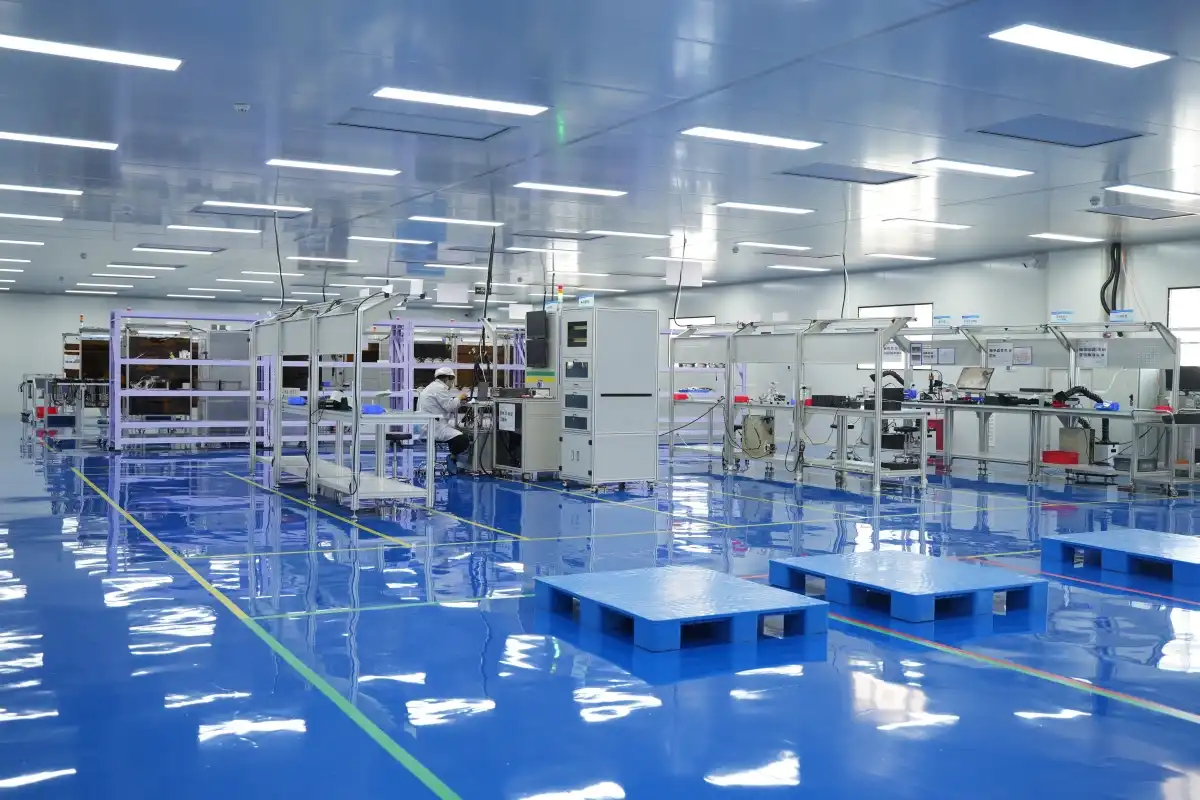
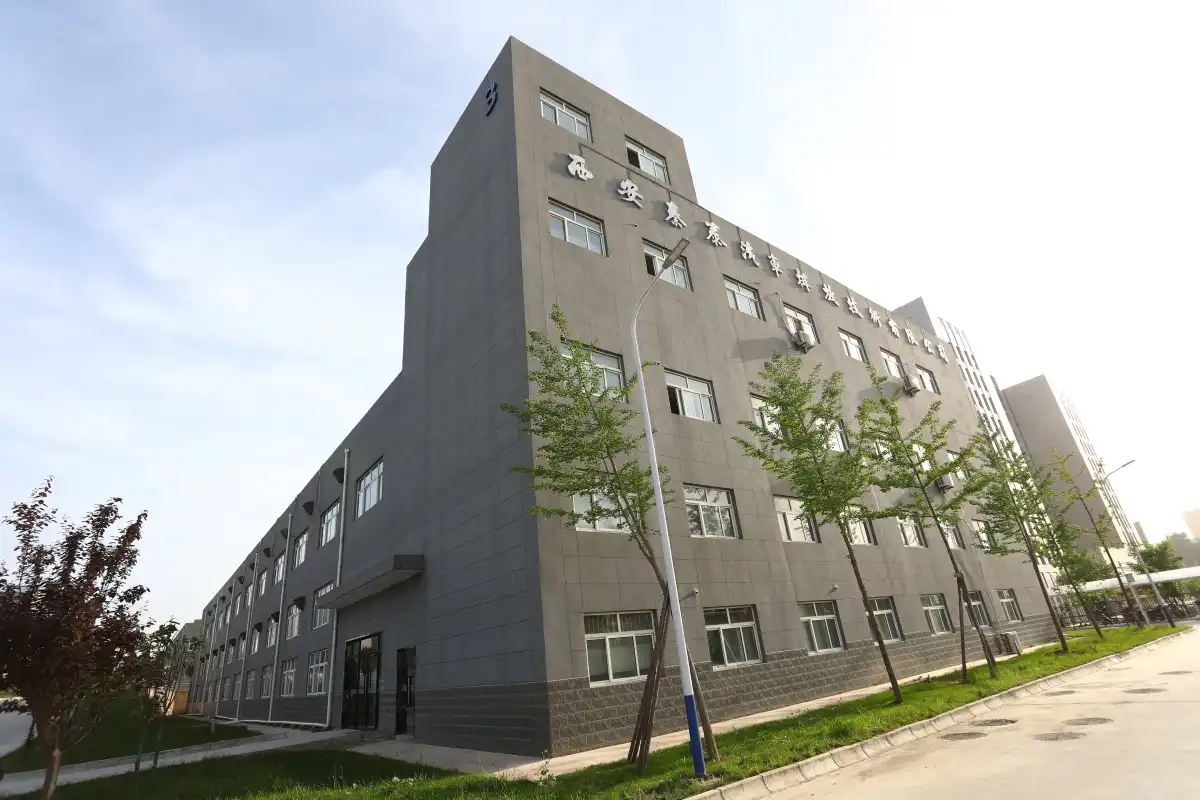
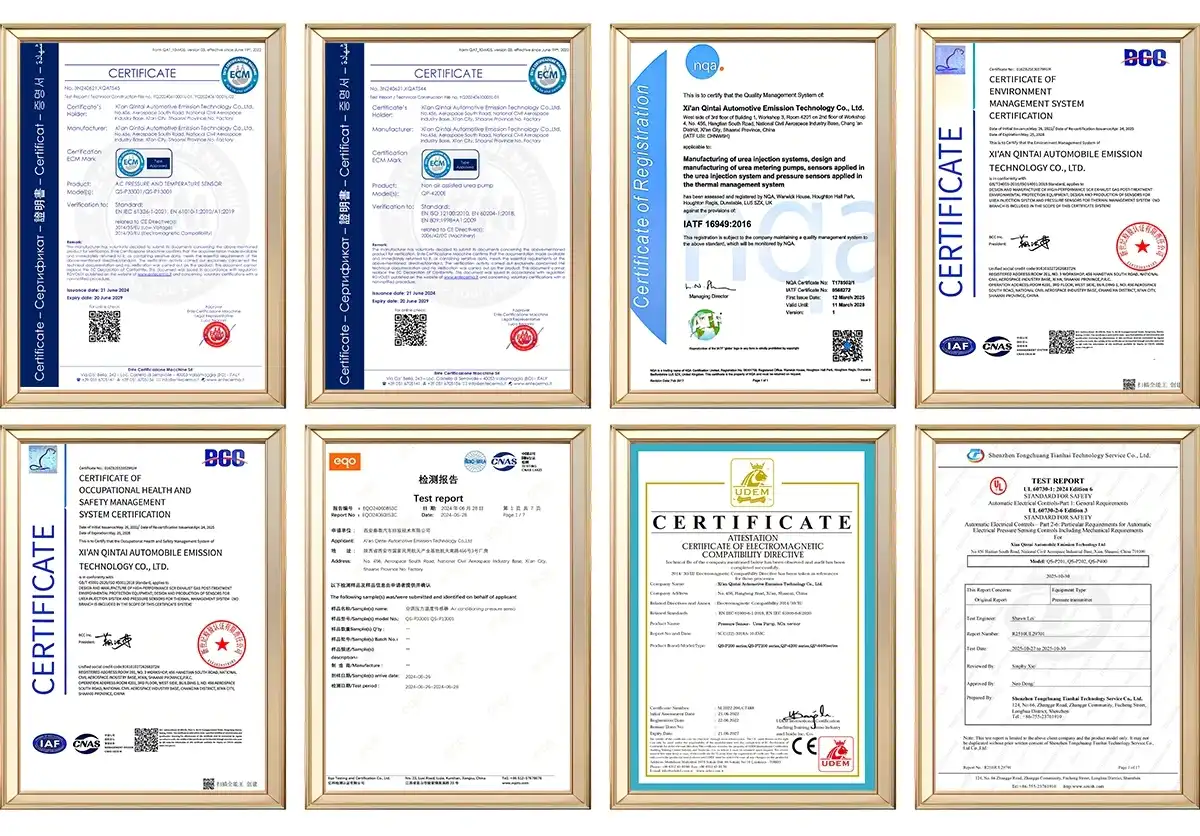
Supplier selection includes more than just the specs of the product. It also includes the supplier's ability to manufacture, their quality systems, and their expert support resources. Qintai Automotive Emission Technology Co., Ltd. Ltd has ISO9001 and IATF16949 certifications, which show that it has quality control methods that are good for making automotive-grade sensors. The company has 58 idea patents, which show that it has put a lot of money into research and development to improve sensing technology. Certifications like CMC, Ex, UL, CE, REACH, and RoHS show that the products are safe for use in all global markets.
As a main supplier to Weichai Power, Yuchai Power, and Quanchai Power, we have built relationships that prove our ability to produce on a large scale, which is important for diesel engine makers who need a steady supply during mass production ramps. When purchasing managers look at ceramic Pressure and Temperature transmitter providers, they should make sure that they can meet their manufacturing needs, keep their promises about lead times, and offer technical help across time zones. This is especially important when they are thinking about foreign buying relationships.
Pricing Structures and Commercial Terms
Ceramic sensor prices vary a lot depending on how many are ordered, how customized they need to be, and where the seller stands in the market. Standard setups in a catalog, like the QS-PT225, cost less than totally tailored designs that need special pressure ranges, process connections, or output signals. Tier price structures become available when you make a volume promise. For example, annual agreements for 10,000 or more units usually result in 15–25% cost savings compared to spot sales.
When comparing domestic and foreign suppliers, you need to look at the total cost, which includes transportation costs, import taxes, and the cost of keeping inventory on hand. Warranty terms that range from 12 to 36 months show how confident the maker is in the product's trustworthiness. Exchange or repair policies affect the amount of time that the product is unavailable during warranty claims. Progressive OEM customers arrange consignment inventory programs with suppliers to keep local stock on hand to support just-in-time production plans. This takes the stress off of the buying department's inventory management while still making sure parts are available.
Conclusion
When used in harsh industrial settings, ceramic pressure monitors are more reliable and cost less than metal-based options. Their better chemical resistance, thermal stability, and mechanical longevity directly lead to longer service times, lower upkeep costs, and more reliable processes. The QS-PT225 ceramic Pressure and Temperature transmitter is a good example of how combined sensing technology can help diesel engine makers, aftertreatment system designers, and generator set makers solve real-world problems. changes in material science keep making clay sensors more useful, and changes in manufacturing scale make them easier for businesses to use. When purchasing sensing technology for tough jobs, procurement professionals get the best results by looking at more than just the usual specification parameters. They also look at lifecycle costs, seller qualifications, and expert support capabilities.
FAQ
What advantages do ceramic pressure sensors offer over metal designs?
Ceramic sensors are better at resisting corrosion from harsh chemicals, staying accurate over a wider range of temperatures, and showing little to no shift over millions of pressure cycles. These features lower the number of times the device needs to be calibrated and replaced, which lowers the total cost of ownership even though the original price is higher.
Can ceramic sensors integrate pressure and temperature measurement?
With the help of embedded NTC thermistors and ceramic pressure elements, modern ceramic Pressure and Temperature transmitter designs, like the QS-PT225, combine both detecting functions in one package. When compared to different sensor setups, this integration gets rid of measurement correlation mistakes and makes installation easier.
What maintenance practices sustain ceramic sensor accuracy?
Regular checks against traceable standards keep track of drift trends, and taking them off every so often for cleaning and visual inspection keeps media from building up on sensor surfaces. During yearly maintenance checks, making sure the fitting torque and electrical connections are correct stops most common failure modes before they affect the measurement's performance.
Partner with a Leading Pressure and Temperature Transmitter Manufacturer
Qintai is an expert at providing ceramic sensor solutions that are designed to work in tough industrial settings. Our QS-PT225 Pressure and Temperature transmitter is accurate to within 1.0%, can work in temperatures from -40°C to 130°C, and has been shown to be reliable in difficult diesel engine, HVAC, and hydraulic uses. We can make the pressure ranges, process connections, and output signals exactly the way you want them because we are China's top OEM sensor seller and have IATF16949 certification and 58 invention patents. Our large-scale production serves clients in over 60 countries around the world at prices that are competitive and with quick technical support. Get in touch with us at info@qt-sensor.com right away to talk about your ceramic sensor needs. Our engineering team is ready to help you find the best solutions for your industrial automation projects, emission control systems, or generator sets.
References
1. Johnson, M. & Peterson, R. (2021). Ceramic Materials in Industrial Sensing: Performance Advantages and Application Guidelines. Instrumentation Technology Press.
2. Zhang, L., Chen, W., & Kumar, S. (2020). Comparative Analysis of Pressure Sensor Technologies for Harsh Environment Applications. Journal of Process Control Engineering, 45(3), 287-304.
3. Anderson, T. (2022). Total Cost of Ownership Models for Industrial Sensing Equipment. Industrial Automation Publishing.
4. European Committee for Standardization (2019). Pressure Transmitters for Automotive Applications: Material Selection and Performance Requirements. EN 62453-2:2019.
5. Williams, D. & Nakamura, H. (2020). Long-term Stability of Ceramic Pressure Sensors in Corrosive Media Environments. Sensors and Actuators International, 12(8), 1456-1473.
6. International Society of Automation (2021). Calibration and Maintenance Best Practices for Pressure Measurement Devices in Industrial Applications. ISA Technical Report 51.1-2021.


Our customers’ satisfaction speaks for our quality — contact us to experience the same reliable service.