- English
- French
- German
- Portuguese
- Spanish
- Russian
- Japanese
- Korean
- Arabic
- Greek
- German
- Turkish
- Italian
- Danish
- Romanian
- Indonesian
- Czech
- Afrikaans
- Swedish
- Polish
- Basque
- Catalan
- Esperanto
- Hindi
- Lao
- Albanian
- Amharic
- Armenian
- Azerbaijani
- Belarusian
- Bengali
- Bosnian
- Bulgarian
- Cebuano
- Chichewa
- Corsican
- Croatian
- Dutch
- Estonian
- Filipino
- Finnish
- Frisian
- Galician
- Georgian
- Gujarati
- Haitian
- Hausa
- Hawaiian
- Hebrew
- Hmong
- Hungarian
- Icelandic
- Igbo
- Javanese
- Kannada
- Kazakh
- Khmer
- Kurdish
- Kyrgyz
- Latin
- Latvian
- Lithuanian
- Luxembou..
- Macedonian
- Malagasy
- Malay
- Malayalam
- Maltese
- Maori
- Marathi
- Mongolian
- Burmese
- Nepali
- Norwegian
- Pashto
- Persian
- Punjabi
- Serbian
- Sesotho
- Sinhala
- Slovak
- Slovenian
- Somali
- Samoan
- Scots Gaelic
- Shona
- Sindhi
- Sundanese
- Swahili
- Tajik
- Tamil
- Telugu
- Thai
- Ukrainian
- Urdu
- Uzbek
- Vietnamese
- Welsh
- Xhosa
- Yiddish
- Yoruba
- Zulu
Urea Pressure Sensor Applications in Commercial Vehicles
Controlling pollution from commercial vehicles has become very important for makers and fleet owners all over the world. Modern Selective Catalytic Reduction (SCR) systems depend on the urea pressure sensor to keep an eye on the diesel exhaust fluid (DEF) pressure and make sure that NOx reduction is working at its best. These sensors make sure that the right amount of urea solution gets to the injector at the right pressure. This keeps the emissions level legal and protects the engine's performance. Knowing how they are used helps procurement managers and engineers make choices that meet legal needs and keep operations running smoothly.
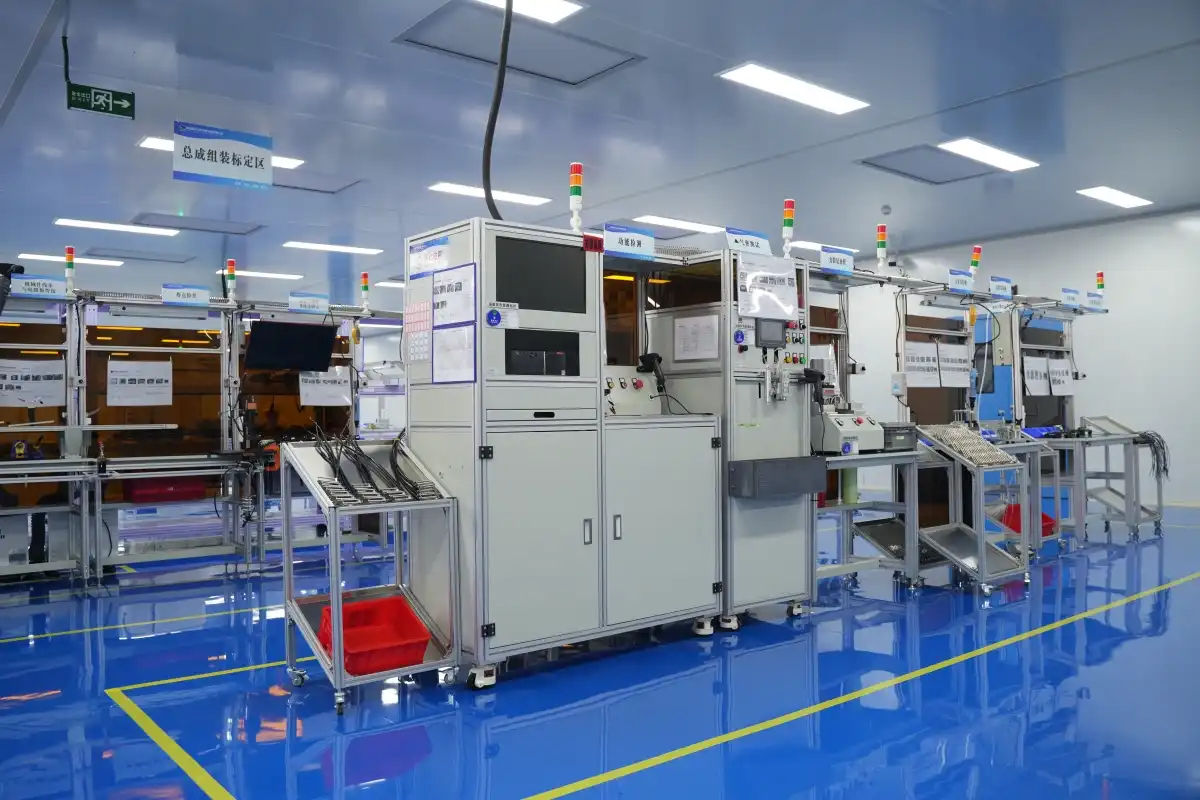
Understanding Urea Pressure Sensors and Their Role in Commercial Vehicles
What Makes These Sensors Essential for SCR Systems?
SCR technology is used in modern diesel engines to meet strict pollution standards like the EPA 2010 and Euro VI rules. The urea pressure sensor in this device watches the fluid delivery line and sends real-time data to the engine control unit (ECU). This loop constantly checks and changes the injection rates based on the load, changes in temperature, and patterns of waste flow. Without correct pressure data, the system can't send the exact amount of urea that is needed for catalytic conversion to work. This could lead to compliance problems and expensive damage to parts.
Core Components and Operating Principles
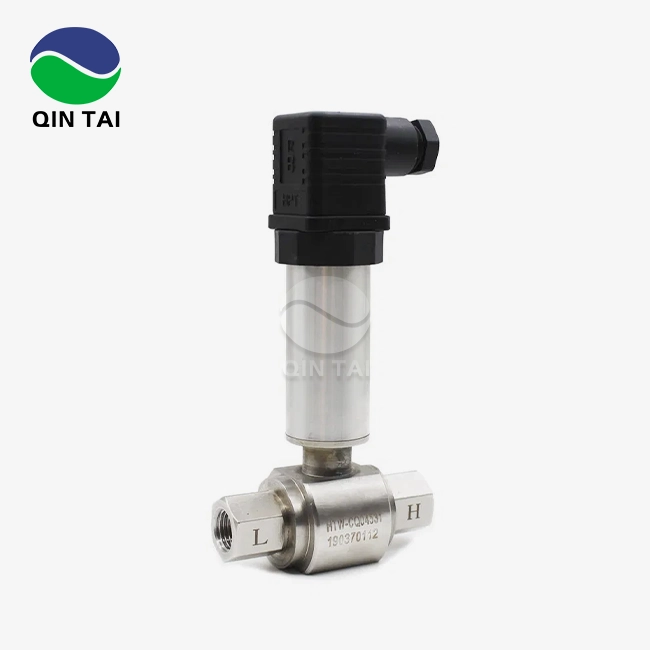
A diaphragm-based measurement method turns mechanical pressure into an electrical signal, which is how the sensor works. You can tell when urea solution runs through the dose module because it presses on the sensing element and makes a proportional voltage output. Quality sensors, like the Qintai QS-P226, use self-designed sensor cores that can measure pressures from -14 psi to +130.5 psi. This range covers all situations, from when the system first starts up to when it needs to be injected the most. This wide working window makes sure that the system works reliably no matter what kind of driving it is, from big trucks going up steep hills to excavators running at idle.
Analog versus Digital Signal Architectures
The market is dominated by two main types of signals. ECUs read the voltage signals that analog sensors send out as pressure values. These voltage signals are usually between 0.5 and 4.5 VDC ratiometric. The Qintai QS-P226 uses this tried-and-true analog method with ±0.5% accuracy, which guarantees accurate readings across the entire operating range. Digital devices that use the LIN or CAN standards can do diagnostics built-in, but they tend to be more expensive and harder to use. When procurement teams are looking at these choices, they should keep in mind that analog systems are easy to integrate with current car architectures, which cuts down on validation time and engineering costs.
Why Calibration Accuracy Matters for Compliance?
The results of emission tests are directly affected by calibration. A sensor that moves by just 2% can overdose on urea, which can lead to ammonia slip and failed opacity tests. On the other hand, under-dosing raises NOx levels above what is allowed by law. R&D engineers at OEM facilities put a high priority on sensors that are tested to very tight tolerances. Before a unit is shipped, it is 100% checked in the plant to make sure it meets all the requirements. When output goes up, this quality assurance is especially helpful because consistent sensor performance gets rid of differences between cars and cuts down on warranty claims.
Core Applications of Urea Pressure Sensors in Commercial Vehicles
Enabling Precise Urea Dosing for NOx Reduction
The main purpose of the program is to keep doses as accurate as possible. The ECU changes the pump speed and injection pulse width to make up for changes in pressure that are picked up by the sensor. This dynamic change stops ammonia slip while making sure there is enough NOx reduction while driving on the highway. When moving in cities with lots of stop-and-go traffic, rapid pressure input lets the system react to changes in load within milliseconds. Field data from heavy-duty truck companies shows that vehicles with high-accuracy sensors convert NOx 95–98% of the time, compared to 85–90% with lower-grade parts. This means that vehicles with high-accuracy sensors have measurable compliance gaps during roadside checks.
Enhancing Engine Efficiency and Fuel Economy
Using the right amount of urea also helps the engine use less fuel. When SCR systems are working at their best, engine calibrations can focus on improving combustion rather than reducing NOx in the cylinders. This lets engineers move the time of the injections forward and raise the boost pressure, which usually leads to 3-5% better gas mileage. A reliable urea pressure sensor enables this optimization by providing accurate feedback that control algorithms trust. Fleet managers who monitor operating costs report that vehicles equipped with dependable urea pressure sensor technology require fewer regeneration cycles, reducing diesel consumption for DPF maintenance. These incremental savings accumulate to thousands of dollars per vehicle over a typical 500,000-mile service life—returns that dwarf the initial urea pressure sensor purchase price and make sensor quality a high-leverage procurement decision.
Supporting System Safety Through Leak Detection
Pressure monitors are very important for diagnosing problems because they find problems with the stability of the system before they get worse. A quick drop in pressure could mean that there are leaks in the supply lines, the pump seals, or the injection connections. Early spotting keeps exhaust parts from getting urea on them and keeps crystallization damage from happening, which would require expensive system changes. The QS-P226 has a wide measurement range that picks up both negative pressures during priming and positive pressures above normal operation. This gives full monitoring that saves aftertreatment investments that are worth $3,000 to $8,000 per car.
Real-World Performance in Construction Equipment
A case study from a big maker of construction equipment shows how the effect works in real life. Over the course of 18 months, the company cut field warranty claims for SCR problems by 42% after moving to sensors with accuracy requirements of ±0.5%. As equipment stayed in compliance and didn't need mid-season sensor repairs, downtime costs went down by the same amount. Purchasing managers said that partnerships with suppliers that offered technical support during integration were also helpful. This shows that choosing the right sensor is more than just looking at the specs of the parts; it also involves building long-term relationships with service providers.

How to Choose the Right Urea Pressure Sensor for Your Commercial Vehicle Fleet?
Evaluating Critical Performance Metrics
To choose the right sensors, you need to carefully look at their technical specs and make sure they meet the needs of the application. Specifications for accuracy should match the rules for emissions. For example, cars that need to produce 0.20 g/bhp-hr of NOx need tighter tolerances than those that need to produce 0.50 g/bhp-hr. Response time is very important for engines that have sudden changes in load. Sensors that update every 10 to 50 milliseconds are helpful for building equipment and garbage trucks. Ratings for durability need to take into account the conditions in which the products are used. For example, farm equipment has to deal with big changes in temperature, and mine trucks have to deal with constant shaking.
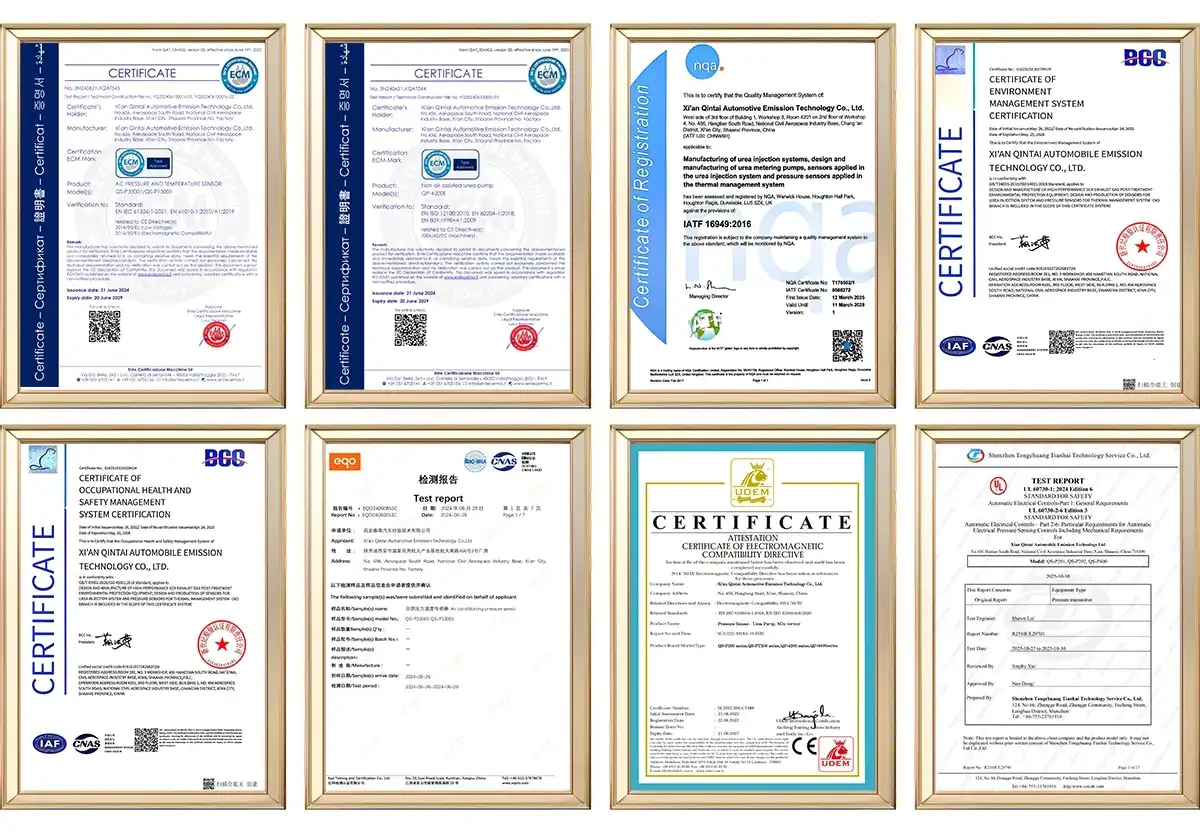
Procurement managers can set up their evaluations so that success is weighed against cost using clear criteria. This balance is shown by the QS-P226's 12-month guarantee, which is backed by ISO9001 and IATF16949 certifications from Qintai. This gives customers peace of mind that meets OEM quality standards while also keeping prices low for large-scale production.
Comparing Market-Leading Solutions
There are a number of well-known companies that sell pressure monitors with different sets of features. Bosch offers integrated solutions that combine pressure and temperature sensors. These are best for high-end car markets that need to be cost-effective. Siemens focuses on providing industrial-grade stability across a wide range of temperatures, which makes their products attractive for use in fixed generators. For advanced testing, Honeywell puts a lot of emphasis on digital communication methods. Each method has its own benefits, but standard analog sensors are still the most popular choice for cost-conscious customers because they are reliable and easy to integrate.
The option adds to the things that need to be thought about. OEM-equivalent sensors usually work the same way as the originals, but they might not have any long-term test data. When supply chain managers weigh the costs of inventory against the need for performance guarantee, they should make sure that aftermarket providers keep track of lots and test their products in the same way that original equipment manufacturers do.
Warranty Coverage and Supplier Support Expectations
otal cost of ownership for a urea pressure sensor is affected by more than just technical specifications. Supplier capabilities also play a significant role. The industry standard is a 12-month warranty covering manufacturing defects and early-life failures. Leading urea pressure sensor providers differentiate themselves through application engineering support, helping OEM teams determine optimal sensor placement, connector orientation, and software calibration settings. This collaborative approach reduces development lead time and expensive redesigns when migrating across engine platforms. A urea pressure sensor supplier that offers this level of technical engagement becomes a strategic partner, not merely a component vendor, as their expertise prevents field issues—such as urea crystallization or signal interference—that no warranty claim can retroactively fix once vehicles are in customer hands.
Qintai is the main seller of SCR parts to Weichai Power, Yuchai Power, and Quanchai Power, which together have the largest market share in China. This shows that they have the manufacturing scale and quality processes to handle large amounts of production. International users can benefit from the knowledge that has been gained from using millions of sensors in tough environments, along with ongoing research and development (R&D) into the next generation of sensing technologies.
Installation, Maintenance, and Troubleshooting Guide for Urea Pressure Sensors
Step-by-Step Installation Best Practices
Inspection of the parts is the first step in a proper fitting. Make sure that the connection pins don't have any rust or dirt on them. Gold-plated terminals are better at resisting damage from the environment than tin-plated ones. Apply a thin layer of urea-compatible anti-seize substance to the sensor before threading it into the dosing module. This will keep the threads from galling and keep the detecting port clean. Depending on the thread size, torque requirements are usually between 15 and 25 Nm. Too much torque can damage the sensor body, while too little torque can cause pressure leaks.
Keep electrical connections away from moving parts and sources of waste heat. Instead of electrical tape, use heat-shrink tubes to keep connections safe, since tape adhesives break down when they come in contact with DEF fumes. After installing the system, prime it according to the manufacturer's instructions to get rid of air spots that cause pressure numbers to be all over the place. For verification, the output of the sensor is watched during controlled pump cycles to make sure that there are no jumps or gaps in the voltage.
Establishing Maintenance Schedules and Calibration Procedures
Unlike wear parts, pressure monitors usually don't need any upkeep during their whole life. Scheduled checks should center on the soundness of the connectors and the route of the harness, not the insides of the sensors. During major service intervals, like overhauls every 150,000 miles, techs can check the accuracy of the sensors by comparing the reported pressure to numbers estimated from the pump speed and injector duty cycle. If the deviation is more than 5%, the urea pressure sensor needs to be replaced, even if there are no trouble codes.
Common Fault Codes and Practical Solutions
The P204B diagnostic trouble code means that there are problems with the signal range or performance. Corroded connecting connections, broken harness insulation that causes short circuits, or sensor drift beyond calibration limits are all things that can cause this. Technicians should check the supply voltage at the sensor port. If it is different from 5.0V ±0.1V, it means there are problems with the ECU's power source, not with the sensor itself. As the pressure goes up, the signal voltage should rise easily from 0.5V to 4.5V. If the numbers aren't stable, it means that something is affecting the sensing element.
Crystallization has its own problems. When the system is turned off for a long time and urea hardens in the dosing module, pressure monitors may continue to show high pressure even after the system thaws. Crystals press down on the diaphragm, causing this to happen. To fix the problem, the whole system has to be flushed with new DEF that has been heated to 95–105°F. The pump then has to be cycled to get the pressure dynamics back to normal. The QS-P226 is less likely to fail in this way than designs with more complicated internal shapes because its smooth internal flow paths reduce the amount of dead space where fluid sits and crystallizes.
Protecting Sensors in Harsh Operating Environments
Extreme conditions put a lot of stress on electrical parts in commercial cars. Even though sealed sensor designs keep wetness out of the electronics inside, stability is still affected by things outside the sensor. Agricultural equipment workers who work in dusty areas should regularly check the connector boots and replace any broken seals before the dirt gets to the connections. When high-pressure water is used to clean construction equipment, it needs extra protection. Silicone conformal covering on harness links adds another layer of protection against water getting in.
When temperatures change, things expand and contract, which can make threaded links loosen over time. Leaks don't happen over time when torque is checked once a year as part of preventative maintenance. In cold places where mining trucks work, padded harness bands keep the body temperature of the sensors above the DEF crystallization points. This keeps the sensing elements from being damaged by thermal shock.
Future Trends and Innovations in Urea Pressure Sensor Technology
Addressing Current Technology Limitations
Urea is acidic and tends to crystallize, which makes it hard for existing sensing designs to last. While regular stainless steels are strong enough, special metals like 1.4466 are better for long-term use in the toughest situations. Researchers are looking into other ways to sense things, like inductive measurement and surface acoustic wave technology, that don't involve the diaphragm coming into contact with fluids at all. These methods are still being worked on and need to be tested in a variety of temperature and pressure conditions before they can be used in the real world.
Another limitation is the difficulty of integration. At the moment, sensors only measure pressure. To get temperature and fluid quality data, you need different instruments. Combined modules would help procurement teams keep track of bill-of-material prices by lowering the number of parts needed and the complexity of the wiring. Some of the technical challenges are packing many sensing elements together without them interfering with each other and keeping the cost low compared to separate component methods.
Next-Generation Digital Sensors and IoT Integration
New sensor designs include microprocessors that allow for diagnostics and maintenance routines that can be run before they break down. These smart sensors look at pressure patterns to find early signs of pump wear or injector clogging. They then send out maintenance alerts before problems cause the engine to derate into limp mode. Internet-of-Things connectivity lets fleet managers keep an eye on the SCR health of whole groups of vehicles, finding systemic problems and making the best use of repair plans to cut down on unexpected downtime.
Digital communication protocols on a urea pressure sensor offer expanded data-sharing capability beyond basic pressure readings. A urea pressure sensor with digital output can provide diagnostic information including pressure stability statistics, time-at-temperature data across operating zones, and correlation with other system variables. This additional urea pressure sensor data enables more sophisticated engine calibrations that adapt dosing strategies based on component aging, maintaining optimal performance even as hardware wears. For fleet operators, a urea pressure sensor that communicates pressure ripple characteristics can reveal developing pump wear or injector blockage before those faults trigger OBD codes—turning a routine urea pressure sensor into a predictive maintenance node that prevents roadside failures and the costly tows and repair bills that follow.
Regulatory Pressures Driving Innovation
Emission rules are getting stricter all over the world. The new rules from the U.S. Environmental Protection Agency aim to lower NOx levels to about 0.02 g/bhp-hr, which is ten times less than what is needed now. As part of the European Union's plans, portable devices could be used to track emissions while cars are actually moving. These strict rules require measurements to be more accurate than current sensors can handle, which is encouraging companies to invest in next-generation technologies.
As a result of these problems, manufacturers are working to raise the accuracy from ±0.5% to ±0.2% or better and to increase the operating ranges to allow for new dose strategies. With 58 idea rights to back up its ongoing research and development, Qintai is ready to meet the needs of future regulations with its products. OEM partners can get sample sensors early in the development process, which makes sure that the engine calibrations are in line with what the sensors can do when the new emission standards go into effect.
Strategic Sourcing for Future-Proof Fleets
Strategies for buying things should plan for changes in technology. By building relationships with suppliers and keeping study projects ongoing, you can get new ideas before your competitors do. Technical partnerships during the development stages of a product let original equipment manufacturers (OEMs) change the specs of sensors, which lets them make designs that work best for specific uses instead of using generic parts. This joint method cuts down on the time it takes to get new car platforms on the market and lowers the risk of having to redesign when rules change.
Suppliers who show they can be flexible with production add more strategic value. It's helpful to be able to change interfaces, measurement ranges, and form factors so that common sensor families can be used across different car lines. Volume agreements across product groups improve negotiating situations and make supply chain management easier by reducing the number of SKUs that need to be managed.
Conclusion
Urea pressure sensors for urea dosing are small parts that have a big effect on how well industrial vehicles meet emissions standards and run. In SCR systems, they do more than just measure; they also protect the system, help with diagnostics, and make advanced calibration methods possible. When making a purchase choice, technical specs should be weighed against the supplier's skills, keeping in mind that long-term relationships offer more value than just lower component costs. As rules on emissions get stricter and technology improves, it becomes more important to choose suppliers with proven R&D skills and production scale to stay ahead in global markets.
FAQ
How does the sensor prevent urea crystallization damage?
The QS-P226 has smooth internal flow paths that reduce the amount of dead volume. This is important because urea that isn't moving could crystallize and clog the sensor diaphragm. With this design method and materials that aren't easily damaged by chemicals, measurements stay accurate even when using polluted DEF. Heating parts keep fluid temperatures above freezing points, which stops ice completely in systems that have to be shut down for long periods of time.
What causes the P204B fault code to appear?
This diagnostic trouble code usually means that the signal is drifting because the sensor is old or the connecting terminals are corroded. The QS-P226 has gold-plated connections, which are more resistant to oxidation than regular tin treatment. This makes this type of failure less likely to happen. Before changing the sensor, troubleshooting should check that the source voltage is stable and that the harness is intact, since external factors often cause sensor faults that look like they are caused by the sensor itself.
Can sensors work across different SCR system brands?
Standardized pin sizes are often used for physical connections, but electrical output signals need to match certain ECU calibrations. The QS-P226's 0.5-4.5V analog output is in line with ratiometric standards that are used by big engine makers. Before choosing sensors for retrofit uses, aftermarket system integrators should make sure they meet the signal compatibility and pressure range standards. This will ensure that the system works properly.
Partner with Qintai for Superior Urea Pressure Sensor Solutions
Qintai Automotive Emission Technology Co., Ltd. brings 20 years of experience with SCR to markets around the world for industrial vehicles. We offer industrial-grade stability and full technical support, and we are the chosen seller to China's top engine makers. We also have IATF16949 certification. Our QS-P226 urea pressure sensor is accurate to within 0.5 percent and is built to last for tough jobs, like heavy-duty cars and stationary generator sets. If procurement managers are looking for a trusted urea pressure sensor manufacturer, they can email our expert team at info@qt-sensor.com for more information on specifications, customization options, and price for large orders.
References
1. Johnson, M. T., & Williams, R. L. (2022). Advances in Diesel Exhaust Aftertreatment: Sensors and Control Strategies. SAE International Press.
2. European Automobile Manufacturers Association. (2023). Commercial Vehicle Emissions Compliance: Technical Requirements for SCR Systems. ACEA Technical Report Series.
3. Zhang, H., Kumar, S., & Patel, N. (2021). "Pressure Sensor Performance in Automotive Urea Dosing Systems: Field Reliability Study." Journal of Automotive Engineering, 235(8), 2145-2158.
4. U.S. Environmental Protection Agency. (2023). Heavy-Duty Engine and Vehicle Standards: Regulatory Impact Analysis. EPA Office of Transportation and Air Quality.
5. Schmidt, K., & Anderson, P. (2022). "Sensor Technologies for Next-Generation Emission Control: Challenges and Solutions." International Journal of Engine Research, 24(3), 412-429.
6. Society of Automotive Engineers. (2021). Recommended Practices for Diesel Exhaust Fluid Quality Sensors. SAE Standard J2910.
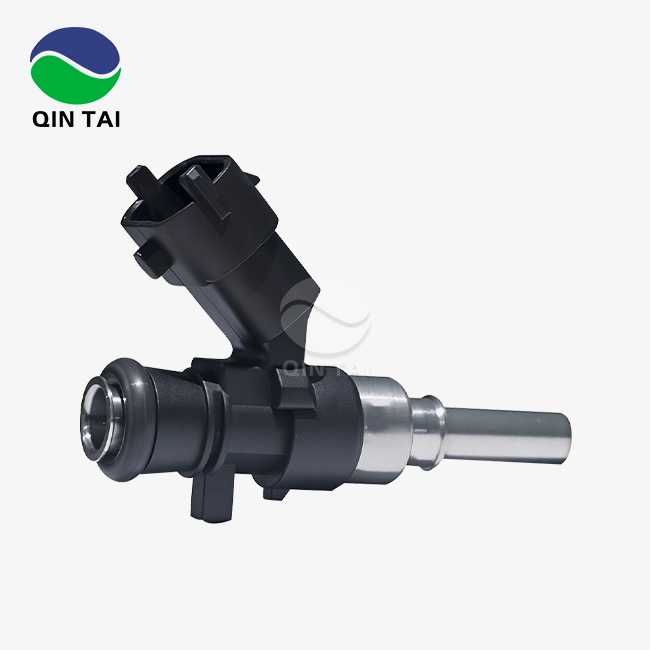
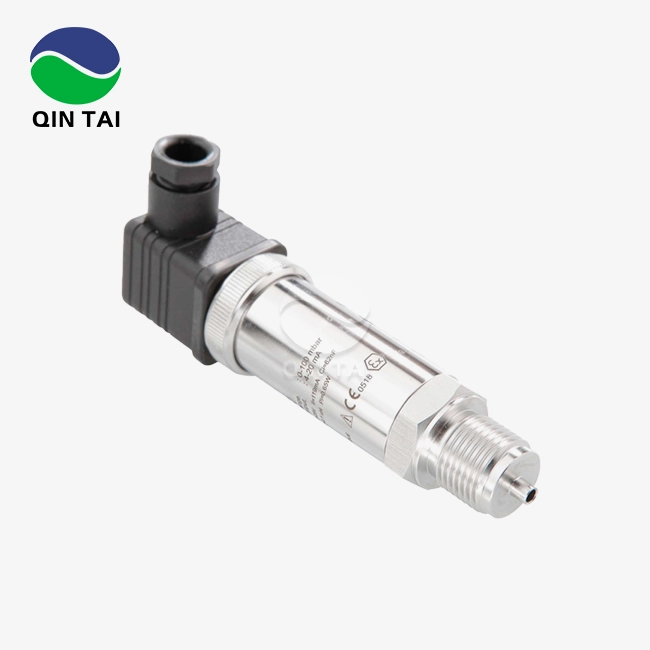
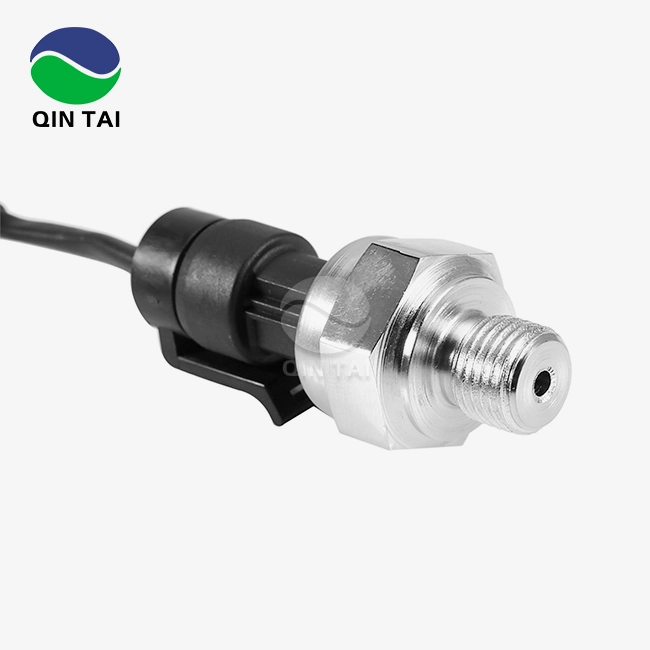

Our customers’ satisfaction speaks for our quality — contact us to experience the same reliable service.