- English
- French
- German
- Portuguese
- Spanish
- Russian
- Japanese
- Korean
- Arabic
- Greek
- German
- Turkish
- Italian
- Danish
- Romanian
- Indonesian
- Czech
- Afrikaans
- Swedish
- Polish
- Basque
- Catalan
- Esperanto
- Hindi
- Lao
- Albanian
- Amharic
- Armenian
- Azerbaijani
- Belarusian
- Bengali
- Bosnian
- Bulgarian
- Cebuano
- Chichewa
- Corsican
- Croatian
- Dutch
- Estonian
- Filipino
- Finnish
- Frisian
- Galician
- Georgian
- Gujarati
- Haitian
- Hausa
- Hawaiian
- Hebrew
- Hmong
- Hungarian
- Icelandic
- Igbo
- Javanese
- Kannada
- Kazakh
- Khmer
- Kurdish
- Kyrgyz
- Latin
- Latvian
- Lithuanian
- Luxembou..
- Macedonian
- Malagasy
- Malay
- Malayalam
- Maltese
- Maori
- Marathi
- Mongolian
- Burmese
- Nepali
- Norwegian
- Pashto
- Persian
- Punjabi
- Serbian
- Sesotho
- Sinhala
- Slovak
- Slovenian
- Somali
- Samoan
- Scots Gaelic
- Shona
- Sindhi
- Sundanese
- Swahili
- Tajik
- Tamil
- Telugu
- Thai
- Ukrainian
- Urdu
- Uzbek
- Vietnamese
- Welsh
- Xhosa
- Yiddish
- Yoruba
- Zulu
How Urea Pressure Sensors Help Reduce Diesel Emissions
Emission control methods are more important than ever for modern diesel engines because of how badly they affect the environment. Selective Catalytic Reduction systems depend on the Urea dosing pressure sensor, a precise part that checks the hydraulic pressure in the Diesel Exhaust Fluid supply network. This sensor constantly checks the pressure of the urea solution and turns the readings into electrical messages that tell the Engine Control Unit how much to inject. By keeping the pressure stable between -14 psi and 130.5 psi, these sensors make sure that the right amount of AdBlue is put into the exhaust stream. AdBlue changes harmful nitrogen oxides into harmless nitrogen and water vapor, which helps diesel engines meet strict EPA and Euro VI emission standards.
Understanding Urea Dosing Pressure Sensors and Their Role in Emission Reduction
How Pressure Sensors Enable Precise NOx Control?
The main job of a Urea dosing pressure sensor in SCR design is to make sure that chemicals are dosed correctly. When diesel exhaust gases hit the catalytic converter, the system has to add exactly measured amounts of AdBlue to help the reduction process happen. The sensor checks for changes in pressure in real time, finding changes that are caused by things like changes in temperature, poor pump performance, or line limits. This information keeps going to the dose control module, which changes how the pump works to keep goal pressure levels. Without reliable pressure input, the system can't account for things like fluid viscosity or atmospheric temperature. This means that either not enough NOx is converted or too much AdBlue is used, which is wasteful.
Technical Communication Between Sensor and Control Systems
The analog output design of Qintai's QS-P226 model shows this transmission concept. The sensor works with a 5V supply voltage and sends out a ratiometric signal that is proportional to the pressure recorded over its entire operating range, which is from 0.5 VDC to 4.5 VDC. This voltage output tells the ECU about the pressure right now, and it's changed all the time while the engine is running. The ratiometric design has a big benefit: the output voltage changes with changes in the source voltage. This means that false readings caused by changes in the electrical system that happen a lot in heavy-duty uses are avoided. This electrical design makes sure that procurement managers who are choosing parts to be used across the whole fleet can rely on them to work the same way in all kinds of situations.
Compliance Benefits for OEM Applications
Diesel engine makers that want to sell their products in the U.S. must meet strict government guidelines. Emission standards set by the Environmental Protection Agency for heavy-duty engines require NOx levels to drop by more than 90% compared to values before treatment. Urea dosing pressure sensors directly help with this compliance by stopping dose mistakes that would otherwise cause diagnostic trouble codes and slow down the engine by turning on limp mode. Our manufacturing methods are in line with IATF16949 quality standards for the car industry. This makes sure that each sensor meets the accuracy requirements for certification tests. When R&D engineers put these parts into new engine systems, they can use recorded performance data to make the emissions approval process go more quickly.
Troubleshooting, Installation, and Maintenance: Ensuring Sensor Reliability
Recognizing Symptoms of Sensor Degradation
Knowing what the failure signs are helps maintenance teams fix problems before they get worse and cause expensive system failures. If a Urea dosing pressure sensor stops working right, the SCR device can't control the right amount of AdBlue. The ECU gets either irregular pressure readings or no information at all, which makes the control module work in default mode with set injection amounts.
This problem shows up in a number of ways that can be seen, including warning lights on the panel that are lit up, stored fault codes like P204B that show problems with circuit range performance, more cloudy exhaust, and possibly power limits on the engine. As a safety measure, the car may go into "limp mode," which limits its ability to work until fixes are made and the sensors work properly again. If you don't fix sensor problems, emissions will rise, inspection tests will fail, and parts could be damaged by incorrect doses.
Installation Procedures for Commercial Applications
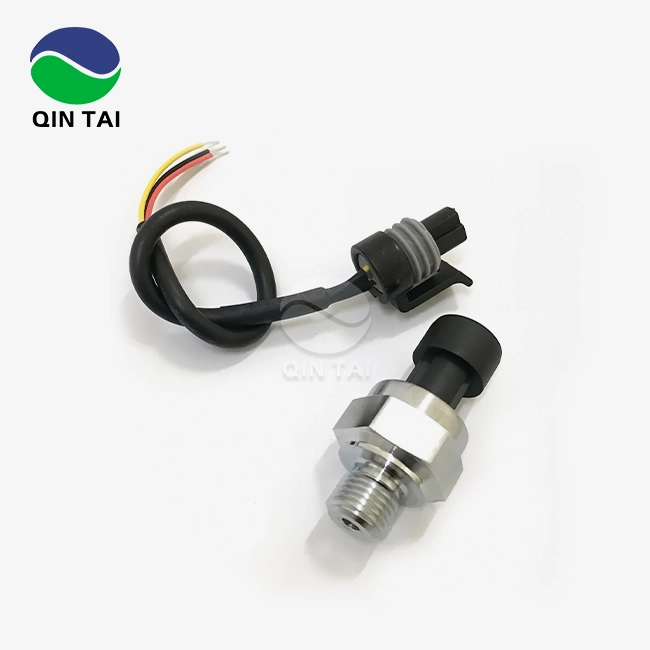
Installing sensors correctly has a direct effect on how reliable and accurate they are over time. The fixing spot is usually inside the dosing module assembly, where it can keep an eye on the pressure at the pump release point before the injection nozzle. Before starting the installation, make sure that the threads are compatible. The QS-P226 fits normal OEM pressure port measurements. Technicians must use thread glue that can handle being exposed to urea and stay away from petroleum-based chemicals that break down in AdBlue.
Care must be taken when making electrical connections because the sensor has a three-wire setup with separate wires for supply, ground, and data. Wiring should go away from parts of the exhaust system that get very hot and from electromagnetic interference sources, such as starting motors. Once the system has been set up mechanically and electrically, it needs to go through a purge loop to get rid of any air pockets that might affect the pressure numbers. Before putting the equipment back into service, it is calibrated against known pressure values to make sure that the sensor output is correct.
Preventative Maintenance Strategies
To make sensors last longer, they need to be maintained proactively instead of being fixed when they break. Electrical connections, especially the pins on the ends that send signal power, should be checked for corrosion on a regular basis. Our sensor design uses gold-plated terminals, which prevent oxidation better than regular brass contacts. However, checking is still important. The body of the sensor needs to be checked for damage or signs of urea crystals around the pressure port. The quality of the AdBlue directly affects how long the sensor lasts, since dirty fluid that introduces particles can damage the detecting element. Not only does regular fluid analysis and filter replacement protect the sensor, but it also protects the whole dose system. Temperature cycling is another factor that affects how long something lasts. When possible, storing equipment in climate-controlled areas lowers the temperature stress on sensing materials.
Comparing Urea Dosing Pressure Sensors: Making Informed Procurement Decisions
Pressure Sensors Versus Flow Sensors in SCR Systems
Being aware of the difference between measuring pressure and measuring flow helps buying teams choose the right Urea dosing pressure sensors for each job. Urea dosing pressure sensors check the hydraulic force in the dosing system and give information about how well the pump is working and how well the lines are connected. On the other hand, flow monitors measure how fast AdBlue moves through the injection circuit in terms of volume. Both methods are useful in different ways.
Pressure data shows if the pump is making enough force to overcome backpressure, and flow data shows that fluid is actually being delivered. Some more complicated SCR setups use both types of sensors to make sure everything is working properly twice. Whether you choose pressure monitoring on its own or pressure-flow tracking together relies on how complex your system needs to be and how much money you have to spend. Urea dosing pressure sensors are usually easier to install and less expensive, which is why they are the first choice for cost-effective uses where the ECU figures out flow from the difference in pressure and the width of the injector pulse.
Analog Output Advantages for Industrial Applications
The argument over signal design between analog and digital outputs has real-world effects on how systems are put together. Analog sensors, like the QS-P226, send out voltage readings that change all the time based on the pressure they are measuring. This output type works well with older ECU platforms and makes debugging easy—technicians can use regular multimeters to check the signal voltage while fixing.
Digital sensors that use the SENT protocol or CAN bus for transmission offer better data resolution and built-in diagnostic tools, but they need ECU software that works with them and wire harnesses that are more complicated. Heavy equipment makers like how simple analog is for replacements that happen later, when field workers might not have access to specialized diagnostic tools. The ratiometric 0.5-4.5V output range makes it easy to tell the difference between a sensor failure (out-of-range voltage) and a true low-pressure reading.
Market Positioning and Supplier Selection
When evaluating sensor suppliers, you need to look at more than just the original buy price. Well-known European brands like Bosch and Continental can charge higher prices because their products have been through a lot of proof testing with major OEMs. Their monitors use tried-and-true technology and come with a lot of technical information, which makes them appealing to Tier 1 producers looking for low-risk parts. Many Asian companies, like Qintai, offer great deals by keeping their prices low without lowering the quality of their products. We are the main OEM provider to Weichai, Yuchai, and Quanchai, which shows that we can meet strict quality standards even when making more than two million units a year.
Supply chain managers who need to balance keeping costs low and making sure products work reliably find that working directly with makers instead of distributors gets them better prices and more customization options for OEM applications that need specific mounting configurations or electrical connections. When procurement workers figure out the total cost of ownership, they should look at things like warranty coverage, how quickly technical help responds, and how easy it is to get new parts. Our 12-month guarantee guards against early failures, and our global distribution network makes sure that replacement parts are always available for important repairs.
Technical Specifications and Integration Considerations for OEMs and Engineers
Critical Performance Parameters for System Design
When engineers are making emission control systems, they need full blueprint data to make sure that all the Urea dosing pressure sensors will work together. The QS-P226 can measure pressures from -14 psi to 130.5 psi, which can handle the pressure changes that happen in SCR dose circuits. When suction conditions happen, the negative pressure feature comes in very handy during pump starting processes and system purging. The accuracy standard of ±0.5% across the whole range allows for accurate dosing calculations.
At 58 psi, the measurement error stays within 0.29 psi, which is well within the tolerance needed for emission compliance. The temperature range of 60°F to 80°F is good for climate-controlled areas, but industrial versions that can handle higher temperatures can be used in tougher settings. For electrical system integration, supply voltage tolerance is important. The 5V requirement fits standard car logic levels, so it's possible to connect directly to ECU sensor supply circuits without regulating the voltage first.
Sensor Core Technology and Manufacturing Quality
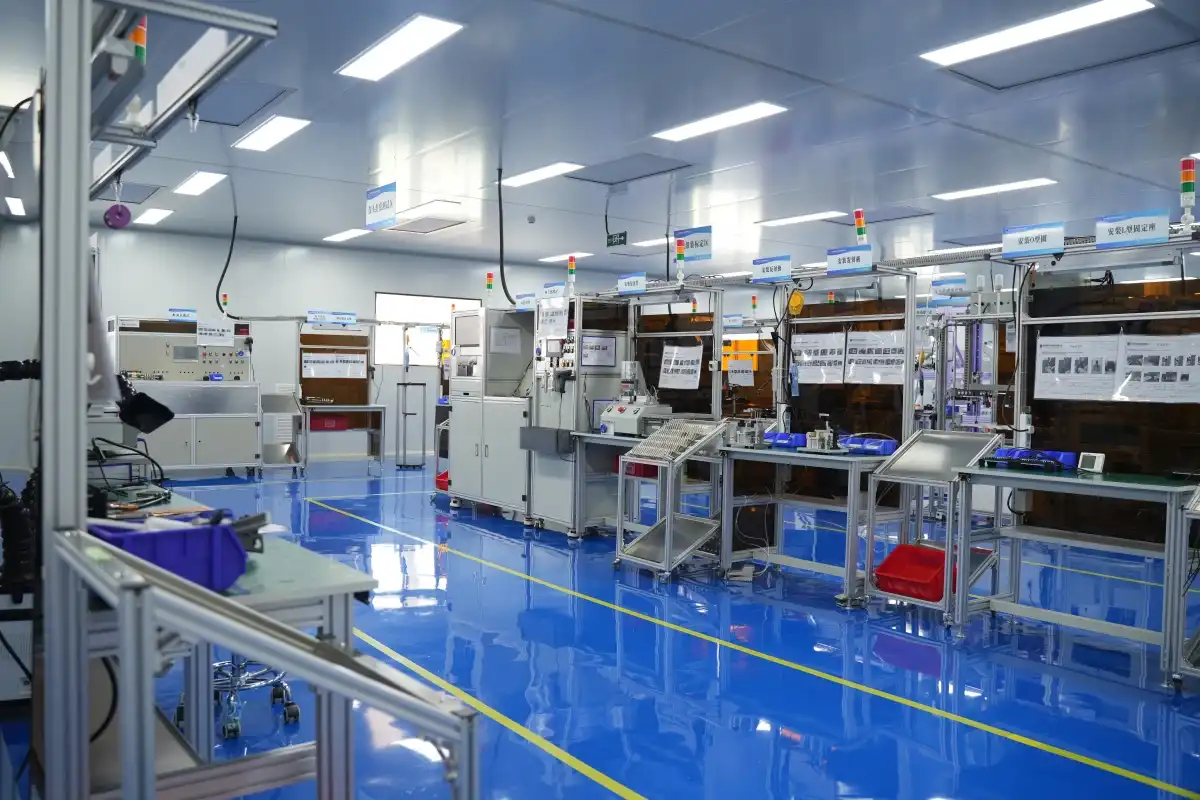
The creation of the sensor core is the first step toward excellent manufacturing. Qintai's self-developed sensor element gets rid of the need to rely on outside providers. This protects the supply chain and gives the company exclusive control over key performance characteristics. The sensing element uses a pressure sensor with a diaphragm that bends in response to hydraulic power. In a Wheatstone bridge circuit, this mechanical movement causes changes in the electrical resistance, which are then increased and conditioned to make the 0.5-4.5V output signal.
Strong sealing keeps the electrical parts safe from water and chemicals, which is very important because AdBlue is corrosive when it comes in touch with materials that don't work with it. Our 86-person research and development (R&D) team is always improving sensor materials and building methods. They have 58 idea patents in the area of emission control technologies. This ability to come up with new ideas lets us quickly adapt to changing legal requirements and application problems that are unique to each customer.
Environmental Protection and Durability Features
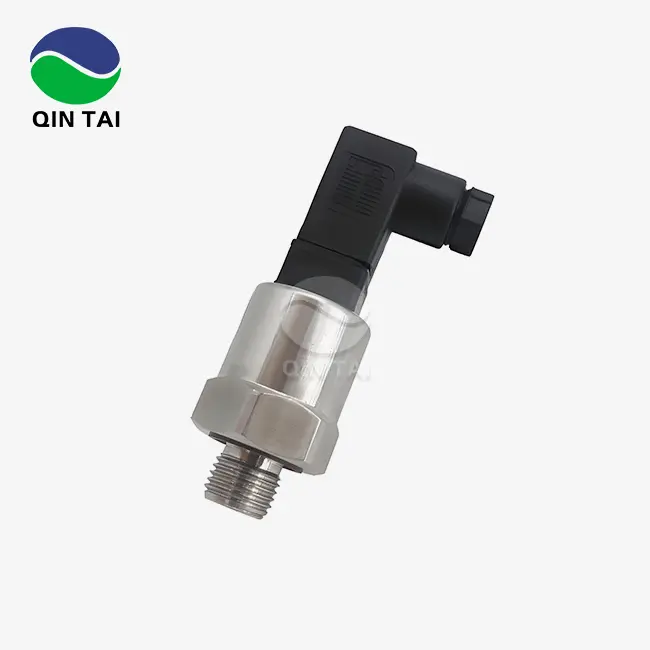
Automotive settings are very harsh, so sensors need to be very durable to last long enough between service times. The QS-P226 has more than one way to protect itself. For example, the housing is made of corrosion-resistant materials that don't break down when exposed to urea for a long time. The cover on the electrical socket is very strong, so it stays protected against moisture and particles (IP67). Vibration resistance is also very important, because when heavy equipment is used, it puts sensors under constant mechanical stress that can weaken solder joints or break circuit boards.
When we build our sensors, we use strain relief features and potting compounds that protect electrical systems from vibration and shock. These measures for durability have a direct effect on warranty claims and customer satisfaction. This is especially true for generator set manufacturers who need their products to work reliably for a long time in harsh conditions, like mines or remote power plants, where broken parts can cause major problems with operations.
Procurement and Supplier Guidance for Bulk and OEM Buyers
Establishing Reliable Supply Partnerships
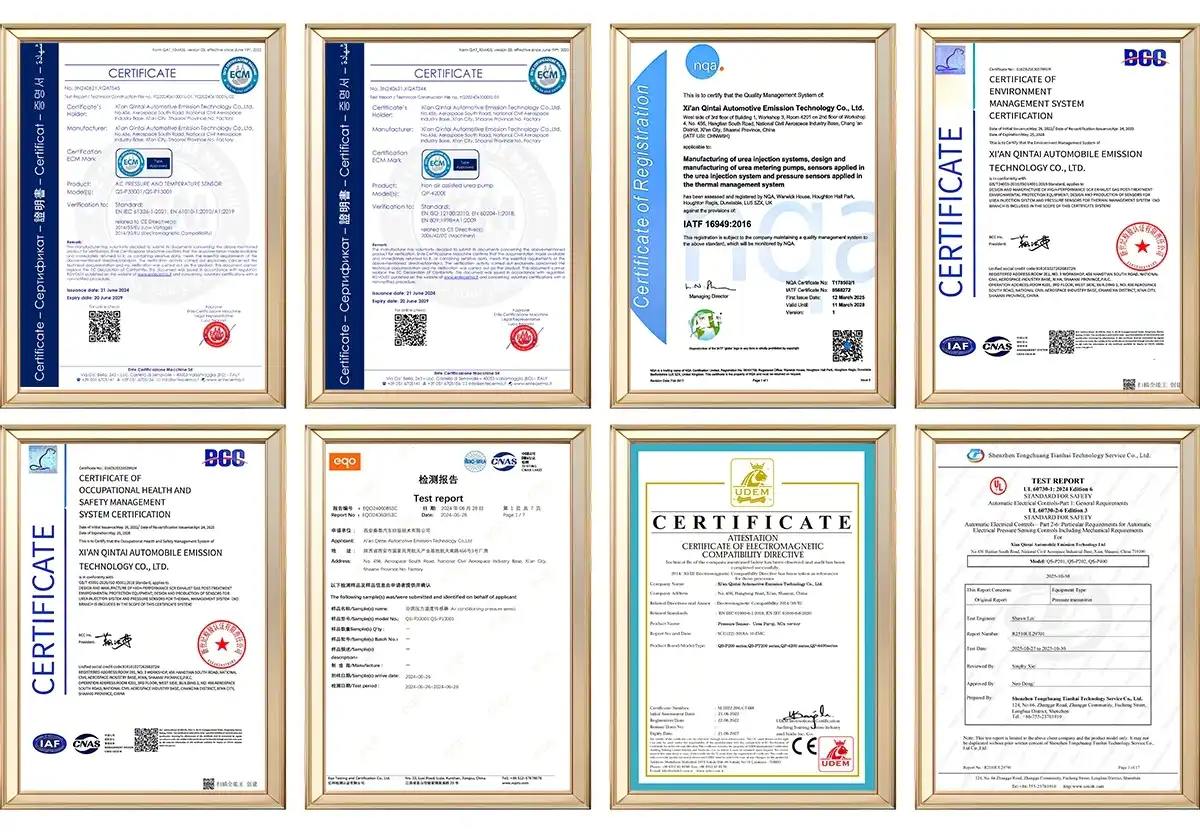
Building long-term ties with suppliers is an important part of successful procurement plans that go beyond just buying parts. Qintai is a national high-tech company that was founded in 2001. It has more than 20 years of experience in emission control technology and is looking to work with OEMs and system developers to build relationships. The fact that we have ISO9001, IATF16949, CMC, Ex, UL, CE, REACH, and RoHS certifications shows that we are committed to international quality standards that make it easier for our products to be sold in markets around the world.
These certificates make it easier for buying managers to add new suppliers to lists of approved vendors, which speeds up the approval process for parts. It's also important to have good technical support. For example, our engineering team helps with applications, makes custom sensors, and gives integration advice that speeds up the time it takes to market for new equipment platforms. This collaborative approach works well for aftertreatment system integrators who want sensor providers who understand the problems of SCR system design in a deeper way than just supplying parts.
Volume Pricing and Customization Options
Cost control is still very important for buying managers who are in charge of getting parts for all production amounts. Our ability to make more than two million Urea dosing pressure sensors every year lets us offer low prices for large orders while still keeping parts in stock for smaller repair needs. When you commit to buying a lot of something, you can get better prices without lowering the quality. Our automated production methods make sure that the specs are always met, whether we're making hundreds or thousands of units.
Customization options add more value: we can change electrical connections, mounting threads, pressure ranges, and output signal properties to fit the needs of a particular application. This adaptability is very helpful for OEMs that want to make their parts stand out or legacy equipment manufacturers that need drop-in replacements for old sensors. The customization process starts with technical advice to figure out what needs to be done. This is followed by validating the prototype and making the production tools. This is an organized process that has been improved over decades of working with OEMs.
Global Supply Chain and Logistics Support
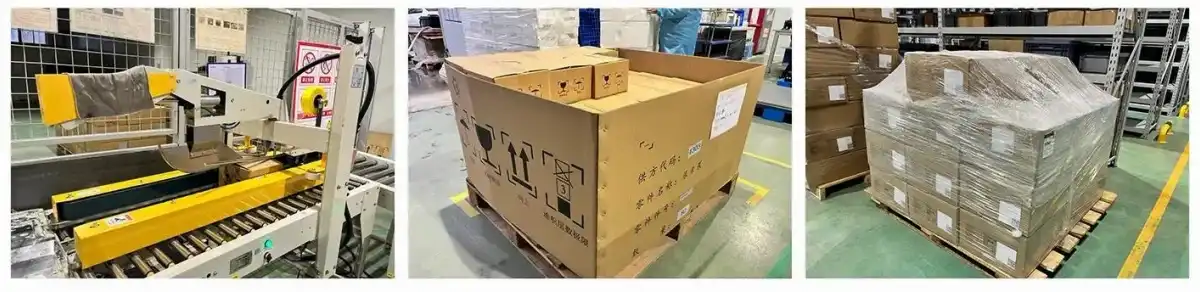
When you buy something from another country, the logistics become more complicated, which affects the total cost of the part and how reliable the delivery is. We have built transportation networks in Europe, the Middle East, and South America, and we ship to more than 60 countries around the world. This regional footprint helps keep wait times constant and makes the customs clearance process easier. Purchasing managers can arrange where to put goods in different regions to cut down on shipping delays and tariff risks.
Our export compliance processes cover the paperwork needed for sending goods across international borders, such as material statements, certificates of origin, and attestations of regulatory compliance. When you combine large-scale production, global transportation infrastructure, and technical support, you get a full supplier solution instead of just individual deals. This is an important difference that will become even more important as supply chain stability becomes a competitive differentiator.
Conclusion
Urea dosing pressure sensors are very important for controlling diesel emissions today because they turn mechanical pressure readings into useful information that helps with exact AdBlue dosing. The technology blends basic sensing ideas with strong building materials made for tough automotive settings. To be good at procurement, you need to know how to read technical specs, spot differences in quality, and choose sources who can meet your long-term production needs. We are a key partner for OEMs, system developers, and aftermarket providers who want to meet emission standards through reliable component technology. This is because we are good at making, have the right certifications, and are committed to constant innovation. The rules will only get stricter, so choosing the right sensors now is very important for meeting the environmental standards of tomorrow.
FAQ
How often should urea pressure sensors be calibrated?
How often should Urea dosing pressure sensors be calibrated? Calibration times rely on how the machine is used and what the maker suggests. When used within certain limits, most sensors stay calibrated from the source for the whole time they are in use. Verification testing done during yearly checks of emissions proves that the information is still correct. When systems show problems with dosing or saved trouble codes, they need to be checked for calibration right away against known pressure references.
Can a faulty sensor cause permanent engine damage?
Direct damage to the engine is rarely done by the monitor itself. If a monitor fails, the wrong amount of AdBlue can be added, which can cause too much NOx to be released, which is against the rules, and may cause SCR parts to break down over time. Modern ECUs have safety features that lower engine power when pollution control problems happen. This keeps the catalytic converter from getting damaged by chemicals or overheating.
What distinguishes pressure sensors from flow sensors functionally?
Urea dosing pressure sensors check the hydraulic force in the dosing system to see how well the pump is working and that the circuit is complete. Flow sensors measure how fast the fluid is actually moving through the entry line. Pressure tracking uses pressure differential analysis to indirectly figure out flow, while flow monitors directly confirm delivery amount. Whether one or both types of sensors improve performance depends on how complex the system is.
Partner with a Leading Urea Dosing Pressure Sensor Manufacturer
To meet emission standards, you need accurate Urea dosing pressure sensors backed by excellent manufacturing and technical know-how. With over 20 years of experience specializing in emission control and its own sensor core development, Qintai is China's top original equipment maker (OEM) provider to major diesel engine manufacturers. Our QS-P226 model gives procurement managers the accuracy, sturdiness, and easy connection they need to meet compliance standards without spending a lot of money. Our team is ready to come up with solutions that are perfect for your needs, whether you need a large quantity of sensors, custom sensor specs, or technical application help. Get in touch with our technical sales team at info@qt-sensor.com to talk about your Urea dosing pressure sensor needs and find out how our production skills can help you reach your emission control goals.
References
1. Diesel Emission Control Technology Association, "Selective Catalytic Reduction System Components and Performance Requirements," Industrial Emission Standards Quarterly, 2023.
2. Society of Automotive Engineers, "Pressure Sensor Technologies for SCR Applications: Performance Comparison and Integration Guidelines," SAE Technical Paper Series, 2022.
3. Environmental Protection Agency, "Heavy-Duty Engine Emission Regulations and Compliance Testing Procedures," Federal Register Documentation, 2024.
4. International Journal of Automotive Engineering, "AdBlue Dosing System Optimization Through Advanced Sensor Integration," Volume 18, Issue 4, 2023.
5. Commercial Vehicle Emission Control Symposium, "Supply Chain Strategies for Emission Control Component Procurement," Conference Proceedings, 2023.
6. Automotive Manufacturing Quality Standards Institute, "IATF 16949 Compliance in Sensor Manufacturing: Best Practices and Audit Criteria," Industry Guidance Document, 2024.

Our customers’ satisfaction speaks for our quality — contact us to experience the same reliable service.