- English
- French
- German
- Portuguese
- Spanish
- Russian
- Japanese
- Korean
- Arabic
- Greek
- German
- Turkish
- Italian
- Danish
- Romanian
- Indonesian
- Czech
- Afrikaans
- Swedish
- Polish
- Basque
- Catalan
- Esperanto
- Hindi
- Lao
- Albanian
- Amharic
- Armenian
- Azerbaijani
- Belarusian
- Bengali
- Bosnian
- Bulgarian
- Cebuano
- Chichewa
- Corsican
- Croatian
- Dutch
- Estonian
- Filipino
- Finnish
- Frisian
- Galician
- Georgian
- Gujarati
- Haitian
- Hausa
- Hawaiian
- Hebrew
- Hmong
- Hungarian
- Icelandic
- Igbo
- Javanese
- Kannada
- Kazakh
- Khmer
- Kurdish
- Kyrgyz
- Latin
- Latvian
- Lithuanian
- Luxembou..
- Macedonian
- Malagasy
- Malay
- Malayalam
- Maltese
- Maori
- Marathi
- Mongolian
- Burmese
- Nepali
- Norwegian
- Pashto
- Persian
- Punjabi
- Serbian
- Sesotho
- Sinhala
- Slovak
- Slovenian
- Somali
- Samoan
- Scots Gaelic
- Shona
- Sindhi
- Sundanese
- Swahili
- Tajik
- Tamil
- Telugu
- Thai
- Ukrainian
- Urdu
- Uzbek
- Vietnamese
- Welsh
- Xhosa
- Yiddish
- Yoruba
- Zulu
Best Pressure Sensors for Harsh Industrial Environments
When operating heavy machinery or diesel engines in demanding conditions, choosing reliable measurement devices becomes essential. The best pressure sensors for harsh industrial environments combine robust construction with precise performance, ensuring accurate readings despite exposure to extreme temperatures, vibration, corrosive chemicals, and mechanical stress. These devices must maintain consistent accuracy whether installed in diesel engine exhaust systems, hydraulic equipment, or agricultural machinery operating in dusty fields. Advanced capacitive and strain gauge technologies have proven particularly effective, delivering dependable data that supports emission compliance, system optimization, and operational safety across industrial applications.
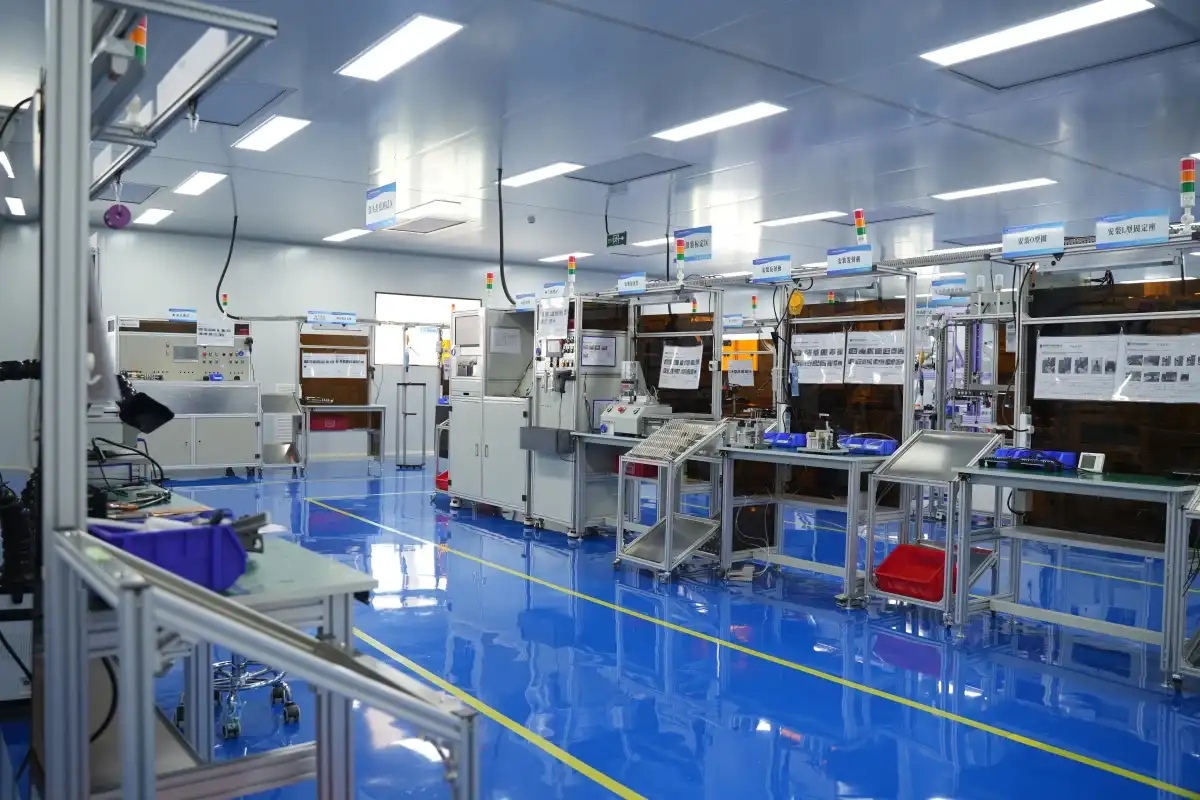
Understanding Pressure Sensors for Harsh Industrial Environments
When working with heavy gear or diesel engines in tough conditions, it's important to choose measuring tools that you can trust. The best pressure sensors for tough industrial settings are built to last and work precisely, so they can keep giving accurate readings even when they're exposed to high temperatures, vibrations, chemicals that break down metal, and mechanical stress. These devices have to stay accurate no matter where they are used—in diesel engine exhaust systems, hydraulic equipment, or farming equipment that works in dirty areas. Advanced capacitive and strain gauge technologies have worked especially well, providing accurate data that helps with system optimization, emission compliance, and operating safety in a wide range of industrial settings.
What Defines a Harsh Industrial Environment?
There are special problems that can happen in industrial settings that can make sensors less effective. Extreme temperatures of -40°C on building sites outside and over 200°C near diesel engine exhaust systems test the strength of materials. Harsh conditions are made by heavy machinery vibrations, dust getting in during mine, water getting in during farming, and touch with hydraulic fluids or chemicals that eat away at metal. These things mean that sensors have to be specially made to handle these kinds of pressures and keep their measurement accuracy over long periods of time.
Core Working Principles of Industrial Pressure Sensing
Different sensing systems deal with problems in difficult environments in different ways. Capacitive pressure sensors have a ceramic cushion that bends when force is applied. This changes the capacitance by changing the distance between the electrodes. This capacitance that can change directly turns into electrical signs that represent pressure levels. Because the ceramic material is very resistant to chemicals and doesn't change much in temperature, capacitive designs work well in SCR aftertreatment systems and DPF uses where exhaust gases are toxic.
Changes in the resistance of metal foil connected to a diaphragm are used by strain gauge devices to measure pressure. When pressure changes the shape of the diaphragm, it puts mechanical stress on the strain gauge, which changes its electrical resistance in the same way. This tried-and-true technology is very accurate and can be set up to work with a wide range of pressures. When put under mechanical stress, piezoelectric sensors create electrical charges. This makes them great for measuring dynamic pressure in places where there is a lot of shaking. MEMS-based devices combine tiny mechanical parts with electronic circuits. They offer small packaging and shock protection, which is good for installing mobile equipment.
Critical Performance Metrics for Procurement Decisions
If devices meet the standards of emission regulations, it depends on how accurate they are when exposed to environmental stress. Response time impacts the performance of real-time engine control systems, especially when conditions change quickly. When a material is compatible with diesel exhaust condensates, hydraulic fluids, and industrial chemicals, it doesn't break down too soon. Long-term stability makes sure that readings stay the same over service times of several years without having to be re-calibrated often. Precision is kept throughout the whole working range by temperature compensation circuits. Knowing these factors helps buying managers and research and development engineers decide if certain models meet their technical goals and meet regulatory requirements.

Top Types of Pressure Sensors for Harsh Industrial Applications
Strain Gauge Sensors: Balancing Durability and Precision
Because it works reliably and doesn't cost a lot, strain gauge technology is widely used in big trucks and building equipment. The housings of these devices are usually made of stainless steel, which protects the internal parts from damage and contamination from the surroundings. When the right correction is used, the measurement method stays the same even when the temperature changes. Modern strain gauge pressure sensors are accurate to within 0.5% of full scale, which is fine enough for diesel engine control systems that need it. They can be used for a variety of tasks, such as tracking the fuel rail, controlling the turbocharger, and managing the hydraulic system, because they can measure both steady and slowly changing dynamic pressures.
Capacitive Sensors: Stability and Energy Efficiency
Capacitive ceramic pressure sensors work very well in aftertreatment settings where temperature changes and acid exhaust gases make other technologies less useful. Chemicals like urea, sulfur compounds, and particulate matter that are found in diesel exhaust streams can't damage the ceramic diaphragm. These monitors don't use much power, which is good for systems that run on batteries or have strict energy budgets. The concept of measuring capacitance doesn't change much over time, so the regularity of calibration isn't needed as often. This long-term stability means that business car fleets and generator sets will need less repair and be up and running more often.
Piezoelectric Sensors: Vibration Resilience
The fast reaction time of piezoelectric sensors makes them useful for applications that need to deal with high-frequency pressure changes. Monitoring engine burning, measuring hydraulic shock, and analyzing air systems all need to be able to record fast changes in pressure. The solid-state design, which doesn't have any moving parts, makes it last longer in places with a lot of shaking. However, piezoelectric devices can only record changes in dynamic pressure and not static pressure, which makes them less useful for some industrial tracking tasks. Because they can do certain things only they can, they are useful for R&D testing and monitoring tools.
MEMS Sensors: Small Size and Resistance to Shock
With microelectromechanical systems technology, sensors can be made with very small footprints that are perfect for setups with limited room. The monolithic design puts sensing elements and signal processing on a single silicon chip. This makes it more reliable by getting rid of mechanical links that can break. MEMS devices work well in mobile devices that are handled roughly because they can handle mechanical shock and vibration well. Their digital outputs make it easier to connect them to current electronic control units. Even though the cost per unit may be higher than with standard technologies, the small size and ease of integration often make the investment worth it for OEM uses that need smart, compact sensor solutions.
Specialized Variants for Extreme Conditions
Explosion-proof monitors that are certified by ATEX and IECEx can be used in dangerous places where there may be flammable gases or dust, like backup power generator setups and mine ventilation systems. High-temperature types with special sealing and electronics packages work reliably close to turbochargers and exhaust manifolds. Types that are submersible and have an ingress protection grade of IP68 or higher can handle being submerged for a short time, which is important for farming equipment and outdoor building machinery. Wireless sensor choices get rid of wiring problems in mobile apps, but battery life and electromagnetic interference need to be carefully thought out during design.
How to Choose the Best Pressure Sensor for Your Industrial Needs?
Identifying Operational Requirements
The first step in technical picking is figuring out what range of pressures are needed for the job. Diesel fuel systems usually work between 0 and 2000 bar, but only 0 to 3 bar absolute pressure is needed for inlet manifold tracking. When you over-specify range, accuracy and sharpness go down, and when you under-specify range, pressure sensor damage could happen. Extreme temperatures in the environment decide what materials and compensations are needed. For hydraulic fluid compatibility, certain seal materials and diaphragm finishes must be used. Knowing these factors can help you avoid making expensive mistakes in the specifications that cause things to fail early or not work well.
Essential Selection Criteria for B2B Buyers
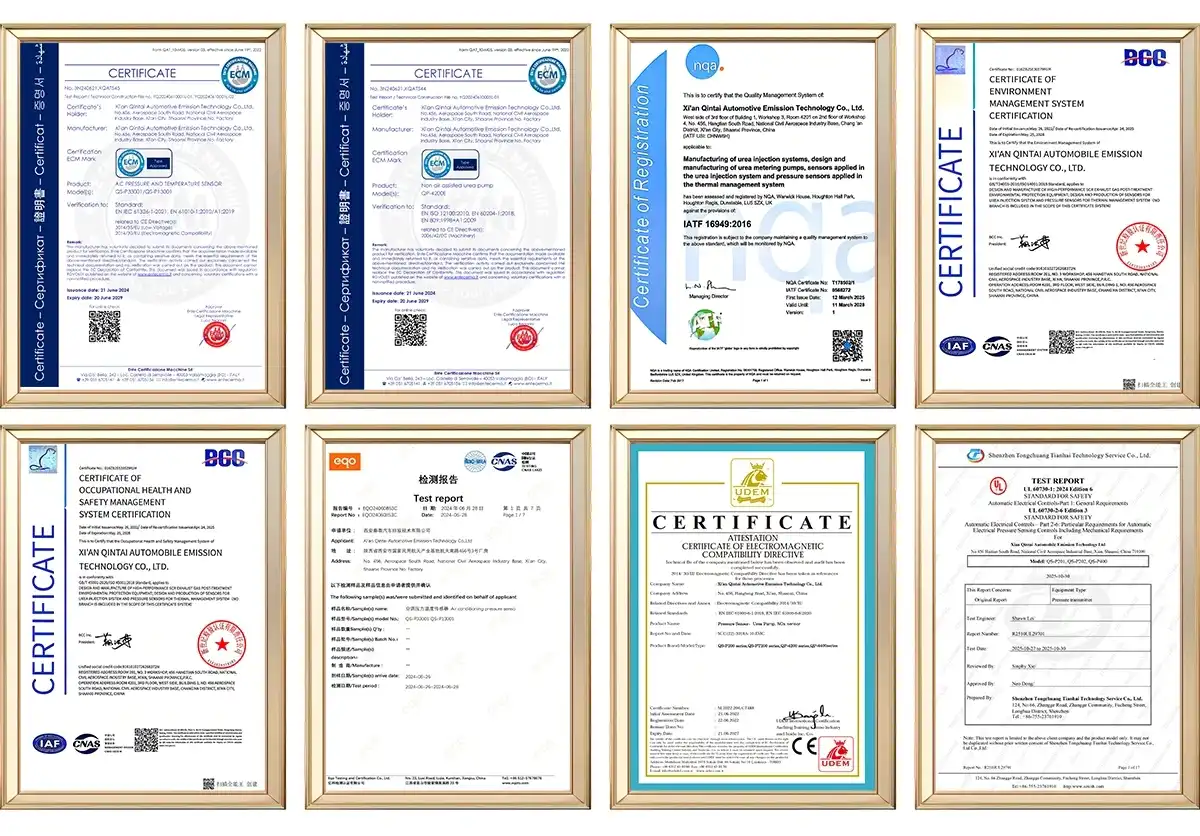
Precision and consistency have a direct effect on how well a system works and how well it meets emission standards. Euro VI and China VI rules set strict limits on NOx emissions, which means that urea release pressure in SCR systems needs to be measured very accurately. The total cost of ownership is affected by how long a sensor lasts. For example, gadgets with a 10-year service life are worth the extra money because they cost less to repair over time. Maintenance needs affect running costs, so features like self-diagnosis and online tracking are useful for fleet owners. Certifications like ISO 9001, IATF 16949, and approvals specific to the business give customers peace of mind about the quality of the products and that they follow all the rules.
Evaluating Suppliers and Brand Comparisons
Different top makers are good at different things when it comes to industrial pressure sensing. Some are great at making a lot of parts for cars using strict approval methods, while others are great at making custom solutions for specific uses. When procurement managers compare options, they should look at more than just the technical specs. They should also look at the supplier's engineering support, customization options, and production ability to meet volume needs. When managing aftermarket supplies or keeping up with mass production plans, lead time dependability is very important. Chinese makers are getting better at competing and offering better prices for big purchases. This is especially helpful for aftertreatment system integrators who want to save money without sacrificing quality.
Cost-Performance Balance and Procurement Strategies
OEMs that do a lot of production look for providers that can offer regular quality at known costs and offer yearly contract prices and bulk savings. Aftermarket sellers weigh the original cost against the number of failures and warranty claims, knowing that higher-quality sensors may lower overall support costs. Usually, the buying department negotiates prices and terms after the technical department figures out which technologies meet performance standards. Management approval often depends on how stable and reliable a seller is, which is why references and relationships that have been around for a while are useful. Procurement strategies that work well match scientific needs with business facts, ensuring a steady supply at prices that can be sustained.
Installation, Calibration, and Maintenance Tips for Harsh Environment Pressure Sensors
Best Practices for Installation
The right place to put pressure sensors keeps them from getting damaged and makes sure that the pressure readings are accurate. Putting pressure transducers away from places with rough flow cuts down on noise and makes the output more stable. Orientation is important; placing with the electrical connections facing down keeps water from building up in the connecting holes. Using thread seals that are compatible with the measured media stops leaks without getting the sensor dirty. In high-vibration situations, separating vibrations with bendable fastening or damping materials makes the service life longer. Wire fatigue problems can be avoided by arranging cables in a way that avoids sharp turns and gives them a way to relieve stress.
Calibration Methodologies for Measurement Reliability
Initial calibration before installation sets the standard accuracy, and regular recalibration keeps the accuracy over time. Calibration in a lab using approved reference standards gives accurate results that can be tracked and used for proof of emission compliance. Using portable reference devices for on-site testing lets you check things out in real life without taking sensors out of service. HVAC pressure sensors and industrial receivers usually need to be calibrated once a year, but in harsh environments, they may need to be checked more often. Documentation standards say that calibration dates, reference equipment serial numbers, and change values must be written down. This makes audit trails that are needed for quality management systems and to make sure that regulations are followed.
Troubleshooting and Preventive Maintenance
Signal drift is often caused by dirt on the diaphragm, which means it needs to be inspected and cleaned. Odd readings could mean that wetness is getting in, which means that the joint needs to be inspected and the seal needs to be replaced. Complete signal loss is usually caused by damaged cables or corroded connectors. This shows how important it is to place things correctly and keep them safe from the environment. Visual inspections, cleaning of connectors, and checking for electrical connection are all part of preventive maintenance. By keeping an eye on the trends of output signals, you can spot slow failure before it happens completely. This lets you plan a replacement instead of making emergency fixes that stop operations.
Procurement Strategies for Pressure Sensors in Industrial Markets
Selecting Reliable Suppliers with Comprehensive Capabilities
Quality suppliers show their dedication by having the right certifications, like ISO 9001 for quality management, IATF 16949 for car uses, and approvals for special products, like ATEX for use in explosive environments. It's just as important to have the manufacturing capacity to support both prototype development and high-volume production. Pressure sensor suppliers must be able to go from small test batches to ongoing production volumes without missing delivery dates. Aside from the actual product itself, engineering support services like application help, custom design services, and technology troubleshooting add a lot of value. Companies with their own research and development departments are always making their goods better to meet new performance and environmental rules.
Pricing Structures and Bulk Purchasing Advantages
Prices for sensors vary a lot depending on the type of technology, the level of accuracy, and the approval level. Capacitive ceramic pressure sensors usually have modest prices, which is because they are well-made and will last for a long time. Through yearly agreements or multi-year contracts, volume promises make it possible to get better prices. It's especially important to negotiate lead times for businesses that depend on the seasons or on project-based buying, where delivery dates have a direct effect on income. Setting up outline deals with terms that have already been agreed upon makes individual purchase orders easier and ensures that supplies are distributed evenly during times of high demand or shortages of parts.
Evaluating After-Sales Support and Partnership Value
Including detailed guarantee terms that specifically cover working in tough environments is an important way to lower the risk. Respondent technical support helps fix startup problems and make the system run better. Equipment downtime is kept to a minimum by having clear replacement plans and advance exchange choices. The best relationships with suppliers go beyond just buying things from them. They're more like strategic partnerships where suppliers really understand how the customer's apps work and suggest ways to make them better. This collaborative method helps both OEMs that are making the next generation of equipment and aftermarket dealers that serve a wide range of customers with different levels of technical knowledge.
Conclusion
When choosing the right pressure sensors for tough industrial uses, you have to balance technical performance, legal compliance, and business needs. For exhaust aftertreatment systems, capacitive ceramic sensors are very stable and resistant to chemicals. On the other hand, strain gauge devices offer accurate tracking for hydraulic and fuel systems at a low cost. Along with product requirements, successful procurement strategies put an emphasis on the skills of the seller, such as certifications, the ability to customize, and tech support. The best way to get the most out of your purchase is to put it correctly by following the manufacturer's instructions, calibrate it regularly to keep measurements accurate, and do preventative maintenance to find problems early. As rules on emissions get stricter and equipment gets more complex, working with experienced sensor makers becomes more important for getting great results in tough industrial settings.
FAQ
What distinguishes pressure sensors from pressure transducers?
The terms are often used equally, but their formal meanings are a little different. Pressure sensors pick up pressure and turn it into an electrical signal. Pressure transducers, on the other hand, turn pressure into standard electrical outputs like 4-20mA current loops or voltage signals that can be sent to control systems. These days, a lot of gadgets do both sensing and signal filtering, so the difference isn't as important for buying things. Instead of using names, when you list standards, you should focus on the type of output signal, the accuracy class, and the environmental scores.
How often should pressure sensors be calibrated in extreme environments?
How often you need to calibrate relies on how important the application is, what the rules say, and how performance has been trending. To stay in line with regulations, emission-critical monitors in diesel aftertreatment systems usually need to be checked once a year. Harsh conditions can speed up drift, which could mean that correction needs to be done every six months. By calibrating based on real performance instead of set plans, condition-based calibration with redundant sensors or regular correlation checks makes the best use of upkeep resources. Documentation rules in quality management systems often say how often calibrations need to be done, so following them is important even if they aren't technically necessary.
Can wireless pressure sensors safely work in environments where explosives are present?
When wiring makes installation difficult, wireless sensors with electronics that are naturally safe and approved for hazardous areas can be used instead. ATEX and IECEx licenses are very detailed about how to work in an explosive atmosphere. But the dependability of wireless transfer in industrial settings with electromagnetic radiation needs to be carefully looked at. Because batteries have limited lives, they may need to be replaced on a frequent basis. For uses in constantly dangerous areas, a full risk assessment is helpful, and a mix of wireless communication outside of danger zones and wired sensors in key spots could be a good idea.
Partner with Qintai for Industrial-Grade Pressure Sensor Solutions
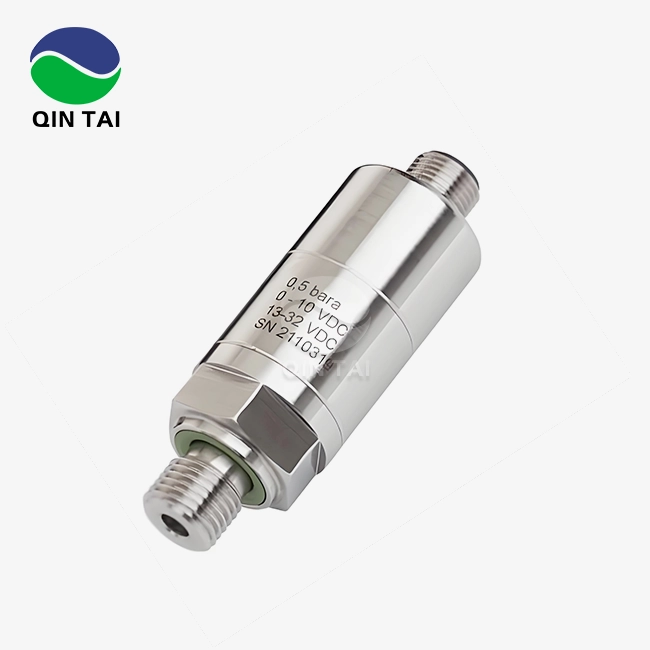
Since 2001, Xi'an Qintai Automotive Emission Technology has been a leader in manufacturing pressure sensors and aftertreatment systems for diesel engines. They supply Weichai Power, Yuchai Power, and Quanchai Power, three of China's largest diesel engine makers. Our capacitive ceramic pressure sensors are tested and quality controlled to make sure they meet strict China VI and Euro VI pollution standards. They have been certified by ISO 9001, IATF 16949, and other foreign organizations. We provide full OEM and ODM services with flexible customization options. Our technical knowledge comes from more than 20 years of specialized development and helps clients from the initial design stage through mass production.
Our independent research and development team has 58 idea patents, which means they are always coming up with new sensor technology that works well in harsh diesel engine settings. Get in touch with our engineering team at info@qt-sensor.com to talk about your unique application needs and find out how Qintai's proven reliability and cheap prices can help your product work better while lowering the cost of procurement.
References
1. Webster, J.G. (2019). The Measurement, Instrumentation and Sensors Handbook: Spatial, Mechanical, Thermal and Radiation Measurement. CRC Press.
2. Bera, S.C. & Mandal, H. (2022). Capacitive Sensors: Theory, Design and Applications in Industrial Process Control. IEEE Press.
3. Norton, H.N. (2018). Handbook of Transducers for Electronic Measuring Systems. Prentice Hall.
4. Wilson, J.S. (2021). Sensor Technology Handbook for Industrial Applications. Elsevier Advanced Technology.
5. Fraden, J. (2020). Handbook of Modern Sensors: Physics, Designs, and Applications, 5th Edition. Springer International Publishing.
6. Dally, J.W., Riley, W.F. & McConnell, K.G. (2023). Instrumentation for Engineering Measurements in Harsh Environments. John Wiley & Sons.



Our customers’ satisfaction speaks for our quality — contact us to experience the same reliable service.