- English
- French
- German
- Portuguese
- Spanish
- Russian
- Japanese
- Korean
- Arabic
- Greek
- German
- Turkish
- Italian
- Danish
- Romanian
- Indonesian
- Czech
- Afrikaans
- Swedish
- Polish
- Basque
- Catalan
- Esperanto
- Hindi
- Lao
- Albanian
- Amharic
- Armenian
- Azerbaijani
- Belarusian
- Bengali
- Bosnian
- Bulgarian
- Cebuano
- Chichewa
- Corsican
- Croatian
- Dutch
- Estonian
- Filipino
- Finnish
- Frisian
- Galician
- Georgian
- Gujarati
- Haitian
- Hausa
- Hawaiian
- Hebrew
- Hmong
- Hungarian
- Icelandic
- Igbo
- Javanese
- Kannada
- Kazakh
- Khmer
- Kurdish
- Kyrgyz
- Latin
- Latvian
- Lithuanian
- Luxembou..
- Macedonian
- Malagasy
- Malay
- Malayalam
- Maltese
- Maori
- Marathi
- Mongolian
- Burmese
- Nepali
- Norwegian
- Pashto
- Persian
- Punjabi
- Serbian
- Sesotho
- Sinhala
- Slovak
- Slovenian
- Somali
- Samoan
- Scots Gaelic
- Shona
- Sindhi
- Sundanese
- Swahili
- Tajik
- Tamil
- Telugu
- Thai
- Ukrainian
- Urdu
- Uzbek
- Vietnamese
- Welsh
- Xhosa
- Yiddish
- Yoruba
- Zulu
Why Choose Thin Film Pressure Sensors for Industrial Equipment?
When engineers and procurement managers ask about pressure sensing technology for heavy-duty applications, thin film pressure sensors consistently come up as a strong answer. These sensors convert applied pressure into electrical signals through ultra-thin metallic or polysilicon layers sputtered directly onto a stainless steel diaphragm. Because there is no adhesive, no silicone oil fill, and no rubber O-ring seal, they deliver accuracy levels as tight as ±0.5%, operate across temperatures from -40°C to 125°C, and withstand intense vibration — exactly what diesel engines, SCR aftertreatment systems, and generator sets demand.
Understanding Thin Film Pressure Sensors
How the Technology Works
Vacuum sputtering is used to add a resistance sensing layer to a material at the atomic level. This creates a thin film sensor. Based on how much pressure is on the diaphragm, the film's resistance changes in a certain way. You can measure this change because it is turned into a voltage by a Wheatstone bridge circuit. The film joined at the atomic level, so there is no creep from the glue layers. This is where older bonded-foil designs often failed.
Types Used Across Industries
There are three main types of pressure sensors found in industrial equipment. These are absolute pressure sensors, gage pressure sensors, and differential pressure sensors. Absolute pressure sensors measure pressure in a vacuum, gage pressure sensors measure pressure in the atmosphere, and differential pressure sensors measure the change in pressure between two process points. In a diesel engine or SCR/DPF system, each type works best for a different part. For example, keep an eye on the intake pipe or measure the difference pressure in the DPF.
Why Industry Prefers This Design
With sputtered thin film technology, you no longer need rubber seals or filling fluid. The pressure medium comes into direct contact with a stainless steel diaphragm that doesn't rust. This makes the frequency response better and gets rid of the chance of leaks. To meet the requirements of China VI and Euro VI, these monitors work well with real-time engine management and pollution control feedback loops. This is because they respond in less than 10 milliseconds.
Key Performance Factors of Thin Film Pressure Sensors
Accuracy and Repeatability
To achieve full-scale accuracy of ±0.1% to ±0.5% for thin film pressure sensor, you need a diaphragm with precise geometry, high-purity sputtered films, and laser trimming of resistors during production. Sharp temperature fluctuations should be avoided if the sensor is mounted near a turbocharger or on cold-start generator units. This ensures stable measurement readings. When procurement teams perform qualification testing, they should verify repeatability, namely consistent readings under identical operating conditions.
Durability Under Harsh Conditions
Sudden changes in pressure, chemical rust, and mechanical shock can all hurt sensors in the workplace. Thin film sensors can handle more than a million pressure cycles before they break. This is possible because the sensing core is joined to the stainless steel pressure port using laser or plasma welding. Because it costs a lot to change sensors on the job site, OEMs that make heavy trucks or building equipment need pieces that are stable.
Customization and Construction Materials
It is common for diaphragms to be between a few micrometers and tens of micrometers thick. Engineers can pick silicon, silicon nitride, or single-crystal silicon carbide for uses at high temperatures. It is possible to match an electrical interface with a customer's current loop (4–20 mA), analog voltage, or digital (CAN/I²C). This helps people who are building aftercare systems and need to get them up and running quickly.
Components built around the thin film pressure sensor feature long service life, low maintenance requirements, and stable data quality that satisfies emission regulation audit requirements. These performance characteristics address the core concerns of B2B buyers.

Comparing Thin Film Pressure Sensors to Other Technologies
Thin Film vs. Capacitive and MEMS Sensors
Capacitive sensors are very delicate, but they can be damaged by electromagnetic radiation and water getting in, which is a big problem in engine bays. Aside from being small and cheap for consumer electronics, MEMS devices can break when they are exposed to the vibrations that come from farming tools or mine generator sets. While thin film sensors need to be protected from drops of up to 1,000 g, they can work successfully in dirty or wet places without the need for one.
Thin Film vs. Piezoresistive and Strain Gauge Sensors
Most strain gage sensors that are attached have layers of glue that move around over time. This is called drift. This kind of silicon sensor is very sensitive, but it needs silicone oil to keep the silicon from getting damaged by rough materials. This makes them less useful at high temperatures and raises the chance that they will leak. These issues can't happen with the sprayed thin film method because there is no glue creep, fill fluid, or organic seals.
Total Cost of Ownership Comparison
Thin film sensors are cheaper over their whole lifetime because they need to be adjusted and fixed in the field less often. They are also cheaper per unit. It is better for repair shops and parts wholesalers that serve the aftermarket for commercial vehicles to have a lower failure rate. It also lowers the costs of warranty claims. When buying teams look at how much it will cost to own something for three to five years, thin film options often come out on top.
Procurement Considerations for B2B Industrial Clients
Sourcing from Verified Suppliers
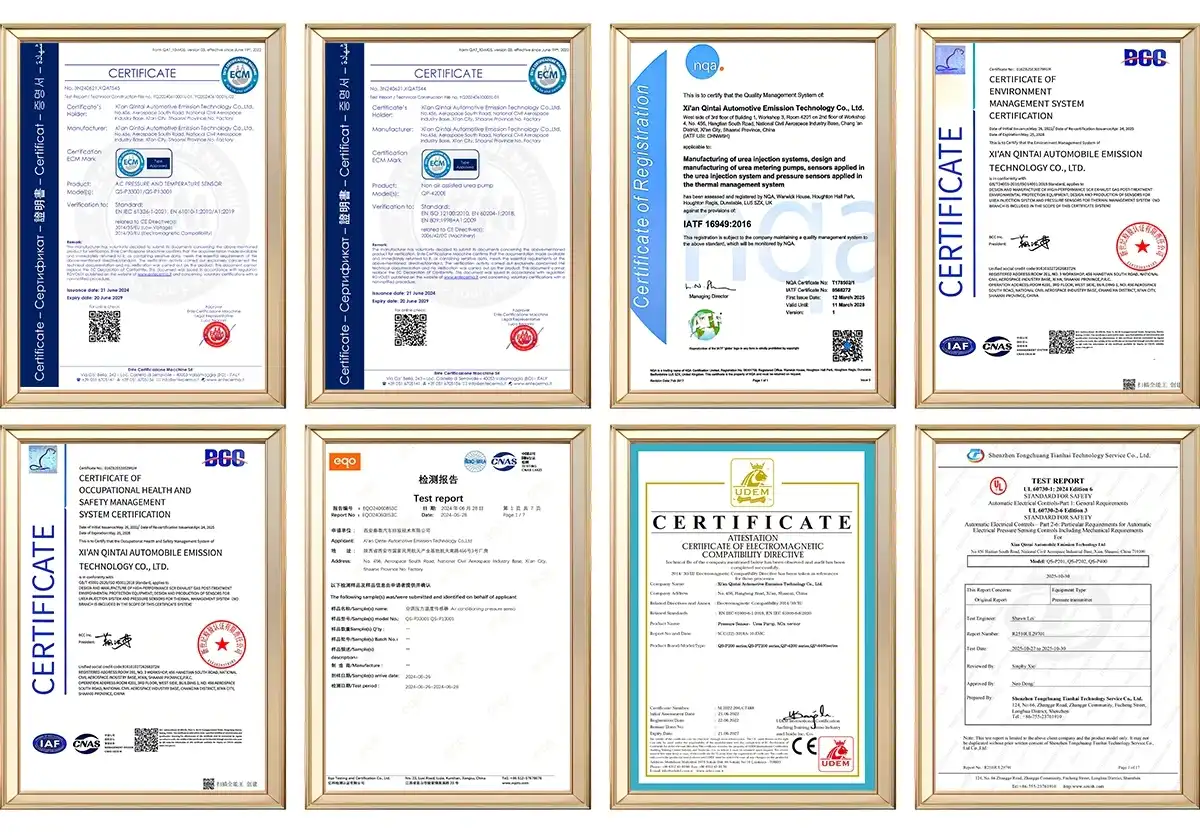
Managers who buy things should check that the company that sells thin film pressure sensors is certified by both ISO 9001 and IATF 16949. These are the two most important quality standards for factory and car parts. Having extra licenses like CE, UL, and ATEX (Ex) is important for generator sets that are used in mines or power plants with potentially dangerous air. Before agreeing to a production order, it is common to ask for written records on how consistent each batch is and how to track the measurements.
Pricing, Lead Times, and MOQ
The pricing of industrial-grade sensors built with thin film pressure sensor technology depends on output signal type, pressure range and purchasing quantity. It's important for buyers to understand the MOQ, standard lead times (typically 4 to 8 weeks for custom configurations), and aftermarket inventory arrangement. Suppliers with independent R&D and domestic manufacturing capability can provide clearer cost structures and faster engineering change cycles compared with trading intermediaries.
After-Sales Support and Long-Term Partnership
It takes less time to make a product for OEM users who get expert help during integration. For example, they can get help with connection pinouts, calibration methods, and EMC compliance. Your source is like having an extra engineer on staff if they can send you application engineers along with account managers. When goods need to pass type-approval tests for China VI or Euro VI emission rules by a certain date, working together at this level is very helpful.
Maximizing the Value of Thin Film Pressure Sensors in Industrial Settings
Installation and Calibration Best Practices
In places where engine harmonics are high, it is best to put sensors away from direct heat sources and use fittings that smooth out vibrations. Check the zero-point setting both the first time the machine is set up and again after 500 hours of use to catch any starting to settle. The calibration stability of most sputtered thin film sensors stays within ±0.1% per year when used in normal commercial settings. This means that most people only need to check once a year.
ROI and Operational Stability
Chinese OEM quality audit reports show that in the first model year, over 30% fewer warranty claims were made about sensors when they switched from bonded-foil sensors to sputtered thin film designs. This could be seen in the making of heavy-duty gasoline engines. End users see higher fleet uptime numbers when there are fewer field replacements. This is because guarantee reserve costs go down.
Industry 4.0 and IIoT Integration Trends
Platforms for predictive maintenance can be directly linked to thin film pressure sensors with digital outputs that work with CAN bus, IO-Link, or Modbus. When pressure data is constantly sent to an IIoT port, repair teams can see odd DPF back-pressure patterns weeks before the car's filter gets clogged and stops working. This trait is being asked for more and more by fleet managers and independent power producers who have a lot of generators on hand.
Conclusion
Few other pieces of industrial equipment are as small and accurate as thin film pressure sensors. They also last a long time and can work in a wide range of environments. Most diesel engine OEMs, aftertreatment integrators, generator set builders, and aftermarket providers need accurate measurements, long service lives, and sensors that follow emission rules. These sensors meet all of those needs. It's very important to choose the right sensor technology and supply partner because they will affect how well your equipment works for its whole life.
FAQ
What pressure ranges do thin film pressure sensors cover?
If you look at the shape and material of the diaphragm, most industrial-grade sputtered thin film sensors can measure anywhere from a few millibar to 1,000 bar. Diesel engines, SCR systems, and generator sets can all have standard or special ranges made to work with certain process points.
Are thin film sensors compatible with aggressive media?
Yes. These sensors can handle many dangerous gasses and liquids without any special cleaning. This is because there is neither a silicone oil fill nor a rubber seal between the pressure medium and the stainless steel diaphragm. Diaphragms made of Hastelloy or titanium can be used with highly acidic or alkaline media.
How do I verify a supplier's quality credentials?
Look at the batch consistency test results and ask for copies of the ISO 9001 and IATF 16949 certificates. You should also ask for proof that the testing can be tracked. Make sure that the type of monitor you want to buy has Ex or ATEX approval if you need to keep people safe from explosions.
What output signals are available?
As output options, you can choose from analog voltage (0–5 V, 0.5–4.5 V), current loop (4–20 mA), and digital protocols such as CAN bus and I²C. In other words, they can connect to and work with many different engine control units and data gathering systems.
Partner with Qintai for Your Thin Film Pressure Sensor Needs
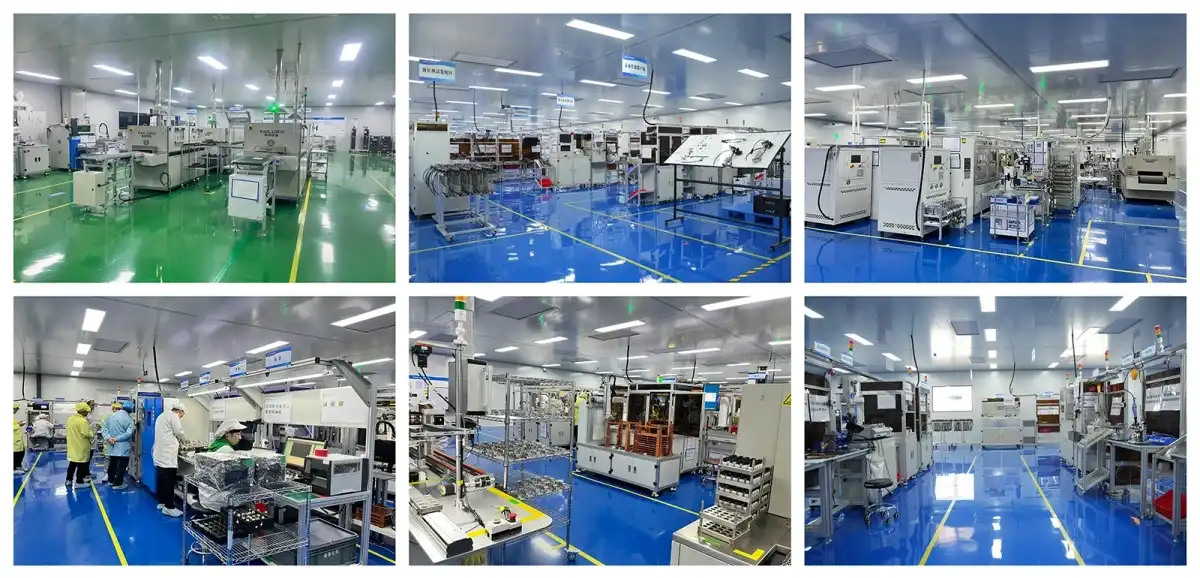
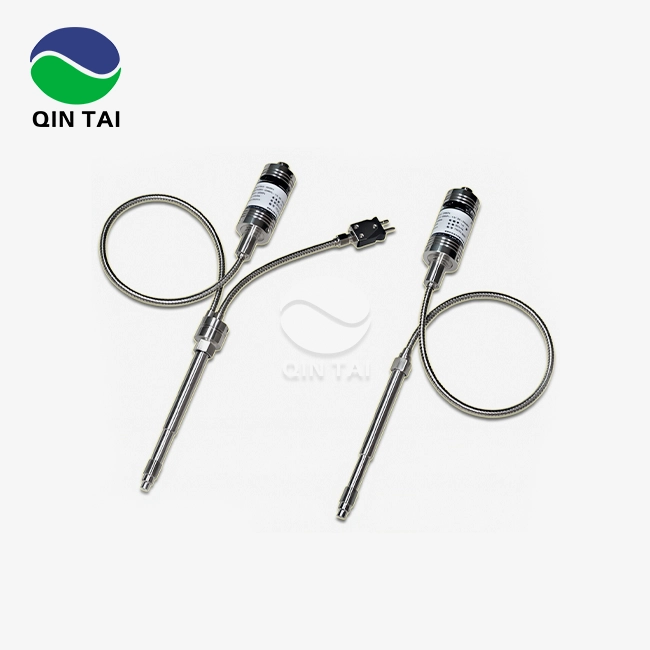
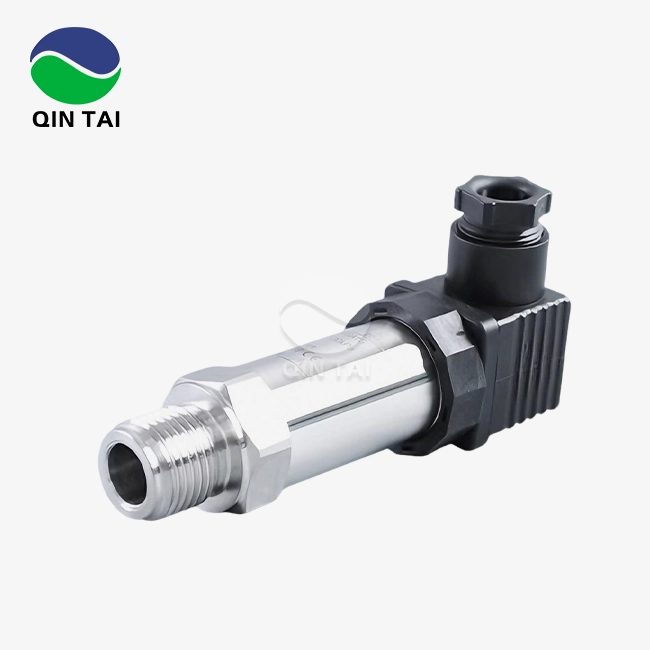
A company called Xi'an Qintai Automotive Emission Technology Co., Ltd. has been making diesel engine SCR aftertreatment parts and precise pressure measuring devices since 2001. The largest OEM thin film pressure sensor supplier in China is Qintai, based on market share. You can use Weichai Power, Yuchai Power, or Quanchai Power with it. It has ISO 9001, IATF 16949, CE, UL, and Ex certifications. We can help with OEM/ODM customizing from the idea stage to mass production. Send an email to info@qt-sensor.com or go to qt-sensor.com to talk to our tech team about your needs.
References
1. Fraden, J. Handbook of Modern Sensors: Physics, Designs, and Applications. Springer. 2016.
2. Ripka, P., & Tipek, A. Modern Sensors Handbook. ISTE Ltd. 2007.
3. Toth, F. N., & Meijer, G. C. M. "A Low-Cost Smart Capacitive Position Sensor." IEEE Transactions on Instrumentation and Measurement. 1992.
4. Beeby, S., Ensell, G., Kraft, M., & White, N. MEMS Mechanical Sensors. Artech House. 2004.
5. Eaton, W. P., & Smith, J. H. "Micromachined Pressure Sensors: Review and Recent Developments." Smart Materials and Structures. 1997.
6. Webster, J. G. The Measurement, Instrumentation, and Sensors Handbook. CRC Press. 1999.
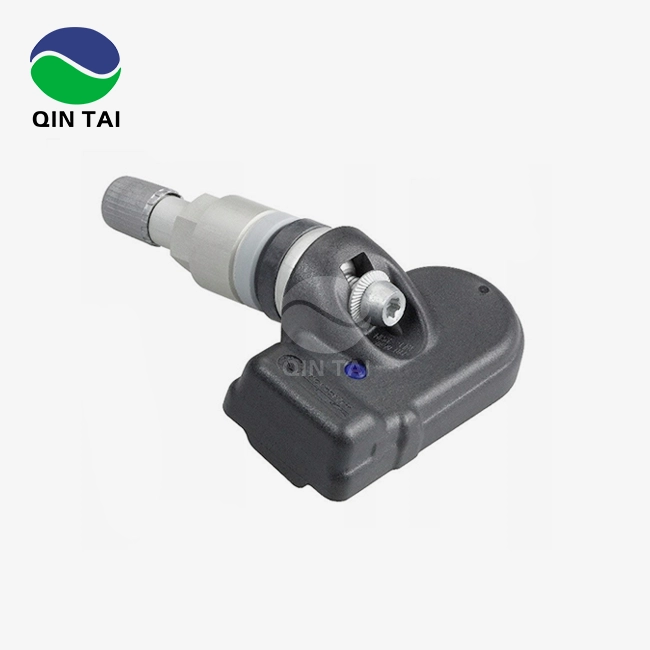
 Sensor.webp)

Our customers’ satisfaction speaks for our quality — contact us to experience the same reliable service.