- English
- French
- German
- Portuguese
- Spanish
- Russian
- Japanese
- Korean
- Arabic
- Greek
- German
- Turkish
- Italian
- Danish
- Romanian
- Indonesian
- Czech
- Afrikaans
- Swedish
- Polish
- Basque
- Catalan
- Esperanto
- Hindi
- Lao
- Albanian
- Amharic
- Armenian
- Azerbaijani
- Belarusian
- Bengali
- Bosnian
- Bulgarian
- Cebuano
- Chichewa
- Corsican
- Croatian
- Dutch
- Estonian
- Filipino
- Finnish
- Frisian
- Galician
- Georgian
- Gujarati
- Haitian
- Hausa
- Hawaiian
- Hebrew
- Hmong
- Hungarian
- Icelandic
- Igbo
- Javanese
- Kannada
- Kazakh
- Khmer
- Kurdish
- Kyrgyz
- Latin
- Latvian
- Lithuanian
- Luxembou..
- Macedonian
- Malagasy
- Malay
- Malayalam
- Maltese
- Maori
- Marathi
- Mongolian
- Burmese
- Nepali
- Norwegian
- Pashto
- Persian
- Punjabi
- Serbian
- Sesotho
- Sinhala
- Slovak
- Slovenian
- Somali
- Samoan
- Scots Gaelic
- Shona
- Sindhi
- Sundanese
- Swahili
- Tajik
- Tamil
- Telugu
- Thai
- Ukrainian
- Urdu
- Uzbek
- Vietnamese
- Welsh
- Xhosa
- Yiddish
- Yoruba
- Zulu
How to Install an SCR Dosing Pump and Prevent Common Failures Safely
One of the most practical actions you can take to safeguard the operation of your emission control system is to properly install an SCR dosing pump. A urea dosing pump (also called DEF urea standard pump or urea doser pump) supplies the AdBlue solution from the reservoir to the dosing reagent module at the needed pressure to allow accurate NOx reduction via the SCR catalyst. When installation goes awry, the results might be anything from faulty dosage to complete system shutdowns. This book will take you through safe setup, how to avoid failure and how to pick the smart pump for heavy-duty diesel fuel applications.
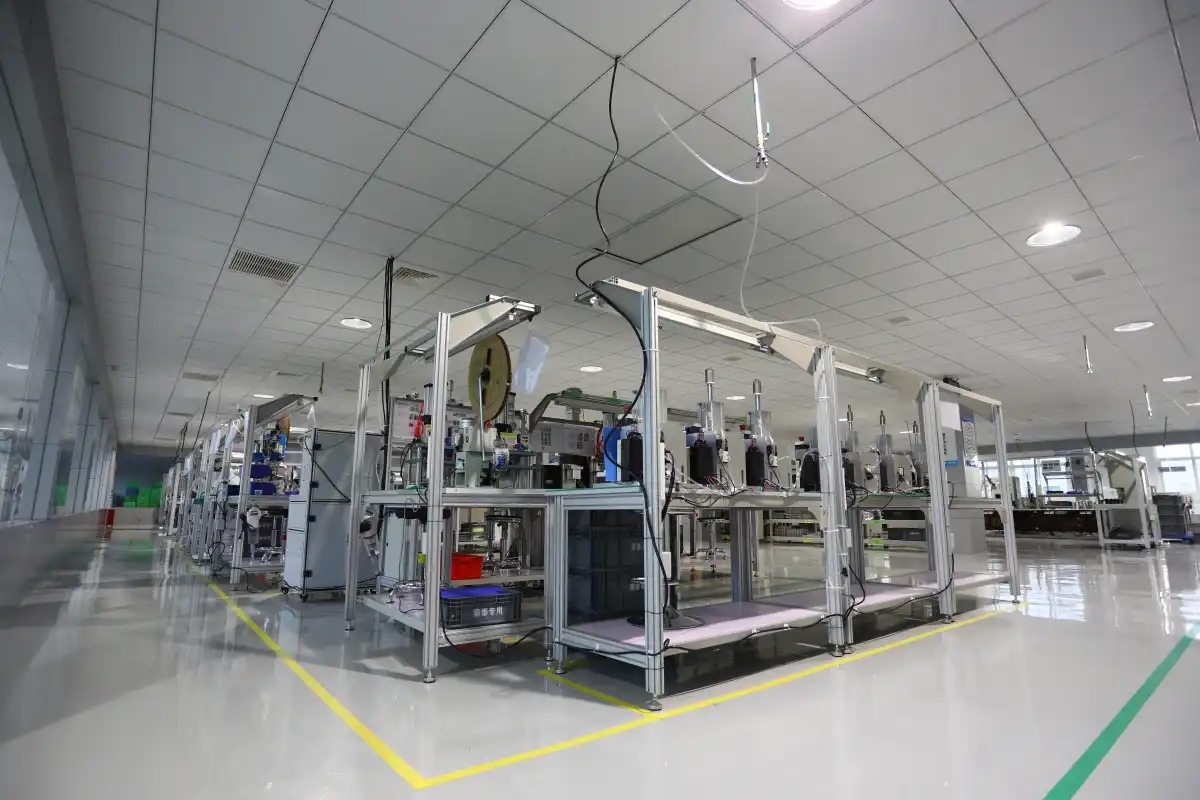
Understanding SCR Dosing Pumps and Common Challenges
How a Urea Dosing Pump Works
The urea dosage pump draws the DEF fluid to the holding tank and delivers it to the injected nozzle under regulated pressure. It instructs the Engine Logic Unit (also called the E how much to inject, depending on how much gas the engine is being utilised, how rapidly the exhaust is flowing and what the NOx gauge tells it. To fulfil the China VI and Euro VI criteria, the NOx reduction should perform properly and keep the same even when the operating circumstances vary. And that’s what this closed-loop control promises.
Key Components to Know Before You Install
The pump body is the heart of a contemporary urea pump diesel module. Typically includes an intake filter, heating element, pressure sensor and purge valve. When you know these pieces, you can readily see where things may go wrong. AdBlue freezing occurs at -11°C (12°F), therefore the warmer prevents the lines from becoming cold. The purge operation also cleans up the solution line when the machine is switched off so crystals don’t develop.
Common Operational Failures
In terms of problems that techs hear about most often, these are the three that stand out:
- Clogging: Urea crystals block the inlet filter or injector nozzle, cutting flow.
- Inaccurate dosing: Worn diaphragms or pressure drift cause under- or over-injection, triggering fault codes.
- Leakage: Loose fittings or degraded seals allow DEF to drip, corroding surrounding components.
Fault codes are triggered by under- or over-injection of the SCR dosing pump, which can be caused by damaged diaphragms or pressure deviation. DEF leakage may occur when connections become loose or seals wear out, resulting in corrosion of adjacent components.
Step-by-Step Guide to Installing an SCR Dosing Pump Safely
Pre-Installation Preparation
The technical datasheet for the pump should be read to make sure that the flow rate, working pressure, and power requirements are correct for your system design. Only then should you touch any hardware. Get the things you'll need, like a torque wrench, tubes that work with DEF, electrical connecting tools, and PPE like chemical-resistant gloves and safety glasses. Check the mounting spot for sources of heat, vibrations, and how easy it is to get to in case you need to fix it later.
Mounting, Connections, and Control Integration
To mount the pump on a stable bracket, use items that stop vibrations. Fittings made for urea solutions, like high-density polyethylene or stainless steel, should be used to join the DEF bring in and bring back. You can connect the wire harness to the DCU by following the wiring diagram. Do not touch the exhaust parts with the wire. It is very important that the CAN bus or signal wiring is done right because the system talks to the ECU to change the injection rate in real time.
Calibration and System Testing
, after the update is done, run the clean cycle to fill in the lines. Set the pump to a known duty cycle with a diagnostic tool, then compare the flow to what is rated. The normal rate of adding DEF is between 0.1 and 10 L/h, but this depends on the size of the engine. Search for error codes and make sure the heater circuit stays linked. Also, check to see if any of the connections are leaky. Standard pressure numbers should be written down so that you can compare them later.

Identifying and Preventing Common Failures Post-Installation
Routine Maintenance Checklist
Taking care of your pump regularly is the best way to make it last longer. For care, these are the most important things to do:
- Monthly: Inspect inlet filter for crystal deposits; rinse with deionized water if discolored.
- Every 500 operating hours: Check line fittings for micro-leaks using a DEF-compatible dye test.
- Annually: Verify dosing accuracy with a calibrated flow meter; replace the diaphragm if output deviates more than 5% from spec.
Most of the problems that fleet repair teams report for the SCR dosing pump can be avoided by consistently following these practices.
Troubleshooting Systematic Failures
If you get a fault code that means there are issues with dosing, check the inlet filter first. In industrial cars, clogged screens are to blame for almost 40% of NOx overs. Make sure the supply voltage is correct if the filter is clean. The pressure will not be stable if it falls below the recommended amount. Most likely, the O-ring is worn out if the leaks don't go away after tightening the hardware again. In that case, you should get a new seal kit instead of making it even tighter, as that could damage the fitting body.
Safety and Compliance Standards
Every time you need to do repair, you should turn off the engine and let the exhaust parts cool down. DEF isn't explosive, but it can little hurt some metals. Do not use tools that are made of metal or plastic. When getting rid of used DEF, you must follow local environmental laws. To make sure your pump is safe to use in dangerous places like mines or power plants, check that it has the right Ex (explosion-proof) certification before you put it in.
Comparing SCR Dosing Pumps: Choosing the Right Model for Your Needs
Manual vs. Automatic Dosing Pumps
When someone needs to change the flow every once in a while, hand pumps work best for generator sets that don't move much or are parked. Electric pumps are built into the ECU of trucks and building tools that are used on the road or in places where loads change often. People who use China VI or Euro VI almost always need automatic closed-loop control to meet real-world pollution limits.
Pump Type and Pressure Range
The diaphragm pump is the most common variant of the SCR dosing pump adopted in diesel SCR aftertreatment systems; it delivers precise metering and adapts to variable backpressures. Peristaltic pumps work better for high-viscosity fluids. Gear pumps that provide stable high pressure are suitable for engines with larger displacement. Pressures between 5 and 9 bar are sufficient for most light to medium-duty SCR systems. Heavy-duty industrial generator sets may require higher-rated versions.
What to Look for in a Supplier
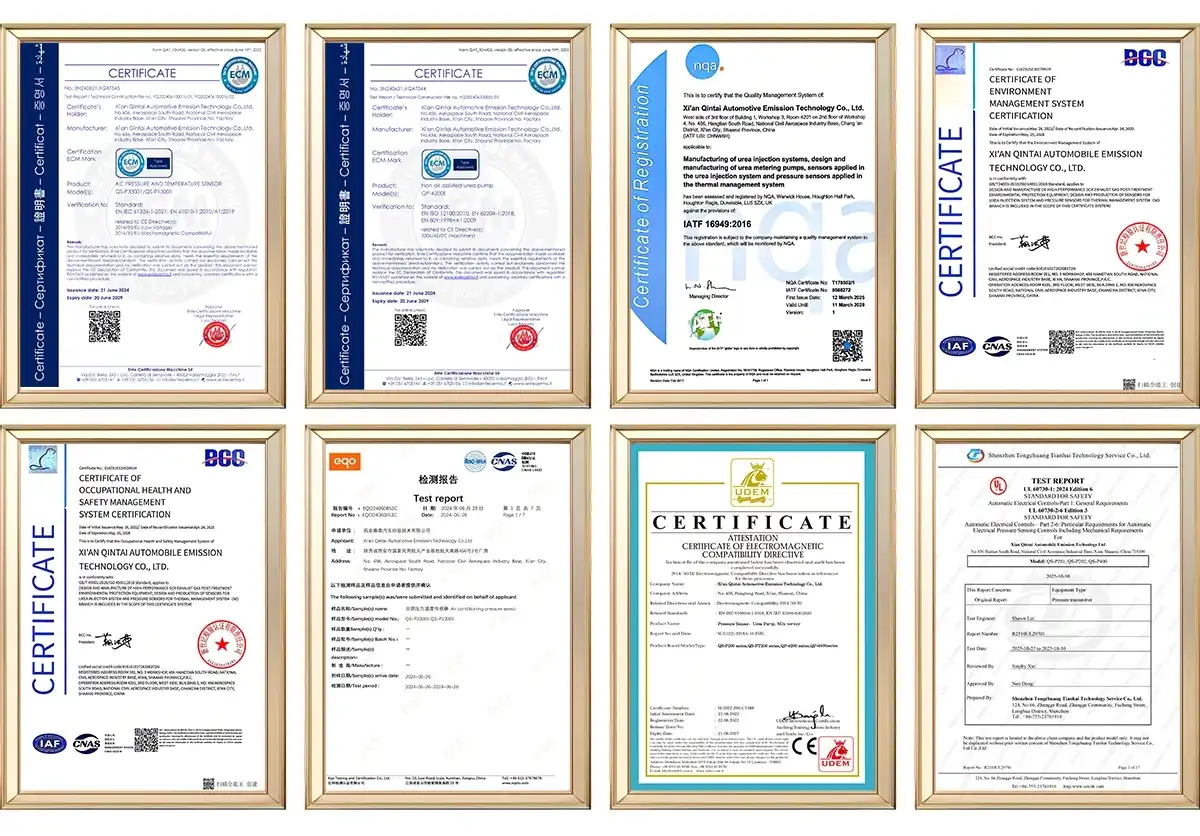
Along with specs, procurement teams should check the range of certifications (IATF16949, ISO9001, CE, Ex), the ability to produce large orders, the dependability of wait times, and the length of time it takes for expert support after the sale. If a company has a lot of certifications and is an original equipment manufacturer (OEM) partner with big engine makers, it means they have stable manufacturing processes and a supply chain. These are both important for building long-term business relationships.
Best Practices for Long-Term SCR Dosing Pump Performance and ROI
Recalibration and Flow Rate Adjustment
After a big fix or every 1,000 hours of use, the dosing output should be set up again. As NOx monitors age, they can lose their accuracy, and when the software is changed, engine maps can change. By comparing it to a reference flow meter every three months, drift is caught before it becomes a problem with following the rules.
Automation and Retrofitting
These days, dosing control units can maintain records, check for problems from afar, and send notifications when maintenance is about to happen. Putting in a new DCU and the right urea doser pump for an older system lowers its total cost of ownership over 5 years and lowers the number of checks that need to be done by hand. One business trucking fleet operator said that unplanned downtime went down by 23% after they switched to a pump-and-sensor module with onboard diagnostics that was built in.
Real-World Performance Gains
A company that makes generator sets and gives backup power to a mining operation switched to a small DEF pump assembly that doesn't freeze up itself. The spot is at a height where temperatures drop below -15°C. It was watched for 18 months after the change and there were no more problems with cold-start doses. Also, the temperature of the catalyst bed stayed in the right range.
Conclusion
The reliable performance of your SCR dosing pump depends on proper installation, routine inspection and the use of qualified fluids. Improper handling will trigger recurring fault codes and bring compliance risks. Pre-installation inspections and post-installation maintenance procedures are required. These operational practices are summarized from practical experience on heavy-duty trucks, generator units and construction machinery. When procurement teams select a certified pump with timely technical support, they can secure stable spare part supply for long-term mass production.
FAQ
How often should I recalibrate a DEF dosing pump?
Once every 1,000 hours or after any fix that touches the fluid circuit, the machine needs to be set up again. Temperatures that are very high or very low may mean that systems need to be checked more often. This is because heater cycles can wear out daiphragms.
What safety steps are required during installation?
Every time you connect a wire, turn off the DCU. Before putting DEF lines close to the exhaust surfaces, wait until they are less than 40°C cool. Wear gloves that can handle poisons when you're dealing with AdBlue.
Can I use a urea dosing pump for stationary generator applications?
Yes. On the highway, pick a type that is rated for steady duty instead of cycle duty. When used in a mine or power plant, industrial generator sets usually need pumps that are certified Ex and have higher ingress protection ratings (IP67 or higher).
What causes a pump to lose dosing accuracy over time?
The major reasons are diaphragms that are worn out, filters that are partly blocked, and pressure sensor shift. The level of service that can be tolerated before the problem is fixed is a 5% difference from the estimated flow rate.
Partner With Qintai for Your SCR Dosing Pump Supply
As early as 2001, Xi'an Qintai Automotive Emission Technology Co., Ltd. sold parts to diesel engine OEMs and aftertreatment suppliers. Qintai is the best company in China for making SCR dosing pumps, as shown by their IATF16949, ISO9001, CE, Ex, and UL seals. It also gives a lot of power to Weichai Power and Yuchai Power. Our small, built-in pump design keeps things from freezing, doses correctly, and uses little energy all in one unit. Contact our technical team at info@qt-sensor.com or go to qt-sensor.com to get OEM/ODM prices, volume schedules, and help with your application.
References
1. Johnson, T., & Charlton, S. (2020). Diesel Engine Emissions Reduction: SCR System Design and Field Performance. SAE International.
2. European Automobile Manufacturers' Association. (2021). Euro VI Emission Standards and Real Driving Emissions Testing Protocols. ACEA Technical Report.
3. Gelencsér, A., & Kovács, T. (2019). AdBlue Freeze Protection and Dosing Accuracy in Low-Temperature SCR Systems. International Journal of Engine Research, 20(4), 412–425.
4. DieselNet. (2022). Selective Catalytic Reduction: System Components and Operational Challenges. Emission Standards Review Series.
5. National Renewable Energy Laboratory. (2021). Aftertreatment System Reliability in Commercial Heavy-Duty Diesel Fleets. NREL Technical Report NREL/TP-5400-79341.
6. Society of Automotive Engineers. (2020). SAE J2952: Test Procedure for Measuring the Performance of SCR Dosing Systems. SAE International Standards Publication.
 Sensors.webp)

Our customers’ satisfaction speaks for our quality — contact us to experience the same reliable service.