- English
- French
- German
- Portuguese
- Spanish
- Russian
- Japanese
- Korean
- Arabic
- Greek
- German
- Turkish
- Italian
- Danish
- Romanian
- Indonesian
- Czech
- Afrikaans
- Swedish
- Polish
- Basque
- Catalan
- Esperanto
- Hindi
- Lao
- Albanian
- Amharic
- Armenian
- Azerbaijani
- Belarusian
- Bengali
- Bosnian
- Bulgarian
- Cebuano
- Chichewa
- Corsican
- Croatian
- Dutch
- Estonian
- Filipino
- Finnish
- Frisian
- Galician
- Georgian
- Gujarati
- Haitian
- Hausa
- Hawaiian
- Hebrew
- Hmong
- Hungarian
- Icelandic
- Igbo
- Javanese
- Kannada
- Kazakh
- Khmer
- Kurdish
- Kyrgyz
- Latin
- Latvian
- Lithuanian
- Luxembou..
- Macedonian
- Malagasy
- Malay
- Malayalam
- Maltese
- Maori
- Marathi
- Mongolian
- Burmese
- Nepali
- Norwegian
- Pashto
- Persian
- Punjabi
- Serbian
- Sesotho
- Sinhala
- Slovak
- Slovenian
- Somali
- Samoan
- Scots Gaelic
- Shona
- Sindhi
- Sundanese
- Swahili
- Tajik
- Tamil
- Telugu
- Thai
- Ukrainian
- Urdu
- Uzbek
- Vietnamese
- Welsh
- Xhosa
- Yiddish
- Yoruba
- Zulu
Why NOx Sensors Matter for Emission Control Systems
NOx sensors have become indispensable in modern diesel emission control systems, serving as the watchful eyes that monitor nitrogen oxide levels throughout the exhaust treatment process. These precision instruments measure harmful NOx emissions in real-time, enabling Selective Catalytic Reduction (SCR) systems to inject the correct amount of Diesel Exhaust Fluid (DEF) and verify catalytic converter performance. Without accurate nitrogen oxide detection, diesel engines cannot meet stringent EPA and Euro VI emission standards, making these sensors essential for regulatory compliance, operational efficiency, and environmental protection across heavy-duty applications.
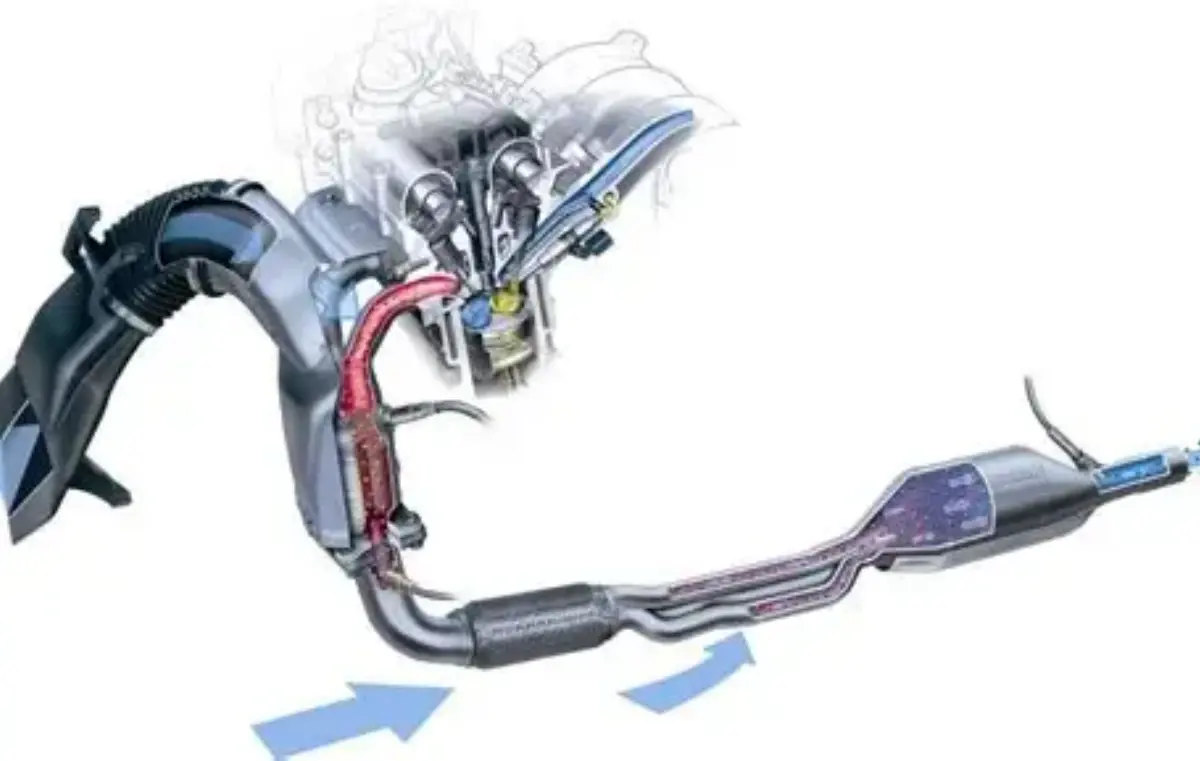
Understanding NOx Sensors and Their Functions
What NOx Sensors Actually Measure?
NOx Sensors measure the amounts of NO and NO2 in exhaust gases. They do this by using advanced electrochemical cells that are based on yttria-stabilized zirconia (YSZ) ceramic technology. The sensor has several sections that control the amount of oxygen in the air and then break down nitrogen fumes into oxygen ions that can be measured. This created current is directly related to the amount of NOx, giving the engine control unit accurate information from 0 to 2500 ppm. With this measurement ability, diesel engines can keep improving the way they burn fuel and how their aftertreatment systems work.
The Two-Sensor Architecture
Modern diesel pollution systems have two sensors set up in a way that makes a full return loop. The upstream sensor, which is placed before the SCR catalyst, measures the engine's raw NOx output to figure out how much DEF needs to be injected. The monitor further downstream, which is after the catalyst, checks that the treatment worked and that the amounts of nitrogen oxide were lowered to safe levels. This setup lets the system find problems with the DEF, the catalyst, or the injection system that might make it impossible to meet emissions standards.
How Signal Processing Works?
The sensor has a built-in control module that handles raw electrochemical data and uses standard methods to talk to the engine ECU. An oxygen pump cell raises the amount of oxygen in the first section when waste gas comes in. This is done to a set level. The gas is then sent to the NOx detecting box, where it breaks down, creating an electric current that is related to the amount of nitrogen oxide present. The monitor cell makes sure the measurements are correct by keeping the oxygen levels steady during the process. This lets the detector work reliably even when the exhaust temperature and flow rate change.
Identifying and Troubleshooting NOx Sensor Issues
Common Failure Symptoms
Recognising early warning signs of sensor degradation can help you avoid costly downtime and legal problems. Check engine lights that come on with specific diagnostic trouble codes usually mean that a sensor circuit isn't working right or that the signal readings aren't making sense. Fleet managers often notice that more DEF is being used because the system is trying too hard to make up for bad sensing data. Failures on emission tests are the worst outcome because they could lead to a vehicle's rating being lowered, which limits the engine's power until fixes are made. Strange exhaust smells or smoke that you can see could also be signs that the SCR system is getting bad data from sensors that have been hacked.
Diagnostic Approaches for Technical Teams
The first step in fixing problems with a NOx Sensor is to scan the OBD-II to get saved fault codes that are linked to sensor circuits, heater performance, or signal voltage problems. Engineers should check that the supply voltage for the NOx Sensor stays within the range of 9 to 32V and look for damage, corrosion, or loose connections in the wiring harnesses connected to the NOx Sensor. Finding heater element failures in the NOx Sensor is easier when you compare sensor resistance when cold to operating temperature. When you compare the readings from the upstream and downstream NOx Sensor units during steady-state operation, you can see if the numbers match the predicted conversion efficiency. Usually, a working catalyst will show a 90% or higher drop in NOx content when measured by a properly functioning NOx Sensor.
Maintenance Strategies That Extend Sensor Life
Preventive maintenance has a big effect on how long sensors last and how accurate measurements they make. The cleanliness of the diesel fuel system is very important for protecting sensors because it directly affects how often sensors get contaminated. If you fix exhaust leaks right away, you can stop false air from entering and changing the oxygen readings. Particulate exposure is cut down by cleaning or replacing air filters as recommended by maintenance schedules. Checking the quality of the DEF makes sure that the SCR reactions work right, which keeps chemical buildup on sensor elements to a minimum. These proactive steps help sensors get close to the end of their intended service life while keeping the accuracy of their measurements throughout their working life.

Comparing NOx Sensors: Making Informed Procurement Decisions
OEM Versus Aftermarket Evaluation
When looking for new sensors for fleet repair, people who work in procurement have to make big choices. OEM sensors are guaranteed to work with certain engine platforms and meet performance standards that have been proven through extensive testing. Most of the time, these parts come with full warranty coverage and expert help from makers who know how to integrate the whole system. Aftermarket options might be cheaper, especially if you buy a lot of them, but you need to make sure that they are quality-certified, the right size, and compatible with the transmission protocol. The real economic effect of choosing sensors can be seen by looking at the total cost of ownership instead of the initial purchase price.
Brand Performance Characteristics
Well-known brands have come up with unique performance profiles that meet a range of business needs. Bosch sensors have strong constructions that can handle extreme temperature changes in building tools. Signal processing techniques in Denso products have been improved to work especially well in steady-state generator uses. Continental's products stress the importance of being able to communicate easily across a range of engine control platforms. Qintai has become a competitive choice because it offers industrial-grade dependability and customisable interfaces. It supports more than 300 communication protocols and has response times of less than 1400ms. Because these sensors have different properties, procurement teams can choose ones that work best with the job cycles and environmental situations their equipment is used in.
Compatibility and Integration Factors
Successful sensor integration goes beyond the size of the fixing hole. Configurations of electrical connectors must match current wire harnesses, or adapters must be bought. Software calibration compatibility makes sure that the sensor can talk to the engine ECU correctly without having to be reprogrammed a lot. The mounting sizes for threads like M20x1.5 must match the requirements of the exhaust system. When adding sensors to exhaust systems that have been changed, being able to change the length of the cables becomes useful. By looking at these technical integration factors during the selection process, installation delays can be avoided and sensors can work perfectly within full emission control architectures.
Procurement and Cost Considerations for NOx Sensors
Understanding Price Structures
The high cost of NOx Sensors is due to the complex manufacturing methods and high-quality materials needed for accurate measurements at high temperatures. Depending on the brand and specs, a single new sensor can cost anywhere from $200 to $600. When fleet operators and original equipment makers buy in bulk, they can get volume savings that can cut unit costs by 20 to 40 percent. Options for longer warranties cost more, but they protect you financially against failures that happen too soon. When procurement managers figure out the total cost, they should include the time it takes to install the sensors, diagnose the problem, and the time that vehicles might not be able to run while the sensors are being replaced.
Evaluating Supplier Relationships
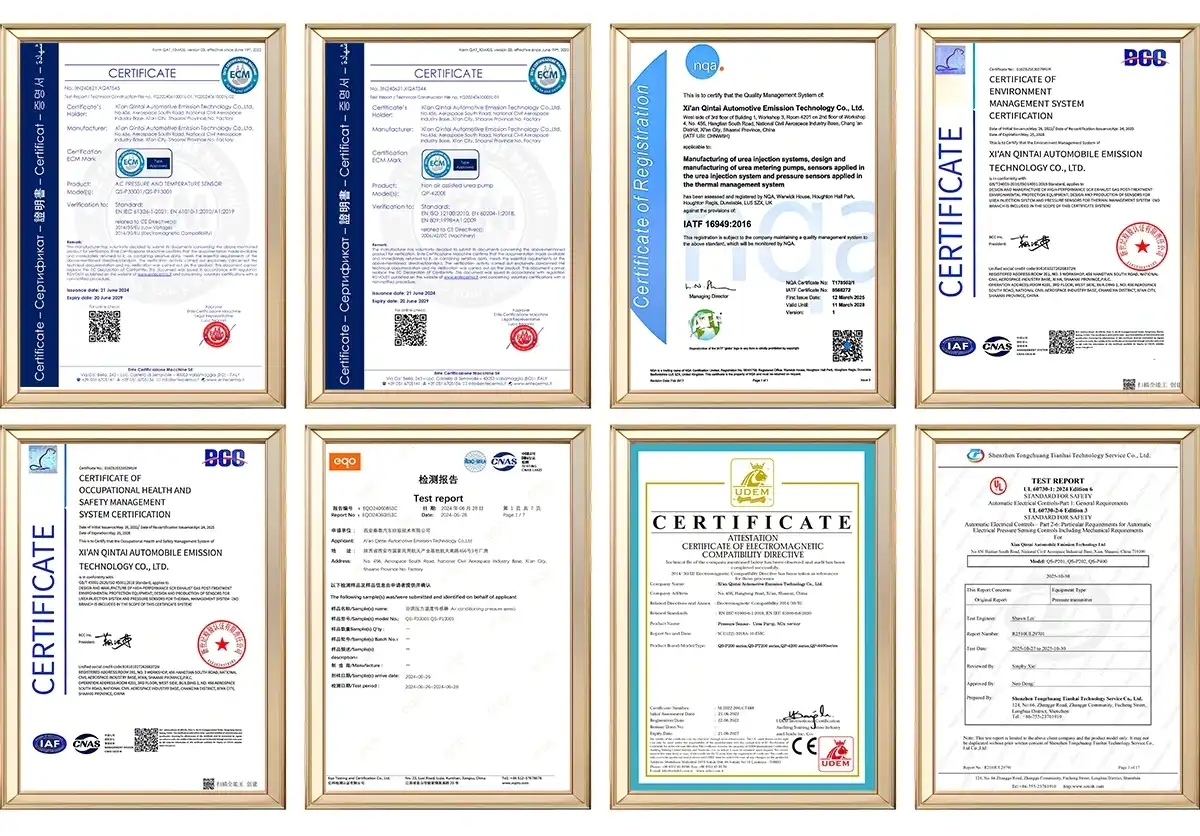
Choosing dependable supply partners affects the continuity of operations after the original transaction is complete. Trustworthy wholesalers keep enough product on hand to make sure that orders are filled quickly when unexpected problems arise. Having access to technical support makes it easier to solve problems that come up during execution, like startup problems or questions about compatibility. Quality management systems that support consistent product performance are shown by certification documents that include ISO9001 and IATF16949 compliance. Long-term supply plans are more likely to work out if everyone is clear about lead times, shipping processes, and return policies. These relationship factors often make small price increases that provide better service value worth it.
Strategic Bulk Purchasing Advantages
Consolidated purchasing strategies help fleet owners who are in charge of more than one type of car in more ways than one. Setting up recommended supplier relationships with manufacturers that allow customisation guarantees access to NOx Sensor units that are best for certain uses. Making a volume commitment for NOx Sensor may give you access to engineering support that helps you with problems integrating systems. Negotiating good payment terms for NOx Sensor makes it easier to manage cash flow for all maintenance budgets. By forming strategic relationships with companies like Qintai, which supplies many of the NOx Sensor parts used by major engine makers, you can learn about new technologies and changes in the rules that will affect your future purchasing needs for NOx Sensor products.
Future Trends and Innovations in NOx Sensor Technology
Advanced Materials and Sensing Elements
Next-generation sensors use better ceramics that can't be damaged by the lead and sulphur chemicals that are found in different types of fuel around the world. Manufacturers are working on protective coatings that will make things last longer than the current industry standards. In tough situations, some of these coatings can last for 6000 hours or more. Better heater element designs cut the light-off time well below the normal 165-second limit. This lets the emission control start working faster during cold starts. These new materials directly address the concerns about durability that affect the costs of replacement and the frequency of maintenance for commercial fleets that operate in a variety of environmental conditions.
Digital Integration and Connectivity
As we move toward connected vehicle systems, sensors are changing how they can do more than just measure things. IoT-enabled sensors send information about how well something is working to platforms for managing a fleet. This lets predictive maintenance plans plan replacements based on how things break down instead of set times. Digital signal processing methods get rid of noise and account for changes that happen with age, so the accuracy of the sensor stays high over its lifetime. Cloud-based analytics collect data from many vehicles to find systemic problems or the best operating conditions that lower emissions and increase fuel efficiency. These connection features are very useful for companies that have to manage a lot of tools spread out over many locations.
Regulatory Drivers and Compliance Technologies
As pollution standards around the world get stricter, monitor technology keeps getting better. Even more accurate measurements and reliable systems are needed because of the EPA's heavy-duty rules for 2027 and the changing Euro VII standards. Sensor makers are working on multi-gas monitoring features that will let them check for NOx, ammonia slip, and particulate matter all at the same time in a single unit. Some places need to keep an eye on emissions in real time, which means that monitors need to be able to log and send data better. Keeping up with these changes in regulations helps procurement teams plan ahead for technology needs and avoid buying solutions that will become useless as global market compliance standards get stricter.
Conclusion
NOx Sensors are an important part of diesel pollution control systems because they make sure that regulations are followed and protect engine function and the environment. By learning how sensors work, spotting signs of failure, and using strategic purchasing methods, businesses can get the best deals on equipment while also making it more reliable. The two-sensor design allows for full system tracking, which makes sure that SCR catalysts work well for as long as they are used. As emission standards get stricter and sensor technology improves through better materials and digital integration, it becomes more valuable to keep strong supply relationships with makers who are always coming up with new ideas. When procurement pros take the time to look at technology specs, compatibility factors, and long-term support options, they set their companies up to meet changing compliance requirements quickly.
FAQ
Why Are NOx Sensors More Critical Than Oxygen Sensors in Diesel Systems?
While oxygen sensors make sure that the right amount of air and fuel are burnt, NOx Sensors keep an eye on the system that cleans up the exhaust and limits harmful emissions to legal levels. The lean combustion features of diesel engines mean that they naturally make higher NOx amounts than petrol engines. Accurate NOx measurements are needed for the SCR system to add the right amount of DEF and check the performance of the catalyst. Nitrogen oxides cannot be detected by oxygen sensors, so dedicated NOx Sensors are essential for EPA and Euro VI compliance, which limits these emissions.
What Replacement Intervals Should Commercial Fleets Expect?
How the sensor is used, the quality of the fuel, and how often it is maintained can all have a big effect on how long it lasts. Heavy-duty uses usually need to have their sensors replaced every 150,000 to 300,000 miles. However, sensors can fail earlier in harsh situations or last longer in ideal ones. Advanced sensors that are made to last longer, like those that can work for 6000 hours or more, mean that they don't need to be replaced as often, which saves money on upkeep. Monitoring diagnostic codes and testing on a regular basis can help find wear and tear before it leads to a full failure. This way, the part can be replaced during planned maintenance instead of breaking down on the side of the road without warning.
How Do Sensor Errors Impact Overall Vehicle Performance?
When sensor readings are wrong, the engine de-rates to protect itself and keep emissions from getting too high while it's still running. If the upstream sensor data is wrong, it leads to incorrect DEF injection, which either wastes fluid by injecting too much or lets too much NOx in by not injecting enough. If a sensor further down the line fails, the system can't check how well the catalyst is working, which could mean that the system's performance keeps getting worse without being noticed. In addition to the direct effects on operations, sensor malfunctions can lead to failed emission tests, which can keep cars from running until they are fixed. This can mean big losses in productivity for businesses that count on having access to the right equipment.
Partner with Qintai for Advanced NOx Sensor Solutions
Qintai makes NOx Sensors that are very strong and are designed to meet the strict needs of controlling diesel emissions in heavy trucks, building equipment, farm equipment, and generators. Our sensors have reaction times of less than 1400ms and light-off times that are much shorter than industry standards. This makes sure that your SCR systems work quickly and correctly when exhaust conditions change. With a service life of up to 6,000 hours and better resistance to lead and sulphide poisoning, Qintai sensors lower the number of times they need to be replaced and the cost of care while keeping measurement accuracy over the whole time they are in use.
As the biggest NOx Sensor maker in China and a main provider to Weichai Power, Yuchai Power, and Quanchai Power, we bring more than 20 years of experience in diesel aftertreatment to markets around the world. Our ISO9001 and IATF16949-certified production methods guarantee consistent quality, and our independent R&D team is always improving sensor technology to keep up with changing emission standards. We can completely change the way the connectors are set up, the lengths of the cables, and the communication protocols to fit your specific integration needs. Get in touch with our expert team at info@qt-sensor.com to talk about how Qintai sensors can help you meet safety and cost management goals while also improving your emission control systems.
References
1. Society of Automotive Engineers. (2022). "Diesel Exhaust Aftertreatment Systems: SCR Technology and NOx Sensor Applications." SAE International Technical Paper Series.
2. Environmental Protection Agency. (2023). "Heavy-Duty Engine and Vehicle Standards and Highway Diesel Fuel Sulfur Control Requirements." EPA Regulatory Guidance Document.
3. Johnson, T. V. (2021). "Review of Selective Catalytic Reduction (SCR) and Related Technologies for Mobile Applications." International Journal of Engine Research, Volume 22, Issue 11.
4. Continental Automotive GmbH. (2023). "NOx Sensor Technology for Commercial Vehicle Applications: Technical Specification and Integration Guide." Continental Technical Documentation.
5. Zhang, H., Wang, J., & Wang, Y. (2022). "Advanced Diagnostic Methods for NOx Sensor Systems in Heavy-Duty Diesel Engines." Automotive Engineering International, Volume 15, Pages 342-358.
6. International Organization for Standardization. (2023). "Road Vehicles - Exhaust Emissions - Measurement Equipment Specifications for NOx Detection." ISO Standard 11614:2023.

Our customers’ satisfaction speaks for our quality — contact us to experience the same reliable service.