- English
- French
- German
- Portuguese
- Spanish
- Russian
- Japanese
- Korean
- Arabic
- Greek
- German
- Turkish
- Italian
- Danish
- Romanian
- Indonesian
- Czech
- Afrikaans
- Swedish
- Polish
- Basque
- Catalan
- Esperanto
- Hindi
- Lao
- Albanian
- Amharic
- Armenian
- Azerbaijani
- Belarusian
- Bengali
- Bosnian
- Bulgarian
- Cebuano
- Chichewa
- Corsican
- Croatian
- Dutch
- Estonian
- Filipino
- Finnish
- Frisian
- Galician
- Georgian
- Gujarati
- Haitian
- Hausa
- Hawaiian
- Hebrew
- Hmong
- Hungarian
- Icelandic
- Igbo
- Javanese
- Kannada
- Kazakh
- Khmer
- Kurdish
- Kyrgyz
- Latin
- Latvian
- Lithuanian
- Luxembou..
- Macedonian
- Malagasy
- Malay
- Malayalam
- Maltese
- Maori
- Marathi
- Mongolian
- Burmese
- Nepali
- Norwegian
- Pashto
- Persian
- Punjabi
- Serbian
- Sesotho
- Sinhala
- Slovak
- Slovenian
- Somali
- Samoan
- Scots Gaelic
- Shona
- Sindhi
- Sundanese
- Swahili
- Tajik
- Tamil
- Telugu
- Thai
- Ukrainian
- Urdu
- Uzbek
- Vietnamese
- Welsh
- Xhosa
- Yiddish
- Yoruba
- Zulu
Why Urea Dosing Pressure Sensors Fail in SCR Applications
A urea dosing pressure sensor failure is mainly caused by DEF/AdBlue crystallization, contamination, heat, thermal cycling, vibration, moisture or electrical defects. Often it's not the sensor that's the true issue. A healthy urea dosing pressure sensor might show a poor reading if injector is clogged, pump is weak, line is frozen or connection is loose. SCR controller senses improper pressure and dosage becomes inaccurate, NOx emissions increase, warning lights show and engine may derate. In this post I cover the mechanics of these failures, how to diagnose them, and how to confidently choose a new sensor.
How a Urea Dosing Pressure Sensor Works in an SCR System?
Before looking at failures, we need a clear picture of what the sensor does. Fleets, distributors, and OEM buyers all depend on its pressure signal.
The Role of Pressure Feedback in DEF/AdBlue Delivery
An SCR system injects a 32.5 percent solution of urea in water called DEF into the exhaust stream. It works there to convert NOx to nitrogen and water. The urea dosing pressure sensor tells the dosing control unit or ECU the line pressure. The controller utilizes that feedback to prime the line, operate the pump, timing injector pulses and locate leaks. Without a consistent pressure readout, the system cannot properly meter DEF. Most U.S. heavy-duty diesel engines use SCR to fulfill the EPA 2010 standard for NOx of 0.2 g/bhp-hr, therefore dosing precision is closely tied to compliance.
From Pressure to Electrical Signal
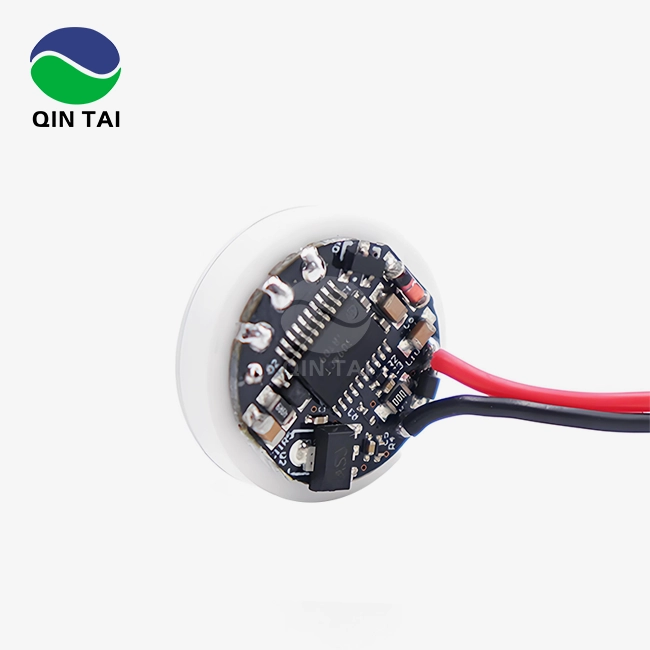
Pressure within the sensor works onto a diaphragm or ceramic detecting element. The element alters its electrical output, and the onboard electronics convert that change into a clean signal for the controller. During priming, the ECU compares the actual pressure with the desired pressure during dosing and purging. Pressure also changes throughout the cycle. Starts up with build, stays constant throughout injection, pulses with each injector event, decreases after shutdown. When buying buyers should consider type of output, supply voltage, pinout, grounding, pressure range, accuracy, temperature range, connection, thread and wetted materials. If any of these don't match it might appear like a sensor failure.
Sensor Types and Output Signals
A pressure sensor for urea dosing is a different thing from a pressure sensor for the pump or for exhaust. It monitors the DEF circuit, exhaust sensors check gas pressure, certain pump sensors are located within the pump module. Mixing them up means improper ordering. Outputs also vary. An analog ratiometric sensor (e.g. , 0.5–4.5 VDC type on 5 V supply) has an output that scales with supply voltage. Also available are current-loop and CAN variants. The ECU is looking for one particular signal. So the sensor output has to be matching the car calibration.
The Main Reasons Urea Dosing Pressure Sensors Fail
Most failures trace back to the fluid, the heat, or the wiring. Here is where problems appear most often.
DEF Contamination and Crystallization
DEF is corrosive and it leaves white urea deposits as it dries out or breaks down. Crystals may clog the pressure port, coat the diaphragm, or provide a sluggish, drifting signal in a urea dosing pressure sensor. And contamination makes this worse. Dust, oil, coolant or tap water in the tank or transfer equipment might plug filters and damage wetted materials. ISO 22241 describes the quality criteria for the reagent. The third section of ISO 22241 concerns handling and storage. Poor storage, excessive temperature, filthy funnels impair fluid quality. Incompatible seals or housing materials may also expand, fracture or corrode, therefore the choice of material is as important as fluid care.
Heat, Freezing, Vibration, and Installation Stress
Thermal cycling applies repetitive stress on seals, solder joints and the sensing element. Part of such stress comes from exhaust heat near the dosing module. DEF will freeze at roughly 12°F (−11°C), and frozen fluid expands, which may put pressure on sensors and lines if the system can’t accommodate it. Engine and chassis vibration will loosen connections and fatigue leads. Damage can also done by installation errors. If over-tightened, the housing might warp and alter calibration. A stressed connection can break pins. Many early failures are avoided by using the required thread, seal, torque, connection lock and strain relief.
Electrical Faults and Problems That Mimic a Bad Sensor
Moisture in a connection may lead to corrosion of pins and cause intermittent problems. Voltage spikes, shorts and inadequate grounds may harm the electronics. Sensing element overload with pressure spikes beyond the rated range However, a sensor might record aberrant pressure for causes other than the sensor itself . The cause of a low, high, or unpredictable reading can be a clogged injector, a failed pump, a closed valve, a frozen line, or an unstable pulse. In such circumstances, changing the sensor is a waste of money, and the actual defect is left untouched. Before ordering any part, you should diagnose the full dosage circuit.

How to Diagnose and Prevent Urea Dosing Pressure Sensor Faults?
A structured check saves time and avoids needless returns. The steps below move from simple observation to measurement.
Start with Codes, Symptoms, and Freeze-Frame Data
First, record all of the diagnostic issue codes and their freeze frame data. Be vigilant for signs such as warning lights, sluggish priming, unsuccessful dosing, pressure loss, derating or defects that only emerge when hot, cold or under vibration. Then visually check the system. Check for crystal deposits, broken wiring, moist connections, loose clips and leaks. Check the quality of DEF and the pressure port. A circuit range or performance code tells you that there is a signal issue, but it does not show the sensor is defective. It informs you where to search next.
Test Voltage, Ground, Signal, and Reference Pressure
Then check the supply voltage and ground at the connection with the key on for the urea dosing pressure sensor. For an analog ratiometric sensor make sure the output is always in its typical range, and varies smoothly with pressure. Verify messages using a scan tool for CAN versions. Then compare this measurement to a calibrated pressure reference. Modern sensors include active electronics therefore resistance testing is not a good enough test. Test it. If not, clear the clogged port, repair the harness, retrain the ECU or replace the sensor if the sensor output is still inaccurate versus the reference.
Prevent Repeat Failures with Maintenance and Validation
Prevention begins with clean DEF, clean storage tanks, and clean transfer equipment. Route harnesses away from exhaust heat. Schedule pump, injector, filter, valve, line and purge circuit inspections. For repeated failures, characterize the case with part number, fault code, operation hours, mileage and temperature. Troubleshoot sensor errors and isolate them from wiring, pump, injector or fluid problems. Then bench and vehicle confirm any replacement. Track field outcomes by batch and duty cycle. The procedure transforms random returns into data that can be used by the customer and the provider jointly.
How to Choose a Urea Dosing Pressure Sensor for Different SCR Applications?
Good selection prevents many of the failures above. The right part depends on the machine, the duty cycle, and the buying model.
Define the Application Before Comparing Specifications
Start with the kind of vehicle, the SCR system, the pressure range, the pump placement, the fluid route and the installation environment. Then compare overload capacity, pulsation tolerance, accuracy, repeatability, reaction time, temperature range, media compatibility, supply voltage, output type, connection, thread and sealing interface. And vibration resistance, EMC performance and diagnostic capacity are also important. Even a sensor with a super datasheet might fail if it doesn't have the same range of pressure or output as the original calibration. First match OE standard, then compare extras.
Ceramic Versus Stainless Steel, and OE Versus Aftermarket
Neither does one always win. Both ceramic and stainless steel sensor designs can function with DEF. Assess the whole wetted structure – not just a material – seals, housing and joints. The same goes for OE and aftermarket parts. If the source has test proof to back it up, a quality aftermarket sensor might have the same OE interface and signal for a cheaper price. Analog outputs are good for basic programs, CAN outputs are good for diagnostics but you need to match the protocol. Whichever the case, ask for chemical compatibility data and calibration records.
Matching Sensors to Trucks, Farm Machinery, and Distributor Needs
Vibration resistance, fast diagnostics, and a stable supply of spare parts are essential for heavy-duty vehicles and busses. Agricultural and construction machinery are exposed to dust, dirt, water spray, shock, seasonal storage and cold starts. OEM projects demand repeatability, traceability and long term supply. Aftermarket distributors require correct cross-references, plug-and-play fit, clear packaging, stock availability and installation advice. Custom pressure ranges, housings, connections, or calibration curves make sense when volume or a frequent failure mode justify them. Or otherwise, a standard OE matched urea dosing pressure sensor keeps cost and MOQ low.
Supplier Checks and the Qintai QS-P226 Pressure Sensor
Technical fit is only half the decision. The supplier behind the part decides whether quality stays consistent from one order to the next.
What to Ask a Urea Dosing Pressure Sensor Supplier
A competent producer should supply datasheets, material declarations, chemical compatibility, calibration records, traceability, quality-system proof and validation reports. Request for samples, PPAP or similar, minimum order quantities, lead times, warranty, customisation and change control. Most distributors will begin by evaluating samples, then place a short trial purchase for one or two pallets and then set up quarterly replenishment. Look the entire cost of ownership, not just price per unit. The minor price difference is typically eaten up by downtime, warranty claims, freight, inspections and technical assistance.
Qintai QS-P226 Specifications
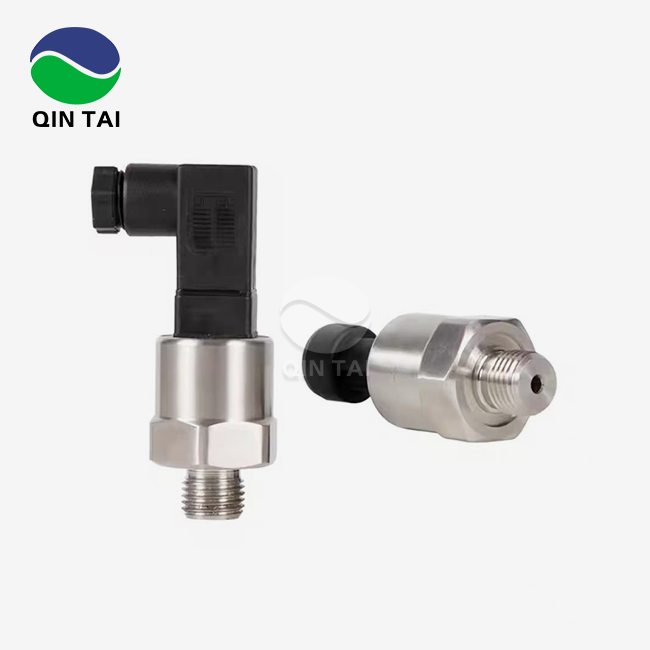
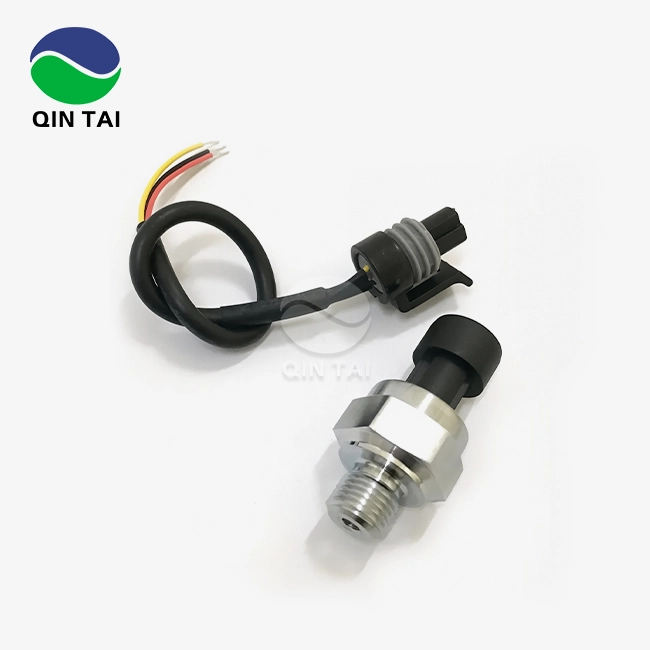
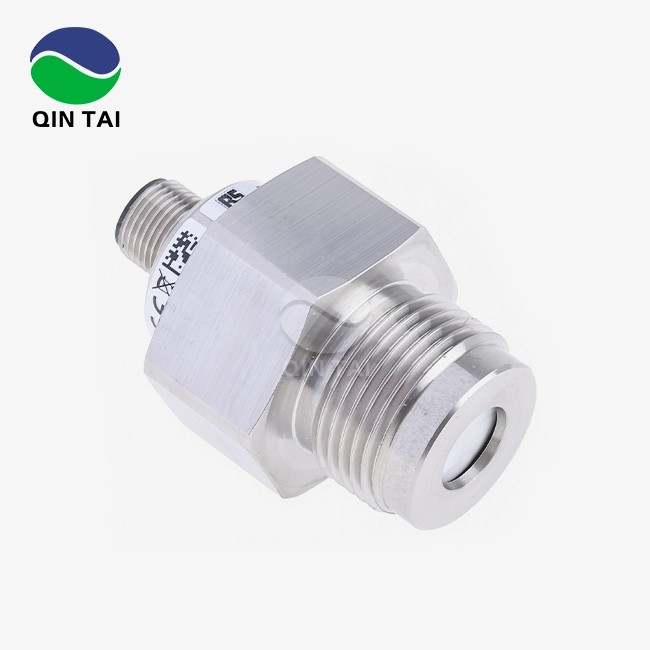
QS-P226 is our urea pressure sensor for SCR systems. It tests urea from -14 psi to +130.5 psi with an accuracy of 0.5 %. It operates off a 5V supply and delivers a 0.5–4.5VDC analog ratiometric output. The pressure range is the OE standard. The working temperature range is indicated as 60-80 degrees F so please be sure this will work for your application. 12 months warranty and 100% test on each device. We create and manufacture the sensor core ourselves, so we don’t have to rely on someone else to provide this important portion.
Protection, Monitoring, and Manufacturing Support
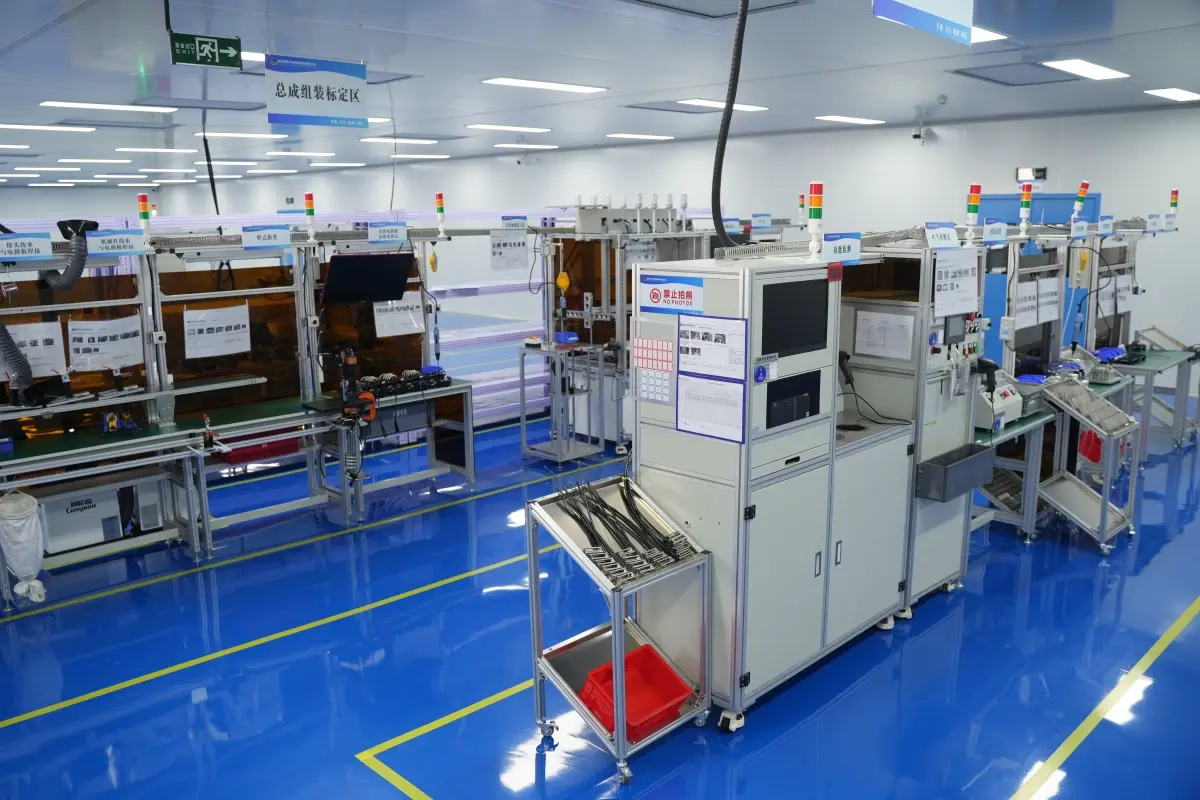
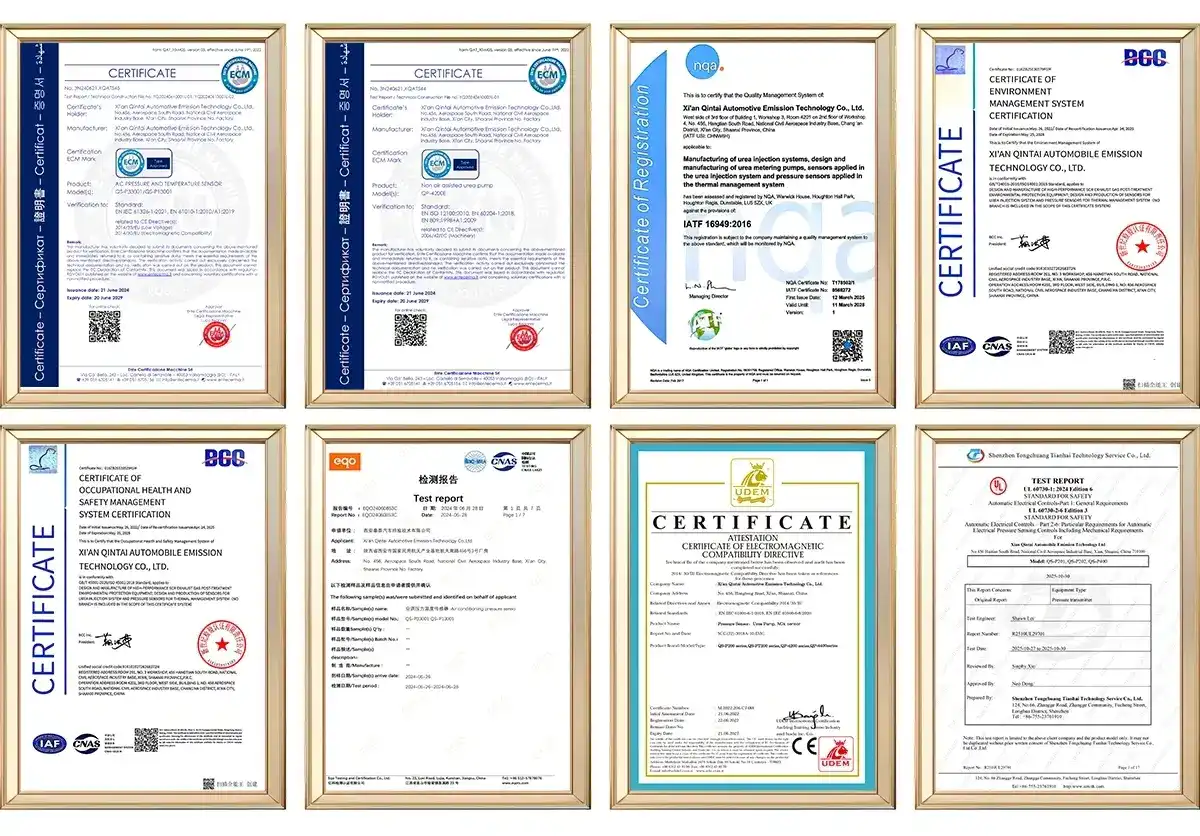
The QS-P226 provides robust sealing against moisture, dust and chemical entry for demanding vehicle environments. The SCR control unit gets immediate input on dosage levels via constant pressure measurement. The sensor is compatible with contemporary SCR systems used on both light-duty and heavy-duty diesel applications. Qintai was created in 2001 and has ISO9001, IATF16949, REACH and RoHS certifications. We have 86 people in R&D, 58 patents. We can produce more than two million sensors a year." We provide OEM and ODM service and facilitate modification for certain applications.
Conclusion
The major causes of a urea dosing pressure sensor failure include DEF crystallization and contamination, heat, thermal cycling, freezing, vibration, installation stress, moisture and electrical problems. Many reported problems are somewhere in the dosing circuit, in the pump, injector, valve, line or wiring. So diagnostics should include comparison of codes, voltage, signal and a calibrated pressure reference before anybody changes a part. Prevention is clean DEF, proper torque and connection support, shielded harnesses, and frequent inspection. Buyers should verify that the pressure range, output, mechanical interface and wetted structure are suitable for the application, and should ask suppliers for test proof, traceability and warranty conditions. Evaluating the whole cost of ownership, not just the unit price, can help decrease downtime and repeat claims.
FAQ
Q1: Why does a urea dosing pressure sensor fail?
A: Common reasons include crystallization, pollution, heat, vibration, moisture and electrical problems. Before blaming the sensor, inspect the whole dosing circuit. Same symptoms are frequently behind issues with the pump, injector or lines.
Q2: Can I test the sensor with a multimeter?
A: Uh huh. Check supply voltage, ground, and output signal. Checking just the resistance is not adequate, as newer sensors incorporate active electronics. Compare the measurement to a calibrated pressure reference to get a valid result.
Q3: When should I clean the sensor and when should I replace it?
A: Clean a blocked port or crystal buildup first. Replace the sensor when its output stays wrong against a reference after you have checked wiring, fluid quality, and the pump and injector.
Q4: What are the main QS-P226 specifications?
A: The QS-P226 measures −14 psi to +130.5 psi with 0.5% accuracy. It uses a 5 V supply and a 0.5–4.5 VDC ratiometric analog output. Each unit is 100% tested and carries a 12-month warranty.
Get a Urea Dosing Pressure Sensor Quote from Qintai
Qintai is a urea dosing pressure sensor manufacturer with ISO9001 and IATF16949 certifications, 58 invention patents, and annual capacity above two million sensors. Send your vehicle type, part number or drawing, pressure range, voltage, output, connector, thread, and annual demand to info@qt-sensor.com. Our team will recommend a suitable model and discuss OEM, ODM, or custom options.
References
1. ISO 22241-1: Diesel Engines – NOx Reduction Agent AUS 32 – Quality Requirements, 2019
2. ISO 22241-3: Diesel Engines – NOx Reduction Agent AUS 32 – Handling, Transportation and Storage, 2019
3. Federal Register: Control of Air Pollution from New Motor Vehicles: Heavy-Duty Engine and Vehicle Standards and Highway Diesel Fuel Sulfur Control Requirements, 2001
4. Catalysis Today: Urea-SCR: A Promising Technique to Reduce NOx Emissions from Automotive Diesel Engines, 2000
5. SAE International Journal of Engines: Vehicular Emissions in Review, 2016
6. Bosch Automotive Handbook, 2018

Our customers’ satisfaction speaks for our quality — contact us to experience the same reliable service.