- English
- French
- German
- Portuguese
- Spanish
- Russian
- Japanese
- Korean
- Arabic
- Greek
- German
- Turkish
- Italian
- Danish
- Romanian
- Indonesian
- Czech
- Afrikaans
- Swedish
- Polish
- Basque
- Catalan
- Esperanto
- Hindi
- Lao
- Albanian
- Amharic
- Armenian
- Azerbaijani
- Belarusian
- Bengali
- Bosnian
- Bulgarian
- Cebuano
- Chichewa
- Corsican
- Croatian
- Dutch
- Estonian
- Filipino
- Finnish
- Frisian
- Galician
- Georgian
- Gujarati
- Haitian
- Hausa
- Hawaiian
- Hebrew
- Hmong
- Hungarian
- Icelandic
- Igbo
- Javanese
- Kannada
- Kazakh
- Khmer
- Kurdish
- Kyrgyz
- Latin
- Latvian
- Lithuanian
- Luxembou..
- Macedonian
- Malagasy
- Malay
- Malayalam
- Maltese
- Maori
- Marathi
- Mongolian
- Burmese
- Nepali
- Norwegian
- Pashto
- Persian
- Punjabi
- Serbian
- Sesotho
- Sinhala
- Slovak
- Slovenian
- Somali
- Samoan
- Scots Gaelic
- Shona
- Sindhi
- Sundanese
- Swahili
- Tajik
- Tamil
- Telugu
- Thai
- Ukrainian
- Urdu
- Uzbek
- Vietnamese
- Welsh
- Xhosa
- Yiddish
- Yoruba
- Zulu
Why Urea Pressure Sensor Failures Happen: Diagnosis and Fixes
A urea pressure sensor monitors the hydraulic pressure of diesel exhaust fluid (DEF/AdBlue) inside the SCR dosing system, feeding real-time data to the engine control unit (ECU) to maintain precise NOx reduction. When this sensor fails, the ECU loses accurate dosing feedback, SCR operation becomes erratic, and the vehicle may trigger fault codes or enter limp mode. For OEM engineers, fleet managers, and repair professionals, understanding why these failures occur—and how to fix them—is directly tied to emission compliance, equipment uptime, and long-term operating costs.

Understanding Urea Pressure Sensor Failures
How the Sensor Works
The DEF pressure sensor sends an analog signal to the ECU that is usually between 0.5 and 4.5 VDC. This signal measures the pressure of the fluid inside the dose module. Based on this signal, the ECU changes the amount of injection. Any change in the pressure reading, even a small one, leads to wrong AdBlue dose, which directly increases NOx output and raises the risk of not meeting Euro VI or EPA Tier 4 Final standards.
Common Failure Symptoms
When the sensor starts to fail, techs usually see stored fault codes like P204B (Urea pressure sensor Circuit Range/Performance), diagnostic tools that give inconsistent pressure readings, SCR warning light that come on for no reason, and a drop in engine power. In the worst cases, the system stops injecting AdBlue completely to protect internal parts, which raises emissions right away from the tailpipe.
Sensor Technology Types and Their Risk Profiles
Aftertreatment systems use three main types of sensors: piezoelectric, capacitive, and resistance. Piezoelectric types are sensitive to signal shift caused by vibrations. Getting water on capacitive sensors can damage them. Most of the time, resistive sensors are used in DEF applications. However, their calibration can change over time, and urea crystallization on the diaphragm can damage them. When R&D engineers and procurement teams know the type of technology, they can accurately assign risk profiles to parts before they are ordered.
Diagnosing Causes of Urea Pressure Sensor Failures
Environmental and Chemical Factors
Urea solution is very harsh on chemicals. AdBlue breaks down and crystallizes at temperatures above 60°C, leaving a solid residue on detecting diaphragms. It's hard for fluids to touch this buildup, and it changes measures of pressure. When AdBlue freezes in cold places, it expands by about 9%, which can cause internal mechanical stress that can break sensor housings that weren't made to handle that expansion.
Mechanical and Electrical Issues
Most of the time, DEF sensor problems for the urea pressure sensor are known to be caused by chafing in the wiring leads, corroded contact pins, and loose ground connections. Connector pin oxidation adds resistance to the signal circuit, which causes the output voltage to be outside the normal range of 0.5 to 4.5 V and false fault codes to be sent. Calibration drift, in which the sensor's zero-point slowly moves, is a more subtle problem that builds up over tens of thousands of hours of use.
SCR System Integration Problems
If you don't use the right amount of force when installing the sensor, the threaded port can become deformed. This can lead to micro-leaks that let urea mist into the internal circuits. Range and performance problems can also happen when the sensor's output procedure and the dosing control unit (DCU) calibration table don't work together. Technical managers should make sure that the output signal type and thread specification are exactly the same as the target SCR platform before choosing a replacement.
Proven Methods to Diagnose and Fix Failures
Structured Diagnostic Checklist
First, look at the sensor body, connector, and wiring harness to see if they are broken, corroded, or have crystalline deposits on them. Next, check the voltage supply. The sensor should get a steady 5V DC from the ECU. With a calibrated multimeter, read the output signal when it's not being used, and then compare it to the range of ratiometric values that you would expect. Lastly, connect a diagnostic scan tool to get a list of current and ongoing DTCs and look over freeze-frame data for pressure values that don't seem right.
Practical Fixes for Common Problems
Most of the time, signal gaps are caused by dirty connectors. Using an approved electrical contact cleaner to clean the pins and dielectric grease to cover them often brings back conductivity. Sensors that have become clogged with urea crystallization might work again after a gentle cleaning of the port and diaphragm face. However, if a reference gage can't confirm accuracy, it's safer to replace the sensor. If steady-state testing shows that the calibration has drifted, the only fix that works is to replace the sensors and restart the ECU's parameters.
Preventive Maintenance Protocols
Every 60,000 miles or once a year, whichever comes first, you should have the sensors checked. When crystallization is found, flush the DEF system with clean deionized water. It is important to keep the firmware for your ECU and DCU up to date, as software updates can include fixed sensor offset tables. These steps cut down on unplanned downtime and make the sensor last longer. Under normal business conditions, sensors are said to last between 15,000 and 20,000 hours.

Choosing the Right Urea Pressure Sensor to Minimize Failures
Technology Comparison
Pressure monitors made for DEF service, such as the urea pressure sensor, are different from general-purpose pressure detectors in the materials they are made of and how they seal. Temperature-compensated types keep calibration stable over large temperature changes, which is very important for cars that go from cold starts in the winter in Minnesota to long summer runs with a lot of load. For use with generator sets in mines or power plants, industrial-grade sensors with extended temperature values and sealed IP67 or higher housings are the best choice.
Qintai QS-P226: Technical Overview
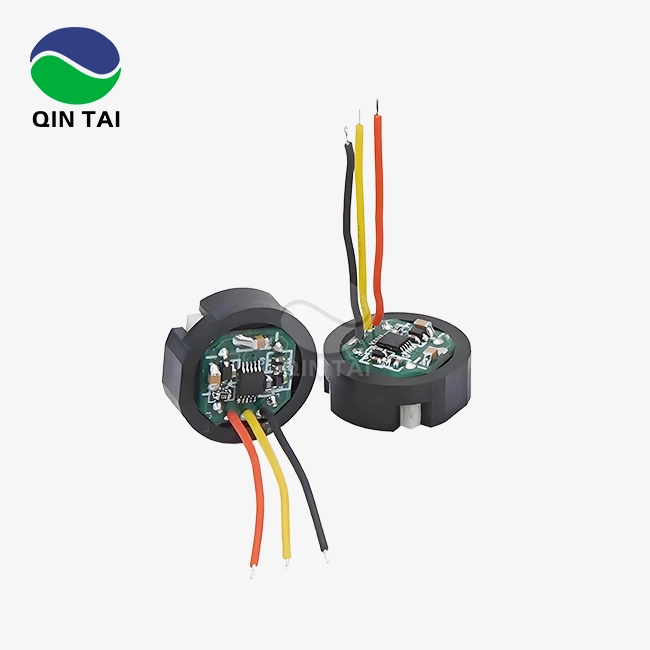
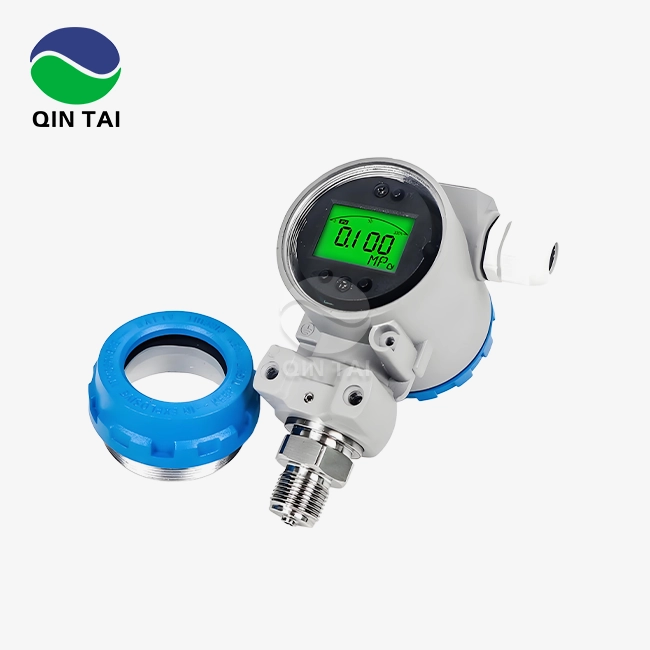
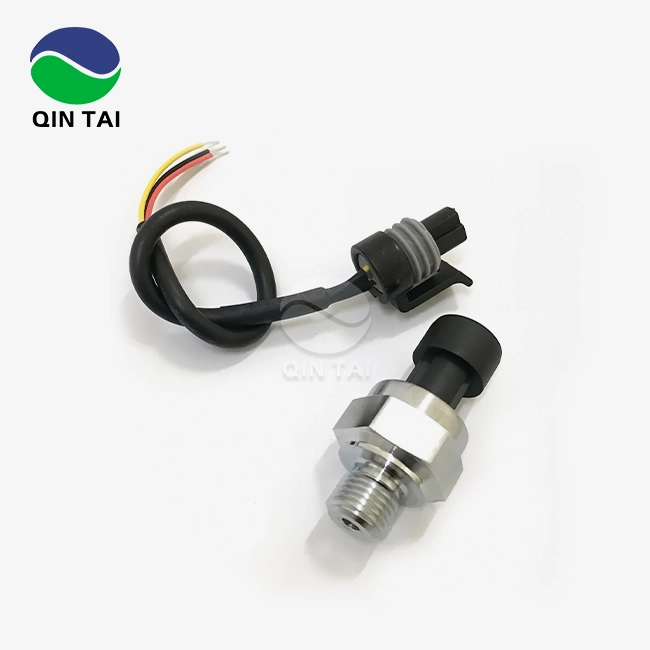
Qintai made the QS-P226 DEF pressure sensor, which is based on an in-house sensor core. Here are some of the most important specs about this device:
- Measurement Range: -14 psi to +130.5 psi (covers system startup through maximum dosing pressure)
- Signal Output: 0.5–4.5 VDC ratiometric analog
- Supply Voltage: 5V DC
- Accuracy: ±0.5% full-scale
- Warranty: 12 months; 100% factory tested before shipment
The QS-P226 can find system leaks that cause pressure drops, blocks that cause overpressure, pump wear, and injector problems thanks to these specs. The accuracy rating of ±0.5% means that the ECU gets accurate dosing information throughout the operating cycle, which lowers the risk of NOx not meeting regulations.
The QS-P226 can handle the roughest field conditions thanks to four engineered features. Its urea-resistant materials can stand up to constant chemical contact and hardening. Its thermal design keeps it calibrated from cold starts to long periods of high load. Its design makes it so that steady car vibration doesn't affect the signal. The sealed housing keeps wetness and dust from getting into the internal parts. Because of these features, the QS-P226 can be used in heavy trucks, construction equipment, farm machinery, and generator sets.
Supplier Selection Criteria
When looking for a urea pressure sensor supplier, purchasing managers should make sure that the company has IATF16949 and ISO9001 certifications, can show examples of OEM customers, and has production quality records that can be tracked. Lead time, minimum order amounts, and technical reaction time after the sale are all important factors, especially for businesses that need to schedule repairs quickly.

Future-Proofing Your SCR Systems with Advanced Sensor Solutions
Smart Sensor Integration
Predictive repair teams can find signs of wear and tear before they happen by sending real-time pressure data from the urea pressure sensor to vehicle telematics systems. Early-warning systems based on DEF pressure trend data can help cut down on unnecessary repairs by spotting the loss of pressure weeks before a fault code shows up.
Regulatory Demands Are Only Increasing
China VI and Euro VI have set strict NOx limits that don't leave much room for error in dosing. The U.S. EPA is continuing to make it harder to break Tier 4 Final rules. Investing in sensors that are known to be accurate and have a long service life is a direct way to cut costs. SCR problems that cause limp mode cost a lot more in lost output than replacing the sensors.
Long-Term Supplier Partnerships
OEMs and integrators of aftertreatment systems get the most out of providers who offer OEM/ODM customization, steady production capacity, and quick expert support. Weichai Power, Yuchai Power, and Quanchai Power all buy sensors from Qintai, which has been in business since 2001 and has 58 invention patents. The goods are sent to over 60 different countries.
Conclusion
There is a clear list of reasons why the urea pressure sensor breaks: chemical contamination, freeze-thaw stress, connector corrosion, calibration drift, and integration mismatches. For each of these, a systematic diagnosis and targeted repair or replacement can help.
Most of these failure risks can be avoided before they happen in the field by choosing a sensor that has been tested for accuracy, material compatibility, and OEM-level approval. For engineers and buying teams in charge of emission-controlled fleets or production programs, the choice of sensor design has a direct effect on how well the fleet or program meets compliance standards and how much it costs to run overall.

FAQ
How often should I inspect my DEF pressure sensor?
At every major service interval, which is usually every 60,000 miles or once a year, check the sensor and its connector. It is better to check things more often on dusty building sites or in cold places where crystallization and freeze-thaw cycles speed up wear.
What fault code indicates a DEF pressure sensor problem?
The most common sign is fault code P204B, which means "Urea pressure sensor Circuit Range/Performance." It could be caused by signal drift, dirty connection pins, or internal diaphragm damage.
Can a failed sensor damage other SCR components?
Yes. If the ECU can't check the right amount pressure, it could give too much or too little AdBlue. Overdosing can damage the SCR catalyst, and underdosing can cause NOx levels to go too high, which could lead to fines from the government.
Does freezing AdBlue damage the sensor?
If a sensor wasn't made to handle freeze growth, it can crack inside. Good sensors have an internal cushion that can adapt to AdBlue's 9% volume increase at freezing temperatures.
What is the expected service life?
In normal business settings, a well-made DEF pressure sensor is meant to last between 15,000 and 20,000 hours of use. That number may go down in places with a lot of shaking or chemicals in the air.
Partner with Qintai for Dependable DEF Pressure Sensor Supply
Qintai is a recognized company that makes urea pressure sensors. They have ISO9001 and IATF16949 certifications, 58 idea patents, and more than 20 years of experience with SCR aftertreatment. The QS-P226 is accurate to within ±0.5%, fully resistant to DEF chemicals, and has been tested at the plant 100 times.
This means that your buying team will get a product that can be tracked and has real OEM production credentials. You can email us at info@qt-sensor.com or go to qt-sensor.com to get a quote or download the product datasheet, whether you need OEM/ODM quantities or aftermarket supply.
References
1. Robert Bosch GmbH. Bosch Automotive Handbook, 10th Edition. Bentley Publishers, 2018.
2. SAE International. SAE J2743: Selective Catalytic Reduction (SCR) System Standards for Heavy-Duty Diesel Engines. SAE International, 2020.
3. U.S. Environmental Protection Agency. Diesel Exhaust Fluid (DEF) and SCR Technology for NOx Reduction. EPA Office of Transportation and Air Quality, 2021.
4. International Organization for Standardization. ISO 22241: Diesel Engines — NOx Reduction Agent AUS 32. ISO, 2019.
5. Delphi Technologies. Diesel Exhaust Aftertreatment Systems: Engineering and Diagnostics Reference Guide. Delphi Technologies, 2019.
6. Society of Automotive Engineers. Urea Dosing System Reliability and Sensor Performance in Commercial Vehicle SCR Applications. SAE Technical Paper 2022-01-0567, 2022.

Our customers’ satisfaction speaks for our quality — contact us to experience the same reliable service.