- English
- French
- German
- Portuguese
- Spanish
- Russian
- Japanese
- Korean
- Arabic
- Greek
- German
- Turkish
- Italian
- Danish
- Romanian
- Indonesian
- Czech
- Afrikaans
- Swedish
- Polish
- Basque
- Catalan
- Esperanto
- Hindi
- Lao
- Albanian
- Amharic
- Armenian
- Azerbaijani
- Belarusian
- Bengali
- Bosnian
- Bulgarian
- Cebuano
- Chichewa
- Corsican
- Croatian
- Dutch
- Estonian
- Filipino
- Finnish
- Frisian
- Galician
- Georgian
- Gujarati
- Haitian
- Hausa
- Hawaiian
- Hebrew
- Hmong
- Hungarian
- Icelandic
- Igbo
- Javanese
- Kannada
- Kazakh
- Khmer
- Kurdish
- Kyrgyz
- Latin
- Latvian
- Lithuanian
- Luxembou..
- Macedonian
- Malagasy
- Malay
- Malayalam
- Maltese
- Maori
- Marathi
- Mongolian
- Burmese
- Nepali
- Norwegian
- Pashto
- Persian
- Punjabi
- Serbian
- Sesotho
- Sinhala
- Slovak
- Slovenian
- Somali
- Samoan
- Scots Gaelic
- Shona
- Sindhi
- Sundanese
- Swahili
- Tajik
- Tamil
- Telugu
- Thai
- Ukrainian
- Urdu
- Uzbek
- Vietnamese
- Welsh
- Xhosa
- Yiddish
- Yoruba
- Zulu
Aftertreatment Dosing Unit vs Injector: Key Differences for Buyers
When sourcing components for diesel emission control systems, one question comes up repeatedly among purchasing managers and R&D engineers: what exactly separates an aftertreatment dosing unit from a fuel injector, and why does it matter for compliance and procurement? These two components serve entirely different functions, yet they are frequently confused in technical discussions. Understanding the distinction helps buyers make smarter decisions, reduce warranty risks, and stay aligned with EPA Tier 4 Final and Euro VI emission standards.
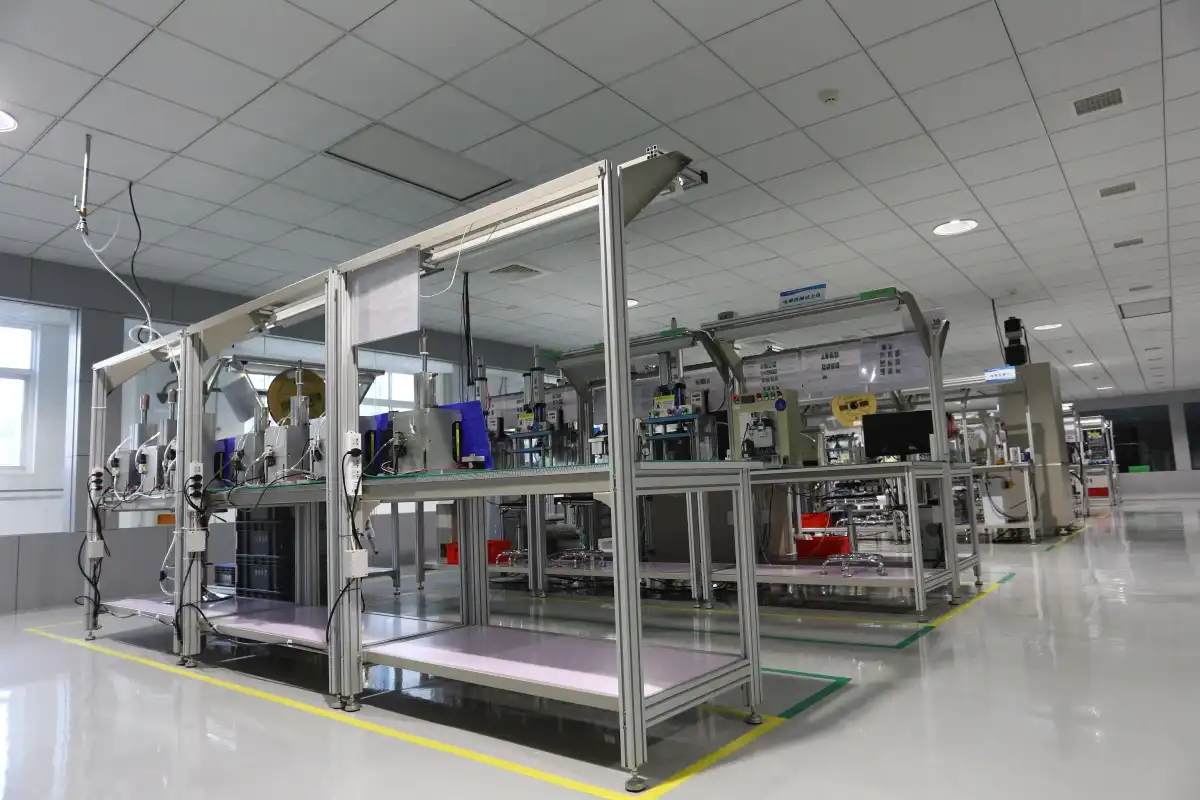
Introduction to Aftertreatment Dosing Units and Injectors
What Is an Aftertreatment Dosing Unit?
An accurate part of a Selective Catalytic Reduction (SCR) system that delivers fluids is called an aftertreatment dosing unit. Diesel Exhaust Fluid (DEF/AdBlue), which is a mix of 32.5% urea and water, is pumped into the exhaust stream at set rates. Data from the NOx monitor is used by the Dosing Control Unit (DCU) or ECU to decide in real time how much to give. The EPA says that NOx pollution can be cut by up to 90% when DEF is used in SCR systems. To follow the rules, you must make sure that the doses are correct.
What Is a Diesel Fuel Injector?
A diesel fuel injector in current common-rail systems sends atomized fuel straight into the combustion chamber at pressures of about 1,600 to 2,500 bar. It handles the amount of fuel, the spray pattern, and the time of the doses so that the stove burns as efficiently as possible. It changes the speed of the engine, the gas mileage, and the amount of pollution it makes. So that the engines work well and last a long time, OEMs that make heavy trucks, building equipment, or generator sets need to make sure that the injectors are good.
Why the Distinction Matters for Procurement?
If buying teams get these two parts mixed up, they might order the wrong part, which could void warranties or cause emissions tests to fail. One is used in the high-pressure fuel circuit and the other is used in the circuit that cleans the exhaust. Pressures, fluids, temperature changes, and government approvals are just some of the things they have to deal with. Before making a B2B sourcing choice, you need to know this limit. Understanding this distinction is critical when specifying an aftertreatment dosing unit for exhaust treatment rather than a fuel-circuit component.
Core Functional Differences Between Aftertreatment Dosing Units and Injectors
Operating Environment and Fluid Compatibility
The machine that does the aftertreatment works with an acidic urea solution under low pressures, usually between 0 and 12 bar (1.2 MPa). The parts inside have to be strong enough to handle urea crystals, freeze-thaw cycles (AdBlue grows by about 9% when it freezes), and chemical breakdown. You can get standard parts made of 316L stainless steel or PPS diaphragms. But fuel injectors work with diesel fuel that is very hot and under a lot of pressure. Because of this, they need to be made of hardened steel and follow very strict size and shape rules to keep the flow shape.
Control Signals and System Integration
Because it knows the output temperature, engine load, and NOx amount, the DCU tells the dosing units what to do. They use pressure sensors, such as the urea dosing pressure sensor, to keep closed-loop feedback control going. Exactly every millisecond, the Engine Control Module (ECM) tells the fuel injectors to fire so that they can do their job. They are not the same, and you can't switch between them. This makes it harder for OEM engineers and people who work with aftertreatment to plan how to connect systems.
Emission Control vs. Combustion Efficiency
You can tell how well a filling unit works by how exactly it injects DEF, which is generally within 1.5% of the full scale. This has a direct effect on how fast NOx levels drop and on meeting government rules. The flow consistency, spray angle, and atomization quality of a fuel injector all affect how well it works. Any of these things can change how well the engine burns fuel and how well it works. There are more emissions because of both parts, but they do so in very different ways inside the engine.
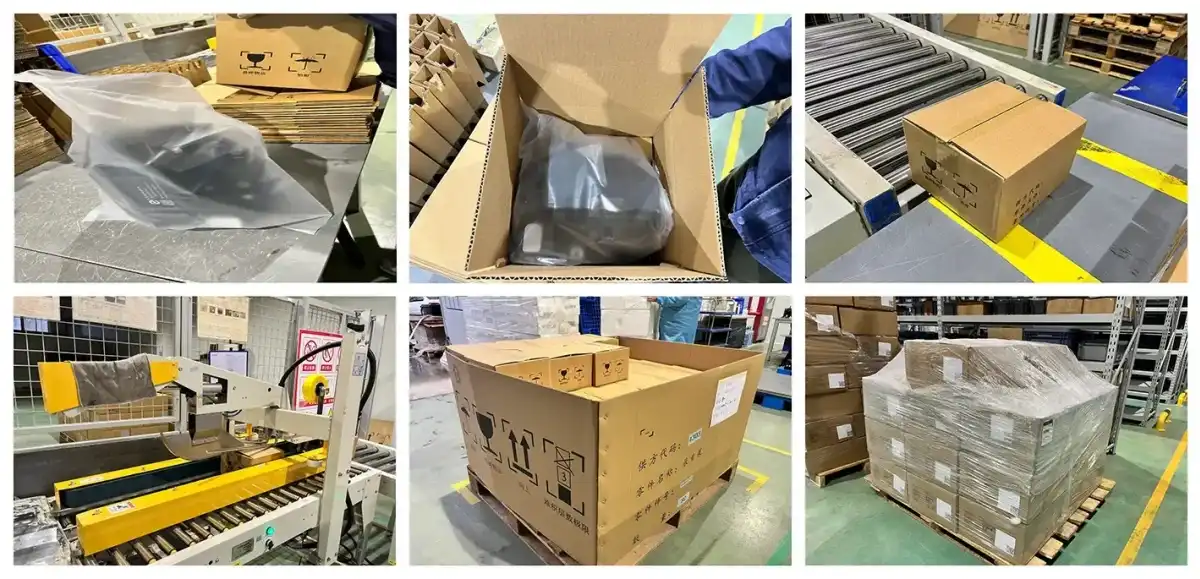
Comparison of Aftertreatment Dosing Units and Injectors for Buyers
People who want to buy parts often have to pick between OEM-grade parts and aftermarket parts. These are the most important things to think about when you judge each part:
- Dosing accuracy vs. injection precision: Aftertreatment dosing units require ≤±1.5% FS accuracy to maintain DEF flow consistency across temperature ranges from -40°C to +125°C. Fuel injectors require tight spray pattern tolerances, often validated against OEM flow bench data, to meet engine performance specs.
- Certification and compliance requirements: For China VI and Euro VI markets, dosing units must meet specific EMC standards and IP67/IP69K ingress protection ratings. Fuel injectors must comply with OEM-approved calibration data and often carry engine-type certification under emission homologation frameworks.
- OEM vs. aftermarket trade-offs: OEM components carry full engine-builder validation but at premium cost and longer lead times. Certified aftermarket suppliers offering IATF16949-qualified production can deliver comparable performance with better availability and price flexibility — particularly relevant for repair shops and parts distributors managing stock across multiple vehicle platforms.
Maintenance, Troubleshooting, and Lifespan Insights
Routine Maintenance for Dosing Units
How long a dose lasts depends on how strong the DEF is. If the urea solution gets dirty or broken down, it speeds up the hardening process inside the dose module. This stops flow routes and causes error codes like P204B (Urea Pressure Sensor Circuit Range/Performance) to show up. The system doesn't break down too soon because it is flushed when the equipment isn't being used for a while and the filter elements are checked every 15,000 hours. Good sensors don't get signal drift when the connection ends are gold-plated. Pin rust is what causes signal drift most of the time.
Troubleshooting Fuel Injector Issues
When an injector isn't working right, it usually shows up as a rough idle, more smoke, or fault codes that claim the amount of injection is off. When an engine has a lot of miles on it, the valves wear out and stuff builds up on the tip. Flow tests on a measured bench are the usual way to find out what's wrong. OEMs usually say that the injectors should be checked every 10,000 to 12,000 hours on generator sets that need to work all the time.
Replacement Planning and Lifespan Benchmarks
Urea dosing units in industrial trucks should be used for at least 15,000 to 20,000 hours before they need to be replaced. Most fuel injectors in heavy-duty diesel engines last between 150,000 and 250,000 miles before they need to be fixed or replaced. As part of regular maintenance, procurement teams should plan for generator sets to be replaced on a regular basis instead of waiting for them to break down. This is very important for generator sets that are used in mines or power plants and need to work all the time.

Procurement Guide: How to Choose and Buy Aftertreatment Dosing Units and Injectors?
Matching Specifications to Application
As an OEM or system developer, the first thing that you should check is how well it works with the engine base. Because of this, the dosing units need to be able to work with the DEF system's pump pressure range and DCU signal protocol (0.5V–4.5V analog or SENT digital). There needs to be a match between the flow rates, connection types, and tuning numbers on the fuel valves and the engine. When specs don't meet, mistakes can happen in the system and limp mode may be turned on. This makes engine-base compatibility the first checkpoint when selecting an aftertreatment dosing unit for an OEM platform.
Evaluating Supplier Qualifications
Some aftertreatment dose unit providers should have at least ISO9001 and IATF16949 certifications for you to know you can trust them. It can be sold on the world market if it has more certificates, such as CE, RoHS, and REACH. For things like mine generator sets that need to be used in dangerous places, you need goods that have been ex-certified. Buyers should get written test results from several suppliers before choosing one. These results should show how well the product handles freeze-thaw cycles, its EMC performance, and its long-term pressure stability.
Sourcing Strategy and After-Sales Support
Repair shops and sellers who need new parts right away can get them from distributors who keep stock in their area and cut down on lead times. When you buy in bulk, having direct OEM/ODM relationships with makers can save you money. These relationships also let you change interfaces or tuning settings, which is very useful for people who put together aftertreatment systems. Read about the warranty, return policies, and customer service before you place a big order.
Conclusion
Aftertreatment dosing units and fuel injectors each do a different job in the combustion and emission control systems of a diesel engine. If you get either part wrong, you could not meet safety standards, have unexpected downtime, or spend money you don't have to. They can choose a better place to buy these parts if they know the technical limits of them, such as the pressure ranges, fluid compatibility, control design, and certification needs. Going with suppliers who know what they're doing is the best way for buying teams in the OEM, aftermarket, and generator set sectors to get better long-term performance.
FAQ
What is the primary difference between a dosing unit and a fuel injector?
A dosing machine works as part of the SCR system to add DEF/AdBlue to the waste stream in order to lower NOx. A fuel injector sends high-pressure diesel spark plugs into the combustion chamber so that the engine can burn. They work with different fluids and have different operating methods. They also serve different circuits.
How often should a dosing unit be serviced?
Commercial vehicles should be checked every 15,000 hours of use as a general rule. The system needs to be cleaned so that the urea doesn't crystallize in the dose module while it's being stored for the winter.
Are aftermarket dosing units reliable compared to OEM parts?
IATF16949-certified makers of aftermarket parts can make them work just as well as OEM parts if they follow the same building rules. Quality can be seen in a number of ways, such as IP69K ingress protection, proven freeze-thaw resistance, and recorded EMC compliance. Always ask for the test findings and the guarantee's terms.
Can a dosing unit be used across different SCR system brands?
A lot of the time, people use the same physical thread standards, like M101 or M12 1.5. However, the signal output protocols must match the ECU calibration. Before cross-application, talk to an expert in your system to make sure the pressure range and signal type (analog vs. SENT) are correct.
What fault code indicates a dosing unit pressure sensor issue?
If the urea pressure sensor circuit gives you the fault code P204B, it means that there is a problem with its range or how well it works. This often happens when a sensor gets old, the signal changes, or the pins on the link get rusty. Terminals that are gold-plated and sensor elements that are based on MEMS make it much less likely that this will happen.
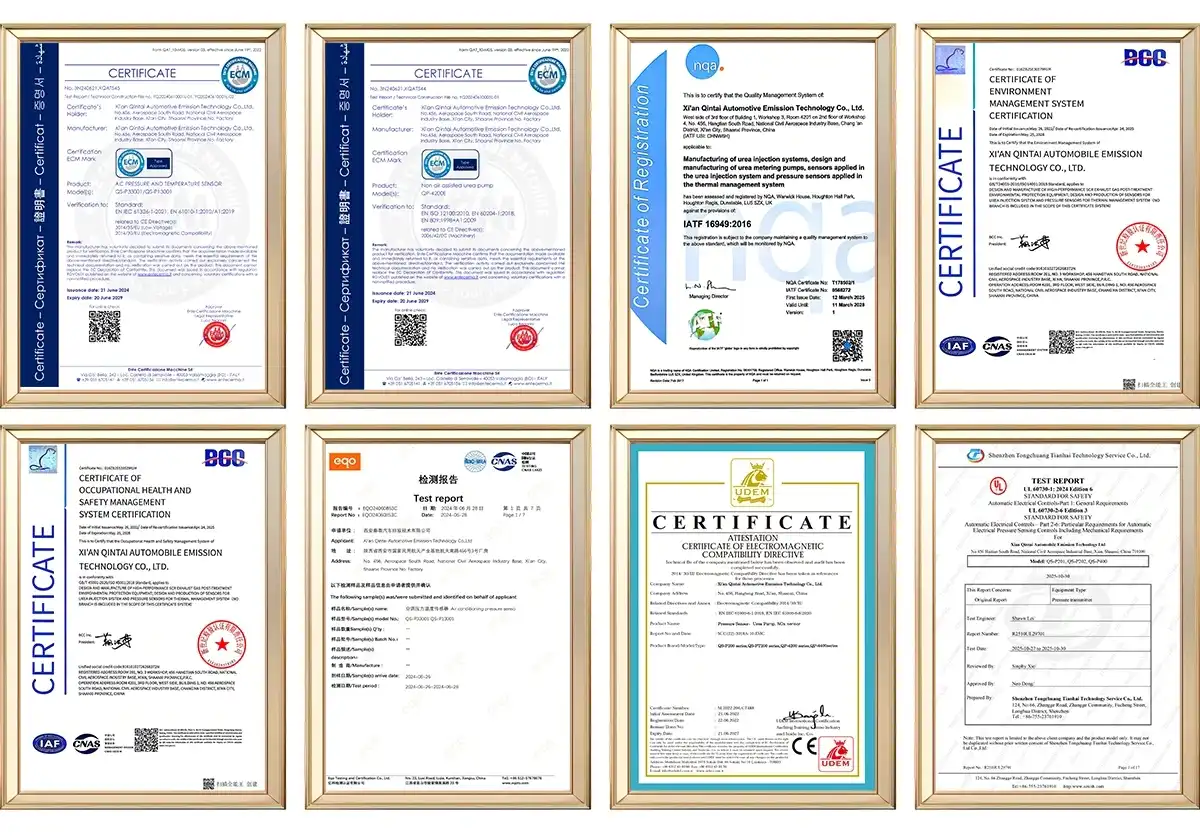
Partner with Qintai for Certified Aftertreatment Dosing Unit Solutions
Qintai has sold parts for SCR aftertreatment all over the world since 2001. They have ISO9001, IATF16949, CE, and REACH tags on them. You can depend on Qintai to make good aftertreatment dose units. They also work with Weichai Power, Yuchai Power, and Quanchai Power more than any other company in China. They make things for OEM/ODM, do special testing, and help people quickly in more than 60 countries. You can email our tech team at info@qt-sensor.com to get more information or a quote.
References
1. European Commission. Euro VI Emission Standards for Heavy-Duty Vehicles. Official Journal of the European Union, 2009.
2. U.S. Environmental Protection Agency. Diesel Exhaust Fluid (DEF) and SCR Technology Overview. EPA Publication, 2012.
3. SAE International. SAE J2786: Urea Solution (AUS 32) Quality Requirements for SCR Systems. SAE Technical Standards, 2011.
4. ISO. ISO 22241-1: Diesel Engines — NOx Reduction Agent AUS 32 — Quality Requirements. International Organization for Standardization, 2019.
5. Bosch Automotive Handbook. Exhaust Aftertreatment Systems for Diesel Engines, 10th Edition. Robert Bosch GmbH, 2022.
6. Delphi Technologies. Fuel Injection Systems for Commercial Diesel Engines: Technical Reference Guide. Delphi Technologies Engineering Publications, 2020.
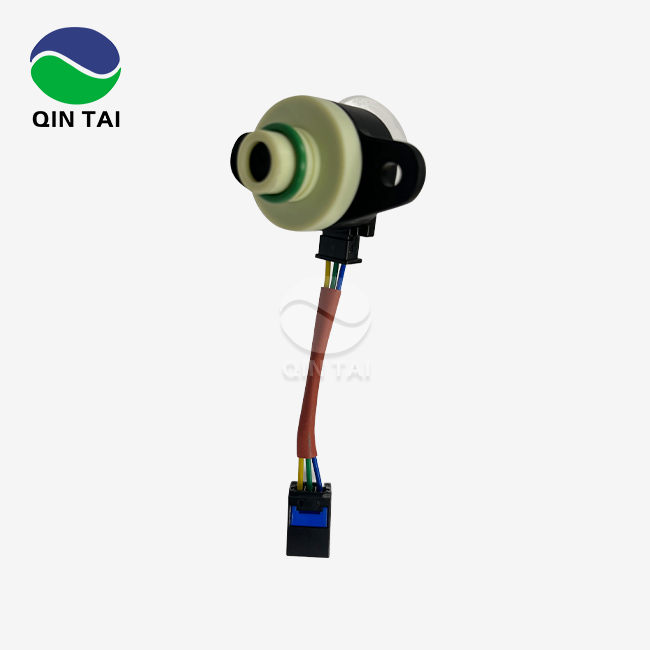
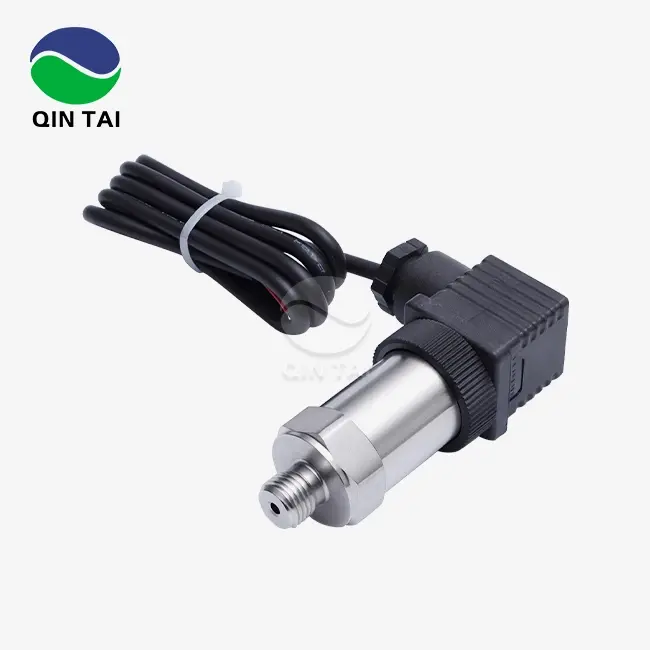
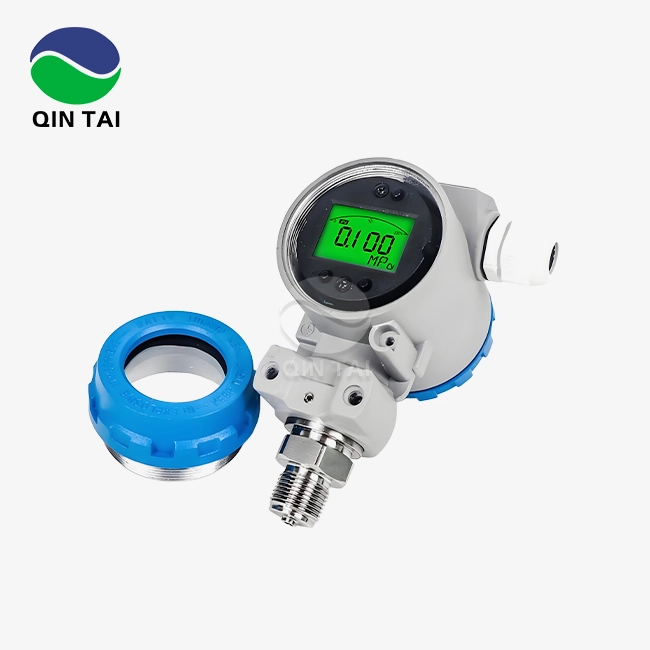
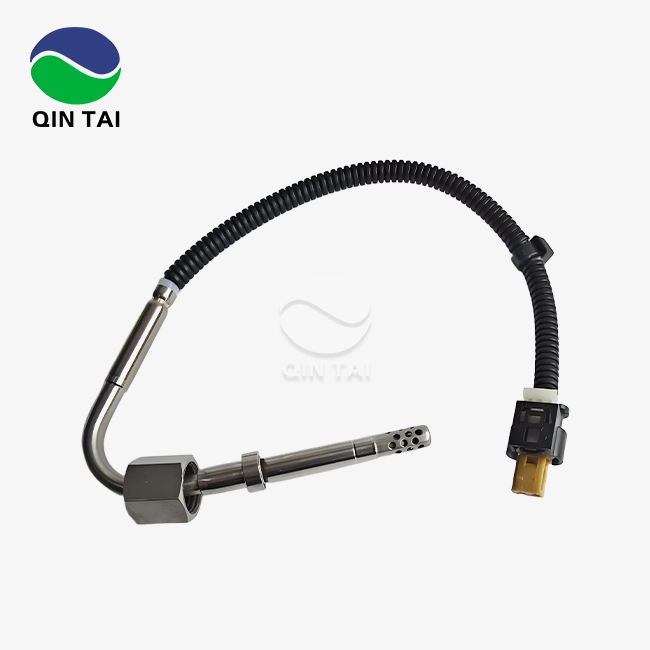

Our customers’ satisfaction speaks for our quality — contact us to experience the same reliable service.