- English
- French
- German
- Portuguese
- Spanish
- Russian
- Japanese
- Korean
- Arabic
- Greek
- German
- Turkish
- Italian
- Danish
- Romanian
- Indonesian
- Czech
- Afrikaans
- Swedish
- Polish
- Basque
- Catalan
- Esperanto
- Hindi
- Lao
- Albanian
- Amharic
- Armenian
- Azerbaijani
- Belarusian
- Bengali
- Bosnian
- Bulgarian
- Cebuano
- Chichewa
- Corsican
- Croatian
- Dutch
- Estonian
- Filipino
- Finnish
- Frisian
- Galician
- Georgian
- Gujarati
- Haitian
- Hausa
- Hawaiian
- Hebrew
- Hmong
- Hungarian
- Icelandic
- Igbo
- Javanese
- Kannada
- Kazakh
- Khmer
- Kurdish
- Kyrgyz
- Latin
- Latvian
- Lithuanian
- Luxembou..
- Macedonian
- Malagasy
- Malay
- Malayalam
- Maltese
- Maori
- Marathi
- Mongolian
- Burmese
- Nepali
- Norwegian
- Pashto
- Persian
- Punjabi
- Serbian
- Sesotho
- Sinhala
- Slovak
- Slovenian
- Somali
- Samoan
- Scots Gaelic
- Shona
- Sindhi
- Sundanese
- Swahili
- Tajik
- Tamil
- Telugu
- Thai
- Ukrainian
- Urdu
- Uzbek
- Vietnamese
- Welsh
- Xhosa
- Yiddish
- Yoruba
- Zulu
OEM SCR Dosing System Solutions for Heavy Duty Truck Manufacturers
If you build heavy-duty diesel engines or integrate aftertreatment systems, you already know that emission compliance is not optional—it is a condition of doing business. A well-engineered SCR dosing system sits at the center of that compliance effort. It meters Diesel Exhaust Fluid (DEF/AdBlue) into the exhaust stream with precision, triggering a chemical reaction inside the SCR catalyst that converts nitrogen oxides (NOx) into harmless nitrogen and water vapor. For OEM truck manufacturers targeting Euro VI or EPA Tier 4 Final certification, choosing the right urea dosing solution directly affects product approval timelines, warranty exposure, and total production cost.
Understanding SCR Dosing Systems in Heavy-Duty Trucks
Core Components and Their Roles
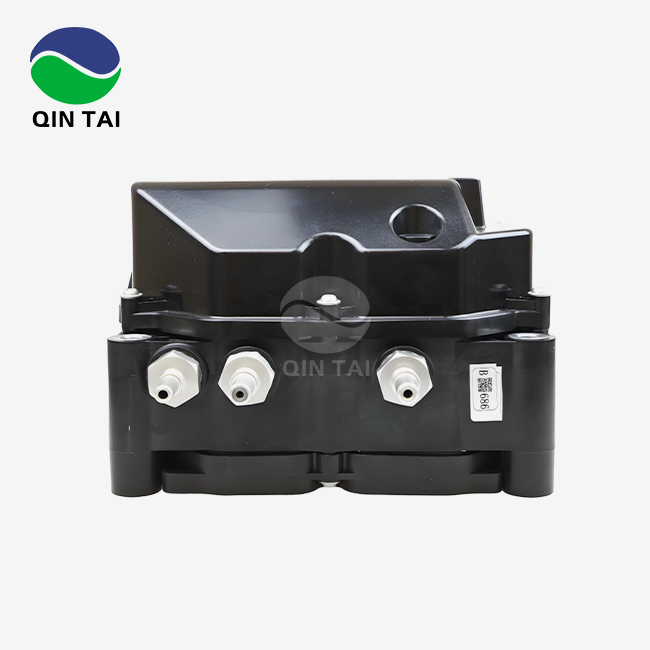
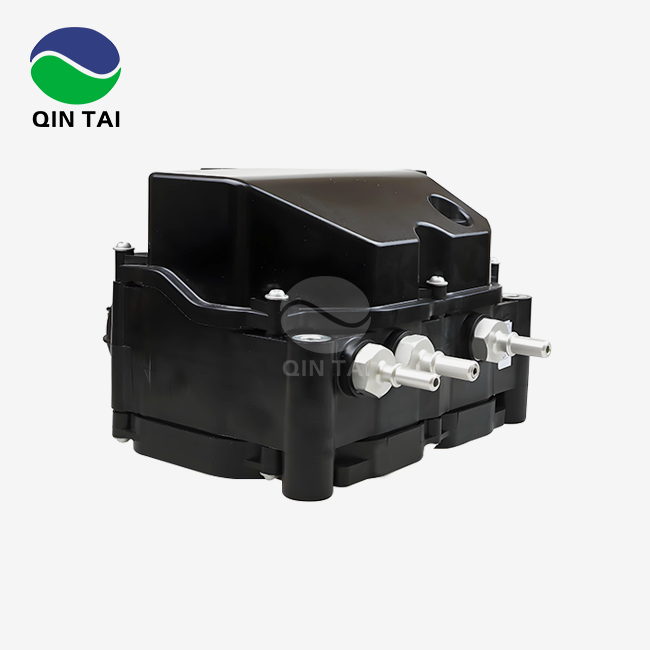
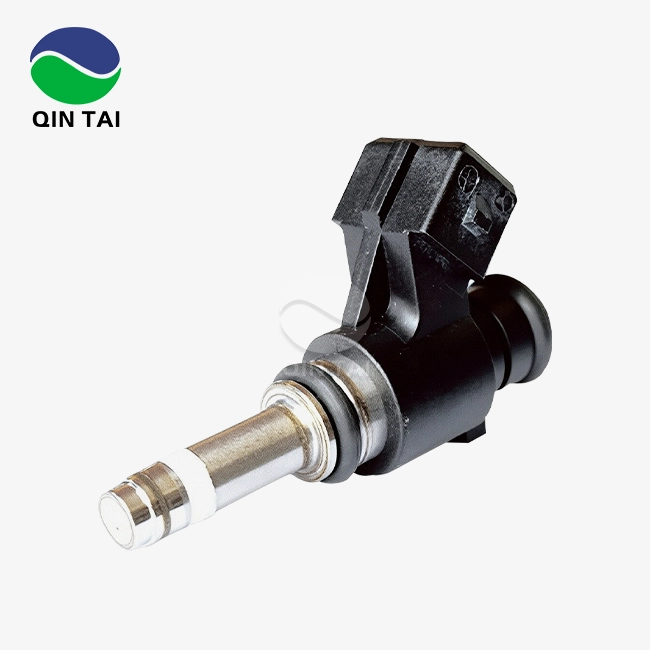
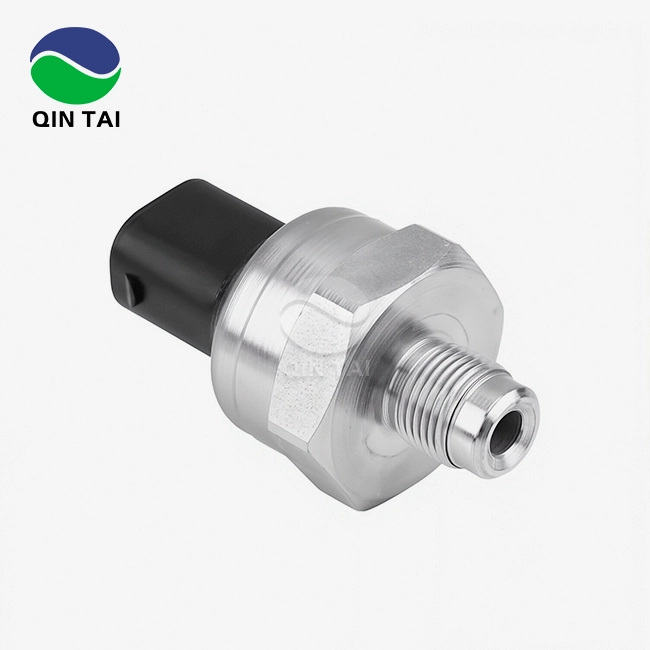
An SCR aftertreatment system is made up of several parts that work together. The dosing control unit (DCU) is like the brain; it figures out the exact amount of DEF that is needed based on the engine load and exhaust temperature. That amount of urea is injected into the exhaust pipe before the catalyst by the urea injector. Real-time hydraulic pressure data is sent back to the DCU by sensors, especially the urea dosing pressure sensor. This allows closed-loop control that keeps the injection volume within ±2% of the true value throughout the entire operating range.
How the Dosing Workflow Operates
A level sensor, a temperature sensor, and a quality sensor let the urea fuel tank talk to the SCR system. It also stores AdBlue. The pump puts pressure on the DEF line when the engine starts. The urea dose pressure indicator constantly checks the line pressure. A drop in pressure could mean there is a leak or blockage, while an increase in pressure could mean the line is frozen or a valve is broken. Within milliseconds, the DCU acts to protect the catalyst by either changing the speed of the pump or turning off the system.
Why OEM Solutions Outperform Aftermarket Alternatives?
The exact engine map and exhaust backpressure profile of each model are used to test OEM-grade SCR parts. That adjustment lowers the chance of NOx levels going over limits during type-approval testing, which can cause a product launch to be pushed back by months. OEM parts also come with quality documentation that can be tracked, which is required by certification bodies like CARB, EPA, and EU type-approval authorities. This gives purchasing managers peace of mind during audit cycles.
Key Considerations in Choosing SCR Dosing Systems for OEM Integration
SCR Versus Alternative Emission Control Technologies
For large industrial engines, Exhaust Gas Recirculation (EGR) by itself is not enough to meet China VI or Euro VI NOx standards. When there is no closed-loop pressure feedback, standard urea injection has a hard time keeping dosing accuracy over long periods of time. A fully integrated SCR dosing system with a specialized urea pressure sensor fills in both holes and provides the accuracy and longevity needed for heavy-duty uses, especially for long-haul trucks that have been used for more than a million kilometers.
Comparing Leading Global Brands
There are a lot of global suppliers in this space, and each one has its own strengths. Bosch is known for having a large dealer network in North America and Europe and ECUs that work with a lot of different cars. Continental works on modular system designs that make it easier to connect systems that are used on different truck platforms. When it comes to its own engine families, Cummins provides strong co-engineering support. But purchasing teams are looking at Chinese OEM specialists like Qintai more and more to see if they can handle large-scale production, have competitive prices, and have the same ISO 9001/IATF 16949 certifications as Western suppliers.
Selection Criteria That Matter Most
Before selecting a supplier, technical teams usually look at four things: the accuracy of the dose (the goal is ±2% across –40°C to 105°C), the service life of the sensor (at least 15,000–20,000 hours), the compatibility of the interfaces (CAN bus, SENT signal, or 0.5 V–4.5 V analog), and the supplier's ability to support mass production without delivery gaps. Buying departments then add the total landed cost, the terms of the warranty, and the time it takes for customer service after the sale. The fastest way for management to approve a supplier is for them to meet all six criteria in both departments.

Installation, Operation, and Maintenance of SCR Dosing Systems
Best Practices for OEM Integration
How the sensor is mounted affects how accurate it is and how long the injector lasts. If the atmospheric temperature is above 80°C, the DEF line should stay away from heat soak zones. The injector tip should point into the exhaust flow at the angle set by the system calibration. To keep the urea pressure sensor output from having signal offset errors during electronic integration, the ground for the DCU wiring harness must be connected to the engine block and not the chassis.
Daily Monitoring and Diagnostics
At every service interval, fleet engineers should write down DCU fault codes. The trouble number P204B (Urea Pressure Sensor Circuit Range/Performance) is usually caused by dirty connector pins or sensors that are getting old, not by a problem with the hardware. Standard in Qintai's product line are sensors with gold-plated connections, which greatly reduce this type of failure. If the real-time pressure number is outside the normal working window of 350–900 kPa, the car should be looked into right away before it goes into limp mode.
Routine Maintenance and Troubleshooting
The main problem in the field is urea crystallization in the dosing module. Crystals don't build up on the diaphragm of sensors that are made with few dead-volume chambers and smooth flow paths. Every 150,000 km, the DEF line should be flushed, and every 300,000 km, the injector tip should be checked. When AdBlue freezes at –11°C, its volume expands by 9%, which can break rigid parts. Sensors with a flexible internal buffer structure can handle this expansion without damage, though.
Procurement and Supply Chain Insights for OEM SCR Dosing Systems
Finding Reliable Global Suppliers
A reliable SCR dosing system supplier should be IATF 16949 certified, which is the standard for quality management in the automotive industry, and be able to give First Article Inspection (FAI) reports for each production batch. Vertical integration is important: suppliers that make their own sensing elements instead of putting together parts from other companies can better control the process and respond faster when changes need to be made to the specifications.
Managing Cost and Logistics
In 2026, heavy-duty OEM-grade urea pressure monitors usually cost between $18 and $45 USD each, based on the signal protocol and pressure range they work with. When an order includes more than 5,000 units, tier pricing and dedicated inventory allocation are usually made possible. For North American OEM customers, shipping goods by ocean from China to ports on the West Coast takes an average of 18–22 days. For urgent tooling or prototype runs, air freight is still an option.
Protecting System Integrity with Genuine Parts
There are fake DEF pressure monitors in the aftermarket, and they often don't have temperature adjustment circuits, which leads to dosing mistakes when the engine is cold. That hole can be filled by choosing a single, checked SCR dosing system provider for both OEM production and allowed aftermarket replacement. Qintai has bonded inventory programs that support just-in-time production lines and supplies core OEM customers like Weichai Power, Yuchai Power, and Quanchai Power.
Future Trends and Innovation in SCR Dosing Systems for Heavy-Duty Trucks
Advanced Dosing Accuracy and Electronic Integration
Regulatory bodies are making it harder to meet real-world driving emissions (RDE) standards. This means that on-road NOx performance, not just test-cycle compliance, now decides who can get into the market. Newer dosing modules use SENT-protocol pressure sensors and built-in temperature compensation to keep their accuracy within ±1.5% throughout the entire thermal cycle. This cuts down on reagent waste by up to 8% compared to older open-loop designs.
Global Regulatory Drivers
The proposed Euro VII standard and the U.S. EPA's HD Phase 3 greenhouse gas rule (which will be finalized in 2024) both make NOx limits even stricter. When OEM engineers build systems around high-precision urea dosing layouts, they avoid having to do expensive redesigns in the middle of a cycle. Diesel heavy-duty trucks will still have to follow the SCR pathway for compliance in all major markets until at least 2035.
Sustainability and Long-Term Value
Optimized DEF consumption directly leads to lower operating costs for fleet operators, which makes people more likely to buy a truck. When suppliers do research on sensor longevity (aiming for 20,000+ operating hours), warranty claims go down, and OEM sales teams can tell fleet buyers a better story about the total cost of ownership.
Conclusion
A reliable aftertreatment design is the first step to meeting pollution standards. The injector, dose control unit, and urea pressure monitor must all work together as a regulated system, not as separate parts. OEM truck makers who choose suppliers with certifications that can be tracked, records of successful mass production, and helpful technical support lower their regulatory risk and keep their production schedules safe. The data suggests that it is better to buy good parts early on rather than fixing problems that happen in the field later on. This systems-level view is essential when developing an SCR dosing system for compliance-critical applications.
FAQ
What is the function of the urea pressure sensor in an SCR system?
In real time, the urea dosing pressure sensor checks the hydraulic pressure in the DEF line. It gives the DCU closed-loop feedback, checks for the right amount of urea to be injected, finds pressure drops caused by leaks or blockages, and finds overpressure events caused by AdBlue that has frozen or valves that aren't working right.
How long do urea pressure sensors typically last?
Well-designed sensors are rated to last 15,000 to 20,000 hours in standard commercial vehicle applications. For long-haul trucks, that's about a million kilometers.
Can one sensor work across multiple SCR system brands?
The thread sizes (M10×1 or M12×1.5) are usually the same, but the type of output signal (0.5 V–4.5 V analog or SENT protocol) needs to meet the tuning of the target ECU. Before comparing part numbers, you should always make sure that the signals will work together.
What causes fault code P204B?
P204B usually happens when the sensor signal drifts because the connector pins are old or dirty. In field service, this fault happens a lot less often with sensors that have gold-plated terminals.
How does the sensor handle AdBlue freezing?
Sensors with a flexible internal buffering structure can handle the 9% volume increase that happens when AdBlue freezes at –11°C. This keeps the diaphragm from getting damaged and the calibration accuracy after the freeze.
Partner with Qintai for Your SCR Dosing System Supply
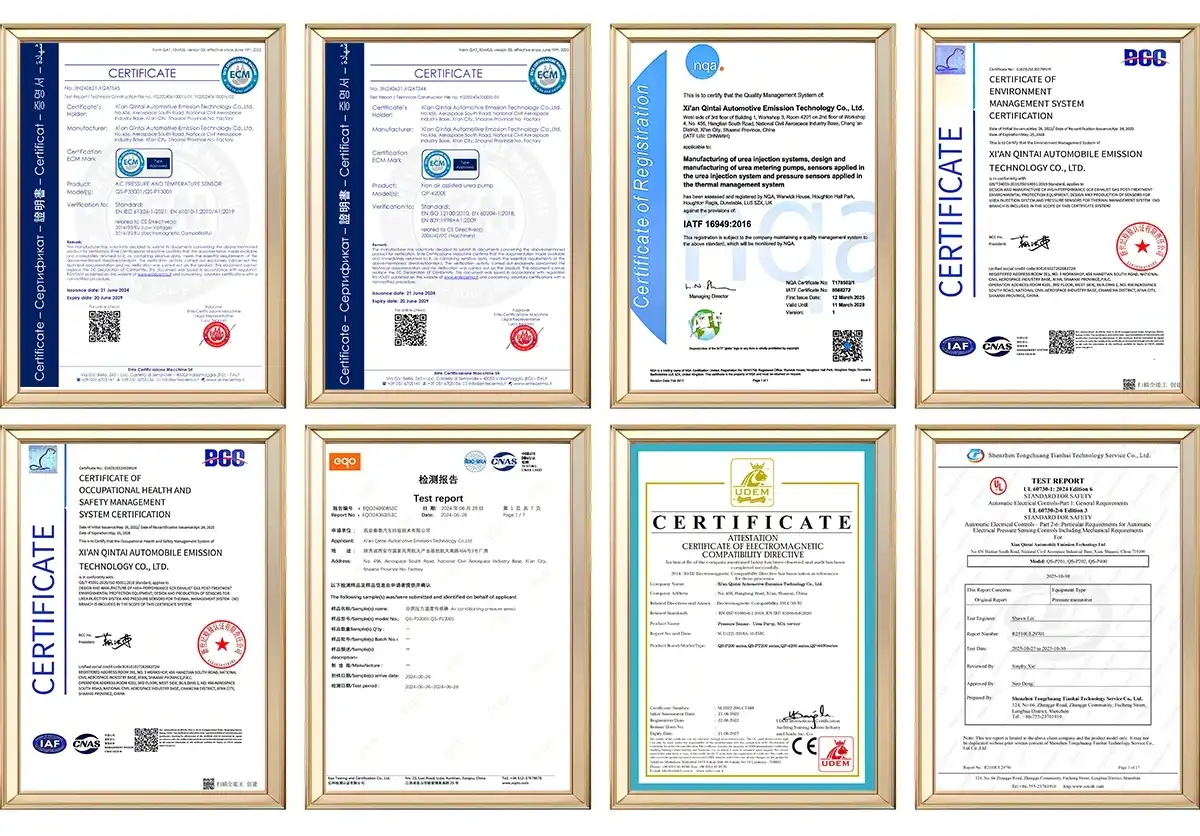
Qintai has been providing OEM aftertreatment parts since 2001 and has many foreign certifications, including IATF 16949, ISO 9001, and more. We are the biggest maker of SCR dosing systems in China and are a main supplier to Weichai, Yuchai, and Quanchai Power. We help OEM and ODM projects in more than 60 countries, from making the first prototype to mass production. You can email our engineering team at info@qt-sensor.com to get technical specs, samples, or a quote for a large order.
References
1. U.S. Environmental Protection Agency. Heavy-Duty Vehicle Greenhouse Gas Phase 3 Final Rule. EPA, 2024.
2. European Commission. Regulation (EC) No 595/2009 on Type-Approval of Motor Vehicles with Respect to Emissions from Heavy Duty Vehicles (Euro VI). Official Journal of the European Union, 2009.
3. Johnson, T. V. "Review of Diesel Emissions and Control." SAE International Journal of Fuels and Lubricants, 2010.
4. Koebel, M., Elsener, M., & Kleemann, M. "Urea-SCR: A Promising Technique to Reduce NOx Emissions from Automotive Diesel Engines." Catalysis Today, 2000.
5. National Institute of Standards and Technology. Calibration and Uncertainty in Pressure Sensor Measurements for Automotive Applications. NIST, 2018.
6. Society of Automotive Engineers. SAE J1939 Digital Annex: Commercial Vehicle Bus Network Standards. SAE International, 2021.

Our customers’ satisfaction speaks for our quality — contact us to experience the same reliable service.