- English
- French
- German
- Portuguese
- Spanish
- Russian
- Japanese
- Korean
- Arabic
- Greek
- German
- Turkish
- Italian
- Danish
- Romanian
- Indonesian
- Czech
- Afrikaans
- Swedish
- Polish
- Basque
- Catalan
- Esperanto
- Hindi
- Lao
- Albanian
- Amharic
- Armenian
- Azerbaijani
- Belarusian
- Bengali
- Bosnian
- Bulgarian
- Cebuano
- Chichewa
- Corsican
- Croatian
- Dutch
- Estonian
- Filipino
- Finnish
- Frisian
- Galician
- Georgian
- Gujarati
- Haitian
- Hausa
- Hawaiian
- Hebrew
- Hmong
- Hungarian
- Icelandic
- Igbo
- Javanese
- Kannada
- Kazakh
- Khmer
- Kurdish
- Kyrgyz
- Latin
- Latvian
- Lithuanian
- Luxembou..
- Macedonian
- Malagasy
- Malay
- Malayalam
- Maltese
- Maori
- Marathi
- Mongolian
- Burmese
- Nepali
- Norwegian
- Pashto
- Persian
- Punjabi
- Serbian
- Sesotho
- Sinhala
- Slovak
- Slovenian
- Somali
- Samoan
- Scots Gaelic
- Shona
- Sindhi
- Sundanese
- Swahili
- Tajik
- Tamil
- Telugu
- Thai
- Ukrainian
- Urdu
- Uzbek
- Vietnamese
- Welsh
- Xhosa
- Yiddish
- Yoruba
- Zulu
Pressure Transmitter Applications in Water and Energy Systems
Pressure Transmitters play a central role in how water utilities and energy facilities maintain safe, consistent operations. These devices convert physical pressure readings from liquids, gases, or vapors into standardized electrical signals — typically 4–20 mA or 0–5 V — that control systems can read and act upon. From municipal water distribution networks to power plant boiler loops, accurate pressure measurement directly affects uptime, regulatory compliance, and operating costs. This guide walks through how these instruments work, where they fit, and what to look for when sourcing one for industrial use.
Understanding Pressure Transmitters and Their Role in Water and Energy Systems
What a Pressure Transmitter Actually Does
A pressure transmitter sends an electrical signal that is proportional to the force that a fluid or gas puts on a measuring element. This element could be a capacitive cell or a piezoresistive diaphragm. Someone, like a PLC, a SCADA system, or a display unit, gets that information. A transmitter is not the same as a simple pressure gage because it can get information from far away and act on it itself. This is very important for building big systems for energy and water.
Transmitter vs. Sensor: Why the Distinction Matters?
"Pressure sensor" and "pressure transmitter" are words that are often used to mean the same thing, but in buying, it's important to know the difference. A sensor sends out a raw signal when it senses pressure. An emitter has hardware that boosts, filters, and standardizes a signal so that it can be sent over long distances. Water and energy systems in factories can have line runs that are more than 100 meters long. These systems need both a measuring element and an emitter.
Where These Devices Show Up in Practice
They are used to keep an eye on the difference in pressure between screens and the flow of water from pumps in water treatment plants. They keep an eye on the fuel supply and boiler steam pressure for power plants. It is necessary to measure pressure in order to control fluids in green energy systems, such as the hydraulic systems in wind blades. When these things happen, wrong readings directly cause the process to fail, cause safety problems, or break the law.
Key Types of Pressure Transmitters for Water and Energy Applications
Gauge, Differential, and Absolute Types
Most of the time, gage pressure monitors are used in HVAC and water distribution because they measure pressure in relation to air pressure. Sensors that measure differential pressure look at the pressure at two different points and compare them. They work great for checking the flow through filters or measuring the flow across plates with holes in them. A perfect vacuum is what absolute pressure transmitters work with. They are used in vapor recovery systems and energy applications that depend on altitude. That is because if you pick the wrong type, you will make measurements that are hard to fix after the fact.
Wired vs. Wireless: Matching Technology to Environment
For commercial water and energy systems, wired transmitters are still the norm because they have less latency, keep signals more stable, and make compliance paperwork easier. For example, wireless versions that use WirelessHART or ISA100 protocols work well in pump stations that are far away, on platforms that are at sea, or in retrofits where running new lines would cost too much. You have to take care of the batteries, think about safety, and pay a little more per unit in return.
Explosion-Proof and High-Temperature Models
ATEX or IECEx-approved receivers are needed in places that work with dangerous gasses, fuel oils, or high-pressure steam. The law 94/9/EC from the European Commission is where ATEX approval comes from. It includes things that are used in places where they could explode, like with dust, gas, or flammable vapors. Some models can handle wider temperature ranges because their sensor parts are made of clay or stainless steel. This means they can be used safely in boiler rooms and geothermal energy sites where it gets hotter than 85°C a lot of the time.

How to Select the Best Pressure Transmitter for Your Industrial Needs?
Core Performance Metrics to Evaluate First
Procurement experts should look at three things before comparing brands: how accurate they are, how stable they are over time, and how fast they respond. Most of the time, accuracy is shown as a share of the full-scale output. Most of the time, ±0.1% to ±0.5% is fine for water and energy. Long-term steadiness is how little the zero and span move over a year. The response time of a control loop is how quickly it can adapt to changes in pressure in parts that move, like pump stations or turbine governors.
When getting pressure measuring tools, these are the key things that smart teams look for:
- Accuracy class: ±0.1% for critical process control; ±0.25–0.5% for general monitoring
- Output signal: 4–20 mA with HART is the most widely supported in DCS and SCADA environments
- Wetted materials: 316L stainless steel or Hastelloy C for corrosive media; ceramic for abrasive slurries
- Certifications: ATEX / IECEx for hazardous areas; IP67 or IP68 for outdoor or submerged installations
- Operating temperature range: Confirm both process and ambient limits before finalizing a model
Environmental and Operational Conditions
Things like high humidity, extreme temperatures, mechanical shaking, and corrosive process media can all shorten the life of a gadget that hasn't been made properly. Places that are open 24 hours a day, seven days a week, like a water treatment plant or a backup power generator set, can't just replace sensors whenever they feel like it. Thin-film technology gets rid of the problems of glue creep and aging that come with traditional bonded designs. It does this by using vacuum-sputtering to attach the strain gage directly to a stainless steel diaphragm at the molecular level. Since this is the case, thin-film models work best when there are big changes in temperature or pressure.
Brand Landscape and Sourcing Considerations
ABB, Yokogawa, Honeywell, Siemens, WIKA, and Endress+Hauser are some of them. For most water and energy needs in North America, they all have strong after-sales networks. Manufacturers in China that are certified by IATF 16949 and ISO 9001 can now compete for OEM projects or big sales where lead time and cost per unit are important. The most important thing is to make sure the supplier is trustworthy and can promise consistent batch quality across large production runs, not just approved samples.
Practical Applications and Case Studies
Water Treatment Facilities
The local water authority needs to keep an eye on a system with more than one stage of filtration and take readings of the change in pressure across each filter bed to know when to backwash. A medium-sized treatment plant in the U.S. was able to cut back on backwash cycles by about 18% by adding sensors with 4–20 mA output and HART transmission. This saved energy and chemicals.
Renewable Energy Hydraulic Systems
Wind turbines have hydraulic pitch control systems in their nacelles that change the blades' angles based on the wind load. These systems work by adding pressure to the nacelles. Senders must be able to handle up to 10g of shaking and temperature changes from -40°C to +85°C when they are put in these circuits. When used in offshore wind farms with salty air, absolute and gage type devices with stainless steel parts that get wet have been shown to last.
Boiler and Pipeline Monitoring
Setting the right steam pressure can make both standard thermal power plants and commercial boiler rooms safer and more efficient. It is possible for pressure control valves to work before safety relief valves open because of very accurate transmitters that can respond in less than 100 ms. This keeps mechanical parts from breaking down and increases the time that goes by without having to be serviced. A reliable pressure transmitter with fast response is therefore essential for safe and efficient steam pressure control.
Installation, Calibration, and Troubleshooting Best Practices
Positioning and Wiring Guidelines
When measuring liquids, put the process connection below the device. When measuring gasses, put the process connection above the device. This will keep pressure from building up. Keep power lines and signal cables away from each other to avoid electromagnetic interference. A shielded twisted pair wire, but only ground one end of the shield.
Calibration Intervals and Procedures
When used in an ongoing process, most makers say that zero and span calibration should be checked at least once a year. For safety-critical loops, they say it should be checked every six months. First, you set a known reference pressure with a deadweight tester or another calibrated pressure source. Then, you change the transmitter's output to match. For each calibration, keep track of the date, the expert, the reference equipment, and the results for "as found" and "as left."
Common Faults and How to Address Them
Please let me know if the output shows 0 mA or more than 20 mA. This generally means that there is a problem with the wiring, the power source, or the diaphragm. A slow shift without a quick change is often a sign that the element being used for detection got dirty during the process. Start by cutting off the transmitter from the process. Next, use a known pressure to check whether the issue is with the device or the placement.
Conclusion
It is very important to measure pressure correctly in water treatment, power generation, and renewable energy systems. How well a system works and how much it costs in the long run depend on the output signal, material needs, and licensing level, as well as the type of emitter used, which can be gage, differential, or absolute. This kind of tough industrial settings need ATEX-rated housings that are strong and safe, and they need to use thin-film sensing technology. The risk of the buy is greatly reduced when it comes from a source with production-level quality certifications and the ability to help OEMs adapt their goods. Choosing the right pressure transmitter is therefore critical for long-term reliability and cost efficiency.
FAQ
How often should I calibrate a pressure transmitter in a water system?
Annual calibration covers most water distribution and treatment applications. For safety instrumented loops — such as high-pressure steam or chemical dosing systems — a six-month interval is the standard practice. Always follow the specific requirements in your facility's process safety management plan.
When should I choose a wireless transmitter over a wired one?
Choose wireless when installing new cable is physically impractical or cost-prohibitive, such as in remote pump stations or existing facilities undergoing partial upgrades. For new construction or any loop where response time under 500 ms is required, wired remains the more practical choice.
Can pressure transmitters be customized for extreme temperature or corrosive media?
Yes. Reputable pressure transmitter suppliers can configure wetted materials, process connections, output signals, and operating temperature ranges to match specific process conditions. Custom ranges, cable lengths, and explosion-proof housings are standard OEM options for industrial buyers with defined application requirements.
What certifications should I verify before purchasing?
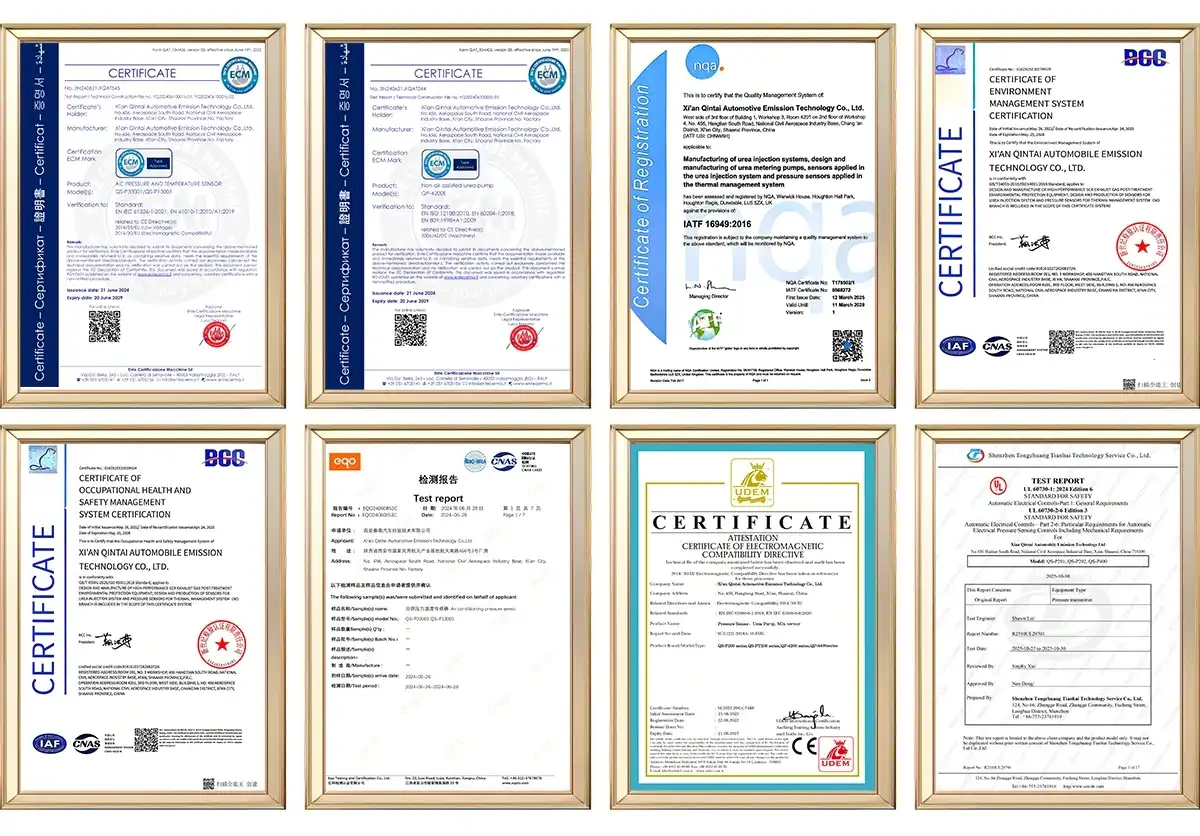
At minimum, confirm ISO 9001 for quality management. For hazardous area installations, verify ATEX or IECEx. For automotive or mobile equipment OEM programs, IATF 16949 indicates production-level quality control capability.
Partner with Qintai for Proven Pressure Transmitter Solutions
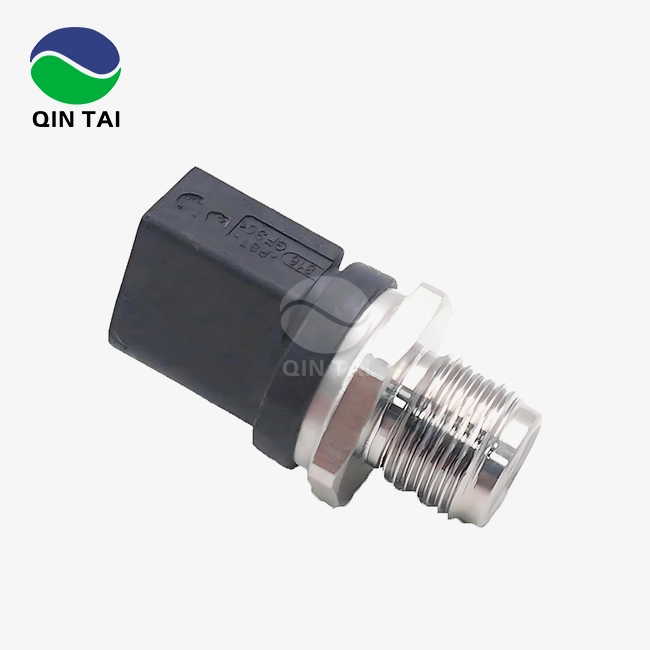
As of now, Qintai has sold pressure monitors and diesel aftertreatment sensors to OEMs in more than 60 countries since 2001. Weichai Power, Yuchai Power, and Quanchai Power all get a lot of their power from Qintai. ISO 9001, IATF 16949, CE, UL, and ATEX have all approved it. You can get in touch with our technical team if you need a trusted pressure sensor maker for big OEM projects or a solution that is made just for energy and water systems. You can get a brochure or talk about your idea by emailing us at info@qt-sensor.com.
References
1. Lipták, B. G. (Ed.). Instrument Engineers' Handbook: Process Measurement and Analysis (4th ed.). CRC Press, 2003.
2. American Water Works Association. AWWA Manual M2: Instrumentation and Control. AWWA, 2018.
3. International Electrotechnical Commission. IEC 60770-1: Transmitters for Use in Industrial-Process Control Systems. IEC, 2010.
4. Emerson Process Management. Rosemount Pressure Transmitter Reference Manual. Emerson, 2021.
5. Turner, W. C., & Doty, S. Energy Management Handbook (7th ed.). Fairmont Press, 2009.
6. ISA — International Society of Automation. ISA-5.1: Instrumentation Symbols and Identification. ISA, 2009.


Our customers’ satisfaction speaks for our quality — contact us to experience the same reliable service.