- English
- French
- German
- Portuguese
- Spanish
- Russian
- Japanese
- Korean
- Arabic
- Greek
- German
- Turkish
- Italian
- Danish
- Romanian
- Indonesian
- Czech
- Afrikaans
- Swedish
- Polish
- Basque
- Catalan
- Esperanto
- Hindi
- Lao
- Albanian
- Amharic
- Armenian
- Azerbaijani
- Belarusian
- Bengali
- Bosnian
- Bulgarian
- Cebuano
- Chichewa
- Corsican
- Croatian
- Dutch
- Estonian
- Filipino
- Finnish
- Frisian
- Galician
- Georgian
- Gujarati
- Haitian
- Hausa
- Hawaiian
- Hebrew
- Hmong
- Hungarian
- Icelandic
- Igbo
- Javanese
- Kannada
- Kazakh
- Khmer
- Kurdish
- Kyrgyz
- Latin
- Latvian
- Lithuanian
- Luxembou..
- Macedonian
- Malagasy
- Malay
- Malayalam
- Maltese
- Maori
- Marathi
- Mongolian
- Burmese
- Nepali
- Norwegian
- Pashto
- Persian
- Punjabi
- Serbian
- Sesotho
- Sinhala
- Slovak
- Slovenian
- Somali
- Samoan
- Scots Gaelic
- Shona
- Sindhi
- Sundanese
- Swahili
- Tajik
- Tamil
- Telugu
- Thai
- Ukrainian
- Urdu
- Uzbek
- Vietnamese
- Welsh
- Xhosa
- Yiddish
- Yoruba
- Zulu
Analog vs Digital Pressure Sensors for Industrial Systems
Choosing the right pressure sensor technology has a direct effect on how reliable the system is, how much it costs to maintain, and how well it meets legal requirements in industry settings. Analog pressure sensors send out constant voltage or current signals that are related to the pressure they are measuring. Digital sensors, on the other hand, use built-in microprocessors to turn pressure readings into discrete binary data. Each technology has its own benefits. Analog sensors are easy to use and respond quickly, while digital versions are better at blocking noise, keeping their calibration, and integrating smoothly with modern control systems. These are all very important for diesel engine makers and aftertreatment system integrators who want to meet emission standards.

Understanding Pressure Sensors: Fundamentals and Types
For industrial pressure detection, mechanical deformation needs to be turned into electrical signs. When pressurized media touches the diaphragm of the sensor, it moves physically. Depending on the type of sensor, this can set off different transmission processes.
Core Sensing Technologies in Industrial Applications
Piezoresistive sensors are the best choice for heavy-duty tasks because they are so tough. When pressure causes stress, silicon or metal strain gauges that are attached to diaphragms change the resistance. The measurement range for these devices is from 0 to 10,000 psi, and they are commonly found in the hydraulic systems of building equipment and the fuel rails of farm equipment.
Capacitive pressure sensors check how much the electrical capacitance changes between two conductive plates that are divided by a dielectric. When pressure from outside bends the flexible diaphragm, the distance between the electrodes changes. This changes the capacitance, which can be found using the formula C = ε₀εၣA/d. This technology is very good at picking up on even the smallest changes in pressure, which makes it perfect for medical devices that measure breathing and tire pressure. The lack of moving mechanical parts makes it long-lasting, and the very low power usage makes it perfect for IoT devices that run on batteries. Temperature stability is better than piezoresistive options, so it works the same way in all kinds of harsh conditions.
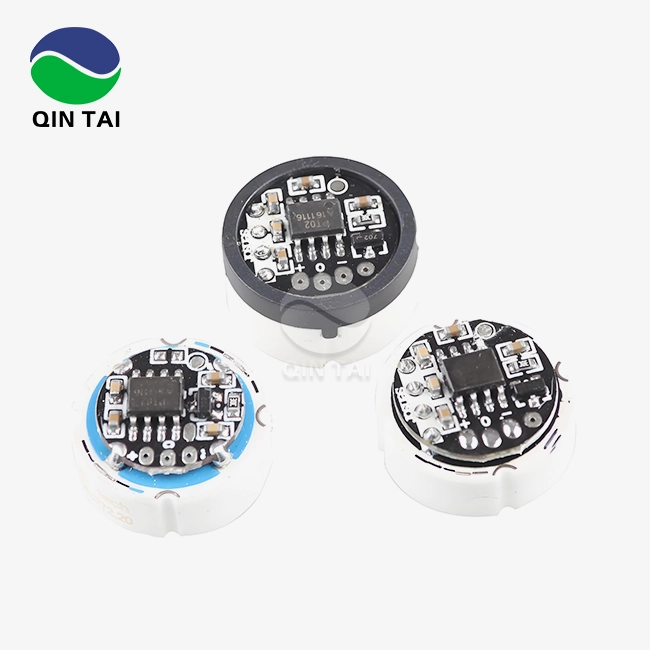
MEMS (Microelectromechanical Systems) sensors have sensing elements, signal conditioning circuits, and compensation circuits built on silicon plates that are less than 5mm² thick. Manufacturers of generator sets like these small units because they can be installed in backup power systems and mines with limited room.
Signal Output Classifications
Some types of analog outputs are voltage signals from 0 to 5V, current loops from 4 to 20mA, and ratiometric outputs. Long-distance wire in factories works better with current loop transmission because it blocks electromagnetic interference from things like variable frequency drives and welding tools. Digital sensors can talk to programmable logic devices directly through I²C, SPI, or CAN bus protocols. This means that they don't need to use extra analog-to-digital converters.
Gauge monitors are used in HVAC systems and pneumatic control systems to measure pressure in relation to the outside air. Absolute sensors need to be able to reference a vacuum in order to do barometric tracking and sealed system troubleshooting. Differential designs compare two pressure sources, which is very important for SCR aftertreatment systems that need to keep an eye on pressure drops in diesel particulate filters.

Critical Comparison Between Analog and Digital Pressure Sensors
The technical details show that analog and digital pressure sensor designs work very differently, which affects their usefulness across different industries.
Accuracy and Resolution Characteristics
Analog sensors typically achieve ±0.5% to ±1.0% full-scale accuracy, adequate for many industrial processes. But signals get weaker when sent over lengths greater than 50 meters, and noise from outside sources makes measurements less accurate. Digital sensors have built-in analog-to-digital converters with resolutions ranging from 12 bits to 24 bits. This means that they can measure with an accuracy of ±0.1% and with almost no signal loss no matter how long the wire is. In pollution control applications, where exact measurements of exhaust backpressure within ±0.5 kPa ranges are needed to meet China VI and Euro VI standards, the higher precision is very important.
Temperature Compensation and Calibration Stability
Changes in temperature can change the zero offset and spread properties of a sensor. External adjustment networks are needed for analog devices, which raises the cost and complexity of the parts. Digital sensors have microprocessors built in that run real-time polynomial correction algorithms. These algorithms automatically adjust for temperature changes between -40°C and +125°C. This feature significantly reduces calibration frequency requirements—analog sensors demand six-month recalibration cycles in variable environments, whereas digital variants maintain specifications for 18-24 months between adjustments.
There are big differences in how calibration is done. To calibrate an analog sensor, you have to change the resistors or set the potentiometers at several pressure places. This needs skilled workers and accurate deadweight testers. Digital sensors can be calibrated using software through UART interfaces. This means that field workers can re-calibrate units using mobile communications without taking the equipment off the vehicle. This cuts down on downtime in commercial vehicle repair operations by about 60%.
Environmental Robustness and EMI Immunity
Sensors in industrial settings are susceptible to damage from water, pressure, and electric fields. Both technologies give IP67/IP69K casings made of stainless steel or ceramic materials that are wetted, but digital sensors are better at blocking electromagnetic interference (EMI). When voltage signals are close to high-current switchgear and motor drives, they get messed up. Digital communication methods use error detection techniques and differential signaling to keep data integrity even in generator set enclosures with a lot of electrical noise.
Real-World Performance: Automotive vs HVAC Case Study
A company that makes heavy trucks looked at both systems for tracking exhaust gas recirculation. Under hood conditions, analog sensors changed their accuracy by about 2.3% over temperature changes from -30°C to +105°C, so they needed to be calibrated every three months. Digital options were accurate to within 0.15% in the same conditions and were calibrated every three years. This cut warranty claims by 42% over the lifetime of three vehicles.
On the other hand, an HVAC pressure sensor application put price over accuracy. For tracking air handler differential pressure, analog sensors were accurate enough (within ±1.5% error) and only cost a third of what digital sensors did. But buildings that need to connect to a central building management system are choosing digital sensors more and more, even though they cost more per unit. This is because installation work savings more than make up for the higher prices when specialized analog input modules are not needed.

How to Choose the Best Pressure Sensor for Your Industrial System?
Systematic selection methods keep expensive mistakes from happening when pressure sensor capabilities don't match up with application needs.
Defining Measurement Parameters and Operating Conditions
Setting the pressure range, accuracy class, and media fit is the first step in the procurement process. Diesel engine uses that need to measure common rail fuel pressure need ranges from 0 to 2,500 bar and must be compatible with diesel fuel. This means that the diaphragms must be made of stainless steel and not break down when exposed to hydrocarbons. Agricultural gear hydraulic circuits work at lower pressures (0–400 bar), but they have to deal with bigger changes in temperature when they're out in the field, so they need longer temperature rates.
In dynamic systems, response time standards are very important. Controlling the boost pressure of a turbocharger needs a sensor response time of less than 5ms, which can only be reached with small-cavity designs that have little air damping. On the other hand, tracking tank levels can handle reaction times of 100ms or more, which lets the sensor structures be bigger and stronger.
Matching Signal Output to System Architecture
4-20mA loop-powered sensors are preferred by older industrial systems with analog input cards because they don't need a separate power source. Digital devices that can communicate via Modbus RTU, CANopen, or IO-Link are needed in modern setups that use Industry 4.0. Aftertreatment system designers like sensors with address settings and pressure units that can be changed. This makes integration easier across a range of OEM platforms.
Interpreting Technical Datasheets
Some important factors on the datasheet are the burst pressure rate, the media temperature limits, and the total error band, which is made up of linearity, hysteresis, and repetition. R&D engineers should check if the accuracy claimed is valid for the compensated temperature range or just room temperature. For example, claims of ±0.25% accuracy "at 25°C" could change to ±1.5% accuracy across full working temperature, which is not acceptable for readings that are important for emissions.
The electrical specs list the types of connectors (DIN 43650, Deutsch DT, or M12), their locations, and the amount of power they need to output. When you don't follow this rule, reading mistakes happen when you use an analog voltage output to drive a 10k load. Digital outputs tell us how much input voltage error there is. Sensors rated at 5V ±10% might not work on 3.3V microcontroller systems that don't have level shifters.
OEM and Custom Sensor Solutions
Standard stock sensors work well for 70% of industrial uses, but unique sensors are better for specific needs. Generator set makers that sell to naval markets need monitors that are certified by Lloyd's Register or DNV-GL, which aren't easy to find off the shelf. In chemical processing, custom pressure ports can fit special process connections, and for solar-powered remote tracking, application-specific integrated circuits make the best use of power.
Customization goes beyond hardware; digital sensors let users change the software to add their own filtering methods or diagnostic functions. Leading providers offer technical help during the design phase and use finite element analysis to make sure that the mounting arrangements for sensors are safe when they are subjected to vibration loads. This collaborative method cuts down on the number of prototype versions and speeds up the time it takes for OEM customers to get their next-generation equipment on the market.
Procurement Insights: Buying Pressure Sensors for Industrial Use
To get around in the global pressure sensor market, you have to balance technology needs with business needs.
Evaluating Supplier Capabilities and Market Positioning
Big global companies like Bosch, Honeywell, and TE Connectivity have developed quality systems that are certified to ISO 9001 and IATF 16949 standards and offer a wide range of products. These groups offer detailed technical documents and support for global application engineering, which is helpful when making new products. But procurement managers have to deal with lead times of 12 to 16 weeks, high minimum order amounts, tight budgets for prototyping, and keeping track of supplies.
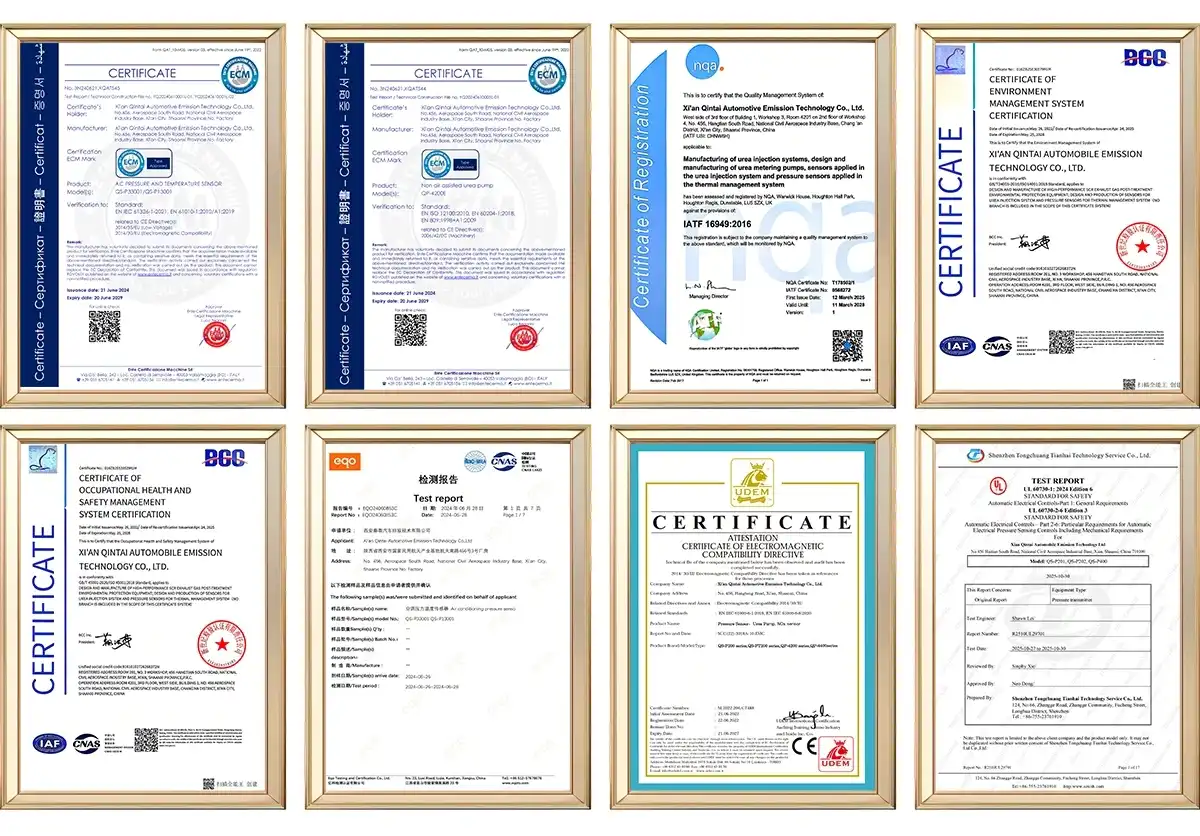
Experts in the area, such as Xi'an Qintai Automotive Emission Technology Co. Ltd. give customers a competitive edge by focusing on specific applications and being flexible in how they make things. Qintai has been around since 2001 and is an expert in diesel engine SCR aftertreatment sensors. It has become China's top OEM supplier by working with Weichai Power, Yuchai Power, and Quanchai Power to become their partners. Certifications like ISO 9001, IATF 16949, CMC, Ex, UL, CE, REACH, and RoHS show that the company is committed to quality, and its 58 invention patents show that it can keep coming up with new ideas. This mix of deep industry knowledge and quick customer service is especially helpful for aftertreatment system designers who need fast delivery and interfaces that can be changed to fit their needs.
Understanding Pricing Structures and Bulk Purchasing Strategies
Prices for pressure sensors range from $5 to $200 per unit, based on the technology, level of accuracy, and size of the order. For industrial-grade 0-100psi ranges, analog piezoresistive sensors start at $8–$15. Digital MEMS sensors with CAN bus signaling cost $35–$80 more. High-accuracy (±0.1%) digital sensors with extended temperature adjustments cost between $120 and $200. These sensors are justified in emission-critical applications where sensor failure leads to expensive guarantee claims.
Volume price usually kicks in at 100 units, giving savings of 15 to 25 percent. Annual blanket orders with planned releases lower costs by 30 to 40 percent while ensuring a steady supply, which is important for OEM production planning. Buyers in the aftermarket benefit from supplier stocking programs, which trade higher unit costs for instant access and lower working capital needs.
Customization economics depend on what kinds of changes are made. Software changes to parameters don't add much to the cost, but special pressure ports or connection changes cost $2,000 to $8,000 in tools that have to be paid for over several production runs. Suppliers who have worked with OEM/ODM partnerships before, like Qintai, which can do all kinds of custom manufacturing, make this process easier by having design reviews and sample approval programs where everyone works together.
Supply Chain Reliability and After-Sales Support
By checking out transportation skills, production problems can be avoided. Short wait times are made possible by suppliers who keep regional warehouses in key markets. Qintai's delivery network, which includes over 60 countries in Europe, the Middle East, and South America, shows its dedication to providing excellent customer service around the world. How quickly technical support responds is just as important. Suppliers who give application engineering help, calibration services, and guarantee programs build long-term relationships that are worth more than the initial purchase price.

Conclusion
When deciding between analog and digital pressure sensors, you have to weigh the technical performance against the total cost of ownership in certain industry settings. Digital sensors are more accurate, stable at high temperatures, and easier to integrate into systems. These are all important for meeting pollution standards and doing advanced diagnostics in current diesel engines and aftertreatment systems. Analog options are still a good value for less demanding uses where ease of use and quick data availability are more important than accuracy. A good procurement process involves carefully looking at measuring requirements, working conditions, and suppliers' abilities. It's best to choose partners who have experience in the field, quality certifications, and quick technical help that goes beyond just delivering the product.
FAQ
What advantages do digital sensors offer over analog in industrial settings?
Digital sensors are much more accurate (±0.1% vs. ±0.5–1.0%), can't be affected by electromagnetic interference from other equipment in the factory, and can be calibrated more often, which lowers the cost of maintenance. Standard communication protocols let them connect straight to current control systems, so there's no need to convert signals. Temperature compensation methods keep accuracy even at very high and very low temperatures, all without using any extra parts. This is especially helpful for diesel engines, where conditions inside the engine change a lot.
How frequently should industrial sensors be calibrated?
The frequency of calibration relies on the type of sensor used, how important the application is, and the setting in which it is used. In environments with changing temperatures, analog sensors usually need to be calibrated every 6 to 12 months. Digital sensors, on the other hand, keep their specs for 18 to 24 months. Emissions-critical programs that have to follow the rules can ask for checks every three months, no matter what kind of sensor is used. Setting baseline drift rates during the first tracking periods makes it possible to switch to condition-based calibration, which makes the best use of upkeep resources.
Can analog sensors be retrofitted with digital outputs?
Because of fundamental differences in architecture, direct adaptation is not possible. However, signal conversion units make it possible for analog sensors to be integrated into digital control systems. These units can take either 4-20mA or voltage as inputs and outputs in digital protocol, but they are more expensive, more complicated, and could fail at some time. For new installs, it's better to define digital sensors directly so that they don't need to go through conversion stages and can get diagnostic features right away.
Partner with Qintai for Industrial Pressure Sensor Solutions
Qintai Automotive Emission Technology Co., Ltd. stands ready to help you with your pressure sensor needs because they have over 20 years of experience in diesel engine aftertreatment uses. Our independent research and development team is always coming up with new ideas to make sensors that meet strict emission standards. These sensors are backed by a lot of certifications, such as ISO 9001, IATF 16949, and foreign safety approvals.
As the main provider of pressure sensors to China's top engine makers, we know how important it is for you to find the right mix between technical performance, cost control, and supply chain reliability when you're making purchases. Our engineering team works together closely during the entire development and production process, whether you need standard catalog goods that are available right away or OEM solutions that are made to your exact specs. Contact us at info@qt-sensor.com right away to talk about your application needs and get full technical specs. Our global distribution network makes sure that you can get help quickly wherever your operations need reliable pressure measurement solutions.
References
1. Webster, J.G., Eren, H. (2018). Measurement, Instrumentation, and Sensors Handbook: Electromagnetic, Optical, Radiation, Chemical, and Biomedical Measurement, 2nd Edition. CRC Press.
2. Bao, M. (2020). Analysis and Design Principles of MEMS Devices. Elsevier Science Publishers.
3. Johnson, C.D. (2017). Process Control Instrumentation Technology, 8th Edition. Pearson Education.
4. Liptak, B.G. (2019). Instrument Engineers' Handbook: Process Measurement and Analysis, Volume 1, 5th Edition. CRC Press.
5. Fraden, J. (2016). Handbook of Modern Sensors: Physics, Designs, and Applications, 5th Edition. Springer International Publishing.
6. Regtien, P.P.L., Dertien, E. (2018). Sensors for Mechatronics, 2nd Edition. Elsevier Science Publishers.
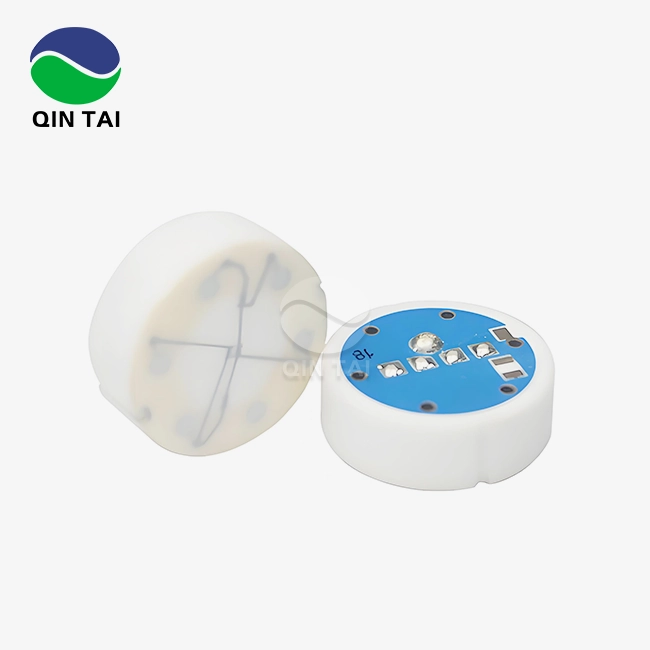

Our customers’ satisfaction speaks for our quality — contact us to experience the same reliable service.