- English
- French
- German
- Portuguese
- Spanish
- Russian
- Japanese
- Korean
- Arabic
- Greek
- German
- Turkish
- Italian
- Danish
- Romanian
- Indonesian
- Czech
- Afrikaans
- Swedish
- Polish
- Basque
- Catalan
- Esperanto
- Hindi
- Lao
- Albanian
- Amharic
- Armenian
- Azerbaijani
- Belarusian
- Bengali
- Bosnian
- Bulgarian
- Cebuano
- Chichewa
- Corsican
- Croatian
- Dutch
- Estonian
- Filipino
- Finnish
- Frisian
- Galician
- Georgian
- Gujarati
- Haitian
- Hausa
- Hawaiian
- Hebrew
- Hmong
- Hungarian
- Icelandic
- Igbo
- Javanese
- Kannada
- Kazakh
- Khmer
- Kurdish
- Kyrgyz
- Latin
- Latvian
- Lithuanian
- Luxembou..
- Macedonian
- Malagasy
- Malay
- Malayalam
- Maltese
- Maori
- Marathi
- Mongolian
- Burmese
- Nepali
- Norwegian
- Pashto
- Persian
- Punjabi
- Serbian
- Sesotho
- Sinhala
- Slovak
- Slovenian
- Somali
- Samoan
- Scots Gaelic
- Shona
- Sindhi
- Sundanese
- Swahili
- Tajik
- Tamil
- Telugu
- Thai
- Ukrainian
- Urdu
- Uzbek
- Vietnamese
- Welsh
- Xhosa
- Yiddish
- Yoruba
- Zulu
Benefits of Ceramic Pressure Sensors in Industrial Systems
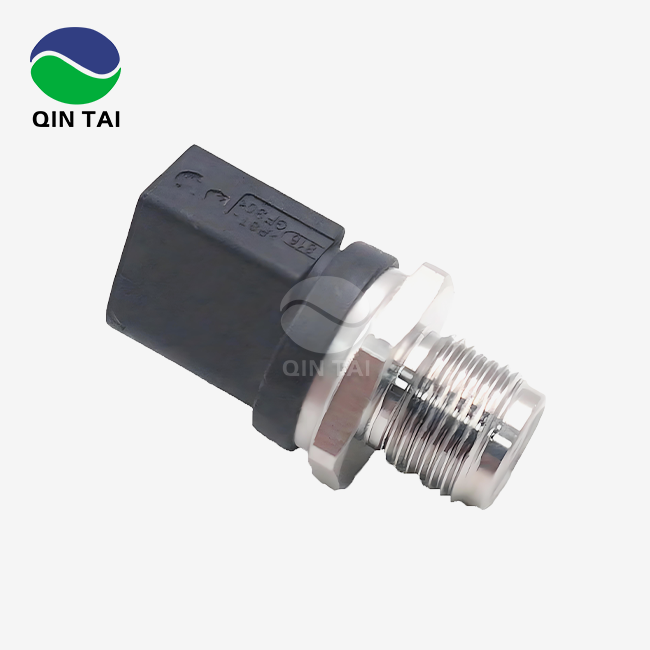
Ceramic Pressure Sensors give diesel engine manufacturers, aftertreatment system integrators, and industrial equipment providers with unrivaled dependability and accuracy for emission compliance and operational stability. These modern piezoresistive sensors meet the needs of heavy vehicles, construction machinery, agricultural equipment, and generator sets with higher corrosion resistance, expanded temperature ranges, and precision. Ceramic Pressure Sensors can survive extreme operating conditions, preserve measurement consistency, reduce maintenance costs, and enable OEM alliances and aftermarket supply chains through mass production.
Understanding Ceramic Pressure Sensors and Their Working Principles
The Foundation of Ceramic Sensing Technology
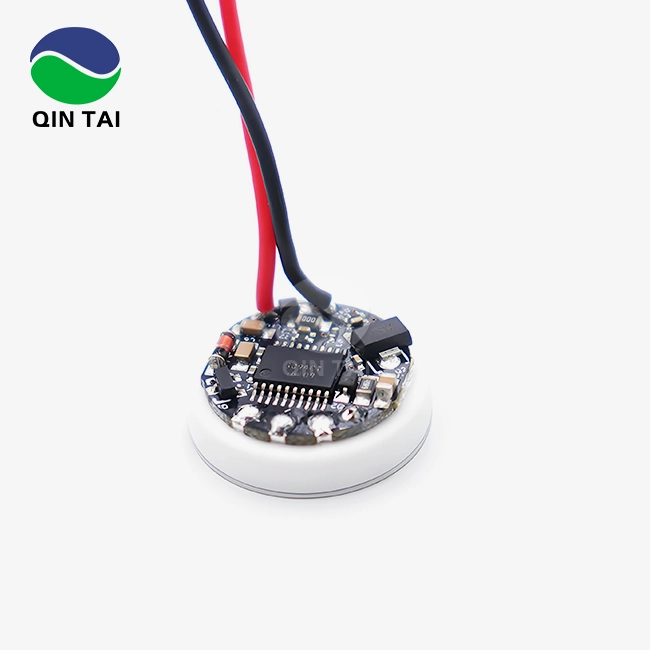
Ceramic Pressure Sensors use 96% alumina (Al2O3) ceramic substrates for a stronger foundation than traditional materials. The piezoresistive effect causes integrated electrode resistance to fluctuate as pressure stresses the ceramic diaphragm. This resistance fluctuation generates pressure-proportional electrical impulses. The ceramic substrate resists thermal expansion and chemical assault, assuring measurement fidelity in demanding industrial applications.
How Piezoresistive Ceramic Elements Function?
The sensing technique requires accurate Ceramic Pressure Sensors electrode placement. The ceramic diaphragm deforms somewhat under fluid or gas pressure. These physical changes impact the ceramic body's piezoresistive elements' electrical resistance. These resistance fluctuations are amplified by signal conditioning circuitry into 2-4.0 mV/V output signals. This process has excellent linearity within 0.3% whole scale and precision throughout operational pressures. For emission control and hydraulic applications, ceramic's mechanical properties ensure repeatable response.
Advantages Over Traditional Sensing Technologies
Media corrosion rapidly damages metal sensors in diesel exhaust aftertreatment conditions, whereas Ceramic Pressure Sensors substrates withstand it. When subjected to condensation, urea solutions, and SCR and DPF combustion byproducts, the material remains structurally intact. Thermal cycling in engine applications is addressed by temperature stability from -40°C to 135°C without performance deterioration. Compact sizes fit in tight mounting locations on heavy equipment. Sensor replacement frequency and total cost of ownership decrease due to these technical features.
Core Benefits of Ceramic Pressure Sensors in Industrial Applications
Exceptional Durability in Harsh Environments
Industrial sensing components must tolerate harsh environments. A 96% Al2O3 ceramic structure gives the QS-P105 model mechanical strength that resists particulate-laden medium abrasion. Although metal sensor diaphragms corrode within months of exhaust condensate or hydraulic fluid contamination, Ceramic Pressure Sensors ones last for years. This endurance is crucial for diesel engine manufacturers meeting China VI and Euro VI pollution regulations, because aftertreatment system dependability affects compliance certification.
Superior Accuracy and Stability
Process control and regulatory compliance depend on measurement accuracy. Ceramic Pressure Sensors provide precise accuracy of ±0.5% full scale, enabling tight control tolerances for SCR dosing and DPF regeneration. Non-linearity of ≤0.3% FS enables proportionate response from -1 bar to 600 bar, suitable for vacuum applications and high-pressure monitoring. Linearity simplifies calibration and allows product-line sensor changeover. Seasonal temperature changes make temperature-induced measurement drift a major issue for equipment.
The QS-P105's zero temperature drift standard < 0.05% FS/°C protects measurements from ambient and media temperature changes. Technical managers who integrate aftertreatment systems desire this stability because correct pressure feedback optimizes catalyst performance and fuel efficiency. The bridge resistance specification of 11 ±30% kΩ ensures compatibility with standard signal conditioning electronics, simplifying system integration and reducing engineering development time.
Wide Operational Range Versatility
Modern industrial equipment operates at various pressures and temperatures. Ceramic Pressure Sensors monitor low-pressure intake and high-pressure common rail fuel systems. The -1/0 bar to 600 bar pressure range meets most diesel engine and hydraulic system needs. Sensitivity parameters of 2-4.0 mV/V give enough signal intensity for successful measurement while keeping instrumentation architecture compatibility. -40°C to 135°C operating temperatures handle cold-start circumstances in agricultural machinery and persistent high-temperature exposure in generator sets. Integrating electrical systems in heavy trucks, construction equipment, and industrial power generation platforms is easier with 2-30 VDC supply voltage flexibility. This adaptability allows buying managers to standardize on fewer sensor models for numerous product applications, simplifying procurement.
Comparing Ceramic Pressure Sensors with Alternative Technologies
Ceramic Versus Metal Diaphragm Sensors
Material choice greatly affects sensor performance and lifespan costs. Industrial pressure measurement used stainless steel diaphragm sensors, which were accurate and affordable. Metal sensors are susceptible to corrosion in mobile equipment settings due to humidity, salt spray, and chemical pollutants. Acidic chemicals in diesel exhaust condensate rapidly damage metal surfaces, producing measurement drift and sensor failure. Ceramic Pressure Sensors alternatives eliminate these corrosion concerns through inherent chemical resistance.
When exposed to SCR, hydraulic, and exhaust gas urea solutions, the alumina ceramic structure stays inert. This chemical stability increases sensor life three to five times longer than metal counterparts in harsh environments. Ceramic Pressure Sensors are more expensive initially, but total cost analysis shows considerable savings from lower replacement frequency and equipment downtime. Aftermarket commercial vehicle parts managers know these lifetime economics favor ceramic technology adoption.
Ceramic Compared to Polymer-Based Sensors
Polymer and silicon pressure sensors are inexpensive and ideal for mild circumstances. Heavy machinery applications' high-temperature and chemically hostile conditions challenge these technologies. High temperatures above 80°C destroy polymers, restricting engine-mounted applications. Mobile machinery fails prematurely due to silicon sensing element brittleness under mechanical shock and vibration.
In demanding mounting settings like construction and agricultural equipment, Ceramic Pressure Sensors preserve mechanical integrity under 20G vibration. Temperature stability of ceramic material enables constant performance throughout engine warm-up transients and high-load operation. Solution engineers designing environmental protection equipment systems appreciate Ceramic Pressure Sensors precise emissions monitoring without thermal cycling or chemical exposure.
Selection Criteria for Optimal Technology Choice
Performance, budget, and application-specific criteria must be balanced in procurement decisions. Low-pressure HVAC applications may justify polymer sensor choices due to cost and benign operating conditions. At mild temperatures and pressures, metal diaphragm sensors can be used in hydraulic systems with proper material and coatings. Ceramic Pressure Sensors technology provides the entire capabilities diesel engine aftertreatment systems need.
Emission control applications provide several hurdles, but corrosion resistance, temperature stability, precision, and mechanical durability help. Technical departments buying components know Ceramic Pressure Sensors are reliable enough for emission compliance certification and long-term customer satisfaction. Management approving supplier relationships considers ceramic technology's risk minimization in demanding applications as demonstrated.
Procurement Considerations for Industrial Buyers
Evaluating Manufacturer Credentials and Capabilities
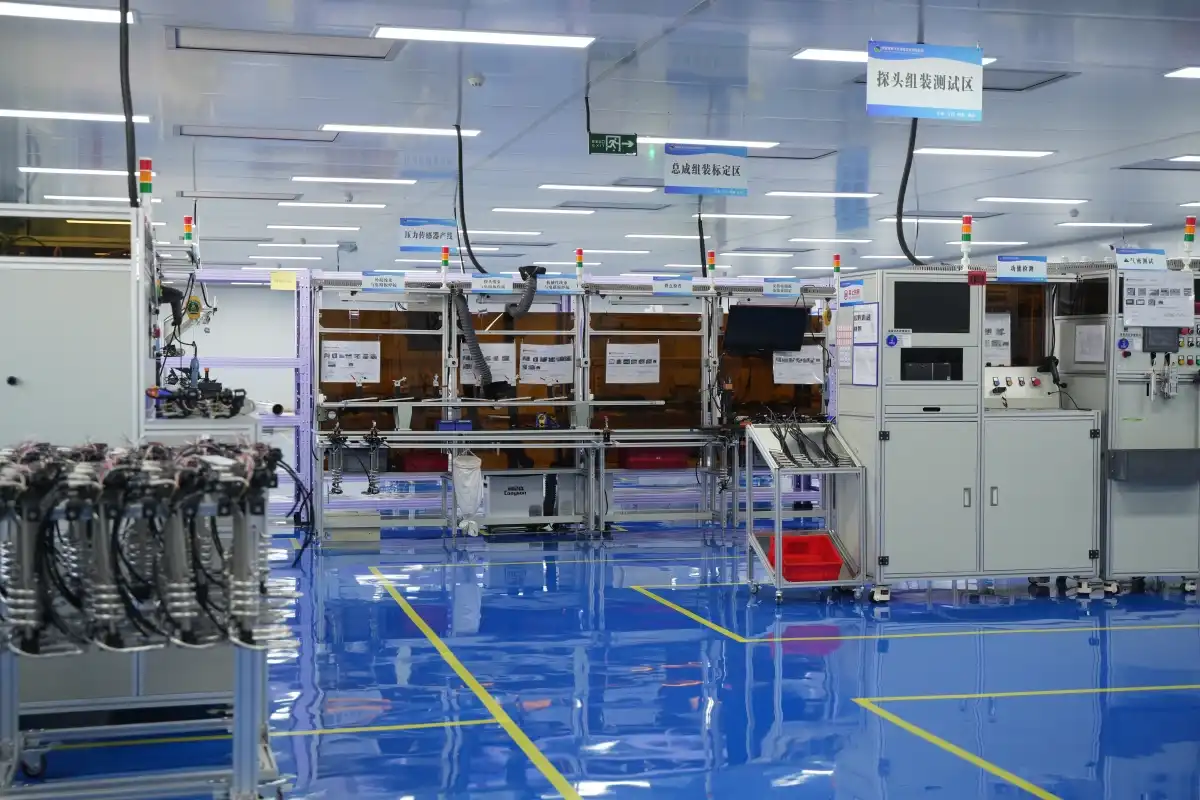
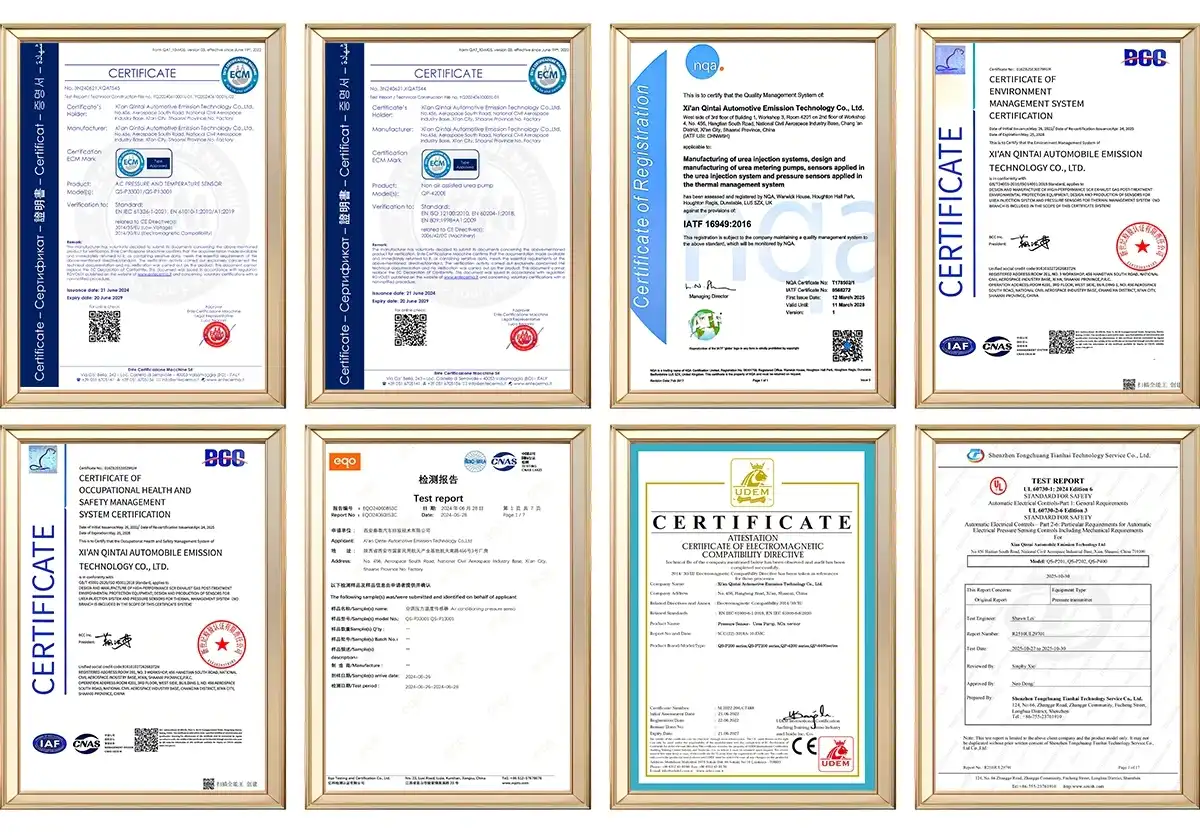
Product quality, delivery reliability, and long-term support depend on supplier selection. Qintai Automotive Emission Technology Co. B2B customers should value Ltd's manufacturing competence. Qintai, founded in 2001, is certified by ISO9001, IATF16949, CMC, Ex, UL, CE, REACH, and RoHS for quality management and regulatory compliance. The certifications provide buying managers assurance that Ceramic Pressure Sensors fulfill international requirements for export markets in Europe, the Middle East, and South America.
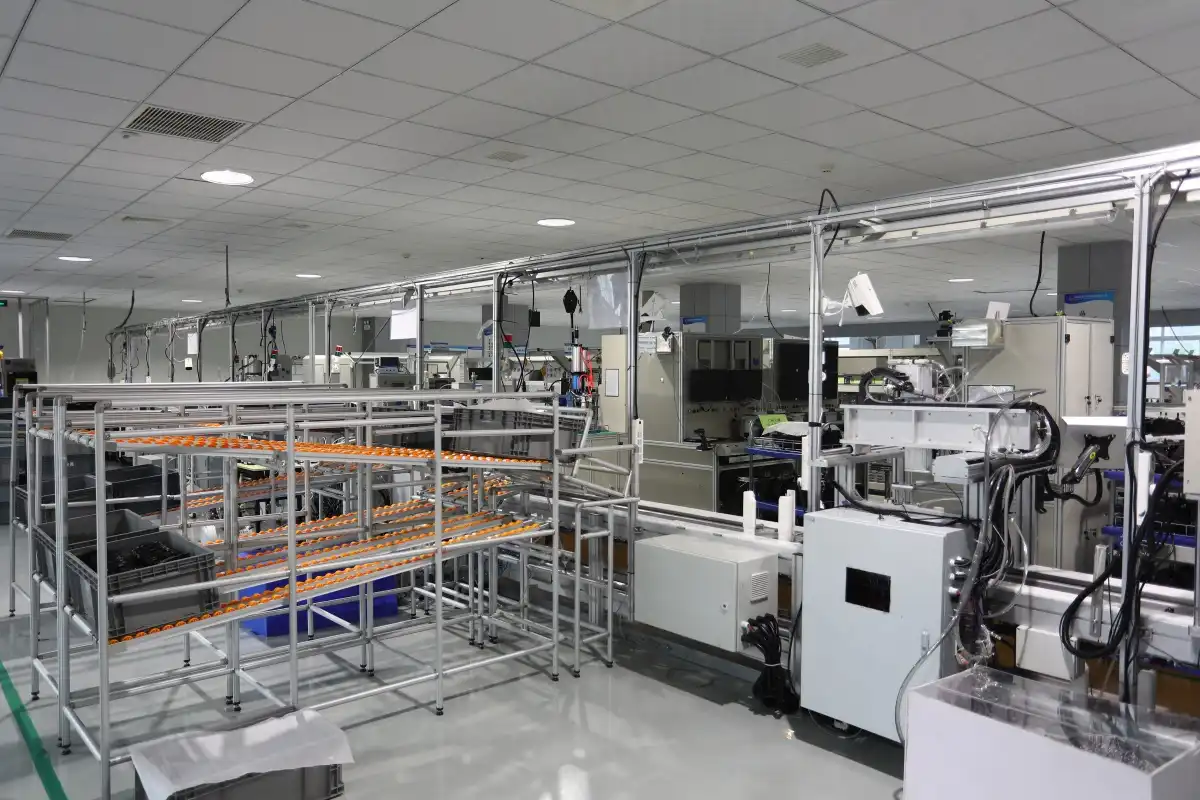
Patent portfolios distinguish engineering innovation from commodity manufacturing. Qintai's 58 innovation patents demonstrate its commitment to Ceramic Pressure Sensors R&D. Qintai, the major OEM supplier to Weichai, Yuchai, and Quanchai Power, has the manufacturing size and consistency needed for mass production agreements. Diesel engine manufacturers prioritize supply chain stability and technical support infrastructure for long-term cooperative ties, which this market position provides.
Technical Documentation and Customization Options
Complete datasheets aid sensor selection and system integration. Technical requirements should include pressure ranges, accuracy classes, temperature coefficients, electrical properties, and mechanical dimensions. The QS-P105 documentation includes these parameters to help R&D engineers test system design compatibility. Electrical interface characteristics like sensitivity, supply voltage range, and bridge resistance assure signal conditioning circuit design. Customization meets application-specific needs that catalog items cannot.
OEM/ODM services from Qintai include unique pressure ranges, electrical connections, mounting arrangements, and output signal formats for customer equipment. Flexible interfaces allow aftertreatment system integrators to integrate with proprietary control systems. Customized Ceramic Pressure Sensors solutions streamline procurement, decreasing component count and assembly complexity in production environments, which supply chain managers enjoy.
Lead Time Management and Supply Chain Efficiency
Component delivery must match manufacturing schedules for production planning. Bulk orders manage unit costs and inventories for ongoing manufacturing. Established manufacturers carry basic models to meet aftermarket demand quickly. Qintai's 60-country distribution network gives worldwide clients regional inventory access, cutting shipment time and transportation costs.
Custom Ceramic Pressure Sensors require longer lead times for design approval and manufacturing tooling. Supplier engagement early in product development assures sensor availability matches equipment launch timeframes. Transparent communication about capacity limits and manufacturing schedules helps buying departments negotiate delivery conditions to avoid supply interruptions. The combination of timely customer service and production capability makes qualified suppliers important partners.
Best Practices for Installation, Calibration, and Maintenance
Proper Installation Techniques
Proper installation prevents Ceramic Pressure Sensors failure and ensures accurate readings. Sensor-specific pressure ports need clean, undamaged threads. Proper thread sealant avoids leaks and contaminants that might block pressure pathways. Torque criteria must be followed to avoid ceramic element breakage and media leakage. Polarity and shielding are important in electrical connections. The QS-P105 can handle 2-30 VDC system voltages, however reverse polarity can harm signal conditioning circuitry.
Electrical interference from car electrical systems is reduced by shielded cable installation. Route cables away from high-temperature components to maintain insulation and measurement signal quality. Though simple, these installation recommended practices affect Ceramic Pressure Sensors durability and measurement reliability throughout the operating lifecycle.
Calibration Procedures and Verification
To maintain measurement accuracy, calibrate against traceable pressure standards periodically. Laboratory equipment like deadweight testers and precise pressure calibrators give reference pressures across the sensor's range. Ceramic Pressure Sensors output vs known pressure values shows calibration drift above allowable limits. Zero point verification at atmospheric pressure reveals offset faults, whereas full-scale examinations verify span correctness.
Application criticality and operational circumstances determine calibration frequency. Emission certification systems require yearly calibration to ensure accuracy. Historical performance data may support longer calibration intervals for less essential monitoring applications. Quality records from calibration results enable regulatory compliance and identify Ceramic Pressure Sensors that need replacement before measurement mistakes affect system performance. Maintaining calibrating infrastructure improves product quality and reduces warranty claims.
Proactive Maintenance Strategies
Ceramic Pressure Sensors last longer and fail less with preventive maintenance. Visual examination detects physical deterioration, contamination, and connection degradation before functional issues. Periodic electrical testing checks supply voltage, output signal levels, and insulation resistance. Gradual degradation of these characteristics allows planned replacement during regular maintenance rather than emergency breakdown repairs. Sensor deterioration is slowed by environmental protection.
Pressure port covers prevent equipment storage and transit contamination. Vibration-induced failures are prevented via cable strain relief. Non-ceramic surfaces with protective coatings last longer in corrosive situations. Combining these maintenance procedures with Ceramic Pressure Sensors robustness provides remarkable dependability for construction, agricultural, and power production equipment uptime goals.
Conclusion
Ceramic Pressure Sensors perform better for diesel engine makers, aftertreatment system integrators, and industrial equipment suppliers with complicated needs. Corrosion resistance, temperature stability, precision, and mechanical durability address operational problems and enhance emission compliance and cost control. The QS-P105's 96% Al2O3 construction, wide pressure range, and field dependability demonstrate Ceramic Pressure Sensors technology's benefits. Purchasing experts assessing sensing solutions know Ceramic Pressure Sensors lower total ownership costs due to their long lifespan and reliable performance. Ceramic Pressure Sensors are the best solution for demanding industrial applications that require unwavering measurement integrity as pollution standards tighten and equipment reliability requirements rise.
FAQ
Q1: Can ceramic pressure sensors withstand extreme temperature environments?
A: Due to alumina ceramic's thermal durability, Ceramic Pressure Sensors work well at high temperatures. Maintaining high temperatures in engine-mounted applications from -40°C to 135°C, the QS-P105 addresses cold-start circumstances. For harsh settings, specialized designs go over 200°C. Temperature drift requirements below 0.05% FS/°C remain accurate during diesel engine and hydraulic system thermal cycling.
Q2: What customization options are available for specific applications?
A: For certain applications, manufacturers customize extensively. Pressure range changes meet non-catalog measuring demands. Electrical interfaces include different output signals, connectors, and cables. Mechanical modifications include thread sizes, mounting orientations, and package dimensions for limited installation locations. OEM relationships enable application-specific Ceramic Pressure Sensors development for specific equipment designs.
Q3: How do lead times compare between standard and custom sensors?
A: Aftermarket demand and prototype development benefit from standard catalog Ceramic Pressure Sensors shipping within days from distributor inventories. Design approval and manufacturing tooling take weeks to months for custom sensor versions, depending on complexity. Supplier cooperation early in product development ensures bespoke sensor availability matches equipment manufacturing timelines. Established manufacturers can accommodate urgent needs and large production ramps.
Partner with Qintai for Reliable Ceramic Pressure Sensors
Diesel engine manufacturers and aftertreatment system integrators need proven quality, technical experience, and prompt assistance from sensor partners. China's top Ceramic Pressure Sensors provider is Qintai, supplying Weichai, Yuchai, and Quanchai as their OEM partner. ISO9001, IATF16949, and international certifications ensure product quality meets worldwide standards, and 58 invention patents advance Ceramic Pressure Sensors capabilities. The QS-P105 Ceramic Pressure Sensors shows our dedication to manufacturing quality with its corrosion resistance, temperature stability, and measurement precision. Customers work with our independent R&D team to develop bespoke solutions for specific application difficulties, backed by OEM/ODM services from idea to mass production.
Purchasing managers seeking affordable Ceramic Pressure Sensors solutions benefit from Qintai's competitive price and flexible ordering for aftermarket inventory plans. Technical departments appreciate our engineering help for integration and system optimization. Contact us at info@qt-sensor.com to discuss Ceramic Pressure Sensors needs, get datasheets, or get application quotes.
References
1. Smith, J.R. & Thompson, L.M. (2021). Industrial Pressure Measurement Technologies: Materials and Performance Comparison. Journal of Process Instrumentation, 45(3), 178-195.
2. Chen, W. & Mueller, K. (2020). Ceramic Sensor Applications in Automotive Emission Control Systems. SAE International Technical Paper Series, Paper No. 2020-01-0943.
3. Anderson, P.T. (2022). Corrosion Resistance of Alumina Ceramics in Industrial Environments. Materials Science and Engineering Quarterly, 38(2), 234-251.
4. European Automotive Manufacturers Association (2021). Emission Compliance Requirements and Sensor Technologies. EAMA Technical Report TR-2021-08.
5. Williams, D.K. & Patel, S.H. (2023). Total Cost of Ownership Analysis for Industrial Pressure Sensors. Industrial Maintenance and Plant Operation, 67(1), 89-104.
6. International Society of Automation (2022). Best Practices for Pressure Sensor Installation and Calibration in Mobile Equipment. ISA Standards Document ISA-S37.12-2022.
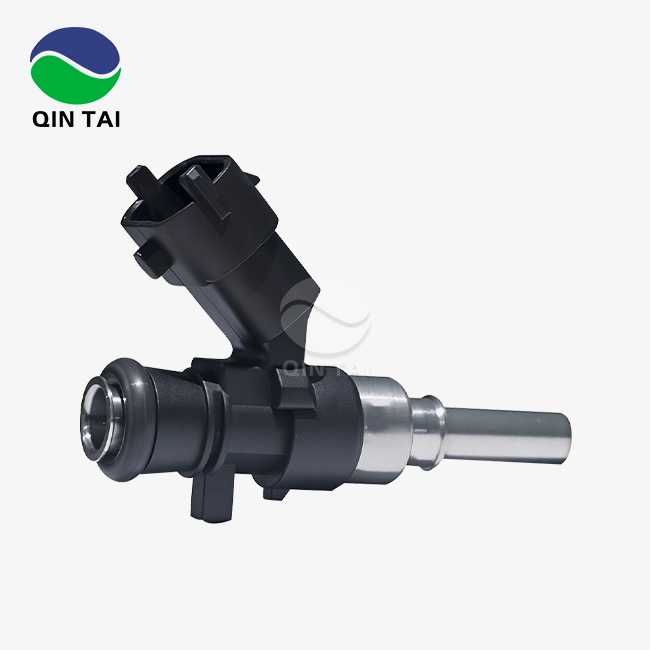

Our customers’ satisfaction speaks for our quality — contact us to experience the same reliable service.