- English
- French
- German
- Portuguese
- Spanish
- Russian
- Japanese
- Korean
- Arabic
- Greek
- German
- Turkish
- Italian
- Danish
- Romanian
- Indonesian
- Czech
- Afrikaans
- Swedish
- Polish
- Basque
- Catalan
- Esperanto
- Hindi
- Lao
- Albanian
- Amharic
- Armenian
- Azerbaijani
- Belarusian
- Bengali
- Bosnian
- Bulgarian
- Cebuano
- Chichewa
- Corsican
- Croatian
- Dutch
- Estonian
- Filipino
- Finnish
- Frisian
- Galician
- Georgian
- Gujarati
- Haitian
- Hausa
- Hawaiian
- Hebrew
- Hmong
- Hungarian
- Icelandic
- Igbo
- Javanese
- Kannada
- Kazakh
- Khmer
- Kurdish
- Kyrgyz
- Latin
- Latvian
- Lithuanian
- Luxembou..
- Macedonian
- Malagasy
- Malay
- Malayalam
- Maltese
- Maori
- Marathi
- Mongolian
- Burmese
- Nepali
- Norwegian
- Pashto
- Persian
- Punjabi
- Serbian
- Sesotho
- Sinhala
- Slovak
- Slovenian
- Somali
- Samoan
- Scots Gaelic
- Shona
- Sindhi
- Sundanese
- Swahili
- Tajik
- Tamil
- Telugu
- Thai
- Ukrainian
- Urdu
- Uzbek
- Vietnamese
- Welsh
- Xhosa
- Yiddish
- Yoruba
- Zulu
Best Aftertreatment Dosing Unit Suppliers: Sourcing and Import Tips
The top aftertreatment dosing unit providers have clear import papers, documented production control, verified SCR system compatibility, and timely technical assistance. When helping individuals evaluate sources, I start with these four factors, then pricing. Aftertreatment dosing units monitor diesel exhaust fluid in the exhaust stream. The unit's weakness might raise NOx and derate the engine. This tutorial covers what the unit performs, how to identify suppliers, which suppliers are ideal for different tasks, and how to import successfully. I also show how Qintai fits your sourcing strategy.
What Is an Aftertreatment Dosing Unit and Why Does Supplier Choice Matter?
How an Aftertreatment Dosing Unit Works
In a diesel SCR system, an aftertreatment dosing unit measures how much diesel exhaust fluid (DEF, which is sold as AdBlue in some places) to add to the exhaust and does so. The quality of DEF, which is a 32.5% urea solution, is set by ISO 22241. If you heat the exhaust, the urea changes into ammonia. After the ammonia comes in contact with the SCR catalyst, it reacts with the NOx to make nitrogen and water.
A 2010 rule from the EPA says that heavy-duty NOx can't be more than 0.2 g/bhp-hr. SCR is a common way for diesel makers to meet this standard. So that the control module can give the right amount of fluid at all engine loads, the dosing unit has to keep the pressure steady.
Dosing Unit, DEF Pump, Injector, and Sensor: Clearing Up the Terms
Because suppliers don't always mean what they say, I ask for a parts list before I compare quotes. The DEF pump takes fluid out of the tank and moves it around. Another name for the injector is a dosing valve. It sprays it into the exhaust. The pump, filter, and valves are often all housed in one housing in dosing units, and they are controlled by a control module. So that the module can fix the dosing rate, a pressure sensor tells it what the line pressure is.
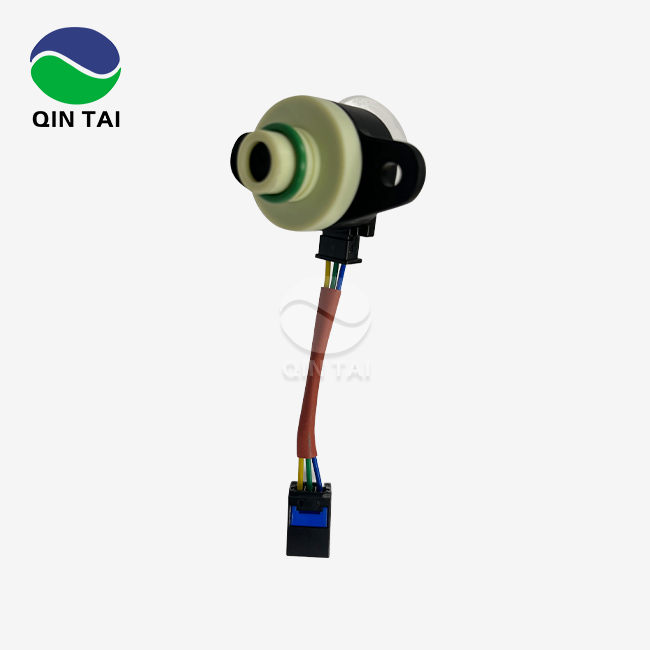
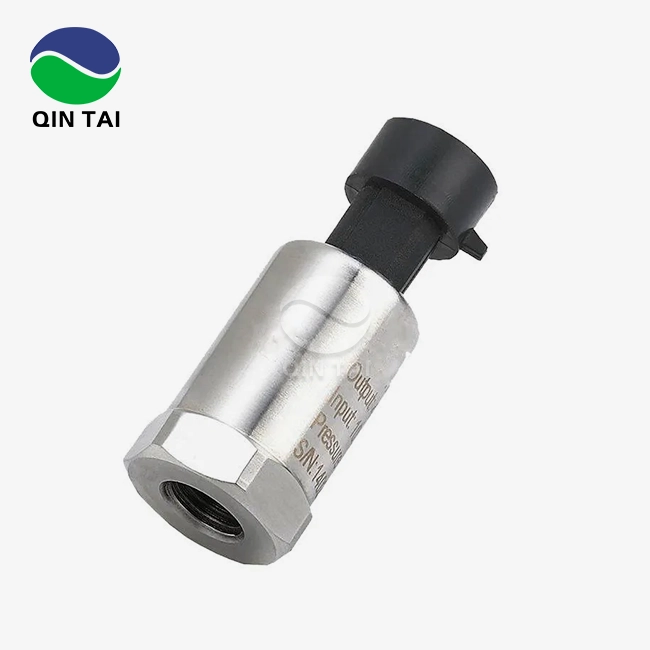
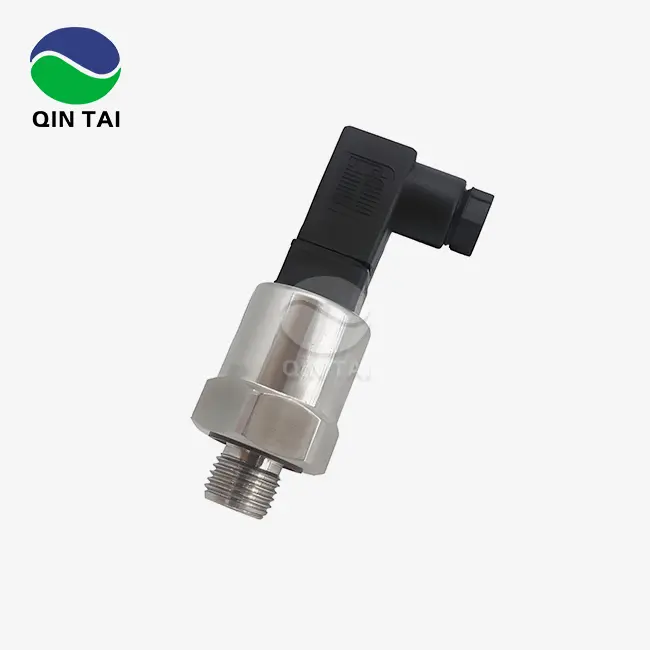
This is what the Urea Dosing Pressure Sensor from Qintai does. It usually has a range of 0 to 12 bar, an accuracy of ±1.5% of full scale, an IP69K seal, a diaphragm made of 316L stainless steel or PPS, and an operating range of -40°C to +125°C. Since DEF freezes at about -11°C, it can also handle thaw cycles.
What Goes Wrong With an Unsuitable Unit
When units don't match, problems happen in the field. When pressure isn't stable, dosing is wrong, which can cause NOx levels to go over the limit. Urea crystallizes when the exhaust temperature is low and the atomization is poor. This blocks lines and nozzles. Damage is done to harnesses and parts nearby by leaks. Running costs go up when too much DEF is used, and diagnostic faults can put the machine into limp mode and stop it from working.
SCR is used in marine engines, trucks, busses, generator sets, farm and construction equipment, and generator sets. Each type of engine has to deal with different levels of vibration, dust, and temperature. In order to do this, I look at the total cost of ownership, which includes setup, calibration, maintenance, warranty, and the chance of downtime.
Key Criteria for Choosing the Best Aftertreatment Dosing Unit Supplier
Manufacturing Capability and Certifications
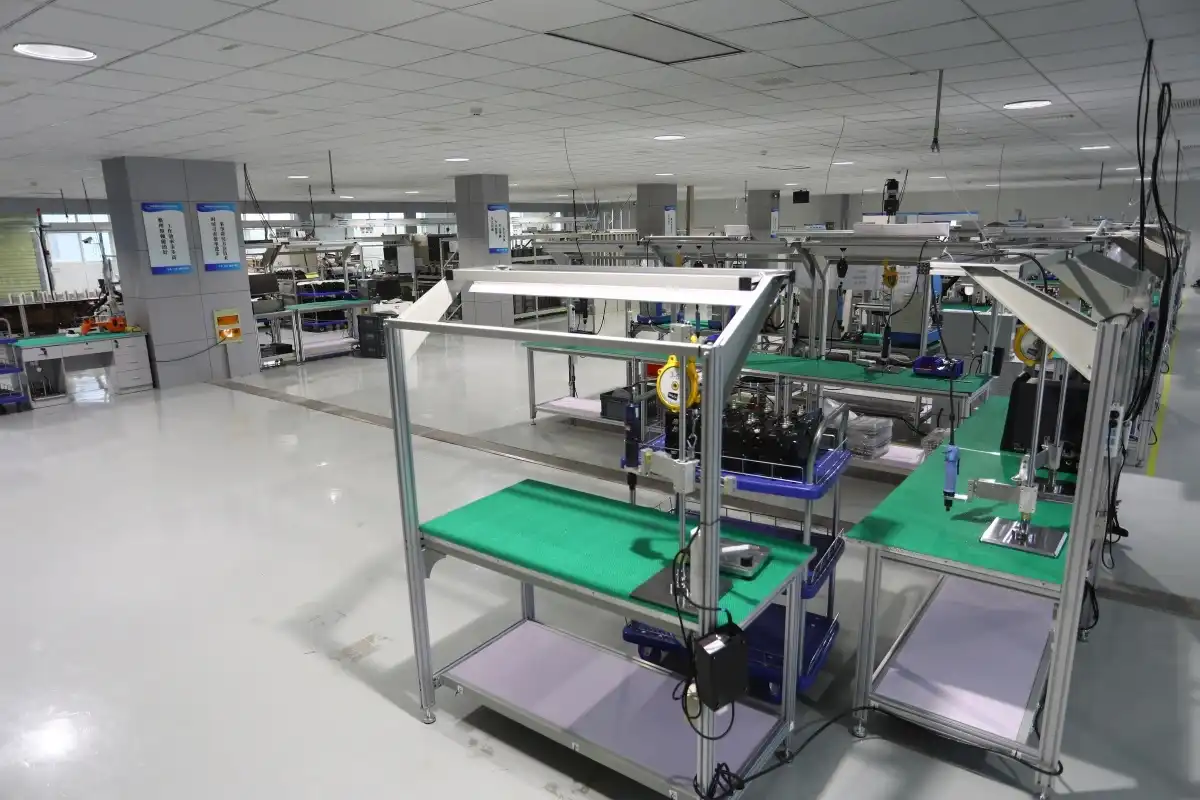
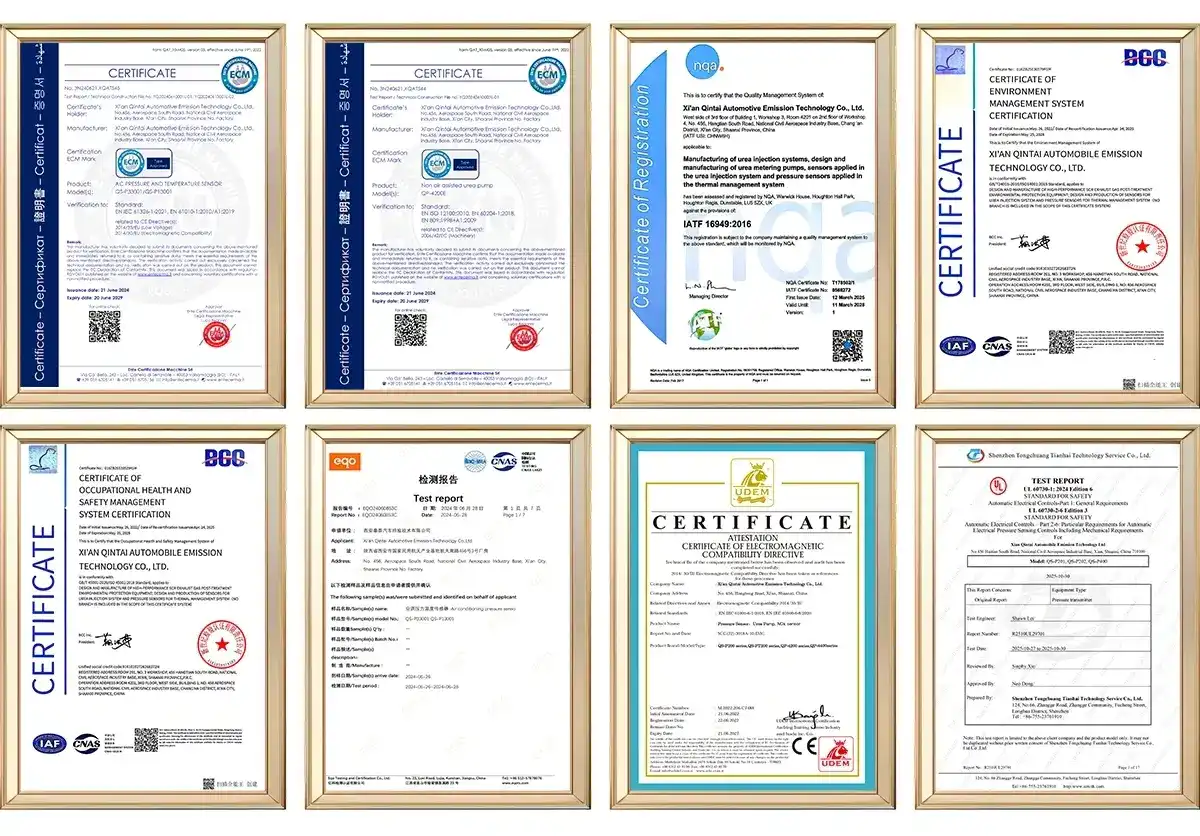
First, verify that the provider manufactures its aftertreatment dosing unit products. The company's licence, factory location, manufacturing lines, and testing tools should be requested. Quality certifications matter too. ISO 9001 manages quality generally, whereas IATF 16949 manages quality in the automobile sector. National high-tech business Qintai was founded in Xi'an in 2001. It has ISO 9001, IATF 16949, CMC, Ex, UL, CE, REACH, and RoHS certifications and has requested 58 innovation patents. Get production traceability data to determine a failing batch's ingredients and construction date.
Technical Documents and Compatibility
A datasheet should provide more than a model number. Drawings, flow curves, pressure data, connection pinouts, communication interfaces, and durability test results are needed. It usually doesn't function with your supervision module. Standard sensor sizes are M10x1 or M12x1.5. A 0.5V–4.5V or SENT output signal must match the device's calibration. Write down the supplier's voltage, DEF flow, pressure span, and CAN integration claims. Your R&D engineer should review these papers before buying.
Customization and After-Sales Support
Programs usually vary flow rate, voltage, connections, mounting, or mounting. Verify that the provider provides prototypes and an engineer for validation. Qintai offers OEM and ODM services from product design to mass manufacturing. You may customise them for special applications. It is a major supplier to Weichai Power, Yuchai Power, and Quanchai Power and has its own R&D team. Sells in approximately 60 countries and areas. In addition to engineering, review warranty conditions, replacement lead times, failure analysis, and calibration assistance. Quick sample replies predict post-sale responses.
Aftertreatment Dosing Unit Types and Performance Comparison
Air-Assisted and Airless Dosing
In air-assisted systems, compressed air moves DEF and creates a fine spray. Many big vehicles use air-powered engines. Airless systems have a pump and injector. They're simpler to package, have fewer parts, and don't require an air connection, so many off-road equipment and generator sets can utilise them. Electronic dosing controls pump speed and valve timing with the module. Air valves and lines are added to pneumatic designs. Always, neither option is superior. I consider duty cycle, emission goal, control precision, atomisation, system complexity, maintenance, and packing space.
12V, 24V, Standard-Flow, and High-Flow Models
The voltage must be the same as the car's electrical system. A lot of small and medium-sized cars and trucks use 12V, but a lot of big trucks and off-road machines use 24V. Flow rate depends on how much NOx the engine puts out. An engine for a big mine or boat needs a high-flow unit, but an engine for a small tractor can use a standard flow unit. At full load, a unit that can't handle enough NOx can't change it. Dosing at a low rate is hard to control when the unit is too big. Not only ask for the peak number, but also the flow curve and the lowest dose that can be controlled.
OEM, Aftermarket, Universal, and Custom Units
OEM units feature a single engine program and thorough validation, which benefits mass-producing enterprises. Aftermarket parts replace broken ones. They appeal to repair businesses and dealers due to their pricing and stock concentration. Universal units may be used in various applications, although they require calibration and adapters.
Custom aftertreatment dosing units are required for new engine platforms due to installation, connectivity, and control. I usually advise OEM and system integrator teams to choose OEM-grade or bespoke equipment. Before stocking a new part number, aftermarket buyers should check cross-reference data and warranty conditions.
Sourcing and Import Tips for U.S. Buyers
Where to Find and Verify Suppliers
Manufacturer websites, industrial platforms, trade events, technical organisations, distributors, OEMs, and integrators may provide leads. Names are simple to locate. It requires additional effort to verify. Determine whether the supplier manufactures the aftertreatment dosage unit or subcontracts it. Request company verification, factory photographs or videos, certifications, test results, and customer references. Include engine type, flow, pressure, voltage, connection, and yearly volume in your estimate request. Check the quotations for configuration, MOQ, tooling, warranty, lead time, paperwork, service, and Incoterms.
HTS Codes, Duties, and Incoterms
Talk to a licensed customs broker about the HTS classification. The right code depends on how the unit is designed and what it does. The base duty rate is set by the Harmonized Tariff Schedule. Depending on the country of origin, extra tariffs may apply, so make sure you check the most up-to-date rates when you ask for a quote. Incoterms 2020 spell out who is responsible for each step and pays for it.
You have to do almost everything for EXW. Once the goods are loaded on the ship, FOB changes the risk. The seller's price goes up with CIF because it includes freight and insurance. However, the risk still shifts at loading. DDP makes the seller pay for the shipping and duties. I send samples and urgent repairs by air freight and large amounts of stuff by sea freight.
Samples, Pilot Orders, and Quality Agreements
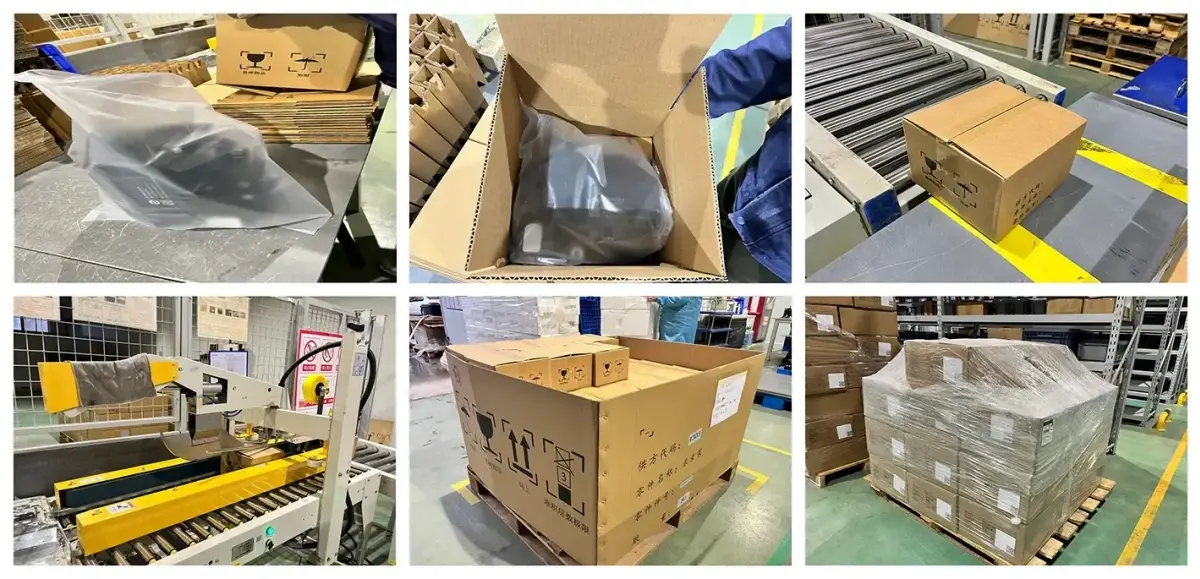
I suggest a step-by-step process: technical questions, approval of a sample, pilot production, and then release for mass production. When samples arrive, check them for damage to the housing, seals, ports, connectors, and how clean the DEF-contact passages are. Dust and oil can damage the fluid. Ask the supplier to pack the parts with caps that are sealed and plastic that keeps out moisture.
Specifications, traceability, change control, inspection standards, how to handle nonconforming products, and warranty duties should all be in a written quality agreement. The commercial invoice, packing list, bill of lading, and any certificates that are needed should be added to the list of export documents. Many disagreements after the first container lands can be avoided if these points are agreed upon early on.
Testing, Installation, Common Mistakes, and Supplier Scorecard
Testing, Installation, and Calibration
Check housing, seals, ports, connections, voltage, electrical continuity, flow rate, pressure stability, and leakage of the aftertreatment dosing unit before installation. Make sure the pieces fit and DEF flows properly before installing. Check ECU calibration and diagnostic communication. A drifting sensor signal or filthy connection pins might set a pressure sensor circuit range/performance code like P204B. Qintai employs gold-covered terminals to reduce risk. The sensors are designed to last 15,000–20,000 hours in commercial usage. A clogged filter or damaged seal may need repair. If an internal valve, actuator, control, or housing fails, replace the unit.
Common Sourcing Mistakes
Cheapest quotation is a mistake most people make. Lack of testing, inferior materials, or insufficient technical assistance might raise a product's cost. Thinking comparable units may be swapped is likewise a mistake. This is because flow, pressure, connections, communication protocols, mounting dimensions, and DEF compatibility vary. Buyers may skip regional emissions tests or acquire a lot of products before testing samples. EPA heavy-duty engine NOx limits were 0.035 g/hp-hr starting in 2027. Check your engine family needs early. Create change control rules and batch records for fast warranty claims.
Supplier Scorecard
A weighted scorecard helps make decisions that are fair. Here are some starting weights that you can change based on your buying goal:.
- Technical capability, 40%: Score compatibility with your control module, flow and pressure performance, customization options, test data, and calibration support. Engineers should lead this score, because a unit that does not fit the SCR system cannot be rescued by a lower price, a bigger discount, or a faster delivery date.
- Quality and durability, 30%: Score management systems, endurance testing, environmental resistance, traceability, and process control. Ask for IATF 16949 or ISO 9001 certificates and sample test reports. Confirm that the supplier tracks each batch from raw material to shipment. Vibration, thermal cycling, and dust exposure tests show how the unit behaves in the field.
- Commercial terms, 30%: Score total landed cost, production capacity, lead time, MOQ flexibility, warranty service, and export documents. Purchasing teams should compare landed cost, which includes freight, duties, and inspection, rather than the ex-works price alone. Ask for written lead times for both samples and volume orders, plus the MOQ for each.
Most of the time, the best overall fit wins, not the cheapest quote.
Final Checklist Before Purchase
Before providing approval, I transmit a shared list to engineering, procurement, quality, and logistics. Engine type, DEF specification, flow rate, pressure range, temperature, voltage, connection, protocol, mounting, and calibration are technical details. Suppliers provide factory capabilities, certifications, test reports, samples, warranty, MOQ, lead time, and change control. Commercial buyers must understand HTS classification, tariffs, Incoterms, packaging, inspection requirements, payment terms, landing cost, and delivery plans. Since each team signs off, gaps occur before the purchase order rather than after shipping.
Conclusion
Finding a supplier for an aftertreatment dosing unit is easy if you look at fit, proof, and total cost. The unit measures DEF so that the SCR catalyst can cut NOx. Unstable pressure, crystallization, or leaks can lead to emission faults and the need for downtime. Strong suppliers show certified production, full technical documentation, and proof that the product works with the control module. Each type of 12V or 24V, standard or high flow, air-assisted or airless works best for a different engine and duty cycle.
Before placing large orders for U.S. imports, buyers should check the HTS classification, duties, Incoterms, and samples. They should also write down quality terms. Engineering, purchasing, quality, and logistics are all on the same page thanks to a weighted scorecard and a shared checklist. This means that the best supplier is not the cheapest one, but the one that fits the needs the best overall.
FAQ
What is the difference between an aftertreatment dosing unit and a DEF injector?
That part of the engine that sprays DEF into the exhaust is called an injector. It is common for the pump, filter, and control valves to be added around the unit. Ask for a parts list because some suppliers sell both as a single unit.
What causes clogging in a dosing system?
The main cause is crystallization. Urea deposits can be caused by poor atomization, low exhaust temperature, or dirty DEF. Use DEF that meets ISO 22241 standards, and check the quality of the spray while it is being validated.
Should I choose an OEM or an aftermarket unit?
The OEM-grade units are good for new programs that need to be fully tested. When price and stock are most important, aftermarket units are best for repair work. In either case, check the data and warranty terms against each other.
What details do I send for an accurate quotation?
Send the model and power of the engine, as well as the voltage, type of connector, communication protocol, mounting dimensions, annual volume, and market you want to reach. To lower the risk of sourcing, ask for samples and test reports before placing large orders.
Request an Aftertreatment Dosing Unit Evaluation from Qintai
OEMs, system integrators, and trading agents are asked by Qintai to share technical details about the engine, exhaust, voltage, flow, and pressure. When you're looking for an aftertreatment dosing unit supplier, our team can help you find the right urea dosing pressure sensors and SCR parts for your needs. We offer OEM/ODM service and can make changes to fit your needs. To get pricing, samples, specs, and lead times, email info@qt-sensor.com or go to qt-sensor.com.
References
1. ISO 22241-1: Diesel Engines — NOx Reduction Agent AUS 32 — Part 1: Quality Requirements, 2019
2. Incoterms 2020 Rules, International Chamber of Commerce, 2019
3. Harmonized Tariff Schedule of the United States, U.S. International Trade Commission, 2025
4. IATF 16949: Quality Management System Requirements for Automotive Production and Relevant Service Parts Organizations, 2016
5. Control of Air Pollution from New Motor Vehicles: Heavy-Duty Engine and Vehicle Standards and Highway Diesel Fuel Sulfur Control Requirements, Federal Register, 2001
6. Control of Air Pollution from New Motor Vehicles: Heavy-Duty Engine and Vehicle Standards, Federal Register, 2023

Our customers’ satisfaction speaks for our quality — contact us to experience the same reliable service.