- English
- French
- German
- Portuguese
- Spanish
- Russian
- Japanese
- Korean
- Arabic
- Greek
- German
- Turkish
- Italian
- Danish
- Romanian
- Indonesian
- Czech
- Afrikaans
- Swedish
- Polish
- Basque
- Catalan
- Esperanto
- Hindi
- Lao
- Albanian
- Amharic
- Armenian
- Azerbaijani
- Belarusian
- Bengali
- Bosnian
- Bulgarian
- Cebuano
- Chichewa
- Corsican
- Croatian
- Dutch
- Estonian
- Filipino
- Finnish
- Frisian
- Galician
- Georgian
- Gujarati
- Haitian
- Hausa
- Hawaiian
- Hebrew
- Hmong
- Hungarian
- Icelandic
- Igbo
- Javanese
- Kannada
- Kazakh
- Khmer
- Kurdish
- Kyrgyz
- Latin
- Latvian
- Lithuanian
- Luxembou..
- Macedonian
- Malagasy
- Malay
- Malayalam
- Maltese
- Maori
- Marathi
- Mongolian
- Burmese
- Nepali
- Norwegian
- Pashto
- Persian
- Punjabi
- Serbian
- Sesotho
- Sinhala
- Slovak
- Slovenian
- Somali
- Samoan
- Scots Gaelic
- Shona
- Sindhi
- Sundanese
- Swahili
- Tajik
- Tamil
- Telugu
- Thai
- Ukrainian
- Urdu
- Uzbek
- Vietnamese
- Welsh
- Xhosa
- Yiddish
- Yoruba
- Zulu
Best SCR Dosing Pump Buying Guide: Flow Rate and Pressure Selection
The best SCR dosing pump matches your engine, injector, and delivery line with enough peak flow and steady pressure, without extra capacity that adds cost and weakens control. I suggest starting with diesel fuel use, because diesel exhaust fluid (DEF) demand usually runs about 2 to 3 percent of it. Next, confirm pressure at the injector inlet rather than only at the pump outlet. Then check voltage, communication protocol, materials, and cold-weather features. This guide covers each step, so purchasing managers and engineers can compare options with clear data.

Understanding the SCR Dosing Pump and Why Selection Matters
The first thing I do is go over the basics. This way, mistakes in the specifications don't cost a lot of money.
What an SCR Dosing Pump Do
DEF is also known as AUS 32 and AdBlue. Some diesel engines include an SCR dosing pump that transports DEF from the storage tank to the dosing injector. DEF is a mixture of 32.5 percent urea and deionized water according to ISO 22241. That's what it does when it comes in contact with hot exhaust. NOx and ammonia react over the SCR catalyst, producing N2 and water. The EPA’s heavy-duty NOx limit of 0.2 g/bhp-hr was incrementally put in effect from 2007 to 2010, and this technology was employed by a number of industries. Also known as an AdBlue pump, urea pump or DEF dosing pump. But the specs are dependent on the engine and how the engine is managed.
How the System Works?
A standard SCR system contains a DEF tank, a hot supply line, an injector, sensors, an ECU, a dosing pump, a thing that adjusts the pressure and a fan. The ECU commands the pump to draw fluid from the tank, filter it and pressurize it and then feed it to the injector. It varies depending on what the NOx sensor tells it, how much the engine is being utilized and how quickly the exhaust is traveling. Control messages might be PWM, CAN, analog input or just turning the device on and off depending on the platform. Pressure and temperature sensors shut the loop and things change. That gives you the proper amount of.
Why Poor Selection Costs More Than the Pump?
If you're solely making selections based on price or yield you'll have difficulties in the future. A little pump cannot handle as much flow and hence gets rid of less NOx. If the pressure is too low or too high, the injectors or spray can will not operate properly. The seal could not be strong enough . Or the pieces might not fit correctly . Failure might happen . Incompatible signals make it difficult to converse to each other. When things go wrong, it might result in problem codes, lost time or warranty claims. All the units are made by Original Equipment Manufacturers (OEMs) and are of the incorrect standard. People who purchase aftermarket parts receive more of their money back. When I pick a pump I look at the ECU setting, the tank, the filter, the lines, the injector and the ECU.

Flow Rate and Pressure Selection for an SCR Dosing Pump
People want to know how fast and hard an SCR dosing pump works before they buy it. This is how I deal with all of them.
Calculating Required Flow Rate
Give us information about how the engine is used, such as its speed, displacement, fuel use, load cycle, exhaust temperature, and engine-out NOx. The first guess that makes sense is that DEF flow = fuel use × DEF-to-fuel ratio. An engine that burns 20 gallons (76 liters) of fuel per hour needs about 1.5 to 2.3 liters of DEF per hour. This is because DEF use typically runs about 2% to 3% of diesel use. The illustration of that figure doesn't show any specific models. Next, compare your guess to the injector's power, the catalyst's design, the ECU's settings, and the demand that changes quickly. Power systems for trucks, generators, construction machines, and farm equipment usually need to be bigger and more durable than power systems for small cars.
Understanding Pressure Requirements
The injector's needs, the line and hose's length and thickness, the filter's resistance, the fluid's temperature, changes in elevation, and the exhaust back pressure all affect the pressure. Small tools with short lines might be able to work with low pressure. Large jobs that need long delivery paths or high spray quality should have more room. I tell people that when they buy something, they shouldn't just look at the highest capacity. They should also ask for pressure-flow curves for a range of temperatures. When it's cold, the pump can't do as much. You should check the boost, the full load, the cold start, the priming, and the purge. If you can, check the pressure where the injector goes in. Also, make sure that the injector, pipes, fittings, and seals can handle the full operating range.
Avoiding Oversizing and Undersizing
It's not always best to choose the type with the fastest flow rate. If the machine takes up too much space, it will use more electricity and make more noise. Additionally, the control might not work as well at low dosing rates, which are needed for idle and light loads. If the pump isn't big enough, it might not be able to handle a lot of stress. Controlling NOx is made worse by this. You might want to add a useful cushion to account for the fact that conditions can change, like the parts' limits and the weather. After that, test it on an engine or test bench that has the right ECU, tank, filter, hoses, and injector. This is because a pump that works well in one place might not work right in another.
Key Selection Criteria and Application Matching
The other numbers, after flow and pressure, show how well the SCR dosing pump will really work in the field.
Electrical, Material, and Environmental Requirements
Check the voltage, starting current, type of connector, need for CAN or PWM, and your ability to figure out what's wrong through diagnostics. The parts that go into pumps need to be able to handle DEF, corrosion, crystallization, temperature changes, pressure, and vibration. Because DEF freezes at about -11°C (12°F), check the heating, drainage, and purge features if you operate in northern regions. Make sure you look at the IP rating, the temperature range, the shock resistance, the ability to handle water and dust, and the high-pressure water cleaning. Costs of ownership depend on things like the warranty, spare parts, service life, and ways to replace it in the field. Price is another thing to think about. Don't believe only what the brochure says; instead, get the test results.
Pump Types and Control Methods
How stable the pressure is and how long it lasts depend on how the pump is built. It's easy to give the right amount of fluid with a diaphragm pump because it can work with different pressures. Gear pumps can keep the flow steady even when the pressure is high. Most of the time, peristaltic pumps are not needed for standard DEF because they are made to work with thicker fluids. A lot of tools that move things use electric pumps because they can be set to different speeds and connect straight to an ECU. Air pumps might be better for specific industrial installations. Instead of changing the software, it's better to match the control method (PWM, CAN, analog, or on/off) to the ECU that is already in use. Ask the suppliers how the pump works during priming and purge.
Matching the Pump to Your Application
It's important for cars that carry big loads to have stable power and be able to communicate with the engine ECU. They always have to be able to work in mines, power plants, and backup systems, even when it's hot or cold outside. Things that are used for building and farming have to deal with water, dust, and shaking. When SCR systems are installed, they check to see how well they work with sensors and if the interfaces can be changed. People who buy aftermarket parts look at how often it breaks, how much stock there is, how easy it is to install, and how much it costs. OEM pumps can be used with a lot of different builds. Units with different names may be cheaper and arrive faster, but they still need to be carefully checked to make sure they work right. You can't just assume that any pump will work as an AdBlue pump, a DEF pump, or an SCR dosing pump. You should first look at how each one mounts, heats, purges, and is calibrated.
Buying Process, Troubleshooting, and Supplier Selection
There is less risk and the process goes faster when there is a clear method for selecting an SCR Dosing Pump. These four steps work well for both OEM and aftermarket teams.
Information to Gather Before Requesting Quotes
Making a full request takes weeks less work. Prepare the type of the machine and engine, as well as the power, fuel consumption, required DEF flow, working pressure, voltage, communication protocol, temperature range, mounting space, port dimensions, certifications, annual volume, and destination market. To find the best supplier for you, look at things like costs, lead times, warranties, compatibility, performance, and durability. The things you can ask for are test results, wiring diagrams, pressure-flow curves, datasheets, and reference applications. If you ship to the U.S., be aware that the EPA's heavy-duty standard will lower the NOx limit to 0.035 g/hp-hr by 2027.
Validating Samples Before Bulk Orders
After engineering models are made, they are tested before production release. Check the mechanical fit and listen to how the ECU and injectors talk to each other. Also, check how the engine starts when it's cold and how well it works under vibration or moisture. Make sure there is enough production capacity, a plan for a replacement model, and a way to keep track of engineering changes before you start making bulk orders. People who buy in the aftermarket can begin with a small pilot batch to find out the early failure rate. OEM teams can also run samples through their own durability protocols to see how long they last. That way, the groups that buy, build, and check the quality can all use the same data to make a decision.
Troubleshooting Common Problems
Low flow, unstable pressure, crystallization, leaks, and communication faults are just some of the problems that happen. Check the voltage at the connectors first. The next step is to inspect the wiring, ground, ECU commands, and CAN or PWM signals. Next, check the temperature of the fluid, the hoses, the seals, and the filters at the inlet. An injector that is stuck or the wrong size is often to blame for low flow. Restrictions, pump wear, or air ingress are other possibilities. Crystallization usually points to an incomplete purge, poor drainage, contamination, or weak heating. The ECU might need to be reconfigured or recalibrated if you get a new pump. Do not allow issues to arise; prevent them with filter checks, clean DEF handling, winterization, prompt seal replacement, and accurate service records.
Choosing a Supplier: What Qintai Offers
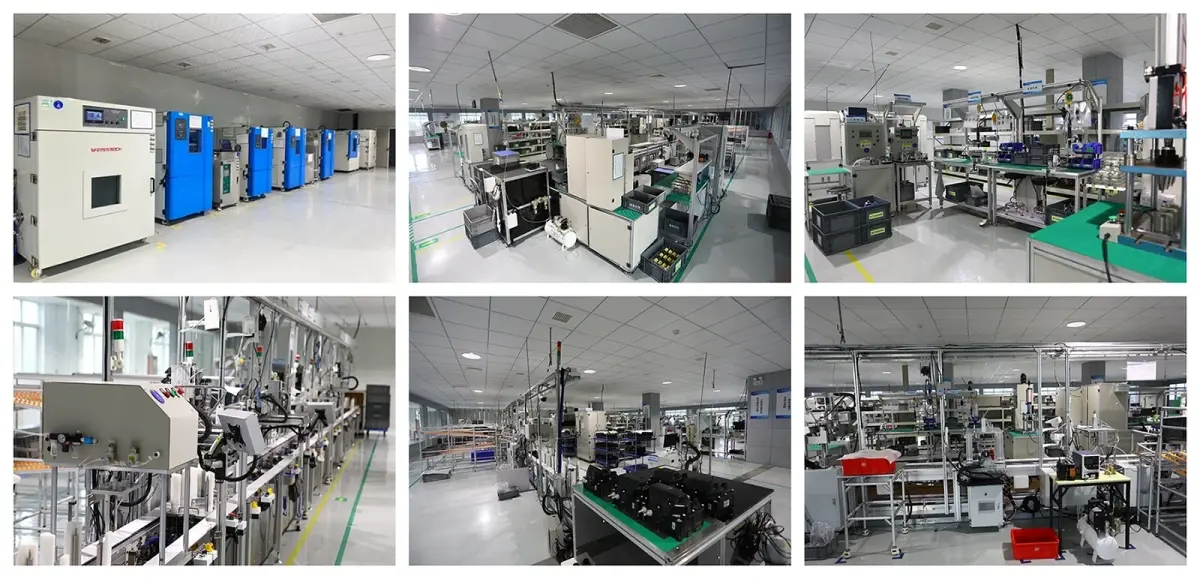
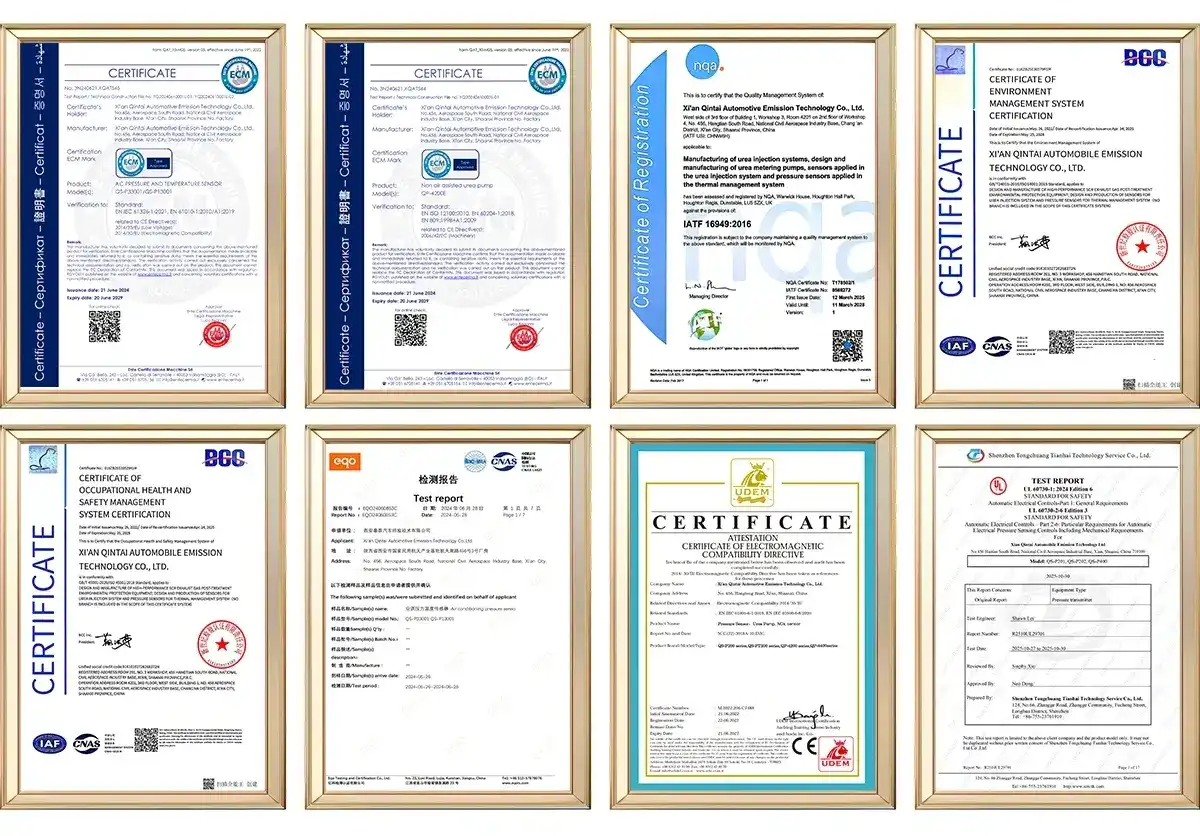
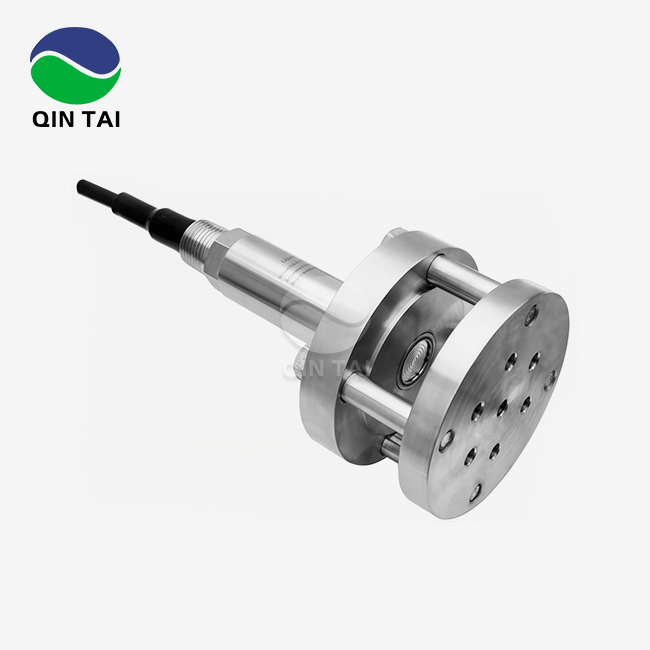
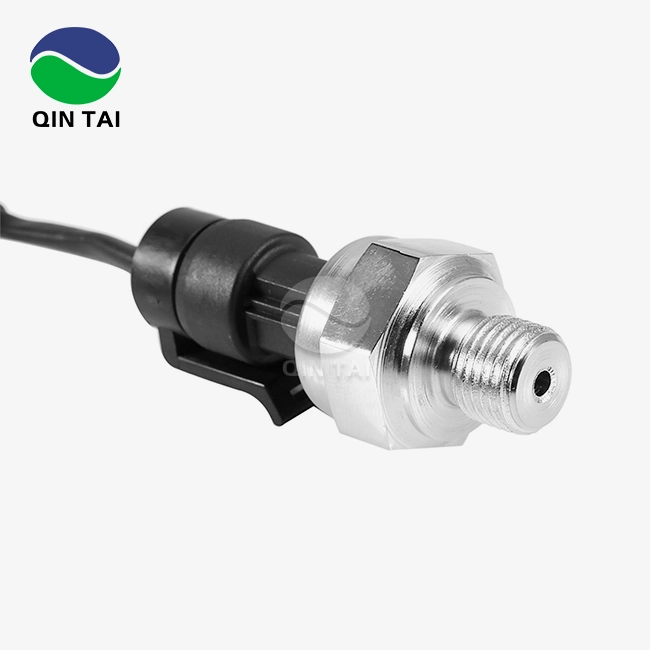
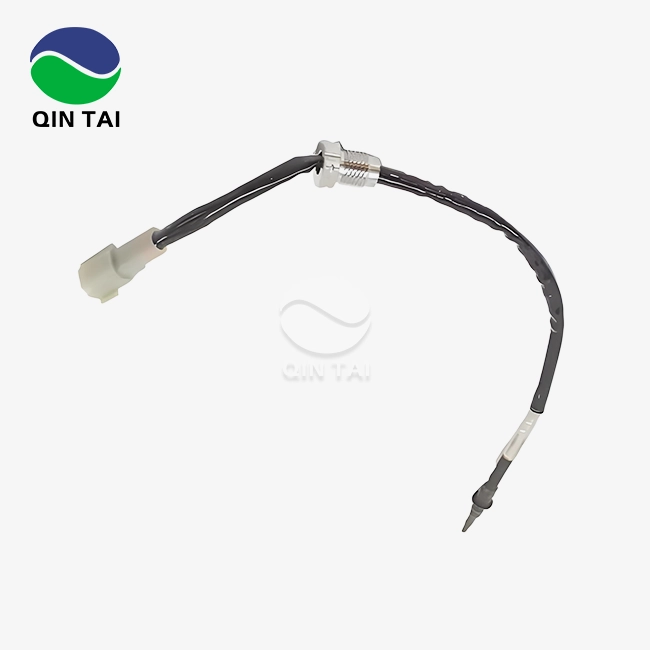
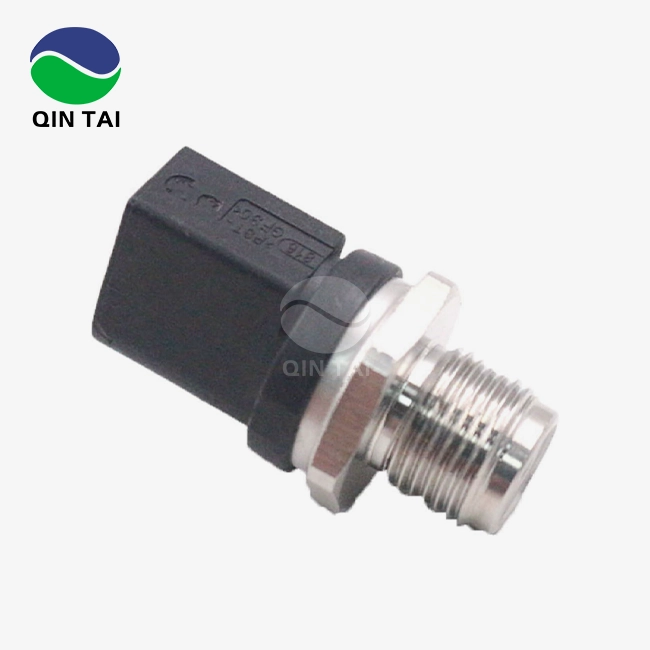
The high-tech company Xi'an Qintai Automotive Emission Technology Co. Ltd, founded in 2001, is a leader in the industry. We focus on R&D, manufacturing, sales, and after-sales service for diesel engine SCR aftertreatment and sensors, especially pressure sensors. We hold ISO9001, IATF16949, CMC, Ex, UL, CE, REACH, and RoHS certificates, and we have applied for 58 invention patents. We serve as a core supplier to Weichai Power, Yuchai Power, and Quanchai Power, and our products reach more than 60 countries and areas. Our urea pump combines pump, filter, and heater in a compact design, with built-in freeze protection, a purge function, low energy use, and low noise. We also provide OEM and ODM services and product customization.
Conclusion
Selecting an SCR dosing pump starts with accurate application data. The amount of DEF needed is based on the fuel consumption and the DEF-to-fuel ratio, with a practical margin for peak demand. It is very important that the injector, delivery line, filter, and temperature all match the required pressure, which should be measured at the injector inlet. Oversizing raises power use and weakens low-rate control, while undersizing reduces NOx conversion. Voltage, communication protocol, materials, ingress protection, freeze protection, and purge function determine field durability. Trucks, generator sets, off-road machines, and aftermarket channels weigh stability, endurance, and cost differently. Complete specifications, supplier comparison, sample validation, and disciplined troubleshooting reduce risk and support a stable long-term supply.
FAQ
Are SCR, DEF, and AdBlue dosing pumps interchangeable?
The names often describe the same function, but models differ in flow range, pressure, connectors, control protocol, and calibration. Verify each item before replacing a unit.
How do I estimate required flow?
Multiply fuel consumption by the DEF-to-fuel ratio, commonly 2% to 3%. Then check injector capacity and peak demand against your ECU data.
Is a higher-pressure pump always better?
No. Injector limits, line length, and hose ratings set the useful pressure. Excess pressure can stress seals and fittings.
How does the pump handle freezing conditions?
DEF freezes at about -11°C. Qintai urea pumps include integrated heaters and freeze protection logic, and dosing starts only when the solution is above freezing.
What should I check when choosing a supplier?
Review datasheets, test results, quality certificates, customization support, warranty, spare parts, and delivery record.
Request an SCR Dosing Pump Recommendation or Quotation
Qintai welcomes inquiries from engine makers, aftertreatment integrators, generator set builders, and aftermarket buyers. Send your engine model, DEF flow, target pressure, voltage, communication method, and annual volume to info@qt-sensor.com, and our engineers will recommend suitable models. As an SCR dosing pump manufacturer offering OEM and ODM services, we support samples, customization, and bulk orders.
References
1. Federal Register, Control of Air Pollution from New Motor Vehicles: Heavy-Duty Engine and Vehicle Standards and Highway Diesel Fuel Sulfur Control Requirements, 2001
2. Federal Register, Control of Air Pollution from New Motor Vehicles: Heavy-Duty Engine and Vehicle Standards, 2023
3. International Organization for Standardization, ISO 22241-1: Diesel Engines — NOx Reduction Agent AUS 32 — Part 1: Quality Requirements, 2019
4. Catalysis Today, Urea-SCR: A Promising Technique to Reduce NOx Emissions from Automotive Diesel Engines, 2000
5. SAE International Journal of Engines, Review of Vehicular Emissions Trends, 2015
6. Bosch Automotive Handbook, 10th Edition, 2018

Our customers’ satisfaction speaks for our quality — contact us to experience the same reliable service.