- English
- French
- German
- Portuguese
- Spanish
- Russian
- Japanese
- Korean
- Arabic
- Greek
- German
- Turkish
- Italian
- Danish
- Romanian
- Indonesian
- Czech
- Afrikaans
- Swedish
- Polish
- Basque
- Catalan
- Esperanto
- Hindi
- Lao
- Albanian
- Amharic
- Armenian
- Azerbaijani
- Belarusian
- Bengali
- Bosnian
- Bulgarian
- Cebuano
- Chichewa
- Corsican
- Croatian
- Dutch
- Estonian
- Filipino
- Finnish
- Frisian
- Galician
- Georgian
- Gujarati
- Haitian
- Hausa
- Hawaiian
- Hebrew
- Hmong
- Hungarian
- Icelandic
- Igbo
- Javanese
- Kannada
- Kazakh
- Khmer
- Kurdish
- Kyrgyz
- Latin
- Latvian
- Lithuanian
- Luxembou..
- Macedonian
- Malagasy
- Malay
- Malayalam
- Maltese
- Maori
- Marathi
- Mongolian
- Burmese
- Nepali
- Norwegian
- Pashto
- Persian
- Punjabi
- Serbian
- Sesotho
- Sinhala
- Slovak
- Slovenian
- Somali
- Samoan
- Scots Gaelic
- Shona
- Sindhi
- Sundanese
- Swahili
- Tajik
- Tamil
- Telugu
- Thai
- Ukrainian
- Urdu
- Uzbek
- Vietnamese
- Welsh
- Xhosa
- Yiddish
- Yoruba
- Zulu
Best SCR Dosing Pump Suppliers for Heavy-Duty Vehicles - Qintai
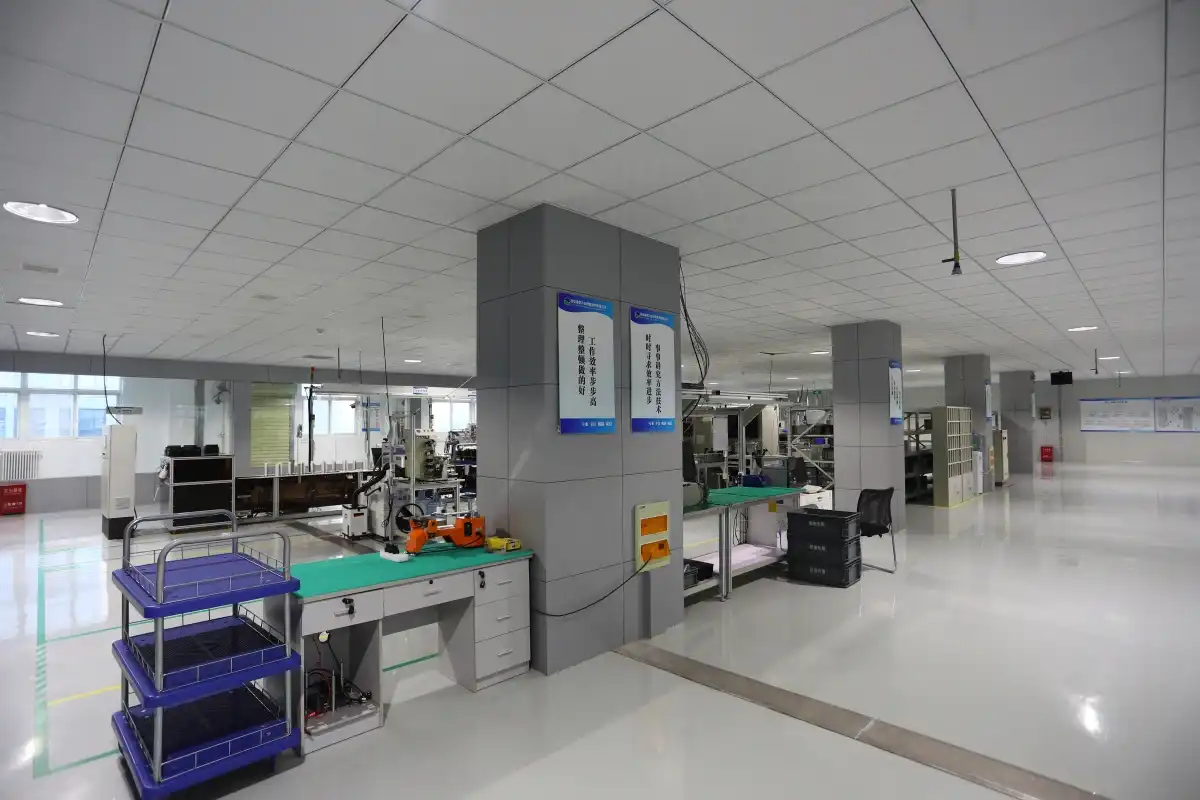
When emission compliance and operating efficiency have a direct effect on your bottom line, it's important to find a reliable SCR Dosing Pump provider. Heavy-duty vehicles that work on building sites, farms, and long-distance routes need precise DEF injection to meet the strict NOx reduction goals set by China VI and Euro VI rules. We have seen directly how picking the right SCR Dosing Pump can change how often upkeep needs to be done and how much fuel is used. Qintai is one of the top companies that makes integrated solutions that combine accurate dosing, freeze protection, and a small design—all of which are important for OEMs and aftermarket workers who have to deal with ever-tougher emission standards.
Understanding SCR Dosing Pumps for Heavy-Duty Vehicles
Core Functions and Working Principles
At exactly set pressures, SCR Dosing Pumps move AdBlue from storage tanks to dosing units. The SCR Dosing Pump diesel system talks to the Engine Control Unit all the time to adjust the doses based on the load of the engine, the flow rates of the exhaust, and data from the NOx sensors in real time. This closed-loop control makes sure that the catalyst works at its best while using as little DEF as possible. Heavy-duty uses mostly use diaphragm pumps because they can safely handle changing pressures and keep dosing accuracy over long job cycles. While the SCR Dosing Pump makes sure that NOx reduction works well in the SCR catalyst, it directly helps heavy trucks, building equipment, and generator sets follow the rules for pollution control.
Industrial Applications and Performance Standards
There are many problems that heavy-duty cars have to deal with on the job that require strong tools to control emissions. Construction equipment works in dusty, shaking places where the usage of parts depends on how long they last. Agricultural equipment has to deal with high temperatures and long periods of inactivity, which put freeze protection systems to the test. Industrial-grade dependability is needed for generator sets in mines and power plants to keep running without stopping.
For each use, specific performance requirements must be met, such as accurate dosing under changing loads, resistance to particle entry, and heat stability from -40°C to +60°C. These needs shape how suppliers are chosen and show why, when looking at SCR Dosing Pump choices, procurement managers put certifications, technical specs, and proven field performance at the top of their lists.
Efficiency Benefits and Safety Protocols
When SCR systems work right, they make engines run at their most efficient levels of burning without having to make any changes after the combustion process. Studies show that combined SCR systems can save 3 to 5 percent of fuel compared to older methods of controlling emissions. Modern SCR Dosing Pumps have safety features like automatic purge functions, leak detection, and pressure tracking that keep DEF from crystallising in supply lines. AdBlue melts before it is delivered thanks to built-in heaters and freeze safety software. Systems only start dosing when solution temperatures rise above freezing levels. These safety measures make parts last longer and require less upkeep, directly addressing the cost-cutting goals that buying managers have identified when looking at long-term source partnerships.
Criteria for Choosing the Best SCR Dosing Pump Supplier
Performance Indicators and Technical Specifications
Dosing precision is the most important measure of how well an SCR device works. To keep NOx conversion efficiency stable, SCR Dosing Pumps must stay within ±2% of the correct value for flow rates range from 0.5 to 15 litres per hour. Specifications for durability should include information on how long the product is expected to last, which should be more than 10,000 hours of normal job cycles.
When they are active, good SCR Dosing Pumps use less than 50 watts of energy, which is especially important for battery-powered tools and uses that don't like to be idle. The engine's displacement and output volume must match the flow rate, and the pressure ratings must be able to handle the backpressure from the dose units and injection nozzles. When evaluating suppliers, R&D engineers look closely at these factors to make sure they are technically compatible with current aftertreatment designs.
Compliance Certifications and Quality Standards
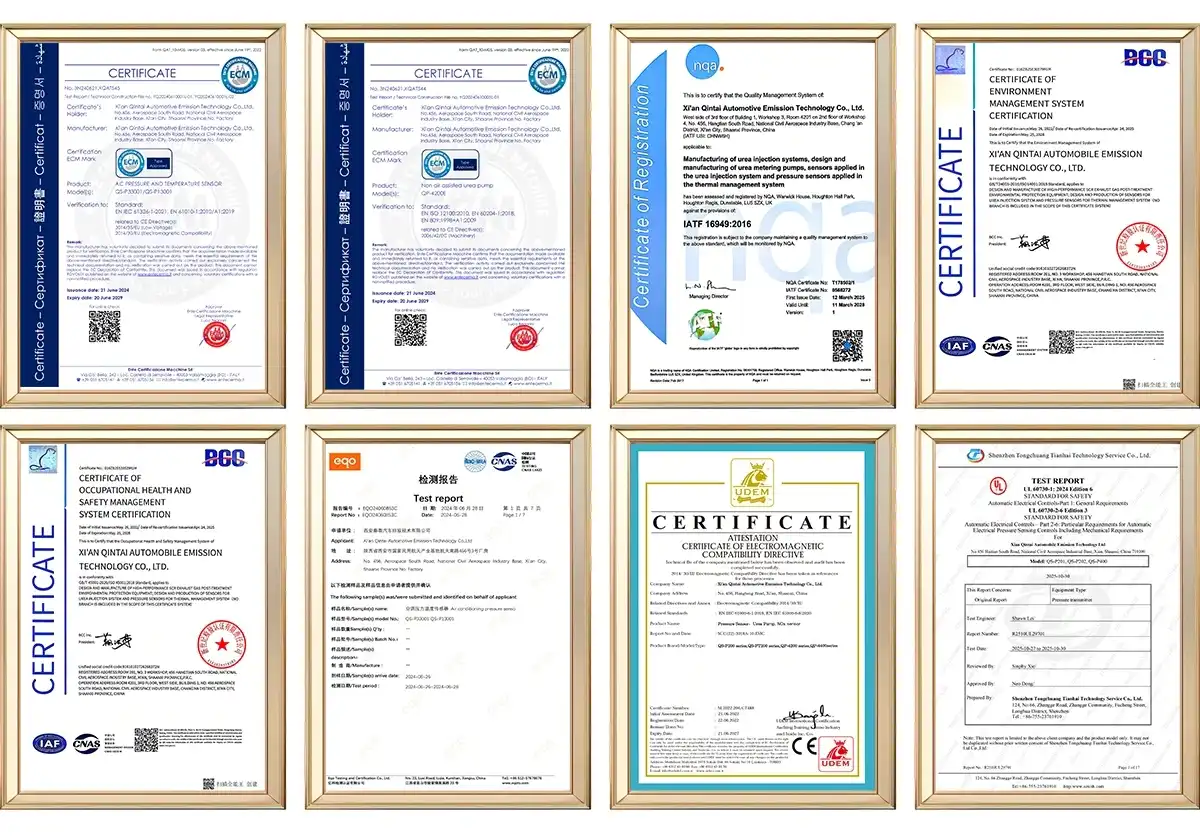
ISO9001 certification shows that suppliers have written quality control systems that cover the steps for designing, making, and testing products. The IATF16949 standard specifically talks about the needs of the car industry and makes sure that providers follow failure mode analysis and production part approval procedures. CE marking shows that a product meets European safety, health, and environmental protection standards, which is very important for OEMs that sell their products in other countries.
Other approvals, such as UL, REACH, and RoHS, make sure that electricity safety, chemical compliance, and material limits that keep the supply chain running smoothly are met. These licenses are used by procurement experts to qualify vendors because they lower technical risk and make it easier to fill out regulatory paperwork for the homologation of vehicles.
Supplier Capabilities and Support Infrastructure
Leading suppliers stand out by offering full expert help that goes beyond just delivering products. Assemblers can get help from engineering consultants to find the best dosing methods for different engine systems and duty cycles. With rapid prototyping, mounting connections, electrical connectors, and control settings can be changed to fit different car designs.
Total cost of ownership is directly affected by the framework for after-sales assistance, such as the supply of spare parts, the coverage of warranties, and field service networks. Qintai's independent research and development team is always coming up with new ways to make products work better, and OEM relationships with China's top engine makers show that their products are reliable in the real world. These skills are important because they turn sellers into strategic partners who help build vehicles instead of just sending parts when they're ordered.
Qintai's SCR Dosing Pumps: Product Overview and Advantages
Advanced Dosing Technology and Design Features
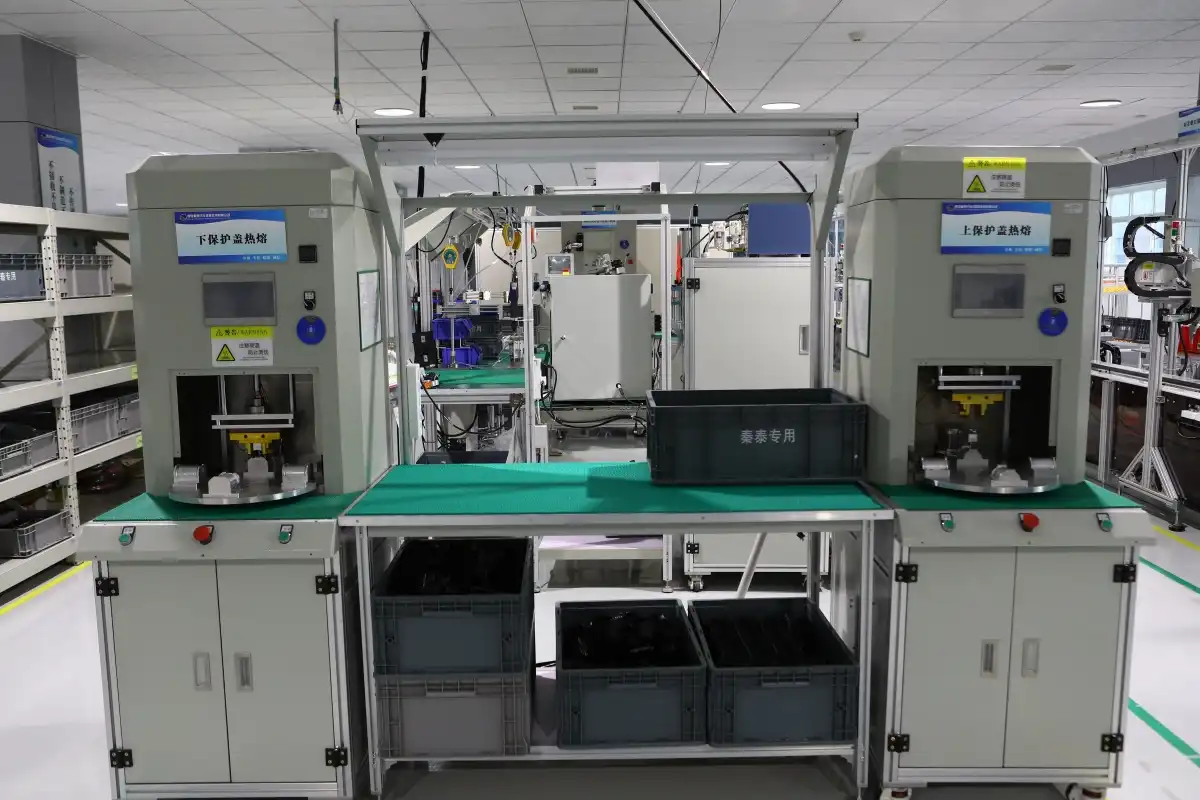
Qintai's SCR Dosing Pump solutions combine heaters, filters, and pumps into small units that make fitting easier and cut down on the number of places where problems can happen. The combined design cuts down on external plumbing, which lowers the chance of leaks and increases packing options for engine bays with limited room. Dosing that is accurate at all temperatures is made possible by complex control systems that account for changes in viscosity and pressure. Built-in freeze protection and automatic cleanup functions stop DEF from crystallising during shutdown cycles, which is a common way for things to go wrong in cold places. Because they don't make a lot of noise and don't use much energy, these pumps can be used in places where noise is a problem, like backup engines and delivery cars in cities.
Here are the core advantages that position Qintai as a preferred supplier for demanding applications:
- High Reliability and Extended Service Life: Strict testing procedures mimic 15,000-hour job cycles under rapid ageing conditions. This proves that the product is durable, which lowers guarantee costs and the need for field service.
- Modular and Customizable Architecture: Customers choose setups that meet their needs for volumes ranging from 3 to 20 litres per hour, pressures up to 10 bar, and electrical connections that work with 12V, 24V, or CAN-bus control systems.
- Comprehensive Certification Portfolio: ISO9001, IATF16949, CMC, Ex, UL, CE, REACH, and RoHS approvals show that the product meets international standards, which makes it easier for OEM partners to sell their products in global markets.
- Proven OEM Partnerships: Core supply ties with Weichai Power, Yuchai Power, and Quanchai Power prove success under China's strictest emission standards, building trust that foreign buyers can see through.
These advantages directly address the security, consistency, and compliance issues that they care about the most. Qintai's manufacturing capabilities allow for mass production while keeping the lot-to-lot precision that is necessary for putting together a lot of vehicles.
Quality Control and Manufacturing Excellence
Since it was founded in 2001 as a national high-tech company, Qintai has gained over twenty years of specialised knowledge in diesel engine aftertreatment systems. The business has 58 idea patents that cover things like thermal management systems, SCR Dosing Pump control strategies, and sensor integration methods. As part of quality control, fully functional tests are done on all assembled units, endurance tests are done on key subassemblies, and production factors are tracked using statistical process control.
Because they are dedicated to doing the best job possible, they are known as China's largest OEM supplier by market share. This is because they consistently meet the high standards of top engine makers. When customers talk about aftertreatment system installers, they always talk about how technical response and solution adaptability set them apart from competitors.

Installation, Calibration, and Maintenance Best Practices
Site Preparation and System Integration
Before starting the installation, make sure that the electrical source voltages are correct, that the signals work with the engine control units, and that there are enough space for the SCR Dosing Pump to be mounted and for service personnel to get to it. When using mechanical hookups, it's important to make sure that the supply line doesn't have any sharp turns and always goes up to avoid vapour lock. It's also important to make sure that the line has vibration separation to protect the pump's internals.
For example, sealed joints, choosing the right wire diameter for current loads, and shielded cords for CAN-bus communication lines are all automotive-grade ways to connect electrical parts. When hydraulics are used together, they need to make sure that the filter is placed ahead of where the pump enters and that the return lines end above the minimum tank level so that air doesn't get in when the fuel level is low.
Calibration Procedures and Accuracy Verification
Dosing precision is maintained throughout the SCR Dosing Pump's working life by precise calibration. During the initial commissioning, calibrated measuring tools are used to check the flow rate at three different working places across the pump's range. To account for the backpressure that comes from the dose units and injection nozzles, the control settings may need to be changed. Calibration times rely on how often the equipment is used. Vehicles that are subject to heavy duty cycles should have their accuracy checked every 5,000 hours of operation, while normal uses usually go 10,000 hours without needing to be checked. Recording the results of calibration helps with checks for legal compliance and makes it possible for quality control systems to be tracked.
Proactive Maintenance and Troubleshooting
Every 2,000 hours of use, the machine should be checked to make sure that the electrical connections are still tight, that there are no DEF crystals in the supply lines, and that the heater features work properly when the machine is cold. Filter parts need to be replaced at times set by the maker, usually once a year or every 10,000 hours. To fix common problems, like incorrect doses, check for air leaks in the supply lines, fix heater problems by checking the consistency of the electricity and the control signals, and use approved cleaning methods to remove crystallised DEF from the nozzles. Keeping extra parts for wear items like diaphragms, seals, and filters on hand cuts down on downtime and makes it easier to fix problems quickly when they happen.

Procurement Insights: Ordering and Logistics with Qintai
Ordering Processes and Volume Considerations
The buying process starts with technical consultations, where Qintai's engineering team looks at the needs of the application, the specs of the car, and the limitations of integration. Online sites that can be accessed through qt-sensor.com make it easier to ask for quotes and download technical literature. When OEMs manage multiple vehicle platforms, bulk purchase deals help them compete on price by giving them savings based on the number of vehicles they buy.
Pricing decisions weigh the initial costs of buying something against the total cost of ownership, which includes things like guarantee coverage, the price of replacement parts, and how often the item is expected to be serviced. Long-term supply deals ensure stable prices and the right use of capacity. This helps purchasing teams meet their goals of keeping costs low and making sure there is a steady supply of SCR Dosing Pumps.
Global Logistics and After-Sales Support
Qintai's foreign distribution network includes more than 60 countries in Europe, the Middle East, and South America. This makes sure that customers can easily reach inventory and get it quickly. Standard wait times for catalogue items are between 4 and 6 weeks, but there are faster choices for those who need them right away. The warranty lasts for 24 months or 3,000 working hours, whichever comes first. You can get technical help by emailing info@qt-sensor.com.
After-sales services include help with application in the field, failure analysis for insurance claims, and solutions for retrofitting to meet new emission standards. This all-around support system sets strategic sellers apart from transactional vendors and directly addresses the technical support and adaptability issues that aftertreatment system designers have pointed out.
Conclusion
When choosing an SCR Dosing Pump provider, you need to carefully look at their professional skills, certifications, and support systems. Qintai's combined solutions combine proven dependability with the ability to be customised in a number of ways. They are backed by excellent manufacturing, which has been proven through partnerships with top engine makers. The company is dedicated to new ideas, as shown by their 58 product patents and ongoing research and development (R&D) investments. This allows them to adapt to changing emission rules and new market needs. Whether you're an OEM looking for large-scale production or an integrator needing quick technical help, Qintai has options that balance performance, compliance, and cost-effectiveness throughout the duration of a product.
FAQ
Q1: What role do SCR dosing pumps play in emission compliance?
A: SCR Dosing Pumps allow exact injection of DEF, which lowers NOx levels in catalysts and directly helps meet China VI, Euro VI, and EPA emission guidelines. Without exact dosing, cars can't reach the needed conversion efficiencies and could be fined by the government.
Q2: How does Qintai ensure product reliability?
A: Strict quality control measures include trying the product's functionality to the fullest, making sure it can last for more than 15,000 hours of use, and getting certifications that cover ISO9001, IATF16949, and other foreign standards. OEM agreements with big engine makers allow performance to be tested in the real world under tough conditions.
Q3: Can Qintai customize pumps for specific vehicle applications?
A: Flow rates, pressure ratings, mounting connections, and control settings can all be changed with modular design architecture. Engineering consulting services help choose designs that work best for a wide range of uses, from building tools to generator sets.
Q4: How does the pump handle freezing conditions?
A: AdBlue melts before it's delivered thanks to built-in heaters and freeze safety software. The system only starts dosing when the solution temperature goes above freezing. This keeps crystallisation harm from happening and lets the system work reliably in harsh areas.
Partner with a Leading SCR Dosing Pump Manufacturer
Qintai wants sourcing specialists, technical managers, and OEM engineers to look into how our SCR Dosing Pump options improve performance in controlling emissions while also helping with cost-cutting goals. As a reliable SCR Dosing Pump seller with a track record of mass production and full after-sales support, we give challenging applications the dependability and customisation they need. Email our team at info@qt-sensor.com to talk about your particular needs, get full technical specs, or set up an engineering consultation. Our global reach and flexible support systems make it easy to work together from the first proposal to a long-term relationship.
References
1. Johnson, M. & Williams, R. (2022). Advanced Emission Control Systems for Heavy-Duty Diesel Engines. SAE International Publications.
2. Chen, L. (2021). SCR Technology and DEF Dosing Strategies for Commercial Vehicles. Automotive Engineering Institute Press.
3. European Automobile Manufacturers Association. (2023). Euro VI Compliance Guidelines for Heavy-Duty Vehicle Manufacturers. ACEA Technical Report Series.
4. Zhang, H. & Kumar, S. (2023). Reliability Engineering in Automotive Aftertreatment Components. International Journal of Vehicle Design, Vol. 45, pp. 234-256.
5. United States Environmental Protection Agency. (2022). Emission Standards Reference Guide for Heavy-Duty Engines. EPA Publications.
6. Smith, P. (2021). Procurement Best Practices for Automotive Supply Chain Management. Industrial Engineering Review, Vol. 38, No. 4, pp. 112-128.
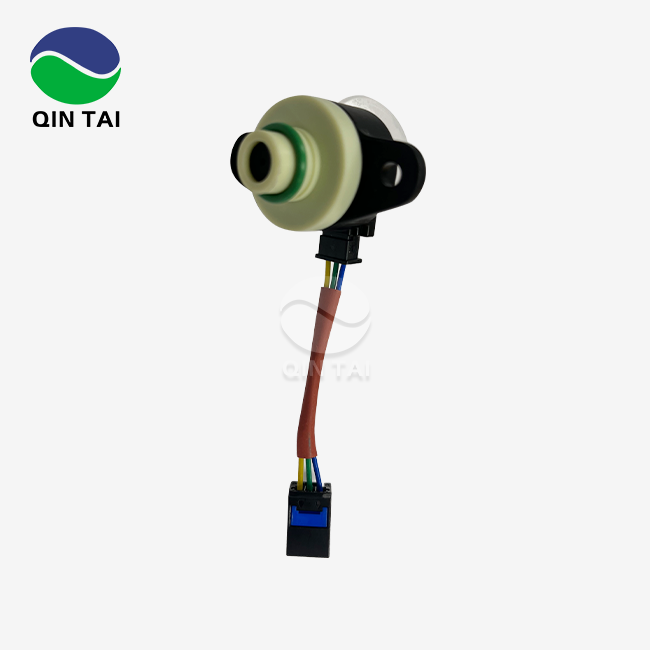
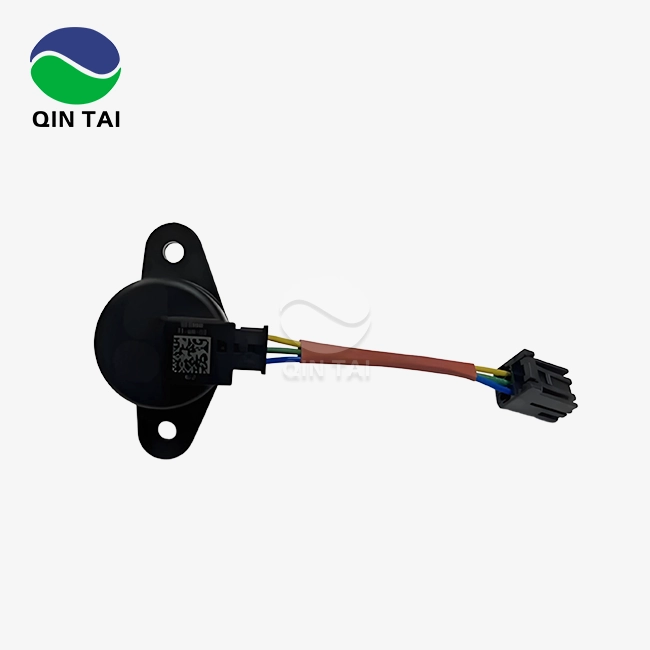
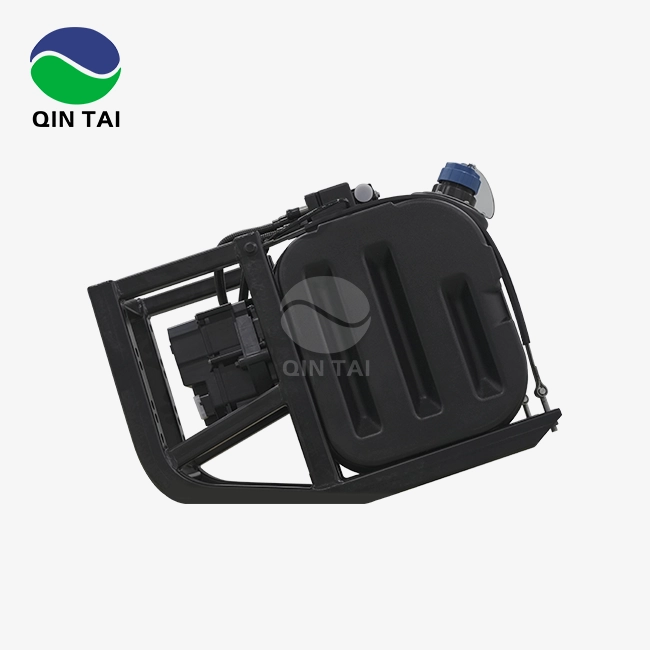

Our customers’ satisfaction speaks for our quality — contact us to experience the same reliable service.