- English
- French
- German
- Portuguese
- Spanish
- Russian
- Japanese
- Korean
- Arabic
- Greek
- German
- Turkish
- Italian
- Danish
- Romanian
- Indonesian
- Czech
- Afrikaans
- Swedish
- Polish
- Basque
- Catalan
- Esperanto
- Hindi
- Lao
- Albanian
- Amharic
- Armenian
- Azerbaijani
- Belarusian
- Bengali
- Bosnian
- Bulgarian
- Cebuano
- Chichewa
- Corsican
- Croatian
- Dutch
- Estonian
- Filipino
- Finnish
- Frisian
- Galician
- Georgian
- Gujarati
- Haitian
- Hausa
- Hawaiian
- Hebrew
- Hmong
- Hungarian
- Icelandic
- Igbo
- Javanese
- Kannada
- Kazakh
- Khmer
- Kurdish
- Kyrgyz
- Latin
- Latvian
- Lithuanian
- Luxembou..
- Macedonian
- Malagasy
- Malay
- Malayalam
- Maltese
- Maori
- Marathi
- Mongolian
- Burmese
- Nepali
- Norwegian
- Pashto
- Persian
- Punjabi
- Serbian
- Sesotho
- Sinhala
- Slovak
- Slovenian
- Somali
- Samoan
- Scots Gaelic
- Shona
- Sindhi
- Sundanese
- Swahili
- Tajik
- Tamil
- Telugu
- Thai
- Ukrainian
- Urdu
- Uzbek
- Vietnamese
- Welsh
- Xhosa
- Yiddish
- Yoruba
- Zulu
Key Applications of SCR Dosing Pumps
SCR dosing pumps serve as critical components in emission control systems, delivering precise amounts of diesel exhaust fluid or urea solution into exhaust streams to convert harmful nitrogen oxides into harmless nitrogen and water vapor. These specialized pumps enable heavy-duty diesel engines, industrial facilities, and power generation equipment to meet increasingly stringent environmental regulations like EPA Tier 4 Final and Euro VI standards while maintaining operational efficiency and cost-effectiveness across diverse industrial applications.
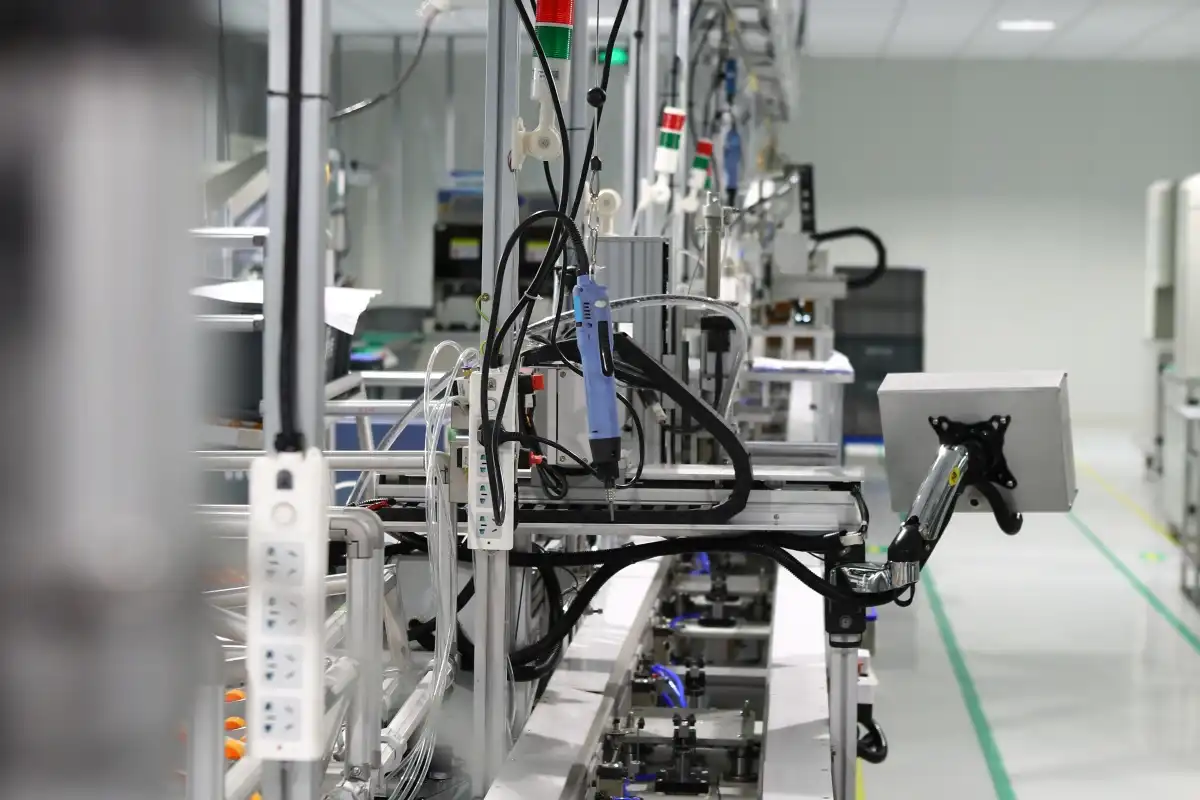
Introduction
The push for cleaner air and tighter pollution standards around the world has changed how businesses try to cut down on nitrogen oxide. SCR Dosing Pumps have become very important tools in this environmental change because they allow exact input of reductants that greatly reduce NOx emissions without affecting the performance of the equipment.
Diesel engine makers, aftertreatment system designers, and industrial equipment users are asking for more reliable, certified solutions that meet legal requirements and work well in the real world. This in-depth study looks at how these pumps work in different areas, what technical factors are most important to procurement workers, and which uses gain most from advanced dosing technology. Figuring out these uses helps people make choices about the right tools, checks the skills of suppliers, and sets up strategies for controlling emissions that produce observable outcomes.
Understanding SCR Dosing Pumps and Their Working Principle
Core Functionality and Design Architecture
AdBlue or diesel exhaust fluid is pumped from holding tanks to the dosing section by a urea dosing pump. The pressure levels are carefully controlled. The pump talks to the Engine Control Unit to change the amount of dosing based on the load on the engine, the flow rate of exhaust, and data from the NOx monitor in real time. This smart control system makes sure that the right amount and time of reductant injections happen, which maximises conversion efficiency while minimising fluid use. The integrated design usually puts the pump unit, filters, heaters, and electrical controls in a small housing. This makes it easier to install and lowers the number of places where parts can break.
Pump Types and Technical Variations
Different types of pump design are used for different tasks. Diaphragm pumps are very reliable and can work in a range of pressure situations, which makes them perfect for uses that need exact dosing. Fluids that are thick are easy for peristaltic pumps to handle, and they are easy to maintain because all you have to do is change the tubes. Gear pumps can handle high pressures and steady flow rates, making them ideal for large-scale emission control systems in industry. The choice between these types relies on things like the required flow rate, pressure, compatibility with fluids, and ease of upkeep. Modern SCR Dosing Pumps are made with materials that don't clog up with urea or rust, which means they last longer in harsh working conditions.
Advanced Control and Integration Features
Modern dosing pumps have advanced control systems that let them make changes in real time based on how they're working. Built-in purge and freeze protection features make sure that the equipment works reliably in all temperatures. This is especially important for equipment that works in cold places where urea solutions freeze at -11°C. The heaters and freeze protection code built into the pump make sure that the AdBlue melts before it is delivered. The system only starts dosing when the solution temperature goes above certain freezing points. Because they don't make a lot of noise and don't use a lot of energy, these pumps are good for mobile uses where comfort and power economy are important.
Key Industrial Applications of SCR Dosing Pumps
Heavy-Duty Diesel Engine Emission Control
Urea dosing pumps are most often used in the automobile and heavy truck industries. To meet EPA and Euro emission guidelines, diesel engines in commercial cars, building equipment, and farm tools need to be precisely injected with DEF. For these uses, pumps need to be very stable, work the same way under different loads, and be reliable enough for mass production. OEM makers prefer pumps that come with all the necessary certification paperwork, have been tested to last under continuous operation, and work with current engine control systems. The small, unified design that combines the pump, filter, and heater parts makes fitting easier and makes it easier to pack in vehicles.
Construction and Mining Equipment
For example, pollution control systems have to work hard when off-road vehicles are used in difficult conditions. Extreme temperature changes, vibrations, and dirty working conditions are common for construction equipment, mining vehicles, and material handling tools. SCR Dosing Pumps for these uses are built to last, have better closing systems, and work better in a wide range of environments. For generator set makers who work with mines, power plants, and backup power installations, they need pumps that are very durable and reliable enough for long-term use with little upkeep.
Agricultural Machinery and Equipment
Agricultural tractors, harvesters and watering systems made today use SCR technology to meet pollution standards while still having the power for hard work in the field. Pumps that are easy to install, cost-effective, and can be used on a variety of equipment bases are useful in these situations. The aftermarket sector really likes pumps that don't break down often, have a lot of stock, and come with full after-sales support. Repair shops and parts sellers are looking for options that techs can quickly put together without having to learn a lot of new skills or use special tools.
Power Generation and Industrial Processes
Stationary power plants and industrial boiler systems use bigger SCR systems that need dosing pumps with a lot of space. For these uses, you need reliable detection, the ability to integrate systems, and a lot of expert help. Companies that make environmental protection tools and offer solutions for treating industrial exhaust gases need pumps that work well with tracking systems, control architectures, and the plant's current infrastructure. It's now more important to focus on long-term dependability, planned upkeep, and recorded project experience that supports installations that are similar.
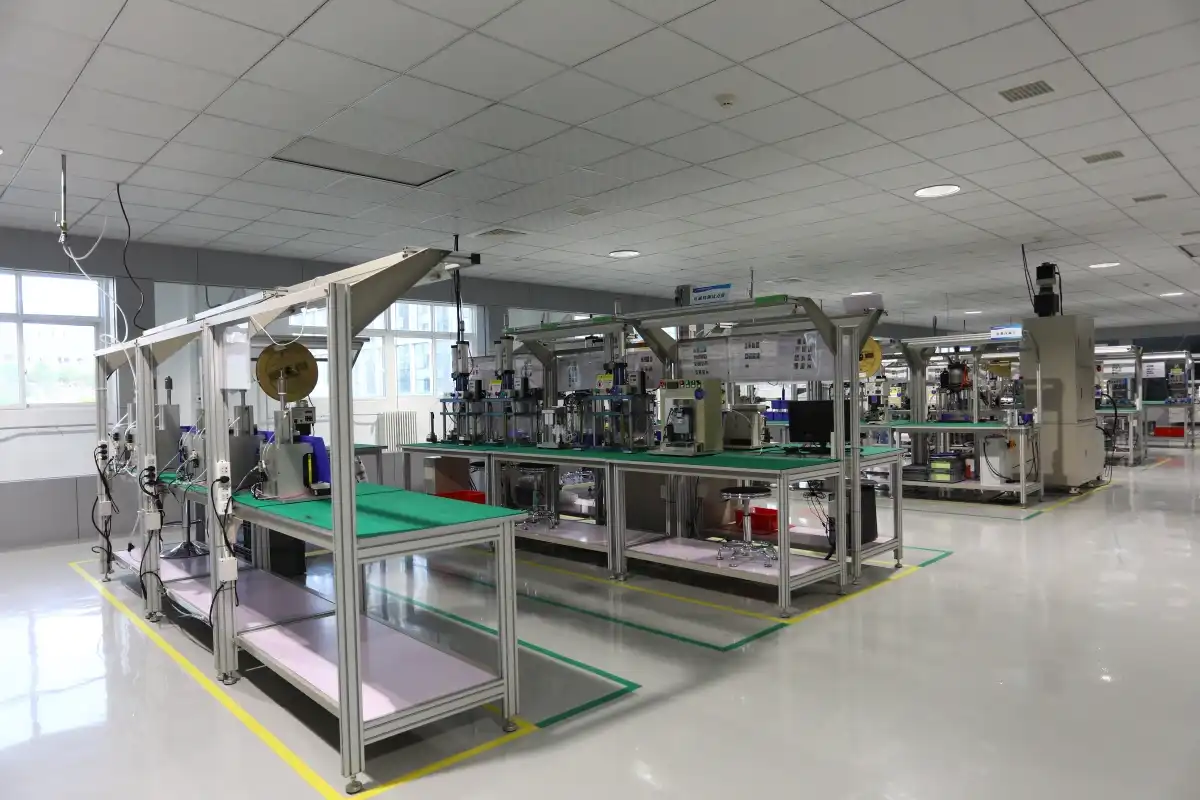
Benefits of Using SCR Dosing Pumps in Industrial Settings
Regulatory Compliance and Environmental Performance
Meeting strict pollution guidelines is the main reason why SCR systems are used. High-quality SCR Dosing Pumps consistently reduce NOx levels by more than 90%, which helps sites stay in line with changing rules. Accurate doses stops both under-dosing and over-dosing. Under-dosing leads to emission violations and over-dosing loses expensive reagent and hurts catalytic converters. This accuracy is especially useful during regulatory checks and emissions testing cycles, where the level of performance decides whether a product passes or fails.
Operational Efficiency and Cost Management
Variable speed control lets pumps change flow rates on the fly, which makes the best use of reagents based on the real load and combustion conditions of the engine. This smart dose cuts DEF use by 15–25% compared to fixed-rate systems, which saves a lot of money for fleets that use a lot of fuel. Less chemical waste means less direct fluid costs and less secondary costs for keeping, cleaning, and disposal. Lower upkeep needs lower the total cost of ownership even more. Under normal conditions, modern pumps can run for 8,000 to 12,000 hours between big service times.
System Integration and Reliability Advantages
Modern dosing pumps have flexible interfaces and strong sensor compatibility that make it easier to connect to a wide range of engine systems and aftertreatment designs. This flexibility is very important for system integrators who work with a lot of different OEM customers who have different needs. Because high-quality pumps are reliable and last a long time, there are fewer warranty claims and problems in the field. This protects the names of equipment makers. Built-in diagnostic tools allow for predictive maintenance, which lets workers book service for planned downtime instead of having to deal with problems that happen out of the blue.
Selecting the Right SCR Dosing Pump for Your Application
Critical Technical Specifications
A lot of things need to be carefully thought through in order to choose the right dose tools. The flow rate that is needed varies on the size of the engine, its power output, and how much NOx it is expected to produce. For car systems, the flow rate is usually between 0.5 and 15 litres per hour, while for industrial systems, it is higher. The pressure needed depends on where the injection is placed and the backpressure at the exhaust, but most systems need between 3 and 9 bar. Chemical compatibility makes sure that urea solutions don't break down SCR Dosing Pump materials, which means they need to be made of stainless steel, special plastics, or treated parts. Specification of temperature ranges confirms operation in normal conditions. This is especially important for tools that will be used in harsh regions.
Evaluating Different Pump Technologies
Knowing the differences between pump types can help you choose the right technology for the job. Diaphragm pumps are good for uses that need accuracy in a range of operating situations because they can measure accurately even when the pressure changes. Peristaltic pumps are useful for moving thick fluids and are easy to maintain because all you have to do is change the tubes. However, their low flow rates may make them less useful in high-capacity situations. Gear pumps deliver fluids consistently at higher pressures, making them ideal for large-scale systems that run in a steady state. Each technology has pros and cons when it comes to price, accuracy, upkeep, and how hard it is to use.
Supplier Evaluation and Partnership Considerations
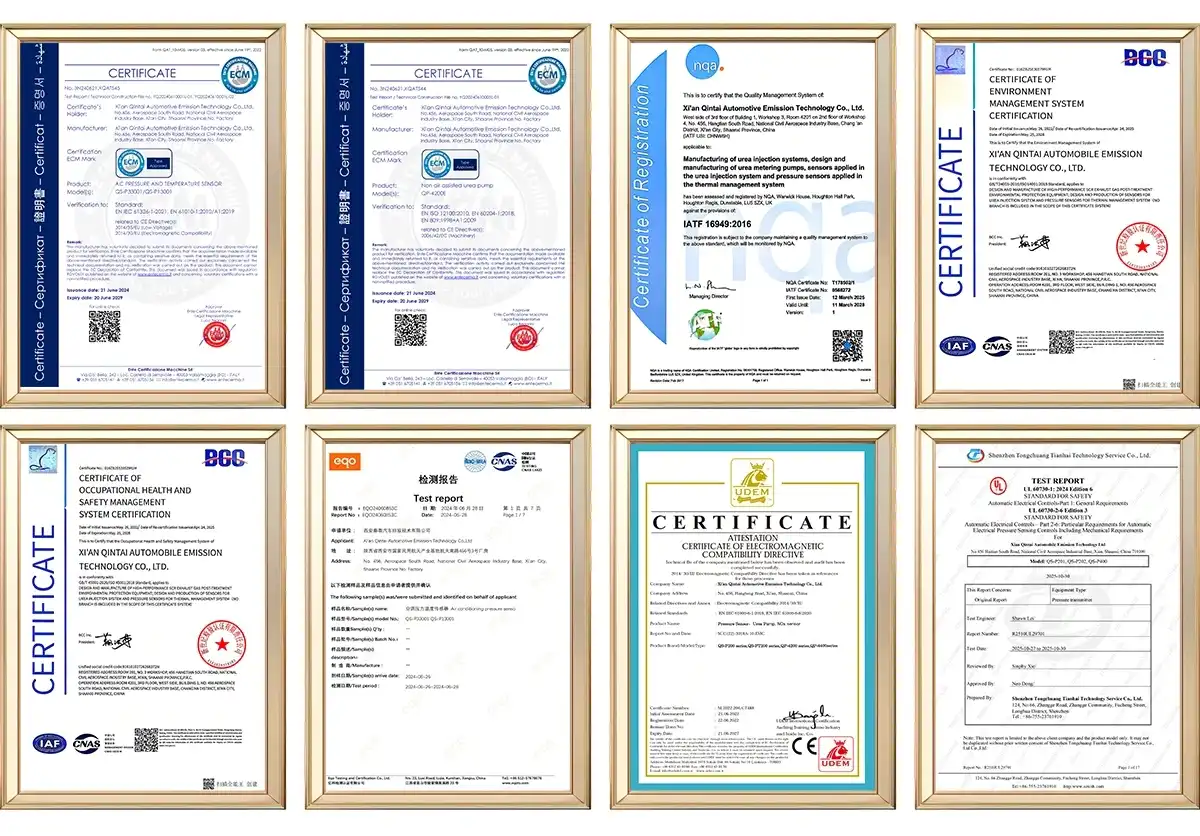
In addition to technical specs, buying pros need to look at how well suppliers can support long-term success. Certifications like ISO9001, IATF16949, and safety standards that apply show that the manufacturing process is controlled and of high quality. For OEM uses that need a steady supply at scale, mass production ability is very important. How quickly operating problems are fixed depends on how quickly technical help responds and how well after-sales service is set up. Qintai Automotive Emission Technology Co., Ltd. Ltd, a national high-tech company that was founded in 2001 and specialises in SCR aftertreatment system research, development, production, and full service delivery, is a good example of these skills.
Maintenance Tips and Troubleshooting for SCR Dosing Pumps
Preventive Maintenance Protocols
Regular inspections greatly increase the life of pumps and keep them from breaking down without warning. Every 500 to 1,000 hours of use, checking the seals, valves, and drive mechanisms finds wear before it breaks the system. By replacing the filter element according to the manufacturer's instructions, contamination is kept from getting to the precise dose parts. Checking the electrical connections makes sure that the contact between the pump controls and the engine management systems works well. Crystallisation is the most common reason why SCR Dosing Pumps break down in cold weather, so making sure the fluid amounts and quality are right is important.
Common Issues and Resolution Strategies
Flow problems are usually caused by air entrainment, clogged filters, or worn check valves. To find the real reason, you need to do a thorough diagnosis. Leakage around fittings or seals means that the gasket is wearing out or that the force requirements were not met during assembly. Bearing wear or fastening system problems that need to be fixed right away are usually indicated by too much noise or shaking. Over time, performance usually goes down because of internal wear or deposits, which can be fixed by cleaning the part or replacing it. Operators should keep thorough service records that show what repair was done, how the machine was performing, and when parts were replaced in the past.
Safety Considerations and Professional Support
Even though urea solutions aren't very dangerous, you still need to wear the right safety gear when handling them. To keep themselves safe from chemical and mechanical dangers, operators must follow set safety rules when doing repair. Trained techs who know about specific pump designs and system integration needs can help with complex diagnostic work or major fixes. Getting in touch with makers or authorised service places guarantees access to original replacement parts, technical documents, and expert help when fixing tough problems.

Conclusion
SCR Dosing Pumps are now an important part of modern methods to control emissions in the power production, transportation, and industry sectors. The examples given show how exact injecting of reductants can help with following the rules while still keeping operations running smoothly and at a low cost. To choose the right pump technology, you have to weigh the technical specs, the supplier's skills, and the total cost of ownership. We've looked at how different businesses put different features at the top of their lists. For example, OEMs put a lot of weight on stability and approval, integrators need compatibility and support, and aftermarket buyers care about price and availability. When procurement workers understand these needs, they can make choices that support both short-term operational needs and long-term strategic goals.
FAQ
Q1: What is the typical lifespan of an SCR dosing pump under heavy-duty operation?
A: SCR Dosing Pumps made for industrial use usually last between 8,000 and 12,000 hours of use before they need major repairs or parts to be replaced. The actual length depends on how it is used, how often it is maintained, and the quality of the fluid. When equipment is kept clean and serviced properly, it usually lasts longer than these guidelines. However, hard conditions or bad fluid quality may cause service times to be shortened. Regular preventive maintenance makes pumps last a lot longer and keeps their performance stable.
Q2: How do SCR dosing pumps handle corrosive chemicals like aqueous ammonia?
A: Modern dose pumps are made of materials that are chemically resistant, like fluoropolymer seals, corrosion-resistant coats, and stainless steel housings. Component design minimises dead areas where crystallisation can happen and includes features that make cleaning easier on a regular basis. Because the design is all one piece, all the parts that get wet won't break down when urea solutions or ammonia compounds are used in commercial SCR systems. The right choice of materials makes sure that the pump works safely and reliably for its whole life.
Q3: Why do variable speed pumps improve efficiency compared to fixed speed models?
A: With variable speed control, pumps can change the rate of delivery to match the needs of the system at any given time, instead of always running at full capacity. This dynamic reaction cuts down on wasteful chemical use when demand is low and makes sure there is enough supply when demand is high. The accuracy makes the NOx exchange work better while reducing loss. As working speeds go down, so does the amount of energy used, which lowers electrical costs and heat production in mobile apps.
Partner with Qintai for Reliable SCR Dosing Pump Solutions
Qintai is one of the best companies that makes SCR Dosing Pumps, and they've been helping customers around the world with emission control options for more than 20 years. We are the top OEM seller in China and work with major users like Weichai Power, Yuchai Power, and Quanchai Power. We have a track record of success in mass production, strict quality control, and full approval. Our independent research and development team is always coming up with new ideas to make our products work better. This is shown by the 58 invention patents and certifications we have, such as ISO9001, IATF16949, CMC, Ex, UL, CE, REACH, and RoHS.
We provide OEM and ODM services that are open and allow for customisation from the initial design stage through full-scale production. This makes sure that the solutions we provide exactly meet the needs of your application. Our experienced team provides quick and reliable service, whether you need a large quantity of parts for integrating them into vehicles, custom settings for specialised equipment, or expert help to make the system work better. Email our engineering team at info@qt-sensor.com to talk about your unique emission control problems, get full technical specs, or get quotes for projects you have coming up. Find out why procurement workers in 60 countries choose Qintai as their SCR Dosing Pump source for tasks that need the highest quality and performance.
References
1. Johnson, M. & Williams, R. (2022). Selective Catalytic Reduction Systems: Design, Application, and Performance Optimization. SAE International Publishing.
2. Environmental Protection Agency. (2021). Technical Guidance on Diesel Exhaust Fluid Quality and SCR System Performance. EPA Office of Transportation and Air Quality.
3. Chen, L., Zhang, H., & Kumar, S. (2023). "Advances in Urea Dosing Technology for Heavy-Duty Diesel Engines." International Journal of Automotive Engineering, 45(3), 287-302.
4. European Automobile Manufacturers Association. (2022). Euro VI Emission Standards: Implementation and Technology Overview. ACEA Technical Report Series.
5. Peterson, D. & Anderson, K. (2023). Industrial Emission Control: SCR Technology Applications and Best Practices. Wiley Engineering Publications.
6. International Council on Clean Transportation. (2021). Global Comparison of Heavy-Duty Vehicle Fuel Efficiency and Emission Standards. ICCT Working Paper Series 2021-18.
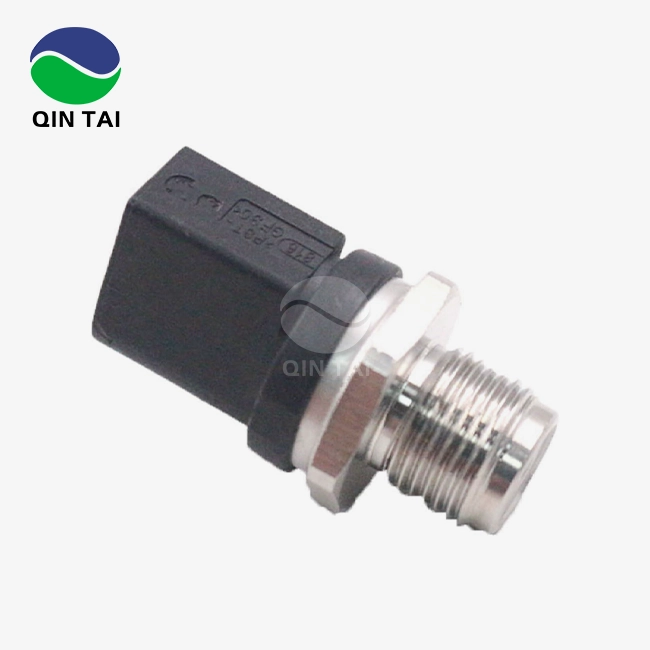
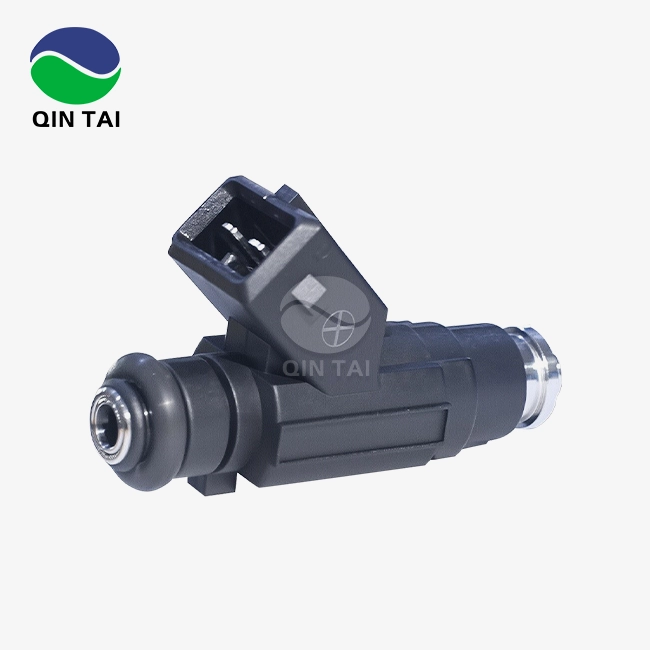
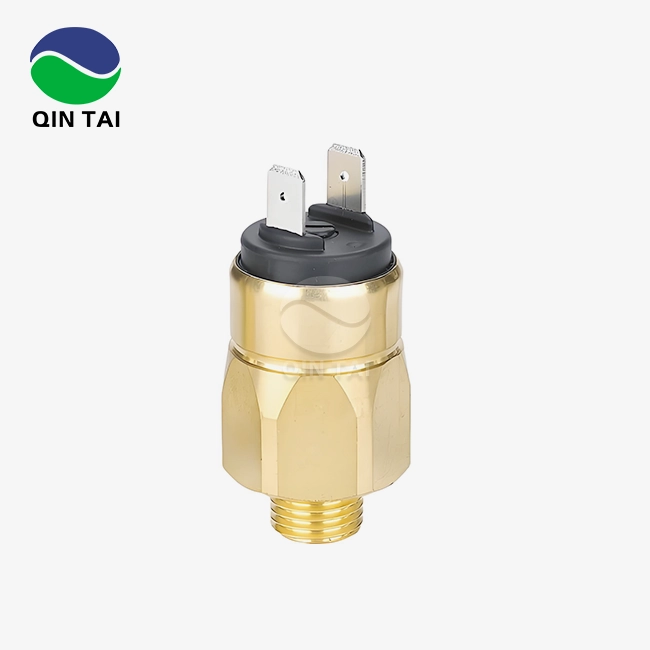
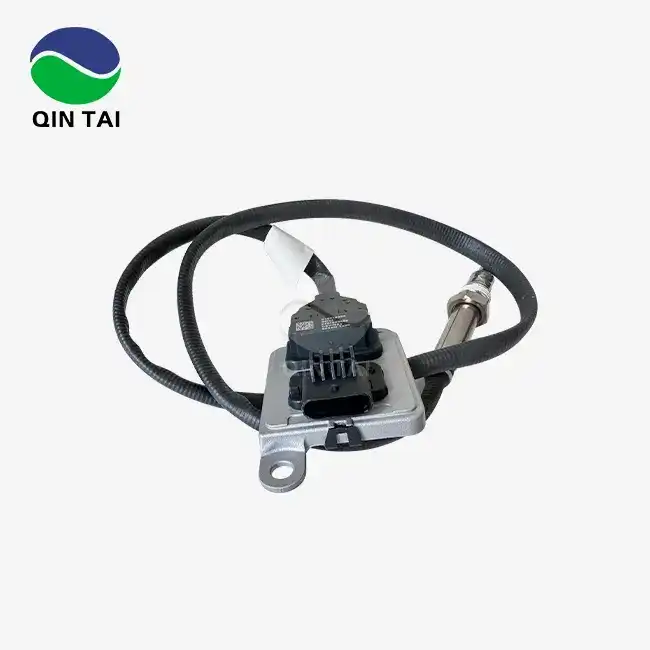

Our customers’ satisfaction speaks for our quality — contact us to experience the same reliable service.